
Quick Answer
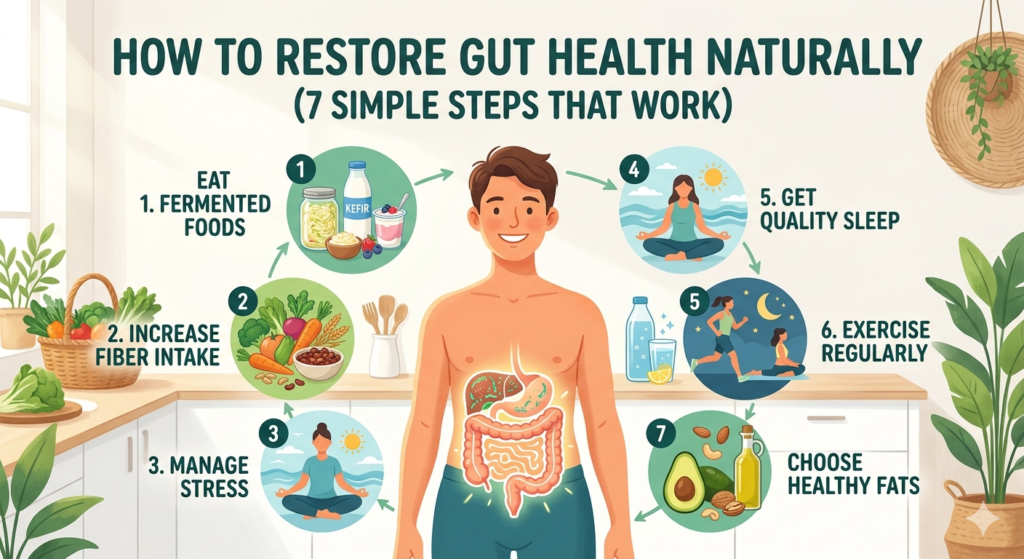
Some of the biggest bad habits for gut health include eating too little fiber, chronic stress, poor sleep, frequent ultra-processed foods, and sitting too much. Improving these daily routines may help support digestion, energy, and gut balance naturally.
Introduction
Your digestive system is influenced by what you do every day—not just what you eat occasionally. Sleep quality, stress levels, movement, hydration, and food choices all play a role in gut function.
Many people follow routines without realizing they are practicing bad habits for gut health. Over time, these patterns may contribute to bloating, cravings, low energy, and digestive discomfort. The good news is that small consistent changes can make a real difference.
What Is Gut Health?
Gut health refers to how well your digestive system works and how balanced your gut microbiome is. A healthy gut supports digestion, nutrient absorption, immunity, and communication with the brain.
5 Bad Habits for Gut Health
1. Eating Too Little Fiber
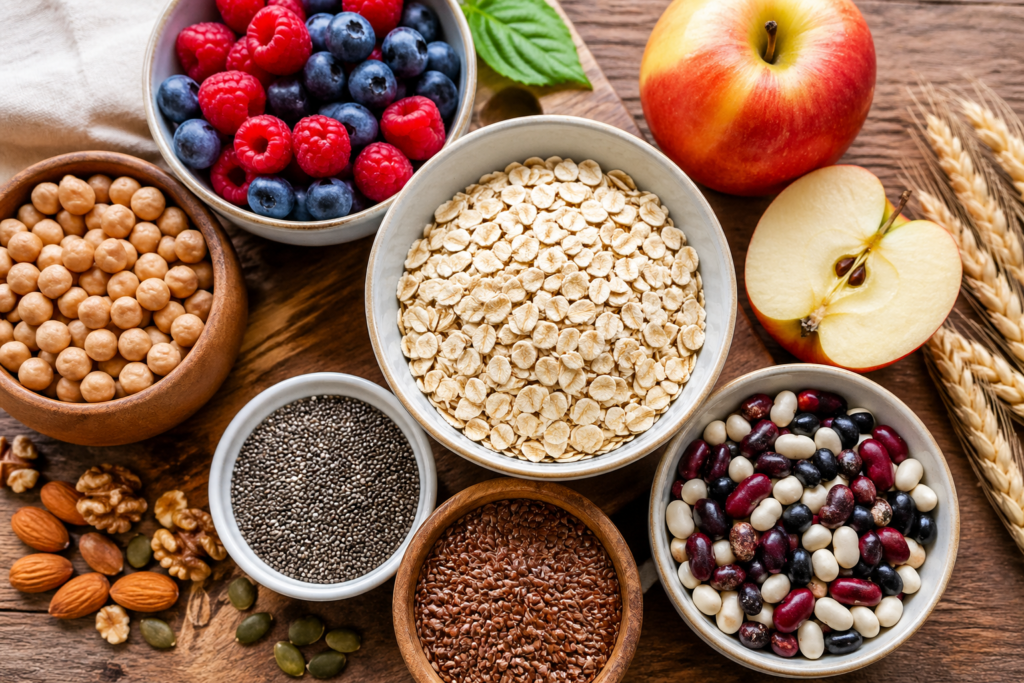
Fiber helps feed beneficial gut bacteria and supports regular digestion. Low-fiber diets may make it harder for your microbiome to thrive.
What Helps:
- Eat oats, beans, lentils, fruits, vegetables
- Add chia or flax seeds
- Increase fiber gradually
2. Living With Constant Stress
Stress may affect digestion, gut comfort, and bowel habits through the gut-brain connection.
What Helps:
- Daily walks
- Deep breathing
- Short breaks during work
- Relaxing evening routines

3. Poor Sleep Habits
Late nights and irregular sleep can affect hormones, cravings, and gut balance.
What Helps:
- Keep a regular bedtime
- Reduce screens at night
- Sleep in a cool dark room
4. Eating Ultra-Processed Foods Often
Highly processed foods are often lower in fiber and may crowd out more nutritious choices.
What Helps:
- Cook simple meals more often
- Choose whole foods first
- Read ingredient labels
5. Sitting All Day
Low movement may slow digestion and affect metabolism.
What Helps:
- Walk after meals
- Stretch every hour
- Aim for daily movement
Why These Habits Matter
Your gut responds to repeated daily patterns. Sleep, movement, stress, and food choices all shape your gut environment over time.
Small negative habits repeated consistently may gradually affect bloating, digestion comfort, cravings, and energy. Positive habits can compound in your favor too.
How to Improve Gut Health Naturally
Eat More Whole Foods
Focus on colorful plants, fiber-rich foods, and balanced meals.
Stay Hydrated
Water supports digestion and regularity.
Move Daily
Walking may help digestion and stress levels.
Prioritize Sleep
Quality rest supports hormone balance and gut health.
Reduce Stress Load
Even 10 minutes of calm time may help.
Best Gut Health Products to Consider
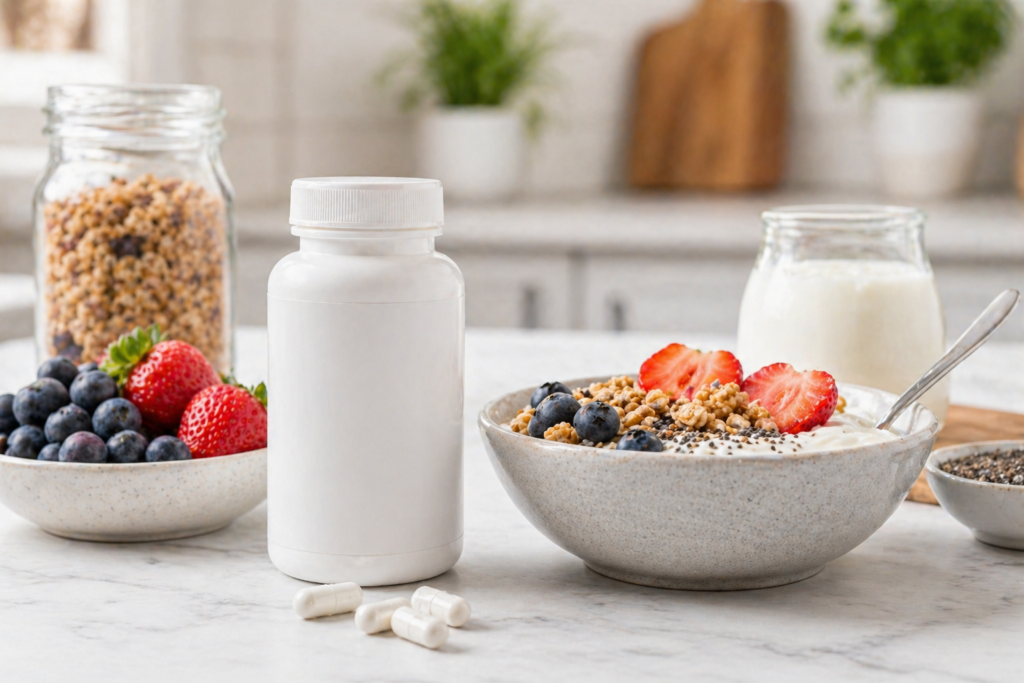
Some people use supplements alongside healthy habits.
Daily Probiotic Supplement
May help support microbial balance and digestive comfort.
Trusted Picks:
Looking for daily gut support? Explore a trusted probiotic option.
Prebiotic Fiber Powder
May help feed beneficial gut bacteria.
Trusted Picks:
Want to nourish healthy gut bacteria naturally? Try a daily fiber option.
Magnesium Glycinate
Stress and poor sleep can affect digestion.
Trusted Picks:
Need support for stress and digestion balance? Consider magnesium glycinate.
Related Reads
- Learn warning signs in 7 Signs of Poor Gut Health and How to Fix It
- Improve sleep with How to Fall Asleep Faster Tonight Naturally
- Support rest with Best Magnesium Supplements for Better Sleep
FAQ
Can stress really affect gut health?
Yes, stress may influence digestion, gut comfort, and bowel habits.
How long does gut health take to improve?
Some people notice changes in days or weeks depending on consistency.
Is fiber important for gut health?
Yes, fiber helps feed beneficial bacteria and supports regularity.
Are probiotics necessary?
Not always, but many people choose them for added support.
What is the fastest first step?
Increase fiber-rich whole foods and move more daily.
When to Seek Help
If digestive discomfort, bloating, constipation, diarrhea, or symptoms continue regularly, it may be wise to speak with a healthcare professional.
Want More Natural Wellness Tips?
Get trusted tips for better sleep, steady energy, gut health, and healthy living delivered weekly.
Final Summary
Many people overlook everyday bad habits for gut health. Low fiber intake, chronic stress, poor sleep, processed foods, and inactivity can all add up over time. The good news is that small consistent habits often create the biggest improvements in digestion and wellness.