Quick Answer
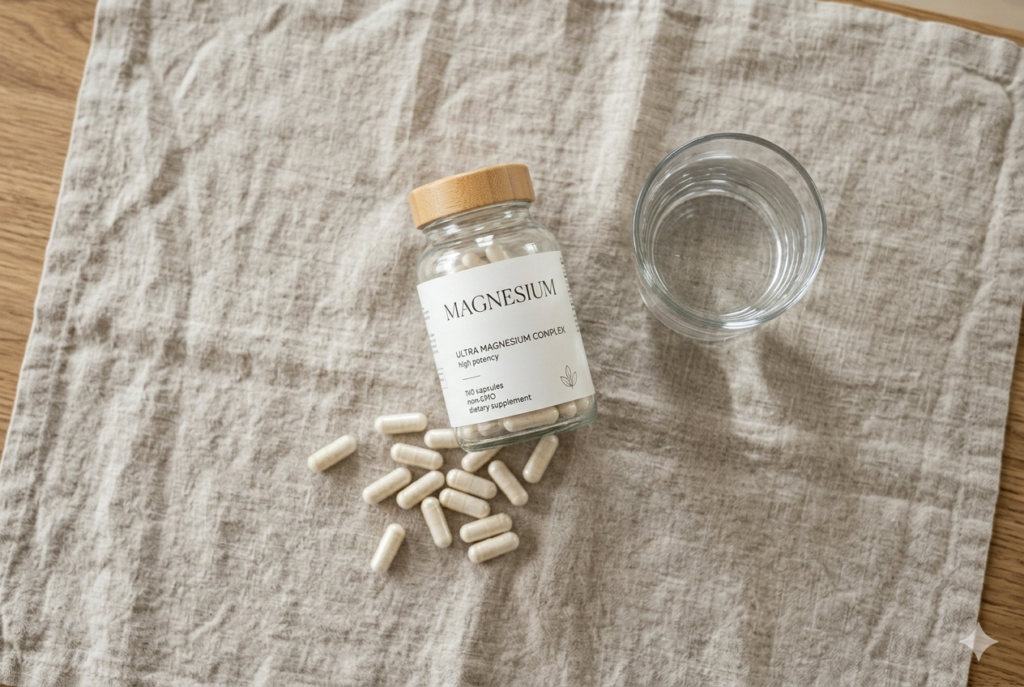
The best magnesium for sleep and stress is often magnesium glycinate because it is generally well absorbed and tends to be gentler on the stomach than some other forms. Magnesium may support relaxation and sleep most when intake is low, but it is not a sedative and results vary. Magnesium threonate may suit people focused on cognitive support, while citrate is more likely to affect digestion. Check the elemental magnesium amount, avoid excessive doses, and ask a healthcare professional before use if you have kidney disease or take medications that may interact with magnesium. If you are comparing magnesium with other options advertised as the best sleep supplement, remember that no single product is best for everyone and supplements cannot replace evaluation of persistent sleep problems.
Key Takeaways
- Magnesium glycinate is often the most practical bedtime form. It is generally well absorbed and less likely than citrate to cause loose stools.
- Magnesium is not a sleeping pill. It may support relaxation or sleep quality, especially when magnesium intake is low, but it will not fix every cause of insomnia or stress.
- Choose the form according to your goal. Glycinate is commonly used for evening relaxation, citrate for digestive regularity, and threonate for brain-focused support.
- Check elemental magnesium, not only the compound weight. Start conservatively and follow the product label or professional advice.
- Safety matters. Ask a healthcare professional before supplementing if you have kidney disease, are pregnant, or take antibiotics, thyroid medication, bisphosphonates, or other medicines that may interact.
- Key Takeaways
- Introduction
- What Is Magnesium and Why Is It Important?
- Why Magnesium May Help Sleep and Stress
- Doctor’s Best High-Absorption Magnesium
- Best Magnesium for Sleep and Stress: Top Forms Compared
- Nature Made Magnesium Glycinate
- How to Choose the Right Magnesium Supplement
- Best Magnesium Supplement to Consider
- How to Take Magnesium for Best Results
- Possible Side Effects
- Who May Benefit Most?
- NOW Foods Magnesium Glycinate
- FAQ
- When to Seek Help
- Final Summary
Introduction
Modern life can make restful sleep feel difficult. Long workdays, screen time, mental stress, and busy schedules may leave many people feeling wired at night and tired the next morning.
That is one reason magnesium supplements have become so popular. Many people search for the best magnesium for sleep and stress because magnesium plays an important role in muscle relaxation, nervous system balance, and sleep quality.
Not all magnesium products are the same, however. Different forms may affect the body differently. Some are better for calm evenings, some for digestion, and some for brain support.
This guide explains the best magnesium types, how to choose one, trusted brands, possible side effects, and how to use magnesium as part of a healthy sleep routine. For the broader foundation, see our guide on how to improve sleep quality naturally.
What Is Magnesium and Why Is It Important?
Magnesium is an essential mineral used in hundreds of biochemical reactions throughout the body. It helps support:
- Muscle relaxation
- Nerve function
- Energy production
- Healthy blood sugar balance
- Stress response
- Sleep regulation
Low magnesium intake may be more common than many people realize, especially in people who eat highly processed diets or experience chronic stress.
Because magnesium helps regulate the nervous system, it is often included in wellness routines designed to support calmness and better rest.
Why Magnesium May Help Sleep and Stress
Magnesium does not “knock you out” like a sleep medication. Instead, it may support natural relaxation pathways.
Possible ways magnesium may help include:
Supports Calm Nervous System Function
Magnesium helps regulate neurotransmitters involved in calmness and relaxation.
Promotes Muscle Relaxation
Some people feel physically tense after stressful days. Magnesium may help support healthy muscle relaxation.
Helps Evening Wind-Down
When paired with good sleep habits, magnesium may help create a more restful bedtime routine.
May Support Sleep Quality
Some users report fewer nighttime awakenings or easier sleep onset.

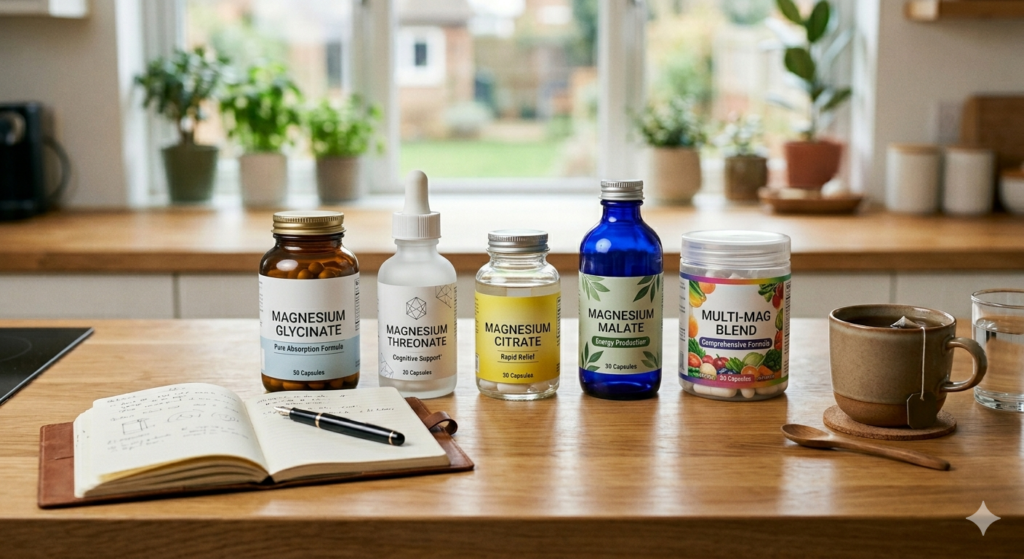
Best Magnesium for Sleep and Stress: Top Forms Compared
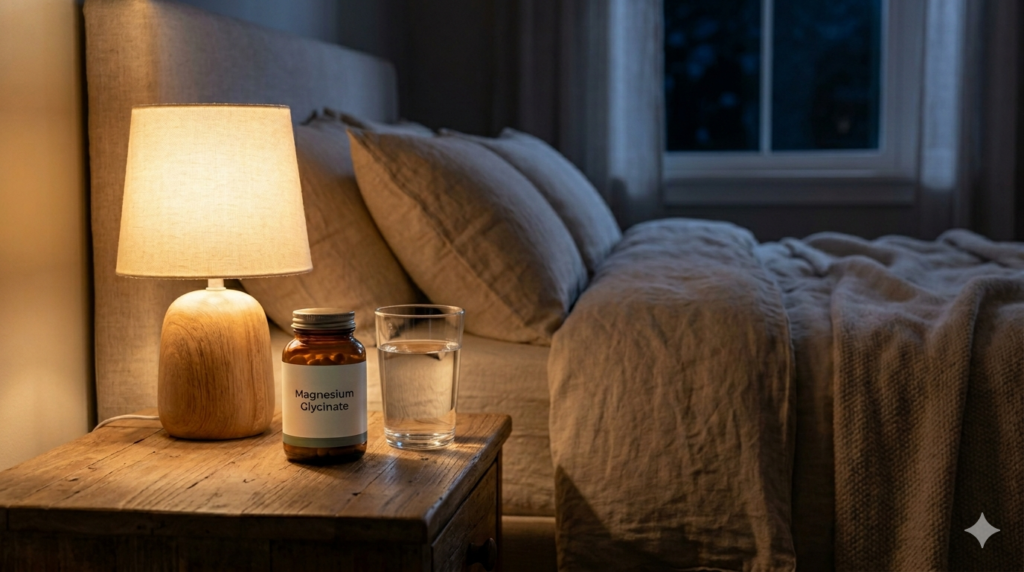
1. Magnesium Glycinate (Best Overall)
Magnesium glycinate combines magnesium with glycine, an amino acid often associated with calmness.
Why It’s Popular
- Gentle on the stomach
- Well absorbed
- Commonly chosen for bedtime use
- Often preferred for stress support
Best For
- Trouble unwinding at night
- Evening tension
- Daily stress support
Verdict
For many people, this is the best magnesium for sleep and stress.
2. Magnesium Threonate (Best for Mental Stress)
Magnesium threonate is known for its ability to cross the blood-brain barrier.
Why People Choose It
- Brain-focused support
- Popular for mental fatigue
- Often used for focus + calm routines
Best For
- Brain fog
- Busy minds at night
- Cognitive support
Verdict
Great option when mental stress feels like the main issue.
3. Magnesium Citrate (Best for Digestion + General Use)
This form is widely available and well absorbed.
Why People Choose It
- Budget friendly
- Common in stores
- May support digestive regularity
Best For
- General magnesium support
- People wanting digestion support too
Note
Some people may find it too stimulating for bedtime due to digestive effects.
4. Magnesium Malate (Best for Daytime Energy)
Magnesium malate is often associated more with energy support than sleep.
Best For
- Daytime fatigue
- Active people
- Morning or daytime use
Verdict
Less common as a dedicated bedtime magnesium.
5. Magnesium Blend Formulas
Some products combine glycinate, citrate, and malate.
Best For
- People who like all-in-one formulas
- Flexible routines

How to Choose the Right Magnesium Supplement
Choose Based on Your Main Goal
If your main issue is:
Stress + sleep = Glycinate
Mental tension = Threonate
Digestion + magnesium = Citrate
Daytime fatigue = Malate
Check Elemental Magnesium
Some labels show compound weight, not pure magnesium amount. Read carefully.
Avoid Excess Fillers
Choose brands with transparent ingredients and third-party testing when possible.
Start With Lower Doses
Some people begin with a smaller amount to test tolerance.
Use Consistently
Magnesium often works best when used regularly as part of healthy habits.
Best Magnesium Supplement to Consider
1. Doctor’s Best High Absorption Magnesium Glycinate
Why It’s Popular
- Chelated form
- Trusted brand
- Good value
Looking for a strong daily option? Explore Doctor’s Best Glycinate.
2. Nature Made Magnesium Glycinate
Why It’s Popular
- Mainstream trusted brand
- Easy to find
- Beginner friendly
Want a simple starter option?Check Nature Made Glycinate.
3. NOW Magnesium Glycinate
Why It’s Popular
- Reputable supplement company
- Good ingredient standards
Prefer a long-established wellness brand? See NOW Glycinate.
4. Natural Vitality CALM Powder
Why It’s Popular
- Powder drink format
- Evening ritual style supplement
CTA: Prefer a warm calming drink instead of capsules? Try CALM Powder.
5. Life Extension Neuro-Mag
Why It’s Popular
- Popular threonate formula
- Brain support positioning
Need mental calm support? Consider Neuro-Mag.
How to Take Magnesium for Best Results
Evening Timing
Many people take magnesium 30–60 minutes before bed.
Pair With Sleep Habits
Magnesium works best with consistent sleep habits. Our sleep hygiene tips explain how light, screens, caffeine, temperature, and bedtime consistency influence sleep.
Helpful habits include:
- Dim lights
- Cooler bedroom
- Consistent bedtime
- Reduced screens
Stay Hydrated
Water intake matters for overall mineral balance.
Possible Side Effects
Magnesium is commonly used, but some people may notice:
- Loose stools
- Stomach discomfort
- Sleepiness
- Digestive changes
This varies by form and dose.
If you take medications or have medical conditions, ask a healthcare professional first.
Who May Benefit Most?
Magnesium may be especially appealing for people who:
- Feel tense at night
- Have trouble winding down
- Want non-stimulant wellness support
- Prefer habit-based sleep routines
- Experience stress-related sleep disruption

Related Reads
- Improve sleep naturally with How to Fall Asleep Faster Tonight Naturally
- Learn sleep causes in Why Do I Wake Up Tired? 7 Morning Causes + Fixes
- Discover stress effects in How Stress Quietly Ruins Your Sleep Quality
FAQ
What type of magnesium is best for sleep?
Magnesium glycinate is commonly preferred for relaxation and bedtime use.
Can magnesium help with stress?
Many people use magnesium as part of a stress-support routine.
How long does magnesium take to work?
Some people notice benefits quickly, while others need regular use over time.
Should magnesium be taken at night?
Many people take it in the evening, especially for sleep support.
Is magnesium safe daily?
Many people use it daily, but dosage and suitability vary. Consult a professional if unsure.
When to Seek Help
If stress, anxiety, or insomnia continue regularly or affect daily life, consider speaking with a healthcare professional.
Want More Natural Wellness Tips?
Get trusted tips for better sleep, steady energy, gut health, and healthy living delivered weekly.
Final Summary
The best magnesium for sleep and stress is often magnesium glycinate because it is generally well absorbed and commonly chosen for evening relaxation. Magnesium threonate may suit people focused on cognitive support, while citrate is more likely to affect digestion. Choose a transparent product, check the elemental magnesium amount, avoid excessive doses, and combine supplementation with a consistent sleep routine. People with kidney disease or those taking medications should seek professional guidance before using magnesium supplements.