Quick Answer
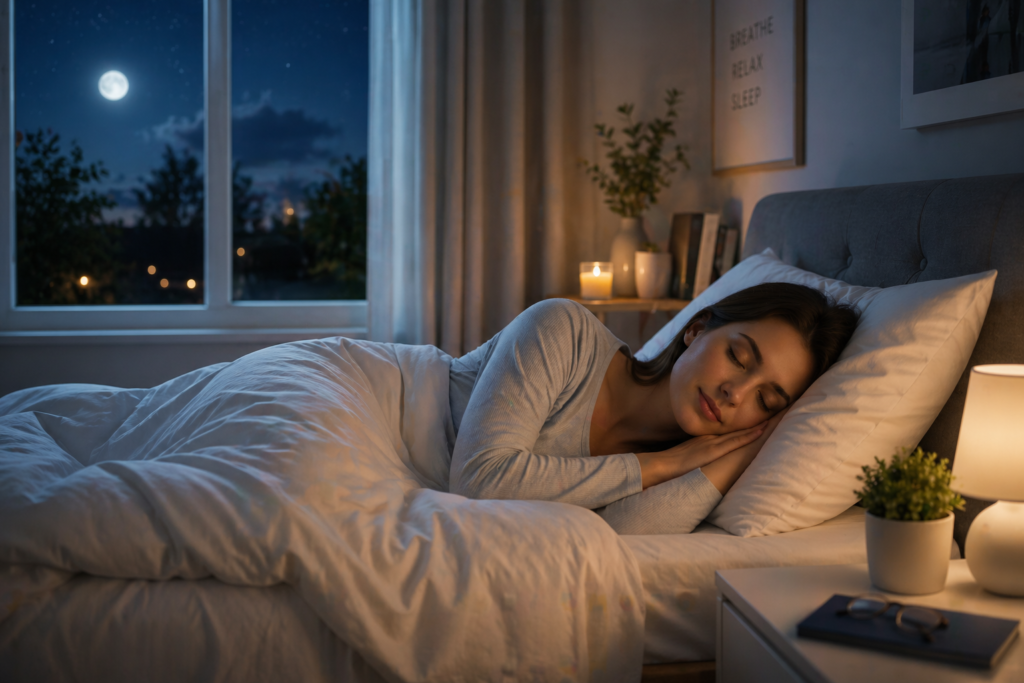
If you are wondering how to fall asleep faster, start by reducing stimulation during the final hour before bed. Dim the lights, stop scrolling, keep the bedroom cool and quiet, practice slow breathing, and follow a consistent sleep schedule. These habits help support your natural sleep signals and may make it easier to fall asleep without forcing it. If you remain awake most nights for several weeks or daytime functioning suffers, speak with a healthcare professional.
Key Takeaways
- Do not force sleep. Reduce stimulation and let your body transition gradually into rest.
- Light and screens matter. Dim lighting and stop scrolling 30–60 minutes before bed.
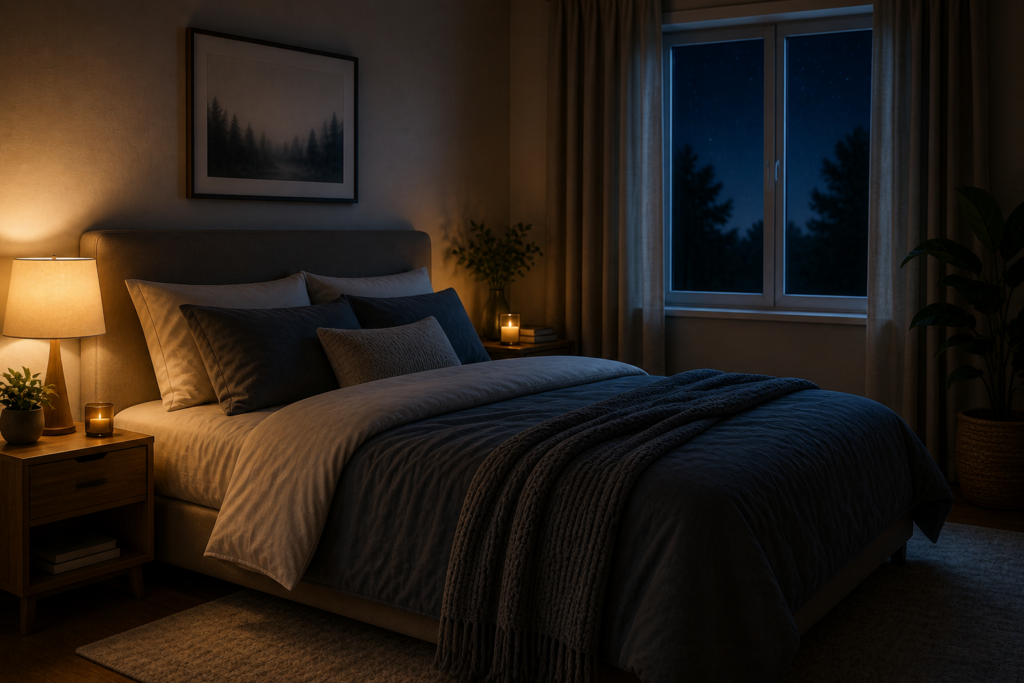
- Your environment can speed sleep onset. A cool, dark, quiet bedroom is usually more sleep-friendly.
- Calm the nervous system. Slow breathing, stretching, reading, or writing down tomorrow’s tasks may reduce mental alertness.
- Persistent insomnia deserves attention. Seek professional guidance when difficulty sleeping continues or affects daily life.
Introduction
Many people search for how to fall asleep faster because they feel physically tired but mentally alert at night. I experienced this during stressful periods when my mind kept reviewing work problems long after I went to bed. Trying harder to sleep usually made me more frustrated. What helped most was reducing mental stimulation, following a more consistent bedtime routine, and creating a calmer sleep environment.
Stress, bright lights, late meals, racing thoughts, caffeine, and irregular sleep habits can all delay the body’s natural transition into sleep. The good news is that many people can fall asleep faster naturally by making a few practical changes rather than relying only on products or medication. For a broader foundation, see our complete guide to improving sleep quality naturally.
Why Is It Hard to Fall Asleep Faster?
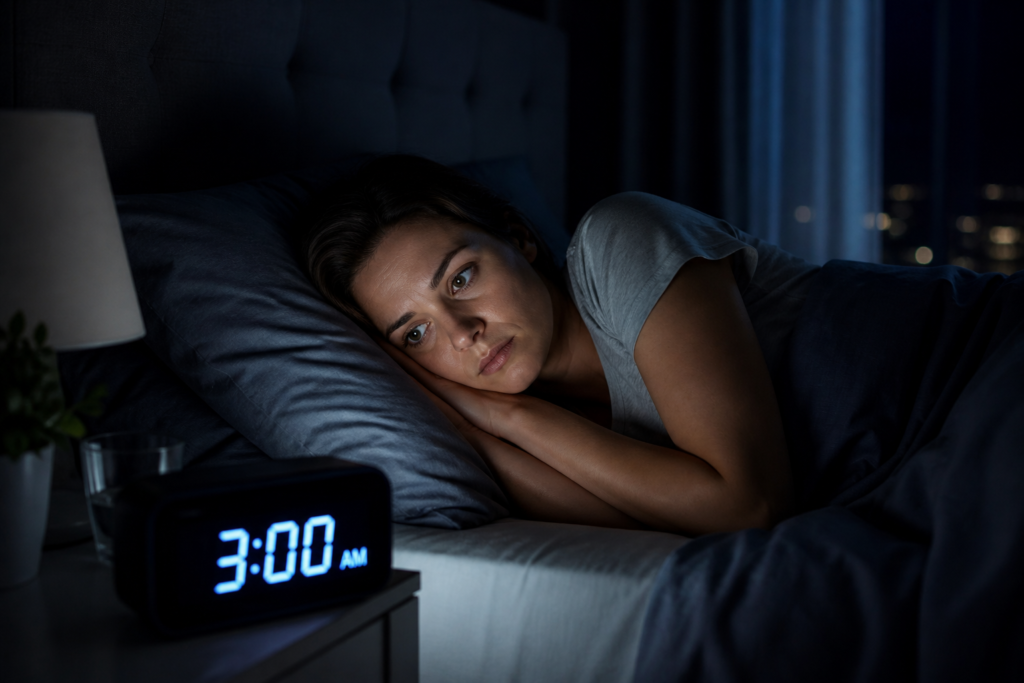
Sleep delays often happen because the body still thinks it is daytime or stress time. If you frequently ask yourself, “How do I fall asleep fast?” or “How can I fall asleep fast?” the answer often involves reducing stimulation and supporting the body’s natural sleep signals.
Common causes include:
- Phone or TV light before bed
- Stress and overthinking
- Caffeine too late in the day
- Heavy late meals
- Hot bedroom temperature
- Irregular sleep schedule
- Low physical activity
9 Natural Ways to Fall Asleep Faster
1. Dim Lights 1 Hour Before Bed
Bright light can delay melatonin production.
What Helps:
- Use lamps instead of bright ceiling lights
- Lower screen brightness
- Turn off harsh bathroom lights
2. Keep Your Bedroom Cool
A cooler room may help the body transition into sleep mode.
What Helps:
- Open a window if possible
- Use lighter bedding
- Lower thermostat slightly
3. Stop Screens Before Bed
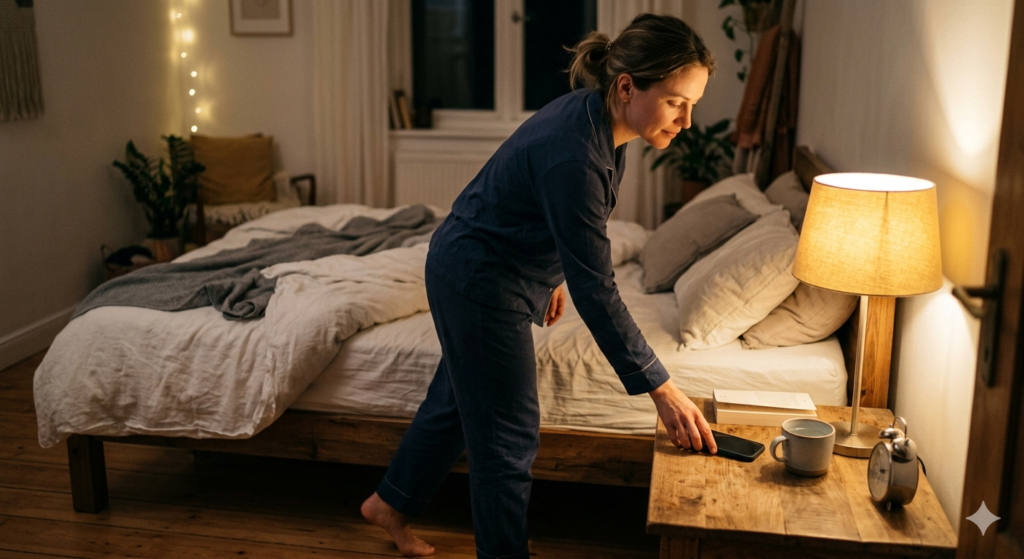
Reducing screen exposure is one of the simplest ways to fall asleep faster because phones keep the brain stimulated and alert. These sleep hygiene tips explain how evening light, routines, and bedroom conditions work together. These changes are also part of good sleep hygiene.
What Helps:
- Stop scrolling 30–60 minutes before bed
- Charge phone away from bed
- Read a paper book instead
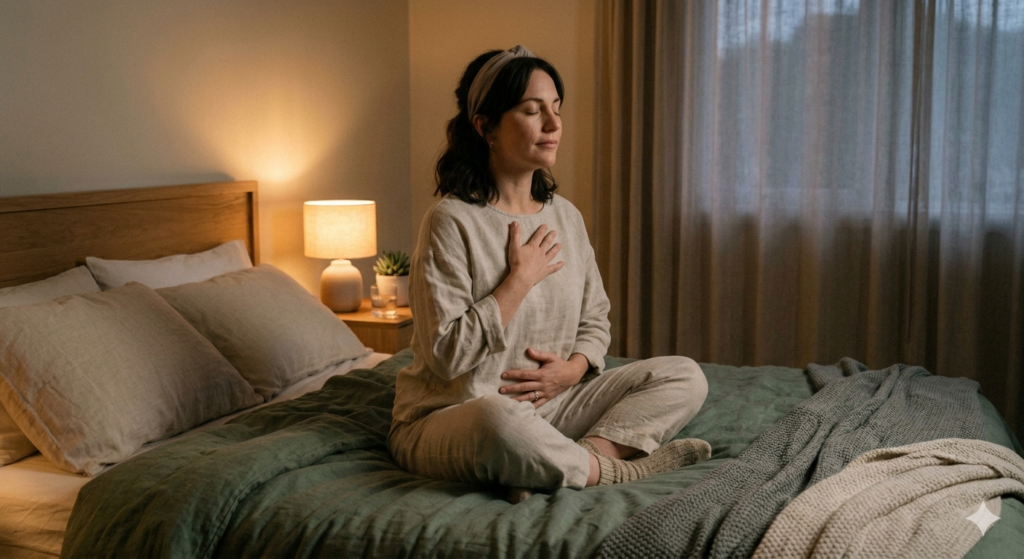
4. Try Slow Deep Breathing
Breathing exercises are often recommended for people looking for the fastest way to fall asleep naturally.
Try This:
- Inhale 4 seconds
- Hold 4 seconds
- Exhale 6 seconds
- Repeat 10 times
Another commonly used option is 4-7-8 breathing: inhale through your nose for four counts, gently hold for seven, and exhale slowly for eight. Use a comfortable pace and stop if holding your breath feels uncomfortable or makes you lightheaded.
5. Try Progressive Muscle Relaxation
Progressive muscle relaxation may help when physical tension or a racing mind keeps you awake. Starting with your feet, gently tense one muscle group for a few seconds, release it, and notice the difference between tension and relaxation. Continue gradually through your legs, abdomen, shoulders, arms, jaw, and face while breathing slowly. Do not strain painful or injured muscles.
6. Empty Your Mind on Paper
Thoughts often become louder at night.
What Helps:
Write down:
- Tomorrow’s tasks
- Worries
- Ideas
- Reminders
This can reduce mental looping. When stress repeatedly delays sleep, our guide to stress and sleep explains why an alert nervous system can interfere with rest.
7. Avoid Heavy Food Late
Large meals close to bedtime may cause discomfort, reflux, and make it harder to fall asleep quickly.
Better Choice:
If hungry, try:
- Banana
- Yogurt
- Oats
- Kiwi
- Herbal tea
Caffeine-free herbal tea can be part of a calming bedtime routine, but no tea reliably makes everyone fall asleep faster. Chamomile is a common evening choice, while other caffeine-free blends may simply help by replacing stimulating drinks and creating a consistent wind-down ritual. Avoid large amounts of fluid close to bedtime if nighttime bathroom trips disturb your sleep.
8. Use a Consistent Bedtime
A consistent sleep schedule is one of the most effective ways to go to sleep fast and improve sleep quality over time. For a broader plan, see our complete guide to improving sleep quality naturally.
Sleeping at random times can delay sleep signals.
Try to sleep within the same 30-minute window nightly.
9. If You Cannot Sleep, Get Out of Bed Briefly
If you have been awake for a while and are becoming frustrated, get out of bed and do something quiet in dim light until you feel sleepy again. This stimulus-control approach helps reduce the association between bed and wakefulness. Around 20 minutes is often used as a rough guide, but avoid watching the clock; return to bed when drowsiness comes back.
Why These Tips Help You Fall Asleep Faster
These strategies help support the body’s natural sleep process. Light affects melatonin production, cooler temperatures help sleep onset, and lower stress levels reduce cortisol. Together, these changes may help you fall asleep faster and improve overall sleep quality. If you sleep long enough but still feel exhausted, review the possible causes of being tired after eight hours of sleep.
Can Supplements Help You Fall Asleep Faster?
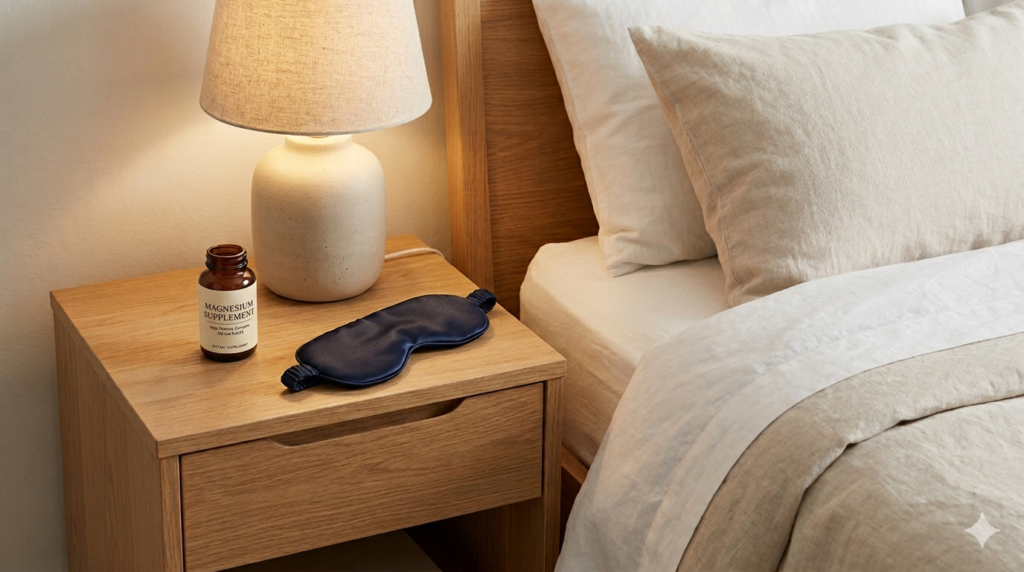
Some supplements may support relaxation or sleep timing, but they should complement—not replace—healthy sleep habits. Melatonin mainly helps regulate circadian timing, magnesium may support relaxation in some people, and L-theanine is commonly used for a calmer evening routine. Effects vary by person, dose, and underlying sleep problem, so persistent insomnia deserves professional guidance.
Can a Weighted Blanket Help You Fall Asleep Faster?
A weighted blanket may help some people feel calmer at bedtime, especially if gentle pressure makes it easier to settle down. Comfort and temperature matter, and the effect varies from person to person, so it should be viewed as a supportive sleep tool rather than a treatment for insomnia. See our Bearaby Weighted Blanket review and Baloo Living Weighted Blanket review for examples.
Best Sleep Products to Consider
Some people use tools or supplements alongside healthy habits.
L-Theanine Supplement
Often used for relaxation and sleep support.
⭐ Editor’s Pick
NOW Foods L-Theanine 200 mg
Best For: Relaxation & Calm Mind Before Sleep
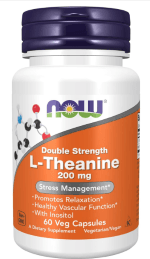
NOW Foods L-Theanine contains the amino acid L-theanine, commonly used to support relaxation and a calmer nighttime routine without melatonin. Many people include it in their evening wellness habits to help unwind after stressful days
✔ Supports relaxation before bedtime
✔ Helps promote a calmer mood
✔ Non-drowsy amino acid support
✔ Popular evening wellness supplement
👉 Looking for calm nighttime support naturally?
White Noise Machine
May help block distracting sounds.
⭐ Editor’s Pick
LectroFan EVO White Noise Machine
Best For: Blocking Nighttime Noise & Better Sleep
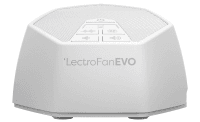
The LectroFan EVO White Noise Machine creates consistent background sound designed to help mask disruptive noises and support a calmer sleep environment. Many people use white noise machines to improve sleep quality and reduce nighttime interruptions.
✔ Helps mask outside noise
✔ Supports uninterrupted sleep
✔ Multiple fan and white noise sounds
✔ Popular bedroom sleep device
👉 Need a quieter sleep environment for deeper rest?
Sleep Mask
Useful for blocking light.
⭐ Editor’s Pick
MZOO Sleep Eye Mask
Best For: Light Blocking & Deeper Sleep
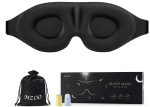
The MZOO Sleep Mask is designed to block light exposure and create a darker sleep environment. Many people use sleep masks to support deeper rest and reduce nighttime disruptions.
✔ Blocks unwanted light
✔ Supports deeper rest
✔ Comfortable contoured design
✔ Helpful for travel and home use
👉 Want a darker sleep environment naturally?
Related Reads
- Sleep Hygiene Tips: 7 Bedtime Habits for Better Sleep
- How to Improve Sleep Quality Naturally: Complete Sleep Guide
- How to Fix Your Sleep Cycle: A 2-Week Reset Plan
- Stress and Sleep: How Stress Affects Sleep Quality
- Best White Noise Machines of 2026: Top Picks for Better Sleep
- Best Magnesium for Sleep & Stress
Improve Sleep With Sound Machines & Relaxation Tools
Relaxation-focused wellness tools like white noise machines, calming sound devices, sleep speakers, and guided relaxation products may help create a more peaceful sleep environment and support healthier nighttime routines.
👉 Explore: Sound Machines & Relaxation
FAQ
How can I fall asleep faster naturally?
To fall asleep faster naturally, reduce stimulation before bed and give your body consistent cues that it is time to rest. Dim the lights, stop scrolling 30–60 minutes before bedtime, keep the room comfortably cool and quiet, and practice slow breathing. A regular sleep schedule can also make sleep onset feel more predictable over time.
Does magnesium help sleep?
Magnesium may support relaxation and sleep in some people, but it is not a guaranteed sleep aid. Magnesium glycinate is commonly chosen because it is generally well tolerated and is often used in evening routines. Evidence varies by person, so healthy sleep habits should remain the foundation and persistent sleep problems deserve professional guidance.
Why am I tired but cannot sleep?
Feeling tired but unable to sleep often means your body is fatigued while your brain or nervous system is still alert. Stress, late caffeine, bright light, irregular sleep timing, or mental overstimulation can delay sleep onset. If this pattern happens frequently, review the connection between stress and sleep and consider professional guidance if it persists.
Is it okay to use white noise?
Yes, white noise can help some people fall asleep by masking sudden or inconsistent sounds that would otherwise keep the brain alert. A steady background sound may make traffic, conversations, or household noise less noticeable. Keep the volume comfortable and use it mainly when environmental noise is actually interfering with sleep.
What is the fastest way to fall asleep?
The fastest practical way to fall asleep is to reduce stimulation rather than trying to force sleep. Put your phone away, dim the lights, keep the bedroom cool and quiet, and use slow breathing or another calming routine. If you remain wide awake, getting out of bed briefly for a quiet activity can be more helpful than becoming frustrated.
What breathing exercises can help you fall asleep faster?
Slow breathing can help you fall asleep by lowering physical and mental arousal before bed. Try inhaling gently for about four seconds and exhaling for about six seconds for several minutes. The goal is not to force sleep, but to make the exhale slightly longer than the inhale and let your attention settle.
How does screen time before bed affect sleep?
Screen time before bed can make it harder to fall asleep by combining bright light with mentally stimulating content. Evening light may delay normal melatonin timing, while scrolling, messages, videos, or work can keep the brain alert. Reducing screens 30–60 minutes before bedtime is a practical way to support a calmer transition into sleep.
What foods and drinks can help you fall asleep faster?
No food or drink guarantees faster sleep, but a light evening snack can be easier on sleep than a heavy late meal. Options such as yogurt, oats, kiwi, or a banana may fit a balanced bedtime routine, while caffeine-free herbal tea can help with winding down. Avoid late caffeine, excess alcohol, and large meals if they disrupt sleep.
Can a weighted blanket help you fall asleep faster?
A weighted blanket may help some people feel calmer and more settled at bedtime, but it does not reliably make everyone fall asleep faster. The gentle pressure can feel comforting for certain sleepers, while others may find it too warm or restrictive. Treat it as a comfort tool rather than a treatment for insomnia.
Do sleep supplements help you fall asleep faster?
Some sleep supplements may help certain people, but their effects depend on the ingredient and the reason sleep is delayed. Melatonin mainly supports circadian timing, while magnesium or L-theanine are commonly used for relaxation. Supplements should support—not replace—consistent sleep habits, and ongoing insomnia or medication interactions should be discussed with a qualified clinician.
Falling asleep faster can increase your sleep opportunity, but it does not show whether you have accumulated a recent duration shortfall. The Sleep Debt Calculator can compare your last 7 or 14 nights with your personal sleep target.
When to Seek Help
If trouble sleeping lasts several weeks, happens most nights, or affects your daily functioning, it may be wise to speak with a healthcare professional. Ongoing insomnia can sometimes be linked to stress, sleep apnea, anxiety, medication effects, or other health concerns.
Many people looking for how to fall asleep quickly focus on supplements or sleep products first. While those tools can help, healthy sleep habits, a consistent bedtime routine, and a supportive sleep environment are often the most effective long-term strategies for falling asleep faster naturally.
Want More Natural Wellness Tips?
Get trusted tips for better sleep, steady energy, gut health, and healthy living delivered weekly.
References
- Centers for Disease Control and Prevention — About Sleep
- National Heart, Lung, and Blood Institute — Healthy Sleep Habits
- National Heart, Lung, and Blood Institute — Insomnia Treatment
- National Center for Complementary and Integrative Health — Sleep Disorders and Complementary Health Approaches
- American Academy of Sleep Medicine — Brief Behavioral Treatment for Insomnia
- Harvard Health Publishing — Progressive Muscle Relaxation for Sleep
- National Center for Complementary and Integrative Health — Chamomile: Usefulness and Safety
Final Summary
If you want to learn how to fall asleep faster, focus on calming your body and reducing stimulation before bedtime. Start with screens off, cooler room temperature, slower breathing, and a consistent bedtime. Small nightly habits often create the biggest improvements for people trying to fall asleep faster and sleep more consistently.