Quick Answer
Waking at 3AM can reflect normal brief awakenings, stress, habits, environmental triggers or a sleep or health condition. The time alone does not diagnose high cortisol, low blood sugar or a specific organ problem. Avoid clock-watching; if wide awake, do something quiet in dim light and return when sleepy. Persistent waking or breathing-related symptoms deserve evaluation.
Key Takeaways
- Nighttime waking has several possible causes. Stress, noise, temperature, caffeine, alcohol, discomfort, and sleep disorders can all contribute.
- Waking at exactly 3 AM is not a diagnosis. Sleep naturally becomes lighter at different points during the night, making disturbances easier to notice.
- Your response can prolong the wake-up. Checking the clock, using your phone, or worrying about sleep may increase alertness.
- Consistent habits may reduce disruptions. Regular timing, less late caffeine, stress management, and a dark, quiet, cool room can help.
- Persistent symptoms deserve evaluation. Seek professional guidance when repeated awakenings affect daytime functioning or occur with loud snoring, breathing pauses, pain, or other symptoms.
- Key Takeaways
- Introduction
- What Is Waking Up at 3AM?
- Circadian Rhythm and 3AM: What Happens During the Night?
- Why Do I Keep Waking Up at 3AM for No Apparent Reason?
- What Does Waking Up at 3AM Every Night Mean?
- Is It Bad to Wake Up at 3AM?
- Why Am I Wide Awake at 3AM and Unable to Fall Back Asleep?
- Primary Causes of Waking Up at 3 AM Every Night
- Daily Habits That Trigger 3AM Wake-Ups
- What Medical Conditions Can Cause Waking Up at 3AM?
- Why Can’t I Stay Asleep After Waking Up?
- How to Stop Waking Up at 3AM Every Night
- How to Fix It Without Overwhelm
- 7-Day Reset Plan
- How Long Can Improvement Take?
- What Progress May Look Like Over Time
- Can a Sleep Tracker Help Explain 3AM Wake-Ups?
- Is Going to Sleep at 3AM the Same Problem?
- Best Products to Consider
- FAQ
- When Should Middle-of-the-Night Waking Be Evaluated?
- Final Summary
- References
- What the Evidence Means for 3AM Waking
Introduction
Repeated nighttime waking became more understandable to me after years of dealing with poor sleep quality, stress, and sleep apnea. I noticed that stressful periods, inconsistent sleep timing, and late evening meals often made awakenings more frequent and made it harder to return to sleep.
You go to bed tired, fall asleep normally, and then suddenly, you’re awake. Sometimes your mind starts racing. Other times, you feel alert for no clear reason. And the most confusing part? It often happens at the exact same time.
If you’ve been wondering why do I wake up at 3AM every night, you’re not alone. This is one of the most common sleep complaints people experience.
This pattern can reflect normal sleep-stage changes, recurring habits, environmental triggers, stress, or an underlying health issue. The timing alone does not reveal which factor is responsible.
Understanding the cause is the first step toward improving the pattern. For the broader foundation, start with our complete guide to improving sleep quality naturally.
What Is Waking Up at 3AM?
Waking up during the night is often referred to as sleep maintenance disruption.
Unlike difficulty falling asleep, this issue happens after you’ve already entered sleep. You wake up unexpectedly and may struggle to fall back asleep.
Brief awakenings can happen between sleep cycles. Whether 3 AM falls early or late in your sleep period depends on when you went to bed; it is not a universal transition point or a diagnosis.
Stress, noise, temperature or discomfort can make brief awakenings more noticeable.
Circadian Rhythm and 3AM: What Happens During the Night?
There is no single body event that happens to everyone at exactly 3 AM. Your sleep stage and body-clock timing depend on your bedtime, usual schedule and other factors. Someone asleep since 8 PM has had a different amount of sleep from someone asleep since midnight.
Deep sleep tends to be more concentrated earlier in the sleep period, while REM sleep becomes more prominent later. Brief waking can occur between cycles, as NHLBI explains. A clock reading cannot identify your sleep stage, hormone level or reason for waking. For more on the normal hormone pattern, see cortisol and sleep.
Why Do I Keep Waking Up at 3AM for No Apparent Reason?
A wake-up can feel random when the trigger is not obvious. A brief sleep-cycle awakening, quiet background noise, discomfort, a bathroom need, alcohol or medication effects may not be apparent once you are fully awake. Stress and anticipation of another wake-up can also make it harder to settle again. The absence of an obvious trigger does not prove that nothing contributed.
If you wake up around 3 AM every night or every morning, record the pattern in a one- to two-week sleep diary rather than checking the clock repeatedly overnight. Note bedtime, approximate waking duration, caffeine and alcohol timing, symptoms and next-day alertness. Look for recurring factors, and discuss persistent symptoms with a clinician; do not stop prescribed medicines on your own.
What Does Waking Up at 3AM Every Night Mean?
It means your sleep is being interrupted; the time alone does not explain why. A short awakening followed by an easy return to sleep is different from lying awake for a long time and struggling the next day. Consider how often it happens, how long you stay awake and whether you have enough opportunity to sleep.
Waking at 3 AM does not by itself establish a cortisol problem, low blood sugar, an organ disorder or a spiritual cause. Personal beliefs may shape how someone interprets the experience, but they cannot diagnose a sleep or health condition. Repeated waking with difficulty returning to sleep may warrant assessment for sleep-maintenance insomnia or another cause.
Is It Bad to Wake Up at 3AM?
An occasional brief awakening is not necessarily a problem. The more useful question is whether you return to sleep comfortably and function well during the day. Repeated awakenings that shorten your sleep, cause distress or affect concentration and safety deserve attention. Loud snoring, gasping or witnessed breathing pauses are reasons to seek evaluation even if you fall asleep again quickly.
Why Am I Wide Awake at 3AM and Unable to Fall Back Asleep?
Feeling wide awake can reflect stress-related alertness, clock-watching, stimulating phone use or an interrupted sleep schedule. If you went to bed unusually early or took a long late nap, you may also have less pressure to sleep at that point. Feeling alert does not tell you which explanation applies.
To fall back asleep at 3 AM, reduce stimulation instead of trying to force sleep. Keep light dim, put the phone away and try comfortable slow breathing or a quiet relaxation practice. If you are wide awake or frustrated, leave bed for a calm activity in dim light and return when sleepy. Avoid rigid minute-counting and do not take an extra sleep-aid dose without directions from your clinician or pharmacist. These steps align with NHLBI insomnia guidance.
Primary Causes of Waking Up at 3 AM Every Night
1. Stress and Overthinking
This type of wake-up often builds over time rather than happening suddenly. You might go through a few stressful days without noticing any immediate effect, but your brain continues processing those thoughts at night. Eventually, this mental activity begins to interrupt your sleep cycle. Once your body starts waking at the same time repeatedly, it can turn into a learned pattern driven by ongoing stress.
Stress is a common contributor to nighttime waking, especially when worry or mental arousal carries into the night.
Even if you don’t feel stressed during the day, your brain processes unresolved thoughts during sleep. This can trigger sudden wake-ups.
Many people notice:
- racing thoughts
- worrying about the future
- replaying conversations
Stress-related awakenings are more likely when worry or mental arousal carries into the night.
Fix:
Write down your thoughts before bed or create a calming routine to reduce mental activity. Our guide to stress and sleep explains how an alert nervous system can interfere with rest.
2. Stress and Cortisol Rhythm
Cortisol follows a daily rhythm and normally rises toward morning. Stress, irregular sleep, and late-night stimulation can affect circadian timing and nighttime arousal, but a 3AM awakening alone cannot show that cortisol is abnormal or that it caused the wake-up.
You may feel:
- suddenly alert
- unable to relax
- mentally active
Fix:
Reduce stimulation at night. Avoid late work, screens, and intense thinking before bed. For a more precise explanation of the normal hormone pattern—and why waking at 3 AM does not prove “high cortisol”—see Cortisol and Sleep.
3. Blood Sugar Problems in Some People
Blood sugar problems can disturb sleep in some people, especially those with diabetes or those taking glucose-lowering medications. However, waking at 3AM by itself does not mean your blood sugar has dropped, and routine nighttime waking in otherwise healthy adults should not automatically be blamed on hypoglycemia.
A 3AM wake-up alone is not evidence of hypoglycemia; do not add routine snacks or change diabetes medicines solely on that basis.
Symptoms such as sweating, shaking, confusion, or a documented low glucose reading deserve medical attention, particularly if you have diabetes or use glucose-lowering medication.
Signs include:
- waking hungry
- sweating
- restlessness
Fix:
Eat a balanced dinner with protein, healthy fats, and complex carbs.

4. Poor Sleep Routine
An inconsistent sleep schedule doesn’t disrupt your sleep immediately—it builds over time. Going to bed at different hours or changing your routine on weekends can gradually confuse your internal clock. Eventually, your body starts waking at irregular times, and in many cases, this settles into a consistent 3AM pattern.
Irregular sleep schedules confuse your body clock.
Going to bed at different times makes your sleep less stable.
Signs:
- inconsistent wake-ups
- difficulty staying asleep
Fix:
Stick to a consistent sleep and wake time—even on weekends. These sleep hygiene tips can help you build a more stable nighttime routine.
5. Caffeine or Stimulants
The effects of caffeine can accumulate over several days without being obvious at first. Even if you feel fine during the day, your sleep quality may gradually become lighter. As this continues, your body becomes more sensitive to stimulation during the night, making it easier to wake up at the same time repeatedly.
Caffeine stays in your system for hours.
Even afternoon coffee can affect sleep quality.
Signs:
- light sleep
- waking too easily
- feeling wired
Fix:
Limit caffeine after early afternoon.
6. Environmental Disruptions
Sleep environment issues often go unnoticed because they seem minor. Small factors like light exposure, noise, or temperature changes may not wake you immediately, but repeated exposure can gradually train your body to wake up. Over time, your brain begins to associate that specific moment in the night with alertness.
Your sleep environment matters more than you think.
Even small changes can wake you up:
- light exposure
- noise
- room temperature
Fix:
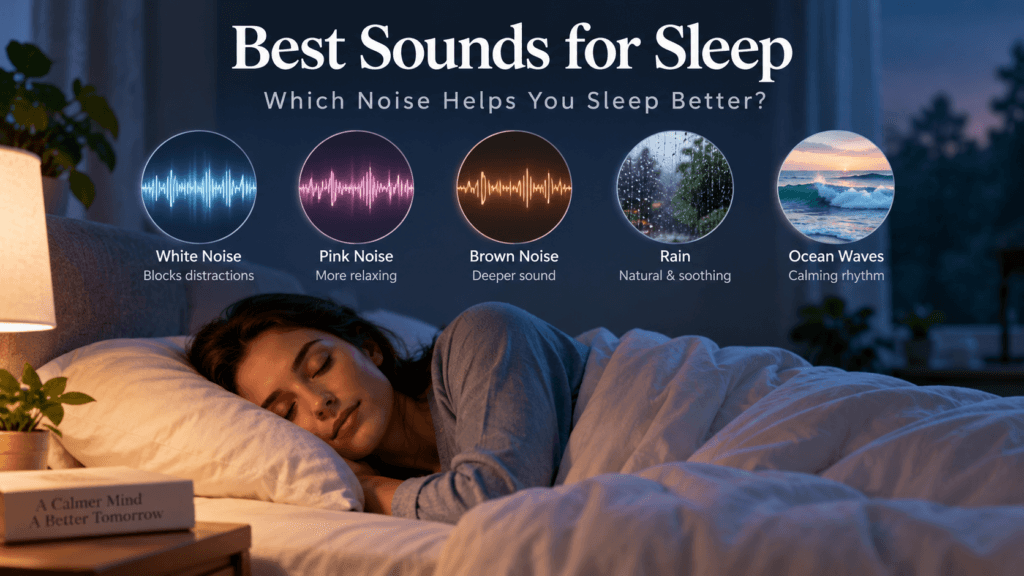
Keep your room dark, quiet, and comfortably cool. If either variable is a recurring trigger, compare our guides to the best sleeping temperature and the best sounds for sleep rather than changing several bedroom factors at once.
7. Hormonal and Life-Stage Changes
Repeated waking can reflect a recurring trigger or learned alertness. The clock time does not establish a hormone disorder.
Hormones regulate sleep cycles.
Changes in cortisol, melatonin, or other hormones can affect your ability to stay asleep.
Signs:
- frequent wake-ups
- night sweats
- inconsistent sleep
Fix:
Support sleep with consistent routines and stress management.

Daily Habits That Trigger 3AM Wake-Ups
Daytime habits can influence how easily sleep is disrupted later that night.
Many people focus only on bedtime routines, but the problem often starts much earlier.
Common triggers include:
- drinking caffeine late in the day
- eating high-sugar meals
- skipping meals
- staying indoors without natural light
- working late or mentally overstimulating yourself
- irregular sleep schedule
- long or late-afternoon naps that reduce sleep pressure at night
Some of these habits can increase nighttime arousal or reduce sleep pressure, making awakenings easier to notice.
Over time, your body becomes more sensitive to disruptions, especially during the early morning hours.
Fixing sleep often means improving your entire daily rhythm—not just what you do before bed.
What Medical Conditions Can Cause Waking Up at 3AM?
Repeated middle-of-the-night waking can sometimes be linked to a medical condition rather than routine alone. Possible contributors include sleep apnea, chronic insomnia, anxiety or depression, menopause-related hot flashes, frequent nighttime urination, reflux, chronic pain, restless legs or periodic limb movements, and medications that interfere with sleep.
One symptom rarely identifies the cause by itself. Loud snoring, gasping, witnessed breathing pauses, persistent pain, repeated bathroom trips, night sweats, or significant daytime sleepiness are reasons to discuss the pattern with a healthcare professional rather than assuming the problem is only stress or sleep hygiene.
Why Can’t I Stay Asleep After Waking Up?
If you can’t stay asleep after waking up, your brain may have shifted from a relaxed sleep state into a more alert one. Stress, checking the time, reaching for your phone, discomfort, noise, or worrying about the next day can make this change stronger.
Middle-of-the-night waking can also become a learned pattern. After several nights of waking at the same time, you may begin expecting it to happen. That anticipation can increase alertness and make it harder to fall back asleep.
Try not to force sleep. Keep the room dark, avoid screens and clock-watching, and use slow breathing or another quiet relaxation technique. If you become wide awake or frustrated, get out of bed for a calm activity in dim light and return when sleepy. Avoid watching the clock to enforce a 20-minute rule.
How to Stop Waking Up at 3AM Every Night
To reduce repeated 3 AM wake-ups, keep a regular wake time, allow enough time for sleep and review late caffeine, nicotine and alcohol. Make the bedroom dark, quiet and comfortable, and track one or two changes at a time. Persistent problems may need assessment and CBT-I rather than more sleep products. If you wake during the night, your response can help avoid prolonging the awakening.
Many people make the mistake of:
- checking their phone
- looking at the clock repeatedly
- worrying about not sleeping
These actions stimulate your brain and make it harder to fall back asleep.
Instead:
- stay calm
- keep lights dim
- take slow breaths
- avoid screens
- get out of bed briefly if needed
The goal is to stay relaxed and avoid triggering your brain into “day mode.”
Another important point is how you respond emotionally.
Many people become frustrated or anxious when they wake up. This creates a stress response, which makes it even harder to fall back asleep.
Instead, try to stay neutral. Remind yourself that waking up occasionally is normal and that your body will return to sleep.
Avoid checking the time repeatedly, as this increases pressure and keeps your brain active.
The calmer your response, the faster your body can relax again. For additional techniques, see how to fall asleep faster naturally.
How to Fix It Without Overwhelm
Trying to fix everything at once can feel frustrating.
Instead, focus on a few key changes:
- improve your evening routine
- reduce stimulation before bed
- eat balanced meals
- manage stress
Start small.
For example:
- fix your bedtime
- reduce screen time
- improve dinner
Consistency matters more than perfection.
7-Day Reset Plan
Day 1: Set a consistent bedtime
Day 2: Reduce screen exposure at night
Day 3: Improve dinner quality
Day 4: Hydrate properly
Day 5: Reduce caffeine
Day 6: Add a relaxation routine
Day 7: Combine all habits
How Long Can Improvement Take?
There is no fixed timeline for reducing 3AM wake-ups because the cause matters. Changes such as reducing late caffeine, improving sleep timing, or correcting environmental disruptions may help relatively quickly, while persistent insomnia or an underlying medical condition may take longer and may need professional treatment.
What Progress May Look Like Over Time
Progress is better judged by trends than by a fixed 30-day promise. Depending on the cause, helpful changes may include fewer awakenings, easier return to sleep, or better daytime energy.
- fewer or shorter nighttime wake-ups
- easier return to sleep after an awakening
- better energy
- improved mood
The biggest change is feeling more in control of your sleep instead of being frustrated by it.
Can a Sleep Tracker Help Explain 3AM Wake-Ups?
A consumer sleep tracker can help reveal patterns, but it cannot diagnose why you wake up at 3AM. Wearables and bedside trackers may estimate sleep timing, movement, heart rate, and repeated awakenings, which can be useful when you compare several nights instead of relying on one reading.
Use tracker data as a conversation aid, not a medical diagnosis. If repeated awakenings come with loud snoring, gasping, breathing pauses, marked daytime sleepiness, or persistent insomnia, a healthcare professional can decide whether formal testing is more appropriate.
Is Going to Sleep at 3AM the Same Problem?
Going to bed at 3 AM is different from waking at 3 AM after several hours of sleep. A late bedtime should be considered alongside total sleep, schedule consistency and the time you need to get up. If you routinely cannot sleep until very late and struggle to wake for commitments, discuss the pattern with a healthcare professional rather than assuming this article explains it. Our sleep-cycle guide covers schedule habits.
Best Products to Consider
1. Guided Sleep & Breathing Devices
Sleep breathing devices are designed to encourage slower breathing and nighttime relaxation, which may help calm racing thoughts and support falling asleep more easily.
PVL pick – Breathing pacer
Dodow Sleep Aid Device
Best For: Relaxation & Falling Back Asleep Naturally
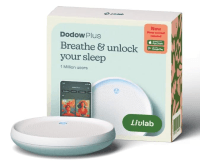
Dodow is a metronome-style sleep aid that projects a soft pulsing light onto the ceiling to guide slower breathing rhythms before sleep. Many people use it as part of a calming bedtime routine.
✔ Encourages slower nighttime breathing
✔ Helps create calming bedtime routines
✔ Minimalist non-phone sleep support
✔ Compact bedside design
👉 Need help winding down at night naturally?
2. Sleep Sound Machines & Bedroom Comfort
Sound machines are commonly used to mask disruptive noises like traffic, neighbors, snoring, or sudden nighttime sounds that may interrupt sleep.
PVL pick – White noise machine
Dreamegg White Noise Sound Machine D11 Max
Best For: Blocking Nighttime Noise & Better Sleep Consistency
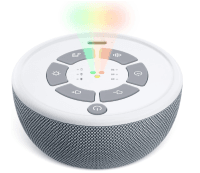
Dreamegg D11 Max is a portable white noise machine designed for bedroom sleep support with multiple soothing sounds, long battery life, and adjustable sleep timers.
✔ Masks disruptive nighttime sounds
✔ Portable rechargeable design
✔ Multiple sleep sound options
✔ Useful for light sleepers
👉 Create a quieter sleep environment tonight.
3. Bedroom Wellness & Air Quality
Particle filtration may help reduce some airborne particles. Dry air, gases and ventilation are separate issues; an air purifier does not add humidity or replace ventilation.
PVL pick – Air purifier
LEVOIT Core 300 Air Purifier
Best For: Cleaner Bedroom Air & Better Sleep Comfort

LEVOIT Core 300 is a particle-filtration option for readers comparing bedroom air purifiers. Check the exact model, room-size rating, noise and replacement-filter cost. It does not add humidity and should not be assumed to prevent awakenings or treat breathing disorders.
✔ Helps reduce dust and allergens
✔ Quiet sleep-friendly operation
✔ Compact bedroom design
✔ Supports cleaner nighttime air
👉 Upgrade your bedroom sleep environment.
FAQ
Why do I wake up at 3AM every night?
Waking at 3AM can happen because sleep naturally becomes lighter and is easier to interrupt at certain points in the night. Stress, an inconsistent schedule, caffeine or alcohol, noise, temperature, discomfort, and sleep disorders can all contribute. The exact time alone does not identify one specific cause.
Why do I keep waking up at the same time every night?
Repeated waking at the same time can reflect a recurring trigger or a learned sleep pattern. Noise, temperature changes, stress, alcohol, bathroom trips, pain, or lighter sleep stages may occur at similar times, while repeated clock-checking and worry can condition your brain to become alert around that same hour.
What medical conditions can cause waking up in the middle of the night?
Medical causes of repeated nighttime waking can include sleep apnea, insomnia, anxiety or depression, menopause-related hot flashes, nocturia, reflux, chronic pain, restless legs, and medication effects. Symptoms such as gasping, breathing pauses, severe daytime sleepiness, repeated bathroom trips, or persistent pain make professional evaluation more important.
Why can’t I fall back asleep after waking at 3AM?
You may have trouble falling back asleep because your brain shifts from a sleepy state into a more alert one. Stress, clock-watching, phone use, discomfort, noise, and worrying about the next day can increase arousal. If you stay awake, use dim light and a quiet activity until sleepiness returns.
Is waking up at 3AM a sign of insomnia?
Waking at 3AM can be part of sleep-maintenance insomnia when it happens repeatedly and you have difficulty returning to sleep despite enough opportunity to rest. One occasional awakening is not enough to diagnose insomnia. Persistent symptoms that affect daytime functioning should be discussed with a healthcare professional.
How do I stop waking up in the middle of the night?
Reduce repeat awakenings by keeping a consistent sleep schedule, limiting late caffeine and alcohol, and making your bedroom dark, quiet, and comfortably cool. If you wake, avoid checking your phone or clock. Stay calm, use a quiet relaxation technique, and leave bed briefly if you become wide awake or frustrated.
Can a sleep tracker tell me why I wake up at 3AM?
No, a consumer sleep tracker cannot diagnose why you wake up at 3AM. It can help identify patterns in estimated sleep timing, movement, heart rate, and repeated awakenings across several nights. Use that information as a trend log, not as proof of insomnia, sleep apnea, or another medical condition.
When should I see a doctor about waking up at 3AM?
See a healthcare professional when repeated nighttime waking lasts for several weeks, occurs most nights, or affects daytime energy, mood, concentration, or safety. Seek evaluation sooner if you have loud snoring, gasping, breathing pauses, severe daytime sleepiness, chest discomfort, persistent pain, frequent urination, hot flashes, or significant anxiety or depression.
When Should Middle-of-the-Night Waking Be Evaluated?
Middle-of-the-night waking should be evaluated when it happens regularly for several weeks, affects your energy, concentration, mood, or daily functioning, or does not improve after consistent sleep-habit changes. Speak with a healthcare professional sooner if the awakenings occur with loud snoring, gasping, breathing pauses, chest discomfort, severe pain, frequent urination, hot flashes, or significant anxiety or depression.
When Is a Sleep Study Needed?
A sleep study is not necessary for every 3AM awakening. A clinician may recommend formal testing when symptoms suggest a sleep disorder such as sleep apnea—for example, loud snoring, witnessed breathing pauses, gasping, or marked daytime sleepiness. Depending on the suspected condition, testing may be done at home or in a sleep center.
Can CBT-I Help With Repeated Nighttime Waking?
Yes. Cognitive behavioral therapy for insomnia (CBT-I) is a structured treatment for persistent insomnia, including difficulty staying asleep. It can address conditioned wakefulness, sleep-related worry, irregular time in bed, and behaviors that make it harder to return to sleep. CBT-I may be delivered in person, by phone, or through an online program.
Want better sleep, energy, and wellness tips?
Join Purely Vital Living and get expert-backed strategies delivered weekly.
Final Summary
If you’re asking why do I wake up at 3AM every night, the cause may involve normal sleep-stage changes, stress, habits, environmental triggers, or an underlying health issue. The timing alone cannot identify the cause.
Improvement usually depends on identifying the most likely trigger and making consistent changes rather than relying on a single quick fix.
Changes such as improving sleep timing, reducing late stimulation, managing stress, and addressing environmental or medical triggers may reduce repeated awakenings for some people.
Better sleep starts with better habits.
References
- National Heart, Lung, and Blood Institute (NHLBI). Insomnia: What Is Insomnia?
- National Heart, Lung, and Blood Institute (NHLBI). Insomnia Diagnosis.
- National Heart, Lung, and Blood Institute (NHLBI). Insomnia Treatment and CBT-I.
- National Heart, Lung, and Blood Institute (NHLBI). Sleep Studies.
- Mayo Clinic. Insomnia: Symptoms and Causes.
Related Reads
- How to Improve Sleep Quality Naturally: Complete Sleep Guide
- Sleep Hygiene Tips: 7 Bedtime Habits for Better Sleep
- How to Fall Asleep Faster Naturally Tonight
- 7 Healthy Sleep Habits to Transform Your Nighttime Routine
- Stress and Sleep: How Stress Affects Sleep Quality
What the Evidence Means for 3AM Waking
NHLBI describes repeated waking as one possible insomnia symptom, but diagnosis requires context, sleep opportunity and daytime impact. A one- to two-week sleep diary can help identify patterns. You do not need to wait three months to seek care.
Seek urgent help for new severe chest pain, severe breathing difficulty, fainting or confusion. Loud snoring, breathing pauses and marked sleepiness need assessment; do not drive when dangerously sleepy. For persistent insomnia, ask about CBT-I.