Quick Answer
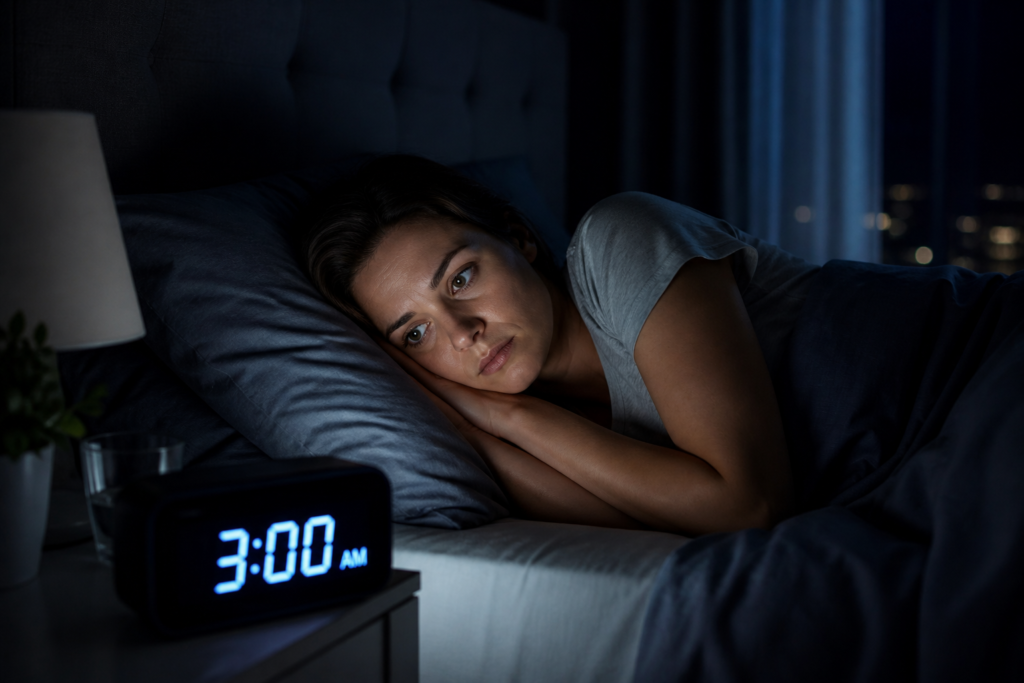
The most effective sleep hygiene tips include reducing screen exposure, keeping a consistent sleep schedule, dimming lights, managing stress, eating balanced meals, avoiding late caffeine, and creating a calming evening routine. These simple habits help your body transition into sleep mode naturally, improve sleep quality, and reduce night-time wake-ups.
Key Takeaways
- Sleep hygiene starts before bedtime. Evening light, screens, meals, caffeine, and stress all influence how easily you sleep.
- Consistency is the foundation. Similar sleep and wake times help reinforce your internal body clock.
- A wind-down routine helps the brain disengage. Reading, stretching, journaling, or slow breathing can reduce stimulation.
- Your bedroom should support sleep. Keep it dark, quiet, comfortable, and slightly cool when possible.
- Build habits gradually. One or two sustainable changes are more useful than trying to perfect everything at once.
- Key Takeaways
- Introduction
- What Are Sleep Hygiene Tips?
- Why Sleep Hygiene Matters More Than You Think
- Evening Habits That Ruin Sleep Quality
- 7 Sleep Hygiene Tips for Better Sleep
- Research-Backed Sleep Hygiene Recommendations
- How to Make Your Bedroom More Sleep-Friendly
- Can Sleep Trackers Improve Sleep Hygiene?
- What to Do If You Still Can’t Sleep
- How to Improve Sleep Hygiene Without Overwhelm
- 7-Day Sleep Hygiene Reset Plan
- How Long Can Sleep Hygiene Improvements Take?
- Best Products to Consider
- FAQ
- When Sleep Hygiene Isn’t Enough
- Final Summary
- References
Introduction
If you struggle to fall asleep or stay asleep, your bedtime habits may be the missing piece. I found that maintaining a regular bedtime, reducing late-night stimulation, and avoiding heavy meals close to bed improved my sleep more consistently than repeatedly trying new sleep products.
Many people focus only on the moment they get into bed, but sleep quality is heavily influenced by what happens during the hours beforehand. Scrolling your phone, drinking caffeine late, working under bright lights, or carrying unresolved stress into bed can all keep the brain alert.
The good news is that improving sleep hygiene does not require drastic changes. By building a few consistent habits, you can create conditions that support deeper, more restorative sleep. This guide explains seven practical sleep hygiene tips and how to apply them without feeling overwhelmed. For the broader strategy, see our complete sleep-quality guide.
What Are Sleep Hygiene Tips?
Bedtime habits are the actions you repeat before going to sleep.
They signal to your body that it’s time to wind down and prepare for rest.
Good habits support:
- relaxation
- hormone balance
- mental calmness
- sleep consistency
Poor habits, on the other hand, can keep your body alert and make sleep more difficult.
Why Sleep Hygiene Matters More Than You Think
Sleep doesn’t start the moment you lie down—it begins hours before.
Your body needs time to transition from an active state into a resting state. This transition is controlled by signals like light exposure, stress levels, and daily activity.
If you go from high stimulation—like work, screens, or stress—directly into bed, your brain stays alert even if your body feels tired.
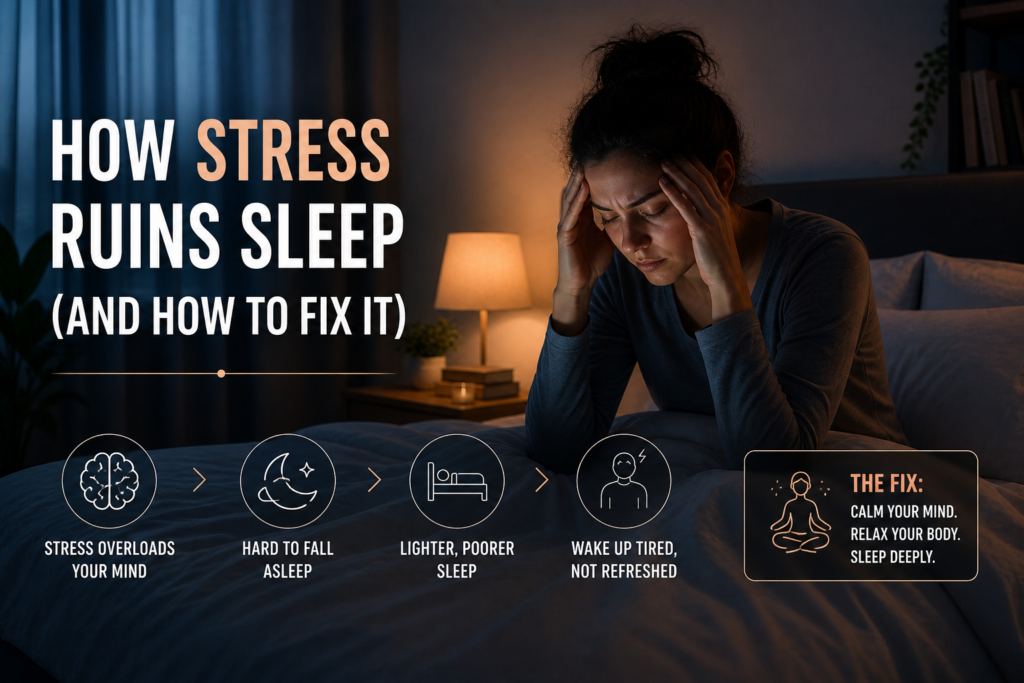
This is why many people feel exhausted but still struggle to fall asleep. Our guide on how to fall asleep faster naturally provides additional techniques for reducing nighttime alertness. When stress is the main trigger, the connection between stress and sleep becomes especially important.
Good sleep hygiene acts as a “bridge” between your day and your sleep. They gradually tell your brain that it’s safe to relax.
Without this transition, your body has a harder time entering deep, restorative sleep.
Evening Habits That Ruin Sleep Quality
Many people unknowingly follow habits that make sleep worse.
Common examples include:
- checking your phone in bed
- working late into the night
- drinking caffeine late
- eating heavy or sugary meals
- staying in bright lighting
- going to bed at inconsistent times
These behaviors keep your nervous system active and delay the natural sleep process.
Over time, they can lead to difficulty falling asleep, lighter sleep, and frequent wake-ups.
Improving sleep often means removing these habits—not just adding new ones.
7 Sleep Hygiene Tips for Better Sleep
1. Reduce Screen Exposure Before Bed
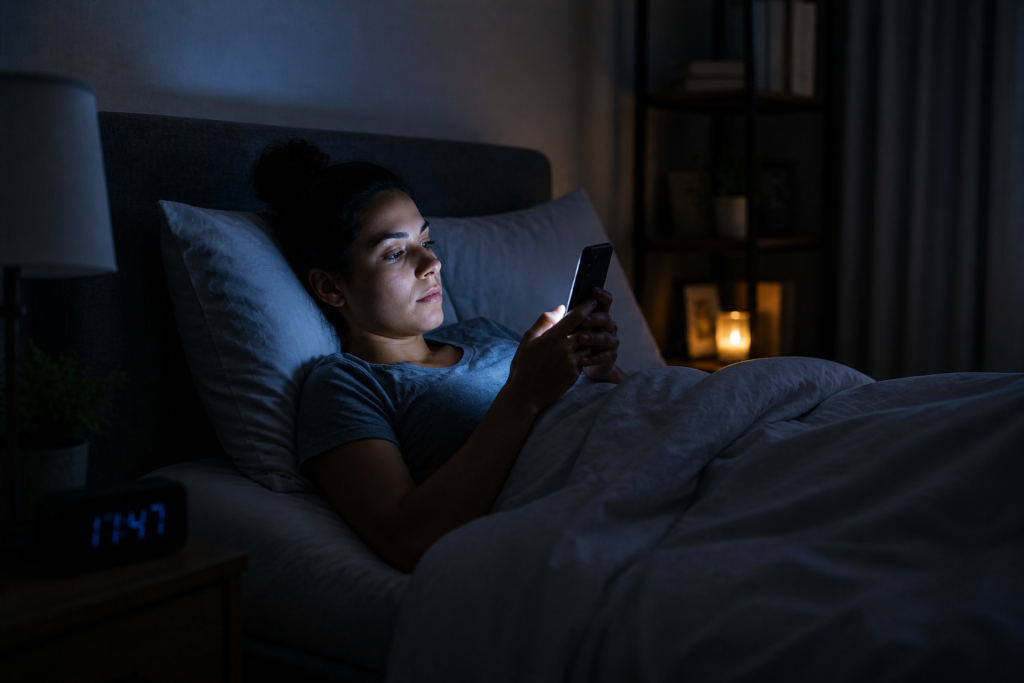
One of the most important sleep hygiene tips is reducing screen exposure before bed. This habit feels relaxing, but it actually keeps your brain active.
Screens expose you to constant information—messages, news, social media—which keeps your mind engaged instead of relaxed.
Bright evening screen light can delay circadian sleep signals, while stimulating content can also keep your mind alert.
This combination makes it harder to fall asleep and reduces sleep depth.
A simple improvement is to create a “screen cutoff” time. Even stopping screen use 30–60 minutes before bed can significantly improve sleep quality.
Many people scroll their phones late into the night without realizing how much it affects sleep.
Signs:
- difficulty falling asleep
- restless mind
- delayed sleep
Fix:
Stop screen use at least 30–60 minutes before bed.
2. Keep a Consistent Sleep Schedule
Maintaining consistent sleep habits is one of the most effective sleep hygiene techniques for improving sleep quality. While this feels flexible, it actually confuses your body’s internal clock.
Your body relies on consistency to regulate sleep hormones. When your bedtime changes frequently, your brain struggles to predict when to release melatonin.
This often leads to difficulty falling asleep or waking up during the night.
Over time, irregular sleep patterns can reduce overall sleep quality and leave you feeling tired even after a full night in bed.
A simple improvement is to choose a consistent sleep window—even if it’s not perfect—and stick to it daily, including weekends. If your schedule has already drifted substantially, follow the more structured 2-week sleep-cycle reset plan.
Going to bed at different times each night can reduce sleep quality.
Signs:
- inconsistent sleep
- waking during the night
Fix:
Go to bed and wake up at the same time daily.
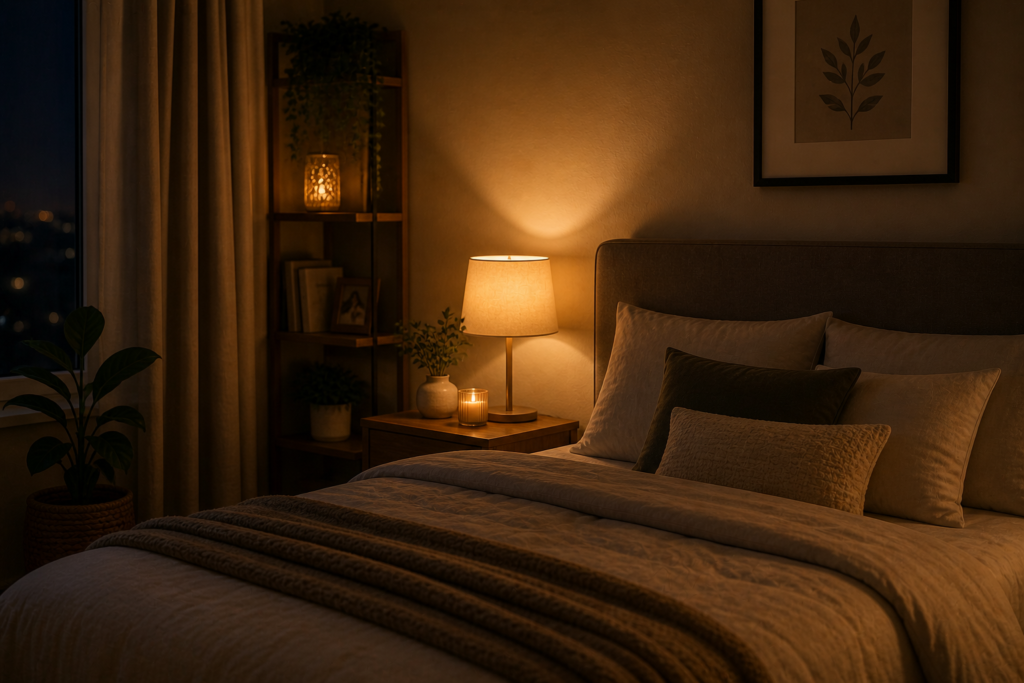
3. Dim the Lights in the Evening
Good sleep hygiene includes managing evening light exposure to support healthy melatonin production.
Bright lights signal your brain that it’s still daytime, which delays the natural release of sleep hormones.
This makes it harder for your body to transition into a relaxed state.
Even if you feel tired, your brain may stay alert because it hasn’t received the signal to wind down.
Over time, this can shift your sleep cycle later and reduce sleep depth.
A simple fix is to gradually dim your lights after sunset. Using warm, softer lighting helps your body prepare for sleep naturally.
Many people stay in bright environments late at night.
Signs:
- feeling alert at night
- delayed sleep
Fix:
Use softer lighting in the evening.
4. Avoid Late Caffeine
Avoiding caffeine too late in the day is one of the most practical sleep hygiene tips for better sleep.
Many people believe that as long as they don’t drink coffee at night, it won’t affect them. However, caffeine can stay in your system for several hours.
This means even afternoon consumption may still impact your ability to fall asleep or stay asleep.
You might not feel alert, but your sleep can become lighter and more easily disrupted.
Over time, this can lead to frequent wake-ups and reduced sleep quality.
A simple improvement is to limit caffeine intake to the morning or early afternoon and observe how your sleep responds.
Even afternoon coffee can affect sleep.
Signs:
- light sleep
- waking at night
Fix:
Avoid caffeine after early afternoon.
5. Avoid Heavy or Late Evening Meals
Meal timing and meal size can influence nighttime comfort and sleep quality, especially when dinner is very large or eaten close to bedtime.
Large meals close to bedtime can cause fullness, reflux, or digestive discomfort for some people, while going to bed very hungry can also make it harder to settle.
If evening meals regularly seem to worsen sleep, try moving dinner earlier or reducing portion size and see whether nighttime comfort improves.
A practical approach is to finish larger meals earlier in the evening and choose a lighter option if you are hungry close to bedtime.
Signs:
- restlessness
- waking up hungry
Fix:
Finish larger meals earlier when possible, and choose a lighter option if you are hungry close to bedtime.
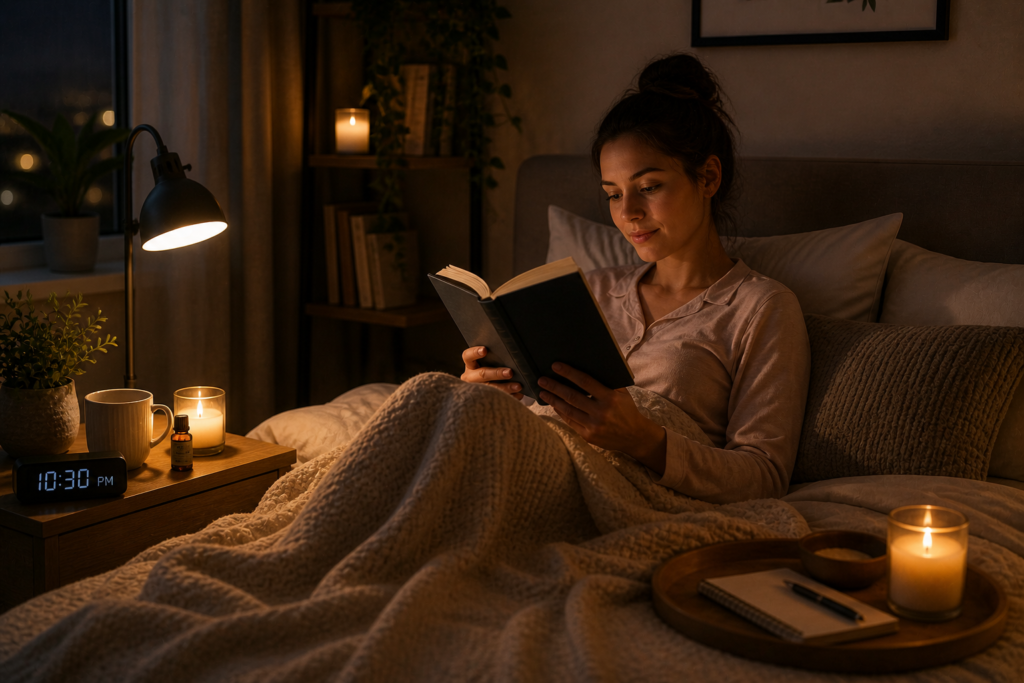
6. Create a Relaxation Routine
Creating a relaxing nighttime routine is an important part of good sleep hygiene.
However, your brain needs time to transition from activity to rest.
Without a proper wind-down period, your mind may stay active, leading to racing thoughts or difficulty relaxing.
This is especially common for people who work late or use screens right before bed.
A relaxation routine helps signal to your body that it’s time to slow down.
Simple activities like reading, stretching, or deep breathing can make a noticeable difference in how quickly you fall asleep. For more immediate techniques, see how to fall asleep faster naturally.
Stress keeps your body alert. Learn how the cycle between stress and sleep can contribute to racing thoughts and lighter rest.
Signs:
- racing thoughts
- difficulty relaxing
Fix:
Read, stretch, or meditate before bed.
7. Keep Your Bedroom Calm and Dark
A healthy sleep environment is one of the foundations of proper sleep hygiene.
Small factors like light, noise, or temperature can prevent your body from reaching deep sleep.
For example, even low levels of light can interfere with melatonin production, while noise can trigger brief wake-ups during the night.
Over time, these disruptions reduce overall sleep quality.
Many people overlook these details because they seem minor, but they can have a cumulative effect.
A simple improvement is to create a sleep-friendly environment—keep your room dark, quiet, and comfortably cool. For more specific guidance, compare the best sleeping temperature and the best sounds for sleep.
Noise, light, and temperature can disrupt rest.
Signs:
- frequent wake-ups
- poor sleep quality
Fix:
Keep your bedroom dark, quiet, and cool.
Research-Backed Sleep Hygiene Recommendations
Research-backed sleep hygiene focuses on consistent timing, a sleep-friendly environment, and reducing behaviors that interfere with sleep. Recommendations from the CDC and NHLBI include keeping regular sleep and wake times, limiting late caffeine and alcohol, avoiding large late meals, staying physically active, and using the hour before bed for quieter activities.
Daytime habits matter too. Regular activity and time outdoors can support the sleep-wake cycle, while long or late naps may make it harder to sleep at night for some people.
How to Make Your Bedroom More Sleep-Friendly
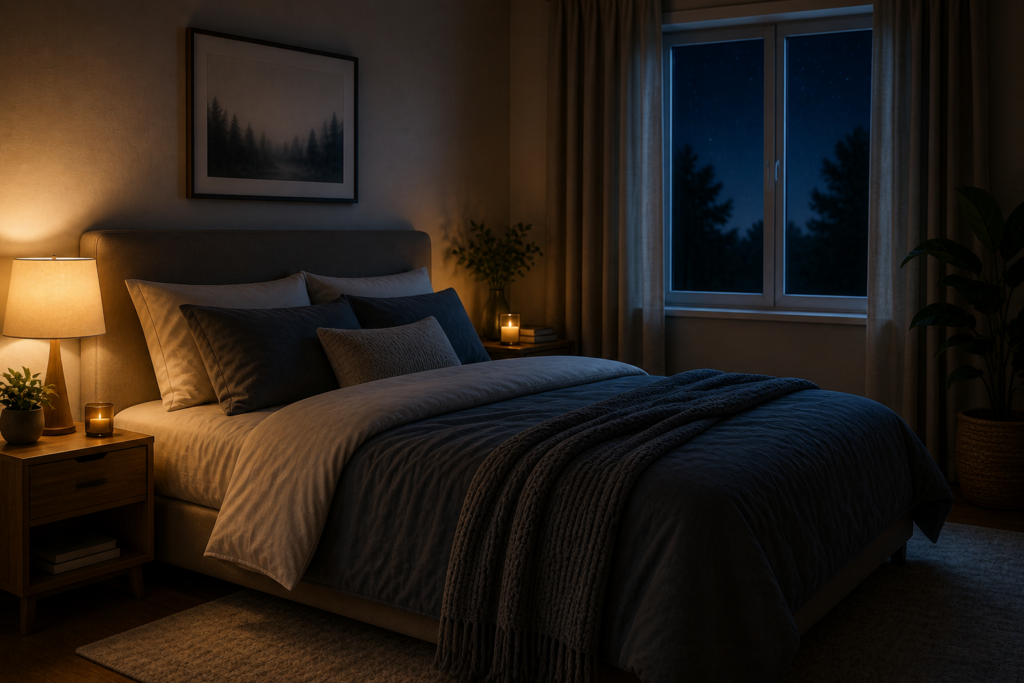
A sleep-friendly bedroom is dark, quiet, comfortable, and cool. Blackout curtains or a well-fitting sleep mask can reduce unwanted light, while white-noise machines or steady background sound may help mask intermittent noise. Dimmable or warm-toned smart bulbs can also make it easier to reduce bright evening light before bed.
These tools can support good sleep hygiene, but they do not replace the basics: consistent timing, enough time in bed, and addressing persistent sleep problems when they continue.
Can Sleep Trackers Improve Sleep Hygiene?
Sleep trackers can help you notice patterns, but they cannot diagnose why your sleep is poor. Wearables may estimate sleep timing, movement, heart rate, and nighttime awakenings. They are most useful for comparing trends across several nights and seeing whether changes in caffeine, bedtime, activity, or routines line up with better sleep.
What to Do If You Still Can’t Sleep
Even with good habits, there may be nights when sleep doesn’t come easily.
In these situations, what you do next is important.
Avoid:
- checking your phone
- turning on bright lights
- stressing about not sleeping
Instead:
- keep lights dim
- take slow, deep breaths
- get out of bed briefly if needed
- do something calming like reading
The goal is to stay relaxed and avoid triggering your brain into “awake mode.”
How to Improve Sleep Hygiene Without Overwhelm
Trying to improve sleep hygiene all at once can feel overwhelming and unrealistic.
Instead, focus on building your bedtime routine step by step.
Start with one or two simple habits, such as reducing screen time or dimming lights. Once those feel natural, add another habit like relaxation or improving your sleep schedule.
This gradual approach makes it easier to stay consistent and prevents burnout.
Remember, better sleep is built through repetition, not perfection.
7-Day Sleep Hygiene Reset Plan
Day 1: reduce screens
Day 2: fix bedtime
Day 3: dim lights
Day 4: improve meals
Day 5: reduce caffeine
Day 6: relax
Day 7: combine habits
How Long Can Sleep Hygiene Improvements Take?
There is no fixed timeline for improving sleep through better habits. Some people notice changes after adjusting caffeine, evening light, or bedtime timing, while persistent insomnia or another sleep disorder may not improve with sleep hygiene alone and may need professional evaluation.
Best Products to Consider
Sleep Recovery Device
Sleep recovery devices are designed to help create a healthier nighttime environment through calming audio, light control, and bedtime routines. These products support relaxation and help build consistent sleep habits.
⭐ Editor’s Pick
Hatch Home & Away Sleep Bundle
Best For: Building a Relaxing Sleep Routine
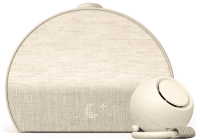
The Hatch Home & Away Sleep Bundle combines the Hatch Restore 3 bedside sleep assistant with Hatch Go, a portable sound machine designed for nighttime relaxation and better sleep routines.
✔ Supports relaxing bedtime routines
✔ Gentle sunrise-style wake-up support
✔ Soothing nighttime sounds
✔ Portable sleep support for travel
✔ Helps create a healthier sleep environment
👉 Want a calmer and deeper nighttime routine?
Herbal Sleep Support
Herbal sleep support products use calming plant-based ingredients like chamomile, lavender, and valerian root to help promote evening relaxation and support healthy wind-down routines before bed.
⭐ Editor’s Pick
Pukka Night Time Herbal Tea
Best For: Evening Relaxation & Wind-Down Support

Pukka Night Time Herbal Tea combines calming herbs like chamomile, lavender, and valerian root to help support evening relaxation. Many people enjoy herbal tea as part of a screen-free bedtime habit.
✔ Helps support nighttime relaxation
✔ Caffeine-free herbal blend
✔ Encourages healthy wind-down habits
✔ Soothing bedtime ritual support
👉 Looking for a calming evening routine?
Sleep Environment Support
Sleep environment support products help improve bedroom conditions by reducing light, noise, and other disruptions that may interfere with deeper and more restful sleep.
⭐ Editor’s Pick
Manta Sleep Mask PRO
Best For: Blocking Light for Deeper Sleep
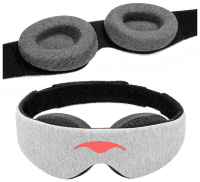
Manta Sleep Mask PRO is designed to completely block light while providing adjustable comfort for side and back sleepers. Many people use blackout sleep masks to help improve sleep quality and reduce nighttime disturbances.
✔ Blocks disruptive light
✔ Supports deeper sleep
✔ Adjustable comfortable fit
✔ Helpful for travel and nighttime routines
👉 Want a darker sleep environment tonight?
Sleep hygiene refers to the daily habits, routines, and environmental factors that influence sleep quality. Healthy sleep habits such as consistent bedtimes, reduced screen exposure, stress management, and a calming nighttime routine may help improve sleep hygiene and support deeper, more restorative sleep.
FAQ
What are the best sleep hygiene tips?
The best sleep hygiene tips are to keep a consistent sleep schedule, reduce bright light and screens before bed, avoid late caffeine and alcohol, and keep your bedroom dark, quiet, and cool. Regular daytime activity and a calming wind-down routine can also support better sleep quality.
How long before bed should I start a wind-down routine?
A 30- to 60-minute wind-down period is a practical starting point for many adults. Use that time for quieter activities such as reading, stretching, journaling, or slow breathing, and reduce bright light, work, and stimulating screen use so your brain has time to transition toward sleep.
Does caffeine affect sleep quality?
Yes. Caffeine can make it harder to fall asleep and may contribute to lighter or more disrupted sleep. Its effects can last for hours, so afternoon or evening caffeine may still interfere with bedtime for some people. If sleep is inconsistent, moving caffeine earlier in the day is a useful test.
What is the best bedroom environment for sleep?
The best bedroom environment for sleep is dark, quiet, comfortable, and cool. Blackout curtains or a sleep mask can reduce light, while steady background sound may help mask intermittent noise. The goal is to remove avoidable disturbances so your bedroom consistently supports sleep rather than alertness.
Can white noise improve sleep hygiene?
White noise can support sleep hygiene when unpredictable sounds are disturbing your sleep. A steady sound may mask traffic, neighbors, or other intermittent noise, but it is not necessary for everyone. Keep the volume comfortable and treat it as an environmental aid rather than a treatment for insomnia.
Do blue-light-blocking glasses improve sleep?
Blue-light-blocking glasses are not a guaranteed sleep fix. Evening light exposure can affect the sleep-wake cycle, but screen brightness, stimulating content, and late-night habits also matter. Reducing bright light and screen use before bed is a more complete sleep-hygiene strategy than relying on glasses alone.
Can a sleep tracker help improve sleep hygiene?
Yes, a sleep tracker can help you compare patterns, but it cannot diagnose a sleep disorder. Wearables may estimate sleep timing, movement, heart rate, and awakenings. Use several nights of data to test whether changes in bedtime, caffeine, exercise, or routines are associated with better sleep.
When should I see a sleep specialist for poor sleep?
See a healthcare professional when sleep problems persist, affect daytime functioning, or occur with symptoms such as loud snoring, gasping, breathing pauses, or severe daytime sleepiness. Chronic insomnia may benefit from cognitive behavioral therapy for insomnia (CBT-I), and a clinician can decide whether further evaluation or sleep testing is appropriate.
When Sleep Hygiene Isn’t Enough
Sleep hygiene is helpful, but persistent sleep problems may need professional evaluation. Talk with a healthcare professional if difficulty falling asleep or staying asleep continues for weeks, affects daytime concentration, mood, energy, or safety, or occurs with loud snoring, gasping, breathing pauses, or severe daytime sleepiness.
For long-term insomnia, cognitive behavioral therapy for insomnia (CBT-I) is a structured treatment that addresses sleep-related thoughts and behaviors. A clinician or sleep specialist can also decide whether another sleep disorder or medical issue should be investigated.
Want better sleep, energy, and wellness tips?
Join Purely Vital Living for expert advice.
Final Summary
The best sleep hygiene tips are simple, practical, and easy to apply consistently.
Focus on:
- routine
- relaxation
- environment
Small improvements in sleep hygiene often lead to better sleep quality over time. For the full framework, see our complete guide to improving sleep quality naturally.
Support Relaxation & Nervous-System Recovery
Relaxation-focused wellness products may help support stress management, nervous-system recovery, calming nighttime routines, and healthier sleep habits. Recovery-support tools and wellness essentials are commonly used to promote relaxation and overall nighttime comfort.
👉 Explore: Recovery & Nervous-System Relaxation
References
- Centers for Disease Control and Prevention (CDC). About Sleep.
- National Heart, Lung, and Blood Institute (NHLBI). Healthy Sleep Habits.
- National Heart, Lung, and Blood Institute (NHLBI). Insomnia Treatment and CBT-I.
- National Heart, Lung, and Blood Institute (NHLBI). Insomnia Diagnosis.