Key Takeaways
- Persistent fatigue usually has several causes. Sleep quality, hydration, nutrition, stress, movement, and health conditions can overlap.
- More sleep is not always the complete answer. Restorative sleep and consistent routines matter as much as total hours in bed.
- Daily habits can drain energy gradually. Dehydration, blood sugar swings, inactivity, and excess caffeine often reinforce one another.
- Deficiencies should be tested, not guessed. Iron, vitamin B12, vitamin D, thyroid issues, and other causes may require professional evaluation.
- Small, consistent changes are more sustainable. Improve one or two foundations first, then reassess your energy over several weeks.
Introduction
Feeling tired after a busy day is normal. Feeling tired every day is a signal worth paying attention to. I lived with chronic fatigue for years, and that experience taught me that persistent tiredness is rarely caused by one issue alone.
Many people wake up exhausted, depend on caffeine to function, then feel drained again by afternoon. Over time, low energy can affect productivity, mood, memory, motivation, and even relationships.
The good news is that fatigue usually has a cause. It is often linked to lifestyle habits, nutrient gaps, poor recovery, or hidden stress. In my case, improving sleep quality, managing stress, staying hydrated, and making gradual lifestyle changes helped far more than searching for one quick solution.
If you’ve been asking why am I tired all the time, this guide explains the most common reasons and the practical steps that can help you feel like yourself again. For a broader recovery plan, see our science-backed guide to getting more energy naturally.
What Is Constant Fatigue?
Fatigue is more than sleepiness.
Sleepiness means you want to sleep. Fatigue means your body and mind feel depleted, even when you slept enough.
Common signs of fatigue:
- Low motivation
- Heavy body feeling
- Brain fog
- Poor concentration
- Slow recovery after tasks
- Need for caffeine to cope
- Irritability
- Feeling “off” all day
When fatigue becomes frequent, it usually means one or more systems in the body need support.
9 Common Reasons You Feel Tired All the Time
1. Poor Sleep Quality
You may spend 8 hours in bed but still get poor-quality sleep.
Why it happens:
- Scrolling before bed
- Stress waking you at night
- Alcohol disrupting deep sleep
- Snoring or sleep apnea
- Inconsistent bedtime
- Bedroom too warm or bright
Signs this is your issue:
- Waking groggy
- Feeling worse after sleep
- Afternoon sleepiness
- Trouble focusing
How to fix it:
- Keep a consistent bedtime
- Stop screens 60 minutes before sleep
- Make room cool and dark
- Avoid heavy meals late at night
- Reduce alcohol close to bedtime
- Seek help for heavy snoring
👉 How to Fall Asleep Faster Tonight Naturally
2. Dehydration
Even mild dehydration can lower energy, focus, and endurance.
Many people confuse dehydration fatigue with needing coffee. If low energy is strongest after waking, review the daily habits in our guide to morning fatigue.
Symptoms:
- Headaches
- Dry mouth
- Brain fog
- Dizziness
- Low stamina
- Dark urine
How to fix it:
- Drink water soon after waking
- Keep a bottle nearby
- Increase fluids during hot weather
- Add electrolytes after sweating
Quick fact:
Even a small drop in hydration can reduce mental performance and physical energy.
3. Low Iron Levels
Iron helps oxygen move through your bloodstream. If iron is low, your cells may not get enough oxygen.
More common in:
- Menstruating women
- Vegetarians
- Athletes
- People with digestive issues
Symptoms:
- Weakness
- Pale skin
- Cold hands/feet
- Shortness of breath
- Constant tiredness
How to fix it:
Get tested before supplementing.
Eat more:
- Lean red meat
- Lentils
- Beans
- Pumpkin seeds
- Spinach
Pair iron foods with vitamin C foods for better absorption.
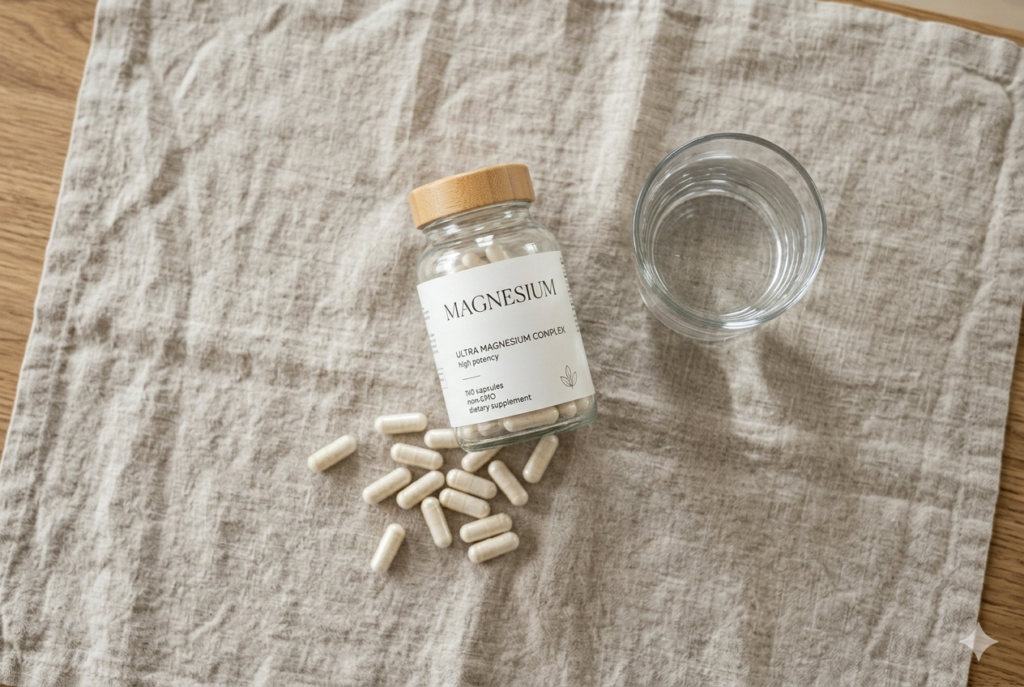
4. Magnesium Deficiency
Magnesium supports hundreds of body functions including sleep, nerve balance, stress response, and energy production.
Signs of low magnesium:
- Trouble sleeping
- Anxiety
- Low energy
- Muscle cramps
- Restlessness
Food sources:
- Pumpkin seeds
- Almonds
- Cashews
- Spinach
- Avocado
Helpful option:
Magnesium glycinate is commonly used for relaxation and sleep support.
👉 Best Magnesium Supplements for Sleep and Stress
5. Blood Sugar Spikes and Crashes
A sugary breakfast may feel energizing for one hour, then cause a crash later. Building meals around protein, fiber, healthy fats, and slower-digesting carbohydrates is central to the best diet for steadier energy.
Example:
Sweet pastry + coffee = spike → crash → cravings → tiredness
Signs:
- Afternoon energy slump
- Cravings for sweets
- Irritable when hungry
- Needing snacks often
How to fix it:
Choose meals with:
- Protein
- Fiber
- Healthy fats
- Slow carbs
Better breakfast ideas:
- Eggs + oats + berries
- Greek yogurt + nuts + fruit
- Protein smoothie + chia seeds

6. Chronic Stress
Stress uses real physical energy.
When stress remains high, your body stays in alert mode. This can disrupt sleep, digestion, hormones, and recovery. Practical stress management techniques can help reduce the daily load gradually.
Signs stress is draining you:
- Wired but tired
- Racing thoughts
- Tight shoulders/jaw
- Anxiety
- Poor sleep
- Emotional exhaustion
How to fix it:
- Walk outdoors daily
- Practice slow breathing
- Journal before bed
- Reduce unnecessary commitments
- Limit nonstop news/social media
Important reminder:
Rest is productive when stress is high.
7. Lack of Movement
Too much sitting can make you feel more tired, not less.
Movement improves circulation, mood, insulin sensitivity, and sleep quality.
Easy fixes:
- 10-minute walk after meals
- Stand up every hour
- Stretch breaks during work
- Strength train 2–3 times weekly
You do not need extreme workouts to gain energy.
8. Too Much Caffeine
Caffeine can temporarily hide fatigue while making root problems worse.
Signs caffeine is backfiring:
- You need more each week
- Afternoon crashes
- Anxiety or jitters
- Poor sleep
- Tired but wired feeling
How to fix it:
- Delay caffeine 60–90 minutes after waking
- Reduce total cups gradually
- Avoid caffeine after early afternoon
- Replace some cups with water or herbal tea
9. Hidden Health Conditions
Sometimes fatigue points to something medical.
Possible causes:
- Thyroid imbalance
- Sleep apnea
- Depression
- Diabetes
- Anemia
- Hormonal changes
- Chronic infection
If tiredness is persistent, unexplained, or worsening, it deserves proper evaluation.
Why It Happens
Energy is produced through many systems working together:
- Sleep quality
- Nutrition
- Hydration
- Stress balance
- Hormones
- Movement
- Recovery
When several are weak at once, fatigue builds slowly.
For example:
Poor sleep + dehydration + stress + sugar crashes = daily exhaustion.
That is why no single supplement fixes every case.
How to Fix It Naturally
Step 1: Reset Sleep
For the next 7 nights:
- Same bedtime
- Cool dark room
- No phone before sleep
- No caffeine late day

Step 2: Hydrate Smarter
- Water on waking
- Water with meals
- Carry bottle daily

Step 3: Build Better Meals
Every meal should contain:
- Protein
- Fiber
- Healthy fat
- Colorful produce
Step 4: Move Daily
- Walk 20–30 minutes
- Stretch often
- Strength train weekly
Step 5: Reduce Stress Load
- Morning sunlight
- Breathing exercises
- Short breaks
- Less doomscrolling
Step 6: Test Deficiencies
If fatigue continues, ask a healthcare professional about:
- Iron
- Vitamin D
- B12
- Thyroid markers
Best Products to Consider
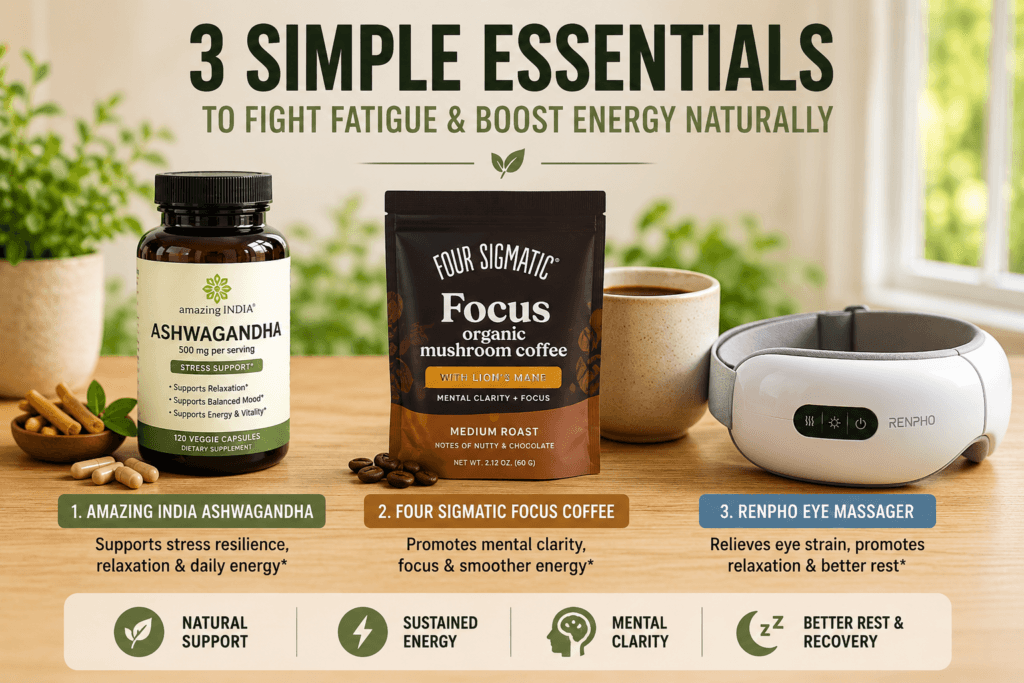
1. Adaptogen Stress Support Supplement
Adaptogen supplements are commonly used to help the body manage stress, mental fatigue, and energy fluctuations naturally.
⭐ Editor’s Pick
Amazing India Ashwagandha Supplement
Best For: Stress-Related Fatigue & Burnout Support

Amazing India Ashwagandha Supplement provides 500 mg per serving in vegetarian-friendly capsules designed for daily wellness routines and stress support.
✔ May help support stress resilience
✔ Commonly used for relaxation support
✔ Supports calmer daily energy levels
✔ Vegetarian-friendly capsule formula
👉 Looking for natural stress and energy support?
2. Functional Mushroom Beverage
Functional mushroom beverages combine coffee or adaptogens with ingredients like lion’s mane and chaga to support focus and sustained energy.
⭐ Wellness Favorite
Four Sigmatic Focus Mushroom Coffee
Best For: Focus, Productivity & Cleaner Energy
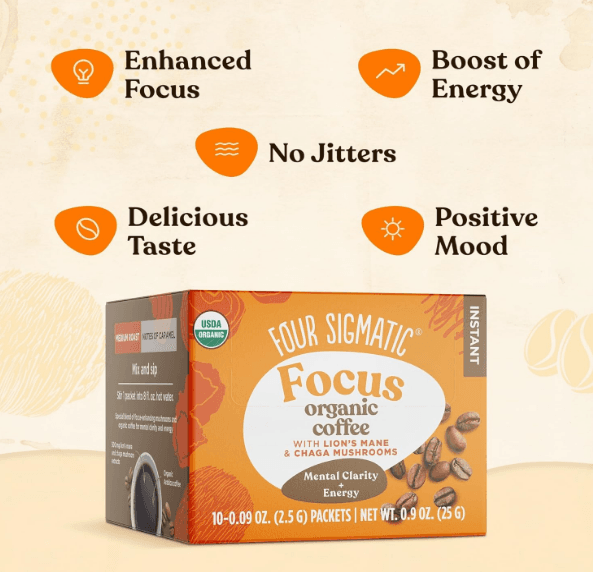
Four Sigmatic Focus Coffee combines organic coffee with lion’s mane mushroom to support smoother energy, mental clarity, and improved focus without heavy afternoon crashes.
✔ Designed for smoother daily energy
✔ Popular for focus and productivity support
✔ Includes lion’s mane mushroom blend
✔ Lower-jitter alternative to regular coffee
👉 Want steadier focus throughout the day?
3. Relaxation & Recovery Device
Relaxation recovery devices are designed to support stress reduction, relaxation routines, and mental recovery after screen time or long workdays.
⭐ Recovery Pick
RENPHO Eye Massager with Heat
Best For: Screen Fatigue, Relaxation & Evening Recovery

The RENPHO Eye Massager uses gentle warmth, compression, and vibration to help create a relaxing recovery routine after long workdays, stress, or heavy screen exposure.
✔ Helps promote evening relaxation
✔ Popular for screen fatigue relief
✔ Foldable and travel-friendly design
✔ Supports calming nighttime routines
👉 Need help unwinding after stressful days?
When to Seek Help
Speak with a healthcare professional if tiredness comes with:
- Unexplained weight loss
- Fainting
- Chest pain
- Severe depression
- Loud snoring
- Shortness of breath
- Major drop in functioning
- Fatigue lasting several weeks
FAQ
Why am I tired all the time even after sleeping?
Poor sleep quality, sleep apnea, stress, or nutrient deficiencies may be preventing restorative sleep.
What deficiency causes tiredness?
Iron, magnesium, vitamin B12, folate, and vitamin D are common contributors.
Why do I wake up tired every day?
Interrupted sleep, snoring, late caffeine, stress, or poor sleep hygiene are common causes.
Can stress make me tired daily?
Yes. Chronic stress drains physical and mental energy while disrupting recovery.
How can I get more energy naturally?
Improve sleep, hydrate, eat balanced meals, move daily, and reduce stress consistently.
Want more practical tips for better sleep, stronger energy, gut health, and healthy aging?
Get trusted tips for better sleep, steady energy, gut health, and healthy living delivered weekly.

Final Summary
If you keep asking why am I tired all the time, the answer is usually not laziness or age. It is often a combination of poor sleep, dehydration, stress, blood sugar instability, inactivity, or nutrient gaps.
Start simple:
- Sleep better
- Hydrate daily
- Eat balanced meals
- Move more
- Reduce stress
- Test deficiencies if needed
Small habits repeated consistently can restore energy faster than you think.
Optimize Recovery With Smart Wellness Devices
Modern recovery-focused wellness tools like walking pads, massage devices, recovery wearables, and smart fitness equipment may help support healthier movement routines, muscle recovery, circulation, and daily energy levels.
👉 Explore: Smart Fitness & Recovery