
Energy Resources
Evidence-informed guides, practical tools, and everyday strategies to help you understand fatigue, support steady energy, and build healthier daily habits.
Understand Your Energy
Energy is not controlled by one food, supplement, or morning habit. Sleep quality, nutrition, hydration, movement, stress, circadian rhythm, recovery, medications, and health conditions can all influence how alert and energetic you feel. These resources focus on sustainable lifestyle habits—not quick fixes, heavy reliance on stimulants, or unrealistic promises.
Ordinary tiredness often improves with rest and routine changes. Persistent, unexplained, severe, or worsening fatigue can be different and may have an underlying medical cause. It should be discussed with a qualified healthcare professional.
Explore Energy Topics
Morning Energy
Understand why you may wake up tired and discover habits that can support a better start.
Explore Morning Energy →Afternoon Energy
Learn what may contribute to afternoon crashes and practical ways to support steadier energy.
Explore Afternoon Energy →Food & Energy
Explore how meals, hydration, protein, fiber, carbohydrates, and eating patterns influence energy.
Explore Food & Energy →Sleep & Fatigue
Understand the relationship between sleep quality, sleep duration, recovery, and tiredness.
Explore Sleep & Fatigue →Movement & Recovery
Learn how regular activity, exercise, rest, and recovery can influence physical and mental energy.
Explore Movement & Recovery →Stress & Mental Energy
Explore the relationship between stress, cognitive load, burnout, focus, and everyday energy.
Explore Stress & Energy →Featured Energy Guides

How to Get More Energy Naturally
Read the Guide →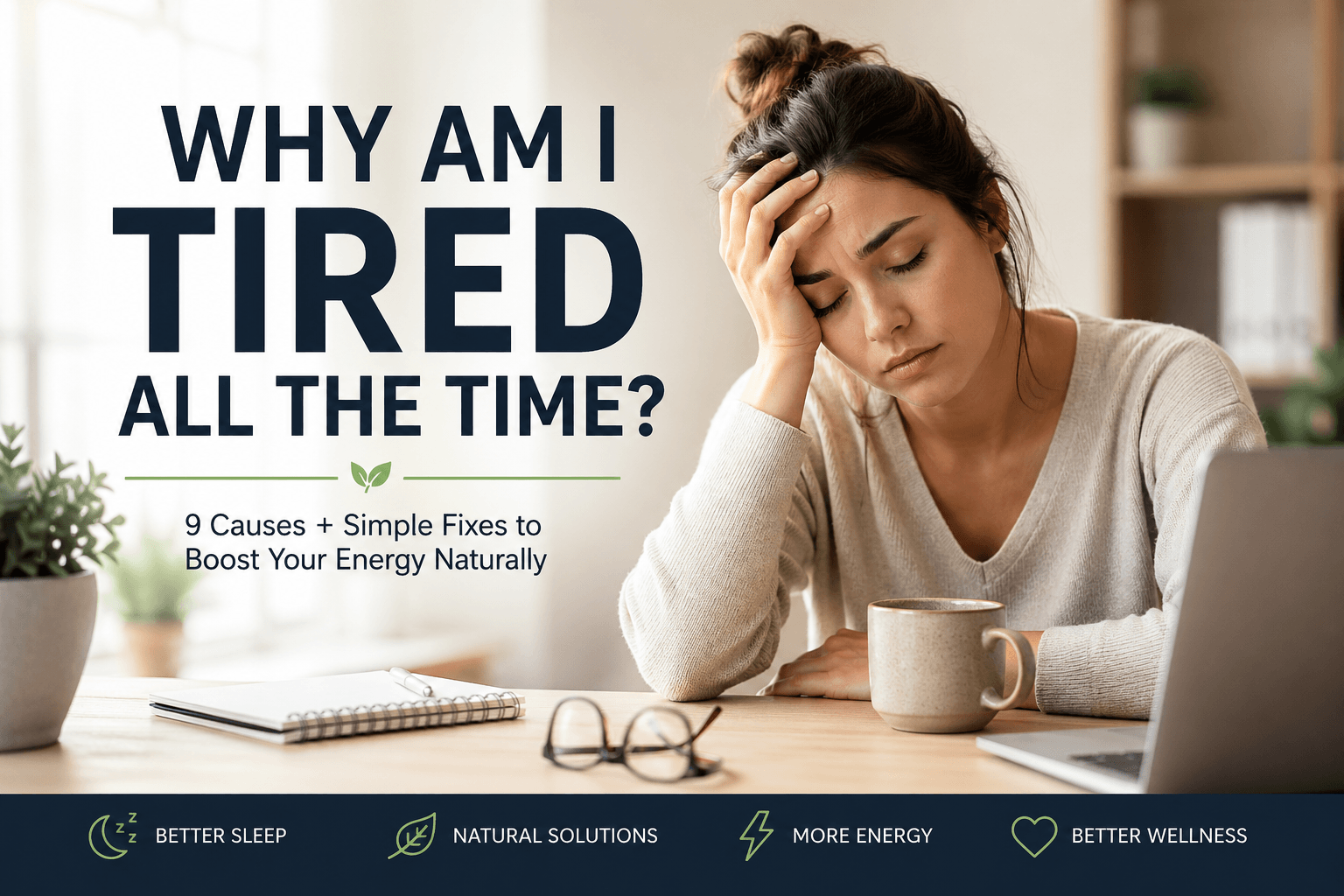
Why Am I Tired All the Time?
Read the Guide →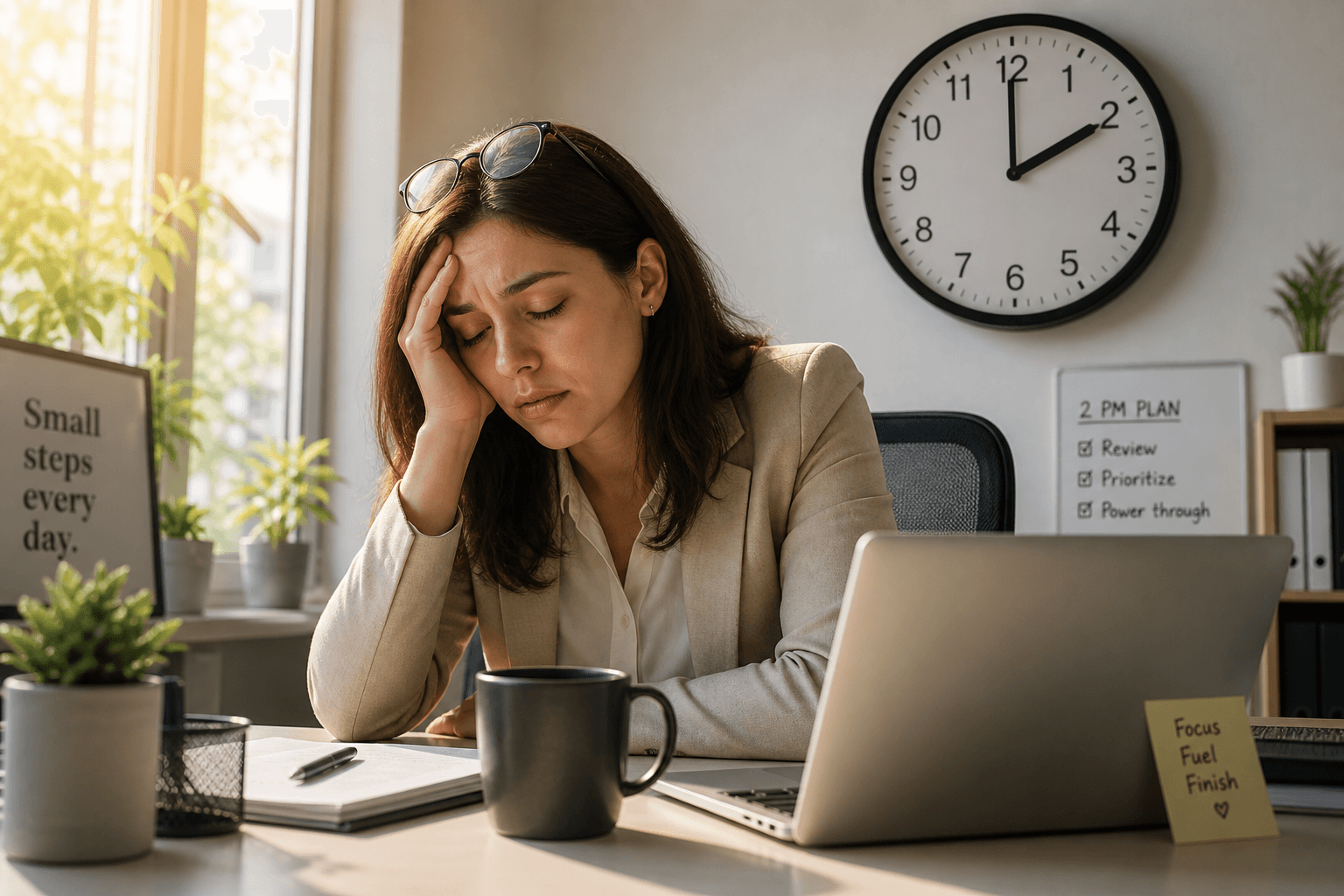
Why Am I So Tired in the Afternoon?
Read the Guide →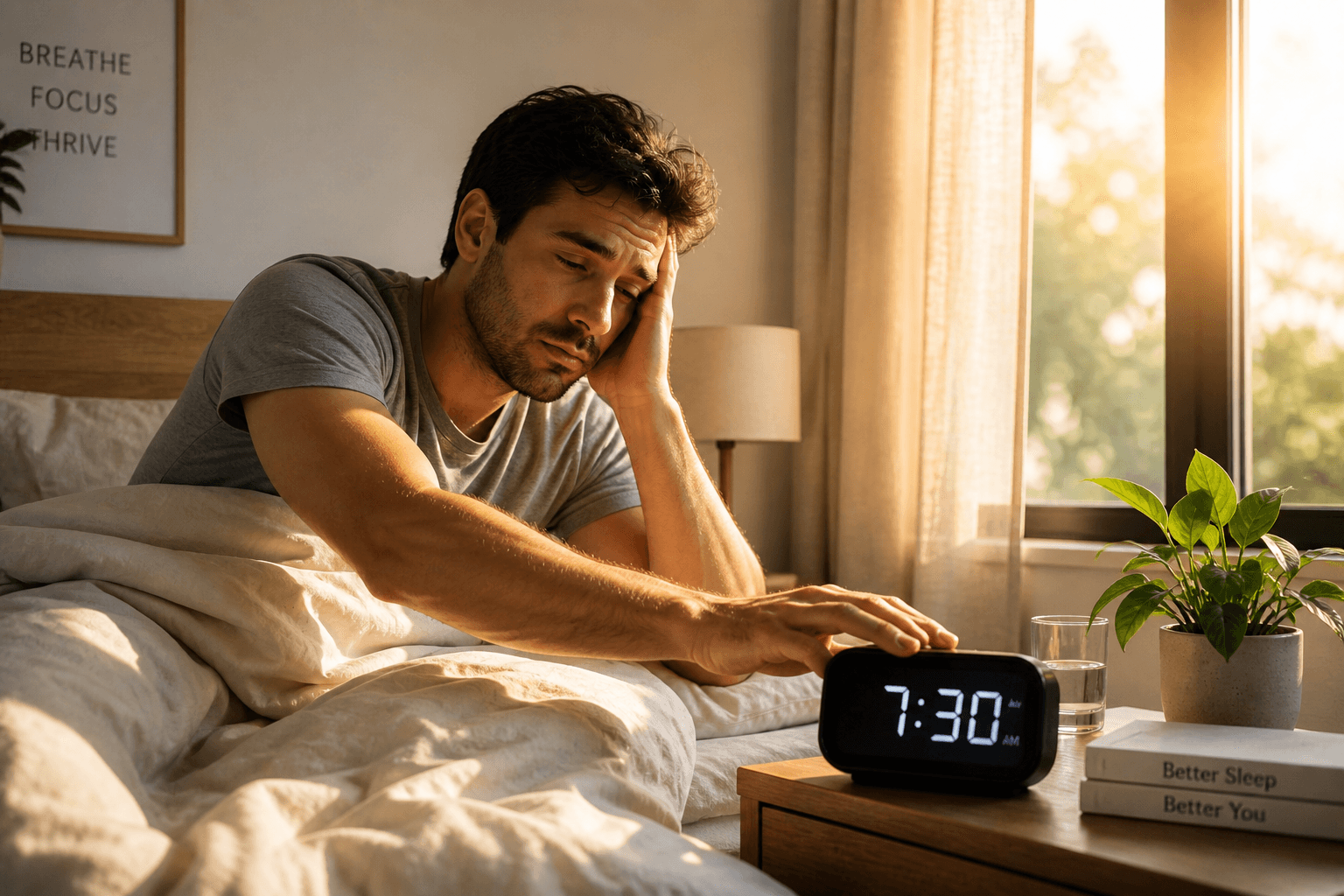
Why Do I Wake Up Tired?
Read the Guide →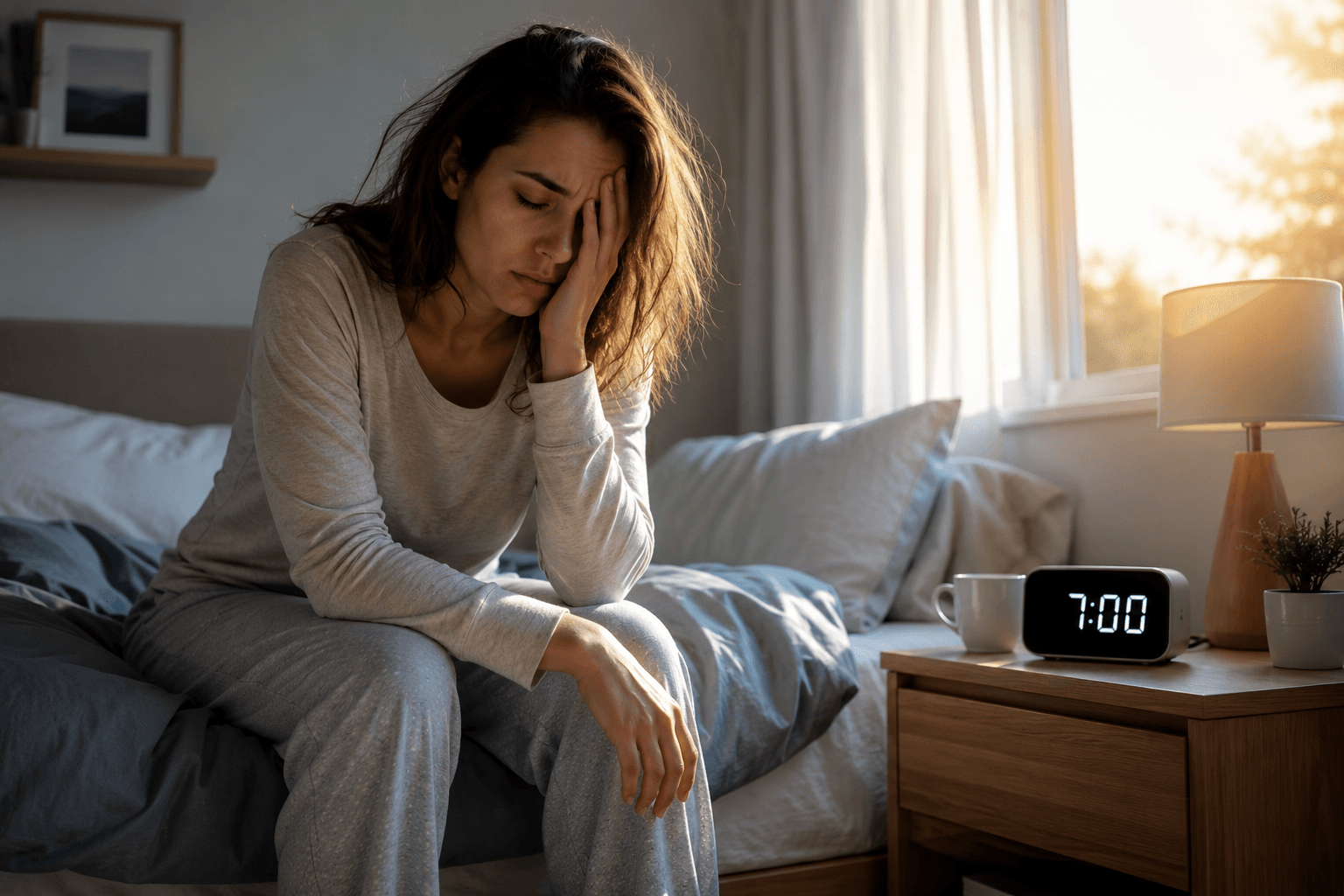
Still Tired After 8 Hours of Sleep?
Read the Guide →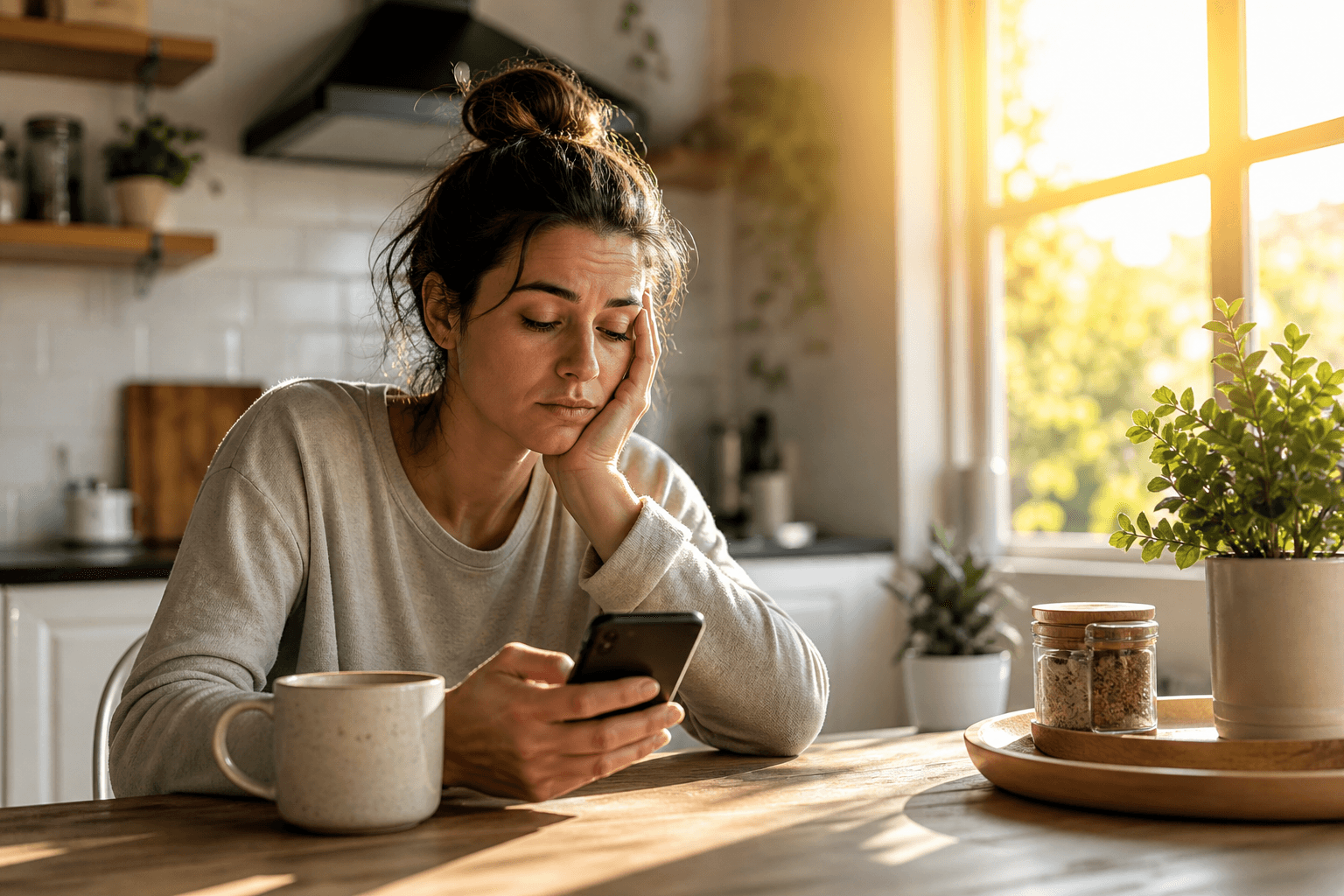
Morning Fatigue: 7 Energy-Draining Habits
Read the Guide →
Best Diet for Energy
Read the Guide →
Best Morning Routine for Energy & Focus
Read the Guide →Feeling Tired All the Time?
Fatigue can have many possible contributors—from insufficient sleep and inconsistent eating patterns to stress, inactivity, medications, and underlying health conditions.
Poor Sleep
Sleep quantity and quality strongly influence daytime alertness.
Nutrition & Hydration
Meal composition, eating patterns, and hydration affect how steady energy feels.
Stress & Recovery
Chronic stress and inadequate recovery can leave you mentally and physically drained.
Health Factors
Persistent fatigue may be associated with health conditions, medicines, or deficiencies.
Free Energy Tools and Downloads
Simple printable tools designed to help you identify patterns, build healthier routines, and understand what may influence daily energy.
Daily Energy Tracker
Track morning, afternoon, and evening energy alongside sleep, meals, hydration, movement, stress, and notes.
Download PDF7-Day Energy Habit Tracker
Track wake time, morning light, hydration, balanced meals, movement, caffeine timing, wind-down, and sleep.
Download PDFEnergy Crash Checklist
Review sleep, food, protein, water, movement, sitting time, caffeine reliance, and unusually high stress.
Download PDFWeekly Energy Patterns Worksheet
Review your week to identify connections between energy, sleep, meals, hydration, caffeine, movement, and stress.
Download PDFFor Educators, Publishers & Organizations
These resources are available free for personal and educational use. If you maintain a health, wellness, education, workplace wellness, or community resource page, you’re welcome to link to this resource center or individual downloadable tools.
For questions about using a Purely Vital Living resource, please contact us.
Contact Purely Vital LivingBuild Energy Without Relying on Caffeine
Caffeine can temporarily increase alertness, but it cannot replace sleep, nutrition, movement, recovery, or evaluation of persistent fatigue.
- Get morning daylight
- Start adequately hydrated
- Use short periods of movement
- Build balanced meals
- Protect sleep consistency
Eat for Steadier Energy
Build balanced meals around protein, fiber-rich carbohydrates, healthy fats, whole foods, and adequate hydration rather than looking for one “energy food.”
- Protein: supports balanced, satisfying meals
- Fiber-rich carbohydrates: provide fuel with nutrients
- Healthy fats: include nuts, seeds, avocado, and olive oil
- Hydration: supports normal physical and mental function
Why Better Energy Often Starts the Night Before
Sleep supports recovery, alertness, mood, attention, and the capacity to be active. Better daytime energy is often connected to what happens the night before.
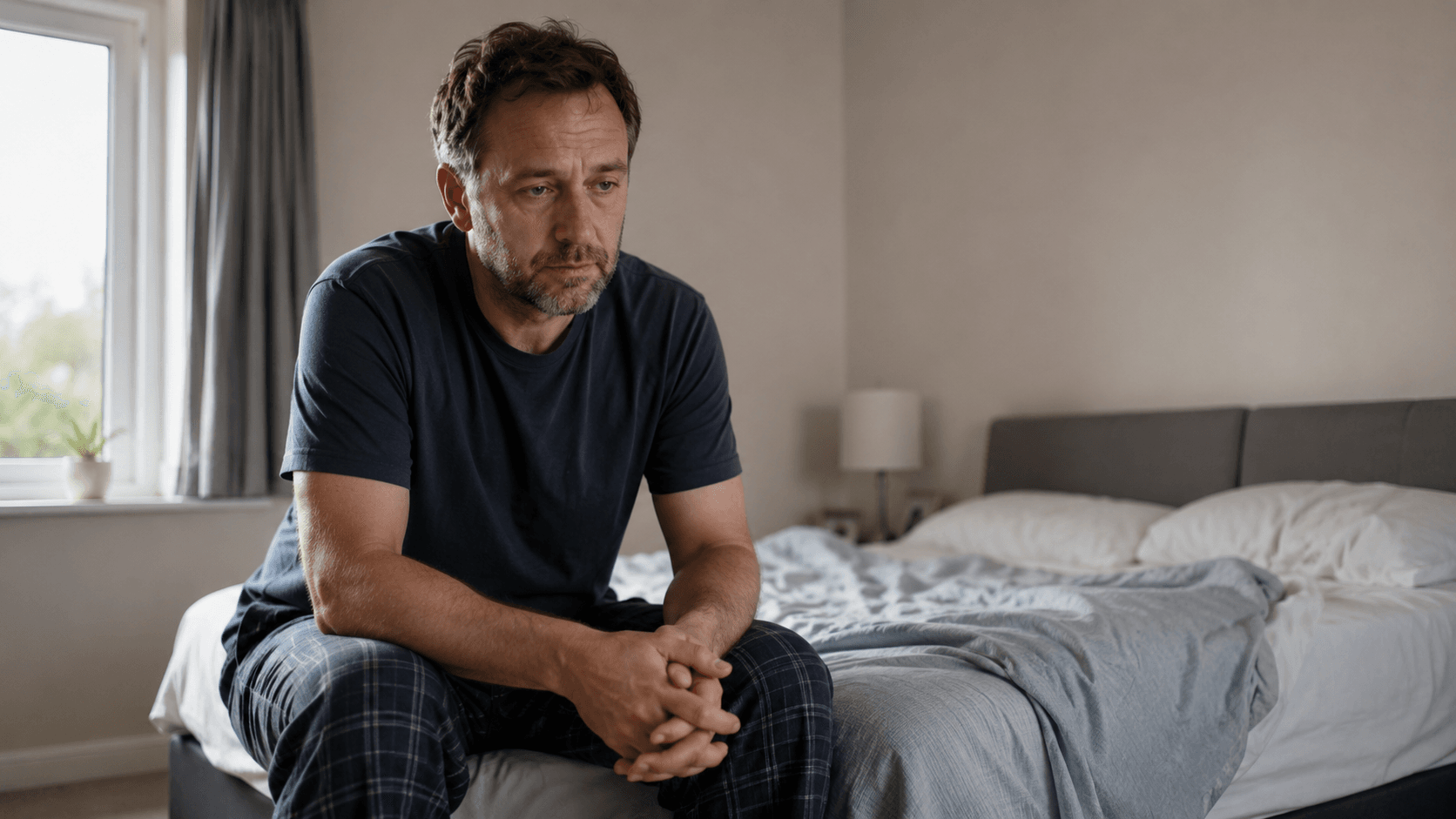
When Fatigue Becomes More Than Feeling Tired
Persistent fatigue can be very different from ordinary tiredness. Purely Vital Living also shares personal experience with long-term exhaustion, sleep problems, pain, and the difficult process of trying to understand what was happening.
This story is personal experience, not medical guidance.
Read My Experience →How We Create Our Resources
Purely Vital Living creates educational wellness resources using reputable health organizations, peer-reviewed research, established medical guidance, and practical wellness experience. We aim to translate complex health information into clear, useful resources readers can apply in everyday life. Important content is periodically reviewed and updated as evidence and professional guidance evolve. Our resources are provided for educational purposes and are not a substitute for personalized medical advice, diagnosis, or treatment.
Evidence-Informed
We prioritize reputable scientific, medical, and public-health sources.
Practical & Accessible
Information is translated into realistic guidance and tools for everyday use.
Regularly Reviewed
Important resources are periodically reviewed for accuracy and relevance.
Last reviewed: August 2026
Next scheduled review: August 2027
Editorial Policy | Medical Disclaimer | About Walid Abdin | Contact
Trusted Health Organizations
National Institutes of Health
Research-based health information and wellness resources from the U.S. medical research agency.
Centers for Disease Control and Prevention
Public-health guidance covering physical activity, sleep, healthy habits, and chronic disease prevention.
National Heart, Lung, and Blood Institute
Education about sleep deficiency, sleep disorders, and their effects on daily functioning and health.
MedlinePlus
Consumer health information about fatigue from the U.S. National Library of Medicine.
NHS
General information about tiredness, fatigue, self-care, and when to seek medical advice.
When to Talk to a Healthcare Professional
Persistent, severe, unexplained, or worsening fatigue—particularly when it affects daily functioning or occurs with other concerning symptoms—deserves professional evaluation. Lifestyle strategies are not the answer to every case of fatigue, and this resource center is not intended to diagnose or treat medical conditions.
Read the PVL Medical Disclaimer →Build Better Energy for Everyday Life
Explore practical resources designed to help you understand fatigue, support steadier energy, and build sustainable habits for better days.
Sustainable energy comes from supporting your body—not constantly pushing it harder.
Explore Energy Guides →