Quick Answer
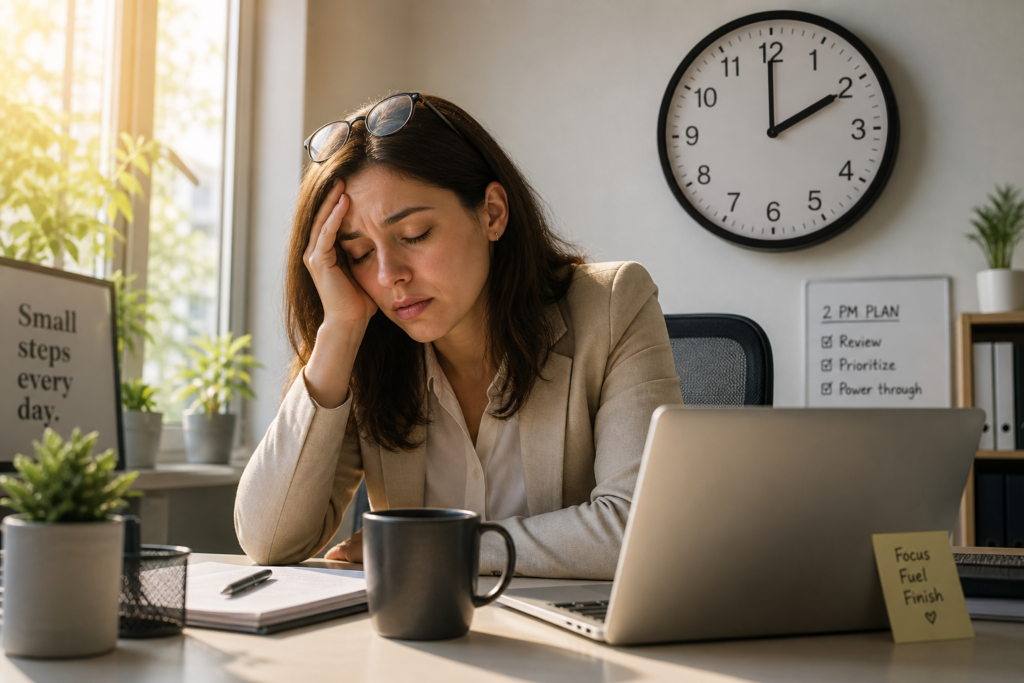
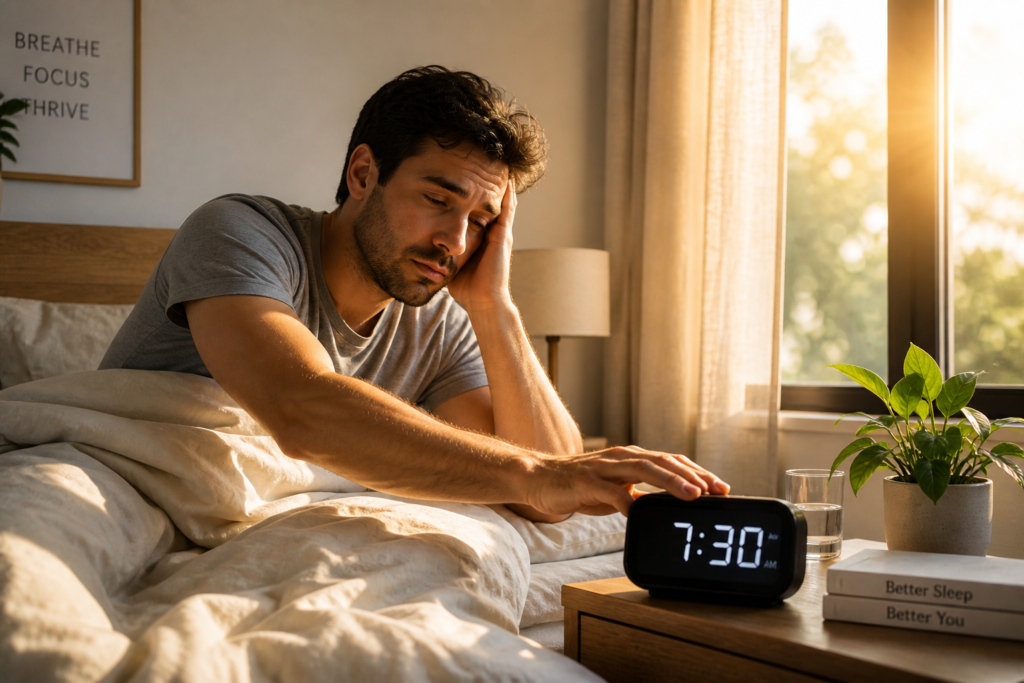
If you keep asking why do I wake up tired, common causes include poor sleep quality, inconsistent sleep schedules, sleep apnea, stress, dehydration, blood sugar swings, and poor evening habits. Even if you sleep enough hours, low-quality sleep can leave you feeling exhausted. The good news is that many morning fatigue causes are fixable.
Key Takeaways
- Enough hours do not guarantee restorative sleep. Fragmented sleep, stress, snoring, or poor sleep-stage balance can leave you exhausted after a full night in bed.
- A consistent wake time supports your body clock. Large shifts between weekdays and weekends can make mornings feel like mild jet lag.
- Morning clues can reveal nighttime problems. Loud snoring, dry mouth, headaches, repeated awakenings, or severe daytime sleepiness deserve attention.
- Simple habits can improve morning energy. Morning sunlight, hydration, a cooler bedroom, less late caffeine, and a regular wind-down routine are useful starting points.
- Persistent fatigue may require professional evaluation. Sleep apnea, mood disorders, anemia, thyroid problems, and other conditions can contribute to ongoing exhaustion.
- Key Takeaways
- Introduction
- What Does It Mean to Wake Up Tired?
- Signs Your Sleep Quality May Be Poor
- 7 Morning Causes + Fixes
- Why It Happens
- Hidden Habits That Make Morning Fatigue Worse
- How to Fix It Without Overwhelm
- 7-Day Morning Reset Plan
- Common Mistakes People Make
- How Long Results Take
- What to Do Tomorrow Morning If You Wake Up Tired
- What to Expect After 30 Days
- Best Products to Consider
- FAQ
- When to Seek Help
- Final Summary
Introduction
You went to bed at a decent time and slept for several hours, yet you still wake up tired, groggy, and unmotivated. I learned through my own experience with poor sleep quality and sleep apnea that spending enough time in bed does not always mean getting restorative sleep. Identifying problems with sleep quality and breathing made a much bigger difference to my morning energy than simply trying to sleep longer.
This is one of the most common wellness complaints today.
Many people assume the answer is simply “sleep more,” but waking tired is often about sleep quality, not just sleep quantity. Stress, snoring, dehydration, caffeine timing, blood sugar issues, and irregular routines can all leave you feeling drained in the morning.
The good news is that once you identify the real cause, improvement is often possible faster than expected. For a broader plan covering sleep, hydration, nutrition, stress, and movement, see our guide on how to get more energy naturally.
In this guide, we’ll cover 7 common reasons you wake up tired, what each one means, and practical ways to start waking up more refreshed.
What Does It Mean to Wake Up Tired?
Waking up tired does not always mean you failed to sleep long enough. In many cases, it means the body did not move through sleep stages effectively enough to restore energy.
Healthy sleep usually includes cycles of light sleep, deep sleep, and REM sleep. Deep sleep is especially important for physical recovery, immune support, and feeling refreshed the next morning. REM sleep plays a major role in memory, emotional processing, and mental clarity.
When those cycles are disrupted by stress, alcohol, snoring, late caffeine, overheating, noise, or irregular schedules, you may technically sleep several hours but still wake up depleted.
Another common factor is sleep inertia—the groggy feeling that happens when you wake suddenly from deeper sleep. This can be worse after poor-quality sleep or inconsistent wake times.
That is why some people sleep fewer hours consistently and feel fine, while others sleep longer but feel exhausted. Quality, rhythm, and recovery often matter more than total hours alone.
Waking tired usually means your body did not get enough restorative recovery during sleep.
That recovery depends on several things:
- Deep sleep quality
- REM sleep balance
- Breathing quality
- Stress hormone rhythm
- Consistent body clock timing
- Blood sugar stability
- Nervous system calmness
You can technically sleep 8 hours and still feel terrible if those systems are disrupted. This is why some people remain tired after eight hours of sleep despite meeting the usual sleep-duration target.
That is why many people feel confused. They believe they slept enough, yet the body did not fully recharge.
Signs Your Sleep Quality May Be Poor
Sometimes the problem is obvious. Other times it is subtle.
Common signs include:
- Waking groggy daily
- Needing multiple alarms
- Heavy afternoon crashes
- Brain fog in mornings
- Headaches on waking
- Snoring
- Dry mouth
- Irritability
- Relying on caffeine immediately
If several of these apply, sleep quality may need attention.
7 Morning Causes + Fixes
1. Poor Sleep Quality (Even If You Slept Long Enough)
Poor sleep quality often develops slowly, so many people do not recognize it. You may adapt to waking tired and assume it is normal. But frequent small disruptions—pets waking you, room temperature changes, stress dreams, noise, or restless movement—can fragment sleep all night.
If you wake often and fall back asleep quickly, you may still think you slept “fine.” Yet broken sleep can reduce deep restorative recovery.
Improving the sleep environment can make a surprisingly large difference.
Many people sleep enough hours but spend too little time in restorative deep sleep.
This can happen from stress, alcohol, late meals, overheating, noise, or frequent waking.
Fixes:
- Keep bedroom cool and dark
- Reduce alcohol before bed
- Use consistent bedtime
- Reduce noise/light disruptions
Sleep depth often matters more than extra hours.

2. Inconsistent Sleep Schedule
Your body clock prefers regular timing. When bedtime and wake time constantly shift, the body struggles to predict when to release melatonin, cortisol, and digestive hormones.
This is why many people feel awful Monday morning after sleeping late all weekend. It resembles mild jet lag created by social habits.
A steady wake time is often the fastest fix.
Sleeping at midnight one night and 2 AM the next can confuse your internal clock.
This often causes:
- Groggy mornings
- Hard wake-ups
- Weekend oversleeping
- Monday exhaustion
Fixes:
- Wake at same time daily
- Keep bedtime within 30–60 minutes
- Get morning sunlight
Rhythm is powerful.
3. Stress and Racing Thoughts
Stress does not always stop sleep completely—it often lowers sleep quality quietly.
Some people fall asleep fast because they are exhausted, but their nervous system remains tense through the night. This may lead to jaw clenching, vivid dreams, shallow sleep, or early waking.
If your mind feels busy the moment you open your eyes, stress recovery deserves attention. These practical stress management techniques can help reduce the mental overload that follows you into the night.
You may fall asleep but stay physiologically “on alert.”
Stress can reduce deep sleep and increase early waking.
Signs:
- Jaw tension
- Busy mind
- Light sleep
- Waking at 3–5 AM
Fixes:
- Evening breathing exercises
- Journaling
- Screen-free wind-down
- Magnesium glycinate (if suitable)

4. Sleep Apnea or Snoring
Many people underestimate snoring. Loud or chronic snoring can be a sign that breathing is partially blocked during sleep.
Repeated breathing disturbances can lower oxygen levels and force the brain to wake briefly many times each night, even if you do not remember it.
This can create severe morning fatigue despite spending enough time in bed.
Breathing interruptions during sleep can dramatically reduce recovery.
Common clues:
- Loud snoring
- Morning headaches
- Dry mouth
- Daytime sleepiness
- Witnessed pauses in breathing
Fix:
Speak with a healthcare professional for evaluation. This is highly treatable and often life-changing.
5. Dehydration
The body loses water overnight through breathing and sweat. If you already begin the night mildly dehydrated, mornings may feel worse.
Dry mouth, headaches, sluggishness, and dizziness after standing can sometimes improve simply by improving hydration habits the day before.
Hydration is basic—but often overlooked.
Even mild dehydration can worsen fatigue and headaches in the morning.
This is more common after:
- Sweaty nights
- Alcohol intake
- Dry rooms
- Low daily water intake
Fixes:
- Hydrate consistently during day
- Drink water after waking
- Use electrolytes if appropriate
6. Blood Sugar Swings
Late-night high-sugar meals may create unstable overnight energy regulation in some people. This can contribute to restless sleep or waking hungry, thirsty, or foggy.
A balanced dinner with protein, fiber, and moderate portions often supports steadier mornings than heavy fast food or dessert-based late meals.
Heavy sugary meals or late-night junk food may affect sleep quality and morning energy.
Some people wake tired after:
- Dessert late at night
- Alcohol + snacks
- Huge carb-heavy dinners
Fixes:
- Balanced dinner
- Protein + fiber meals
- Avoid heavy late-night eating

7. Too Much Late-Day Caffeine
Some people clear caffeine slowly and may still have meaningful stimulation in their system many hours later.
Even if you can fall asleep after coffee, sleep depth may still be reduced. This often shows up as waking unrefreshed rather than obvious insomnia.
Try reducing afternoon caffeine for one week before assuming it is harmless.
Caffeine can remain in the body for hours.
You may fall asleep but still experience lighter, lower-quality sleep.
Fixes:
- Avoid caffeine after 2 PM
- Reduce energy drinks
- Track sleep changes for 1 week
Many people are surprised how much this helps.
Why It Happens
Morning fatigue often comes from stacked small stressors, not one dramatic issue.
Example:
- Late caffeine
- Phone before bed
- Irregular bedtime
- Mild dehydration
- Stressful work week
Each may seem minor alone, but together they can leave you waking exhausted.
Hidden Habits That Make Morning Fatigue Worse
Sometimes the issue is not one major health problem—it is a collection of subtle habits repeated daily.
Examples include:
- Hitting snooze multiple times
- Scrolling your phone in bed
- Drinking alcohol most nights
- Sleeping in a room that is too warm
- Eating heavy meals close to bedtime
- Using bright lights late at night
- Sleeping in drastically on weekends
Each habit may seem minor, but together they can reduce sleep quality and make mornings harder.
The encouraging part is that habits are changeable. Small corrections often create meaningful results within days or weeks.
How to Fix It Without Overwhelm
Do not try to change everything tonight.
Start with the highest-impact basics:
This Week:
- Same wake time daily
- Morning sunlight
- No caffeine after 2 PM
- 30-minute screen-free bedtime routine
- Hydrate on waking
Then reassess after 7 days.
Small consistent improvements often beat extreme one-night changes.

7-Day Morning Reset Plan
Day 1–2
Wake same time daily and get sunlight outdoors.
Day 3–4
Cut caffeine after 2 PM.
Day 5
Create cool, dark bedroom.
Day 6
Eat lighter balanced dinner.
Day 7
Review how you feel waking up.
Many people notice better mornings quickly.
Common Mistakes People Make
1. Sleeping in on weekends
Can worsen Monday grogginess.
2. Using alcohol to relax
Often hurts sleep quality.
3. Scrolling in bed
Stimulates the brain.
4. Drinking coffee immediately without sunlight
Can reinforce fatigue cycle.
5. Ignoring loud snoring
Important to investigate.
How Long Results Take
Some changes help fast.
Within Days:
- Better mornings from sunlight
- Less grogginess from caffeine cutoff
- Better hydration
Within 2–4 Weeks:
- Stronger body clock rhythm
- Better sleep quality
- More stable energy
Consistency matters more than perfection.
What to Do Tomorrow Morning If You Wake Up Tired
If you wake up tired tomorrow, do not panic or assume the whole day is ruined. Use a smart reset routine.
Try this:
- Get outside into natural light within 15 minutes
- Drink water before more caffeine
- Move your body for 5–10 minutes
- Eat a protein-rich breakfast
- Delay checking stressful messages immediately
- Keep bedtime normal the next night
Many people worsen fatigue by oversleeping, doom scrolling, or chasing energy with excess caffeine. A steady reset routine works better. Our morning routine for energy and focus offers a simple structure built around light, hydration, movement, and balanced nutrition.
What to Expect After 30 Days
After a month of healthier sleep habits, many people notice waking becomes easier and less stressful. Morning brain fog often improves, and the urge to hit snooze repeatedly may decrease.
You may also feel steadier energy during the day, fewer afternoon crashes, and better mood resilience. If your energy still drops later in the day, review the common causes of feeling tired in the afternoon. Even moderate improvements in sleep quality can have a noticeable impact on how the entire day feels.
Best Products to Consider
1. Magnesium Glycinate
Why useful:
Supports relaxation and sleep quality.
⭐ Editor’s Pick
Life Extension Neuro-Mag Magnesium L-Threonate
Best For: Brain Health & Sleep Support

Life Extension Neuro-Mag contains magnesium L-threonate, a form of magnesium commonly used to support brain health, relaxation, and cognitive wellness. Many people include it in their nighttime routine for overall sleep and mental recovery support.
✔ Supports relaxation and brain wellness
✔ May help support sleep quality
✔ Magnesium L-threonate formula
✔ Popular nootropic-style magnesium supplement
👉 Looking for magnesium support focused on brain and sleep wellness?
2. Blackout Curtains
Why useful:
Can improve darkness and sleep depth.
⭐ Editor’s Pick
NICETOWN Blackout Curtains
Best For: Better Sleep Environment

NICETOWN Blackout Curtains are designed to reduce outside light and help create a darker, calmer sleep environment. Many people use blackout curtains to improve sleep quality and reduce nighttime disruptions.
✔ Blocks outside light
✔ Supports deeper sleep
✔ Helps reduce early morning wakeups
✔ Creates a calming bedroom atmosphere
👉 Want a darker and more restful bedroom?
3. White Noise Machine
Why useful:
Helpful for noisy environments.
⭐ Editor’s Pick
Yogasleep Dohm White Noise Machine
Best For: Noise Reduction & Sleep Quality

The Yogasleep Dohm White Noise Machine creates soothing background sound that may help reduce sleep interruptions caused by noise. It is commonly used for relaxation, focus, and nighttime sleep support.
✔ Helps mask disruptive sounds
✔ Supports uninterrupted sleep
✔ Creates calming background noise
✔ Popular sleep wellness device
👉 Need a quieter sleep environment?
FAQ
Why do I wake up tired after 8 hours of sleep?
Because sleep quantity and sleep quality are different. You may spend enough time in bed but still have fragmented sleep, snoring, stress arousal, or poor circadian timing.
Why am I tired every morning?
Common causes include poor sleep habits, stress, inconsistent schedule, dehydration, breathing issues, or nutritional/lifestyle factors.
Can dehydration make you wake tired?
Yes. Mild dehydration can contribute to headaches, sluggishness, and low energy in the morning.
Does caffeine affect next morning energy?
Yes. If caffeine lowers sleep quality, you may wake less refreshed even when total sleep time looks normal.
When should I worry?
If fatigue is severe, persistent, worsening, or associated with loud snoring, mood changes, dizziness, chest pain, or major daytime sleepiness.
When to Seek Help
Talk with a healthcare professional if you have:
- Loud snoring
- Breathing pauses
- Severe daytime fatigue
- Depression symptoms
- Unexplained weight change
- Persistent exhaustion
Want free practical tips for better sleep, energy, gut health, and healthy aging?
Join the Purely Vital Living newsletter and get science-backed wellness tips sent to your inbox.

Final Summary
If you keep wondering why do I wake up tired, the answer is often hidden in sleep quality, stress, routine, breathing, hydration, or caffeine habits.
Start simple:
- Morning sunlight
- Consistent wake time
- Less late caffeine
- Better evening routine
- Hydration
- Sleep-friendly bedroom
Small changes can lead to dramatically better mornings.
Create a Better Bedroom Recovery Environment
A calming sleep environment may help support deeper rest, nighttime recovery, relaxation, and healthier sleep routines. Wellness products like cooling sleep systems, weighted blankets, white noise devices, and recovery-focused bedroom essentials can help improve overall sleep comfort and recovery quality.
👉 Explore: Bedroom Recovery Environment
Related Reads
7 Healthy Sleep Habits to Transform Your Nighttime Routine
Why Am I Tired All the Time? 9 Hidden Causes + Fixes