
Quick Answer
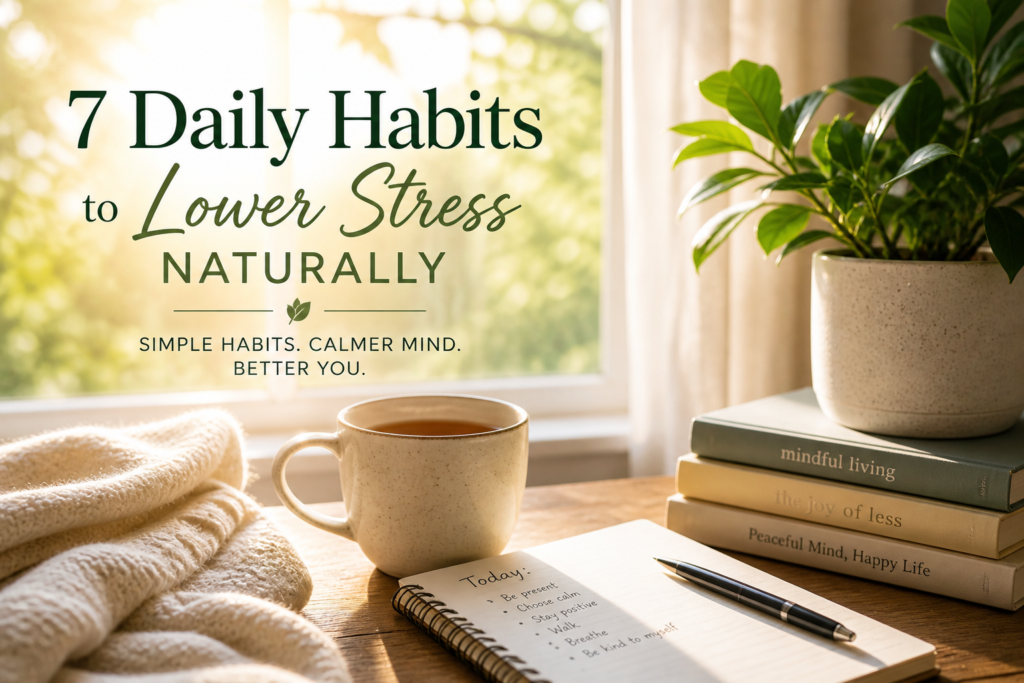
The best habits for better sleep and mood include getting morning sunlight, keeping a consistent sleep schedule, moving daily, eating balanced meals, reducing evening screen time, managing stress, and avoiding caffeine late in the day. These simple routines help regulate hormones, calm the nervous system, and improve long-term well-being.
Introduction
Many people struggle with two issues at the same time: poor sleep and low mood.
You may feel tired but unable to relax. You may wake up exhausted, feel stressed during the day, and then have trouble sleeping again at night. This cycle is common, frustrating, and often made worse by modern habits such as screen overuse, irregular schedules, poor nutrition, and constant stress.
The good news is that sleep and mood are deeply connected. Improving one often improves the other.
That means you do not always need dramatic changes or expensive solutions. Often, consistent daily habits create the biggest transformation over time.
In this guide, you’ll learn 7 daily habits for better sleep and mood naturally, why they work, and how to make them realistic in a busy life.
What Is the Connection Between Sleep and Mood?
Sleep affects nearly every system in the body, including hormones, stress response, memory, emotional balance, and energy production.
When sleep quality drops, mood often follows.
People who sleep poorly are more likely to experience:
- Irritability
- Anxiety
- Low motivation
- Brain fog
- Emotional reactivity
- Difficulty coping with stress
At the same time, chronic stress or low mood can make it harder to fall asleep or stay asleep. Racing thoughts, tension, and overstimulation often keep the nervous system alert when it should be winding down.
This creates a loop:
Poor sleep → worse mood → more stress → poorer sleep
The most effective solution is to support both areas together through habits that calm the nervous system and stabilize the body clock.
Signs Your Routine Is Hurting Sleep
Sometimes poor sleep is not caused by one major problem—it is caused by small habits repeated every day. Many people normalize feeling tired, relying on caffeine, or waking up groggy without realizing their routine may be working against them.
Common signs include struggling to fall asleep, waking during the night, needing multiple alarms, feeling irritable in the morning, or crashing in the afternoon. You may also feel tired but restless at bedtime, which often points to stress, irregular sleep timing, or overstimulation late at night.
If weekends become your “recovery days” or you feel dramatically better only when sleeping in, your weekday habits likely need attention. The good news is that routine-based sleep problems often improve quickly when you fix timing, light exposure, caffeine habits, and stress management.
7 Daily Habits for Better Sleep and Mood
1. Get Morning Sunlight Every Day
Morning sunlight is one of the most powerful natural tools for sleep and mood.
Light exposure soon after waking helps regulate circadian rhythm—the body’s internal clock. This signals alertness in the morning and helps melatonin rise naturally later at night.
It can also support serotonin pathways linked to mood and motivation.
Easy ways to do it:
- Step outside for 10 minutes after waking
- Drink coffee near a sunny window
- Take a short morning walk
- Open blinds immediately
Even cloudy daylight can help. Consistency matters more than perfection.

2. Keep a Consistent Sleep Schedule
Going to bed at midnight one night, 10 PM the next, and 2 AM on weekends confuses the body.
Your brain likes rhythm. A predictable sleep-wake cycle improves sleep quality and often stabilizes mood during the day.
Many people focus only on bedtime, but wake time is equally important.
Benefits of consistency:
- Easier to fall asleep
- Less grogginess in the morning
- Better energy
- More emotional stability
Try choosing a realistic sleep window and staying within 30–60 minutes most days.
3. Move Your Body Daily
Exercise is one of the best natural mood boosters available.
Movement helps reduce stress hormones, improves insulin sensitivity, supports better sleep pressure at night, and releases chemicals associated with well-being.
You do not need extreme workouts. In fact, regular moderate movement often works best.
Good options include:
- Brisk walking
- Strength training
- Yoga
- Cycling
- Swimming
- Dancing
A 20-minute walk can change the tone of an entire day.

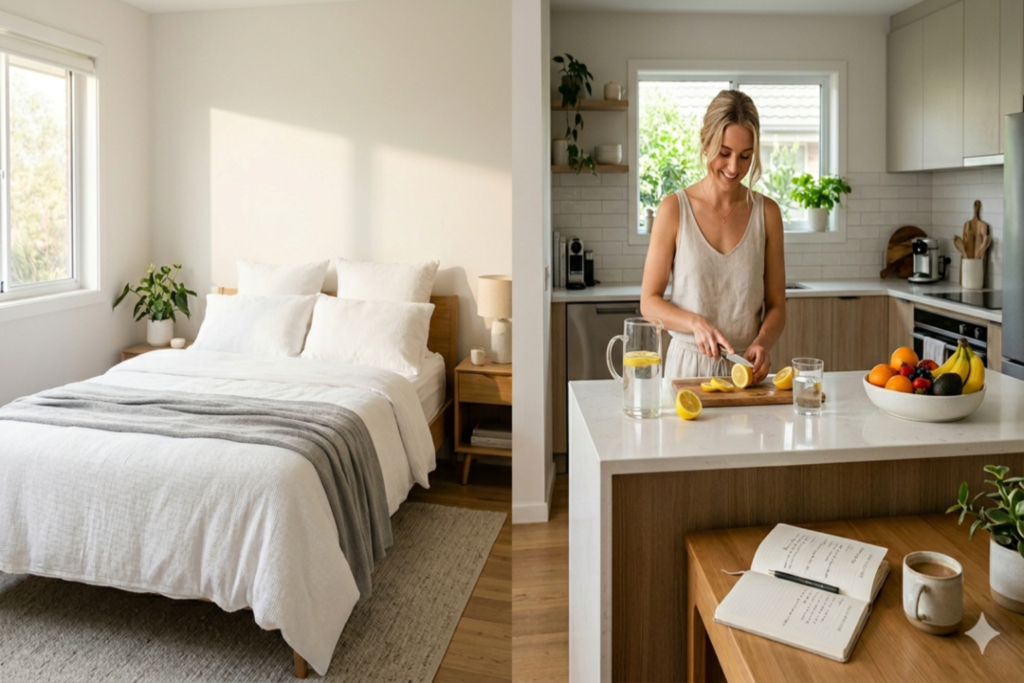
4. Eat Balanced Meals That Support Calm Energy
Food affects blood sugar, hormones, inflammation, and brain chemistry.
Meals built around sugar and refined carbs can cause quick energy spikes followed by crashes. Those crashes may feel like anxiety, irritability, or fatigue.
Balanced meals support steadier mood and energy.
Aim to include:
- Protein
- Fiber
- Healthy fats
- Whole-food carbohydrates
Example breakfast:
Eggs, oats, berries, and tea.
This combination supports satiety, stable energy, and fewer cravings later in the day.

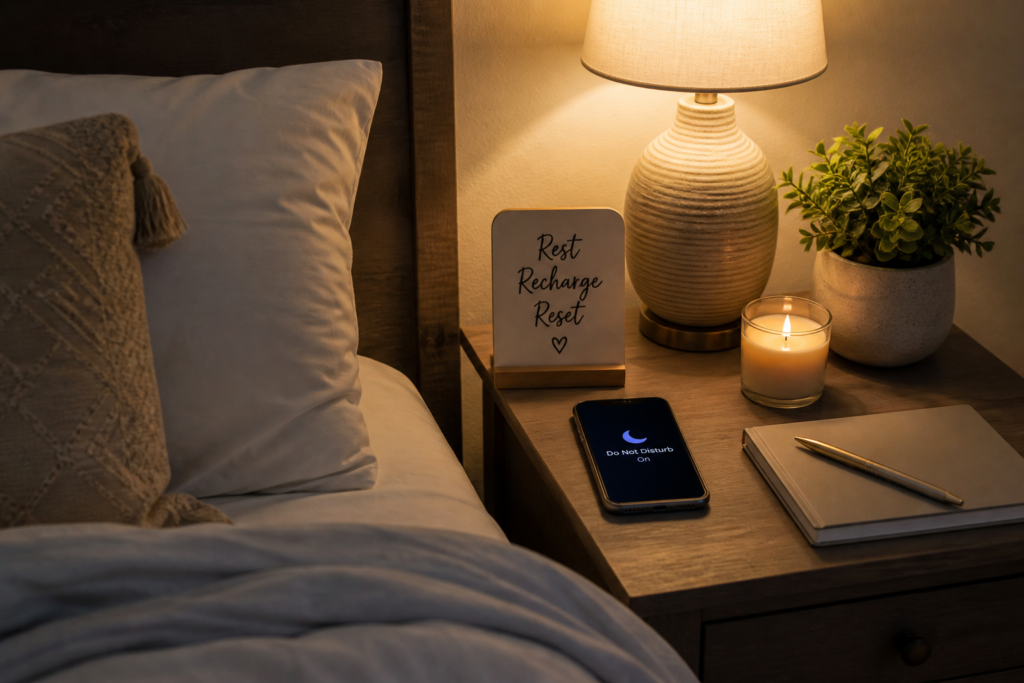
5. Reduce Evening Screen Time
Phones, tablets, and laptops can overstimulate the brain when it should be slowing down.
Bright light may interfere with melatonin, while social media, emails, or stressful content can keep the nervous system activated.
Many people say they “can’t switch off” at night while using a device until bedtime.
Better evening swap:
- Read a physical book
- Stretch lightly
- Journal
- Listen to calming music
- Take a warm shower
Even reducing screen exposure 30–60 minutes before bed may help.
6. Practice Daily Stress Release
Stress accumulates when it never gets processed.
You may not feel highly anxious, yet your body can remain tense and alert all day. This often shows up as shallow breathing, tight shoulders, racing thoughts, irritability, or poor sleep.
A daily reset habit helps the nervous system feel safe enough to relax.
Helpful practices:
- Deep breathing for 5 minutes
- Prayer or meditation
- Journaling
- Nature walk
- Quiet tea break without phone
- Gentle stretching
Small calming moments repeated daily often outperform occasional long self-care sessions.
7. Watch Late-Day Caffeine Intake
Caffeine can be useful, but timing matters.
Many people use caffeine to compensate for poor sleep, then unknowingly worsen sleep later that night. Even if you fall asleep, caffeine may reduce sleep depth in sensitive individuals.
Signs it may be hurting you:
- Afternoon anxiety
- Trouble winding down
- Waking at night
- Feeling tired but wired
Smart rule:
Try avoiding caffeine after 2 PM and notice how your sleep changes over the next week.
Why These Habits Work
These habits help regulate systems strongly tied to sleep and mood:
- Circadian rhythm
- Cortisol rhythm
- Blood sugar stability
- Nervous system balance
- Inflammation levels
- Recovery hormones
That is why simple daily routines can outperform trendy hacks, especially when practiced consistently.
Health often improves through rhythm, not intensity.
How to Fix It Without Overwhelm
Many people fail because they try to change everything at once.
Instead, start with two habits this week.
Week 1 Example:
- Morning sunlight
- No caffeine after 2 PM
Week 2 Example:
- Add regular bedtime
- Add 20-minute walk
Week 3 Example:
- Add screen-free bedtime routine
This gradual approach is more sustainable and more likely to become automatic.
7-Day Starter Plan
The fastest way to improve sleep and mood is to focus on simple consistency for one week. Do not aim for perfection—aim for repetition.
Day 1–2:
Get morning sunlight within 30 minutes of waking and avoid caffeine after 2 PM.
Day 3–4:
Set a consistent bedtime and wake time, even if not perfect.
Day 5:
Add a 20-minute walk or light workout.
Day 6:
Create a screen-free bedtime routine for 30 minutes before sleep.
Day 7:
Review how you feel. Notice your energy, mood, cravings, and sleep quality.
Many people feel early improvements within one week when they reduce overstimulation and create rhythm.
Common Mistakes People Make
1. Looking for one magic supplement
Supplements may help, but habits are the foundation.
2. Sleeping in late on weekends
This can disrupt Monday sleep rhythm.
3. Exercising intensely late at night
Helpful for some, overstimulating for others.
4. Using alcohol to relax
It may reduce sleep quality even if it helps you fall asleep faster.
5. Ignoring stress signals
Mental tension often shows up physically first.
How Long Results Take
Some benefits happen quickly.
Within a few days:
- Better mornings from sunlight
- Less anxiety from lower caffeine
- Improved calm from breathing practices
Within 2–4 weeks:
- Better sleep consistency
- Improved mood resilience
- More stable energy
- Better habit momentum
Long-term consistency usually matters more than short bursts of motivation.
What to Expect After 30 Days
After 30 days of steady habits, many people notice meaningful changes. Sleep often becomes easier and more predictable, with fewer restless nights and smoother mornings. Mood may feel more stable, and daily stress may feel easier to manage.
You may also notice better energy, fewer afternoon crashes, improved focus, and less dependence on caffeine. Small habits compound over time, which is why consistency matters more than intensity.
Even if progress feels gradual, the body responds strongly to regular routines. A month of better habits can create momentum that lasts much longer than any short-term quick fix.
Best Products to Consider
1. Magnesium Glycinate
Why useful:
Supports relaxation, sleep quality, and stress recovery.
⭐ Editor’s Pick
Doctor’s Best Magnesium Glycinate
Best For: Everyday Digestive Support

Doctor’s Best Magnesium Glycinate is a gentle magnesium formula commonly used to support relaxation, sleep quality, and stress management. Many people include it in their nighttime wellness routine for overall wellness support.
✔ Supports relaxation and sleep quality
✔ Gentle magnesium formula
✔ Helps support stress management
👉 Looking for stress and sleep support?
⭐ Editor’s Pick
NOW Magnesium Glycinate
Best For: Everyday Digestive Support

NOW Magnesium Glycinate provides a highly absorbable magnesium form designed to support muscle relaxation, nervous system balance, and restful sleep. It is a popular option for daily magnesium supplementation.
✔ Highly absorbable magnesium form
✔ Supports muscle and nerve function
✔ Daily wellness support
👉 Support better relaxation naturally.
2. Herbal Sleep Tea
Why useful:
Creates a calming bedtime ritual and supports wind-down.
⭐ Editor’s Pick
Traditional Medicinals Nighty Night Tea
Best For: Calming Evening Routine

Traditional Medicinals Nighty Night Tea combines calming herbal ingredients often used to support relaxation and nighttime wind-down routines.
✔ Supports nighttime relaxation
✔ Caffeine-free herbal blend
✔ Gentle bedtime routine support
👉 Want a calming nighttime tea?
⭐ Editor’s Pick
Yogi Bedtime Tea
Best For: Relaxing Herbal Blend

Yogi Bedtime Tea contains herbs traditionally used to promote calmness and relaxation before sleep. It is commonly used to help create a peaceful nighttime routine.
✔ Herbal bedtime support
✔ Relaxing caffeine-free blend
✔ Helps support evening wind-down
👉 Looking for a relaxing evening tea?
3. Blue Light Blocking Glasses
Why useful:
Helpful for people using screens heavily in the evening.
⭐ Editor’s Pick
livho Blue Light Blocking Glasses
Best For: Everyday Digestive Support

livho Blue Light Blocking Glasses are designed to help reduce blue light exposure from screens during the evening. Many people use them to support eye comfort and healthier nighttime routines.
✔ Helps reduce blue light exposure
✔ Supports evening screen comfort
✔ Lightweight daily-use design
👉 Using screens late at night?
⭐ Editor’s Pick
TIJN Blue Light Blocking Glasses
Best For: Stylish Everyday Use

TIJN Blue Light Blocking Glasses combine lightweight comfort with blue light filtering lenses designed for daily screen use. They are often chosen by people working on computers during evening hours.
✔ Filters blue light from screens
✔ Comfortable lightweight frame
✔ Everyday digital wellness support
👉 Want comfortable screen-time support?
FAQ
What are the best habits for better sleep and mood?
Morning sunlight, regular sleep times, daily movement, balanced meals, stress management, reduced evening screens, and smart caffeine timing.
Can poor sleep affect mood?
Yes. Poor sleep can increase irritability, anxiety, low motivation, and stress sensitivity.
How long do habits take to improve sleep?
Some people notice changes within days, while stronger improvements often take 2–4 weeks.
Is exercise really that effective?
Yes. Regular movement strongly supports both sleep quality and emotional well-being.
What supplement may help naturally?
Magnesium glycinate is commonly used for relaxation and sleep support.
When to Seek Help
Talk with a healthcare professional if sleep or mood struggles include:
- Severe insomnia
- Depression
- Panic symptoms
- Loud snoring
- Extreme fatigue
- Mood changes lasting weeks
- Dependence on alcohol or pills for sleep
Persistent symptoms deserve support.
Want free practical tips for better sleep, energy, gut health, and healthy aging?
Join the Purely Vital Living newsletter and get science-backed wellness tips delivered to your inbox.
Final Summary
The best habits for better sleep and mood are often simple and repeatable:
- Morning sunlight
- Consistent sleep times
- Daily movement
- Balanced meals
- Less evening screen time
- Daily stress relief
- Smarter caffeine timing
You do not need perfection. Start with two habits, stay consistent, and let small changes build powerful results over time.
Related Reads
- How to Fall Asleep Faster Tonight Naturally
- Best Magnesium Supplements for Sleep and Stress
- Why Am I Tired All the Time? 9 Hidden Causes + Fixes
- Best Vitamins for Low Energy After 40