
Quick Answer
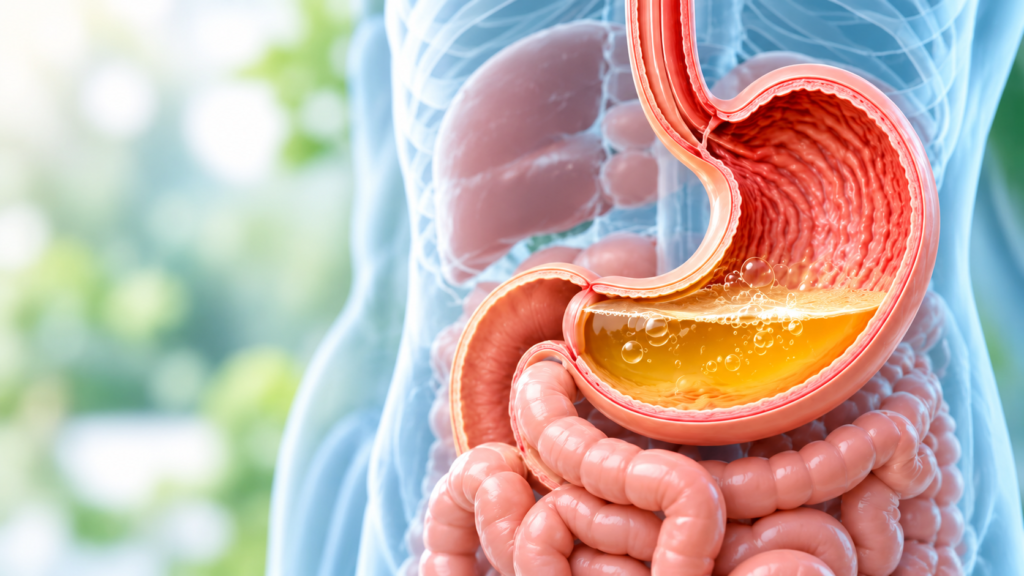
What causes bad gut health? Low fiber intake, stress, poor sleep and inactivity can affect digestive comfort, but persistent symptoms may also come from medical conditions, infections or medicines. “Bad gut health” is not one diagnosis, and symptoms cannot identify a microbial imbalance. Make gradual changes you tolerate; seek medical advice for persistent bowel changes, bleeding, weight loss or severe pain. Probiotics are not necessary for everyone.
A digestive routine is influenced by several connected habits, including what you eat, when you eat and how symptoms affect your day. Changing everything simultaneously makes it hard to tell what you tolerate. A gradual approach can help you observe patterns while keeping persistent or concerning changes on the agenda for appropriate assessment.
This guide reviews five everyday habits, suggests manageable adjustments, and explains why lasting symptoms need more than a general gut-health label.
Key Takeaways
- Low fiber intake, chronic stress, poor sleep, ultra-processed foods, and inactivity are common contributors to poor gut health.
- Gut symptoms can have many causes. Bloating, constipation, diarrhea, or fatigue do not prove a microbiome problem on their own.
- Small daily changes usually matter more than quick fixes. Gradually add fiber, move regularly, improve sleep, and reduce highly processed foods.
- Probiotics are optional, not essential for everyone. Food quality and lifestyle habits form the foundation.
- Persistent or severe digestive symptoms need medical evaluation. Seek care for blood in stool, unexplained weight loss, severe pain, or ongoing bowel changes.
- Key Takeaways
- Introduction
- What Is Gut Health?
- Signs of Poor Gut Health
- 5 Everyday Habits That May Cause Bad Gut Health
- Why These Habits Matter
- Why Your Gut Microbiome Matters
- How to Improve Gut Health Naturally
- When Habits Are Not the Whole Explanation
- Best Gut Health Products to Consider
- Common Myths About Gut Health
- FAQ
- When to Seek Help
- Final Summary
Introduction
Your digestive system is influenced by what you do every day—not just what you eat occasionally. If you’ve ever wondered what causes bad gut health, daily habits such as poor sleep, chronic stress, inactivity, and food choices can all play a major role in digestion and gut microbiome health.
My own interest in gut health grew after living with IBS and digestive challenges for more than 20 years. Throughout that journey, I learned firsthand that everyday habits can have a significant impact on digestive symptoms. I discovered that poor sleep, high stress levels, and inconsistent eating patterns often worsened my symptoms, while small, sustainable lifestyle changes gradually improved my overall digestive health.
Many people follow routines without realizing they may be contributing to poor gut health. Over time, these habits may affect digestion, energy levels, cravings, immune function, and overall gut balance.
The encouraging news is that improving gut health does not always require dramatic changes. In many cases, small daily habits practiced consistently can make a meaningful difference.
In this article, we’ll explore five common everyday habits that may contribute to poor gut health and practical strategies that can help support a healthier gut naturally.
What Is Gut Health?
Gut health is a broad term for digestive function and comfort. It is not a single diagnosis or a universal measure of bacterial balance. A healthy gut supports digestion, nutrient absorption, immunity, and communication with the brain.
Understanding what causes bad gut health can help you make better daily choices. Many unhealthy gut habits develop gradually and may influence digestion, gut bacteria, and microbiome balance over time. Fortunately, many of these habits can be improved with simple lifestyle changes.
Signs of Poor Gut Health
Poor gut health does not always appear as a single digestive symptom. In many cases, small warning signs develop gradually over time.
Some common signs of poor gut health include:
- Frequent bloating
- Excessive gas
- Constipation
- Diarrhea
- Food sensitivities
- Low energy levels
- Sugar cravings
- Changes in bowel habits
These symptoms have many possible causes. They do not show that your microbiome needs a supplement or commercial stool test.
Recognizing these warning signs early can help you identify habits that may be contributing to poor gut health before they become more difficult to address. For a fuller symptom checklist, see 7 signs of poor gut health.
5 Everyday Habits That May Cause Bad Gut Health
1. Eating Too Little Fiber
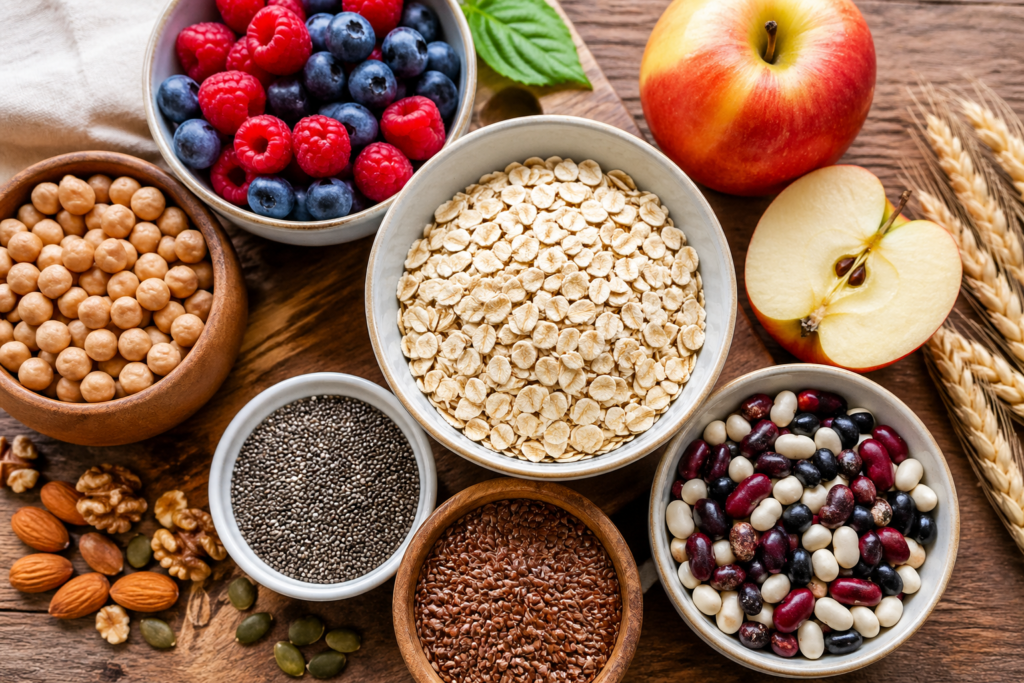
Fiber does more than support regular bowel movements. Certain types of fiber act as prebiotics, which help feed beneficial bacteria living in the digestive tract. When fiber intake is consistently low, these bacteria may receive less nourishment, making it harder for the microbiome to maintain diversity. Over time, a low-fiber eating pattern may contribute to digestive discomfort and reduced gut balance.
What Helps:
- Eat oats, beans, lentils, fruits, vegetables
- Add chia or flax seeds
- Increase fiber gradually
2. Living With Constant Stress
The digestive system and the brain communicate continuously through what is often called the gut-brain connection. During periods of chronic stress, some people notice changes in appetite, digestion, bowel habits, or stomach comfort. While occasional stress is a normal part of life, ongoing stress may make it more difficult to maintain healthy digestive balance. Developing simple stress-management habits may help support both mental well-being and gut health. Learn more about this two-way communication in our guide to the mind-gut connection.
What Helps:
- Daily walks
- Deep breathing
- Short breaks during work
- Relaxing evening routines

3. Poor Sleep Habits
Sleep plays an important role in many processes throughout the body, including those related to digestion and recovery. Inconsistent sleep schedules, late nights, and poor sleep quality may influence hunger hormones, food choices, and overall wellness. Over time, poor sleep habits may contribute to lifestyle patterns that make maintaining gut health more challenging.
What Helps:
- Keep a regular bedtime
- Reduce screens at night
- Sleep in a cool dark room
4. Eating Ultra-Processed Foods Often
Ultra-processed foods are often convenient, but they may contain fewer nutrients and less fiber than whole-food alternatives. When highly processed foods regularly replace fruits, vegetables, legumes, and other fiber-rich foods, beneficial gut bacteria may receive less nourishment. Choosing more whole foods does not require perfection, but small improvements may help support long-term digestive wellness.
What Helps:
- Cook simple meals more often
- Choose whole foods first
- Read ingredient labels

5. Sitting All Day
Regular movement supports many aspects of health, including digestion. Long periods of sitting may contribute to sluggish digestion and reduced physical activity overall. Even small amounts of movement, such as short walks, stretching breaks, or light exercise, can help break up sedentary time and encourage healthier daily routines.
What Helps:
- Walk after meals
- Stretch every hour
- Aim for daily movement
Why These Habits Matter
Your gut responds to repeated daily patterns. These bad gut health habits can influence digestion, gut bacteria, and overall gut microbiome health over time. Sleep, movement, stress, and food choices all help shape your gut environment.
Small negative habits repeated consistently may gradually affect bloating, digestion comfort, cravings, and energy. Positive habits can compound in your favor too.
Why Your Gut Microbiome Matters
Your gut microbiome is made up of trillions of microorganisms that live throughout your digestive tract. These bacteria, fungi, and other microbes help perform important functions within the body.
A healthy gut microbiome may help support:
- Digestion of certain foods
- Nutrient absorption
- Immune system function
- Metabolism
- Communication between the gut and brain
When healthy gut bacteria become less diverse, digestive balance may be affected. This is one reason why unhealthy gut habits such as poor diet, chronic stress, and lack of sleep can have a greater impact than many people realize.
How to Improve Gut Health Naturally
If you’re wondering how to improve gut health naturally, start by addressing the everyday habits that may be contributing to poor gut health. Small changes in nutrition, sleep, stress management, and movement often provide meaningful long-term benefits. Our complete guide explains how to support your gut microbiome naturally step by step.
Eat More Whole Foods
Focus on colorful plants, fiber-rich foods, and balanced meals.
Stay Hydrated
Water supports digestion and regularity.
Move Daily
Walking may help digestion and stress levels.
Prioritize Sleep
Quality rest supports hormone balance and gut health.
Reduce Stress Load
Even 10 minutes of calm time may help.
When Habits Are Not the Whole Explanation
Digestive symptoms can have multiple causes. NIDDK explains that assessment uses symptoms, history and sometimes selected tests. Do not diagnose IBS, SIBO or dysbiosis from this list or stop prescribed medicines on your own.
For IBS, diet changes should be individualized. Add fiber gradually; restrictive trials should include reintroduction rather than permanent broad food bans. See NIDDK’s diet guidance.
Product and testing limits: These are research-based editorial examples, not hands-on tests or medical endorsements. NCCIH notes that effects vary and safety evidence is limited, particularly for people with underlying health conditions. AGA guidance advises against probiotics for abdominal bloating and distention. Routine commercial microbiome testing is not established care; see the international consensus.
Seek care: Bleeding, unexplained weight loss, persistent bowel changes or worsening pain need medical advice. Heavy bleeding, fainting or sudden severe pain need urgent care; do not rely on a supplement trial.
Best Gut Health Products to Consider
Some people use supplements alongside healthy habits. They are best chosen for a specific need rather than as a substitute for diet, sleep, movement, or medical care. See our evidence-informed guide to the best supplements for digestive health before comparing options.
Daily Probiotic Supplement
Daily probiotic supplements provide beneficial bacteria that may help support digestive balance, gut microbiome health, and overall digestive comfort as part of a healthy lifestyle.
PVL pick – Probiotic supplement
Align Probiotic Daily Support
Best For: Everyday Digestive & Gut Balance Support
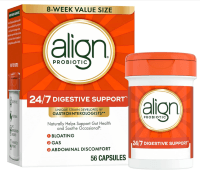
Align Probiotic Daily Support contains Bifidobacterium 35624™, a probiotic strain commonly used to help support digestive balance and overall gut comfort.
✔ Supports digestive balance
✔ Helps maintain healthy gut bacteria
✔ Daily microbiome support
✔ Easy once-daily capsule
👉 Looking for simple daily gut support?
Prebiotic Fiber Powder
Prebiotic fiber powders help nourish beneficial gut bacteria by providing the fiber they use as fuel. They may support digestive regularity, microbiome diversity, and overall gut wellness.
PVL pick – Fiber supplement
Benefiber Daily Prebiotic Fiber
Best For: Feeding Good Gut Bacteria
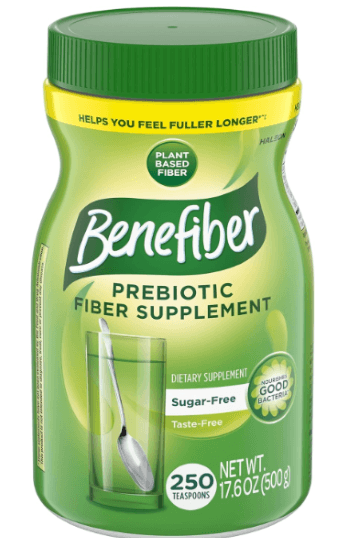
Benefiber Daily Prebiotic Fiber is a gentle fiber supplement commonly used to help nourish beneficial gut bacteria and support digestive regularity. Many people add prebiotic fiber to their routine to help improve overall gut wellness.
✔ Helps feed beneficial gut bacteria
✔ Supports digestive regularity
✔ Easy to mix into drinks or food
✔ Gentle daily fiber support
👉 Want to nourish your microbiome naturally?
Advanced Probiotic Support
More strains or a higher CFU count do not automatically mean more benefit. Compare evidence for the exact strain combination and intended condition rather than the word “advanced.”
PVL pick – Probiotic supplement
Garden of Life Dr. Formulated Probiotics
Product type: Multistrain probiotic; no universal superiority established.
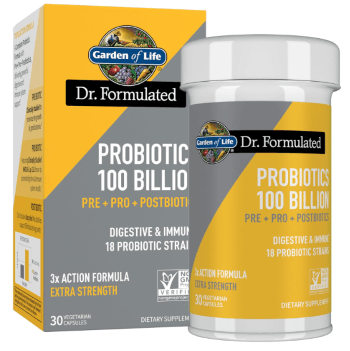
Garden of Life Dr. Formulated Probiotics is a product example. Check the exact current version, strains, serving size and storage instructions; a multistrain formula is not evidence that it improves your symptoms or immunity.
Verify the current label and evidence for the intended use. More strains are not a clinical superiority claim.
Compare suitability and evidence before considering a probiotic.
Related Reads
- 7 Signs of Poor Gut Health and How to Fix It
- Mind-Gut Connection: How Your Gut Affects Sleep and Energy
- Best Supplements for Digestive Health: Complete Guide
- How to Heal Your Gut Microbiome Naturally: Complete Guide
- 15 Gut Healthy Recipes to Support Digestion Naturally
Common Myths About Gut Health
Many people assume gut health is only about taking probiotics, but the reality is more complex.
Myth: Probiotics Alone Can Fix Gut Health
Probiotics are not necessary for everyone or a universal gut-health fix. Benefits depend on the condition and exact product, and they do not replace appropriate medical care.
Myth: Digestive Symptoms Are Always Normal
Occasional digestive discomfort can happen to anyone, but persistent symptoms should not be ignored.
Myth: Gut Health Changes Overnight
Improving gut health usually requires consistency over time. Small daily habits often have a greater impact than quick fixes or short-term programs.
FAQ
Can stress really affect gut health?
Yes, stress may influence digestion, gut comfort, and bowel habits.
How long does gut health take to improve?
There is no universal timeline. It depends on the cause of symptoms; persistent or worsening problems need assessment.
Is fiber important for gut health?
Yes, fiber helps feed beneficial bacteria and supports regularity.
Are probiotics necessary?
No. A probiotic is not an essential part of a healthy routine. Consider the evidence for a defined purpose and individual safety before buying.
What is the fastest first step?
Track symptoms briefly and make gradual food and movement changes you tolerate. Increase fiber slowly; warning signs need medical care.
Can poor sleep affect gut health?
Yes. Sleep and digestive health are closely connected. Consistently poor sleep may influence digestion, appetite regulation, and overall wellness.
Can exercise help digestion?
Regular movement may help support digestive comfort, bowel regularity, and overall health.
Do processed foods damage gut health?
When processed foods regularly replace fruits, vegetables, legumes, and other whole foods, they may contribute to reduced microbiome diversity and less favorable digestive health over time.
Can gut health affect energy levels?
Some people notice that digestive issues and poor dietary habits are associated with lower energy levels and reduced well-being.
When to Seek Help
If digestive discomfort, bloating, constipation, diarrhea, or symptoms continue regularly, it may be wise to speak with a healthcare professional.
Want More Natural Wellness Tips?
Get trusted tips for better sleep, steady energy, gut health, and healthy living delivered weekly.

Final Summary
Understanding what causes bad gut health is the first step toward improving it. Low fiber intake, chronic stress, poor sleep, processed foods, and inactivity are common poor gut health causes that may affect digestion and microbiome balance. The good news is that small consistent changes can support healthier digestion, better gut balance, and long-term wellness.