

Quick Answer
If you’re wondering how to heal your gut microbiome naturally, the most effective approach usually involves improving your diet, increasing fiber intake, supporting beneficial bacteria through probiotic and fermented foods, prioritizing sleep, reducing chronic stress, staying physically active, and limiting highly processed foods. While there is no overnight solution, consistent healthy habits may help restore microbiome balance, improve digestion, reduce bloating, support energy levels, and contribute to better overall wellness over time.
Key Takeaways
- Gut health usually improves through consistent habits, not a single “reset.” Fiber-rich foods, fermented foods, sleep, movement, hydration, and stress management work together.
- Increase fiber gradually. Sudden large increases can worsen bloating or discomfort, especially for people with sensitive digestion.
- Food diversity matters. A wider range of vegetables, fruits, legumes, nuts, seeds, and whole grains can support microbial diversity.
- Probiotics may help some people, but they are not a cure-all. The strain, dose, health condition, and overall diet all matter.
- Persistent or severe symptoms need medical evaluation. Seek professional help for blood in stool, unexplained weight loss, severe pain, or ongoing digestive distress.
- Key Takeaways
- Introduction
- What Is the Gut Microbiome?
- Why Gut Microbiome Health Matters
- Signs Your Gut Microbiome May Need Support
- Main Causes of Gut Microbiome Imbalance
- How to Heal Your Gut Microbiome Naturally: 7 Science-Backed Steps
- Best Foods for a Healthy Gut Microbiome
- Foods That May Disrupt Gut Health
- The Gut-Energy Connection
- The Gut-Sleep Connection
- The Gut-Stress Connection: Why Stress Can Disrupt Digestion
- Gut Health After 40: What Changes With Age?
- Common Mistakes People Make When Trying to Heal Their Gut
- Long-Term Habits That Support a Healthy Microbiome
- What a Healthy Gut Lifestyle Looks Like
- 7-Day Gut Reset Plan
- How Long Does It Take to Heal Your Gut Microbiome?
- What to Expect After 30 Days
- Best Products to Consider
- FAQ
- When to Seek Professional Help
- Final Summary
Introduction
Interest in gut health has exploded over the last decade, and for good reason. Researchers continue discovering how closely the gut microbiome influences digestion, immunity, metabolism, mood, energy levels, inflammation, and even sleep quality. As a result, many people are now searching for ways to learn how to heal your gut microbiome naturally and support better overall health.
My own interest in gut health began long before it became a wellness trend. After living with IBS and digestive challenges for more than 20 years, I experienced firsthand how digestive issues can affect nearly every aspect of daily life, including energy levels, mood, sleep quality, and overall well-being. Years of searching for answers taught me that improving gut health is rarely about finding one magic solution. Instead, lasting improvements often come from small, sustainable lifestyle changes practiced consistently over time.
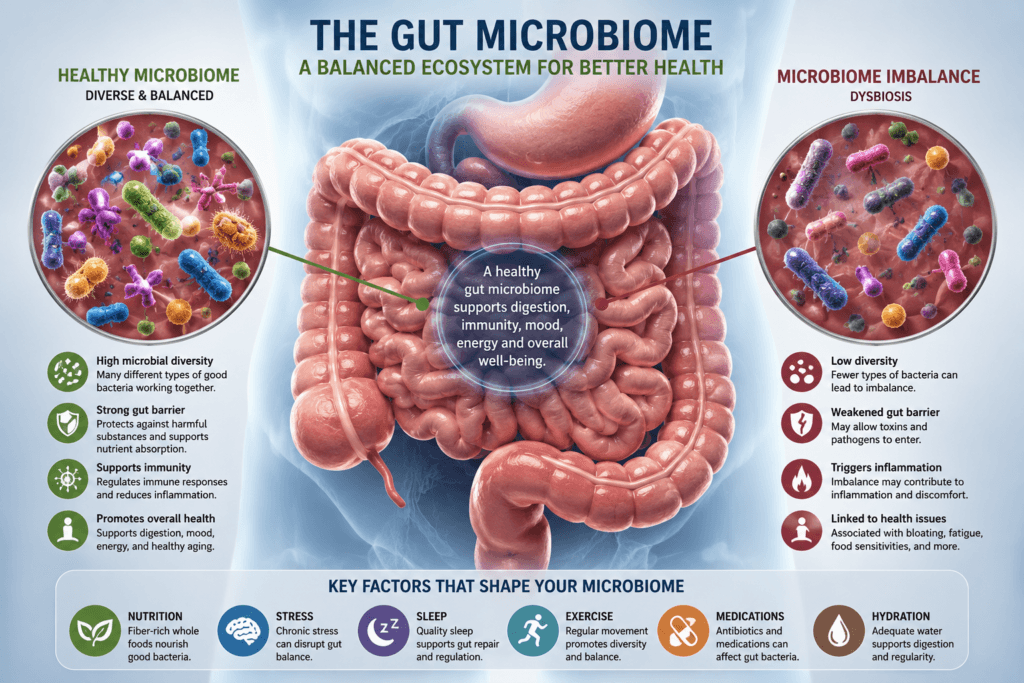
Your gut microbiome refers to the trillions of microorganisms living throughout your digestive system. These microbes help break down food, support nutrient absorption, regulate immune function, and communicate with other systems throughout the body.
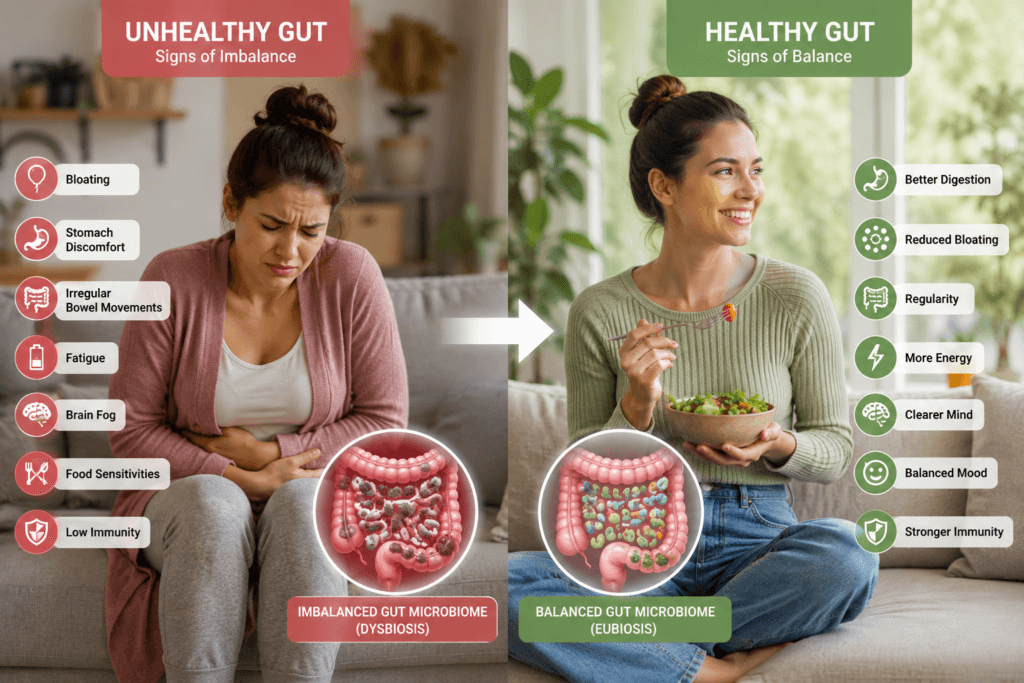
When the microbiome becomes imbalanced, many people begin noticing symptoms such as bloating, digestive discomfort, irregular bowel movements, fatigue, food sensitivities, brain fog, or low energy. While severe digestive symptoms should always be evaluated by a healthcare professional, everyday lifestyle habits can often play a major role in supporting a healthier gut environment.
Unfortunately, modern lifestyles often work against microbiome health. Highly processed diets, chronic stress, inadequate sleep, sedentary behavior, and excessive antibiotic exposure may all negatively influence microbial diversity.
The encouraging news is that many gut-supportive habits are surprisingly simple. Small changes practiced consistently can often produce meaningful improvements over time.
This guide explores practical, evidence-informed strategies that may help support microbiome recovery naturally while improving digestion, energy, and long-term wellness.
What Is the Gut Microbiome?
The gut microbiome is a complex ecosystem consisting of trillions of microorganisms that live primarily within the large intestine.
These microorganisms include:
- beneficial bacteria
- fungi
- viruses
- microorganisms that help support digestive function
Although many people think of bacteria negatively, many gut bacteria perform valuable functions that contribute to overall health.
A healthy microbiome may help:
- digest certain foods
- produce beneficial compounds
- support immune defenses
- regulate inflammation
- influence energy production
- communicate with the brain
Researchers often describe the microbiome as an internal ecosystem. Like any ecosystem, balance matters.
When beneficial bacteria thrive and microbial diversity remains strong, digestive function tends to be more stable. When diversity declines or harmful microbes begin dominating, symptoms may develop.
This imbalance is commonly referred to as gut microbiome imbalance or dysbiosis.
Understanding how lifestyle habits influence this ecosystem is one of the most important steps toward improving gut health naturally.
Why Gut Microbiome Health Matters
Many people assume gut health only affects digestion.
In reality, the microbiome may influence nearly every major system in the body.
Digestion and Nutrient Absorption
Healthy bacteria help break down certain food compounds and support nutrient absorption.
When digestion functions efficiently, the body is better able to access nutrients needed for recovery, energy production, and wellness.
Immune Function
A significant portion of immune activity is connected to the digestive system.
Researchers continue studying how beneficial bacteria help regulate immune responses and maintain balance.
Energy Production
Many nutrients involved in energy metabolism depend on healthy digestion and absorption.
Poor digestive function may contribute to feelings of fatigue and sluggishness.
Mood and Mental Wellness
The gut and brain communicate continuously through what researchers call the gut-brain axis. Learn more in our guide to the mind-gut connection.
This communication network helps explain why digestive issues and stress often occur together.
Healthy Aging
Maintaining a healthy microbiome may become increasingly important with age.
Researchers continue exploring how gut health influences inflammation, metabolic health, immune function, and overall longevity.
Signs Your Gut Microbiome May Need Support
Frequent Bloating
One of the most common signs of digestive imbalance is recurring bloating.
Occasional bloating after large meals is normal. However, persistent bloating may suggest digestive issues that deserve attention.
Many people notice bloating after:
- highly processed meals
- excessive sugar intake
- poor dietary habits
- stress
Supporting digestion and microbiome balance may help reduce these symptoms over time. For a focused symptom checklist, see 7 signs of poor gut health.

Digestive Discomfort
Digestive discomfort after meals may indicate that digestion is not functioning optimally.
Some individuals notice symptoms after certain foods while others experience more generalized discomfort.
Irregular Bowel Movements
Changes in bowel habits may sometimes reflect microbiome imbalance.
This may include:
- constipation
- diarrhea
- irregularity
- inconsistent digestion
Low Energy
The gut-energy connection is becoming increasingly recognized.
Many individuals experiencing poor digestive health also report fatigue, afternoon crashes, or reduced stamina.
Brain Fog
Mental clarity may be influenced by sleep quality, stress levels, nutrition, and gut health.
Some people notice improvements in concentration and focus when digestive wellness improves.
Food Sensitivities
Gut imbalances may influence how individuals tolerate certain foods.
While food sensitivities can have many causes, digestive health often plays a role.
Frequent Cravings
Certain eating patterns and microbiome imbalances may contribute to cravings for sugar and highly processed foods.
Main Causes of Gut Microbiome Imbalance
Highly Processed Foods
One of the biggest threats to microbiome diversity is excessive consumption of highly processed foods.
Many processed foods contain:
- added sugars
- refined carbohydrates
- artificial ingredients
- low fiber content
Beneficial bacteria thrive on fiber-rich whole foods. When these foods become limited, microbial diversity may decline.
For example, someone who regularly relies on packaged snacks, sugary beverages, and fast food may be providing less nutritional support for beneficial bacteria than someone who consumes vegetables, fruits, legumes, and whole grains regularly.
Small improvements made consistently often produce better long-term outcomes than extreme diet changes. Our guide to what causes bad gut health explains several everyday habits that can undermine progress.
Chronic Stress
Stress affects far more than mental health.
Chronic stress may influence:
- digestion
- appetite
- gut motility
- microbiome balance
Many people notice digestive symptoms become worse during periods of prolonged stress.
The body was not designed to remain in a constant state of stress activation. Over time, elevated stress may interfere with healthy digestive function.
Simple daily stress-management practices often provide meaningful support for overall gut health.
Poor Sleep Quality
Sleep and gut health share a surprisingly close relationship.
Researchers continue investigating how sleep patterns influence microbiome composition and overall digestive wellness.
Poor sleep may contribute to:
- appetite dysregulation
- increased cravings
- stress responses
- inflammation
People who consistently prioritize sleep often notice improvements in energy, recovery, and digestive comfort.
Low Fiber Intake
Fiber acts as fuel for many beneficial gut bacteria.
Unfortunately, many adults consume significantly less fiber than recommended.
Low-fiber diets may contribute to:
- reduced microbial diversity
- constipation
- digestive sluggishness
- poor gut resilience
Increasing fiber gradually through whole foods is often one of the most effective strategies for supporting microbiome health.
How to Heal Your Gut Microbiome Naturally: 7 Science-Backed Steps
Healing your gut microbiome does not require extreme detoxes, restrictive cleanses, or expensive wellness programs. In most cases, sustainable daily habits provide the strongest foundation for long-term improvement.
Step 1: Eat More Fiber-Rich Foods
Fiber is one of the most important nutrients for supporting beneficial gut bacteria.
Unlike some nutrients that are absorbed earlier in digestion, certain fibers reach the colon where beneficial bacteria use them as fuel. This process helps support microbial diversity and the production of beneficial compounds that may contribute to digestive wellness.
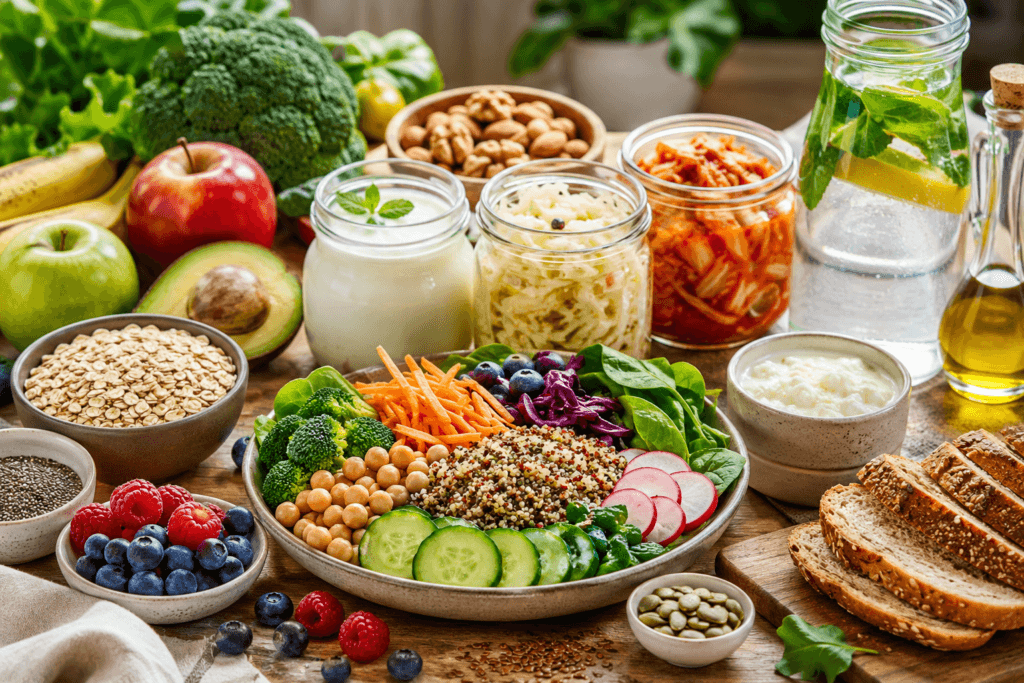
Some of the best fiber-rich foods include:
- vegetables
- fruits
- legumes
- oats
- chia seeds
- flaxseeds
- whole grains
A common mistake is increasing fiber too quickly. Sudden increases may temporarily contribute to bloating or digestive discomfort. Instead, gradually increase intake while staying hydrated.
For many people, improving fiber intake is one of the most effective long-term strategies for supporting gut microbiome recovery. Some people also consider targeted products; our guide to the best supplements for gut health and digestion explains where supplements may fit alongside food-first habits.
Step 2: Add Fermented Foods
Fermented foods naturally contain beneficial microorganisms that may help support microbial diversity.
Examples include:
- yogurt
- kefir
- kimchi
- sauerkraut
- miso
- tempeh
Fermented foods have been consumed in traditional diets for centuries. Modern research continues exploring their role in supporting digestive health and microbiome diversity.
The goal is consistency rather than large amounts. Adding small servings several times per week can often be more sustainable than making dramatic dietary changes.
Step 3: Reduce Ultra-Processed Foods
Highly processed foods may contribute to poor microbiome diversity over time.
These foods often contain:
- refined sugars
- artificial additives
- low fiber content
- excessive calories
Many people notice improvements in digestion when they begin replacing processed foods with more nutrient-dense alternatives.
Examples include:
- replacing chips with nuts
- choosing fruit instead of sugary desserts
- prioritizing whole-food meals
The objective is progress rather than perfection.
Step 4: Improve Sleep Quality
Sleep and gut health are deeply connected.
Poor sleep may influence:
- stress hormones
- appetite regulation
- inflammation
- microbiome composition
People who consistently sleep 7–9 hours often report improvements in recovery, mood, digestion, and energy levels.
Simple sleep improvements may include:
- maintaining a consistent bedtime
- reducing screen exposure before bed
- limiting caffeine late in the day
- creating a calming sleep environment
Step 5: Manage Stress Effectively
The gut-brain connection means emotional stress often influences digestive function.
Many people notice symptoms such as:
- bloating
- digestive discomfort
- appetite changes
- irregular bowel habits
during stressful periods.
Effective stress-management habits may include:
- walking outdoors
- mindfulness practices
- journaling
- stretching
- breathing exercises
- social connection
Small daily habits often produce better results than occasional extreme efforts.

Step 6: Stay Physically Active
Regular movement supports:
- circulation
- digestion
- stress reduction
- metabolic health
You do not need intense workouts to support gut health.
Simple activities such as:
- walking
- cycling
- mobility exercises
- resistance training
may all contribute to healthier aging and digestive wellness.
Many people experience better digestion simply by becoming less sedentary throughout the day.
Step 7: Stay Consistent
The microbiome responds to long-term patterns rather than short-term perfection.
Many people become discouraged when they do not see immediate results.
However, healing the gut microbiome is often a gradual process.
Consistency with:
- nutrition
- sleep
- movement
- hydration
- stress management
usually produces better results than extreme wellness programs that are difficult to maintain.
Best Foods for a Healthy Gut Microbiome
Certain foods provide particularly strong support for microbiome diversity.
Fiber-Rich Foods
Examples include:
- oats
- lentils
- beans
- berries
- apples
- broccoli
- sweet potatoes
These foods help nourish beneficial bacteria and support digestive regularity.
Fermented Foods
Examples include:
- yogurt
- kefir
- sauerkraut
- kimchi
- kombucha
Fermented foods may introduce beneficial microbes while supporting gut diversity.
Polyphenol-Rich Foods
Polyphenols are plant compounds that may support beneficial bacteria.
Examples include:
- blueberries
- green tea
- dark chocolate
- olive oil
Healthy Fats
Examples include:
- avocados
- olive oil
- nuts
- seeds
These foods support overall wellness and may complement a gut-friendly eating pattern.
Foods That May Disrupt Gut Health
While no food needs to be permanently banned for most people, certain foods may negatively affect gut health when consumed excessively.
Examples include:
Excess Added Sugar
Large amounts of added sugar may influence microbiome balance and contribute to inflammation.
Highly Processed Foods
Many processed foods provide calories without the nutrients beneficial bacteria need.
Excessive Alcohol
Alcohol may negatively affect digestion and microbiome diversity when consumed excessively.
Low-Fiber Diets
A lack of fiber may reduce beneficial bacterial activity over time.
Improvement often comes from increasing nutrient-dense foods rather than obsessing over restriction.
The Gut-Energy Connection
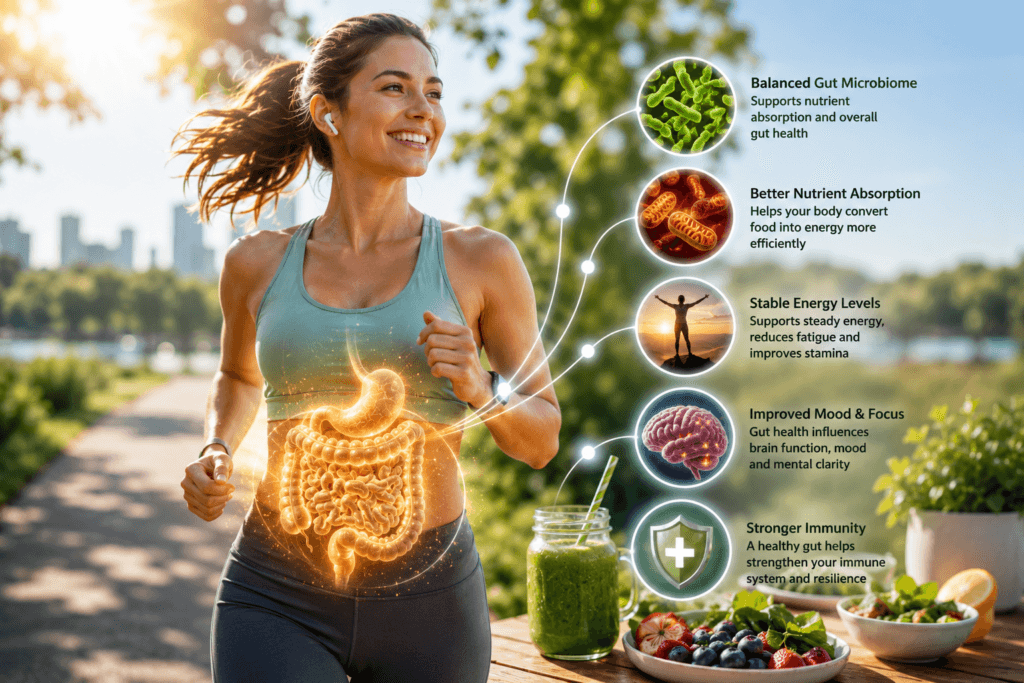
One of the most overlooked aspects of gut health is its influence on energy.
Many people experiencing poor gut health report:
- fatigue
- brain fog
- poor concentration
- afternoon crashes
The digestive system plays a central role in nutrient absorption. If nutrients are not absorbed efficiently, energy production may suffer.
The microbiome may also influence:
- inflammation
- metabolism
- blood sugar regulation
all of which can affect daily energy levels.
This explains why some people notice improved energy after making changes that support digestive wellness.
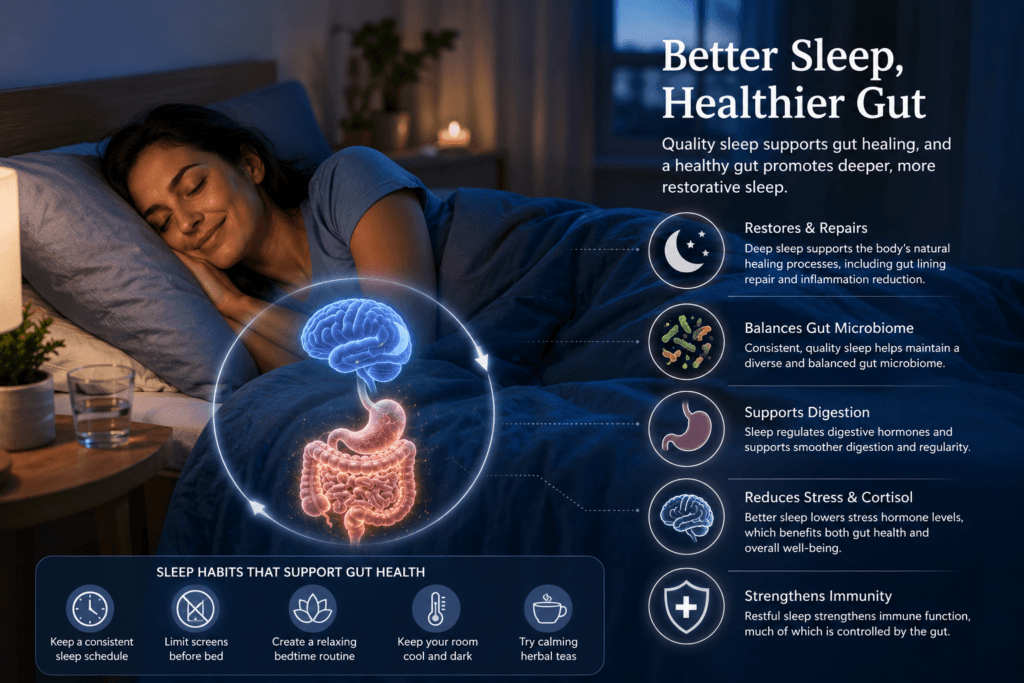
The Gut-Sleep Connection
Sleep quality and gut health influence each other in both directions.
Poor sleep may negatively affect:
- digestion
- appetite regulation
- food cravings
- stress management
Likewise, digestive discomfort may interfere with restful sleep.
Supporting both systems simultaneously often produces better results than focusing on one alone.
Many individuals notice improvements in sleep after:
- reducing digestive discomfort
- improving nutrition
- limiting late-night eating
- managing stress
The Gut-Stress Connection: Why Stress Can Disrupt Digestion
Many people focus exclusively on food when trying to improve gut health, but stress may be one of the most powerful influences on the gut microbiome.
The digestive system and brain constantly communicate through what researchers call the gut-brain axis. This communication network helps explain why digestive symptoms often become worse during periods of emotional stress.
When stress levels remain elevated for long periods, the body may redirect resources away from digestion and toward short-term survival responses. Over time, this may contribute to:
- digestive discomfort,
- bloating,
- irregular bowel movements,
- appetite changes,
- food cravings,
- and reduced digestive efficiency.
For example, someone experiencing work-related stress may notice increased digestive symptoms despite eating the same foods they normally tolerate well.
This is one reason why nutrition alone does not always solve digestive problems.
Supporting gut health often requires managing stress through sustainable daily habits such as:
- walking outdoors,
- mindfulness practices,
- deep breathing exercises,
- journaling,
- social connection,
- and adequate recovery time.
Many people discover that improvements in stress management create noticeable improvements in digestion as well.
Gut Health After 40: What Changes With Age?
As we get older, the gut microbiome naturally evolves.
While aging itself is normal, several factors may influence digestive health after 40, including:
- lower physical activity levels,
- increased medication use,
- dietary changes,
- higher stress levels,
- and changes in sleep quality.
Some people notice:
- more frequent bloating,
- slower digestion,
- reduced energy,
- increased food sensitivities,
- or changes in bowel regularity.
These changes do not necessarily indicate a serious problem. However, they often highlight the importance of supporting digestive health proactively.
Healthy aging habits that may support the microbiome include:
- eating more fiber-rich foods,
- prioritizing protein intake,
- staying physically active,
- improving sleep quality,
- staying hydrated,
- and maintaining social connection.
Gut health becomes increasingly important because digestion influences nutrient absorption, which supports energy, recovery, muscle maintenance, and overall wellness as we age.
For many adults, improving gut health after 40 becomes one of the highest-return wellness investments they can make.
Common Mistakes People Make When Trying to Heal Their Gut
Many people become interested in gut health after experiencing symptoms such as bloating, fatigue, digestive discomfort, or brain fog.
Unfortunately, some common mistakes may slow progress.
Expecting Overnight Results
The microbiome does not usually change overnight.
Beneficial changes often occur gradually over weeks or months of consistent healthy habits.
Following Extreme Diets
Many restrictive diets promise rapid gut healing.
However, overly restrictive approaches may be difficult to maintain and sometimes reduce dietary diversity.
Ignoring Sleep
People often focus entirely on food while overlooking sleep quality.
Poor sleep may negatively affect digestion, appetite regulation, and overall recovery.
Increasing Fiber Too Quickly
Fiber is important, but dramatic increases may temporarily increase digestive discomfort.
Gradual changes are often easier for the digestive system to tolerate.
Relying Only on Supplements
Supplements may support a healthy lifestyle, but they cannot replace foundational habits such as:
- nutritious eating,
- stress management,
- movement,
- hydration,
- and quality sleep.
Long-term success usually comes from combining multiple healthy habits rather than searching for a single solution.
Long-Term Habits That Support a Healthy Microbiome
Healing your gut microbiome is important, but maintaining those improvements matters just as much.
Many people experience progress, then return to old habits and see symptoms return.
The most successful long-term approach usually focuses on consistency rather than perfection.
Helpful long-term habits include:
Eating a Wide Variety of Plant Foods
Diversity in food choices may support diversity within the microbiome.
Aim to regularly include:
- vegetables,
- fruits,
- legumes,
- nuts,
- seeds,
- and whole grains.
Staying Active
Regular movement supports overall health and may contribute to healthier digestion.
Prioritizing Recovery
Recovery includes:
- sleep,
- stress management,
- hydration,
- and downtime.
These factors help create an environment where beneficial bacteria can thrive.
Maintaining Healthy Routines
The microbiome generally responds well to consistency.
Small habits practiced daily often outperform dramatic lifestyle changes that are difficult to sustain.
What a Healthy Gut Lifestyle Looks Like
A healthy gut lifestyle does not require perfection.
In fact, most people benefit more from simple, repeatable habits than from complicated wellness programs.
A gut-friendly day may look like this:
Morning:
- Drink water after waking.
- Eat a fiber-rich breakfast.
- Get natural sunlight exposure.
Afternoon:
- Include vegetables and protein with meals.
- Stay hydrated.
- Take short walking breaks.
Evening:
- Eat a balanced dinner.
- Limit excessive processed foods.
- Reduce screen exposure before bed.
- Follow a consistent sleep schedule.
These habits may seem simple, but over time they create the foundation for healthier digestion, improved energy, and better overall wellness.
The goal is not to build a perfect routine. The goal is to build a sustainable lifestyle that supports both your gut microbiome and your long-term health.
7-Day Gut Reset Plan
Day 1
Increase water intake and reduce sugary drinks.
Day 2
Add one extra serving of vegetables.
Day 3
Take a 20-minute walk after dinner.
Day 4
Include a fermented food.
Day 5
Prioritize a consistent bedtime.
Day 6
Replace one processed snack with whole food alternatives.
Day 7
Review progress and identify habits to continue.
The goal is not perfection. The goal is building sustainable routines that support long-term gut health.
How Long Does It Take to Heal Your Gut Microbiome?
The timeline varies from person to person.
Some people notice improvements within:
- several days
- a few weeks
Others may require several months of consistent lifestyle changes.
Factors influencing recovery include:
- current diet
- stress levels
- sleep quality
- activity level
- overall health
The key is maintaining realistic expectations while focusing on long-term habits.
What to Expect After 30 Days
After a month of consistent effort, many people report:
- reduced bloating
- improved digestion
- more regular bowel movements
- better energy
- improved sleep quality
- fewer cravings
Results vary, but these improvements often reinforce healthy habits and encourage long-term consistency.
Best Products to Consider
Probiotic Support
Probiotic supplements are designed to help support a healthy balance of beneficial bacteria in the gut. They are commonly used to promote digestive wellness, microbiome diversity, immune support, and overall gut-health maintenance as part of a healthy lifestyle.
⭐ Editor’s Pick
Seed DS-01 Daily Synbiotic
Best For: Daily Microbiome & Digestive Support
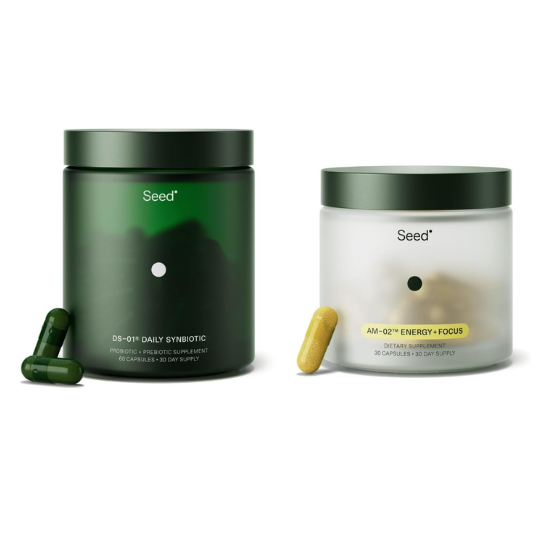
Seed DS-01 Daily Synbiotic combines probiotic strains and a prebiotic formulation designed to support digestive health, microbiome diversity, and gut barrier function as part of a daily wellness routine.
✔ Supports digestive balance
✔ Helps maintain microbiome diversity
✔ Daily probiotic and prebiotic support
✔ Travel-friendly capsule design
👉 Support your gut microbiome with a daily synbiotic routine.
Smart Health Devices
Smart health devices provide personalized wellness insights through testing, tracking, and health-monitoring technologies. These tools can help individuals better understand factors that may influence digestion, nutrition, recovery, and overall well-being.
⭐ Editor’s Pick
Viome Gut Intelligence Test
Best For: Personalized Gut Health Insights

Viome Gut Intelligence Test analyzes microbiome-related markers and provides personalized nutrition and wellness recommendations based on individual digestive patterns and gut-health data.
✔ Personalized wellness insights
✔ Understand microbiome patterns
✔ Customized food recommendations
✔ Supports data-driven wellness decisions
👉 Learn more about your unique gut-health profile.
Walking Recovery Equipment
Walking recovery equipment helps support daily movement, mobility, and active lifestyles. Regular walking is often recommended as a simple, sustainable habit that may contribute to digestive health, cardiovascular wellness, stress management, and long-term healthy aging.
⭐ Editor’s Pick
UREVO Smart 2-in-1 Folding Treadmill
Best For: Daily Movement & Gut-Friendly Activity

The UREVO Smart Walking Pad makes it easier to increase daily movement from home. Regular walking may help support digestion, stress management, circulation, and overall wellness.
✔ Encourages daily movement
✔ Supports digestive wellness routines
✔ Compact space-saving design
✔ Helps build consistent activity habits
👉 Add more movement to your day without leaving home.
FAQ
What is the fastest way to improve gut health?
Focus on fiber-rich foods, hydration, sleep quality, stress management, and reducing processed foods.
Can probiotics heal the gut microbiome?
Probiotics may support microbiome balance, but long-term improvement usually requires overall lifestyle changes.
How long does it take to heal the gut microbiome?
Some people notice improvements within weeks, while others may require several months of consistent habits.
What foods help heal the gut microbiome?
Vegetables, fruits, legumes, oats, yogurt, kefir, sauerkraut, and other fermented foods may support microbiome health.
Can poor gut health cause fatigue?
Yes. Digestive health may influence nutrient absorption, inflammation, and energy regulation.
When to Seek Professional Help
Consult a healthcare professional if you experience:
- severe digestive symptoms
- unexplained weight loss
- persistent abdominal pain
- blood in stool
- prolonged digestive distress
Lifestyle habits can support gut health, but professional evaluation remains important when symptoms are severe or persistent.
Looking for simple ways to improve your gut health, boost energy, sleep better, and support healthy aging?
Join the Purely Vital Living newsletter for practical wellness tips, healthy habits, and expert guidance delivered directly to your inbox.
Final Summary
Your gut microbiome plays a major role in digestion, energy production, immune function, stress resilience, and overall wellness. Modern lifestyles often challenge microbiome health through processed foods, stress, poor sleep, and inactivity.
Fortunately, supporting a healthy microbiome does not require complicated wellness protocols. Prioritizing fiber-rich foods, fermented foods, quality sleep, movement, hydration, and stress management may help create an environment where beneficial bacteria can thrive.
The most effective strategy is not a quick fix. It is a collection of sustainable habits practiced consistently over time. By focusing on gradual improvement rather than perfection, you can support your digestive system, improve overall wellness, and build a stronger foundation for long-term health.