
Quick Answer
A balanced lifestyle for healthy aging combines manageable physical activity, strength and balance work, adequate food, sufficient sleep, social connection and preventive care. These habits can support function and well-being but do not guarantee longevity. Supplements, microbiome products and wellness devices are optional; none replaces assessment of new symptoms.
What Healthy-Aging Advice Can and Cannot Promise
Healthy habits support health and function, but they cannot guarantee a longer life or reverse biological aging. Genetics, illness, access to care and life circumstances also matter. Preventive care should follow your age, history and local guidance—not an automatic annual panel of tests. See NIA healthy-aging guidance.
Persistent fatigue, new memory problems, repeated falls or unintended weight loss should not be dismissed as aging. Seek clinical assessment. Sudden weakness, speech difficulty, chest pain or severe breathlessness needs urgent help.
Key Takeaways
- Healthy aging focuses on function, mobility, cognition, recovery, connection, and quality of life—not lifespan alone.
- Sleep, movement, strength, nutrition, stress management, and relationships work together.
- Walking is valuable, but strength and balance activities also help preserve independence.
- Supplements cannot replace nutritious food, activity, sleep, or appropriate preventive healthcare.
- Small habits practiced consistently are more useful than extreme “anti-aging” routines.
- Quick Answer
- What Healthy-Aging Advice Can and Cannot Promise
- Introduction
- What Is Healthy Longevity?
- Why Healthy Aging Matters
- How Inflammation Affects Healthy Aging
- Sleep and Longevity Connection
- Gut Health and Longevity
- Balanced Lifestyle Habits That Support Healthy Aging
- Hidden Longevity Mistakes
- Longevity Myths That May Hurt Your Progress
- How to Fix It Without Overwhelm
- Best Foods for Longevity
- Mobility and Strength After 40
- 7-Day Longevity Reset Plan
- Set Realistic Expectations
- Optional Products to Consider
- How to Read These Product Examples
- Home Walking Equipment
- Gut Health Supplements
- FAQ
- When to Seek Help
- Final Summary
Introduction
Many people think longevity is only about genetics, but modern wellness research suggests that a balanced lifestyle may play a much bigger role than most people realize. Healthy aging is not simply about living longer — it is about maintaining energy, mobility, mental clarity, recovery, and independence throughout life.
The good news is that longevity habits and healthy daily habits do not need to be extreme or complicated. In many cases, small improvements to sleep, stress management, nutrition, movement, and recovery can create meaningful long-term wellness benefits over time. People who consistently prioritize a balanced lifestyle often experience better physical function, improved mood, healthier metabolism, and stronger overall resilience as they age.
Modern longevity research also highlights the importance of reducing chronic stress, supporting gut health, improving sleep quality, and staying physically active. These foundational wellness strategies may help support healthier aging naturally without relying entirely on restrictive diets or complicated wellness trends.
In this guide, you’ll learn how to live longer naturally using realistic daily wellness habits designed to support long-term vitality, recovery, energy, and overall well-being.
What Is Healthy Longevity?
Healthy longevity refers to improving both lifespan and healthspan. Lifespan is how long you live, while healthspan focuses on how long you remain active, independent, mentally sharp, and physically healthy.
Many people are now focusing on healthy aging rather than simply extending lifespan. Longevity habits often aim to support:
- cardiovascular health,
- cognitive function,
- recovery,
- sleep quality,
- muscle strength,
- mobility,
- energy,
- and metabolic balance.
Healthy aging naturally involves building balanced lifestyle that reduce long-term stress on the body while supporting recovery and resilience. Unlike quick-fix wellness trends, longevity strategies are usually based on consistency and daily habits practiced over years.
Simple wellness improvements such as better sleep hygiene, regular walking, hydration, stress reduction, and balanced nutrition may significantly impact long-term health outcomes over time.

Why Healthy Aging Matters
Aging affects every system in the body, including metabolism, muscle recovery, cognitive function, sleep quality, and energy production. Without supportive habits, people may experience increased fatigue, slower recovery, reduced mobility, and higher stress levels over time.
Healthy aging matters because it focuses on preserving quality of life. Many longevity experts now emphasize:
- maintaining movement,
- protecting brain health,
- supporting recovery,
- reducing inflammation,
- and improving emotional well-being.
For example, poor sleep and chronic stress may negatively affect energy, hormones, recovery, and immune function. Over time, unhealthy habits can compound and contribute to burnout, fatigue, and reduced physical resilience.
On the other hand, healthier routines often improve:
- sleep quality,
- energy stability,
- daily movement,
- recovery,
- mental clarity,
- and emotional balance.
The earlier a balanced lifestyle begins, the greater the long-term benefits may become.
How Inflammation Affects Healthy Aging
The goal is not perfection. Longevity is usually built through a consistent balanced lifestyle that reduces unnecessary stress on the body over time.
Inflammation is a complex biological process. An everyday symptom checklist cannot determine whether it is elevated or what is causing it.
- chronic stress,
- poor sleep,
- ultra-processed foods,
- lack of movement,
- dehydration,
- smoking,
- excessive alcohol,
- and constant overstimulation.
Chronic inflammation is relevant to many diseases, but fatigue, brain fog or joint discomfort cannot diagnose it. Do not use these symptoms as proof that an anti-inflammatory or longevity product is needed.
Sleep quality plays a major role in inflammation management. Even a few nights of poor sleep may increase stress hormones and affect the body’s recovery systems. Likewise, chronic emotional stress can make it harder for the body to recover properly.
Anti-inflammatory lifestyle habits often include:
- eating more whole foods,
- reducing processed sugars,
- improving sleep,
- walking regularly,
- staying hydrated,
- and managing stress naturally.
The goal is not perfection. Longevity is usually built through consistent healthy habits that reduce unnecessary stress on the body over time.
Sleep and Longevity Connection
Adequate sleep supports health, cognition and daily function. Recovery involves multiple sleep stages; symptoms or a wearable deep-sleep estimate cannot measure healthy aging.
Poor sleep may affect:
- hormone balance,
- metabolism,
- cognitive function,
- stress levels,
- appetite regulation,
- and immune health.
Many people normalize poor sleep because modern lifestyles are highly overstimulating. Late-night screen exposure, stress, irregular schedules, and poor sleep environments can gradually reduce sleep quality over time.
One common mistake is focusing only on sleep duration instead of sleep quality. Someone may technically spend eight hours in bed while still experiencing fragmented or low-quality sleep.
Healthy sleep habits that may support longevity include:
- consistent sleep schedules,
- reducing blue-light exposure at night,
- keeping the bedroom cool and dark,
- limiting caffeine late in the day,
- and creating calming nighttime routines.
For example, replacing late-night phone scrolling with stretching, reading, or relaxation exercises may help improve recovery and reduce nighttime stress stimulation.
Better sleep often improves:
- mood,
- focus,
- energy,
- recovery,
- and emotional resilience.
Many people also notice healthier eating habits and more stable energy once sleep quality improves consistently.
Long-term healthy aging depends heavily on recovery, and sleep remains one of the body’s most important recovery systems.
Gut Health and Longevity
Gut health is increasingly connected to long-term wellness and healthy aging. The digestive system influences:
- nutrient absorption,
- immunity,
- inflammation,
- mood,
- and energy production.
When gut health becomes imbalanced, people may experience:
- bloating,
- fatigue,
- digestive discomfort,
- cravings,
- irregular digestion,
- or low energy.
Microbiome research does not establish that a consumer stool test or generic probiotic can extend life or optimize aging. Persistent digestive symptoms need assessment.
Modern diets high in processed foods and low in fiber may negatively impact gut balance over time. Stress and poor sleep may also affect digestion more than many people realize.
Simple gut-friendly habits often include:
- increasing fiber intake,
- eating more vegetables,
- staying hydrated,
- consuming fermented foods,
- and reducing heavily processed meals.
For example, someone constantly eating fast food while under chronic stress may notice digestive issues, fatigue, and unstable energy levels. Gradually improving nutrition and hydration may help support better digestive balance over time.
Gut health improvements are often gradual. Consistency matters more than extreme dietary changes.
Supporting digestion naturally may also help improve:
- recovery,
- energy,
- mental clarity,
- and overall wellness.
Balanced Lifestyle Habits That Support Healthy Aging
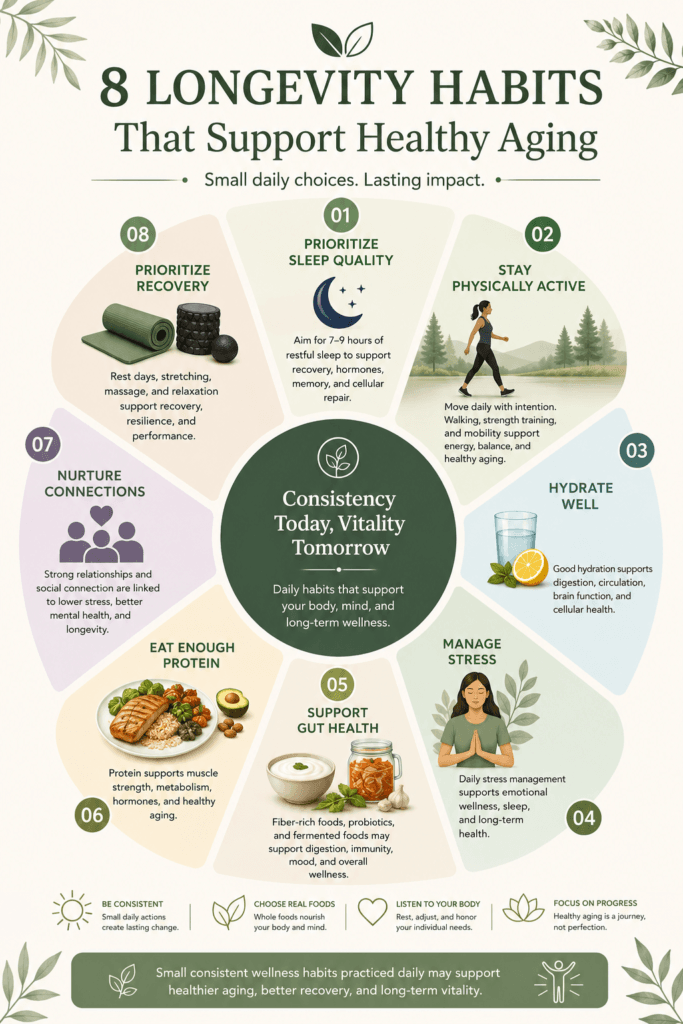
Prioritize Sleep Quality
Protect both sufficient sleep duration and quality. No single sleep stage or wearable score establishes recovery or healthy aging.
Many adults underestimate how much sleep quality affects long-term health. Common signs of poor recovery include:
- waking up tired,
- afternoon crashes,
- brain fog,
- irritability,
- and increased cravings.
Improving sleep naturally often starts with:
- consistent sleep schedules,
- reducing nighttime screen exposure,
- lowering stress,
- and creating a calming sleep environment.
For example, someone who stays awake scrolling on their phone every night may struggle with poor sleep quality and low daytime energy. Replacing that habit with reading, stretching, or relaxation techniques may improve sleep consistency over time.
Sleep is one of the strongest foundations of healthy aging. For practical ways to improve it, see our complete sleep-quality guide.

Stay Physically Active
Regular movement supports cardiovascular health, mobility, muscle strength, metabolism, and mental wellness. Physical activity does not need to involve intense workouts every day to support longevity.
Walking, stretching, bodyweight exercises, mobility work, and resistance training may all contribute to healthier aging and improved daily function.
A common mistake is becoming too sedentary due to desk work or stress. Sitting for long periods may contribute to stiffness, poor circulation, low energy, and reduced mobility over time.
Simple improvements include:
- daily walks,
- standing breaks,
- stretching routines,
- and moderate strength training several times per week.
Consistency matters more than perfection when building sustainable movement habits and other healthy daily habits.

Reduce Chronic Stress
Long-term stress may negatively affect sleep, digestion, recovery, mood, and overall health. Chronic stress can increase inflammation and contribute to fatigue, emotional burnout, and unhealthy coping behaviors.
Many people ignore stress until it starts affecting the following:
- sleep quality,
- appetite,
- energy,
- concentration,
- or digestion.
Healthy longevity habits often include:
- mindfulness,
- breathing exercises,
- journaling,
- relaxation routines,
- outdoor walks,
- and reducing overstimulation.
For example, constantly working without recovery time may eventually lead to exhaustion and burnout. Small stress-management habits practiced consistently often support healthier emotional resilience over time.
Reducing stress naturally is one of the most overlooked longevity strategies.

Support Gut Health
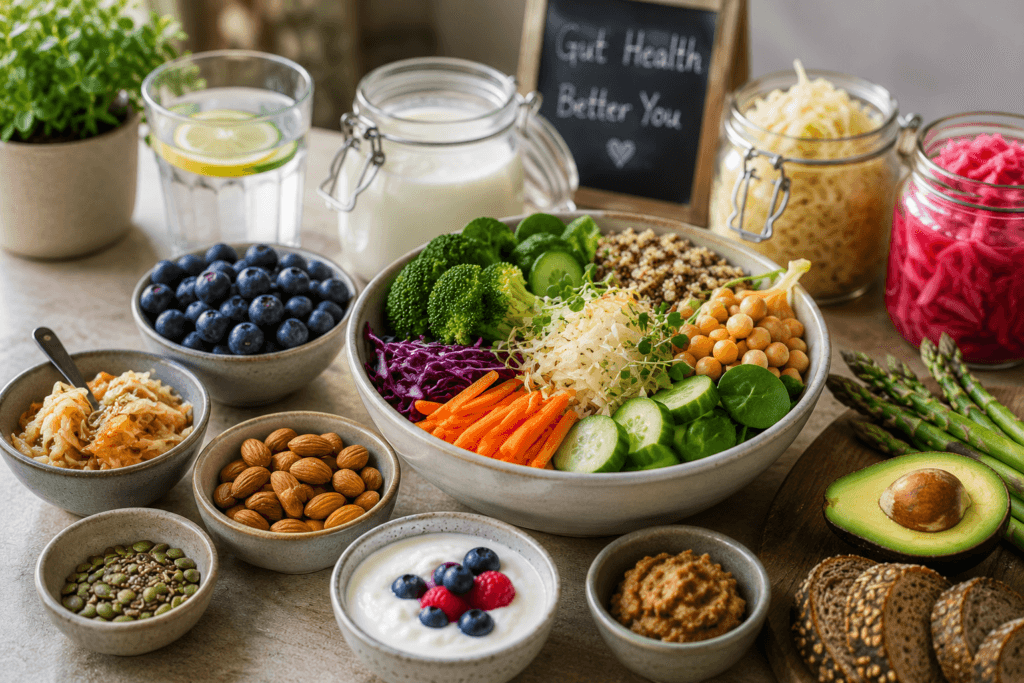
The gut plays an important role in digestion, nutrient absorption, immunity, mood, and energy regulation. Poor gut health may contribute to bloating, fatigue, digestive discomfort, and reduced overall wellness.
Longevity-focused wellness habits often include:
- eating fiber-rich foods,
- staying hydrated,
- reducing ultra-processed foods,
- and supporting microbiome balance.
Many people notice improved energy and digestion after improving gut-friendly habits. Small changes such as eating more whole foods, fermented foods, and vegetables may support digestive balance over time.
The gut-health connection is becoming increasingly important in modern longevity research.
Eat Nutrient-Dense Foods
Healthy aging naturally requires adequate nutrition. Nutrient-dense foods help support recovery, metabolism, energy production, and cellular function.
A longevity-focused nutrition approach often prioritizes:
- lean proteins,
- healthy fats,
- fruits,
- vegetables,
- fiber,
- hydration,
- and balanced meals.
Common mistakes include:
- excessive processed foods,
- frequent sugar spikes,
- low hydration,
- and inconsistent meal timing.
For example, someone relying heavily on fast food and sugary snacks may experience energy crashes and poor recovery. Gradually replacing processed foods with more balanced meals can improve long-term wellness and energy stability.
Protect Brain Health
Longevity habits should support both physical and mental health over time and help people focus on aging well.
Helpful habits may include:
- reading,
- learning new skills,
- social interaction,
- stress reduction,
- quality sleep,
- and regular movement.
Brain fog, forgetfulness, and mental fatigue are often connected to sleep, stress, nutrition, and recovery habits.
Maintaining curiosity, movement, and social engagement may help support long-term cognitive resilience. Our mental clarity guide covers sleep, stress, hydration, focused work, and other common contributors to brain fog.
Stay Socially Connected
Strong social relationships are often associated with better emotional health and healthier aging outcomes. Isolation and chronic loneliness may negatively affect mood, stress levels, and overall wellness.
Healthy social habits may include:
- spending time with family,
- maintaining friendships,
- participating in communities,
- or simply staying socially engaged.
Even small positive social interactions may support emotional well-being and stress reduction over time.
Longevity is not only physical — emotional wellness also matters.
Hidden Longevity Mistakes
Many people unintentionally harm long-term wellness through small daily habits that compound over time.
Common mistakes include:
- poor sleep consistency,
- constant stress,
- inactivity,
- dehydration,
- excessive alcohol,
- processed foods,
- and ignoring recovery.
Another major mistake is trying extreme wellness trends that are difficult to maintain. Sustainable longevity habits work best when they are realistic and consistent.
Many people also underestimate the importance of recovery. Constant overworking without rest may contribute to burnout, poor sleep, and chronic fatigue over time.
Healthy aging usually comes from a balanced lifestyle rather than perfection.
Longevity Myths That May Hurt Your Progress
The wellness industry often promotes unrealistic anti-aging expectations. Many people become overwhelmed because they believe healthy aging requires expensive supplements, extreme diets, or complicated biohacking routines.
In reality, most longevity research consistently points toward a foundational balanced lifestyle.
Myth 1: Longevity Requires Extreme Wellness Routines
Many people think healthy aging requires intense exercise programs, restrictive diets, or expensive recovery treatments. While advanced wellness tools may help some individuals, sustainable basics usually matter most.
Myth 2: Supplements Alone Can Solve Aging
Supplements are not required for longevity. They can have a role for a specific dietary need or indication, but benefits and interactions should be assessed individually. See NIH supplement guidance.
Myth 3: Aging Means Losing Energy Automatically
While aging naturally changes the body over time, lifestyle habits strongly influence:
- mobility,
- recovery,
- strength,
- energy,
- and resilience.
Many people improve energy significantly after improving sleep, movement, and stress-management habits.
Myth 4: It’s Too Late to Improve Health After 40
Healthy habits may still create meaningful improvements later in life. Small changes practiced consistently can support better wellness and recovery at almost any age.
Longevity should focus on sustainability rather than perfection.
How to Fix It Without Overwhelm
Trying to improve every wellness habit at once often becomes overwhelming. Instead, focus on small sustainable improvements and healthy life habits that are easy to maintain.
Start with:
- Sleep consistency
- Daily walking
- Hydration
- Healthier meals
- Stress reduction
- Better recovery habits
For example, someone struggling with fatigue and stress might begin by:
- improving bedtime routines,
- walking daily,
- and reducing screen time before sleep.
Simple changes repeated consistently often create more sustainable results than aggressive wellness routines that are impossible to maintain long-term.
The goal is progress, not perfection.
Best Foods for Longevity
Nutrition plays a major role in healthy aging naturally and is closely linked to health and longevity. Many longevity-focused eating patterns emphasize whole foods that support recovery, energy, digestion, and inflammation balance.
Some of the best foods commonly associated with longevity include:
Leafy Greens
Vegetables such as spinach, kale, and arugula provide nutrients and antioxidants that support overall wellness.
Berries
Berries are rich in antioxidants and are commonly included in healthy aging nutrition plans.
Healthy Fats
Foods such as olive oil, avocados, nuts, and seeds may support heart and brain wellness.
Fermented Foods
Yogurt, kefir, kimchi, and sauerkraut may help support gut microbiome balance.
Protein Sources
Protein supports muscle maintenance and recovery, especially as people age. Helpful sources include:
- eggs,
- fish,
- poultry,
- legumes,
- and Greek yogurt.
Omega-3 Foods
Fatty fish like salmon and sardines may support brain and heart health.
Hydrating Foods
Fruits and vegetables with high water content may help support hydration and recovery.
Longevity nutrition does not need to be overly restrictive. Balanced eating patterns are usually more sustainable long-term than aggressive dieting approaches.
Mobility and Strength After 40
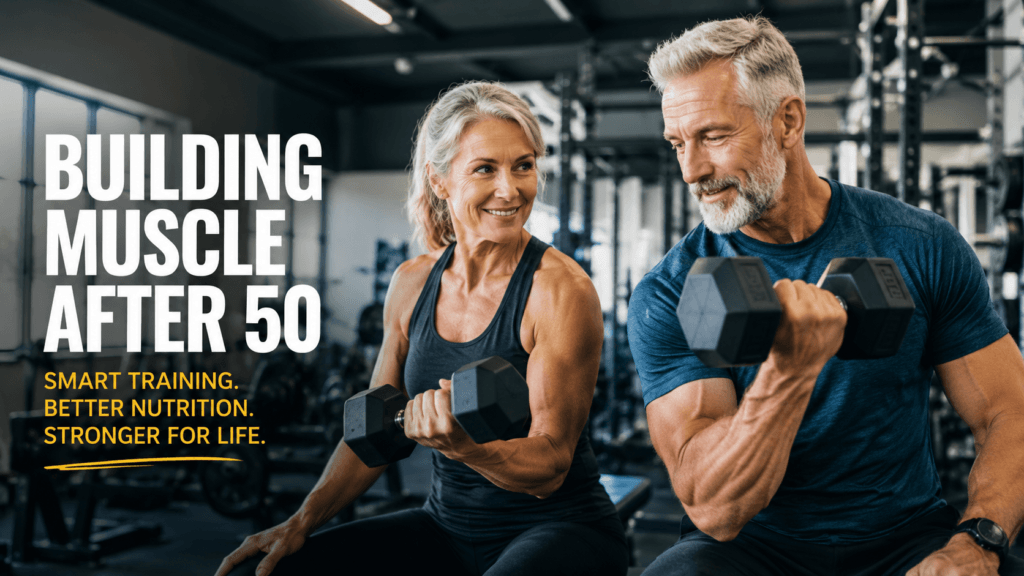
Maintaining mobility and muscle strength becomes increasingly important with age. Many adults begin losing muscle mass gradually after 40, especially when activity levels decrease.
Strength and mobility help support:
- balance,
- posture,
- independence,
- recovery,
- and overall physical resilience.
One major mistake is focusing only on cardio while ignoring resistance training and flexibility. Healthy aging often benefits from a combination of:
- walking,
- mobility exercises,
- stretching,
- and strength-building activities.
Simple resistance exercises using body weight, resistance bands, or light weights may help support muscle maintenance over time.
Mobility work is equally important. Tight muscles and stiff joints may reduce comfort and increase injury risk as people age.
For example, someone who sits for long hours daily may gradually develop poor posture, stiffness, and lower mobility. Adding stretching and walking breaks throughout the day may help improve movement quality over time.
The goal is not intense athletic performance. The goal is preserving long-term movement, confidence, and physical function naturally.
7-Day Longevity Reset Plan
This simple reset focuses on a balanced lifestyle that may support healthy aging, better recovery, and long-term wellness.
Day 1
Improve sleep schedule and reduce screen exposure before bed.
Day 2
Increase hydration and prioritize balanced meals.
Day 3
Add a 20–30 minute walk.
Day 4
Practice stress reduction techniques like breathing exercises or journaling.
Day 5
Improve gut-friendly eating habits with more fiber and vegetables.
Day 6
Reduce processed foods and prioritize recovery.
Day 7
Review your routines and identify the habits that felt most sustainable.
Consistency is more important than intensity.
Set Realistic Expectations
Track manageable habits and everyday function without expecting a longevity result after 30 days. A seven-day plan is a way to organize changes, not a biological reset. Benefits and timing vary; persistent symptoms need assessment rather than waiting for a routine to work.
Optional Products to Consider
How to Read These Product Examples
These are research-based editorial examples, not hands-on test results or medical treatments. Features, prices, retailer ratings and formulas can change; check the exact current label and listing. A product’s marketing or customer ratings do not establish a health benefit. Products are optional and do not replace appropriate assessment.
Sleep Optimization Supplements
Learning how to live longer naturally is less about chasing perfection and more about building sustainable wellness habits that support long-term vitality. Better sleep, daily movement, stress management, balanced nutrition, gut health support, hydration, and recovery all contribute to healthier aging over time.
PVL pick – Magnesium supplement
Life Extension Neuro-Mag Magnesium L-Threonate
Best For: Magnesium product example; benefits not guaranteed

Life Extension Neuro-Mag is a magnesium product example. This article does not establish cognitive, longevity or sleep benefits from this finished product. Magnesium is not a proven general insomnia treatment; check dose, interactions and kidney health. See NCCIH evidence summary.
Check elemental magnesium and the current label; more is not necessarily better. Cognitive or sleep outcomes are not guaranteed.
Review suitability before buying; this is not a treatment for persistent sleep or memory problems.
Home Walking Equipment
Compact walking pads and folding treadmills are commonly used to support daily movement, cardiovascular wellness, mobility, and healthier long-term lifestyle habits from home.
PVL pick – Walking treadmill
UREVO Smart 2-in-1 Folding Treadmill
Best For: Daily Movement & Healthy Aging Routines

UREVO is a home walking-equipment example. Check current specifications, weight limits and safety features. A moving belt may be unsuitable for someone with dizziness or high fall risk; stable outdoor or indoor walking may be more appropriate.
✔ Supports consistent daily movement
✔ Encourages active lifestyle habits
✔ Compact foldable space-saving design
✔ Suitable for walking and light jogging
✔ Helps reduce sedentary time during workdays
👉 Make movement easier, more consistent, and more sustainable from home.
Gut Health Supplements
Probiotic effects depend on the exact strain and clinical purpose. Higher CFU counts or more strains do not prove better outcomes or longevity benefits.
PVL pick – Probiotic supplement
Garden of Life Dr. Formulated Probiotics
Best For: Digestive Balance & Gut Wellness
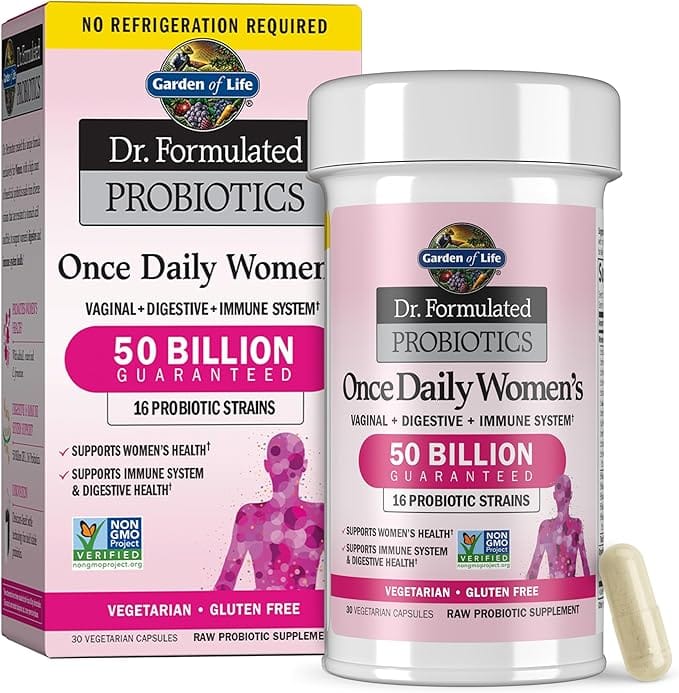
Garden of Life Dr. Formulated Probiotics is a product example, not a proven longevity or immunity treatment. Check strain names, storage and current label. Seek medical advice before use with serious illness or immune suppression. See NCCIH probiotic guidance.
High CFU counts and retailer claims do not establish improved microbiome diversity or health outcomes.
👉 Support healthier digestion and daily wellness naturally.
These evidence-based longevity tips focus on sustainable lifestyle improvements rather than extreme wellness trends.
FAQ
What is the best habit for longevity?
Sleep quality, regular movement, stress management, and balanced nutrition are among the most important longevity habits. Consistency across multiple healthy habits usually matters more than any single strategy.
Can a balanced lifestyle really improve lifespan?
While no habit guarantees a longer life, research consistently shows that healthier lifestyle habits may support better long-term wellness, recovery, and overall quality of life.
Does exercise help longevity?
Yes. Regular physical activity may support cardiovascular health, mobility, recovery, metabolism, and emotional well-being. Even moderate daily movement can provide benefits.
How important is sleep for healthy aging?
Adequate sleep supports daily function, mood and cognition. Persistent insomnia or snoring with daytime sleepiness needs assessment; a sleep supplement is not a longevity treatment.
Are supplements necessary for longevity?
Supplements are not required for longevity. They can have a role for a specific dietary need or indication, but benefits and interactions should be assessed individually. See NIH supplement guidance.
What foods support healthy aging naturally?
Whole foods such as vegetables, berries, healthy fats, lean proteins, fermented foods, and fiber-rich meals are commonly associated with healthier aging and long-term wellness support.
Can stress speed up aging?
Chronic stress may negatively affect sleep, recovery, hormones, inflammation, and emotional wellness over time. Managing stress consistently is an important part of healthy aging naturally.
Does hydration affect longevity?
Yes. Hydration supports circulation, energy, recovery, digestion, and overall body function. Even mild dehydration may contribute to fatigue and reduced physical performance.
Why is mobility important after 40?
Mobility helps support balance, posture, flexibility, recovery, and daily movement quality. Maintaining mobility may help preserve independence and physical function long-term.
Is walking enough for healthy aging?
Walking is one of the best sustainable forms of movement for long-term wellness. Combining walking with strength and mobility exercises may provide even greater healthy aging benefits.
When to Seek Help
If you experience:
- persistent fatigue,
- chronic sleep problems,
- ongoing digestive issues,
- unexplained weight changes,
- or severe stress symptoms,
it may be helpful to speak with a qualified healthcare professional. Wellness content should support healthy habits but should not replace personalized medical advice.
Healthy aging naturally starts with small consistent habits that support energy, recovery, sleep, and overall wellness over time.
Explore more PurelyVital Living guides on sleep optimization, gut health, wellness routines, supplements, and healthy aging strategies designed to help you feel your best naturally.
Final Summary
Healthy longevity is not built overnight. Small improvements practiced consistently often create the biggest long-term benefits. Instead of focusing on extreme routines, prioritize habits that feel realistic and sustainable within your daily lifestyle.
The goal of healthy aging is not simply living longer or merely trying to age well — it is maintaining energy, resilience, mobility, and quality of life for years to come.
Related Reads
- Why Do I Wake Up Tired?
- Best Magnesium Supplements for Sleep and Stress
- 7 Signs of Poor Gut Health
- Why Am I So Tired in the Afternoon? 7 Common Causes + Fixes
- 7 Healthy Sleep Habits to Transform Your Nighttime Routine
- Best Home Fitness & Longevity Gadgets
- How to Age Gracefully After 50: Your Complete Guide
- Emotional Wellness Guide: How to Improve Mental Health