
Quick Answer
Emotional wellness is the ability to notice, understand, express, and respond to emotions in ways that support daily functioning, relationships, and resilience. It does not mean feeling happy all the time. Helpful habits include consistent sleep, movement, stress-management skills, self-reflection, supportive relationships, realistic boundaries, and self-compassion. Persistent distress, loss of functioning, severe anxiety, hopelessness, or thoughts of self-harm require professional support rather than self-help alone.
Key Takeaways
- Emotional wellness includes awareness, regulation, communication, coping, connection, and the ability to recover from challenges.
- Difficult emotions are normal; the goal is to respond safely and constructively, not eliminate them.
- Sleep, movement, stress recovery, relationships, and self-compassion can support emotional health.
- Small, repeatable habits are usually more realistic than a complete lifestyle overhaul.
- Self-help does not replace professional care when distress is persistent, severe, or affecting daily life.
- Introduction
- What Is Emotional Wellness?
- Why Emotional Wellness Matters
- Signs Your Emotional Wellness Needs Attention
- 7 Examples of Emotional Wellness in Daily Life
- Common Habits That Damage Emotional Wellness
- How to Improve Emotional Wellness Without Overwhelm
- 7-Day Emotional Wellness Reset Plan
- How Long Does It Take to Improve Emotional Wellness?
- What to Expect After 30 Days
- Optional Wellness Products to Consider
- Frequently Asked Questions
- When to Seek Professional Help
- Final Summary
Introduction
Modern life can be emotionally demanding. Many people spend their days juggling work responsibilities, family obligations, financial pressures, endless notifications, and a constant stream of information. Over time, these pressures can affect mood, energy, motivation, sleep quality, and overall mental health.
While most people understand the importance of physical health, emotional wellness is often overlooked until stress, burnout, anxiety, or emotional exhaustion become difficult to ignore. Yet emotional wellness is one of the foundations of a healthy and fulfilling life. It influences how we think, feel, respond to challenges, build relationships, and recover from setbacks.
Emotional wellness does not mean feeling happy all the time. In reality, emotional wellness involves recognizing both positive and negative emotions, understanding their causes, and responding to them in healthy ways. It means developing the resilience to handle difficult situations while maintaining a sense of balance and perspective.
The encouraging news is that emotional wellness can be strengthened through daily habits and consistent practice. Small improvements often lead to meaningful long-term benefits for mood, stress management, sleep, energy levels, and overall quality of life.
In this guide, you’ll learn what emotional wellness is, why it matters, examples of emotional wellness in everyday life, and practical strategies to support better mental health naturally.
What Is Emotional Wellness?
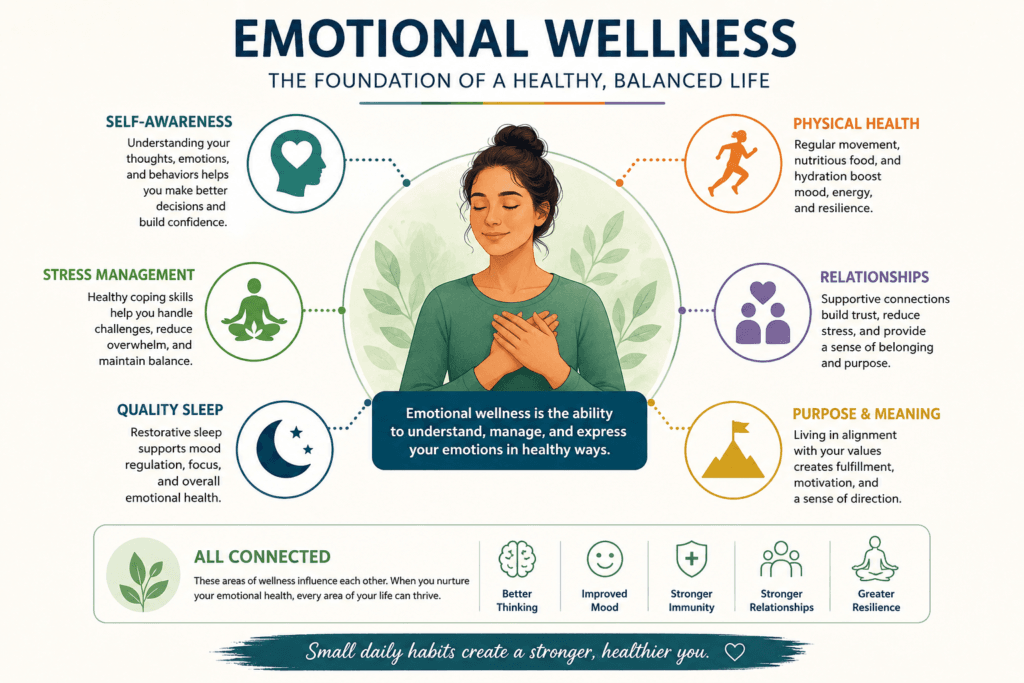
Emotional wellness refers to the ability to recognize, understand, express, and manage emotions in a healthy and productive way. It is an important component of overall wellness and contributes significantly to mental health, relationships, productivity, and life satisfaction.
People often confuse emotional wellness with mental health. While the two are closely connected, they are not exactly the same thing.
Mental health encompasses emotional, psychological, and social well-being. Emotional wellness specifically focuses on how we experience, process, and respond to emotions.
A person with strong emotional wellness is generally able to:
- Recognize their emotions without judgment
- Cope with stress effectively
- Maintain healthy relationships
- Adapt to change
- Recover from setbacks
- Practice self-compassion
- Make thoughtful decisions rather than reacting impulsively
Emotional wellness is not a destination that you achieve once and maintain forever. It is an ongoing process that evolves throughout life. Some periods may feel easier than others, but healthy habits can help strengthen emotional resilience over time.
When emotional wellness is neglected, stress often feels more intense, negative emotions may become overwhelming, and everyday challenges can seem much harder to manage. By contrast, strong emotional wellness provides a stable foundation that supports better mental health and overall well-being.
Emotional Wellness and the Dimensions of Wellness
Emotional wellness is just one part of overall well-being. Many wellness experts describe health through several interconnected dimensions of wellness. While different models vary slightly, most include emotional, physical, social, intellectual, occupational, spiritual, environmental, and financial wellness.
These dimensions influence one another. For example, poor sleep may affect emotional wellness, while chronic stress can influence physical health and relationships. Similarly, strong social connections often support emotional resilience during difficult times.
Understanding this connection can help you view emotional wellness as part of a larger wellness picture rather than an isolated area of health.
Emotional Wellness vs. Emotional Intelligence
Emotional wellness and emotional intelligence are related but not identical concepts.
Emotional intelligence refers to the ability to recognize, understand, and manage emotions in yourself and others. Emotional wellness focuses more broadly on overall emotional health and well-being.
Someone may have strong emotional intelligence but still struggle with stress, burnout, or emotional balance if healthy wellness habits are lacking. Emotional intelligence can be viewed as a skill, while emotional wellness reflects the overall state of emotional health.
Developing both can lead to stronger relationships, improved communication, and better mental health outcomes.
Emotional Wellness Across Different Life Stages
Emotional wellness needs often change throughout life.
Young adults may focus on identity, education, relationships, and career decisions. Middle-aged adults often face family responsibilities, career pressures, and caregiving demands. Older adults may experience retirement transitions, health changes, or shifts in social connections.
While challenges differ across life stages, the core habits that support emotional wellness remain remarkably similar: quality sleep, regular movement, meaningful relationships, stress management, self-awareness, and a sense of purpose.
Common Misconceptions About Emotional Wellness
Many people assume emotional wellness means always feeling positive or avoiding difficult emotions. In reality, emotionally healthy individuals experience the full range of human emotions.
Emotional wellness is not about perfection. It is about recognizing emotions, processing them effectively, and responding in healthy ways. Feeling sadness, frustration, disappointment, or anxiety from time to time is normal. The goal is not to eliminate emotions but to develop the skills needed to manage them constructively.
Why Emotional Wellness Matters
Emotional wellness affects nearly every area of life. The way we process emotions influences our decisions, relationships, physical health, and ability to cope with challenges.
Better Stress Management
Stress is unavoidable, but emotional wellness helps determine how we respond to stressful situations. People with strong emotional wellness often recover more quickly from setbacks and are less likely to feel overwhelmed by everyday pressures.
Rather than reacting impulsively, they tend to pause, evaluate situations, and choose healthier responses. These daily stress-management techniques offer practical ways to build that pause into everyday routines.
Stronger Relationships
Healthy relationships depend on communication, empathy, and emotional awareness. Emotional wellness helps individuals express feelings clearly, set boundaries, resolve conflicts, and maintain meaningful connections with others.
When emotional wellness is strong, relationships often become more supportive and fulfilling.
Improved Focus and Productivity
Persistent stress and emotional strain can negatively affect concentration, motivation, and decision-making. Emotional wellness helps create greater mental clarity and focus, making it easier to stay productive and engaged throughout the day.
Better Sleep Quality
Sleep and emotional wellness are closely connected. Poor sleep can increase irritability, emotional reactivity, and stress levels. At the same time, emotional coping skills can make a calming bedtime routine easier to maintain. Our sleep-quality guide covers the sleep side of this relationship.
Greater Resilience During Challenges
Life inevitably includes setbacks, disappointments, and unexpected changes. Emotional wellness helps build resilience, allowing individuals to adapt to challenges while maintaining a sense of perspective and hope.
Resilience does not mean avoiding difficulties. Instead, it means developing the ability to move forward despite them.
The Connection Between Emotional and Physical Health
Emotional wellness affects much more than mood. Chronic emotional stress can influence sleep quality, energy levels, immune function, and overall physical health.
When stress remains elevated for long periods, the body may stay in a heightened state of alertness. This can contribute to fatigue, muscle tension, headaches, poor sleep, and reduced motivation for healthy habits.
By improving emotional wellness, many people find it easier to maintain consistent exercise routines, healthier eating patterns, and better sleep habits.
The Gut-Brain Connection
Researchers continue to explore the powerful connection between gut health and emotional well-being. The gut and brain communicate through complex pathways often referred to as the gut-brain axis.
A healthy digestive system supports the production of neurotransmitters and signaling molecules that influence mood and mental well-being. While gut health is only one piece of the puzzle, maintaining a balanced diet and supporting digestive health may contribute to better emotional wellness.
Emotional Wellness and Longevity
Studies consistently show that chronic stress and social isolation can negatively affect long-term health outcomes. Conversely, individuals who maintain strong social relationships, purpose, and emotional resilience often experience better overall well-being as they age.
Emotional wellness may support healthy aging by encouraging behaviors that contribute to long-term health, including physical activity, quality sleep, social engagement, and stress management.
Emotional Wellness and Healthy Aging
As people age, emotional wellness becomes increasingly important. Emotional resilience can help individuals adapt to life transitions, maintain independence, and continue engaging in meaningful activities.
Building emotional wellness today may create benefits that extend far beyond immediate stress reduction, supporting quality of life for years to come.

Signs Your Emotional Wellness Needs Attention
Many people don’t recognize declining emotional wellness until symptoms begin affecting their daily lives. Paying attention to early warning signs can help prevent more significant challenges later.
Constant Irritability
Feeling frustrated, impatient, or easily annoyed on a regular basis may indicate emotional overload or chronic stress.
Feeling Overwhelmed Daily
When even small tasks feel difficult to manage, emotional resources may be depleted.
Trouble Sleeping
Difficulty falling asleep, staying asleep, or waking up feeling exhausted can often be linked to emotional stress.
Low Motivation
A noticeable decrease in motivation, enthusiasm, or interest in activities that were once enjoyable may signal emotional strain.
Social Withdrawal
Avoiding friends, family members, or social activities can be a sign that emotional wellness needs attention.
Persistent Negative Thinking
Frequent self-criticism, pessimism, or excessive worry can make emotional challenges feel even more difficult.
Difficulty Managing Stress
If routine stressors consistently feel overwhelming, it may be time to evaluate habits that support emotional wellness.
Recognizing these signs early can create opportunities to make positive changes before emotional challenges become more significant.
Decision Fatigue
When emotional resources become depleted, even simple decisions may feel exhausting. You may find yourself postponing choices, avoiding responsibilities, or feeling overwhelmed by everyday tasks.
Increased Procrastination
Procrastination is often viewed as a productivity problem, but it can also be a sign of emotional strain. When stress accumulates, people may delay tasks because they feel mentally overwhelmed rather than lazy.
Emotional Numbness
Not everyone responds to emotional overload with intense feelings. Some people experience emotional numbness, feeling disconnected from both positive and negative emotions.
Constant Comparison
Frequently comparing yourself to others—especially on social media—can contribute to dissatisfaction, frustration, and reduced self-esteem. Comparison often shifts attention away from personal progress and toward unrealistic expectations.
Loss of Enjoyment
Activities that once felt meaningful or enjoyable may begin to feel less rewarding when emotional wellness declines. Losing interest in hobbies, social activities, or personal goals can be a signal that emotional well-being deserves more attention.

7 Examples of Emotional Wellness in Daily Life
Understanding emotional wellness becomes easier when viewed through real-life examples. These habits and behaviors demonstrate how emotional wellness appears in everyday situations.
1. Self-Awareness
Self-awareness is the foundation of emotional wellness. It involves recognizing emotions as they occur and understanding the situations, thoughts, or experiences that trigger them.
For example, someone who notices they become irritable after poor sleep can take steps to improve their bedtime routine rather than simply reacting to their mood.
Why it matters:
- Improves emotional understanding
- Helps identify patterns
- Supports better decision-making
- Encourages personal growth
A common mistake is ignoring emotions until they become overwhelming. Many people stay busy throughout the day without checking in with themselves emotionally. Over time, unresolved emotions can accumulate and contribute to stress and burnout.
One simple way to improve self-awareness is by spending a few minutes each day reflecting on emotions, challenges, and successes. Journaling can be particularly helpful because it creates a space to process thoughts and recognize recurring patterns.
The goal is not to judge emotions but to understand them. Greater awareness often leads to healthier responses and better emotional balance.
2. Emotional Regulation
Emotional regulation refers to the ability to manage emotions in constructive ways rather than allowing them to control behavior.
Everyone experiences frustration, disappointment, anxiety, and stress. Emotional wellness involves responding thoughtfully instead of reacting impulsively.
For example, after receiving critical feedback at work, one person may immediately become defensive, while another may pause, process the information, and respond calmly.
Why it matters:
- Reduces conflict
- Improves decision-making
- Strengthens relationships
- Lowers emotional stress
Many people mistakenly believe emotional regulation means suppressing emotions. In reality, healthy emotional regulation involves acknowledging emotions while choosing productive responses.
Practical techniques include:
- Deep breathing
- Taking short breaks
- Practicing mindfulness
- Physical activity
- Talking through challenges with a trusted friend
Over time, emotional regulation becomes a valuable skill that supports both mental health and emotional resilience.
3. Positive Relationships
Human connection plays a significant role in emotional wellness. Supportive relationships provide encouragement, perspective, and a sense of belonging.
People with strong emotional wellness typically invest time and energy in maintaining healthy relationships while establishing boundaries with individuals or situations that negatively affect their well-being.
Why it matters:
- Reduces loneliness
- Improves resilience
- Provides emotional support
- Enhances life satisfaction
A common mistake is assuming relationships will thrive without effort. Like physical health, healthy relationships require consistent attention.
Simple ways to strengthen relationships include:
- Active listening
- Expressing appreciation
- Spending quality time together
- Communicating openly
- Respecting boundaries
Strong social connections often act as a protective factor during stressful periods, helping people recover more effectively from life’s challenges.
4. Healthy Stress Management
Stress is a normal part of life, but emotional wellness depends on how stress is managed. Healthy stress management involves using constructive strategies to recover from pressure and maintain balance.
Many people attempt to cope with stress through unhealthy habits such as excessive screen time, emotional eating, or avoiding responsibilities. While these behaviors may provide temporary relief, they rarely address the underlying causes of stress.
Why it matters:
- Supports emotional stability
- Protects mental health
- Reduces burnout risk
- Improves physical well-being
Healthy stress-management habits may include:
- Daily walks
- Exercise
- Meditation
- Deep breathing
- Spending time outdoors
- Practicing gratitude
- Prioritizing sleep
For example, someone who takes a 20-minute walk after a stressful workday may return feeling calmer and more capable of handling challenges.
Stress cannot always be eliminated, but healthy coping strategies can significantly improve emotional wellness and overall quality of life.
5. Self-Compassion
Many people are kind, patient, and understanding toward others but extremely critical of themselves. Self-compassion is the practice of treating yourself with the same understanding and support you would offer a friend facing a challenge.
Emotionally healthy individuals recognize that mistakes, setbacks, and imperfections are part of being human. Instead of engaging in harsh self-criticism, they acknowledge difficulties while maintaining a balanced perspective.
Why it matters:
- Reduces stress and self-judgment
- Supports emotional resilience
- Improves confidence
- Encourages healthy growth
A common mistake is believing that self-criticism creates motivation. In reality, excessive self-criticism often increases anxiety, lowers confidence, and makes progress more difficult.
For example, if you miss a workout or make a mistake at work, self-compassion means acknowledging the situation, learning from it, and moving forward instead of dwelling on guilt or frustration.
One practical strategy is to notice negative self-talk and ask yourself: “Would I say this to someone I care about?” If the answer is no, consider a more supportive response.
6. Adaptability
Life rarely goes exactly as planned. Unexpected changes, setbacks, and challenges are unavoidable. Emotional wellness includes the ability to adapt to changing circumstances while maintaining emotional balance.
Adaptability does not mean enjoying every challenge. Instead, it means accepting reality, adjusting expectations when necessary, and focusing on what can be controlled.
Why it matters:
- Builds resilience
- Reduces stress during change
- Encourages problem-solving
- Supports long-term well-being
Many people experience emotional distress when they resist change or focus excessively on factors outside their control.
For example, a job change, relocation, financial challenge, or unexpected life event can create stress. Adaptable individuals acknowledge their emotions while gradually shifting attention toward solutions and opportunities.
Developing adaptability often starts with asking:
- What can I control?
- What can I learn from this situation?
- What is one positive step I can take today?
Small shifts in perspective can make major challenges feel more manageable.
7. Purpose and Meaning
A sense of purpose contributes significantly to emotional wellness. People who feel connected to meaningful goals, values, or activities often experience greater life satisfaction and resilience.
Purpose looks different for everyone. It may involve family, community involvement, career goals, creative pursuits, spiritual practices, or personal growth.
Why it matters:
- Improves motivation
- Supports resilience
- Enhances life satisfaction
- Creates a sense of direction
Without purpose, daily routines can begin to feel repetitive and unfulfilling. Emotional wellness often improves when actions align with personal values.
A simple way to cultivate purpose is by identifying activities that create a sense of fulfillment and intentionally making time for them each week.
Purpose does not have to be grand or life-changing. Even small meaningful activities can positively influence emotional health and overall well-being.

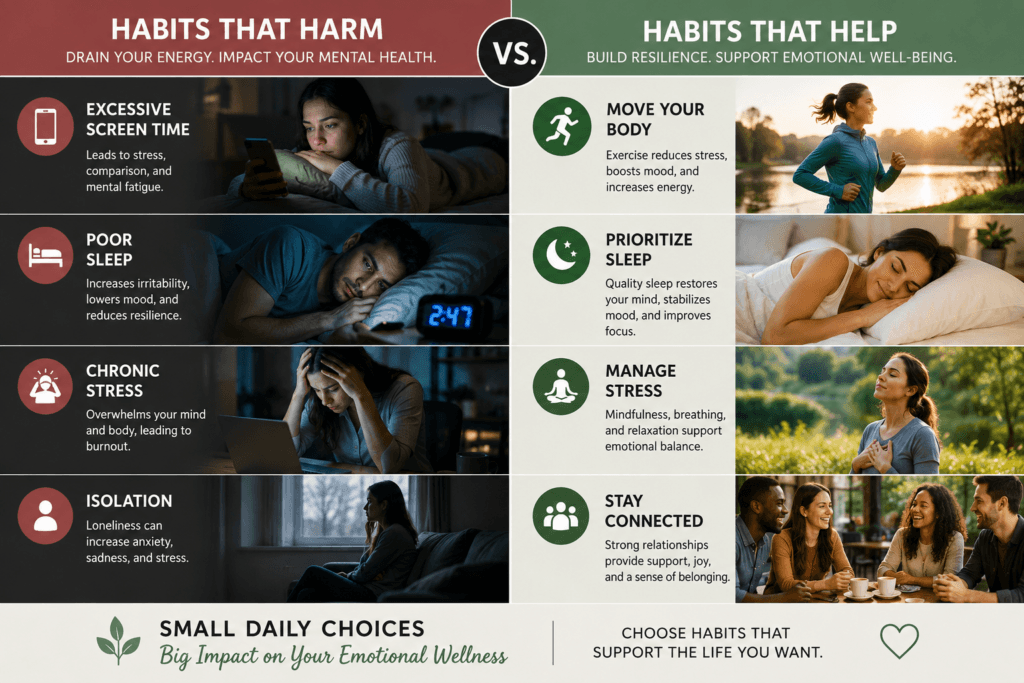
Common Habits That Damage Emotional Wellness
Chronic Stress Without Recovery
Many people spend their days moving from one responsibility to another without allowing time for recovery. Work demands, family obligations, financial pressures, and constant digital connectivity can create ongoing stress.
For example, someone who answers emails late into the evening and skips relaxation time may gradually experience emotional exhaustion. A healthier alternative is intentionally scheduling recovery activities such as exercise, walking, hobbies, or quiet reflection.
Excessive Social Media Use
Social media can be valuable for connection and learning, but excessive use often increases comparison and information overload.
A person scrolling through carefully curated online content may begin comparing their life, appearance, or achievements to unrealistic standards. Setting daily screen limits and spending more time on real-world activities can help restore emotional balance.
Poor Sleep Habits
Sleep and emotional wellness are deeply connected. Late-night screen use, inconsistent sleep schedules, and insufficient sleep often contribute to irritability and emotional reactivity.
Creating a consistent bedtime routine and prioritizing sleep can significantly improve emotional resilience.
Negative Self-Talk
Many people speak to themselves more harshly than they would ever speak to a friend. Persistent self-criticism can reinforce stress, anxiety, and low confidence.
Replacing harsh internal dialogue with realistic and supportive self-talk helps create healthier emotional patterns.
Emotional Suppression
Ignoring emotions does not make them disappear. Suppressed emotions often resurface as stress, irritability, frustration, or emotional exhaustion.
Healthy emotional processing may involve journaling, mindfulness, conversations with trusted friends, or professional support when needed.
Isolation
Humans are naturally social beings. Long periods of isolation can increase feelings of loneliness and reduce emotional resilience.
Even small social interactions can support emotional wellness and create a stronger sense of connection.
Lack of Physical Activity
Physical activity benefits both body and mind. Exercise supports mood regulation, stress management, and overall emotional health.
A simple daily walk is often enough to create noticeable improvements in mood and mental well-being over time.
How to Improve Emotional Wellness Without Overwhelm
Many people try to change too many habits at once and become discouraged when progress feels difficult. Emotional wellness improves most effectively through small, consistent actions.
Start With One Habit
Choose a single habit that feels manageable. This could be taking a daily walk, practicing gratitude, improving sleep habits, or spending five minutes journaling.
Create Small Daily Wins
Small successes build momentum and confidence. Consistency matters more than perfection.
Focus on Progress
Emotional wellness is a long-term journey. Some days will feel easier than others. Progress rarely happens in a straight line.
Build Supportive Routines
Daily routines reduce decision fatigue and make healthy habits easier to maintain.
Practice Regular Self-Reflection
Taking time to reflect on emotions, challenges, and successes can improve self-awareness and help identify opportunities for growth.
Remember that emotional wellness develops gradually. Small improvements repeated consistently often produce the greatest long-term results.
Use Habit Stacking
Habit stacking involves attaching a new habit to an existing routine. For example, practicing gratitude after brushing your teeth or taking a short walk after lunch can make new habits easier to maintain.
Design Your Environment for Success
Your environment strongly influences behavior. Keeping a journal visible, placing workout clothes where you can see them, or creating a relaxing bedtime environment can encourage healthy habits with less effort.
Track Small Wins
Tracking progress can increase motivation and consistency. Consider keeping a simple wellness journal where you record daily habits, mood improvements, or positive experiences.
Create Accountability
Sharing goals with a friend, family member, or support group can help maintain momentum. Accountability often increases consistency and makes healthy habits easier to sustain over time.
The goal is not to transform your life overnight. Instead, focus on creating systems that make healthy choices easier and more automatic.

7-Day Emotional Wellness Reset Plan
Day 1: Emotional Awareness
Spend 10 minutes reflecting on your current emotions and identifying potential stressors.
Day 2: Improve Sleep
Establish a consistent bedtime and reduce screen exposure before sleep.
Day 3: Stress Reduction
Practice deep breathing, meditation, or a relaxing outdoor walk.
Day 4: Move Your Body
Complete at least 20–30 minutes of physical activity.
Day 5: Strengthen Connections
Reach out to a friend, family member, or supportive community.
Day 6: Practice Gratitude
Write down three things you appreciate today.
Day 7: Reflect and Plan
Review the week and identify one emotional wellness habit to continue.
How Long Does It Take to Improve Emotional Wellness?
Emotional wellness improvements often begin sooner than people expect.
First Week
Many individuals notice increased awareness of emotions and reduced stress after implementing a few healthy habits.
First Month
Better sleep, improved mood, increased resilience, and more effective stress management often become noticeable.
Long-Term
Consistent habits can contribute to stronger emotional resilience, healthier relationships, improved mental health, and greater overall life satisfaction.
The timeline varies for each person, but meaningful improvements often result from steady, sustainable habits rather than dramatic changes.
What to Expect After 30 Days
If you consistently practice emotional wellness habits for 30 days, you may notice:
Better Mood
Greater emotional stability and fewer mood swings.
More Energy
Improved emotional balance often reduces mental fatigue and stress-related exhaustion.
Improved Sleep
Better emotional regulation frequently supports deeper, more restorative sleep.
Better Stress Tolerance
Daily challenges may feel more manageable and less overwhelming.
Stronger Relationships
Improved communication and emotional awareness often strengthen personal connections.
The goal is not perfection but progress. Small improvements can accumulate into meaningful changes over time.
Optional Wellness Products to Consider
Important: Supplements do not treat depression, anxiety disorders, trauma, suicidal thoughts, or other mental-health conditions. Ingredients may cause side effects or interact with medications. Discuss supplements with a qualified healthcare professional, especially if you take medication, are pregnant or breastfeeding, or have a diagnosed condition.
Stress Resilience & Relaxation Support
Designs for Health NeuroCalm is formulated to support relaxation, mood balance, and emotional well-being using a blend of amino acids, calming botanicals, vitamins, and magnesium. It is designed to help individuals manage everyday stress while supporting a calmer, more balanced state of mind.
⭐ Editor’s Pick
Designs for Health NeuroCalm
Best For: Stress Relief, Relaxation & Emotional Balance
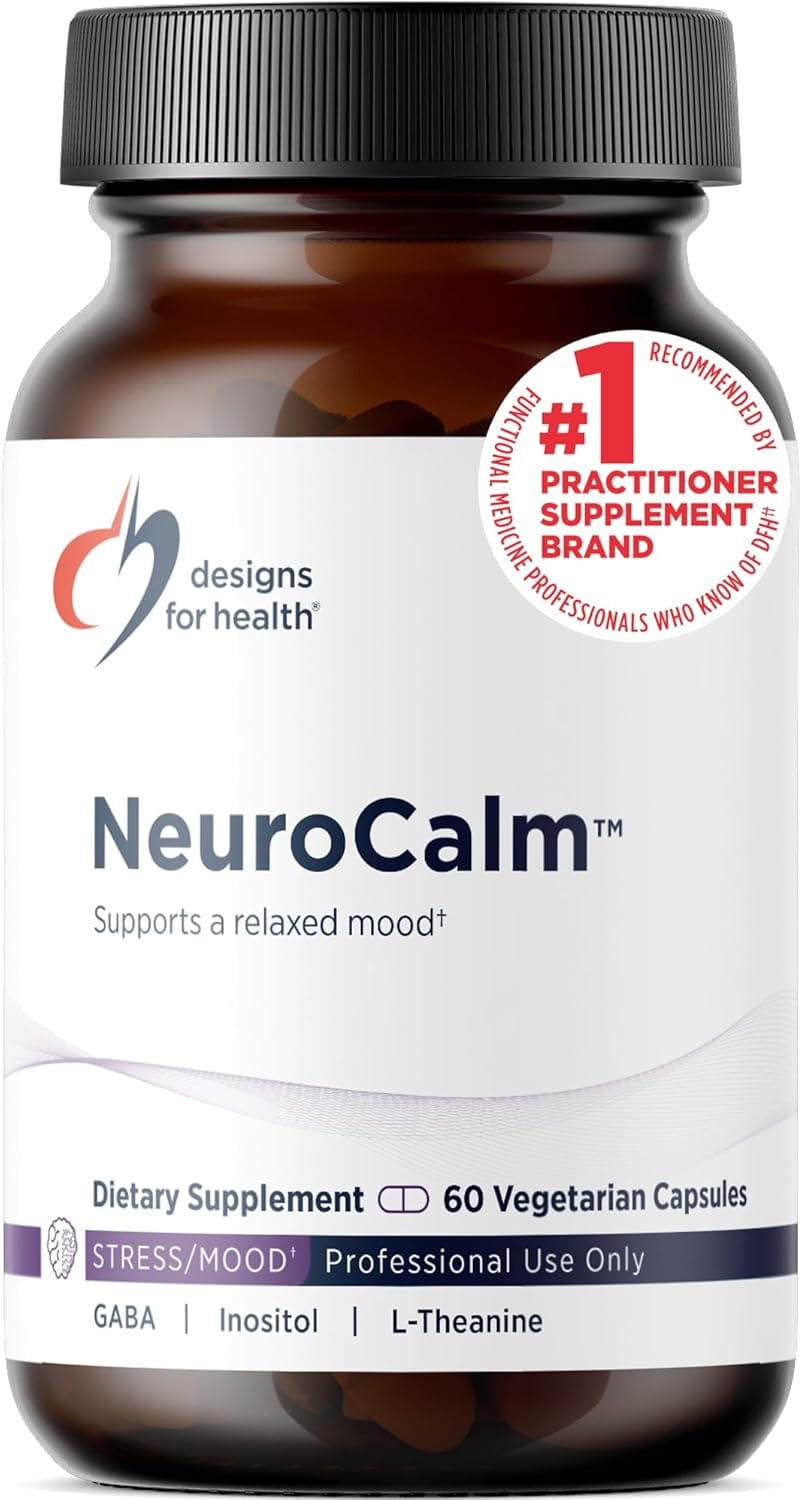
Designs for Health NeuroCalm combines GABA, L-Theanine, 5-HTP, chamomile, magnesium, and B vitamins in a comprehensive formula designed to support relaxation, mood balance, and a healthy response to everyday stress.
✔ Supports relaxation and calmness
✔ Helps manage occasional stress
✔ Supports mood balance
✔ Includes GABA, L-Theanine & chamomile
👉 Looking for daily support for stress and emotional wellness?
Mental Clarity & Cognitive Wellness
Mind Vitality is formulated to support focus, mental clarity, and overall cognitive wellness. It is designed for individuals who want to support productivity and mental performance while maintaining emotional well-being.
⭐ Best Mental Clarity Support
Mind Vitality
Best For: Focus, Concentration & Daily Mental Performance
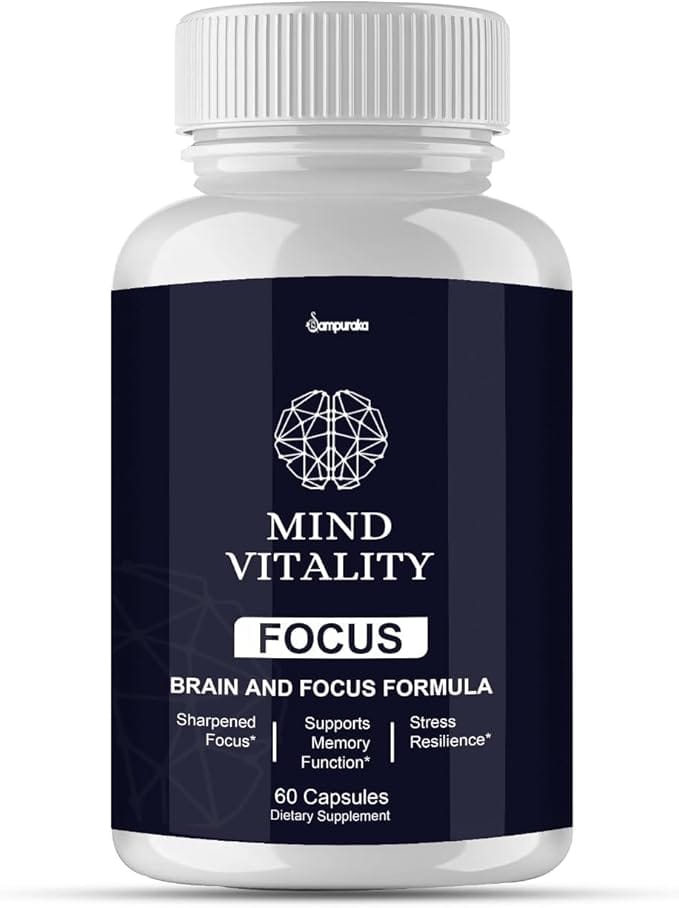
Mind Vitality contains brain-supportive ingredients designed to help maintain focus, cognitive function, and overall mental wellness.
✔ Supports focus and concentration
✔ Promotes cognitive wellness
✔ Supports productivity
✔ Daily brain support
👉 Looking for better mental clarity?
Sleep & Emotional Recovery Support
Serenity sleep is formulated to support restorative sleep and emotional recovery. Quality sleep plays a critical role in stress management, emotional resilience, and overall wellness.
⭐ Best Sleep & Recovery Support
Serenity Sleep
Best For: Restful Sleep & Emotional Wellness
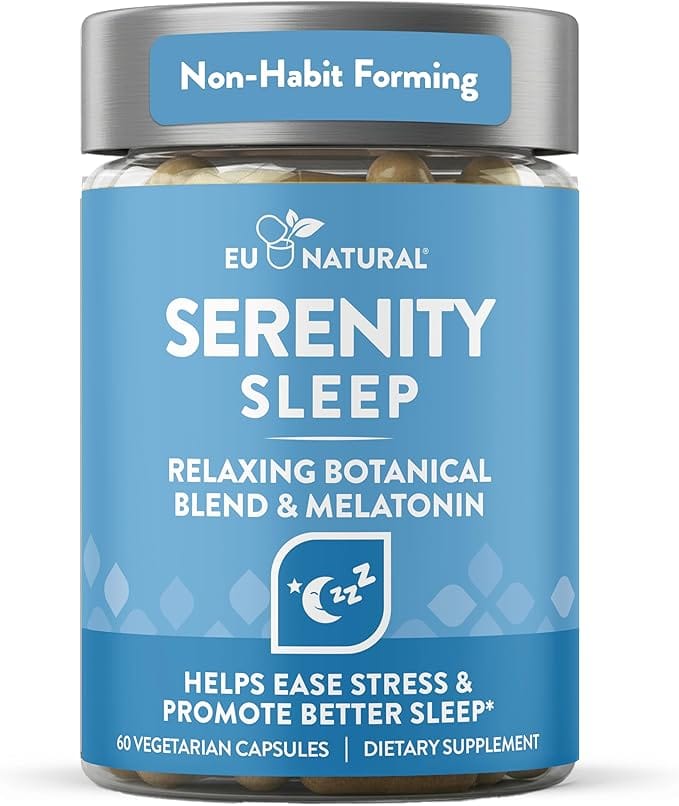
Serenity sleep supports healthy sleep habits and overnight recovery, helping users wake up feeling more refreshed and balanced.
✔ Supports sleep quality
✔ Promotes recovery
✔ Supports emotional resilience
✔ Encourages relaxation
👉 Looking for better sleep and recovery?
Frequently Asked Questions
What is emotional wellness?
Emotional wellness is the ability to understand, manage, and express emotions in healthy ways while effectively coping with stress and life’s challenges. It is an important component of overall mental health and well-being.
Why is emotional wellness important?
Emotional wellness supports resilience, relationships, stress management, sleep quality, productivity, and overall quality of life. Strong emotional wellness helps people navigate challenges more effectively.
Can emotional wellness improve mental health?
Yes. Emotional wellness and mental health are closely connected. Developing healthy emotional habits may support better mood, reduced stress, and improved overall well-being.
How do I build emotional resilience?
Resilience develops through healthy habits such as self-awareness, stress management, supportive relationships, physical activity, quality sleep, and maintaining a positive perspective during challenges.
What habits support emotional wellness?
Helpful habits include regular exercise, quality sleep, mindfulness, journaling, gratitude practices, healthy relationships, stress management, and self-compassion.
How long does emotional wellness improvement take?
Some benefits may appear within days or weeks, while long-term improvements typically develop over months of consistent healthy habits.
When to Seek Professional Help
While lifestyle habits can support emotional wellness, professional help may be beneficial if you experience:
- Persistent sadness or hopelessness
- Severe anxiety
- Significant sleep disruption
- Difficulty functioning in daily life
- Ongoing emotional distress
- Thoughts of self-harm or suicide
A licensed mental health professional can provide personalized support, guidance, and treatment when needed. If you may act on thoughts of self-harm or suicide, or someone is in immediate danger, contact local emergency services or a crisis service now and stay with a trusted person if possible. Seeking help is a sign of strength and an important step toward better health.
Want Free Practical Wellness Tips?
Join the Purely Vital Living newsletter and get evidence-based tips for better sleep, emotional wellness, energy, gut health, stress management, and healthy aging delivered directly to your inbox.

Final Summary
Emotional wellness is not about avoiding difficult emotions or maintaining constant happiness. It is about developing the skills and habits needed to understand emotions, manage stress, adapt to challenges, and maintain balance throughout life’s ups and downs.
Strong emotional wellness supports better mental health, stronger relationships, improved resilience, better sleep, and greater overall well-being. The good news is that emotional wellness can be strengthened through simple daily habits such as self-awareness, stress management, physical activity, quality sleep, supportive relationships, and self-compassion.
Start small. Choose one habit that feels realistic and focus on consistency rather than perfection. Over time, those small daily actions can create meaningful improvements in emotional health, resilience, and quality of life.
Related Reads
- 7 Stress Management Techniques You Can Practice Daily
- Best Morning Routine for Energy and Focus
- 7 Healthy Sleep Habits to Transform Your Nighttime Routine
- Why Am I Tired All the Time? 9 Hidden Causes + Fixes
- Healthy Lifestyle Habits for Healthy Aging and Longevity
- How to Heal Your Gut Microbiome Naturally: Complete Guide
- How to Improve Sleep Quality Naturally: Complete Sleep Guide
- How to Improve Mental Clarity Naturally: 9 Practical Tips