Quick Answer
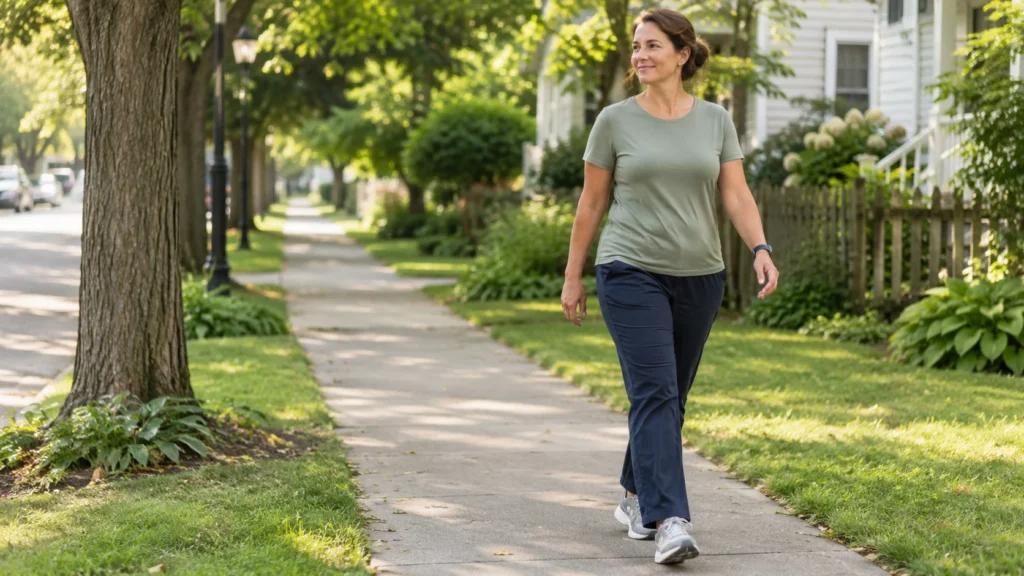
To get a flatter stomach over time, focus on regular walking, full-body strength training, and balanced meals if reducing body fat is appropriate for you. A modest calorie deficit can support gradual fat loss. Core exercises such as dead bugs and bird-dogs strengthen the muscles that steady your trunk, but they don’t reliably reduce fat around your waist.
If your stomach looks fuller after meals and settles later, temporary digestive fullness may be contributing. Posture can also change how your abdomen looks when you sit or stand. A naturally curved abdomen is common, and one look in the mirror tells you little about changes in body fat.
Start with one habit you can repeat this week, such as a short walk after lunch. If you track waist size, measure under similar conditions and compare readings over several weeks. Use the first week to see whether your habit fits your routine.
Table of Contents
- Why your stomach can look different throughout the day
- What can help if your goal is to reduce abdominal fat?
- What to focus on in your first week
- Frequently Asked Questions
- Key Takeaway
- Related Reads
- References
Why your stomach can look different throughout the day
A fuller abdomen after lunch can look like a change in body fat in the mirror. The timing gives you more information than the mirror alone. Fullness that comes and goes within a day is on a different timescale from a steady change in waist size across several weeks.
| What you notice | What it may reflect | Where to start |
|---|---|---|
| Your abdomen feels fuller after dinner and settles later. | Temporary fullness or bloating. | Notice when it happens and whether it settles. |
| Your outline changes when you sit, stand, or relax your abdomen. | Posture and normal body shape. | Use comfortable positions and focus on strength or movement goals that matter to you. |
| Your waist measurement changes gradually over several weeks. | A longer-term shift in waist size. | If you choose to measure, use the same method and similar conditions. |
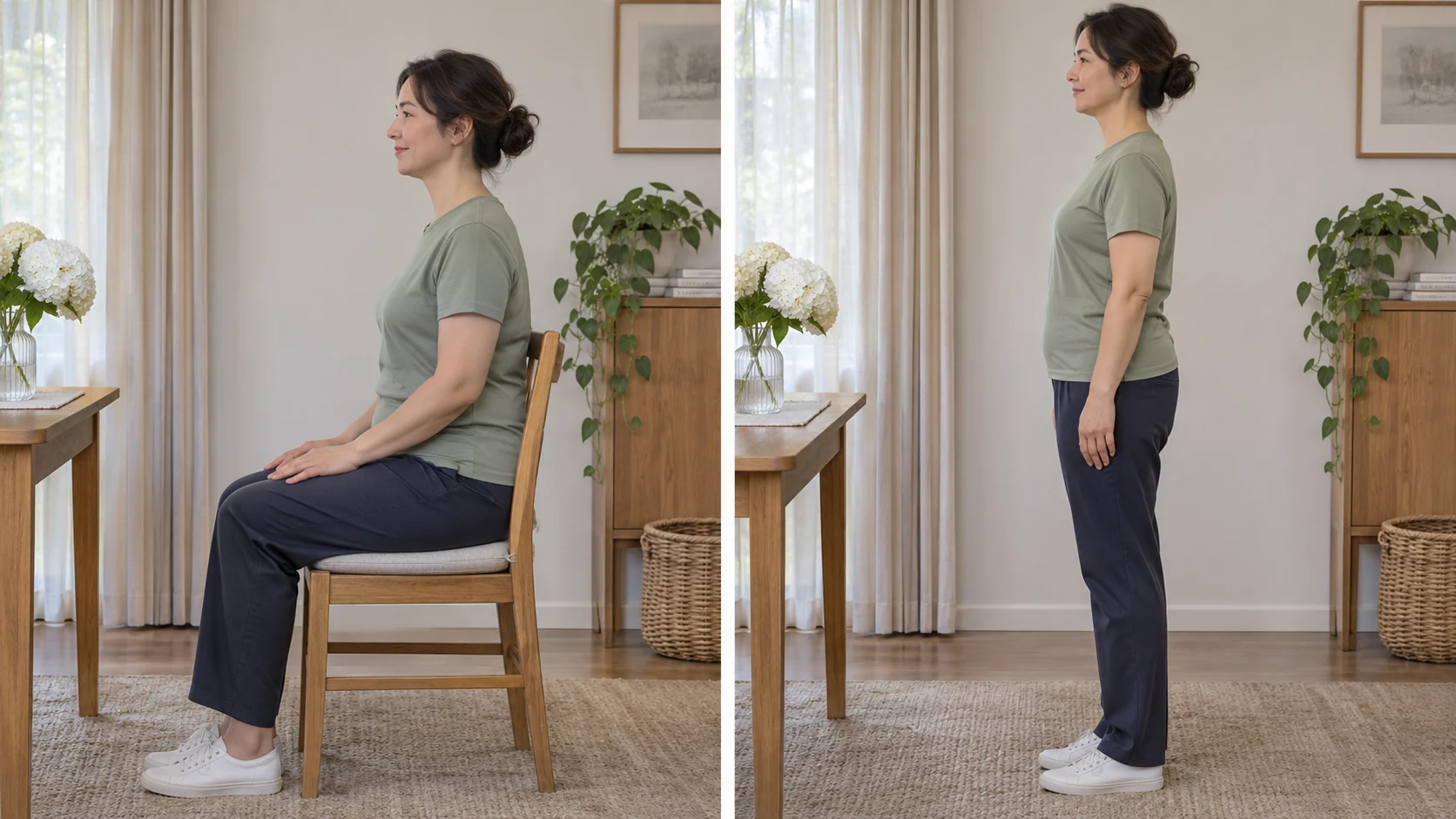
Bloating is a feeling of fullness or swelling. Distension is a visible increase in abdominal size. You can feel bloated without seeing a change, and a meal can make your abdomen look fuller as food and liquid move through your digestive tract. A single photo or waist measurement can’t tell you which factor is involved. NIDDK explains the difference between bloating and distension.
Body shape also varies from person to person. The way your torso sits when you slouch, stand upright, or relax can change how your abdomen looks in an instant. You can practice moving comfortably and building strength without holding your stomach in all day.
If bloating persists, worsens, or comes with abdominal pain, a change in bowel habits, or unintentional weight loss, speak with a healthcare professional. Cleveland Clinic guidance on persistent bloating.
For example, if your waistband feels tighter after dinner but fits the same as usual the next morning, note that pattern before changing how much you eat. If your goal is to feel stronger when you lift or carry things, pay attention to how those tasks feel. If you are following a waist trend, compare readings over several weeks. Each observation answers a different question.
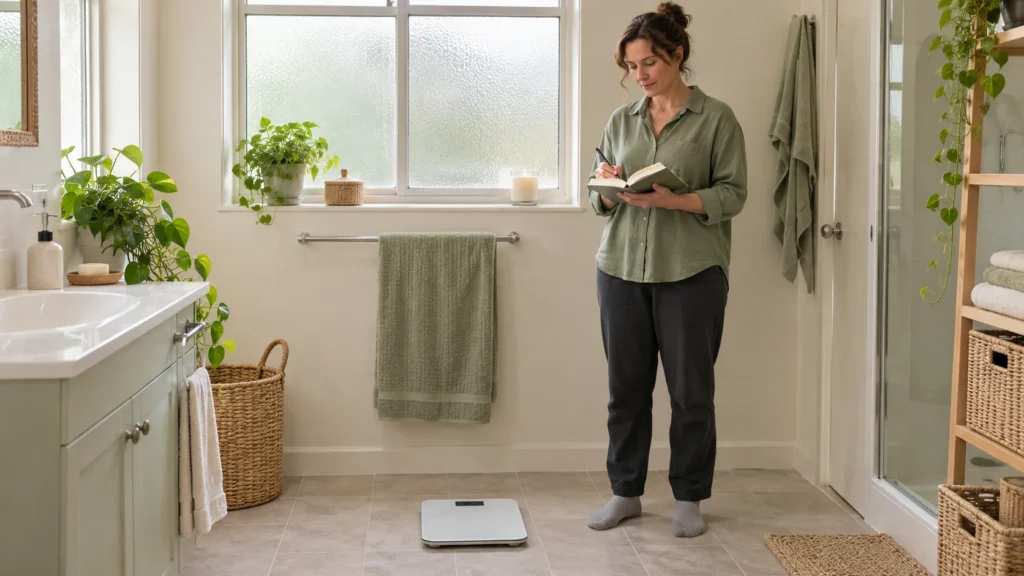
For a few days, compare like with like. If you are noticing fullness, make a brief note before a meal and later that evening. Write down what you felt, when it started, and whether it settled. A short record can make your observations easier to describe. It can also help you avoid judging a whole week by one meal or one photo.
What can help if your goal is to reduce abdominal fat?
Start with eating habits you can repeat
If reducing body fat is appropriate for you, a calorie deficit means taking in less energy than your body uses over time. A calorie count is one way to estimate intake. You can also start by making a regular meal easier to prepare. See how calorie balance fits into gradual body fat loss.
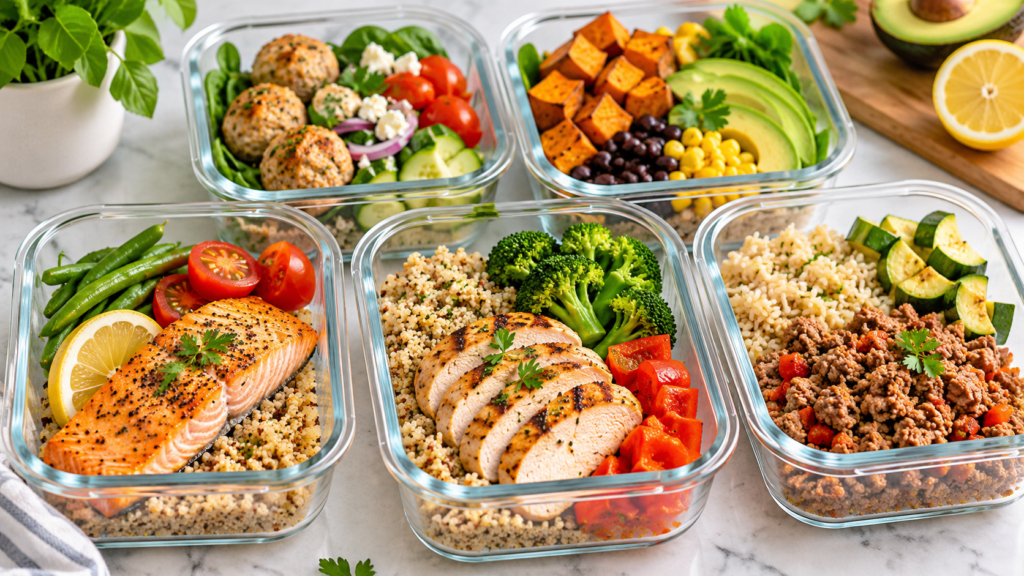
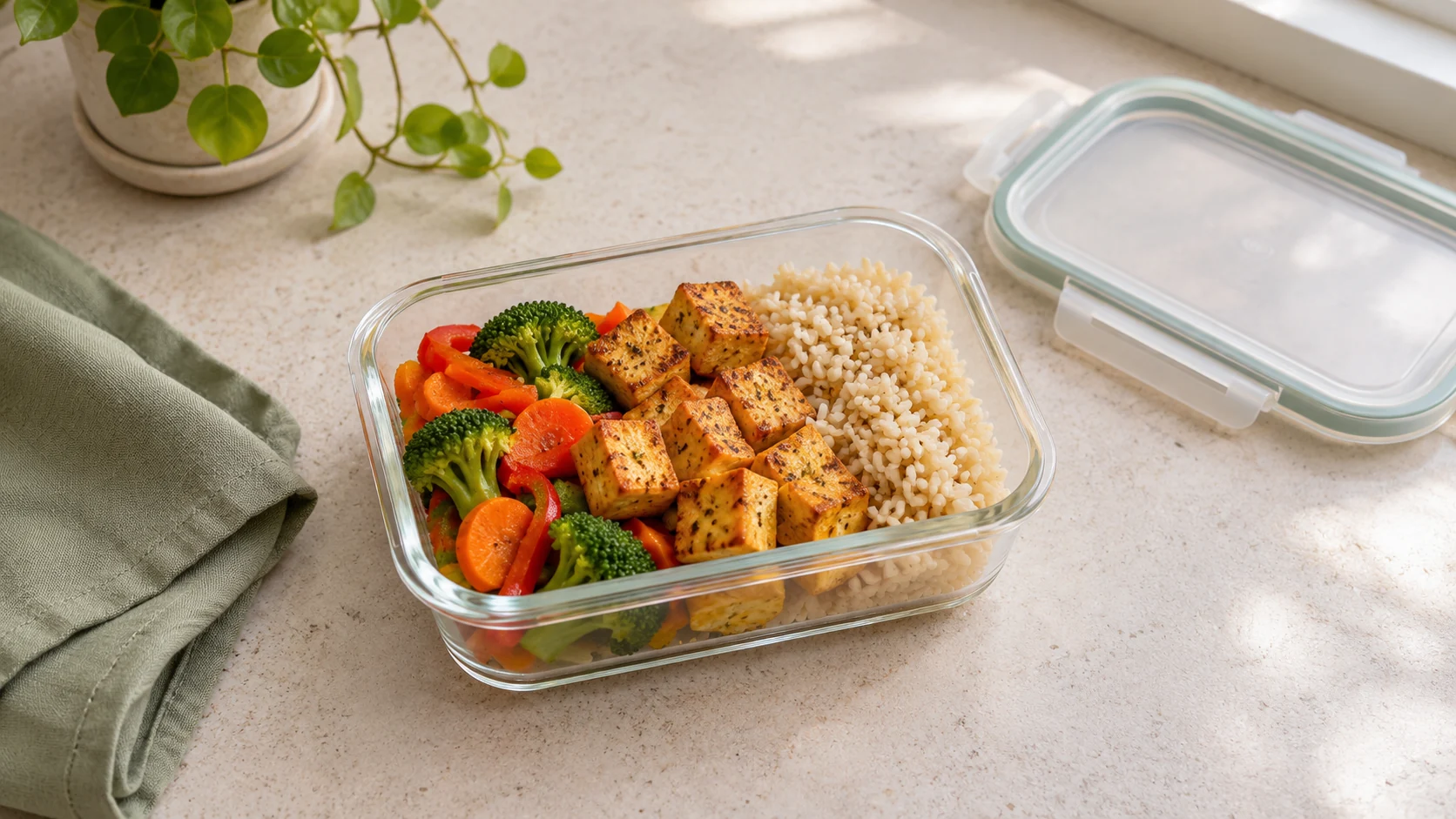
For example, if lunch on busy days is usually whatever is closest, pack a meal the night before. A bowl with chicken or tofu, rice, and vegetables gives you a protein source, a grain, and produce in a meal you can adjust to your appetite. If that works for your schedule, repeat it the following week. For ideas, see PVL’s meal prep guide.
PVL pick — Meal prep food storage
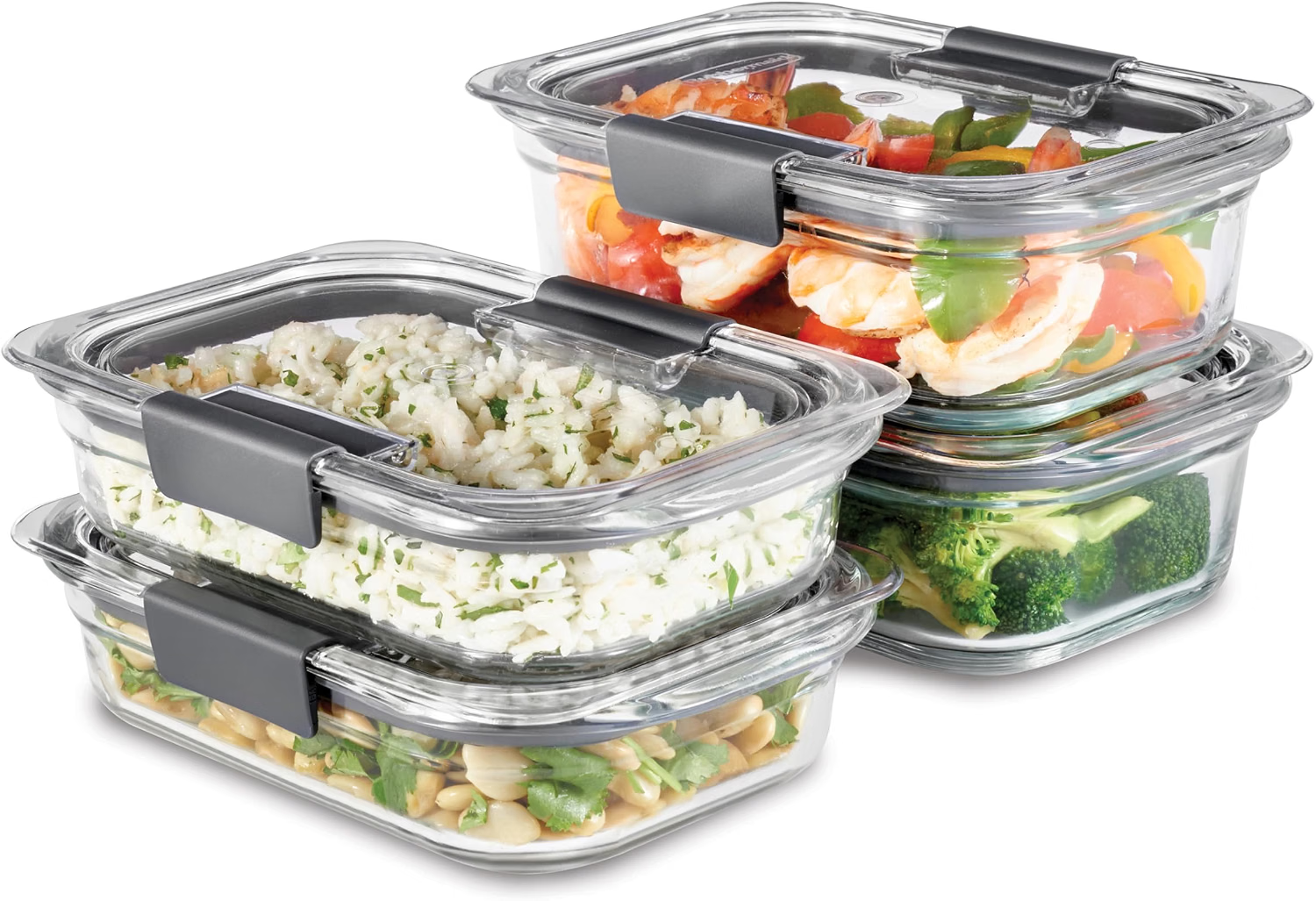
Rubbermaid Brilliance Glass Containers
PVL rating: 4.5/5 (editorial assessment)
Pack lunch the night before so it’s ready to grab on a busy morning. These reusable glass containers with lids are a practical option for meals such as tofu, rice, and vegetables.
How a modest calorie deficit can fit into everyday meals
When weight loss is appropriate, start by looking at a few ordinary days of eating. If you notice one change you would be comfortable repeating, try that first. For example, if you regularly buy a sugary drink with lunch, you could try choosing water on some days and keep the rest of the meal familiar. Or you could prepare lunch at home on your busiest day so you have a meal you enjoy ready to go.
Give the change enough time to see how it fits your schedule and appetite. If you spend the afternoon hungry or find the change hard to maintain, revisit the plan instead of cutting more. If you are unsure whether weight loss is appropriate, a registered dietitian can help you decide what goal makes sense.
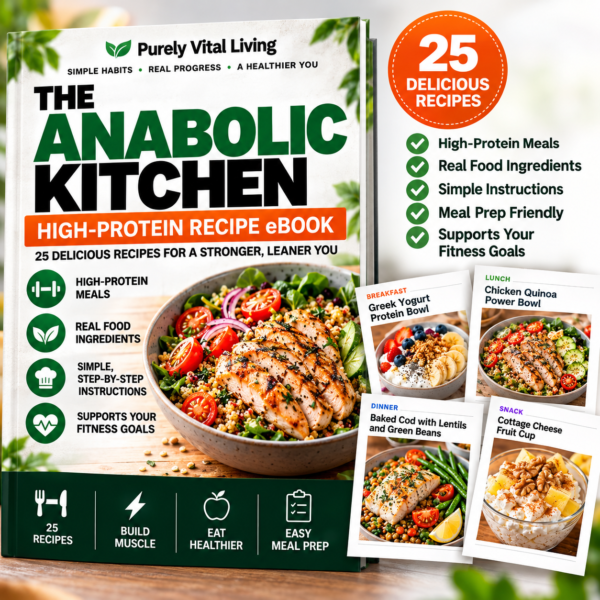
PVL pick — High-protein recipe ebook
The Anabolic Kitchen
If you want more meals to rotate through the week, this 31-page PDF includes 25 protein-focused recipes, a flexible seven-day meal-planning worksheet, and a grocery checklist.
When a food-tracking app can help
A food-tracking app can make it easier to see patterns across meals, snacks, and drinks. Look for quick entries for foods you eat often, adjustable portions, and the ability to save regular meals. App entries and portion sizes are estimates. If a paper note or meal-planning template is easier to use, either can help you spot the habit you want to change. See PVL’s guide to food-tracking app features.
Use walking and full-body strength training
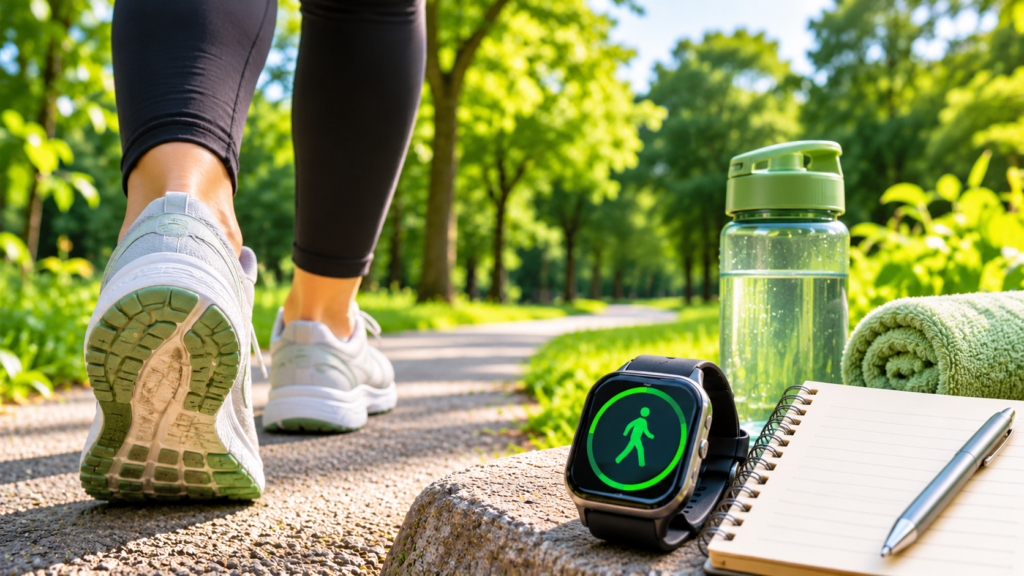
Walking is one way to build aerobic activity into a normal week. If you’re just starting, choose a route and pace you can repeat comfortably. A review of randomized trials in adults with overweight or obesity found that exercise reduced visceral fat on average. The trials measured changes over time, and their results cannot predict an individual’s waist size or appearance. Review of exercise and visceral fat.
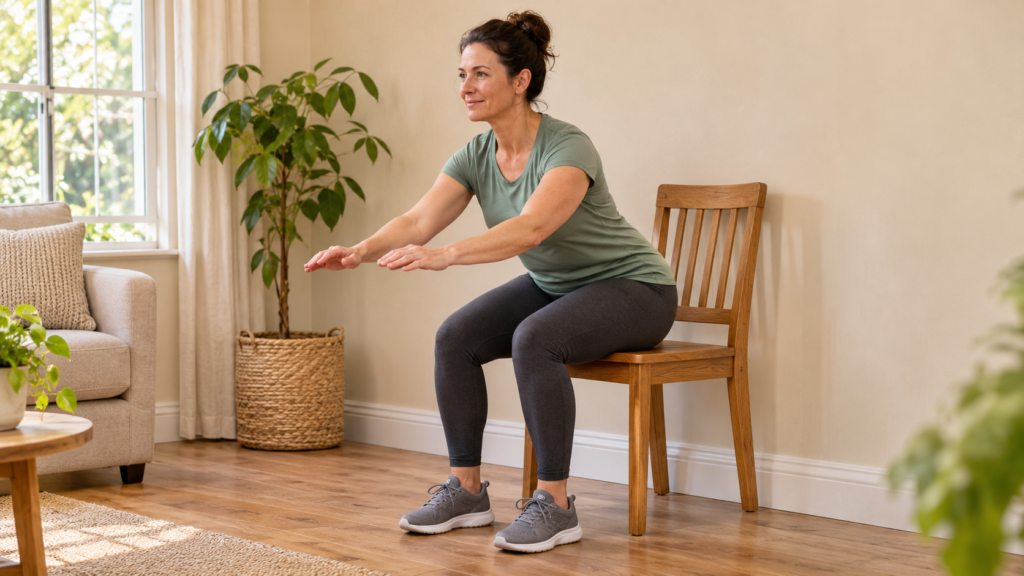
Full-body strength training builds the strength you use to stand up, carry groceries, and climb stairs. Start with movements you can do comfortably and build from there. A chair sit-to-stand or wall push-up can be a practical starting point if you’re new to training. If you want to try suspension training at home, see our TRX Suspension Trainer review for the setup and secure anchor requirements.
Use core exercises to build strength
Dead bugs and bird-dogs challenge your trunk to stay steady while your arms or legs move. That’s a useful skill for everyday movement. A meta-analysis of localized training found no reliable benefit for fat loss in the trained area. Research on localized exercise and fat loss.
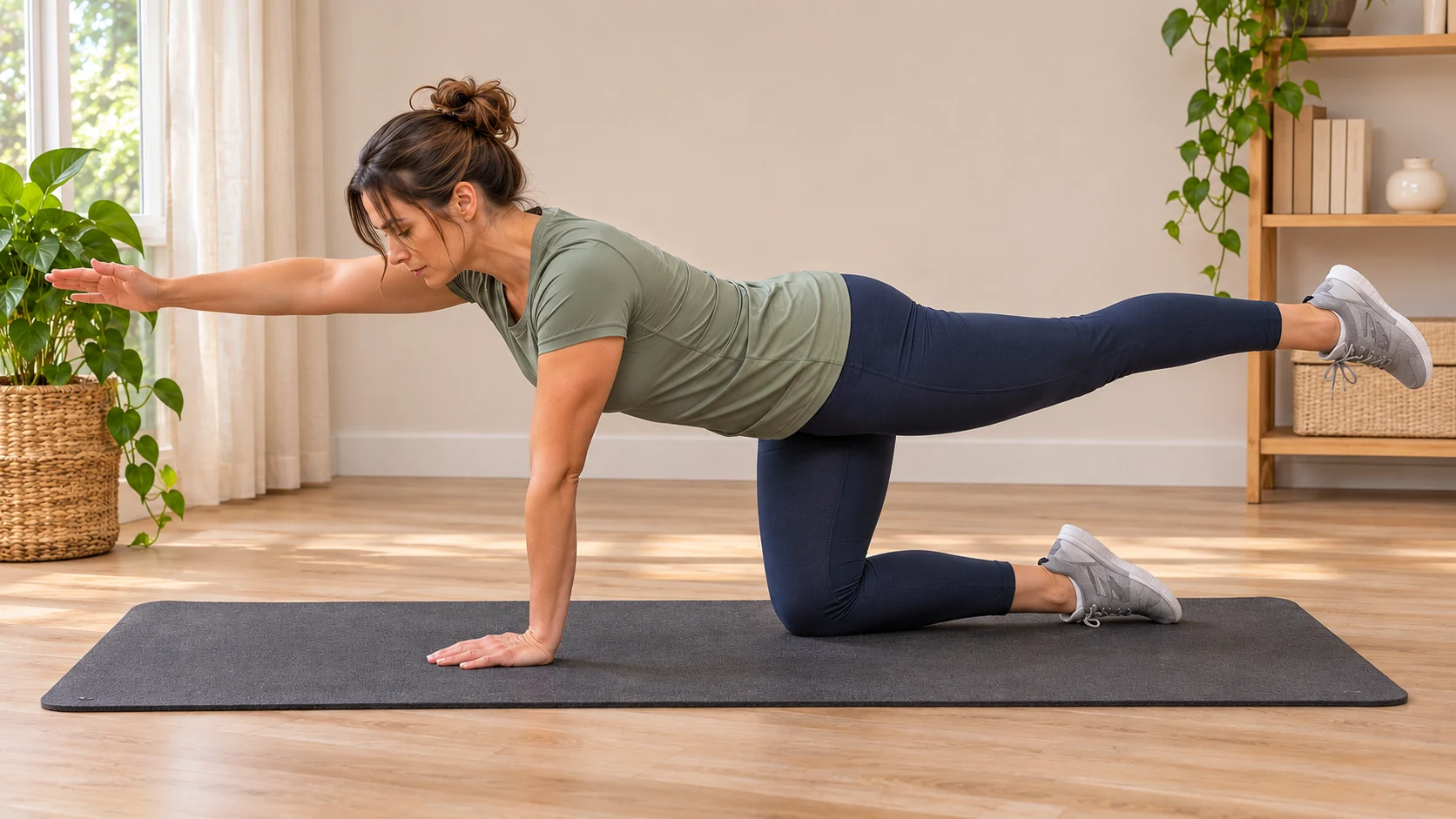
If you want a simple session to start with, try the 10-minute, no-jumping beginner workout. It includes low-impact aerobic and strength movements with easier options.
Choose equipment by what you want to practice. A mat can make floor exercises more comfortable. A resistance band can add challenge to full-body movements. An ab roller requires enough trunk control to keep the movement comfortable as your hands move away from you. If you’re new to core work, a bodyweight exercise with a range you can control can give you a place to start.
The same distinction applies to gym machines, Pilates, and barre. A class may help you practice movements you enjoy and repeat regularly. For a beginner, the schedule, coaching, and availability of easier options may matter more than the equipment list. Walking or another aerobic activity serves a different purpose from a short core session.
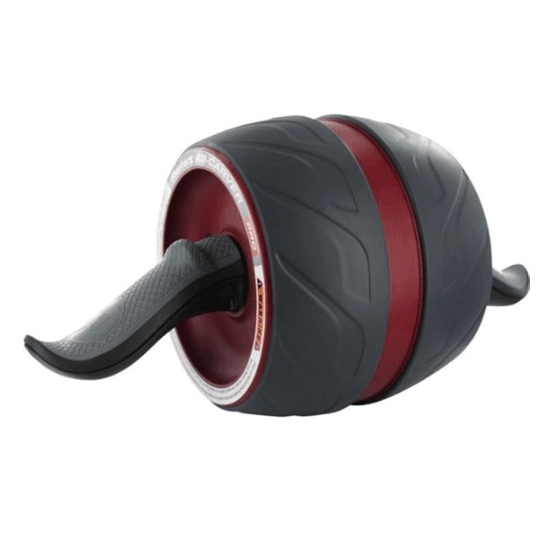
PVL pick — Ab roller
Perfect Fitness Ab Carver Pro
PVL rating: 4.6/5 (editorial assessment)
The wide wheel and spring-assisted return can help you control kneeling rollouts. Consider it if you’re already comfortable with basic core exercises and want a more demanding movement. It trains core strength, and it doesn’t target belly fat.
What to focus on in your first week
Choose the option that fits what you’re noticing or the habit you want to build. Give it a week to see whether it fits your routine.
- If fullness comes and goes: Note when you feel it and whether it settles. You might jot down how you feel around meals for a few days. Use those notes to describe the pattern if you need to discuss it with a healthcare professional.
- If meals are hard to plan: Pick one meal to make easier. Prepare tomorrow’s lunch after dinner, or keep ingredients for a familiar meal on hand. At the end of the week, see whether that change saved you time.
- If you want to move more: Choose a short walk or try the beginner session. Put the next session on your calendar if the first one fits your schedule. Track sessions completed.
If you choose to measure your waist, compare measurements taken at the same point on your body and under similar conditions. The first week gives you a chance to see which habits you can repeat.
How to tell whether your starting habit is working
If you chose to walk, note how many outings you completed and whether the same route felt more comfortable. If you chose to plan lunch, notice whether you had food ready on the days when you needed it. If you chose to track fullness, see whether it follows a consistent pattern. You can use each of these observations to decide what to repeat next week.
If you choose to track waist size, use the same tape and a similar time of day, and compare readings across several weeks. A tape measures circumference, which can vary with how you stand, how tightly you pull it, and whether you have recently eaten. If a number makes the process less helpful, you can use measures such as walking comfort, strength, or consistency instead.
Frequently Asked Questions
Can you get a flat stomach in a week?
How your abdomen looks can change within a week as meal-related fullness comes and goes. Lasting changes in waist size vary, and one week provides little information about a longer-term trend. Use the first week to try a habit you can continue.
Why can my stomach stick out even if I’m slim?
A slim person can have a naturally rounded abdomen. Body shape, posture, and fullness after meals all affect its outline. An outward curve alone tells you little about your body fat or health. If you notice persistent or worsening bloating, discuss it with a healthcare professional.
What can I drink to get a flat stomach fast?
A drink can’t selectively remove abdominal fat. Water is a simple choice for hydration. If fizzy drinks make you feel fuller, you can see how you feel with still water. Changing how full you feel after a drink tells you little about longer-term changes in waist size.
Can an ab roller or other equipment burn belly fat?
An ab roller can challenge your abdominal muscles, but it can’t reliably direct fat loss to your stomach. Consider equipment if it fits your strength goals and current ability. Core training can also start with bodyweight movements that let you practice control at a pace you can manage.
Does walking help if I want a smaller waist?
Regular walking can contribute to aerobic activity and may help reduce waist circumference over time. How much a person’s waist changes varies. Start with a walk you can repeat comfortably, and use the guide on daily steps and weight management if you want help setting a starting goal.
Do ab vibration belts help flatten your stomach?
Evidence is insufficient to recommend ab vibration belts for lasting abdominal fat loss. Some belts also use electrical muscle stimulation (EMS), which can cause muscles to contract. The FDA’s guidance on electronic muscle stimulators says it has cleared no EMS devices for weight loss or reducing body circumference.
Key Takeaway
Start with what you want to change. If your abdomen feels fuller at certain times, look for a pattern. If you want to build strength, pick a movement you can repeat. For gradual changes in body composition, focus on the eating and activity habits you can carry into next week.
Get practical wellness guides from PVL
Get practical guides for walking, home workouts, and healthy habits in your inbox. Join the free newsletter.
Related Reads
- How to Lose Body Fat Naturally — See how nutrition, movement, and progress tracking fit together.
- Belly Fat Exercises at Home — Follow a 10-minute beginner workout with no jumping.
- Meal Prep for Weight Loss — Plan simple meals for busy days.
References
- NIDDK. Symptoms and Causes of Gas in the Digestive Tract.
- Cleveland Clinic. Bloating.
- Ramírez-Campillo et al. Localized fat reduction and exercise, a systematic review and meta-analysis. Human Movement, 2022.
- Recchia et al. Exercise, caloric restriction, and visceral adiposity, a systematic review and meta-analysis. British Journal of Sports Medicine, 2023.