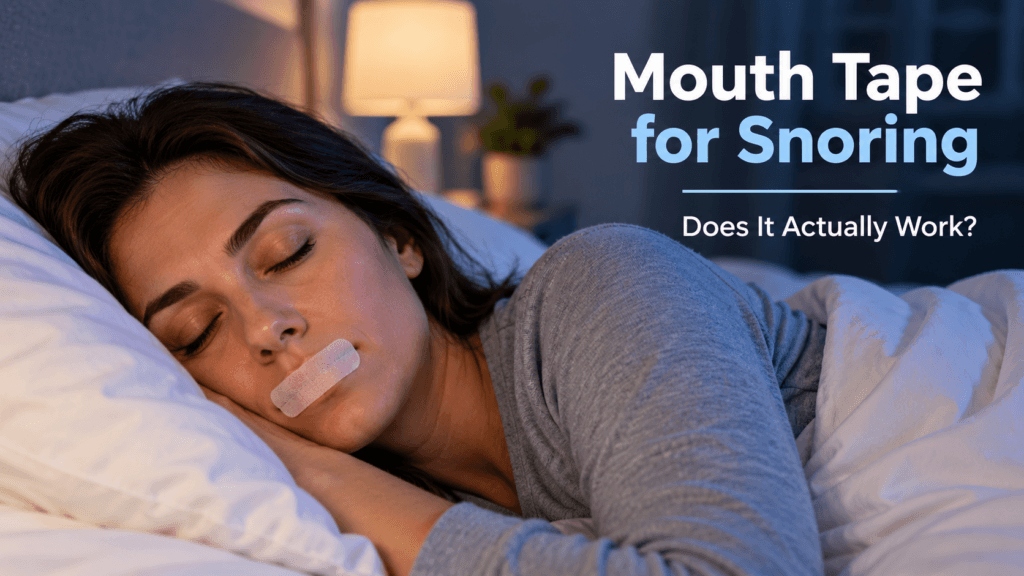
Mouth tape may reduce snoring in some people who sleep with their mouth open, but evidence is limited. It is not a proven treatment for snoring overall and does not treat obstructive sleep apnea. Avoid relying on mouth tape if you have nasal blockage, significant congestion, gasping, breathing pauses, or suspected sleep apnea.
- Mouth tape may help only a selected group of mouth-breathing snorers.
- A person can still snore with the mouth closed because snoring can come from narrowing elsewhere in the airway.
- Mouth taping is not a treatment for obstructive sleep apnea.
- Do not use mouth tape when nasal breathing is blocked or unreliable.
- Nasal strips, side sleeping, or medical evaluation may make more sense depending on the cause of snoring.
- Persistent loud snoring, gasping, witnessed breathing pauses, or excessive daytime sleepiness deserve medical evaluation.
Mouth tape for snoring has become a popular sleep trend, especially among people who wake with a dry mouth or notice that they sleep with their mouth open. But the evidence is much less certain than social media claims can make it sound.
The short answer: Mouth taping may reduce snoring in some people whose snoring is related to sleeping with the mouth open, but research is limited and it is not a proven treatment for snoring in general. It also does not treat obstructive sleep apnea (OSA), and taping the mouth can be inappropriate or unsafe for some people.
- Does Mouth Tape for Snoring Actually Work?
- What Is Mouth Taping for Sleep?
- What Does the Research Say?
- Can You Still Snore With Your Mouth Taped?
- Mouth Taping vs. Sleep Apnea
- Who Should Avoid Mouth Taping?
- Possible Risks and Side Effects
- How to Use Mouth Tape More Safely
- What to Look for When Choosing Sleep Mouth Tape
- Alternatives to Mouth Tape for Snoring
- Bottom Line
- Frequently Asked Questions
- Related Reads
- References
Does Mouth Tape for Snoring Actually Work?
Mouth tape may help some mouth-breathing snorers by encouraging the lips to remain closed and shifting breathing toward the nose. However, snoring has many possible causes, so closing the mouth does not necessarily address the reason someone snores.
Why mouth taping may reduce snoring in some people
If a person can breathe comfortably through the nose but habitually sleeps with the mouth open, keeping the lips closed may reduce mouth breathing during sleep. Limited research suggests this may improve snoring measures in selected groups, but the findings should not be generalized to everyone who snores.
Why mouth tape won’t fix every type of snoring
Snoring can be related to sleeping position, nasal obstruction, anatomy, alcohol or sedative use, body weight, aging-related changes, or narrowing and collapse of the upper airway. Mouth tape does not correct all of these factors. A person can therefore continue to snore even when the lips remain closed.
What Is Mouth Taping for Sleep?
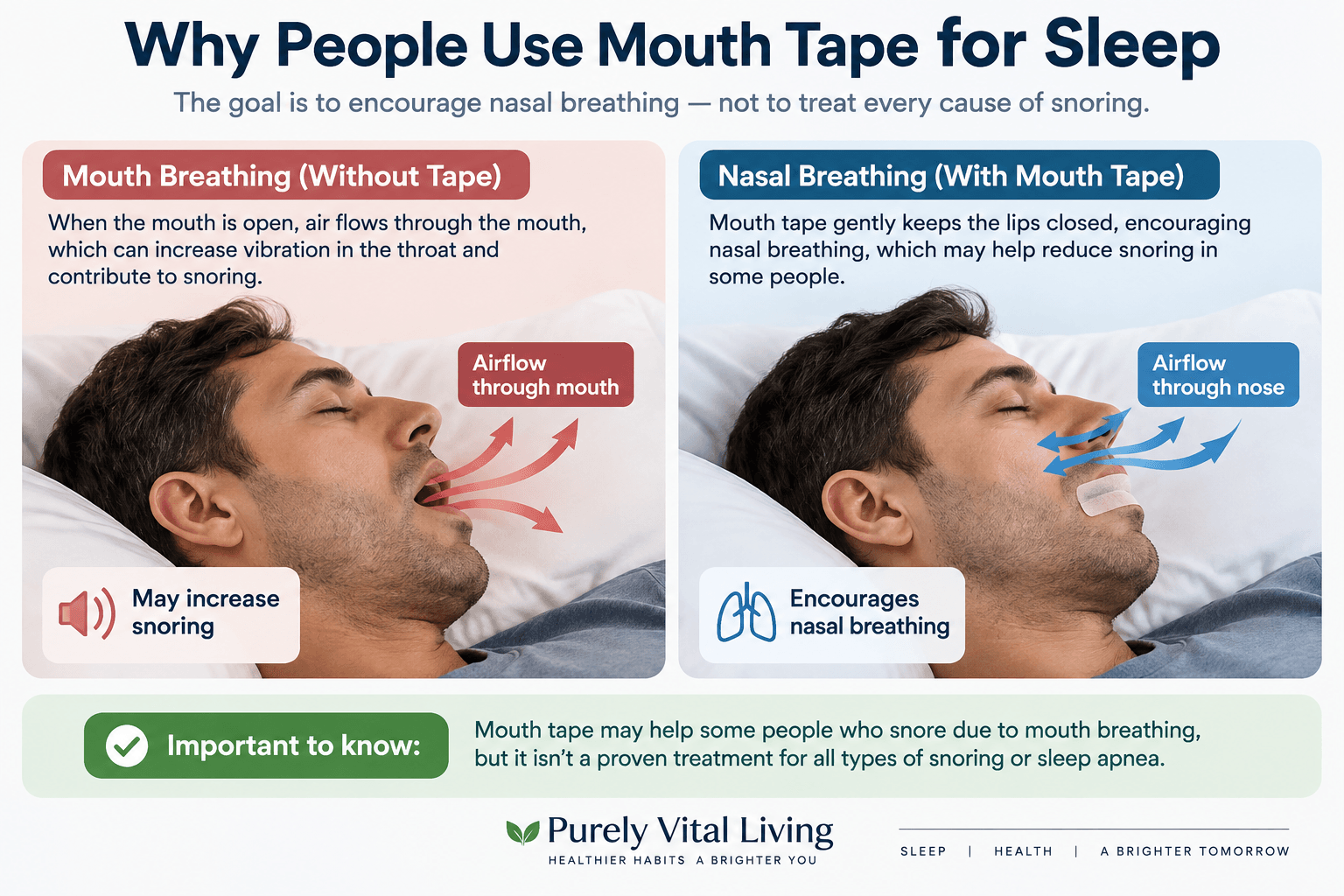
Mouth taping for sleep involves placing a purpose-designed adhesive strip over or around the lips before bed to discourage the mouth from falling open during sleep. The goal is generally to encourage nasal rather than oral breathing.
That goal should not be confused with a proven health outcome. Encouraging nasal breathing does not automatically mean that mouth taping improves sleep quality, prevents snoring, or treats an underlying sleep disorder.
What Does the Research Say About Mouth Taping and Snoring?
The current evidence is limited. A 2025 systematic review of mouth taping during sleep found that some studies reported small improvements in measures such as snoring index and sleep-disordered breathing outcomes, but the evidence was not strong enough to establish mouth taping as a broadly effective treatment.
| Evidence question | Current takeaway |
|---|---|
| Can mouth taping reduce snoring? | Limited evidence suggests it may help selected people. |
| Does it work for everyone? | No. Snoring has multiple causes. |
| Is mouth tape a proven snoring treatment? | No. |
| Does mouth tape treat sleep apnea? | No. |
| Is more research needed? | Yes. |
This distinction matters because small studies in carefully selected participants cannot tell us that mouth tape is effective or appropriate for every person who snores. Claims about better sleep, oxygen levels, or other health benefits should also be treated cautiously unless they are supported by good evidence.
Can You Still Snore With Your Mouth Taped?
Yes. Snoring is produced by vibration of tissues as air moves through a narrowed upper airway. The mouth being open can contribute in some people, but it is not the only cause. If the narrowing or vibration occurs elsewhere in the airway, keeping the lips closed may do little to stop the sound.
Continued loud or disruptive snoring is a reason to look beyond the mouth itself, particularly when it occurs with other symptoms that could suggest sleep-disordered breathing.
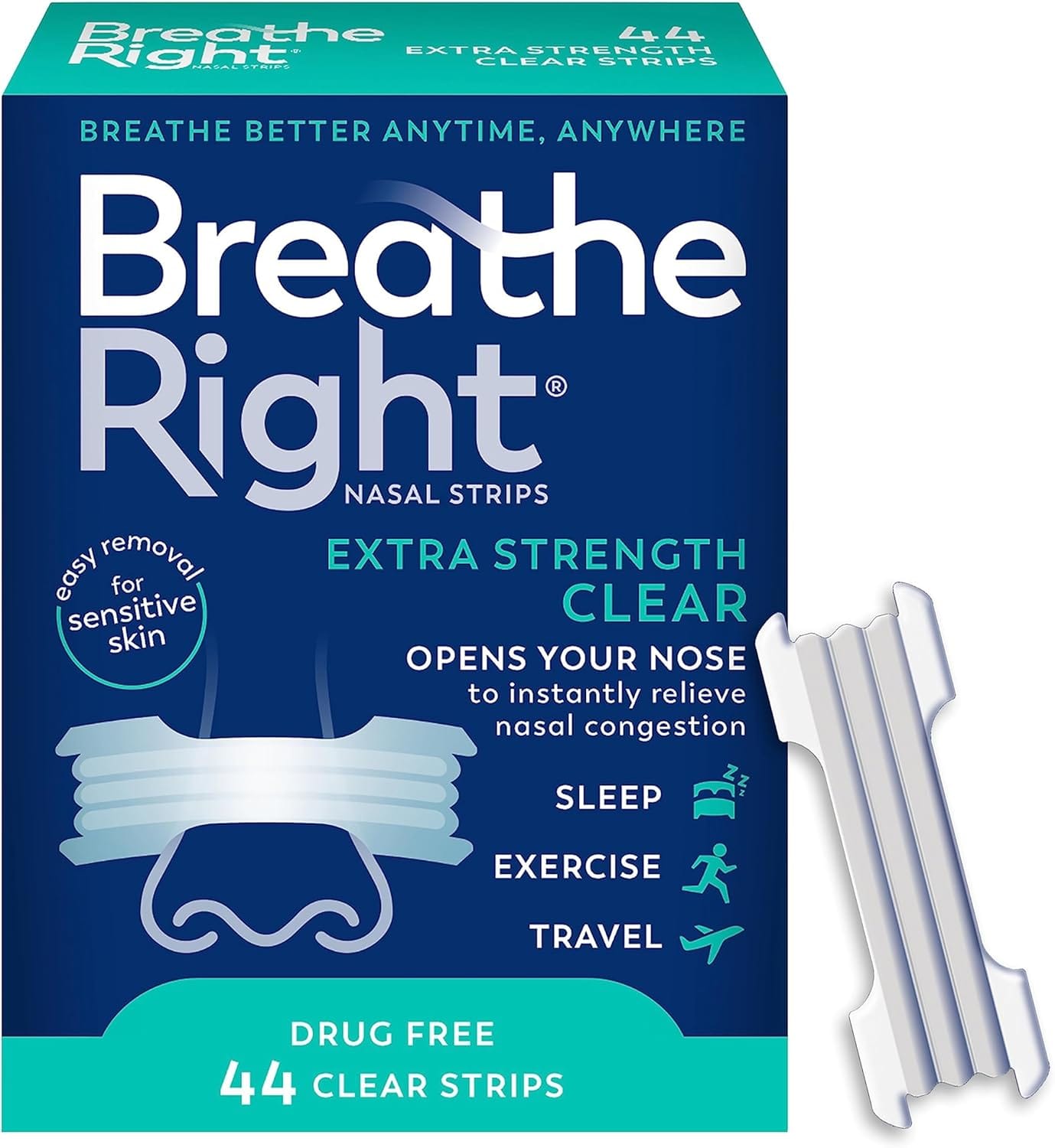
PVL Rating: 4.1/5 · $17.51 existing PVL sale price
A drug-free external nasal dilator that mechanically lifts the sides of the nose to improve airflow through the nasal valve. It may be useful when nasal resistance contributes to nighttime breathing difficulty or snoring, but evidence for snoring reduction is mixed and it does not treat obstructive sleep apnea.
As an Amazon Associate, Purely Vital Living may earn from qualifying purchases. Price shown reflects the existing PVL listing and may change.
Mouth Taping vs. Sleep Apnea: An Important Difference
Snoring and obstructive sleep apnea are not the same thing. Simple snoring can occur without repeated breathing interruptions, while OSA involves episodes in which the upper airway becomes partly or completely blocked during sleep.
Mouth tape is not a treatment for obstructive sleep apnea. If snoring is accompanied by witnessed pauses in breathing, gasping or choking during sleep, pronounced daytime sleepiness, or other concerning symptoms, medical assessment is more important than experimenting with tape.
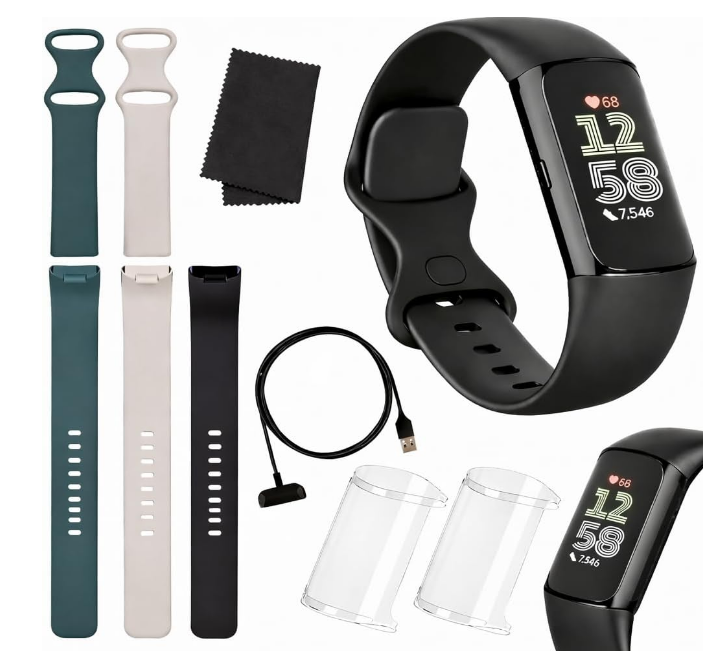
PVL Rating: 4.3/5 · $169.95 existing PVL sale price
A compact fitness tracker that can help you follow sleep duration, overnight trends, heart rate, and related wellness metrics. It may help you notice patterns worth discussing with a clinician, but consumer wearables do not diagnose the cause of snoring or obstructive sleep apnea.
As an Amazon Associate, Purely Vital Living may earn from qualifying purchases. Price shown may change.
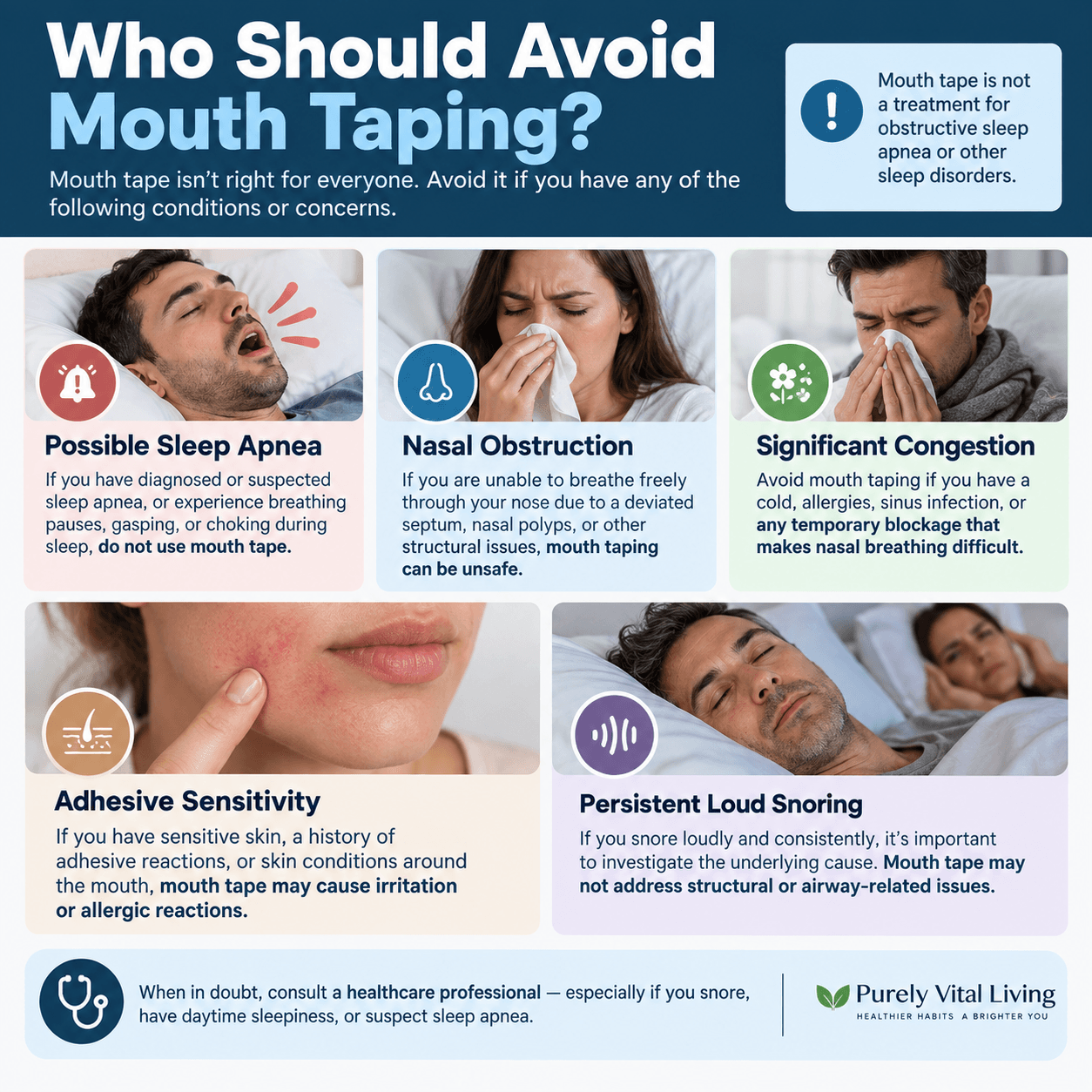
Who Should Avoid Mouth Taping?
Mouth taping is not appropriate for everyone. Avoid using it when you cannot breathe freely through your nose or when there is a reason to suspect an untreated sleep or breathing disorder.
- People with suspected or diagnosed obstructive sleep apnea unless specifically advised by an appropriate healthcare professional.
- Anyone with significant nasal congestion or obstruction.
- People who wake gasping or choking or have witnessed pauses in breathing.
- Anyone who cannot comfortably breathe through the nose while awake.
- People who develop significant irritation or reactions to adhesives.
- Anyone uncertain about the cause of persistent or loud snoring.
Possible Risks and Side Effects of Mouth Tape
Potential problems include skin irritation around the lips, discomfort when removing adhesive, anxiety or a feeling of restriction, and difficulty breathing if nasal airflow becomes limited. These concerns are especially important for people with congestion or an underlying breathing problem.
A wellness trend should not delay evaluation of persistent snoring or symptoms suggestive of sleep apnea.
How to Use Mouth Tape for Sleep More Safely
If you are considering mouth tape and have no known breathing disorder, first make sure you can breathe comfortably through your nose while awake. Do not tape over significant nasal congestion, and stop if you experience breathing difficulty, marked anxiety, or a skin reaction.
Use a product intended for use on the lips or facial skin rather than strong household or industrial adhesive. Follow the manufacturer’s directions and avoid assuming that tighter or more complete sealing will produce a better result.
What to Look for When Choosing Sleep Mouth Tape
If mouth taping is appropriate for you, focus on practical design and skin comfort rather than exaggerated health claims. Features worth comparing include the adhesive, material, shape, ease of removal, whether the design leaves a small opening, and whether the product is disposable or reusable.
People with sensitive skin should pay particular attention to adhesive ingredients and manufacturer guidance. A product being marketed as “anti-snoring” does not prove that it will reduce snoring or that it is appropriate for every sleeper.
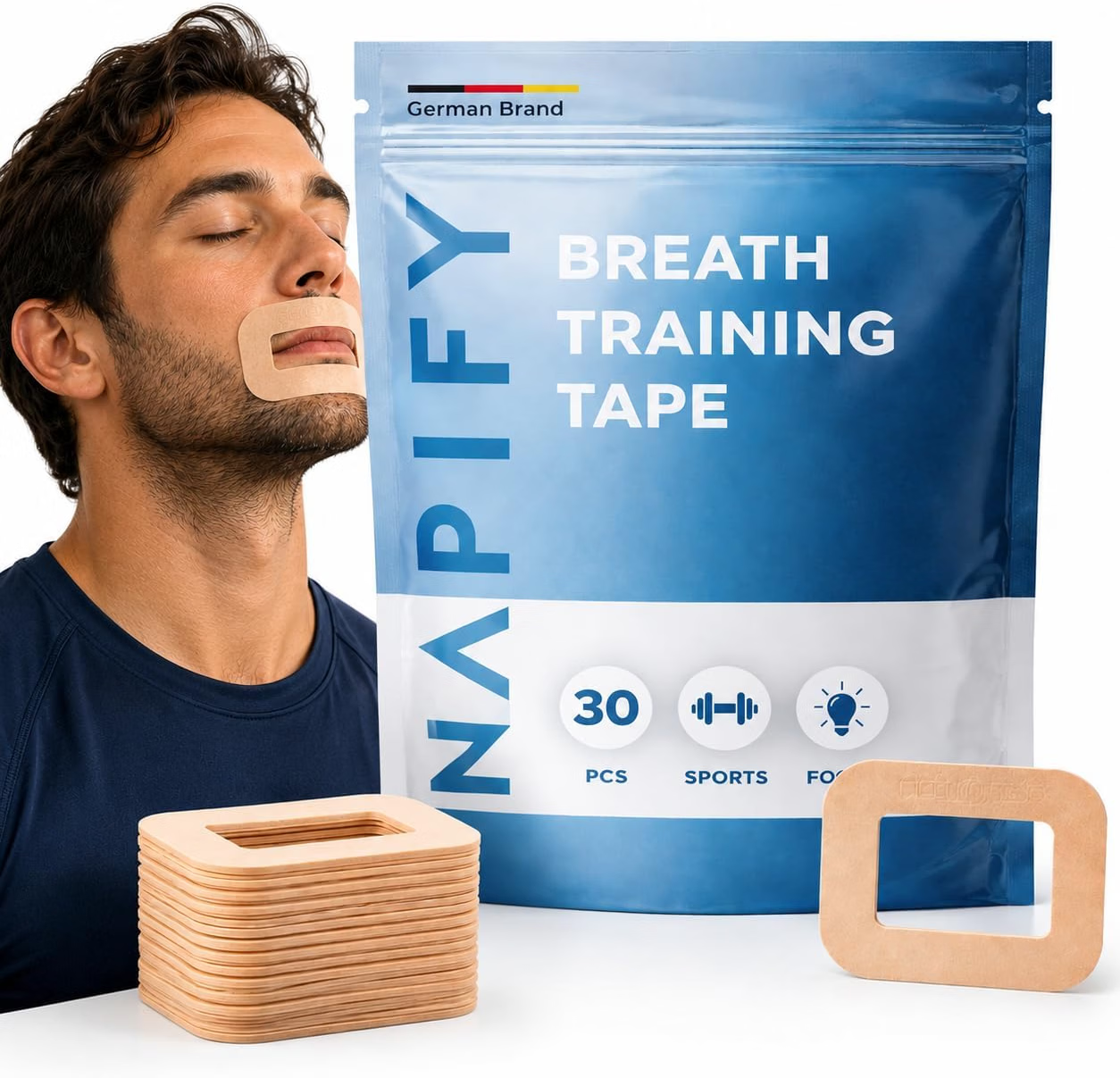
PVL Rating: 3.0/5 · $19.95 supplied price
A 30-piece, open-center mouth tape designed to encourage nasal breathing in adults. The pre-cut format is convenient, but independent evidence for mouth taping remains limited, and it should not be used to treat snoring or sleep apnea. Avoid it if nasal breathing is obstructed or other contraindications apply.
As an Amazon Associate, Purely Vital Living may earn from qualifying purchases. Price shown was supplied at the time of writing and may change.
Alternatives to Mouth Tape for Snoring
The best alternative depends on why you snore. For some people, addressing nasal airflow or sleeping position makes more sense than trying to keep the mouth closed. Persistent snoring may require assessment of the underlying cause.
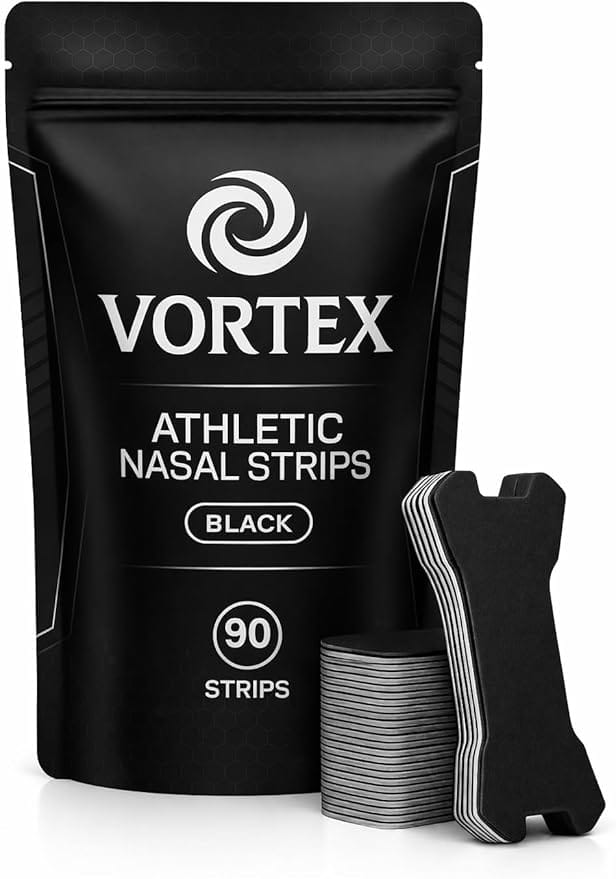
A wide-fit external nasal strip designed to mechanically support nasal airflow during sleep or exercise. It may be worth considering when nasal resistance is part of the problem, but it should not be treated as a proven snoring remedy or a treatment for obstructive sleep apnea.
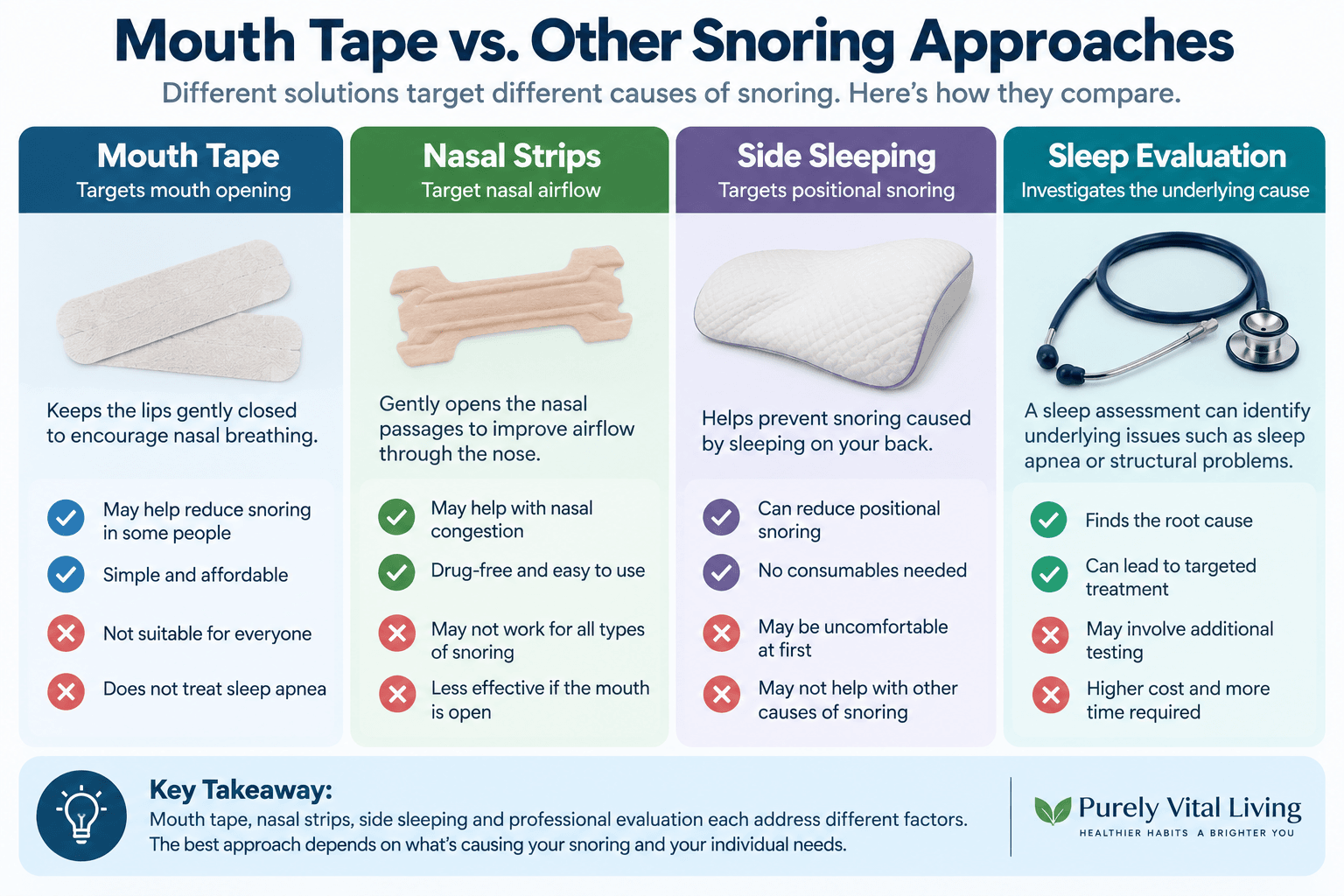
| Option | What it targets | When it may make more sense |
|---|---|---|
| Mouth tape | Mouth opening during sleep | Selected people who can breathe freely through the nose |
| Nasal strips | Nasal airflow | When nasal resistance contributes to nighttime breathing difficulty |
| Side sleeping | Sleep position | When snoring is worse while sleeping on the back |
| Medical or sleep evaluation | Underlying cause | Persistent, loud snoring or possible sleep apnea symptoms |
If Position Matters More Than Nasal Airflow
If your snoring is noticeably worse on your back, experimenting with side sleeping may be more relevant than adding another breathing accessory. A pillow cannot treat snoring, but an adjustable design can make it easier to fine-tune comfort while trying a different sleep position.
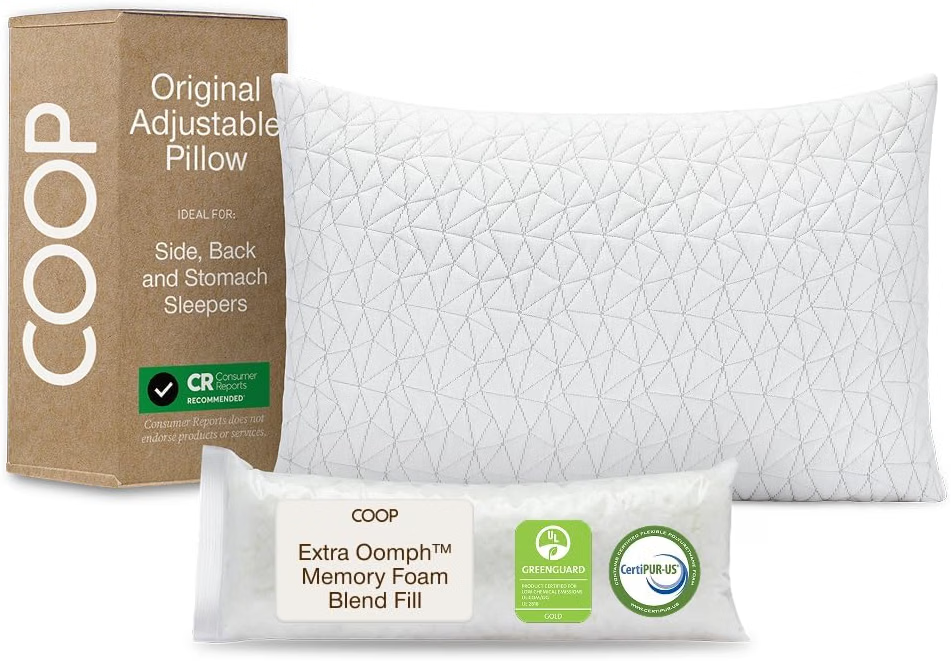
PVL Rating: 4.4/5 · $89.00 supplied price
A customizable shredded-memory-foam pillow that lets sleepers adjust loft for side, back, or combination sleeping. It can support experimenting with side sleeping when snoring is worse on the back, but it is not an anti-snoring treatment and does not treat obstructive sleep apnea.
As an Amazon Associate, Purely Vital Living may earn from qualifying purchases. Price shown was supplied at the time of writing and may change.
Snoring is only one part of the sleep picture. Use the free PVL Sleep Score Calculator to review everyday habits that may be supporting—or interfering with—your sleep. The score is a wellness tool, not a diagnosis or substitute for a sleep evaluation.
Check Your Sleep ScoreBottom Line: Is Mouth Tape Worth Trying for Snoring?
Mouth tape is not a proven cure for snoring. Limited evidence suggests it may help some people whose snoring is associated with sleeping with the mouth open, but it will not address every cause of snoring and should not be used as a substitute for diagnosing or treating obstructive sleep apnea.
If you snore persistently, cannot breathe comfortably through your nose, or have signs such as gasping, choking, breathing pauses, or significant daytime sleepiness, identifying the underlying cause should come before experimenting with mouth taping.
Frequently Asked Questions
Does taping your mouth stop snoring?
Not necessarily. Mouth tape may reduce snoring in some people who habitually sleep with their mouth open, but snoring can also come from narrowing in the nose, soft palate, tongue, or throat. Because the evidence is limited, mouth taping should not be treated as a reliable or universal snoring treatment.
Can you still snore if your mouth is taped?
Yes. Keeping the lips closed does not prevent snoring if vibration or narrowing occurs elsewhere in the upper airway. A person may continue to snore because of nasal obstruction, sleep position, anatomy, alcohol use, or obstructive sleep apnea, even when the mouth remains closed.
Is mouth tape safe to use while sleeping?
Mouth tape is not safe for everyone. Avoid it if you have nasal blockage, significant congestion, suspected or untreated sleep apnea, breathing difficulty, or a strong adhesive reaction. If you experience gasping, witnessed breathing pauses, loud persistent snoring, or marked daytime sleepiness, seek medical evaluation instead of self-treating with tape.
Who should avoid mouth taping?
People who cannot breathe comfortably through their nose should avoid mouth taping. That includes anyone with significant congestion or nasal obstruction, suspected or diagnosed sleep apnea, nighttime gasping or choking, witnessed breathing pauses, or difficulty removing the tape independently. Persistent loud snoring should be evaluated before experimenting with mouth tape.
What can I use instead of mouth tape for snoring?
Alternatives depend on the cause of the snoring. Nasal strips may help when nasal airflow is limited, while side sleeping may help if snoring is worse on the back. Persistent loud snoring, gasping, breathing pauses, or daytime sleepiness are reasons to seek a medical or sleep evaluation rather than relying on a consumer product.
Related Reads
- How to Improve Sleep Quality Naturally
- How to Fall Asleep Faster Naturally Tonight
- How to Improve Deep Sleep: 10 Science-Backed Strategies
- Living With Sleep Apnea: Fatigue & High Blood Pressure
- PVL Sleep Score Calculator
References
- Rhee J, et al. Systematic review of the safety and efficacy of mouth taping. PLOS One. 2025.
- Lee YC, et al. Preliminary study of mouth taping in selected mouth-breathers with mild obstructive sleep apnea. 2022.
- Cleveland Clinic — Is Mouth Tape Safe To Use While Sleeping?
- Sleep Foundation — Mouth Taping for Sleep: Does It Work?
- Mayo Clinic — Snoring: Diagnosis and Treatment