

You bought a probiotic with 50 billion CFU on the label, took it for a month, and your bloating didn’t budge. Now you’re wondering whether probiotics are a scam or you just grabbed the wrong bottle. The answer is almost always the latter. Finding the best probiotics for bloating comes down to strain identity, and many labels omit clear strain-level RCT evidence, look for full strain names to verify what trial data actually exists before you buy.
Shoppers often compare CFU counts the way they compare thread counts on sheets, assuming bigger is better. Clinical research doesn’t support that logic. What the research does support is a short list of specific strains with repeated evidence behind them. This guide breaks down those strains, explains how to evaluate a label in under two minutes, sets realistic expectations for how long relief takes, and reviews five products worth considering in 2026. Every pick is linked in PurelyVital Living’s curated gut health supplement store, so you can read, compare, and shop in one place.
Quick Answer: What Is the Best Probiotic for Bloating?
There isn’t one probiotic that works best for everyone.
The strongest approach is to choose based on strain-specific evidence rather than CFU count alone. Strains commonly studied in relation to bloating and digestive symptoms include Lactiplantibacillus plantarum 299v, Bifidobacterium infantis 35624, Bifidobacterium lactis, Lactobacillus rhamnosus GG, and Bacillus coagulans.
Your underlying cause of bloating also matters. IBS, constipation, food intolerance, dietary fermentation, and other digestive problems don’t necessarily respond to the same intervention.
A probiotic should therefore be viewed as a targeted trial—not a guaranteed solution for every type of bloating.
Why most probiotics don’t fix bloating (and what actually matters)
Not all probiotic strains do the same job
Probiotics are not a category with interchangeable members. Every strain has its own effect on the gut microbiome, its own fermentation behavior, and its own evidence profile. A product labeled “digestive support” is not the same as a product containing a strain tested in a controlled trial for IBS-related gas and bloating. Older systematic reviews concluded that no single strain consistently outperformed placebo across all IBS symptoms, which is exactly why strain identity is the first decision, not brand name or price.
The second-most common mistake is confusing clinical evidence with marketing language. Terms like “gut-friendly formula” or “advanced digestive blend” say nothing about whether the strains inside have ever been tested for bloating specifically. You need a strain name on the label, written in full Latin nomenclature, before you can verify whether it belongs in a bloating-relief protocol.
Single-strain vs. multi-strain: what the data actually shows
More strains do not reliably equal more benefit. A 2023 network meta-analysis confirmed that both single-strain and multi-strain probiotics can reduce abdominal bloating, but multi-strain products were not consistently more effective than their single-strain counterparts. The NIH Office of Dietary Supplements states plainly: there is no evidence that benefits are greater when more than one probiotic strain is used. What determines whether a product works is whether the specific strain or combination has its own clinical evidence for bloating, not how many strains appear on the label.
Best probiotics for bloating: the strains with real clinical evidence
Bacillus coagulans and L. plantarum 299v: the strongest candidates
If you want to start with the strains that have the most consistent data behind them, these two are the clearest choices. Bacillus coagulans had the highest probability of being the optimal species for IBS symptom relief, including bloating, in a 2023 network meta-analysis (Shi et al., Frontiers in Pharmacology), and a separate review confirmed significant improvement in bloating scores versus placebo.
Lactiplantibacillus plantarum 299v showed significant improvement in abdominal bloating across multiple trials and is one of the few strains with repeated RCT support. Study doses for both typically fall in the 10 to 10 CFU range, with trial durations running four to eight weeks.
One notable feature of Bacillus coagulans: it’s a spore-forming strain, which means it survives stomach acid more reliably than non-spore-forming bacteria, a commonly cited mechanistic advantage for delivery to the large intestine, where fermentation-related bloating originates. Independent research on spore-forming Bacillus species supports this survivability rationale (Cutting, FEMS Microbiology Reviews, 2011).
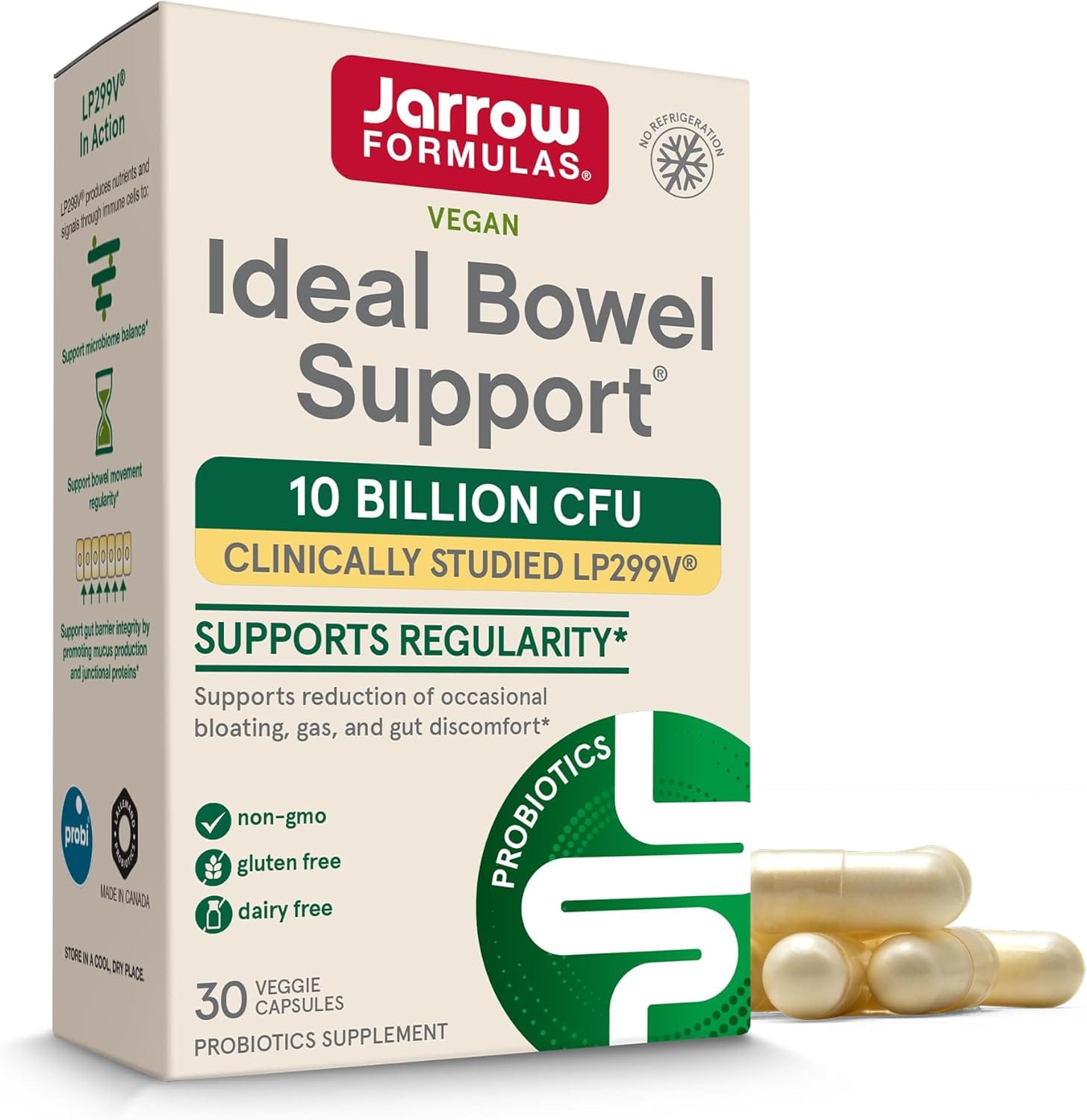
A focused 10-billion-CFU formula built around Lactiplantibacillus plantarum 299v, the exact strain discussed above for bloating and digestive discomfort.
As an Amazon Associate, Purely Vital Living may earn from qualifying purchases. Price shown was supplied at the time of writing and may change.
Bifidobacterium bifidum MIMBb75, Lactobacillus rhamnosus GG, and B. infantis 35624
Bifidobacterium bifidum MIMBb75 was identified as significantly better than placebo for abdominal bloating in the same 2023 network meta-analysis. The evidence is solid and strain-specific, making it a credible secondary choice for people who don’t respond to L. plantarum 299v or B. coagulans.
Lactobacillus rhamnosus GG produced a meaningful result in one double-blind crossover trial: bloating severity improved in 17 of 19 patients on LGG versus 8 of 19 on placebo. That said, pooled meta-analysis data for LGG is mixed, so it’s best viewed as a secondary option rather than a frontline pick for bloating.
Bifidobacterium infantis 35624 has a well-established evidence base for overall IBS symptom relief, several meta-analyses rank it among the most consistently supported single strains for IBS-related outcomes, including bloating and abdominal discomfort. Its standalone bloating benefit is somewhat less consistent than that of L. plantarum 299v or B. coagulans in bloating-specific endpoints, but it remains a strong choice, particularly for IBS-C presentations where distension and discomfort overlap.

Which Probiotic Strains Are Best for Bloating?
Choosing a probiotic for bloating is more complicated than simply looking for the largest CFU number on the bottle. Different probiotic strains can have different effects, which is why strain identity deserves more attention than broad claims such as “digestive support.”
| Probiotic strain | Why it’s relevant |
|---|---|
| Lactiplantibacillus plantarum 299v | Studied for abdominal discomfort, gas, and IBS-related digestive symptoms |
| Bifidobacterium infantis 35624 | Studied for IBS-related symptoms including bloating and abdominal discomfort |
| Bifidobacterium lactis | Commonly used for digestive support and bowel regularity |
| Lactobacillus rhamnosus GG (LGG) | Widely studied probiotic strain used in digestive-health products |
| Lactobacillus acidophilus | Common probiotic species used for general digestive and lactose support |
| Bacillus coagulans | Spore-forming probiotic studied in relation to digestive and IBS symptoms |
The important distinction is strain specificity. Two supplements may both contain Lactobacillus or Bifidobacterium but use different strains with different research behind them.
That’s why the full strain name on the label can be more useful than simply comparing the total number of probiotic species or CFUs.
How to read a probiotic label before you buy
CFU counts that show up in clinical trials
Most effective probiotic supplements for gas and bloating in published research used between 1 billion and 20 billion CFU per day. Higher numbers are not automatically more effective. What matters more is whether the stated CFU count is guaranteed at the time of expiry, not just at time of manufacture, and whether the delivery format protects those bacteria from stomach acid. Enteric-coated capsules and spore-forming strains like Bacillus coagulans have a survival advantage over standard capsules with fragile strains.
Third-party testing is the only way to confirm that what’s on the label is actually in the bottle, treat its absence as a disqualifying factor. Look for certifications from NSF International, USP, or Informed Sport, all of which audit supplement label accuracy. If a product lists a specific strain name and backs it with third-party verification, that’s a label you can actually work with.

How to Choose a Probiotic for Bloating
Before buying a probiotic, turn the bottle around and look beyond the marketing claims on the front.
1. Look for the Full Strain Name
“Contains Lactobacillus” isn’t particularly informative. Ideally, the manufacturer should identify the specific strain used in the product.
For example: Lactiplantibacillus plantarum 299v provides much more useful information than simply: Lactobacillus blend.
The strain identifier makes it possible to investigate whether that exact microorganism has been studied for the digestive outcome you’re interested in.
2. Don’t Choose by CFU Count Alone
A product containing 50 or 100 billion CFUs isn’t automatically better than one containing 10 billion.
The relevant questions are:
- Which strains are included?
- How much evidence supports those strains?
- Is the CFU level guaranteed through expiration?
- How should the product be stored?
- Does the delivery system protect the organisms appropriately?
3. Check for Added Prebiotics
Some probiotics contain inulin, FOS, or other prebiotic ingredients. These may be useful for some people, but they can also increase fermentation and gas in sensitive individuals.
4. Look for Independent Quality Testing
Third-party verification can provide additional assurance about product quality and whether the contents match what’s stated on the label.
5. Match the Product to Your Main Digestive Problem
A probiotic chosen for IBS-related bloating may not be the same product you’d select primarily for bowel regularity, antibiotic-associated diarrhea, or general digestive support.
Realistic timeframes: how long before bloating improves
For IBS-related bloating, most studies recorded measurable benefit after four weeks of daily use. Some people notice early changes within the first week, but these can be temporary adjustment effects, including a brief uptick in gas, rather than genuine improvement. The practical protocol is straightforward: use the product consistently for at least four weeks before evaluating whether it’s working, and track symptoms with a simple daily note rather than relying on memory. If there’s no meaningful change after six to eight weeks, that strain or dose is probably not a good fit.
How Long Do Probiotics Take to Work for Bloating?
Probiotics generally shouldn’t be judged after only one or two doses.
Depending on the strain, product, digestive condition, and individual response, it may take several weeks of consistent use before you can reasonably assess whether a probiotic is helping.
- Daily bloating severity
- Gas
- Abdominal discomfort
- Bowel movement frequency
- Stool consistency
- Foods associated with symptoms
If you’ve used the product consistently for the suggested trial period and see no meaningful improvement—or symptoms become worse—it may simply be the wrong strain or product for your needs.

Probiotics vs. Prebiotics for Bloating: What’s the Difference?
Probiotics contain live microorganisms.
Prebiotics are compounds that are used by microorganisms in the gut and can help support certain beneficial bacteria.
Some prebiotic fibers are highly fermentable. Fermentation can be beneficial to the gut microbiome, but it also produces gases. For someone who is particularly sensitive to fermentation, introducing a large amount of prebiotic fiber too quickly may temporarily increase gas and bloating.
Some supplements combine both probiotics and prebiotics. These are commonly called synbiotics.
Probiotics vs. Fiber for Bloating
Fiber and probiotics can both influence digestive health, but they serve different purposes.
Probiotics introduce specific microorganisms into the digestive system.
Fiber can support stool formation, bowel regularity, and—in the case of certain fermentable fibers—provide substrates for gut microorganisms.
If bloating occurs alongside constipation or irregular bowel movements, fiber intake may be part of the broader picture. However, increasing fiber rapidly can itself cause gas and bloating, especially if your previous intake was relatively low.
So the question isn’t simply: “Should I take probiotics or fiber?” A better question is: “What is driving my bloating, and which intervention best matches that problem?”

Can You Get Probiotics From Food Instead?
Supplements aren’t the only source of beneficial microorganisms.
Fermented foods can also contribute live cultures, depending on how the food is produced and processed.
- Yogurt with live cultures
- Kefir
- Sauerkraut containing live cultures
- Kimchi
- Other traditionally fermented foods
Foods and supplements shouldn’t necessarily be viewed as interchangeable, however. A probiotic supplement can provide a defined strain and dose, while fermented foods contain varying microbial populations and amounts.
Best probiotics for bloating in 2026: our top picks reviewed
These picks were selected based on strain identity verified against clinical literature, CFU counts within studied ranges, third-party testing credentials, and U.S. availability. All of them are linked in PurelyVital Living’s gut health supplement store, where you can compare options and shop directly with context on why each product made the list.
Affiliate disclosure: PurelyVital Living earns a commission on purchases made through the store links below.
1. Best overall: Mindbodygreen Advanced Probiotic+
Mindbodygreen Advanced Probiotic+ uses Lactiplantibacillus plantarum 299v and Bifidobacterium lactis Bi-07, two strains with documented clinical evidence for digestive support and bloating reduction. It carries third-party testing credentials and a CFU count that lands in the studied range. It’s a strong fit for adults dealing with functional bloating or unpredictable digestion who want a well-documented starting point. Expect to use it consistently for four weeks before drawing conclusions.
2. Best for IBS-related bloating: Align Probiotic Bloating Relief + Food Digestion
Align uses Bifidobacterium infantis 35624, one of the most robust single-strain options for IBS-related abdominal discomfort and distension, supported by multiple clinical trials and meta-analyses. This is the pick most likely to help if your bloating is tied to an IBS diagnosis, particularly IBS-C. One limitation: it’s not the best match for people whose bloating is purely diet-related rather than IBS-driven. The strain dose is consistent with study protocols, and Align’s formulation has been stable and consistent across years of consumer use.
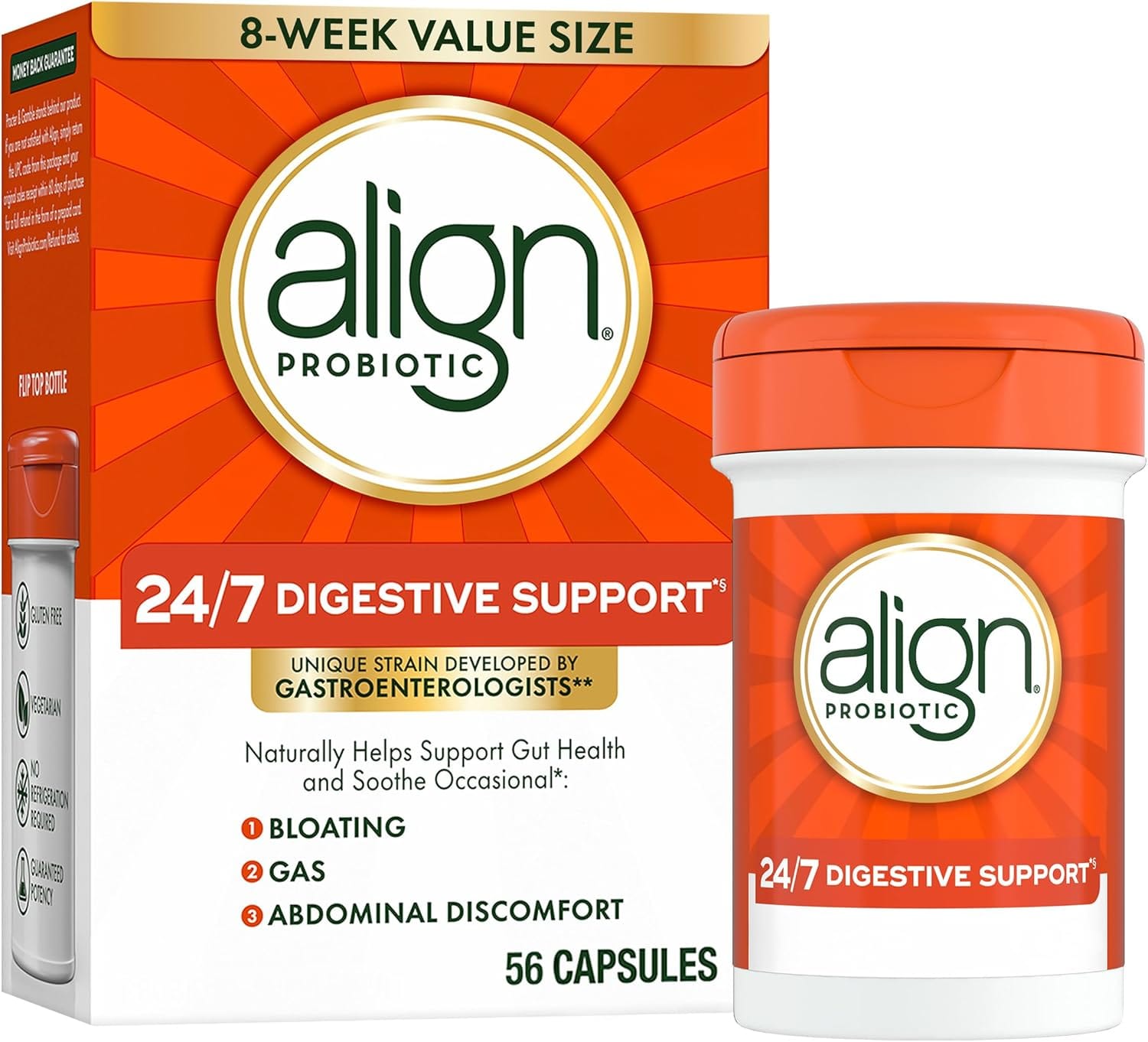
A once-daily probiotic centered on Bifidobacterium longum 35624, a strain studied for digestive comfort and IBS-related bloating.
As an Amazon Associate, Purely Vital Living may earn from qualifying purchases. Price shown was supplied at the time of writing and may change.
3. Best multi-strain option: Seed DS-01 Daily Synbiotic
Seed’s DS-01 is a synbiotic (probiotic plus prebiotic) with a transparent strain profile and strong third-party testing documentation. Its nested capsule is a manufacturer-stated design feature intended to protect strains through the stomach’s acidic environment before release in the colon, a meaningful consideration for fragile non-spore-forming strains. It’s a solid choice for people who haven’t responded to single-strain products or who want a comprehensive daily digestive foundation alongside targeted bloating support.
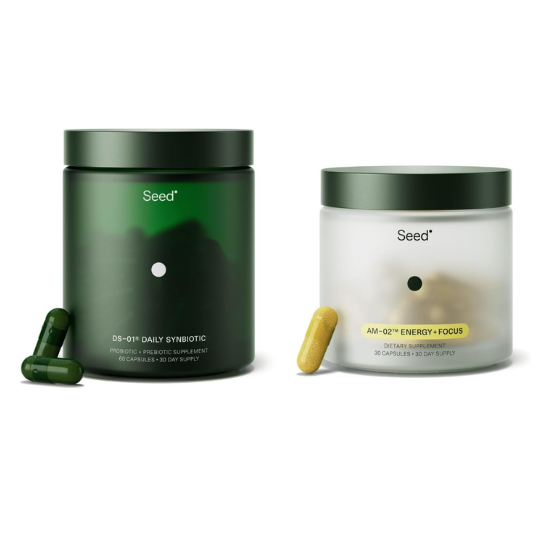
A premium synbiotic combining multiple probiotic strains with prebiotic support, designed for daily microbiome and digestive wellness.
As an Amazon Associate, Purely Vital Living may earn from qualifying purchases. Price shown was supplied at the time of writing and may change.
4. Budget-friendly pick: Ritual Synbiotic+
Ritual Synbiotic+ combines Lactobacillus rhamnosus GG and Bifidobacterium animalis ssp. lactis (BB-12), both clinically studied strains, with a prebiotic and postbiotic component. It carries third-party testing, a clean ingredient list, and a formula that many reviewers find easier on sensitive guts. It’s not the most potent option on this list, but it’s accessible, transparent, and formulated at reasonable doses. For wellness beginners starting their first probiotic protocol, it’s a low-friction entry point.
Browse the full curated lineup at PurelyVital Living’s gut health supplement store for direct shopping links, side-by-side strain comparisons, and updated picks as new products enter the market.

Can Probiotics Make Bloating Worse?
Yes. Although probiotics are commonly taken to support digestion, some people notice more gas or bloating when they first start taking one.
Introducing new microorganisms can temporarily change fermentation activity in the digestive tract. For some people, this may lead to increased gas or changes in bowel habits during the adjustment period.
This is particularly important for people who suspect an underlying digestive condition such as small intestinal bacterial overgrowth (SIBO). Probiotics aren’t automatically appropriate for every cause of bloating.
If bloating becomes severe, persists, or occurs alongside symptoms such as significant abdominal pain, unexplained weight loss, blood in the stool, persistent diarrhea, or vomiting, seek appropriate medical evaluation rather than relying on supplements alone.
Side effects, safety, and when to pause before starting a probiotic
Common early side effects and the SIBO caution
Gas, mild bloating, and cramping in the first few days of a new probiotic are common and usually resolve within one to two weeks. This is the gut microbiome adjusting to new bacterial input, not a signal that something is wrong. However, people with SIBO (small intestinal bacterial overgrowth) need to approach probiotics carefully. Adding live bacteria to a small intestine that’s already overpopulated can worsen bloating significantly, particularly in people with motility issues or those taking opioids or proton pump inhibitors. Anyone who suspects SIBO should confirm the diagnosis and get clinician guidance before choosing a strain.
Who should get medical guidance before starting
For otherwise healthy adults with everyday bloating and gas, probiotics are considered generally safe. The caution groups are specific and important: immunocompromised individuals (on immunosuppressants, undergoing chemotherapy, or with HIV), people who are critically ill or recently hospitalized, premature infants, and anyone with a central venous catheter. In these populations, live probiotic organisms carry a small but real risk of invasive infection or sepsis. If you fall into any of these categories, don’t self-prescribe a bloating relief probiotic without a conversation with your clinician first.
The bottom line on choosing the best probiotics for bloating
Start with strain identity, not CFU count or brand recognition. The strains with the most consistent clinical evidence for reducing bloating are Bacillus coagulans, Lactiplantibacillus plantarum 299v, and Bifidobacterium bifidum MIMBb75. Lactobacillus rhamnosus GG and B. infantis 35624 are credible secondary options, the latter especially strong for IBS-related presentations. Confirm the CFU count falls in the 1, 20 billion range, check for third-party testing, and give the product a full four-week trial before deciding whether it’s working.
The best probiotics for bloating are not the ones with the most aggressive marketing. They’re the ones where the strain name on the label connects directly to published research showing measurable symptom improvement. That bar is achievable, you just need to know what to look for.
PurelyVital Living’s gut health supplement store has every reviewed pick in one place, with direct links, strain notes, and context on who each product is best for. Find the right match for your situation and give it the consistent four-week trial it needs to work.
Related Reads
- Probiotics for IBS: What Does the Research Actually Say?
- Best Supplements for Gut Health and Digestion
- How to Heal Your Gut Microbiome Naturally
- 7 Signs of Poor Gut Health and How to Fix It
- Jarrow Probiotic Review: Ideal Bowel Support LP299V
- Align Probiotic Review: Pros, Cons & Results
- Seed DS-01 Review: Pros, Cons & Benefits
References
- Dale HF, Rasmussen SH, Asiller ÖÖ, Lied GA. Efficacy of Probiotics for Irritable Bowel Syndrome: A Systematic Review and Network Meta-Analysis.
- National Institutes of Health Office of Dietary Supplements. Probiotics: Health Professional Fact Sheet.
- Ducrotté P, Sawant P, Jayanthi V. Clinical trial: Lactobacillus plantarum 299v (DSM 9843) improves symptoms of irritable bowel syndrome.
- Whorwell PJ, et al. Efficacy of an encapsulated probiotic Bifidobacterium infantis 35624 in women with irritable bowel syndrome.
- Ringel Y, et al. Bifidobacterium infantis 35624 in people with abdominal discomfort and bloating: randomized placebo-controlled trial.
- Cutting SM. Bacillus probiotics.
Disclosure: This article contains affiliate links. PurelyVital Living may earn a commission on purchases made through links in this post, at no additional cost to you.