

Muscle changes are common with age, but a noticeable decline in strength, mobility, or everyday function should not be dismissed as “just getting older.” The most practical ways to prevent muscle loss after 50 are regular resistance training, adequate protein and calories, daily movement, and enough recovery. These habits help preserve the muscle you use for walking, lifting, balance, and independent living.
When muscle loss becomes more severe and affects physical performance, it may be related to sarcopenia. This guide explains the signs to watch for, why muscle declines with age, and how to build a realistic muscle-preservation plan. It is educational and does not replace individual medical advice.
- Quick Answer
- What Is Sarcopenia?
- Symptoms of Sarcopenia
- Why Muscle Loss Happens With Age
- How to Prevent Muscle Loss After 50
- Best Exercises for Muscle Preservation
- Can You Build Muscle After 50?
- Protein and Muscle Loss
- Supplements for Maintaining Muscle
- Can You Regain Muscle After 60?
- When to Get Professional Help
- Frequently Asked Questions
- The Bottom Line
Quick Answer: How Can You Prevent Muscle Loss After 50?
To help prevent muscle loss after 50, perform resistance exercise at least two days per week, train all major muscle groups, eat enough protein and total calories, and remain active between workouts. Increase resistance gradually as movements become easier, while allowing time for sleep and recovery. Avoid crash diets, because rapid weight loss can make it harder to preserve lean tissue. If your strength or muscle size is declining quickly, or the change comes with pain, falls, unexplained weight loss, or severe fatigue, speak with a healthcare professional.
What Is Sarcopenia?
Sarcopenia is an age-related condition involving low muscle strength, reduced muscle quantity or quality, and poorer physical performance. It is more than a cosmetic change. Strength and function matter because they affect whether you can rise from a chair, carry groceries, climb stairs, recover from illness, and stay steady on your feet.
Some decline in muscle can occur gradually with aging, but not everyone experiences it at the same rate. Activity level, nutrition, illness, medication, sleep, and long periods of inactivity can all influence the process. A person can also lose strength before a change in muscle size is obvious, which is why functional changes deserve attention.
Sarcopenia is diagnosed by a qualified healthcare professional using more than appearance alone. Assessment may include grip strength, walking speed, chair-rise performance, health history, and measures of body composition. If you are concerned, a clinician can help distinguish sarcopenia from other conditions that may cause weakness or weight loss.
What Are the Symptoms of Sarcopenia?

Common sarcopenia symptoms involve changes in strength and physical function. They are not specific to sarcopenia, however, and can also occur with medical conditions, inadequate nutrition, medication effects, or inactivity.
Declining Muscle Strength
You may notice that familiar tasks require more effort. Carrying shopping bags, opening containers, lifting a suitcase, or completing household work may feel harder than it did before. A gradual drop in grip strength can be an early functional clue.
Reduced Muscle Size
Arms or legs may look smaller, and clothes may fit differently. Visible size is not always the first or most reliable sign because body fat and fluid changes can hide a reduction in muscle tissue.
Difficulty Getting Up From a Chair
Needing to push strongly with your hands, rocking forward several times, or struggling to stand from a normal chair can indicate reduced lower-body strength. This movement depends on the thighs, hips, core, balance, and coordination.
Slower Walking or Reduced Mobility
A slower pace, shorter steps, difficulty climbing stairs, or avoiding longer walks may reflect declining strength or confidence. Changes that limit your usual activities deserve more attention than a single bad workout.
Getting Tired More Easily During Activity
Routine physical tasks may cause fatigue sooner than expected. Fatigue has many possible causes, so persistent or unexplained exhaustion should be discussed with a healthcare professional rather than attributed automatically to aging.
Problems With Balance or Everyday Activities
More frequent stumbles, difficulty recovering balance, or needing help with daily tasks can signal declining function. Our guide to balance exercises for seniors explains gentle ways to work on stability, but new falls or sudden balance changes require medical evaluation.
Why Do We Lose Muscle as We Age?
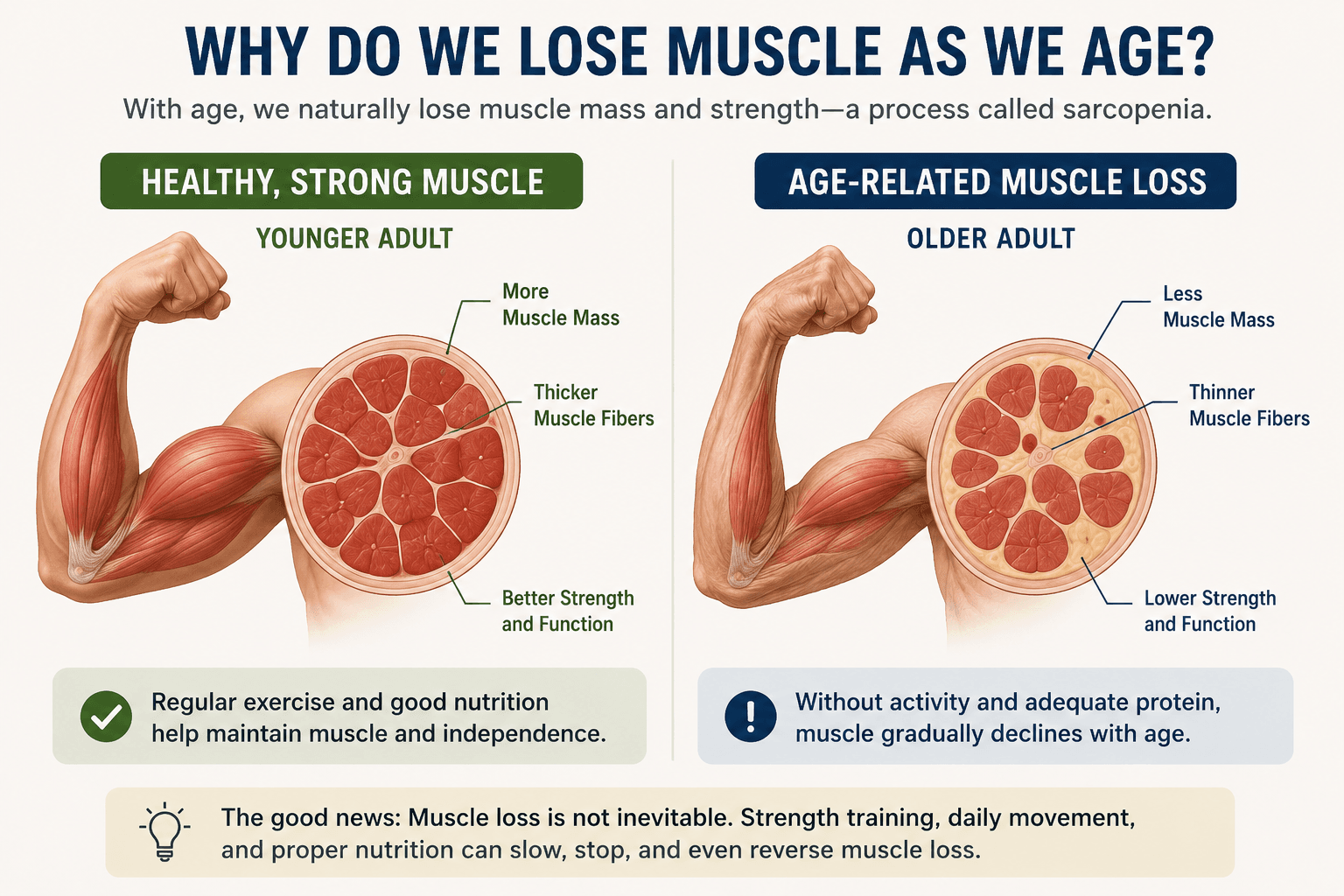
Reduced Physical Activity
Muscle adapts to the work it is asked to perform. When work, injury, joint discomfort, or a more sedentary routine reduces that demand, the body has less reason to maintain the same strength and tissue. Even active people may lose training stimulus if they walk regularly but stop lifting, pushing, pulling, or carrying.
Changes in Muscle Protein Synthesis
Muscle is constantly being broken down and rebuilt. With age, the muscle-building response to food and exercise may become less efficient. This does not mean muscle growth is impossible. It means a clear training stimulus, sufficient nutrition, and consistency become especially important.
Not Eating Enough Protein or Calories
Low appetite, dental problems, restrictive diets, digestive concerns, or difficulty preparing meals can reduce protein and energy intake. If the body lacks enough total energy, it may use amino acids for fuel rather than repair. Protein matters, but it cannot fully compensate for chronically inadequate food intake.
Hormonal and Metabolic Changes
Age-related changes in hormones, inflammation, insulin sensitivity, and nerve-muscle communication may influence muscle. These factors are complex and are not a reason to self-treat with hormones or unregulated products. A clinician should assess suspected medical or hormonal problems.
Illness, Injury, and Periods of Inactivity
Bed rest, surgery, hospitalization, and a painful injury can reduce movement quickly. Repeated inactive periods may be particularly difficult for older adults. Appropriate rehabilitation, nutrition, and a gradual return to activity can help rebuild function. Aging may influence muscle, but lifestyle still gives us several practical ways to support strength.
How to Prevent Muscle Loss After 50
1. Make Resistance Training a Priority
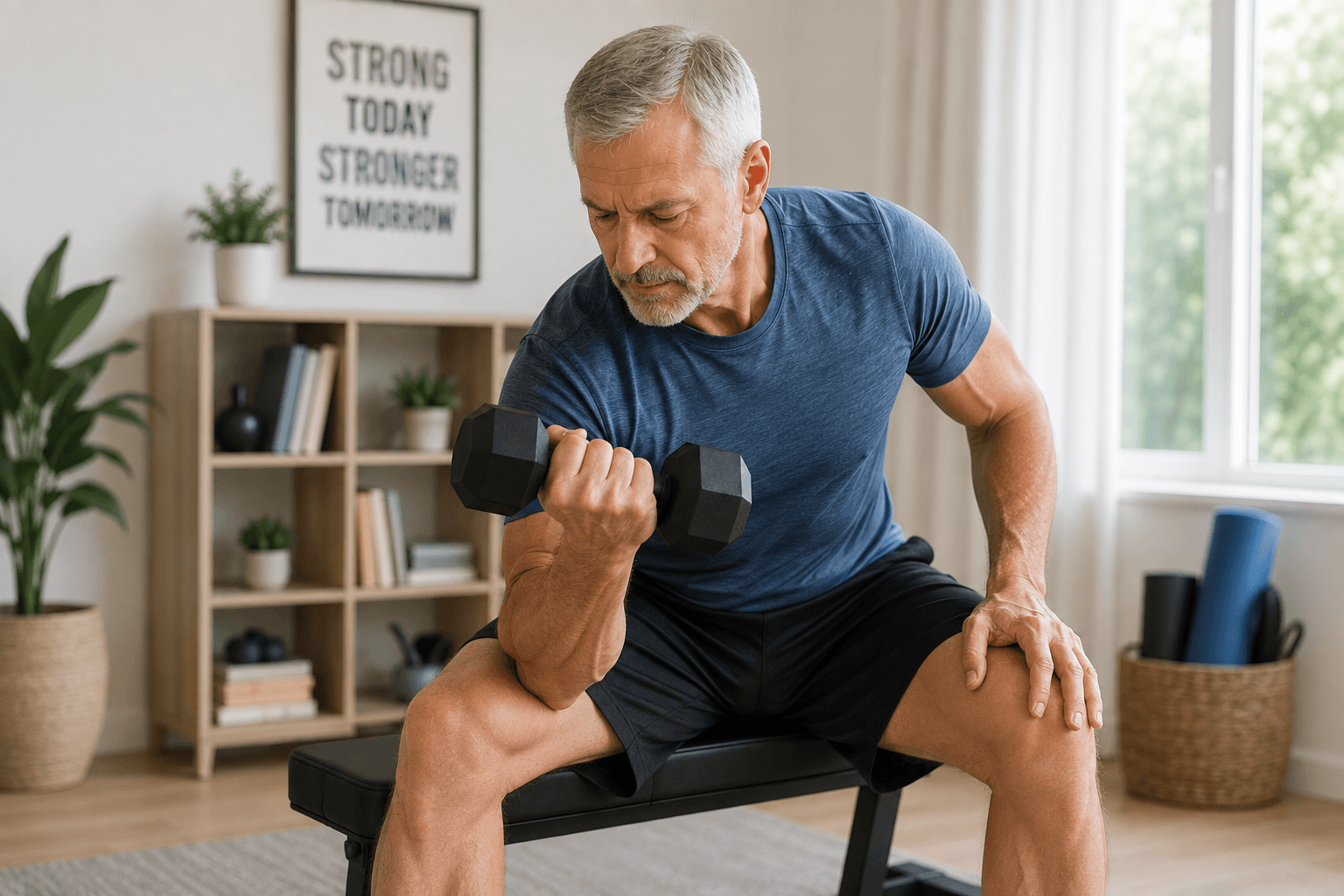
Resistance training gives muscle a direct reason to remain strong. The resistance can come from machines, free weights, bands, or body weight. The best method is one you can perform safely, progress gradually, and repeat consistently.
Train the major movement patterns: sitting and standing or squatting, pushing, pulling, hinging at the hips, carrying, and stabilizing the trunk. A beginner might start with one or two sets of controlled repetitions twice per week. As the exercise becomes comfortable, add a small amount of resistance, another repetition, or an additional set.
You do not need to train to exhaustion. The final repetitions should feel challenging while your technique stays controlled. People with significant joint pain, balance problems, heart or lung conditions, recent surgery, or long periods of inactivity should ask a qualified professional for an appropriate starting plan. For a deeper program overview, see building muscle after 50.
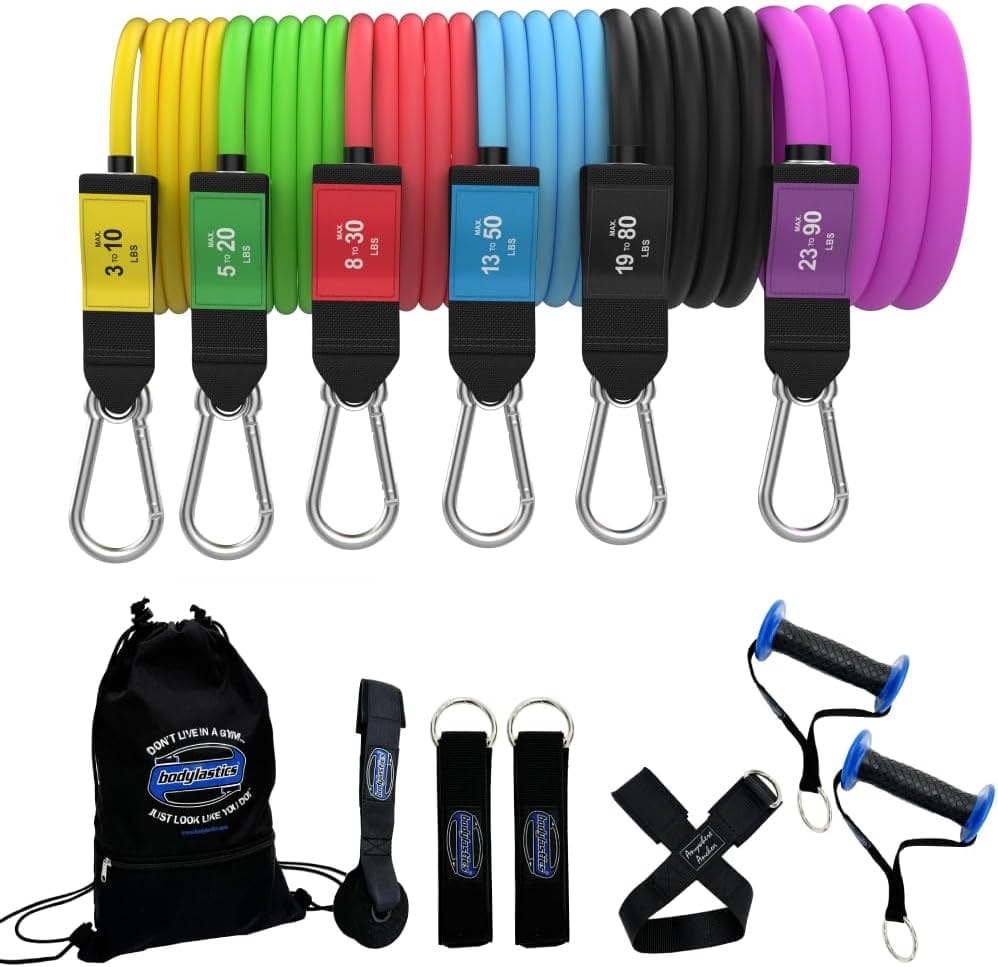
A portable six-band system with stackable resistance, handles, ankle straps, and door anchors for full-body home training. Its internal safety cord is a useful design feature, but the natural-latex bands require careful inspection and secure anchoring.
As an Amazon Associate, Purely Vital Living may earn from qualifying purchases. Price shown was supplied at the time of writing and may change.
2. Eat Enough Protein
Protein supplies amino acids used to maintain and repair muscle. Rather than relying on one very large evening serving, include a meaningful protein source across your meals. Eggs, dairy, fish, poultry, lean meat, beans, lentils, tofu, tempeh, and soy foods can all contribute.
Your ideal intake depends on body size, activity, health, and total diet. Older adults who exercise may benefit from more than the basic minimum, but more is not automatically better. Kidney disease and some medical conditions may require individualized guidance, so discuss major dietary changes with your clinician or a registered dietitian.
3. Do Not Ignore Overall Calorie Intake
Trying to lose weight too quickly can make maintaining lean mass more difficult. A good fat-loss plan protects strength by combining a moderate calorie deficit with resistance training, protein, and adequate micronutrients. Progress should not be judged by scale weight alone; energy, strength, waist measurements, and how clothes fit provide useful context.
If weight loss is part of your goal, our guide to losing body fat naturally explains how to build a more sustainable approach. Unintentional weight loss is different and should be assessed medically.
4. Keep Moving Outside Your Workouts
Two strength sessions cannot completely offset an otherwise inactive week. Walking, using stairs when appropriate, gardening, household tasks, and recreational activity help maintain work capacity. Break up long sitting periods with short movement breaks. Everyday movement also creates more opportunities to practice balance and coordination.
Walking supports cardiovascular health and mobility, but it usually does not challenge every major muscle group enough to replace progressive resistance training. Think of the two as complementary.
5. Prioritize Sleep and Recovery
Training creates the stimulus; recovery allows the body to adapt. Leave enough time between hard sessions for the same muscle group, and avoid increasing every variable at once. Persistent soreness, declining performance, irritability, or poor sleep may mean your plan needs adjustment.
A regular sleep schedule and a calmer evening routine can support recovery. If this is a weak point, start with our guide on how to improve sleep quality naturally.
6. Build Strength Gradually and Consistently
The most effective routine is not the hardest possible routine. It is the one you can continue. Begin with movements you can control, keep a simple record, and progress in small steps. Consistency over months matters more than one intense week followed by a long break.
Best Exercises for Sarcopenia and Muscle Preservation
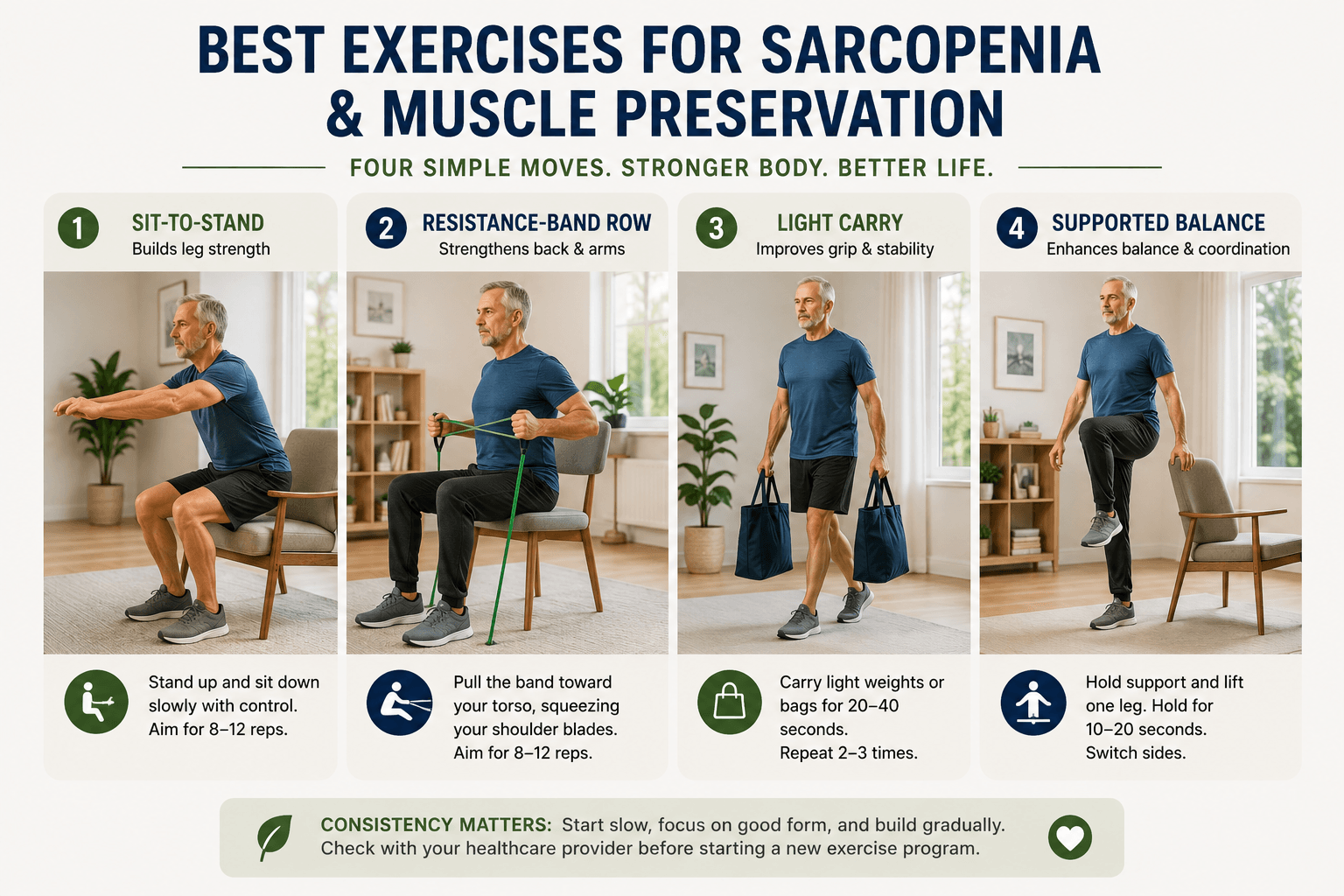
The best exercises for sarcopenia are scalable, train major muscle groups, and match your current ability. These movement categories provide a practical foundation.
Squat or Sit-to-Stand Movements
Sit-to-stands train the thighs and hips for a task used every day. Start with a stable chair and use your hands if needed. Progress by using less assistance, slowing the lowering phase, or holding a light weight.
Push Movements
Wall push-ups, elevated push-ups, chest-press machines, or dumbbell presses train the chest, shoulders, and arms. Choose an angle and load that allow smooth, pain-free repetitions.
Pulling Movements
Resistance-band rows, cable rows, and supported dumbbell rows strengthen the upper back and arms. Keep the shoulders relaxed rather than shrugging toward the ears.
Hip-Hinge Movements
A hip hinge trains the muscles on the back of the hips and legs. It is also useful for learning how to lift objects with better control. Technique matters, so begin without weight or seek coaching if the movement is unfamiliar.
Carrying and Grip Exercises
Carrying manageable weights trains grip, posture, trunk stability, and walking under load. Use a clear path and weights you can put down safely. A lighter single-sided carry can also challenge balance, but it may not suit everyone.
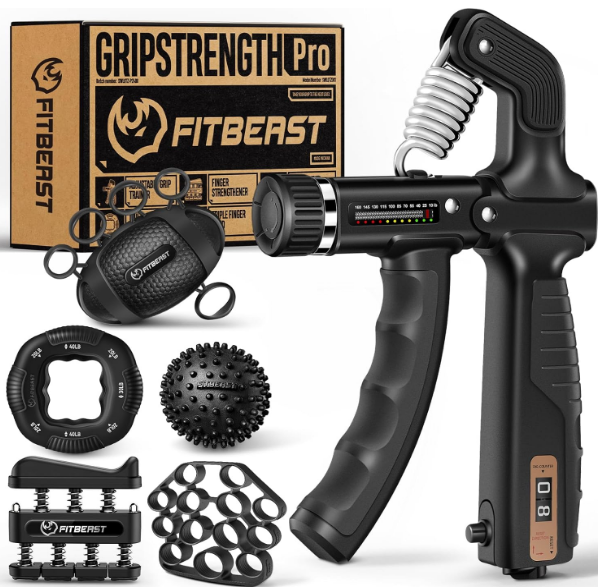
A compact set of hand-training tools designed to work the grip, fingers, wrists, and forearms. Start with comfortable resistance and controlled repetitions, especially if you have hand pain, arthritis, or a previous wrist injury.
As an Amazon Associate, Purely Vital Living may earn from qualifying purchases. Price shown was supplied at the time of writing and may change.
Balance Exercises
Supported single-leg stands, heel-to-toe walking, and controlled direction changes can improve balance skills. Practice near a sturdy surface, particularly if you have fallen before. Strength and balance overlap, but both deserve attention.
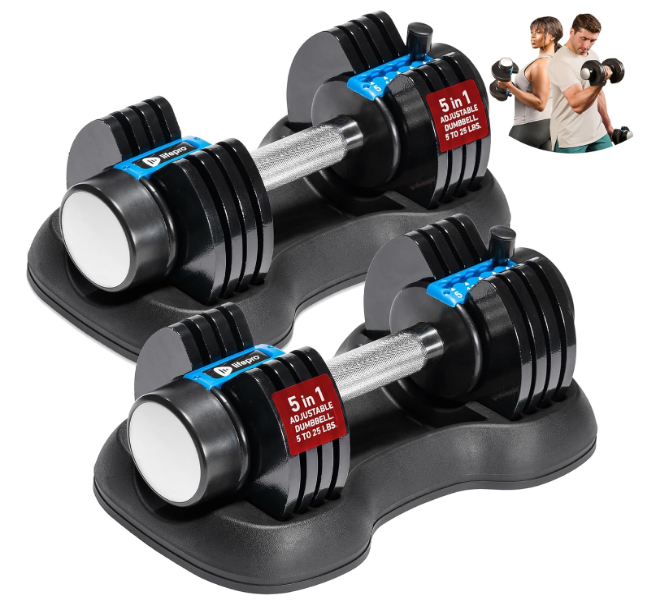
A space-saving adjustable dumbbell set for progressive upper- and lower-body strength exercises at home. Start with a manageable load, use controlled technique, and increase weight gradually as strength improves.
As an Amazon Associate, Purely Vital Living may earn from qualifying purchases. Price shown was supplied at the time of writing and may change.
Can You Build Muscle After 50?
Yes. Adults can improve muscle strength and size after 50, although the rate of progress varies. Training history, health, sleep, food intake, and program quality all influence results. Beginners may notice improvements in coordination and strength before visible muscle growth.
Use measurable signs of progress: more controlled repetitions, a slightly heavier resistance, easier stair climbing, or standing from a chair with less assistance. These functional gains often matter more than rapid changes in appearance.
What Role Does Protein Play in Preventing Muscle Loss?
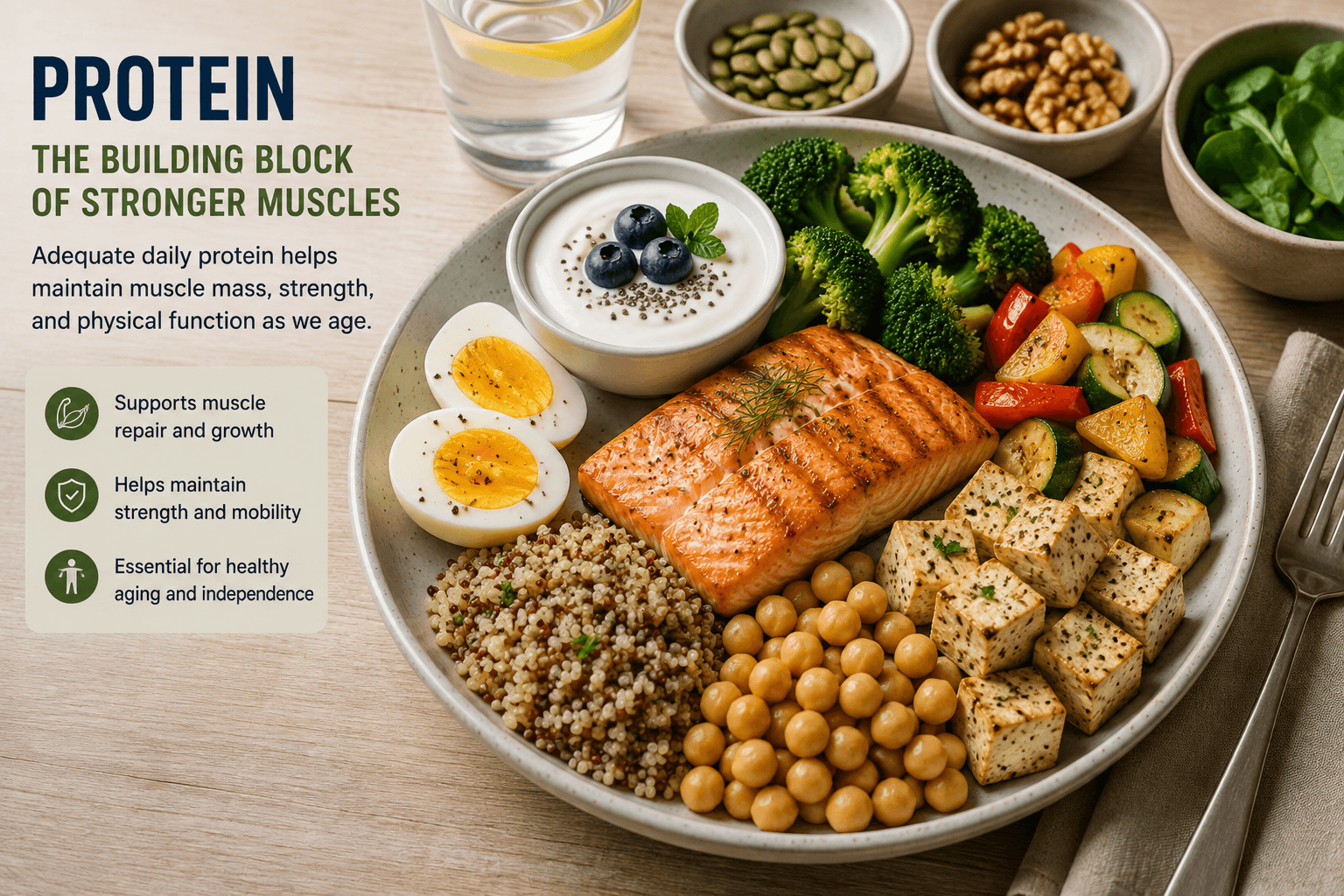
Protein supports muscle repair, but it works best alongside resistance exercise. Eating more protein without giving muscle a training stimulus is not a complete sarcopenia-prevention plan. Likewise, exercising hard while consistently under-eating may limit recovery.
A food-first pattern can spread protein across breakfast, lunch, dinner, and snacks. For example, yogurt or eggs at breakfast, beans or fish at lunch, and poultry, tofu, or lentils at dinner. Add fruits, vegetables, whole grains, and healthy fats so the diet supports overall health rather than one nutrient alone.
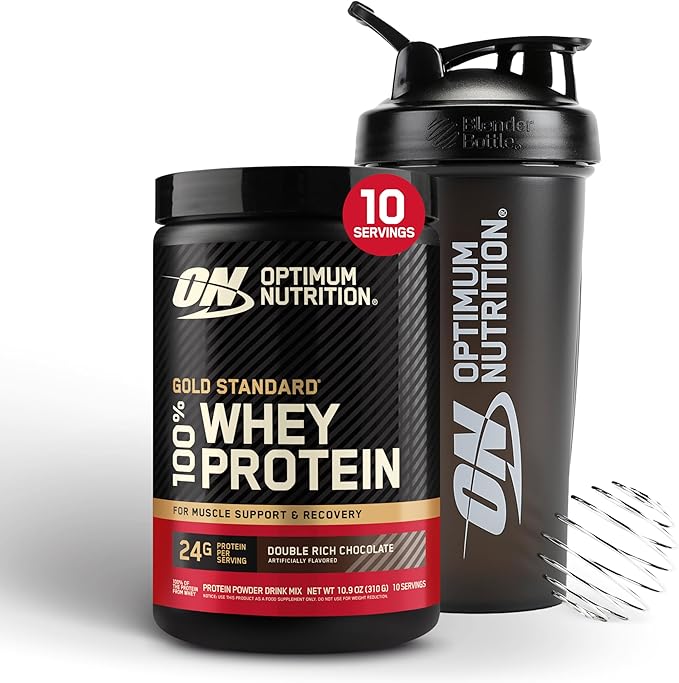
A convenient whey protein option for people who find it difficult to meet their protein needs through meals alone. It can support a balanced diet and resistance-training routine, but it is optional and should not replace protein-rich whole foods.
As an Amazon Associate, Purely Vital Living may earn from qualifying purchases. Price shown was supplied at the time of writing and may change.
What About Supplements for Maintaining Muscle?
Supplements can fill specific gaps, but they do not replace training, sufficient food, or medical care. Product quality, dose, medication interactions, and individual health all matter.
Protein Powder
A protein powder may be convenient when appetite is low or preparing a protein-rich meal is difficult. It is optional. Choose a reputable product, consider added sugar and allergens, and remember that whole foods provide nutrients beyond protein.
Creatine
Creatine monohydrate has been studied for strength and training performance, including in older adults. Benefits are most relevant when it accompanies resistance training. It may not be suitable for everyone, particularly people with kidney concerns or complex medication regimens, so ask a qualified clinician before using it.
Vitamin D
Vitamin D is important for bone and muscle function, but taking high doses without confirming a need is not a shortcut to greater strength. Testing and supplementation decisions should reflect your health, diet, sun exposure, and medical guidance.
Other Supplements
Be cautious with products promising to reverse sarcopenia quickly, dramatically raise hormones, or replace exercise. Evidence is often weaker than marketing suggests. Check third-party quality testing and discuss supplements with a pharmacist or clinician if you take medication.
Can You Regain Muscle After 60?
Many adults can regain meaningful strength and function after 60. Progress may require a more gradual start, especially after illness or inactivity, but age alone does not make training ineffective. A supervised program can be valuable when balance, joint pain, frailty, or chronic disease complicates exercise.
Focus on what can improve: movement quality, confidence, strength, and the ability to complete daily tasks. Muscle size may change more slowly, yet functional improvement can still make a major difference to independence.
When Should You Talk to a Healthcare Professional About Muscle Loss?
Arrange a medical assessment if muscle or strength loss is rapid, unexplained, or interfering with daily life. Seek advice for repeated falls, new walking difficulty, persistent weakness, severe fatigue, trouble swallowing, prolonged loss of appetite, or unintentional weight loss. Sudden one-sided weakness, facial drooping, or speech difficulty requires emergency care.
A clinician can review medications, nutrition, neurological symptoms, joint problems, and conditions that affect muscle. A physical therapist can assess movement and build a safer progression, while a registered dietitian can help when appetite or dietary restrictions make adequate nutrition difficult.
Frequently Asked Questions
What are the first signs of sarcopenia?
Early signs may include weaker grip, slower walking, difficulty rising from a chair, reduced endurance, or everyday tasks becoming noticeably harder. These signs have other possible causes, so persistent changes should be assessed.
At what age does muscle loss begin?
Gradual changes can begin in midlife and may accelerate later, particularly with inactivity or illness. The timing and rate vary widely, and regular strength training can help preserve muscle and function.
How can I prevent muscle loss after 50?
Combine progressive resistance training with adequate protein and calories, regular daily movement, and sufficient recovery. Address medical problems and unexplained weight loss rather than relying on exercise or supplements alone.
What is the best exercise to prevent muscle loss?
There is no single best exercise. A balanced resistance program should train the legs, hips, back, chest, shoulders, arms, grip, and trunk through movements appropriate for your ability.
Can walking prevent muscle loss?
Walking helps maintain activity, endurance, and mobility, but it usually does not provide enough progressive resistance for every major muscle group. Combine it with strength training.
How much protein do I need to maintain muscle?
Needs vary with body size, activity, total energy intake, and health. A dietitian or clinician can give individualized guidance, especially if you have kidney disease or another condition that affects protein recommendations.
Can you regain muscle mass after 60?
Yes, many people can improve strength, muscle, and physical function after 60 with progressive resistance training, supportive nutrition, and recovery. Results and timelines vary.
How long does it take to reverse sarcopenia?
There is no universal timeline, and “reverse” may not accurately describe every case. Some people notice functional improvements within weeks of consistent training, while meaningful changes in muscle and long-term habits take longer. Medical conditions and starting ability influence the outcome.
The Bottom Line
Preventing muscle loss after 50 is not about one special exercise or supplement. The strongest foundation is progressive resistance training, sufficient protein and overall nutrition, everyday activity, good recovery, and consistency. Start at a level you can control, measure functional progress, and build gradually.
Rapid or unexplained changes in strength, weight, balance, or mobility deserve medical attention. For the next step, use our practical guide to building muscle after 50, and connect those training habits with a broader balanced lifestyle for healthy aging.
Related Reads
- Building Muscle After 50: How to Get Stronger as You Age
- Balance Exercises for Seniors: Improve Mobility and Stability
- Balanced Lifestyle for Healthy Aging
- How to Lose Body Fat Naturally
- How to Improve Sleep Quality Naturally
References
- Cruz-Jentoft AJ, et al. Sarcopenia: revised European consensus on definition and diagnosis
- National Institute on Aging — Exercise and Physical Activity
- Centers for Disease Control and Prevention — About Physical Activity
- Deutz NEP, et al. Protein intake and exercise for optimal muscle function with aging
- NIH Office of Dietary Supplements — Vitamin D Fact Sheet for Health Professionals
This article is for general educational purposes and is not a substitute for individualized medical advice, diagnosis, or treatment. Consult a qualified healthcare professional about unexplained muscle loss, weakness, falls, dietary changes, or supplements.