
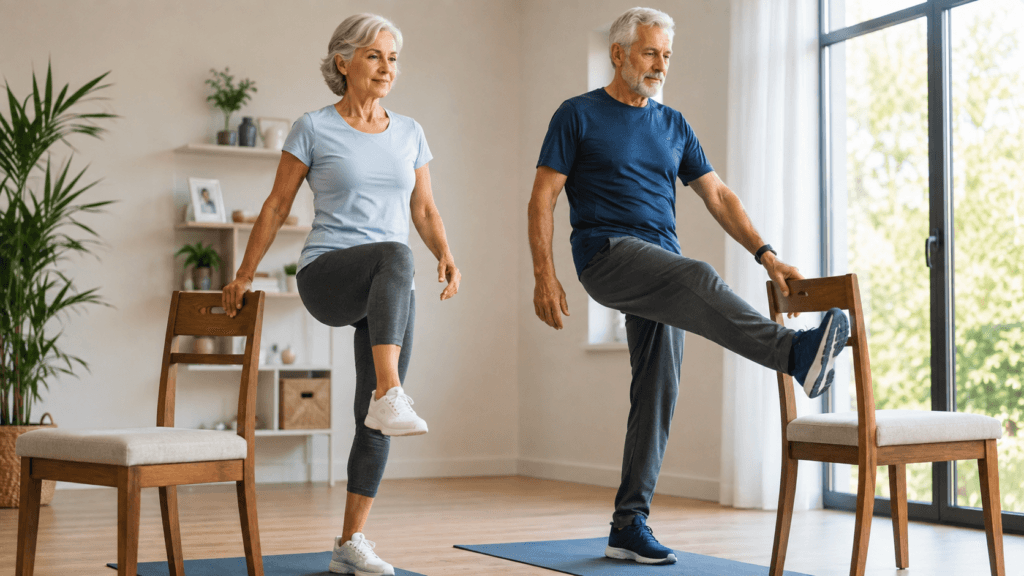
Balance can change with age, but it is also a skill that can be practiced. Simple balance exercises for seniors can support steadier movement, better mobility, greater confidence, and the ability to stay active in everyday life.
This guide combines beginner-friendly balance work, mobility exercises, lower-body strength, and gradual progressions you can practice at home. If you have recurrent falls, unexplained dizziness, a major change in walking ability, or difficulty standing safely, consider getting individualized guidance from a healthcare professional or physical therapist before starting.
Quick Answer: What Are the Best Balance Exercises for Seniors?
Useful balance exercises for seniors include weight shifts, heel raises, standing marches, heel-to-toe walking, sideways walking, sit-to-stands, and supported single-leg stands. There is no single exercise that trains every part of balance. A practical routine combines standing control, stepping, lower-body strength, mobility, and gradual progression while keeping stable support nearby when needed.
Why Balance Becomes More Important as You Age
Good balance helps you walk, turn, climb steps, get up from a chair, change direction, and recover from small changes in footing. Maintaining it can support confidence, physical activity, and independence as you get older.
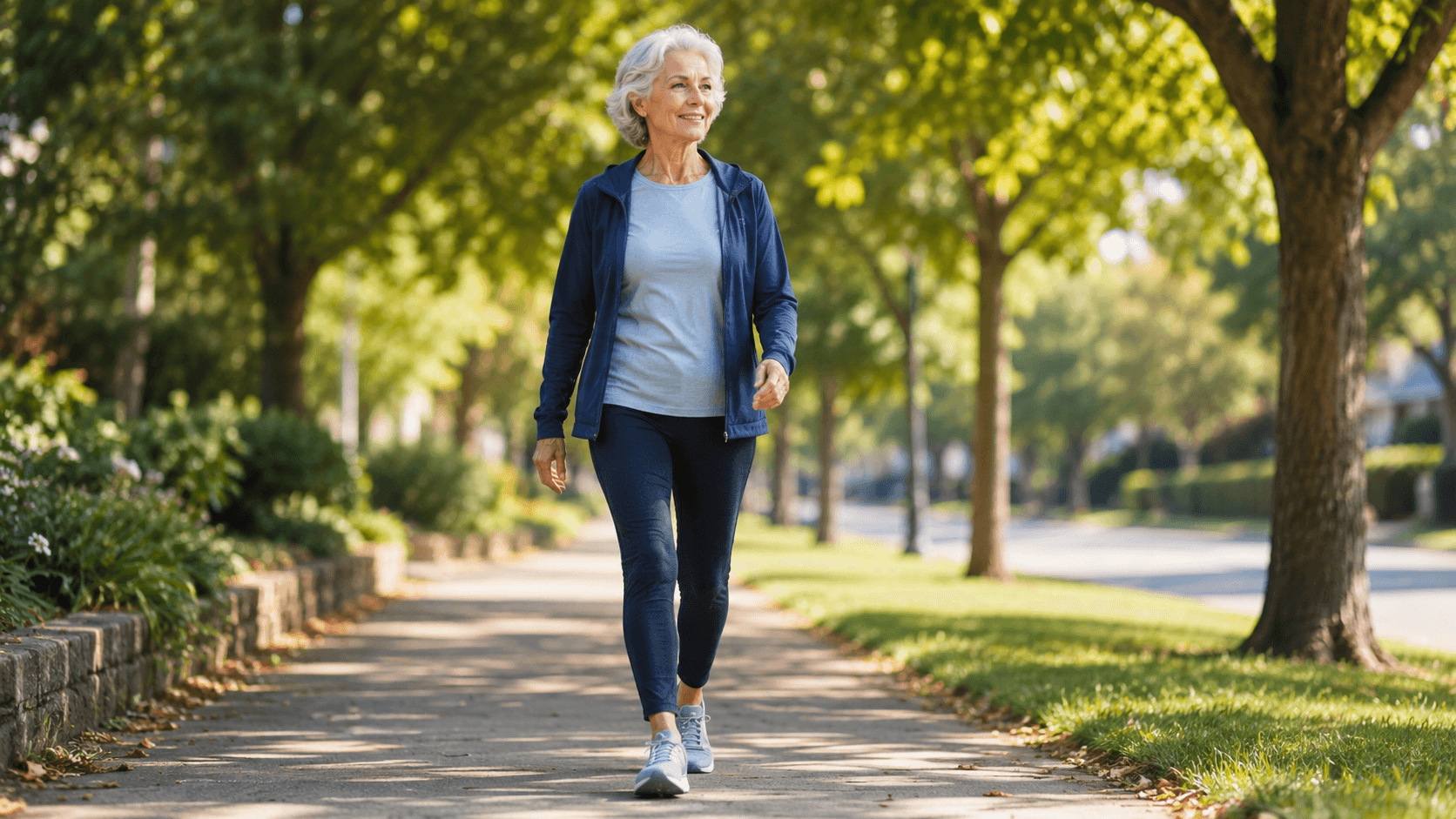
Balance Is More Than Standing on One Leg
Balance depends on several systems working together, including muscle strength, vision, inner-ear function, joint position awareness, coordination, and reaction speed. That is why an effective program should include more than one type of exercise.
What Causes Balance Problems in Older Adults?
Balance can be affected by reduced muscle strength, inactivity, changes in ankle or hip mobility, vision or vestibular changes, joint problems, some medications, previous falls, and certain medical or neurological conditions. The cause is not always simply “getting older.”
When a Change in Balance Should Not Be Ignored
A sudden or unexplained change in balance, repeated falls, persistent dizziness, fainting, new weakness, or a major change in walking deserves professional evaluation rather than simply adding more exercises.
Best Balance Exercises for Seniors to Do at Home
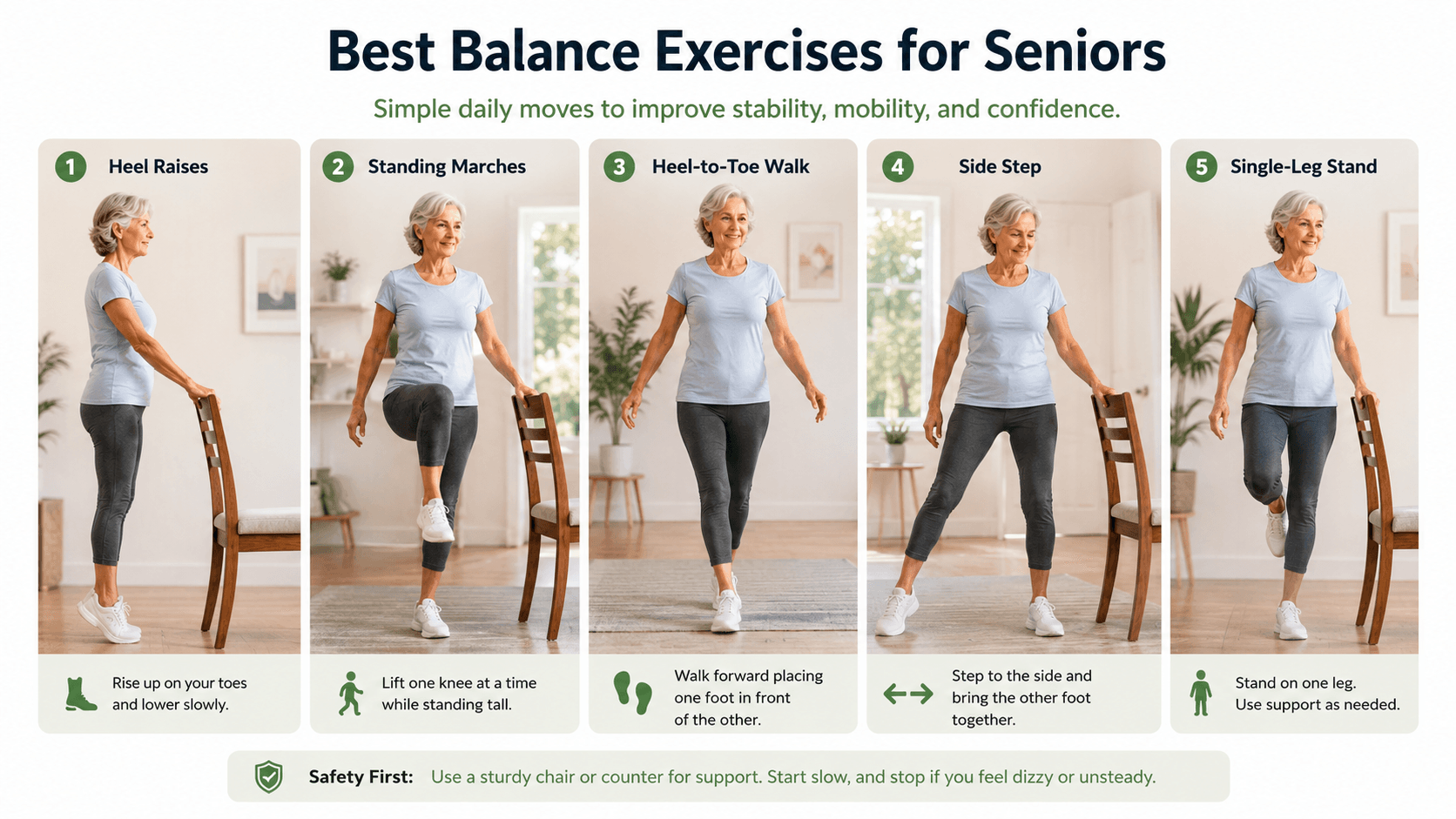
For standing exercises, begin beside a sturdy chair, countertop, or other stable support. Use as much support as you need and prioritize controlled movement over difficulty.
1. Weight Shifts
Stand with your feet comfortably apart and slowly shift your weight toward one side, then the other. Keep your torso tall and the movement smooth. Beginners can keep both hands on a stable support; as control improves, gradually reduce how much assistance you use.
2. Heel Raises
Holding a chair or counter, slowly rise onto the balls of your feet and then lower your heels with control. Heel raises strengthen the calves while challenging ankle control. Start with firm hand support and progress only when the movement feels steady.
3. Standing Marches
Stand tall and alternately lift one knee and then the other. Keep the movement slow enough that you remain controlled rather than rushing from side to side. Use chair support if needed.
4. Heel-to-Toe Walk
Walk forward slowly, placing the heel of one foot close to the toes of the other. This narrower base of support makes the exercise more challenging. Practice beside a counter or wall until you are confident with the movement.
5. Sideways Walking
Take small controlled steps to one side, then return in the opposite direction. Keep your feet facing forward and avoid rushing. Beginners can practice along a kitchen counter for support.
6. Sit-to-Stand
Sit near the front of a stable chair, place your feet securely on the floor, stand up with control, and slowly sit back down. Use your hands if necessary. Over time, reducing hand assistance can increase the lower-body strength and control required.
7. Single-Leg Stand With Support
Stand beside a sturdy support and lift one foot slightly from the floor while keeping the standing leg stable. Begin with hand or fingertip support. Do not remove support until you can perform the easier version confidently.
8. Clock Reach or Toe Taps
Imagine the numbers of a clock around you. Keep most of your weight on one leg while gently tapping the other foot toward different positions. This adds multidirectional control without requiring large steps.
9. Side Leg Raises
Holding stable support, lift one leg gently out to the side without leaning your torso. Lower it slowly and repeat on the other side. Keep the range comfortable and controlled.
10. Forward and Backward Stepping
From a stable standing position, step one foot forward and return, then practice a controlled step backward if appropriate for your ability. Focus on weight transfer and control rather than speed.
What Is the Number One Exercise to Improve Balance in Seniors?
There is no universal number-one balance exercise for every older adult. A supported single-leg stance is a useful way to challenge static balance, but it does not train stepping, direction changes, mobility, or all of the strength needed for everyday movement. A combination of static balance, stepping, strength, and mobility exercises is more comprehensive.
10-Minute Balance Routine for Seniors
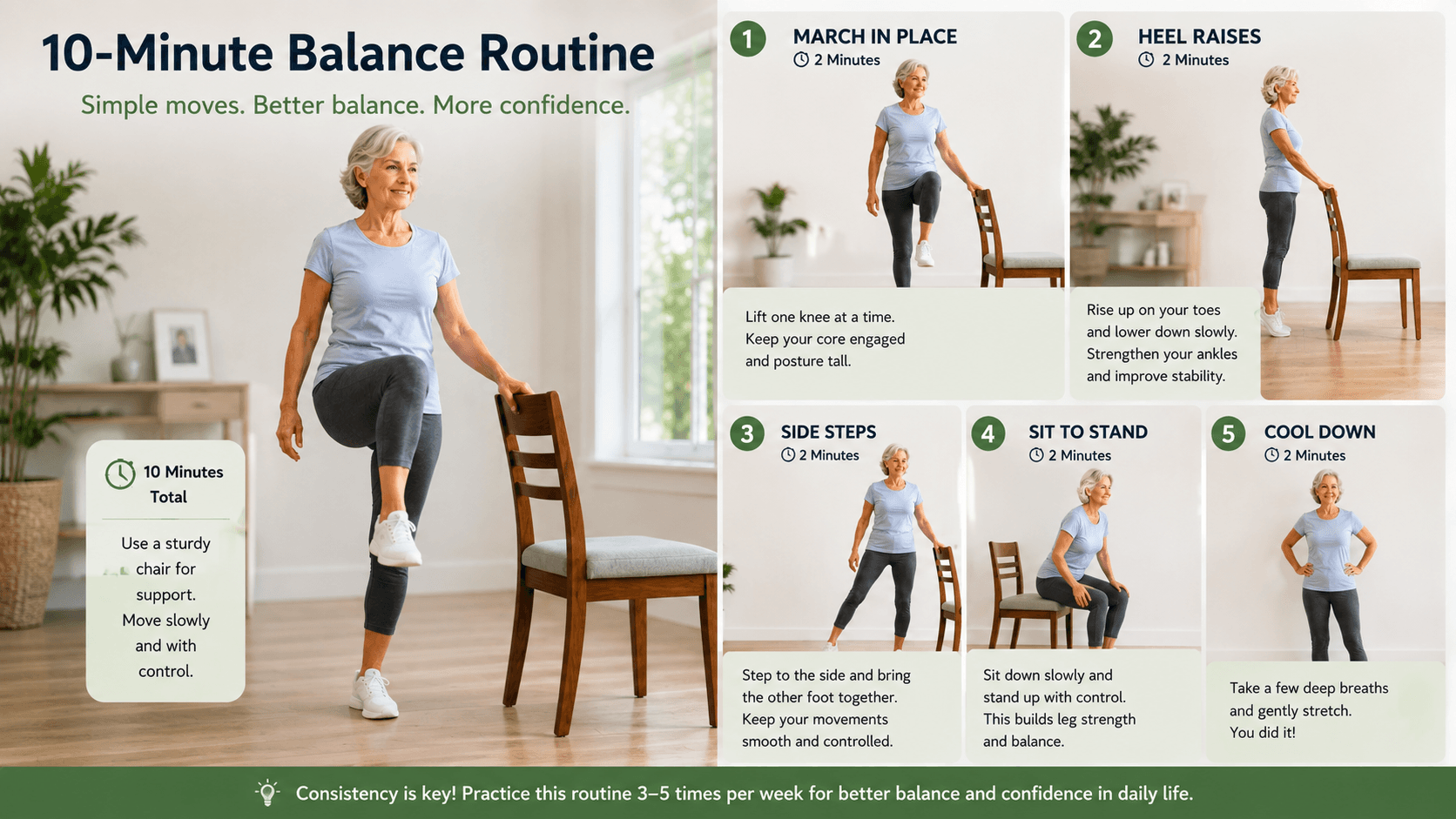
| Time | Exercise |
|---|---|
| 1 minute | Supported weight shifts |
| 1 minute | Heel raises |
| 1 minute | Standing marches |
| 1 minute | Side stepping |
| 1 minute | Sit-to-stand |
| 1 minute | Heel-to-toe walking |
| 1 minute | Clock toe taps |
| 1 minute | Supported single-leg stance |
| 1 minute | Forward/backward stepping |
| 1 minute | Easy walking or recovery |
Beginner option: shorten each movement, take additional rest, and use more hand support. Progress by improving control and gradually reducing assistance rather than making the exercises unstable too quickly.
Mobility Exercises for Seniors
Mobility exercises for seniors complement balance work by helping the joints and body move comfortably through useful ranges of motion. Ankle, hip, and trunk mobility can make everyday movements and balance drills easier to perform.
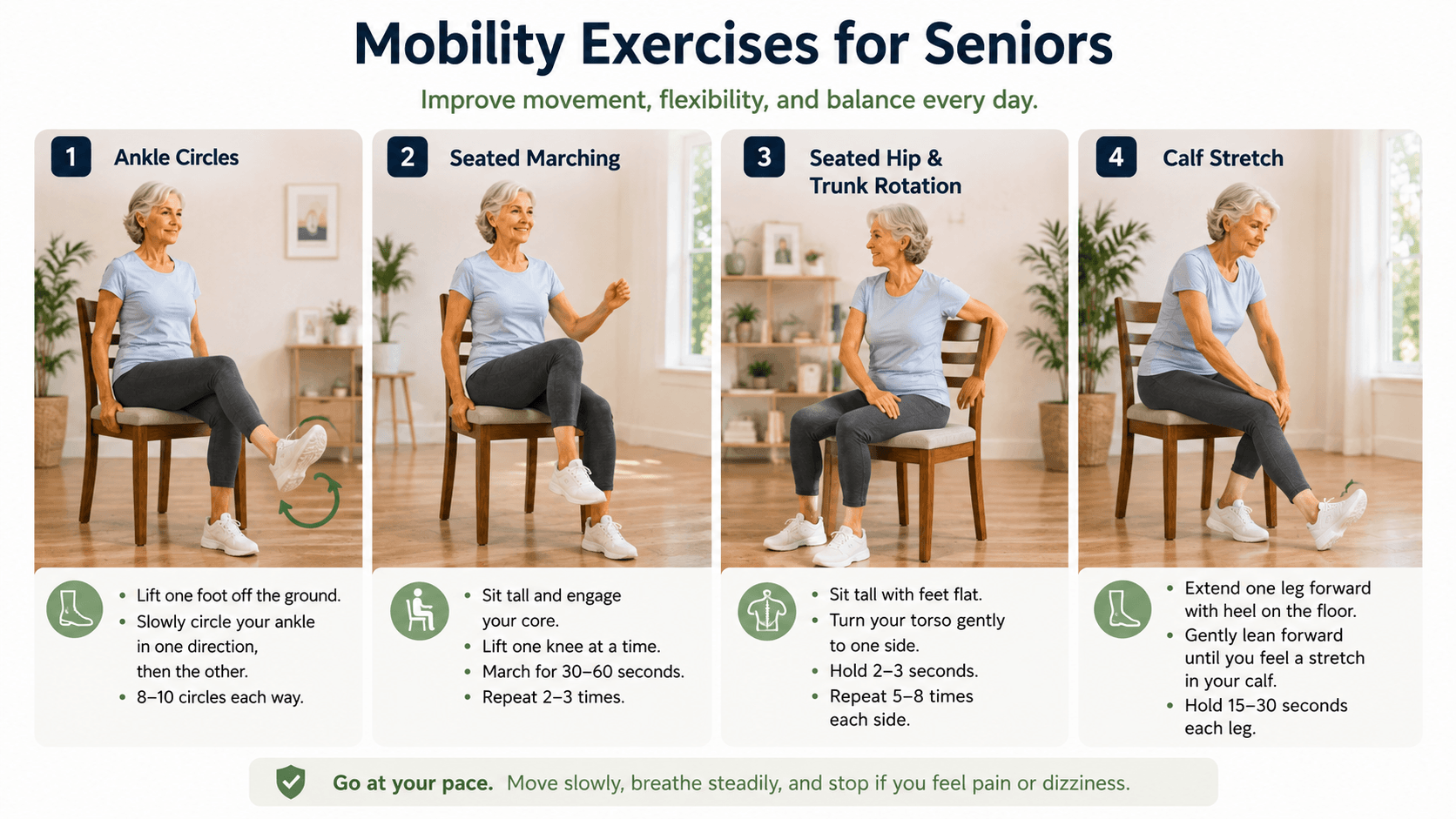
1. Ankle Circles and Ankle Pumps
While seated, circle each ankle slowly and alternate pointing and flexing the foot through a comfortable range.
2. Seated Marching
Sit tall and alternately lift each foot from the floor. Keep the movement controlled and use the chair for stability.
3. Hip Circles
With stable support nearby, move the hips gently through a comfortable circular motion without forcing range.
4. Gentle Trunk Rotations
Seated or standing securely, rotate your upper body gently from side to side while keeping the movement comfortable.
5. Shoulder Rolls and Arm Circles
Use slow shoulder rolls and small arm circles to maintain comfortable upper-body movement.
6. Sit-to-Stand
Sit-to-stand practice combines useful hip and knee movement with lower-body strength and everyday function.
7. Calf Mobility
Gentle calf stretching can support comfortable ankle movement. Keep the stretch mild and avoid bouncing.
8. Easy Walking
Regular comfortable walking gives the hips, knees, ankles, and trunk repeated practice moving together during a familiar activity.
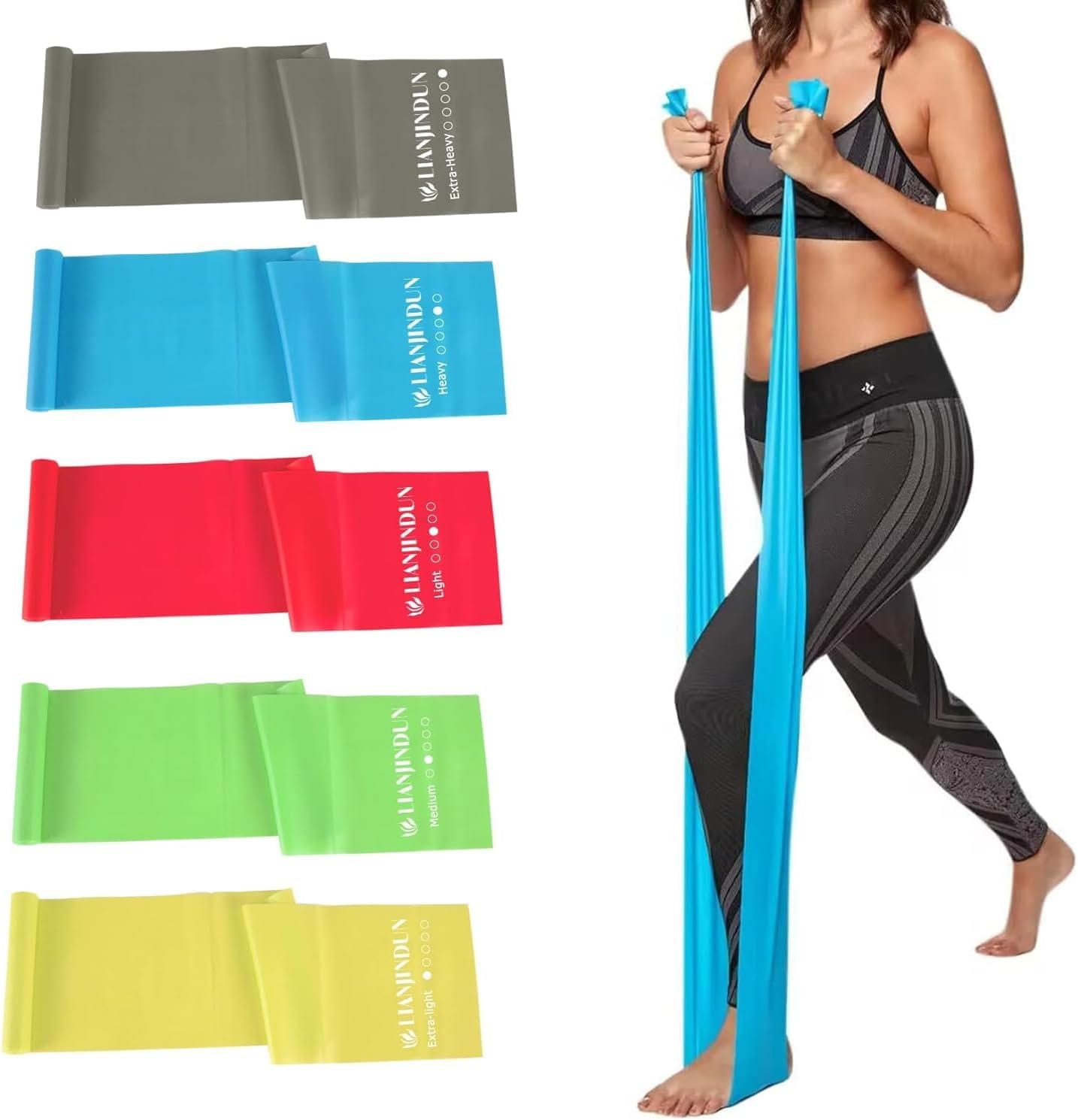
A lightweight band set for adding gentle resistance to mobility, rehab-style movements, and complementary strength work at home. Choose a resistance level that lets you move with control and stop if an exercise causes pain or dizziness.
Check Price on AmazonAs an Amazon Associate, Purely Vital Living may earn from qualifying purchases. Price shown was supplied at the time of writing and may change.
Balance vs. Mobility: What’s the Difference?
Balance is your ability to control body position and remain stable. Mobility is your ability to move your joints and body through useful ranges of motion. Strength provides force and control for those movements. Healthy aging benefits from developing all three rather than treating them as separate goals.
Balance Exercises for Seniors With Limited Mobility
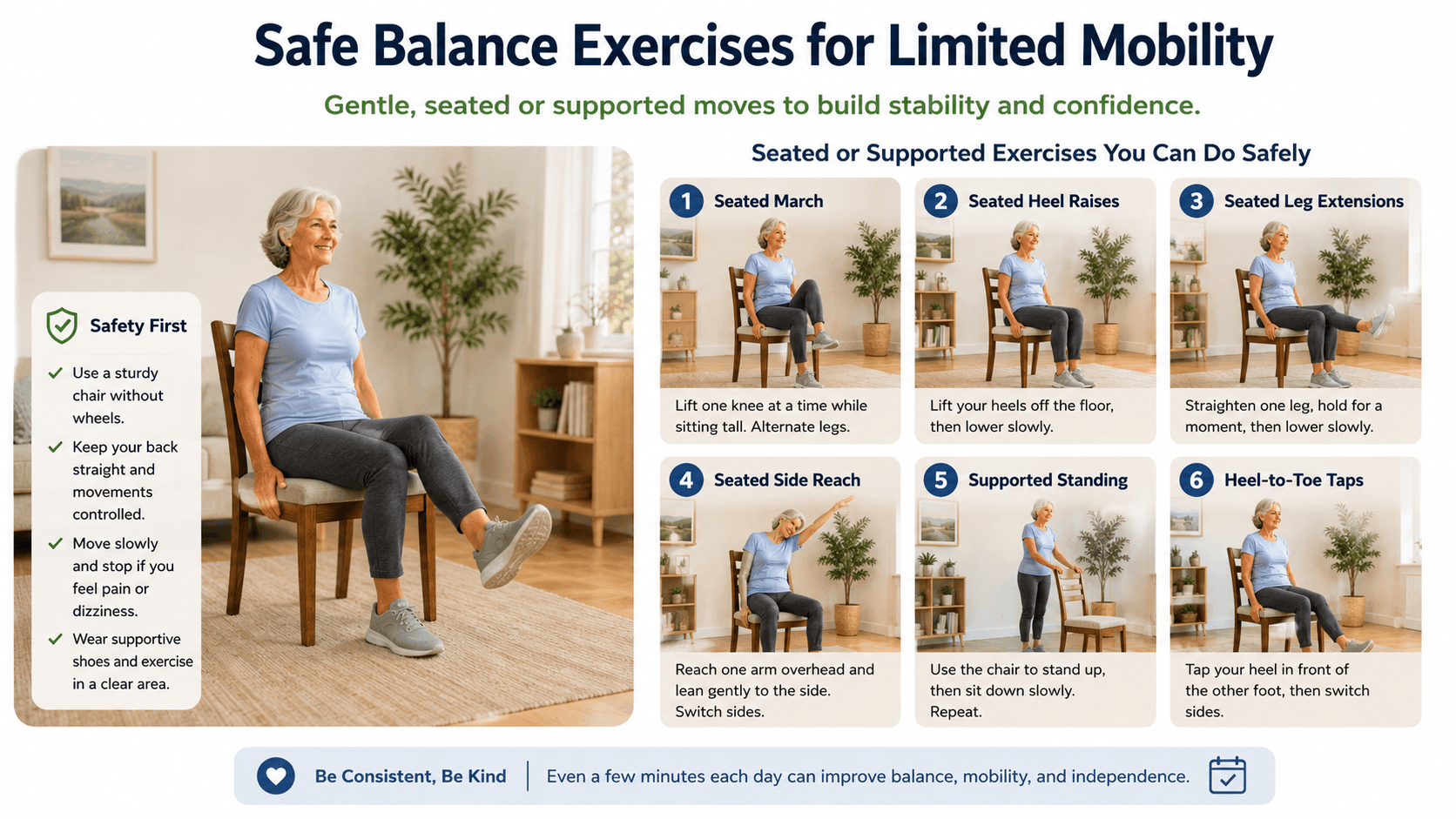
People who are not ready for unsupported standing exercises can begin with seated or highly supported movements. Options include seated marching, seated toe taps, ankle pumps, seated leg extensions, seated weight shifts, supported sit-to-stands, and supported heel raises. Seated work can be a useful starting point rather than an endpoint when standing progression is safe and appropriate.
How Often Should Seniors Practice Balance Exercises?
Balance responds to repeated practice, so regular short sessions can be more practical than occasional difficult workouts. The appropriate frequency and difficulty depend on your current ability, health, fall risk, and the exercises being used. People at higher risk of falling may benefit from a professionally supervised program that can be progressed safely.
How Can a 70-Year-Old Improve Balance?
- Start beside stable support.
- Practice simple balance movements consistently.
- Strengthen the legs and hips.
- Maintain comfortable ankle and hip mobility.
- Include walking and controlled multidirectional movement.
- Progress difficulty gradually.
- Seek evaluation for recurrent falls, unexplained dizziness, or sudden changes.
Age alone does not mean balance cannot improve. The key is choosing an appropriate starting point and progressing according to ability rather than comparing yourself with someone else.
What Equipment Is Useful for Senior Balance Training?
You do not need specialized equipment to begin. A sturdy chair, countertop or wall, supportive footwear, a non-slip exercise surface, resistance bands for complementary strength work, and an appropriate low step can cover many home routines.
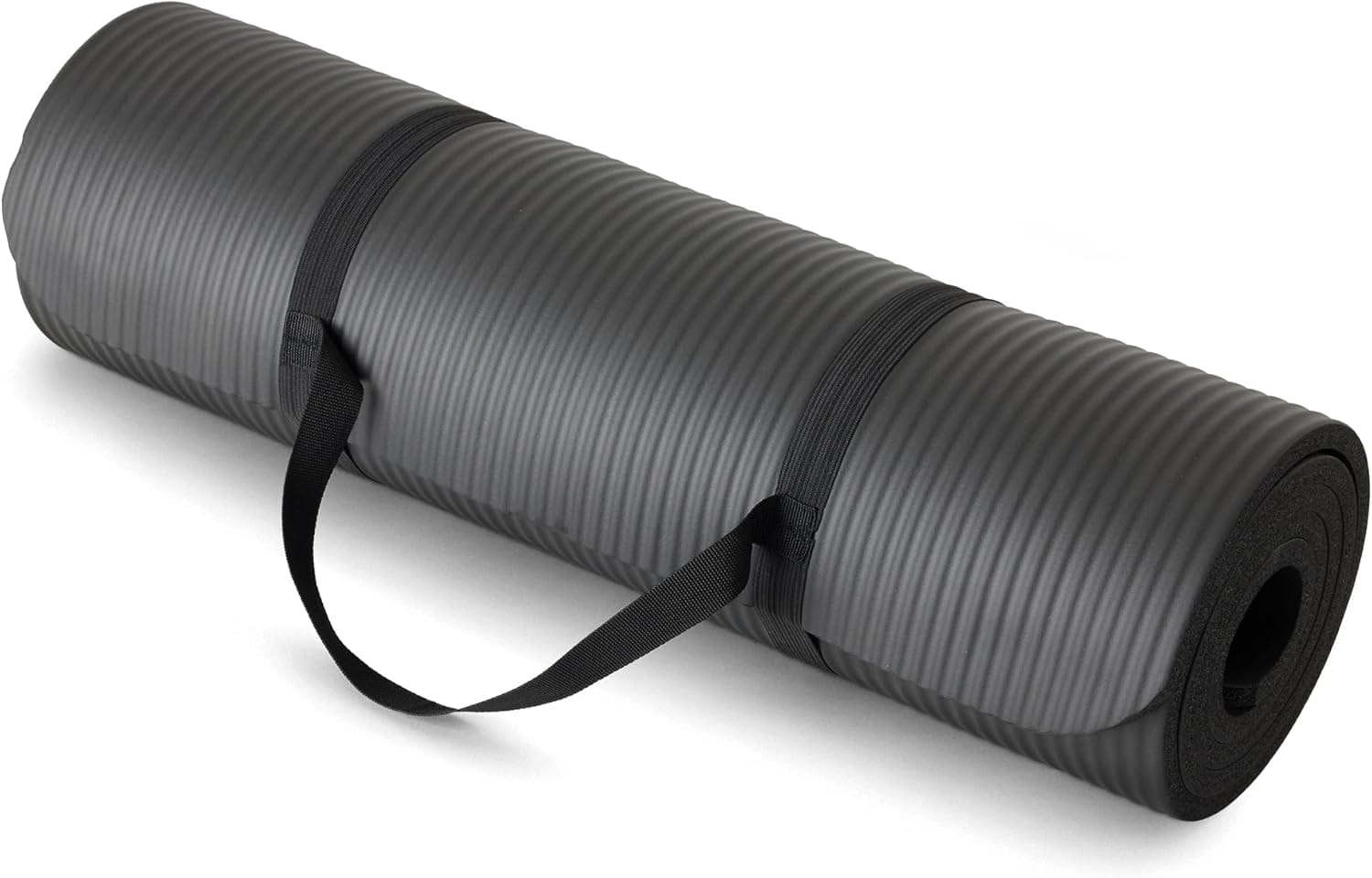
A thick exercise mat with a carrying strap that can provide a more comfortable surface for seated mobility, stretching, and floor-based exercises at home. It is not a substitute for sturdy support during standing balance work.
Check Price on AmazonAs an Amazon Associate, Purely Vital Living may earn from qualifying purchases. Price shown was supplied at the time of writing and may change.
Do Seniors Need a Balance Board?
Balance boards and other unstable trainers are not necessary for beginners and substantially increase difficulty. Basic supported standing and stepping exercises are often a more appropriate starting point. Advanced equipment should match the individual’s ability and safety needs.
Can Tai Chi Improve Balance in Older Adults?
Tai Chi uses slow weight shifting, controlled stepping, coordination, and body awareness, making it a useful balance-oriented activity for many older adults. It can complement rather than replace strength, mobility, and other forms of physical activity.
Strength Exercises That Also Improve Balance
Balance and strength overlap in everyday life. Exercises such as sit-to-stands, squat variations, step-ups, calf raises, and appropriately loaded carries can strengthen the muscles used to control standing, walking, and changes in direction.
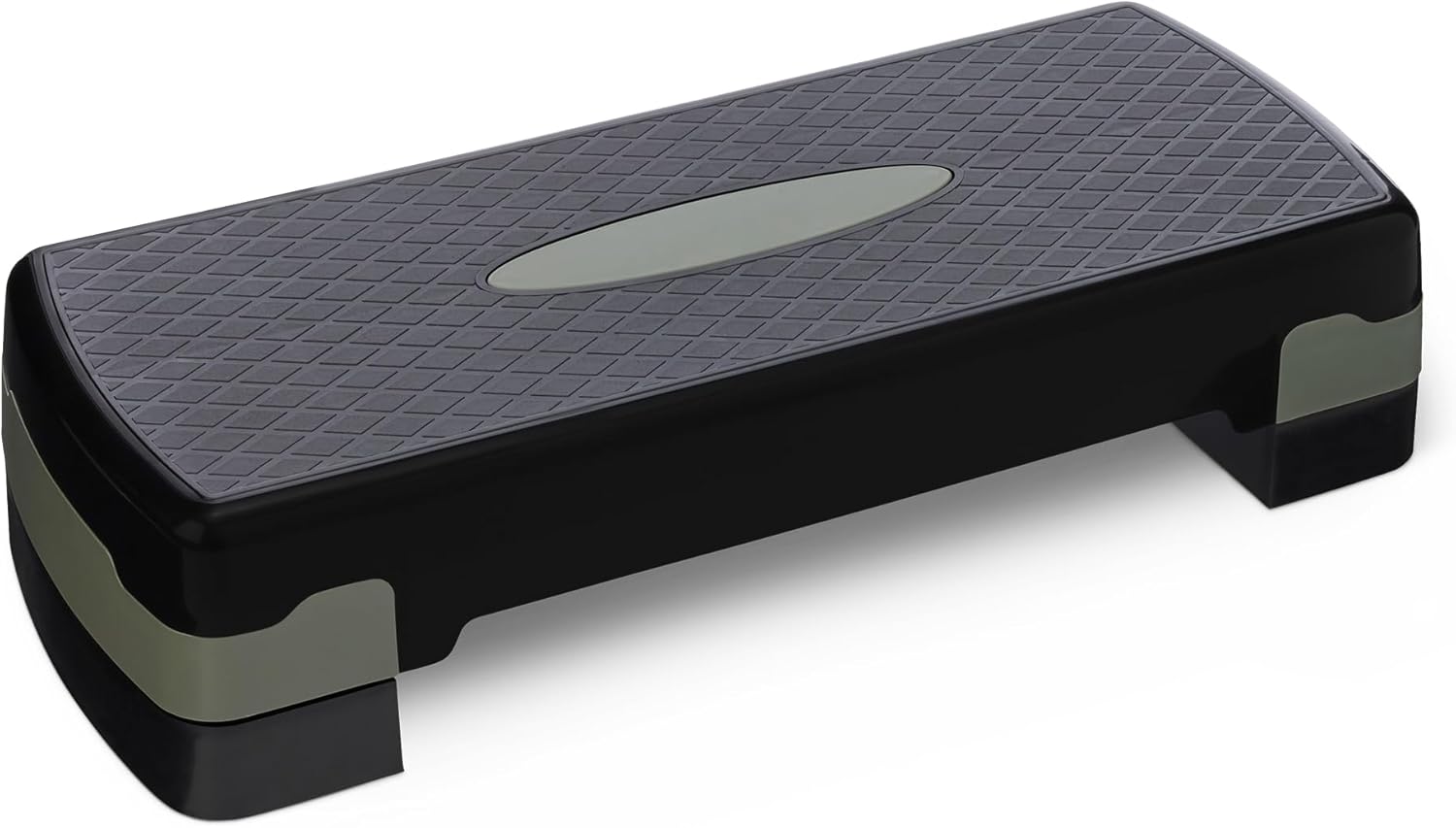
An adjustable 27-inch exercise step that can support controlled step-ups and lower-body strength work once basic floor-level balance exercises feel comfortable. Start at the lowest appropriate height, keep sturdy support nearby when needed, and skip elevated stepping if stepping onto a platform is not currently safe for you.
Check Price on AmazonAs an Amazon Associate, Purely Vital Living may earn from qualifying purchases. Price shown was supplied at the time of writing and may change.
How to Make Balance Exercises Easier or Harder
Make It Easier
- Use two hands for support.
- Use a wider stance.
- Reduce the movement range.
- Slow the exercise down.
- Use an appropriate seated version.
Make It Harder
Progress from two hands to one hand, then fingertips, and eventually less support when appropriate. You can also move from a wider stance to a narrower one or from static standing to controlled stepping. Progress one variable at a time rather than making several changes at once.

A cushioned foam balance pad that adds an unstable surface for more challenging stability work. It is best treated as an optional progression after basic supported balance exercises feel controlled; use it beside sturdy support and only when appropriate for your ability.
Check Price on AmazonAs an Amazon Associate, Purely Vital Living may earn from qualifying purchases. Price shown was supplied at the time of writing and may change.
Common Balance-Training Mistakes Seniors Should Avoid
- Progressing too quickly.
- Exercising without stable support nearby when support is needed.
- Using unstable equipment too soon.
- Looking down constantly instead of practicing an upright posture when safe.
- Moving too fast to maintain control.
- Ignoring leg strength and mobility.
- Training through dizziness or pain.
- Practicing only one type of balance exercise.
How Balance Training Supports Healthy Aging
Balance training supports healthy aging because it helps preserve the physical skills behind walking, standing, turning, and many everyday tasks. Combined with strength, mobility, and regular physical activity, it can help older adults stay more confident and capable in daily life.
When Should You Get Professional Help With Balance?
Consider professional evaluation if you experience repeated falls, sudden balance changes, persistent dizziness or vertigo, fainting, new weakness or neurological symptoms, a major change in walking, significant fear of falling, or difficulty standing safely even with support. Depending on the situation, a physician, physical therapist, occupational therapist, or qualified older-adult fitness professional may be appropriate.
Your Simple Balance and Mobility Starting Plan
- Choose three or four beginner balance exercises.
- Use stable support.
- Add simple mobility work.
- Strengthen your legs.
- Practice consistently.
- Progress slowly.
- Track confidence and everyday function, not just how long you can stand on one foot.
Frequently Asked Questions
What is the number one exercise to increase balance in seniors?
Supported single-leg standing is a useful static balance exercise, but no single movement covers every balance skill. Combining standing, stepping, mobility, and strength work is more complete.
Which exercise improves balance the most?
The best choice depends on current ability and the type of balance challenge you need to improve. Programs that use multiple progressively challenging exercises are more practical than relying on one movement.
How can a 70-year-old woman improve her balance?
Start with supported standing and stepping exercises, build lower-body strength, maintain ankle and hip mobility, and progress gradually. Repeated falls or unexplained balance changes should be evaluated professionally.
What are good 10-minute balance exercises for seniors?
A short routine can combine weight shifts, heel raises, marching, side steps, sit-to-stands, heel-to-toe walking, toe taps, supported single-leg work, and controlled stepping.
What are the best mobility exercises for seniors?
Useful mobility exercises include ankle circles, ankle pumps, seated marching, gentle hip and trunk movements, shoulder rolls, sit-to-stands, calf mobility, and comfortable walking.
Can balance improve after age 70?
Yes. Older adults can practice and improve balance-related skills. The safest starting point and rate of progression depend on individual health, mobility, and fall risk.
Can seniors improve balance at home?
Many basic exercises can be practiced at home with a sturdy chair or counter for support. People with substantial fall risk or unexplained balance problems may need supervised assessment first.
Are chair exercises useful for improving balance?
Chair-based exercises can build mobility and strength and provide an accessible starting point. When safe, gradually adding supported standing work introduces balance challenges that seated exercise alone cannot provide.
Is walking enough to improve balance?
Walking is valuable physical activity, but it does not challenge every component of balance. Specific balance, strength, stepping, and mobility exercises can complement walking.
Does Tai Chi improve balance in seniors?
Tai Chi includes controlled weight shifts, stepping, and coordination and can be a useful part of a broader balance and physical-activity program.
Join Purely Vital Living for practical wellness guides, healthy-aging resources, and new tools delivered to your inbox.
Join FreeFinal Takeaway
Improving balance does not require complicated equipment or intimidating workouts. Consistent balance practice, mobility work, lower-body strength, walking, and gradual progression can help support steadier movement, confidence, and independence as you age.
Related Reads
- Building Muscle After 50: How to Get Stronger as You Age
- How to Age Gracefully After 50: Your Complete Guide
- Balanced Lifestyle for Healthy Aging: Daily Habits That Support Longevity
- Longevity Resources
References
- NHS — Balance exercises
- Johns Hopkins Medicine — Fall Prevention: Balance and Strength Exercises for Older Adults
- Halvarsson A, et al. Taking balance training for older adults one step further
- British Heart Foundation — Improve your balance in 10 minutes
- NHS — Flexibility exercises
This article is for general educational purposes and is not a substitute for individualized medical advice, diagnosis, or treatment. If you have repeated falls, persistent dizziness, or significant mobility limitations, seek guidance from a qualified healthcare professional.