Quick Answer: Learning how to improve deep sleep starts with protecting enough total sleep time and supporting your body’s natural sleep rhythm. A consistent sleep schedule, regular daytime exercise, morning light exposure, a cool and dark bedroom, less alcohol, an earlier caffeine cutoff, and a calming wind-down routine may all support deeper, more restorative sleep. If a smartwatch or sleep tracker reports very little deep sleep, focus on trends rather than a single night’s score because consumer devices estimate sleep stages rather than measure them as precisely as a clinical sleep study.
Deep sleep is often the number people notice first when they open a sleep-tracking app in the morning. A low number can be frustrating, especially when you have already spent seven or eight hours in bed.
But improving deep sleep is not usually about finding one supplement, device, or bedtime trick. It starts with understanding what deep sleep is, what can interfere with it, and which daily habits give your body the best opportunity to move naturally through its sleep stages.
This guide explains how to improve deep sleep naturally, why your deep sleep may appear low, how much you may need, and how to interpret the numbers from a wearable without becoming overly focused on a single score.
- What Is Deep Sleep?
- How Much Deep Sleep Do You Need?
- Why Is My Deep Sleep So Low?
- How to Improve Deep Sleep: 10 Practical Strategies
- Can Food Help Improve Deep Sleep?
- Do Supplements Increase Deep Sleep?
- Can You Trust Your Watch or Sleep Tracker’s Deep Sleep Score?
- A Simple 7-Day Deep Sleep Improvement Plan
- When to Talk With a Healthcare Professional
- Frequently Asked Questions
- The Bottom Line
- Related Reads
- References
What Is Deep Sleep?
Deep sleep is the deepest stage of non-rapid eye movement (NREM) sleep and is commonly called slow-wave sleep or stage N3. During this stage, brain activity slows substantially, breathing and heart rate become more regular, and it becomes harder to wake up.
Deep sleep is associated with physical restoration and recovery. It contributes to processes involved in tissue repair, immune function, energy restoration, and memory. It is one part of a healthy night’s sleep rather than a stage you need to maximize at the expense of REM or lighter sleep.
Your body cycles through different sleep stages several times during the night. Deep sleep tends to be concentrated more heavily in the earlier part of the sleep period, while REM sleep generally becomes longer later in the night.

How Much Deep Sleep Do You Need?
There is no single deep-sleep number that every adult needs to hit each night. The amount varies with age, total sleep duration, health, activity, and individual sleep patterns.
Instead of chasing an exact percentage on a wearable, pay attention to your overall sleep duration, consistency, how often you wake during the night, and how you feel during the day. A persistent change in sleep accompanied by excessive daytime sleepiness or other symptoms is more meaningful than one unusual tracker reading.
Why Is My Deep Sleep So Low?
A low deep-sleep reading can have several explanations. Sometimes the issue is simply that you are not allowing enough total time for sleep. Other factors that may disrupt normal sleep architecture include an inconsistent schedule, alcohol, late caffeine, stress, frequent awakenings, an uncomfortable bedroom, illness, medications, and some sleep disorders.
Age matters as well. Sleep architecture changes across the lifespan, and adults generally spend less time in deep sleep as they get older.
There is also a simpler possibility: the number may be inaccurate. Watches and rings estimate sleep stages using signals such as movement and heart rate. They can be useful for spotting patterns, but they do not directly measure brain activity in the same way as a clinical sleep study.

How to Improve Deep Sleep: 10 Practical Strategies
1. Protect Your Total Sleep Time
Before trying to optimize individual sleep stages, make sure you are giving yourself enough opportunity to sleep. Regularly shortening your sleep window leaves less time for your body to complete normal sleep cycles.
Start by working backward from the time you need to wake up and create a realistic bedtime that gives you sufficient time in bed. Protecting that window consistently is more useful than trying to force additional deep sleep with a last-minute hack.
2. Keep Your Sleep and Wake Times Consistent
Your circadian rhythm works best with regular timing. Going to bed and waking at roughly the same times each day helps your body anticipate when it should become alert and when it should prepare for sleep.
Large weekend shifts can make Monday feel like a miniature time-zone change. If your schedule currently varies widely, move it gradually rather than trying to make an extreme change overnight.
3. Get Morning and Daytime Light
Light is one of the strongest signals for your internal body clock. Exposure to natural light during the morning and daytime helps reinforce the difference between your active daytime period and your nighttime sleep period.
When possible, spend some time outdoors earlier in the day. Daytime light exposure works best as part of an overall routine that also reduces unnecessary bright light late at night.
4. Exercise Regularly
Regular physical activity is one of the more useful lifestyle habits for supporting healthy sleep. Walking, resistance training, cycling, swimming, and other forms of exercise can all contribute to better overall sleep when performed consistently.
Timing is individual. If hard workouts close to bedtime leave you feeling energized rather than relaxed, move intense training earlier and use the evening for lighter movement or stretching.
5. Keep Your Bedroom Cool, Dark, and Quiet
Your sleep environment should make staying asleep easy. Excess heat, light, and noise can create small disruptions even when you do not fully remember waking.
Use breathable bedding, reduce unwanted light, control disruptive noise, and keep the bedroom comfortably cool. If overheating is a recurring problem, addressing the sleep environment may be more useful than adding another supplement to your routine. For practical temperature targets and adjustments, see our guide to the best sleeping temperature. If mattress heat is the main issue, compare targeted options in our best bed cooling systems guide.

A practical water-based mattress cooling system for hot sleepers who want targeted bed-surface cooling without paying for a premium smart-bed setup. It can help make a warm sleep environment more comfortable, but it requires setup and routine water-system maintenance and should not be treated as a guaranteed way to increase deep sleep.
As an Amazon Associate, Purely Vital Living may earn from qualifying purchases. Price shown was supplied at the time of writing and may change.
6. Limit Alcohol Close to Bedtime
Alcohol can make you feel sleepy initially, but sedation is not the same as healthy sleep. Drinking in the evening can contribute to more fragmented sleep later in the night and alter normal sleep architecture.
If you are trying to understand why your sleep feels unrefreshing, reducing evening alcohol is a useful variable to test rather than assuming a nightcap is helping you sleep.
7. Set an Earlier Caffeine Cutoff
Caffeine can remain active for hours after you drink it. You may still fall asleep after an afternoon coffee, but that does not necessarily mean caffeine has no effect on your sleep.
If deep or overall sleep seems poor, experiment with moving your final caffeinated drink earlier in the day. Individual sensitivity varies, so your cutoff may need to be earlier than someone else’s.
8. Reduce Bright Light and Screens Before Bed
The goal is not to fear every screen. It is to create a clear transition between daytime stimulation and nighttime rest. Bright light and highly engaging content can both work against that transition.
Dim unnecessary lights during the final part of your evening and consider putting work, news, and stimulating social media away before getting into bed.
9. Build a Consistent Wind-Down Routine
A bedtime routine does not need to be elaborate. Its purpose is to give your brain and body repeated cues that the active part of the day is ending.
Reading, taking a warm shower, gentle stretching, breathing exercises, preparing tomorrow’s essentials, or listening to quiet audio can all work. Choose a few activities you can realistically repeat instead of building a complicated routine that becomes another source of pressure.

A premium open-knit weighted blanket made from cotton, designed for adults who enjoy gentle pressure during reading, relaxation, or a bedtime routine. Its bead-free construction and open loops allow more airflow than many traditional weighted blankets, but it is still heavy, can feel warm or restrictive, and should be easy for the user to remove independently. It may support comfort and relaxation, but it should not be treated as a guaranteed way to increase deep sleep.
As an Amazon Associate, Purely Vital Living may earn from qualifying purchases. Price shown was supplied at the time of writing and may change.
10. Reduce Stress and Nighttime Sleep Fragmentation
Deep sleep is difficult to optimize when sleep is repeatedly interrupted. Stress, environmental disturbances, pain, bathroom trips, breathing problems, and other factors can contribute to fragmented nights.
If your mind remains active at bedtime, try moving problem-solving out of bed. Writing down tomorrow’s tasks, using a brief relaxation exercise, or creating a predictable transition from work to rest may help reduce mental stimulation. If background noise is part of the problem, our best sounds for sleep guide compares white, pink, brown, and nature sounds, while the best white noise machines guide covers dedicated devices for masking disruptive sound.
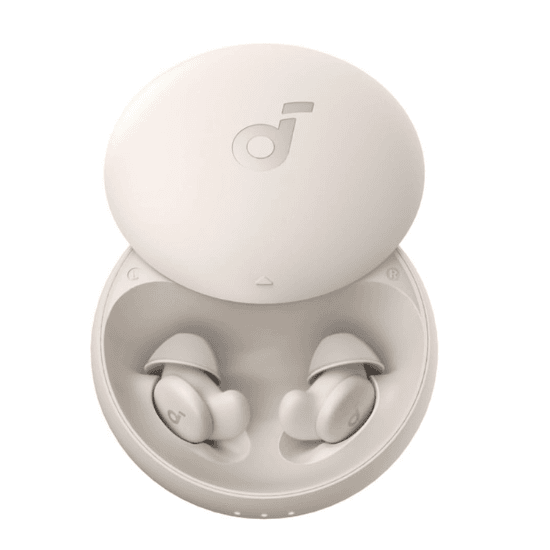
A low-profile sleep-earbud option for side sleepers who want Bluetooth audio and built-in sound masking. It may help reduce the impact of steady nighttime noise, but it does not use active noise cancellation and should not be treated as a device that directly increases deep sleep.
As an Amazon Associate, Purely Vital Living may earn from qualifying purchases. Price shown was supplied at the time of writing and may change.
Can Food Help Improve Deep Sleep?
No single food reliably creates deep sleep on demand. Your overall eating pattern and meal timing are more useful places to focus.
A balanced diet built around minimally processed foods, vegetables, fruit, whole grains, adequate protein, and fiber supports general health and may also support healthy sleep. Large or uncomfortable meals immediately before bed can make sleep more difficult for some people.
Do Supplements Increase Deep Sleep?
Sleep supplements are often marketed as shortcuts to deeper sleep, but the evidence varies by ingredient, dose, and the reason a person is sleeping poorly. A supplement should not replace the fundamentals of adequate sleep time, consistent timing, daytime activity, and a supportive sleep environment.
Magnesium is frequently discussed in relation to sleep, but it should not be presented as a guaranteed way to increase deep sleep. If you use medications, have a medical condition, are pregnant, or are considering a supplement for an ongoing sleep problem, discuss it with an appropriate healthcare professional.
Can You Trust Your Watch or Sleep Tracker’s Deep Sleep Score?
Wearables have made sleep-stage data available to millions of people, but it is important to understand what the numbers mean. Consumer watches and rings generally estimate sleep stages from combinations of movement, heart-rate patterns, and related signals.
A clinical sleep study can measure brain activity, eye movements, muscle activity, breathing, oxygen levels, and other physiological signals. That makes it a different standard from a consumer tracker.
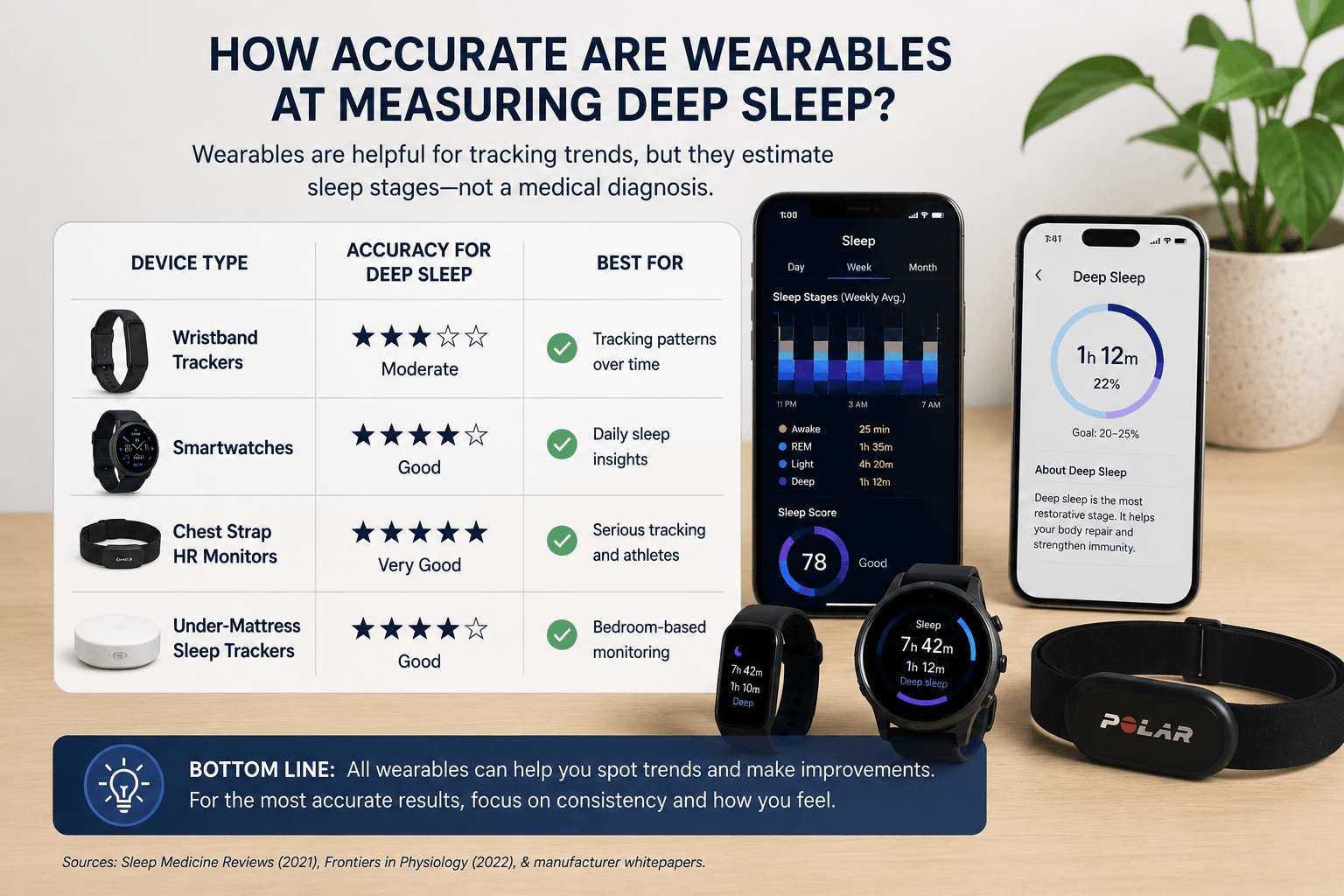
Use wearable data primarily for trends. If your usual deep-sleep estimate changes after late alcohol, a much later bedtime, illness, travel, or another routine change, the pattern may be useful. A single reading of 30 minutes, however, does not automatically mean something is wrong.
It is also worth asking a more practical question: how do you feel? Persistent daytime sleepiness, waking unrefreshed, loud snoring, gasping during sleep, morning headaches, or frequent awakenings deserve more attention than achieving a particular percentage in an app.
A Simple 7-Day Deep Sleep Improvement Plan
Instead of changing ten things at once, use one week to establish a cleaner baseline.
- Day 1: Set a realistic sleep and wake window that gives you enough time for a full night’s sleep.
- Day 2: Keep the same wake time and get outdoor light earlier in the day.
- Day 3: Move caffeine earlier and note when you have your final serving.
- Day 4: Add daytime exercise or a brisk walk if appropriate for you.
- Day 5: Make the bedroom darker, quieter, and comfortably cool.
- Day 6: Create a 30- to 60-minute wind-down period with dimmer light and less stimulating content.
- Day 7: Review the week. Look at overall sleep duration, awakenings, daytime energy, and tracker trends rather than judging only one deep-sleep number.
Keep the habits that were practical and helpful for another few weeks. Sleep patterns are better evaluated over time than after a single night.


A premium cotton weighted blanket with glass microbeads held in quilted pockets for evenly distributed pressure. It can suit adults who prefer a smoother, more traditional weighted-blanket feel during a bedtime routine, but it may still feel warm or restrictive and should be easy for the user to remove independently. It may support comfort and relaxation, but it should not be treated as a guaranteed way to increase deep sleep.
As an Amazon Associate, Purely Vital Living may earn from qualifying purchases. Price shown was supplied at the time of writing and may change.
Check Your Overall Sleep Habits
Deep sleep is only one part of sleep quality. If you want a broader look at your routine, try the free PVL Sleep Score Calculator. It can help you review the everyday habits that may be supporting—or interfering with—your sleep.
You can also read our complete guide to improving sleep quality naturally and our guide to improving REM sleep naturally for a broader look at healthy sleep.
When to Talk With a Healthcare Professional
Consider speaking with a healthcare professional if poor or unrefreshing sleep continues despite reasonable sleep habits, particularly if you experience loud habitual snoring, witnessed pauses in breathing, gasping or choking during sleep, severe daytime sleepiness, persistent insomnia, or symptoms that interfere with daily life.
A clinician can help determine whether an underlying sleep disorder, medication, health condition, or another factor may be contributing.
Frequently Asked Questions
How can I increase my deep sleep?
Start with enough total sleep time, consistent bed and wake times, regular daytime exercise, morning light exposure, and a cool, dark, quiet bedroom. Limiting late caffeine and alcohol and building a relaxing evening routine may also support healthier sleep architecture.
Why is my deep sleep so low?
Possible reasons include insufficient total sleep, inconsistent timing, stress, alcohol, caffeine, frequent awakenings, age-related changes, medications, health conditions, or inaccurate wearable estimates. Look at patterns over time rather than one night’s reading.
Is 30 minutes of deep sleep enough?
A single tracker reading of 30 minutes cannot tell you by itself whether your sleep is healthy. Consumer devices estimate sleep stages, and nightly amounts vary. Pay attention to longer-term trends, total sleep, and how you feel during the day.
How can I get more deep sleep naturally?
Focus on the fundamentals: sufficient sleep opportunity, regular timing, exercise, daytime light, a comfortable bedroom, less evening alcohol, an appropriate caffeine cutoff, and stress management. These habits support healthy sleep without trying to force one particular stage.
Does exercise increase deep sleep?
Regular exercise is associated with better sleep and can support healthy sleep architecture. The best timing depends on the individual; if vigorous late workouts keep you alert, exercise earlier in the day.
Does magnesium help with deep sleep?
Magnesium is commonly marketed for sleep, but evidence does not support treating it as a guaranteed way to increase deep sleep. Correcting a deficiency may be relevant for some people, but supplements should be considered in the context of overall health and medication use.
Does alcohol reduce deep sleep?
Alcohol can alter normal sleep architecture and contribute to fragmented sleep, particularly later in the night. Feeling sleepy after drinking does not necessarily mean sleep quality will improve.
Can a smartwatch accurately measure deep sleep?
Smartwatches and rings estimate deep sleep rather than directly measuring brain activity. They can be useful for observing trends, but their sleep-stage estimates should not be interpreted as equivalent to a clinical sleep study.
How can I get more deep sleep tonight?
There is no reliable way to force extra deep sleep on a particular night. Give yourself enough time to sleep, avoid late caffeine and alcohol, keep the room cool and dark, and use a calm wind-down routine. Consistency over time matters more than one perfect night.
Sleep Comfort Pick
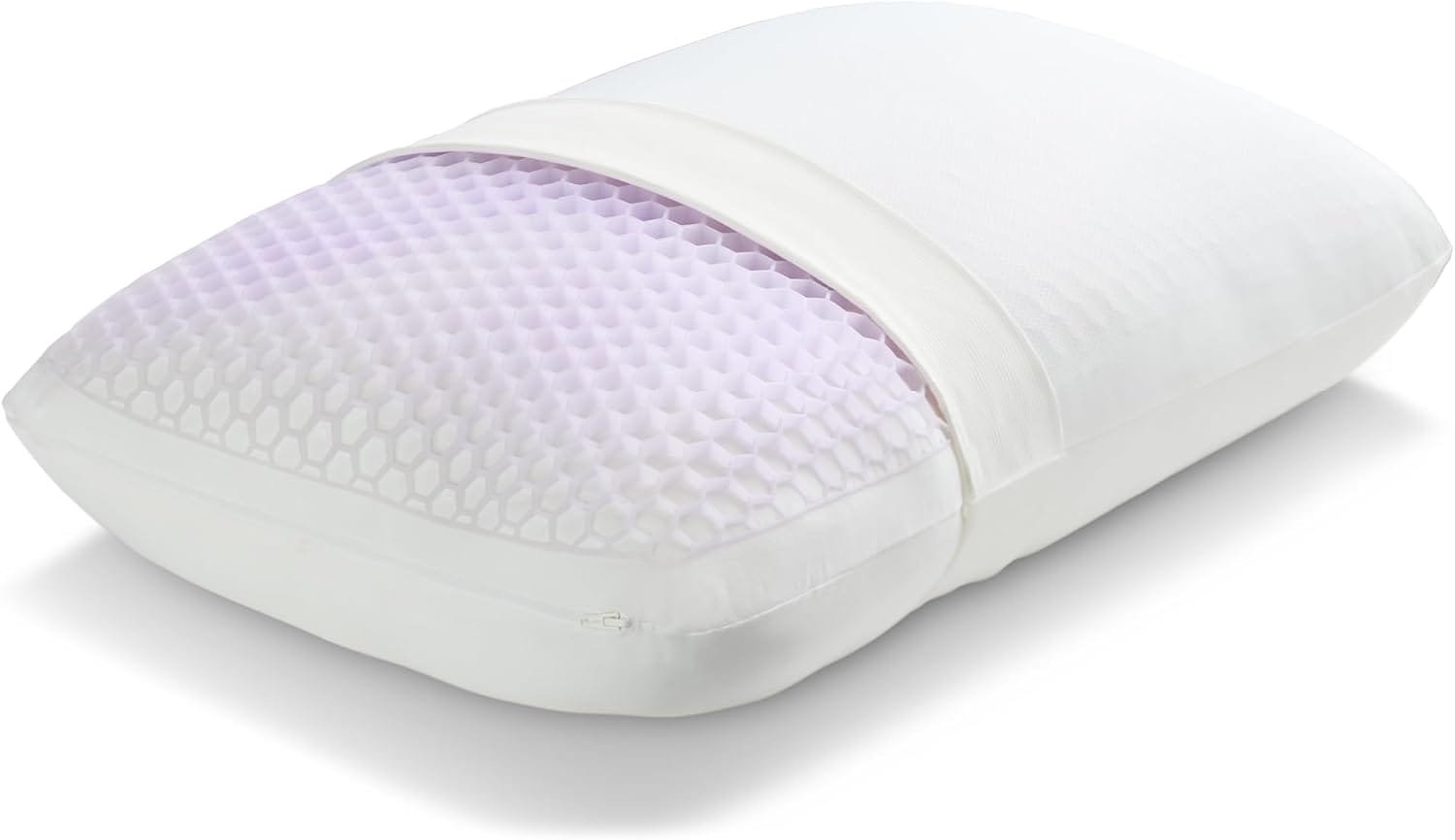
A premium pillow that combines plush down-alternative cushioning with a breathable GelFlex Grid surface. It may suit side and back sleepers who want pressure relief, stable support, and better airflow than dense memory foam, but the loft is fixed and the cooling effect is passive rather than active. It should be viewed as a comfort and sleep-environment upgrade, not a product proven to increase deep sleep.
As an Amazon Associate, Purely Vital Living may earn from qualifying purchases. Price shown was supplied at the time of writing and may change.
The Bottom Line
If you want to know how to improve deep sleep, start with the foundations rather than chasing a perfect tracker score. Protect enough sleep time, keep your schedule consistent, get daylight and regular activity, optimize your bedroom, and reduce factors that fragment sleep.
Then give those changes time. Deep sleep naturally varies from night to night, and wearable estimates are imperfect. The more useful goal is restorative sleep that supports how you feel and function during the day.
Related Reads
- How to Improve Sleep Quality Naturally: Complete Sleep Guide
- How to Improve REM Sleep Naturally: 10 Science-Backed Tips
- How to Fix Your Sleep Cycle: A 2-Week Reset Plan
- How to Fall Asleep Faster Naturally Tonight
- PVL Sleep Score Calculator
References
- National Heart, Lung, and Blood Institute — Sleep Phases and Stages
- National Heart, Lung, and Blood Institute — Sleep Deprivation and Deficiency
- National Institute on Aging — Sleep and Older Adults
- National Institute on Aging — Healthy Sleep Habits
- PubMed — Meta-analysis of Consumer Wrist-Worn Sleep Trackers vs. Polysomnography
- Centers for Disease Control and Prevention — About Sleep