
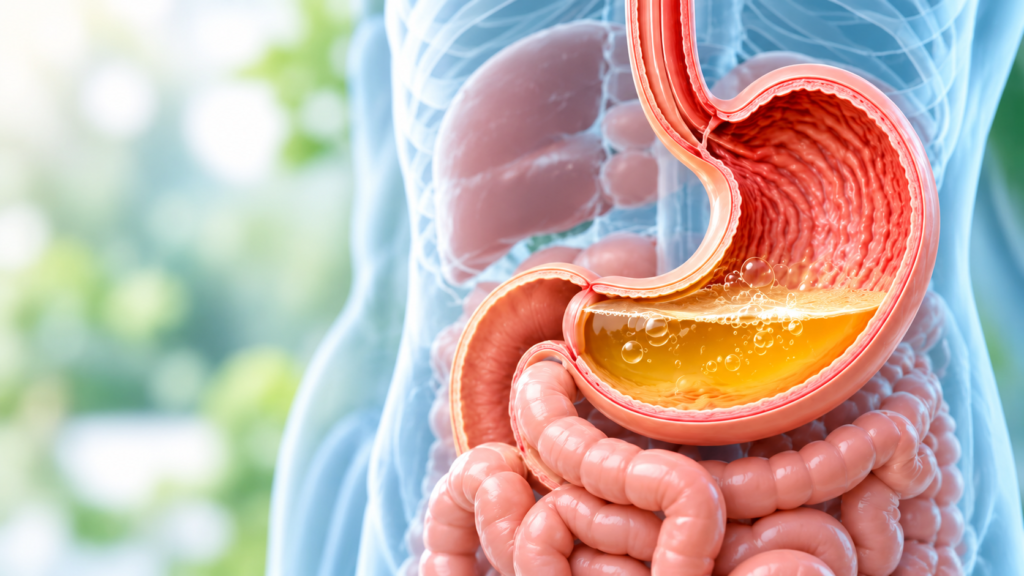
Quick answer: Possible low stomach acid symptoms include bloating, frequent burping, feeling full quickly, indigestion, nausea, and changes in bowel movements. Hypochlorhydria may also be associated with certain nutrient deficiencies. However, these symptoms overlap with many other digestive disorders and cannot confirm low stomach acid on their own.
Stomach acid has an important role in digestion, but more acid is not always better. This evidence-informed guide explains what the signs may mean, when testing is appropriate, and why self-diagnosis can be misleading.
Key Takeaways
- Bloating, reflux, and early fullness are not specific to low stomach acid.
- Underlying conditions and medication history matter more than an online symptom checklist.
- Home baking soda tests and betaine HCl challenges are not reliable ways to diagnose hypochlorhydria.
What Is Low Stomach Acid?
Low stomach acid, medically called hypochlorhydria, means the stomach produces less hydrochloric acid than is needed for normal digestive function. Acid helps activate pepsin for protein digestion, releases certain nutrients from food, and provides a barrier against swallowed microorganisms. Very low or absent acid is called achlorhydria.
Having bloating or heartburn does not mean your stomach acid is low. These symptoms occur with many more common digestive conditions, and a clinician must evaluate the underlying cause.
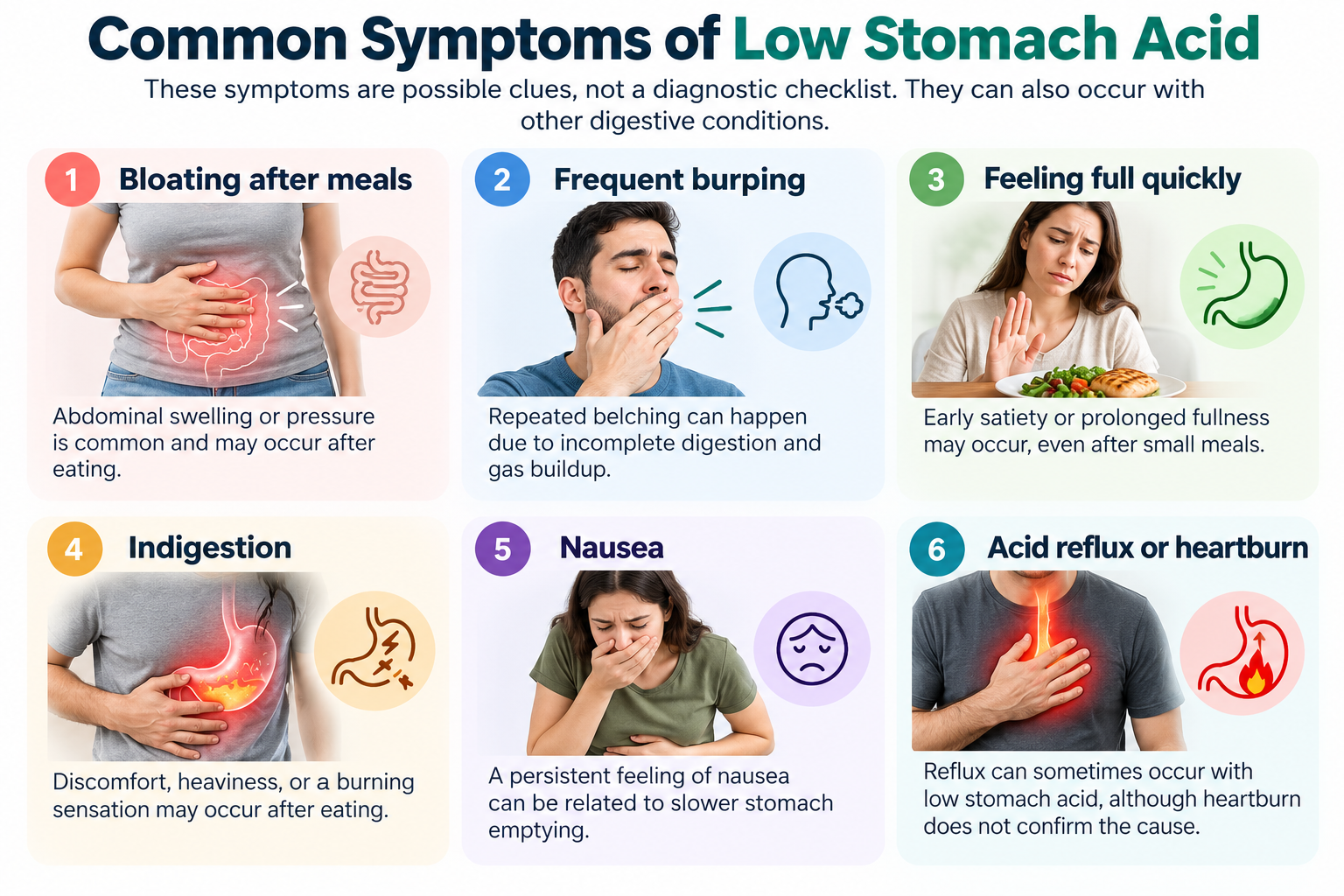
These symptoms are possible clues, not a diagnostic checklist. Some people with hypochlorhydria have few symptoms, while others have symptoms from a separate condition.
1. Bloating after meals
Abdominal swelling or pressure may occur alongside impaired digestion. Bloating is also common with constipation, food intolerance, functional dyspepsia, and irritable bowel syndrome (IBS).
2. Frequent burping
Repeated belching can accompany indigestion, but swallowed air, carbonated drinks, and reflux are frequent alternative explanations.
3. Feeling full unusually quickly
Early satiety or prolonged fullness deserves attention, particularly if persistent or accompanied by weight loss. It is not specific to stomach acid levels.
4. Indigestion or upper abdominal discomfort
Discomfort after eating may be reported with hypochlorhydria. Ulcers, gastritis, functional dyspepsia, and medication effects can cause similar symptoms.
5. Heartburn or reflux
Reflux symptoms may coexist with low stomach acid, but heartburn is not evidence that acid production is low. Reflux involves stomach contents moving into the esophagus, and treatment depends on the actual diagnosis.
6. Nausea after eating
Nausea is nonspecific. Persistent nausea warrants medical assessment, especially if vomiting or dehydration occurs.
7. Changes in bowel habits
Diarrhea or constipation can accompany digestive disorders but cannot identify stomach acid production. A clinician may investigate other causes first.
8. Visible undigested food in stool
Some food fragments, particularly high-fiber vegetable skins, can appear in stool even with normal digestion. This finding alone does not indicate hypochlorhydria.
9. Vitamin B12 or iron deficiency
Reduced gastric acidity can interfere with releasing food-bound vitamin B12 and may affect iron absorption. However, deficiency has many causes, and blood testing and medical evaluation are necessary.
10. Fatigue or weakness
Fatigue may develop when an underlying condition causes anemia or nutrient deficiency. It is not a reliable standalone sign of low stomach acid.
BETAINE HCL & PEPSIN PRODUCT REVIEW

Doctor’s Best Betaine HCl Pepsin & Gentian Bitters
Evidence-informed product review · 120 capsules
This formula combines betaine hydrochloride, pepsin and gentian bitters. Betaine HCl can temporarily increase stomach acidity, but there is insufficient evidence that this supplement treats low stomach acid, bloating or reflux. Do not use it to self-diagnose or self-treat; discuss symptoms and safety with a clinician first.
Low Stomach Acid vs. High Stomach Acid: Can Symptoms Tell Them Apart?
Short answer: No. Symptoms overlap too much to reliably distinguish low acid production from reflux, gastritis, or other conditions.
| Symptom | Low stomach acid | Other digestive conditions |
|---|---|---|
| Bloating and burping | Possible | Common with dyspepsia, IBS, food intolerance |
| Heartburn | May coexist | Common with GERD |
| Early fullness | Possible | Can occur with functional dyspepsia and delayed gastric emptying |
| Nausea | Possible | Many causes |
| Vitamin B12 deficiency | Can be associated | Also occurs with dietary, autoimmune, and intestinal causes |
The table is a comparison of possible associations, not a diagnostic tool.
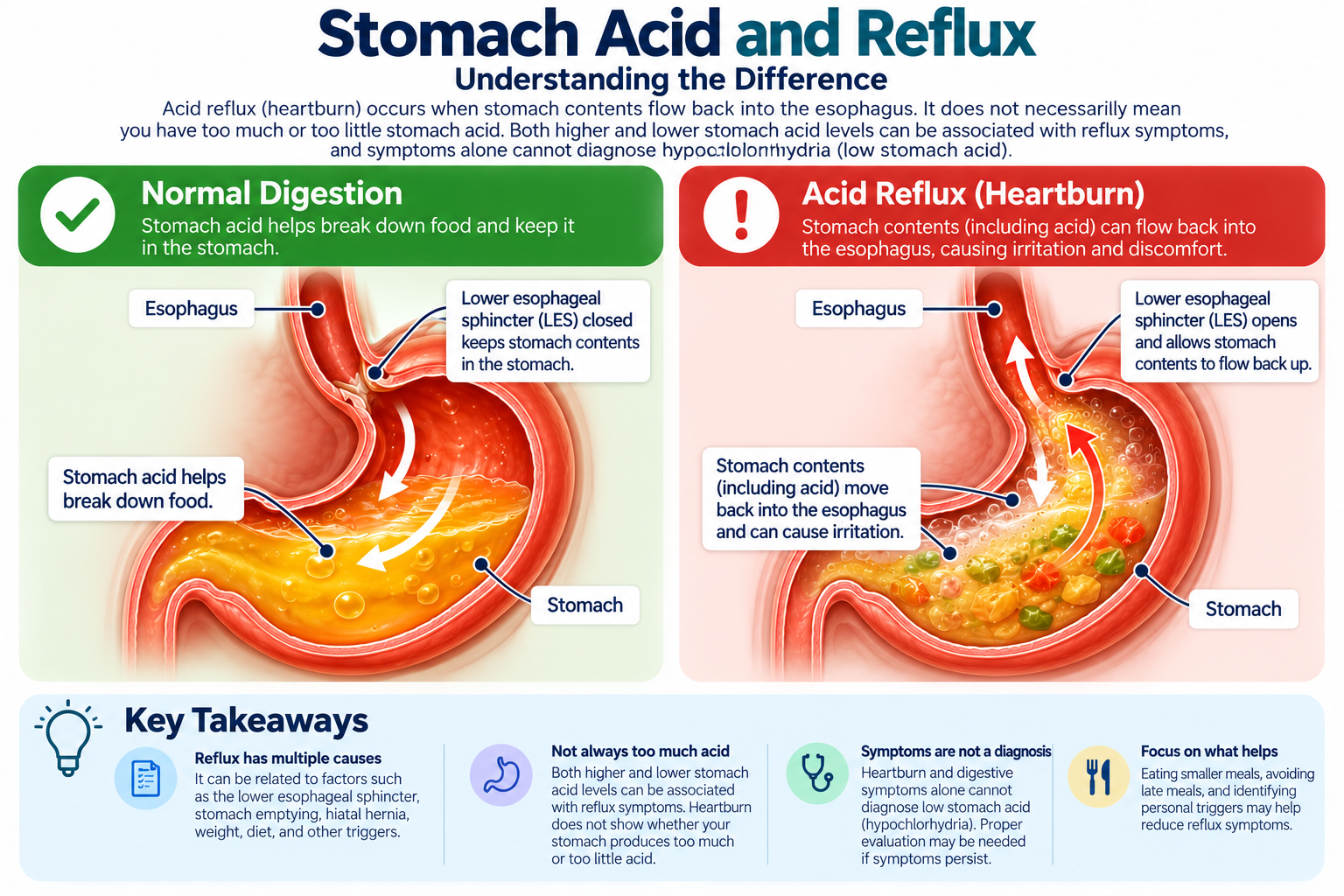
Reflux and low stomach acid can occur in the same person, but reflux symptoms do not establish low acidity as the cause. GERD involves the movement of stomach contents into the esophagus, often related to the anti-reflux barrier. Do not stop prescribed acid-suppressing medication or begin hydrochloric acid supplements on the assumption that heartburn means too little acid.
What Causes Low Stomach Acid?
Potential contributors include atrophic gastritis, including autoimmune gastritis; Helicobacter pylori-associated changes to the stomach lining; stomach surgery; and acid-suppressing medicines such as proton pump inhibitors or H2 blockers. Stomach acid production can also change with age, particularly in association with stomach-lining disease. Age alone should not be used to diagnose the condition. The American Gastroenterological Association explains the importance of evaluating underlying atrophic gastritis and associated deficiencies.
Some medications intentionally reduce stomach acid to treat GERD, ulcers, or other disorders. Discuss concerns with the prescribing clinician rather than stopping treatment independently.
How Do Doctors Investigate Suspected Low Stomach Acid?
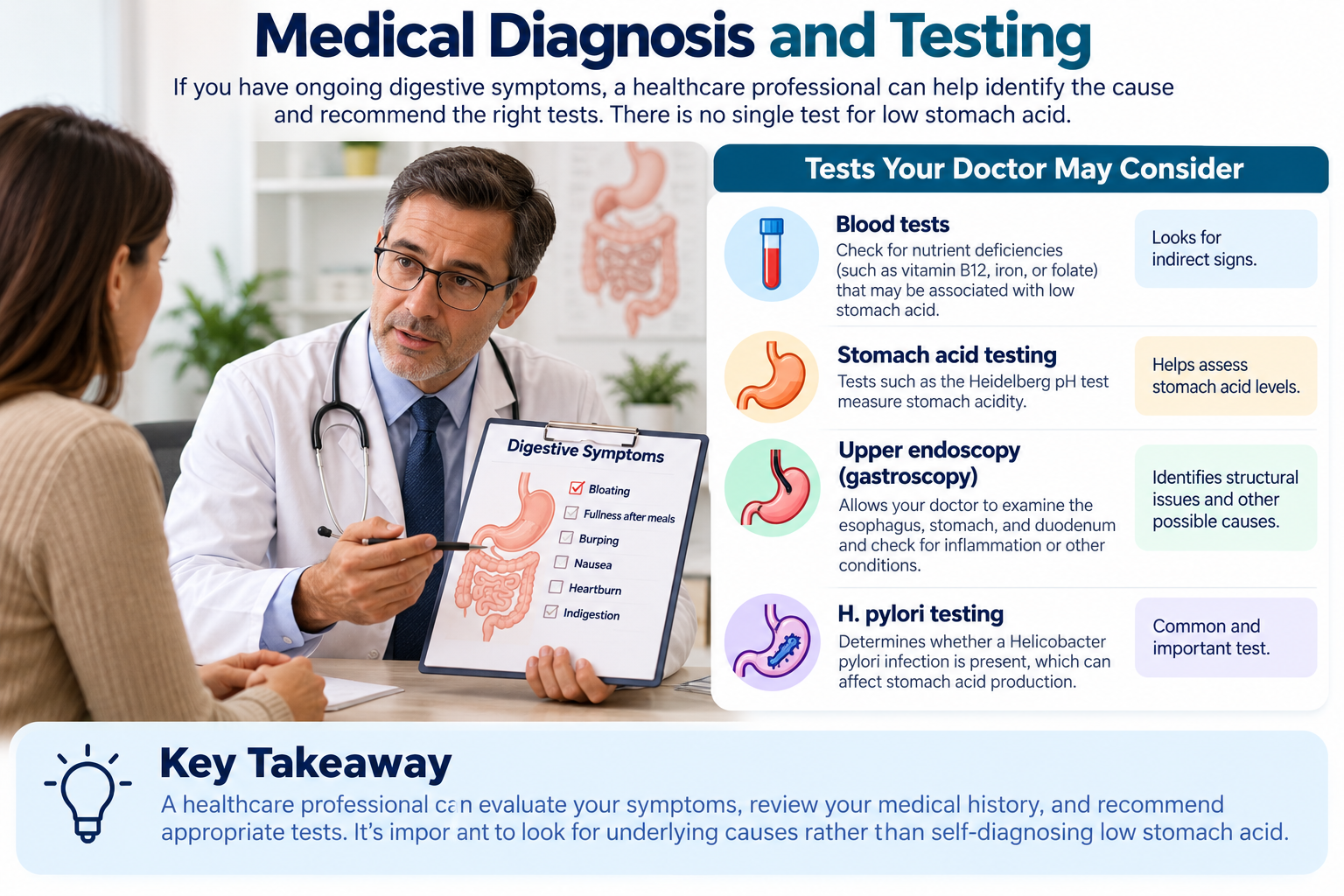
Direct answer: Doctors begin with symptoms, medical history, medications, and an examination. Depending on the clinical picture, they may investigate H. pylori, anemia, vitamin B12 or iron deficiency, or atrophic gastritis. Endoscopy with biopsies or specialized measurements of gastric acidity may be considered when indicated, but direct acid testing is not routinely necessary for every person with indigestion.
Testing should be selected for the suspected condition, not simply because someone has bloating. NIDDK outlines the diagnostic approaches used for gastritis and gastropathy.
Can You Test Stomach Acid at Home?
There is no widely accepted, validated do-it-yourself test that can reliably diagnose hypochlorhydria. The popular baking soda burp test cannot accurately measure gastric acid, and the betaine HCl challenge is not a validated diagnostic test. Taking acid supplements to provoke burning can be harmful, especially in people with reflux, gastritis, or ulcers. For information about clinical evaluation, see Cleveland Clinic’s overview of hypochlorhydria.
Can Low Stomach Acid Affect Vitamin B12 and Iron Absorption?
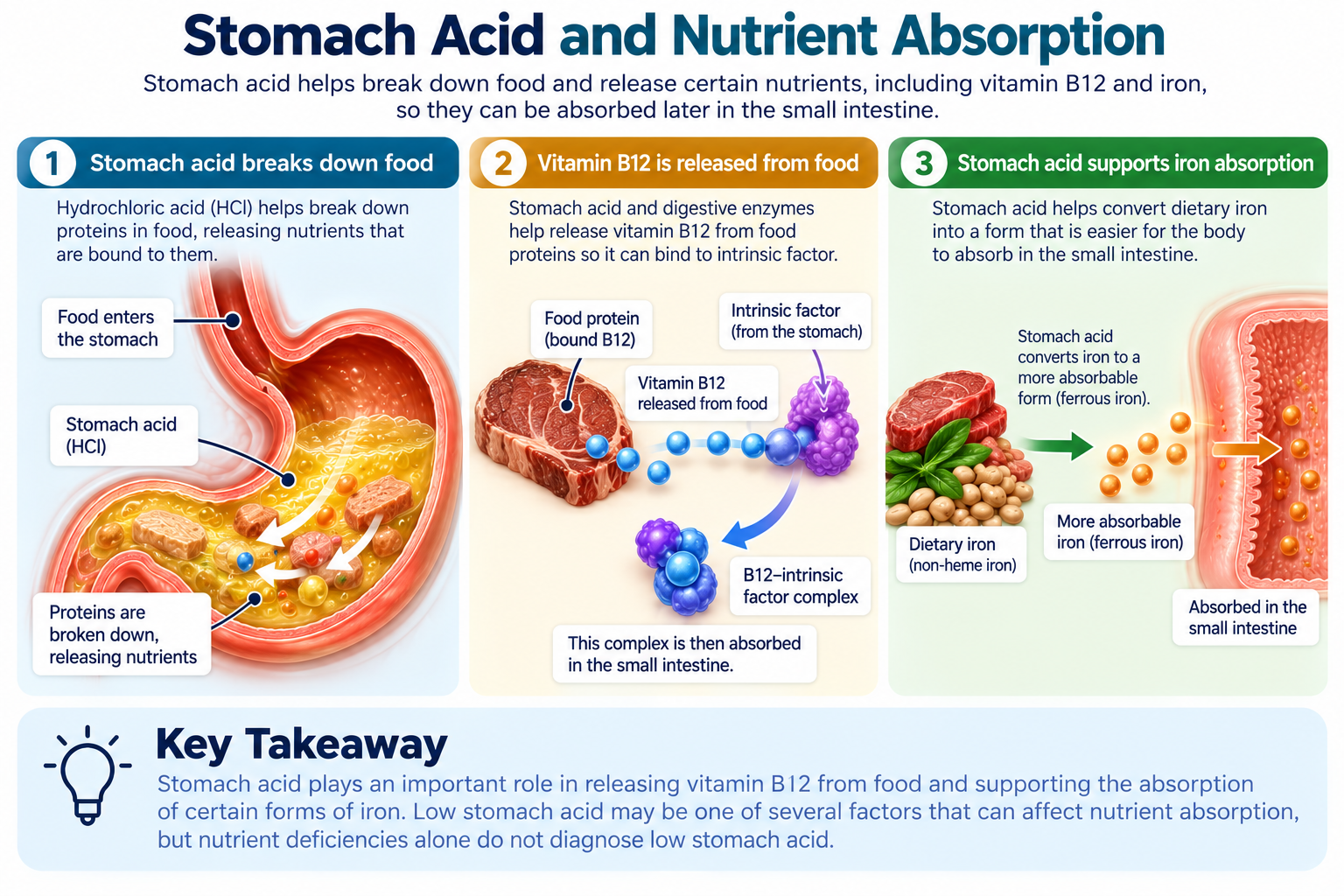
Stomach acid helps release vitamin B12 from food proteins and supports the availability of certain minerals. Conditions that substantially reduce gastric acid may contribute to nutrient problems, particularly food-bound vitamin B12 malabsorption. Iron deficiency may also occur in some underlying gastric disorders. NIH’s vitamin B12 fact sheet explains how gastric acid helps release food-bound vitamin B12. Vitamin B12 and iron deficiencies have many possible causes, including dietary intake, autoimmune conditions, blood loss, and intestinal absorption disorders. Blood tests and clinical assessment are needed to identify a deficiency and investigate its cause; neither deficiency establishes hypochlorhydria. Symptoms such as fatigue, pallor, numbness, or weakness require assessment rather than presumptive supplementation.
Is Low Stomach Acid Linked to Bacterial Overgrowth?
Gastric acidity is one of the body’s defenses against ingested microorganisms. Reduced acidity may be associated with changes in gastrointestinal microbial populations, but bloating alone does not prove small intestinal bacterial overgrowth (SIBO). Evaluation and treatment depend on the person’s full clinical picture.
DIGESTIVE ENZYME PRODUCT REVIEW

Metagenics SpectraZyme Pancreatic Enzymes Extra Strength
Evidence-informed review · 90 tablets
SpectraZyme provides porcine-derived protease, amylase and lipase to support the breakdown of protein, starch and fat. It is not a proven treatment for low stomach acid or a substitute for prescribed pancreatic enzymes. Read the review for formula details, evidence limitations and safety warnings.
What Can You Do About Low Stomach Acid?
Treatment depends on the cause. A clinician may address an underlying H. pylori infection, evaluate atrophic gastritis, review medication use, or treat documented nutrient deficiencies. There is no universal diet or supplement proven to restore normal acid production in every case.
Eating habits
Eating at a comfortable pace, adjusting meal size, and keeping a symptom diary may help identify triggers, but these measures do not diagnose or cure hypochlorhydria.
Digestive enzymes and probiotics
Enzymes are useful for certain specific conditions, such as lactase for lactose intolerance or prescribed pancreatic enzymes for pancreatic insufficiency. They are not established treatments for low stomach acid itself. Probiotics have strain- and condition-specific evidence and should not be presented as acid-restoring products. For broader context, see PVL’s digestive enzyme guide and probiotic guide for bloating.
What about betaine HCl or apple cider vinegar?
Evidence is insufficient to recommend these as self-treatment for suspected low stomach acid. Acidic substances and supplements can irritate the upper digestive tract and may worsen symptoms in some people. Seek medical advice before trying them.
How to Evaluate Digestive Supplement Claims
Important: The following products are reviewed for ingredient transparency and general digestive-enzyme or acidifying-supplement claims—not as recommended treatments for suspected low stomach acid. Betaine HCl can increase acidity temporarily but has not been established as a safe self-diagnostic test or a proven treatment for unexplained digestive symptoms. Pancreatic and other digestive enzymes do not restore gastric acid secretion. If symptoms persist, seek an assessment of the underlying cause before using supplements.
Affiliate disclosure: PVL may earn a commission if you purchase through these links. Product placement does not constitute a medical recommendation.
Which Eating Habits May Ease Digestive Discomfort?
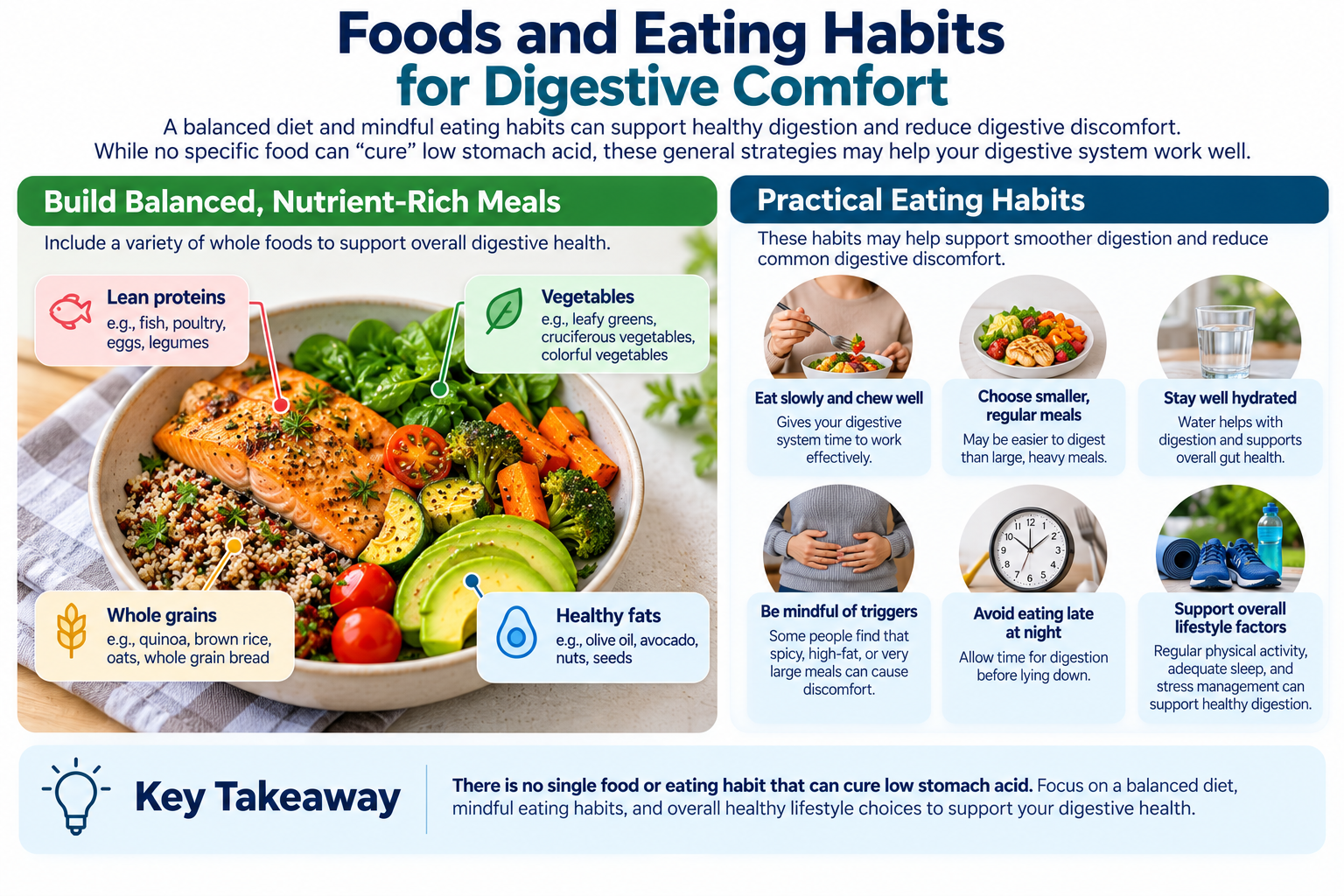
No specific food has been shown to reliably correct hypochlorhydria. Focus on balanced meals, adequate nutrition, and identifying individual triggers. If reflux is present, smaller meals and avoiding lying down immediately after eating may help. Restrictive diets should not replace evaluation for persistent symptoms.
When to See a Doctor
Arrange a medical appointment for persistent or recurring upper abdominal symptoms, unexplained early fullness, suspected nutrient deficiency, or symptoms that interfere with eating. Seek urgent medical care for vomiting blood, black tarry stools, severe or sudden abdominal pain, difficulty swallowing that is progressing, or signs of serious dehydration. Unintentional weight loss or persistent vomiting also requires prompt assessment.
FAT DIGESTION ENZYME PRODUCT REVIEW
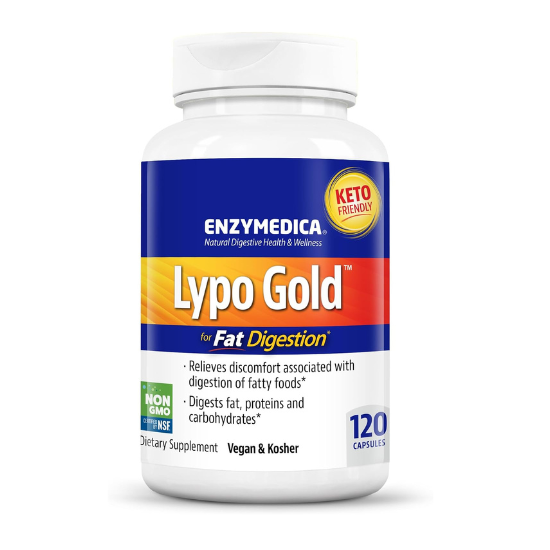
Enzymedica Lypo Gold — 120 Capsules
Evidence-informed review · Vegan digestive enzyme formula
Lypo Gold supplies lipase, amylase and protease enzymes intended to support fat, carbohydrate and protein digestion. Evidence that this specific supplement relieves routine bloating is limited, and it is not a treatment for low stomach acid or a replacement for prescribed pancreatic enzymes.
Frequently Asked Questions
How do I know if my stomach acid is low?
You cannot diagnose low stomach acid from bloating, reflux, burping or fatigue alone. A clinician reviews symptoms, medication history and risk factors, then investigates possible causes such as gastritis, Helicobacter pylori infection or nutrient deficiencies. Specialized testing of gastric acidity is considered selectively, not routinely for every person with indigestion.
What does low stomach acid feel like?
Possible complaints include early fullness, bloating, burping, nausea or upper abdominal discomfort. None is specific to hypochlorhydria, and people with other digestive disorders can experience identical symptoms. Some individuals have few symptoms until an underlying gastric condition causes anemia or a nutritional deficiency. Symptoms alone cannot establish the diagnosis.
Can low stomach acid cause bloating?
Low gastric acid can coexist with digestive symptoms, including bloating, but bloating is common in constipation, food intolerance, functional dyspepsia and irritable bowel syndrome. Its presence does not prove an acid deficiency. Persistent bloating should be evaluated according to accompanying symptoms, medical history and any warning signs rather than treated with acid supplements automatically.
Does low stomach acid cause constipation?
Constipation can occur alongside low stomach acid, but it is not a reliable marker of gastric acidity. Inadequate fiber intake, medications, dehydration, irritable bowel syndrome and other conditions are common contributors. A clinician can assess persistent constipation, especially when it is new, worsening or accompanied by bleeding, unexplained weight loss or severe pain.
Can low stomach acid cause fatigue?
Fatigue is not a direct test of stomach acid production. Some underlying conditions, including autoimmune or atrophic gastritis, can impair iron or vitamin B12 absorption and contribute to anemia or neurological symptoms. Persistent fatigue deserves appropriate evaluation; taking digestive enzymes or betaine HCl without identifying the cause is not an evidence-based solution.
Can probiotics increase stomach acid?
There is no convincing clinical evidence that taking probiotic supplements reliably restores stomach acid secretion in people with hypochlorhydria. Some probiotics have evidence for particular digestive indications, but benefits depend on the strain and condition studied. Probiotics should not replace investigation for gastritis, infection, anemia or other causes of ongoing symptoms.
Can you fix low stomach acid naturally?
There is no universal diet, vinegar regimen or supplement proven to restore gastric acid production. Eating slowly, adjusting portion sizes and identifying food triggers may improve comfort without correcting an underlying acid deficiency. Treatment depends on the cause, which may involve medication review, treating Helicobacter pylori or addressing nutritional deficiencies under medical supervision.
Should I stop taking a proton pump inhibitor?
Do not discontinue a prescribed proton pump inhibitor solely because you suspect low stomach acid. These medications can be important for reflux disease, ulcers and other conditions, and stopping them abruptly may lead to rebound acid symptoms. Ask the prescribing clinician to review your indication, dose, duration and whether a supervised reduction is appropriate.
References and Further Reading
- American Gastroenterological Association — Diagnosis and Management of Atrophic Gastritis: Clinical Practice Update.
- NIDDK — Diagnosis of Gastritis and Gastropathy.
- Cleveland Clinic — Hypochlorhydria: Symptoms, Tests, Treatment.
- NIDDK — Acid Reflux (GER and GERD) in Adults.
- NIDDK — Gastritis and Gastropathy.
- NIH Office of Dietary Supplements — Vitamin B12 Fact Sheet.
Disclaimer: This article is for general educational purposes only and does not provide a diagnosis or individualized medical advice. Consult a qualified healthcare professional for persistent symptoms or concerns about treatment.