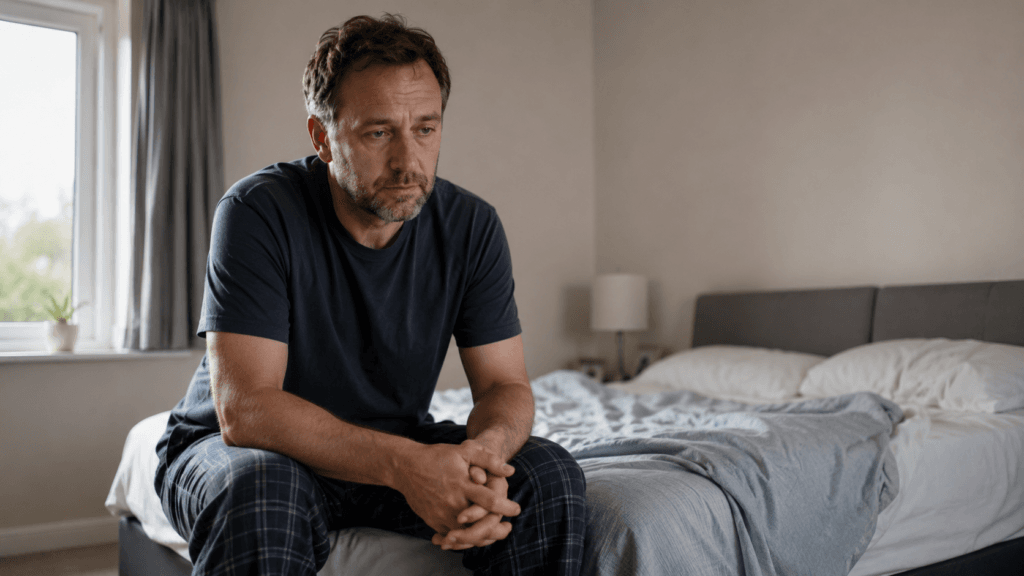

This article shares my personal experience. It is not medical advice, and I do not claim that work stress caused the health conditions I experienced. Where I discuss broader health effects of workplace stress, I distinguish my story from research and professional guidance.
Introduction — I Thought Stress Was Just Part of the Job
I spent approximately 25 years working in construction and construction management. Deadlines, project problems, responsibility, pressure, and constant decision-making became normal parts of my working life. For years, I did not necessarily think of this as a health issue. It was simply part of doing the job.
Construction management teaches you to solve problems quickly. A delay affects a schedule. A coordination issue affects several teams. A decision that looks small on paper can have consequences for cost, quality, safety, or the next stage of the project. I became used to carrying that responsibility.
What I understood much later was that the pressure was not always staying at work. It followed me home in my thoughts. It affected how easily I could switch off, how rested I felt, and how much energy I had for the rest of life.
It took me years to understand that being able to tolerate work stress was not the same as being unaffected by it.
Table of Contents
- What Work Stress Looked Like During My Construction Career
- When Work Stress Became My Normal
- What Were the First Signs I Was Under Too Much Stress?
- How Work Stress Affected My Health
- Why I Kept Pushing Through
- When I Realized the Work Stress Was Too Much
- What Actually Helped Me Manage Stress While Still Working
- How I Learned to Switch Off From Work
- What 25 Years in Construction Taught Me About Work Stress
- How My Definition of Success Changed
- Frequently Asked Questions About Work Stress
- Final Reflection: I Wish I Had Listened Earlier
What Work Stress Looked Like During My Construction Career
Deadlines That Never Really Ended

Construction projects run on schedules, milestones, inspections, approvals, deliveries, subcontractor coordination, and hundreds of details that need to come together at the right time. When one part slips, the effect can spread quickly.
There was almost always another issue waiting: a delay to recover, an unexpected site problem, a decision that could not wait, or several people needing answers at once. Finishing one deadline often meant immediately turning toward the next one.
Responsibility Followed Me Everywhere
Management also meant responsibility for teams, subcontractors, quality, schedules, coordination, problem-solving, and decisions with real consequences. That responsibility did not automatically disappear when I left the project site.
The working day might finish, but mentally the job often did not. I could be away from the site while still thinking about tomorrow’s problems, unfinished tasks, or what might go wrong next.
When Work Stress Became My Normal
One of the most difficult things about prolonged pressure is how ordinary it can begin to feel. I was not waking up every morning thinking, “I am suffering from work stress.” I was thinking about what needed to be done.
Over time, always thinking ahead, struggling to disconnect, accepting tiredness, and continuing despite warning signs became part of my definition of professional life. Handling pressure felt like part of being experienced, dependable, and responsible.
Looking back, I can see how easy it is to adapt to a demanding environment without noticing what that adaptation is costing you.

What Were the First Signs I Was Under Too Much Stress?
Feeling Emotionally Drained
For me, feeling emotionally drained or emotionally exhausted was not one dramatic moment. It was more like having less left at the end of the day. Solving problems and carrying responsibility consumed mental energy, and sometimes I arrived home without feeling that the working day had really ended.
Physical and Mental Exhaustion
There is a difference between being tired after a difficult day and feeling as though recovery is no longer keeping pace with the demands placed on you. In my own life, fatigue eventually became harder to dismiss as an ordinary consequence of being busy.
Common Signs of Work-Related Stress
Outside my personal experience, professional guidance describes work-related stress as something that can show up through changes in concentration, decision-making, mood, tiredness, sleep, physical wellbeing, and the ability to cope. The NHS notes that prolonged pressure at work can affect quality of life and may contribute to burnout, while Acas lists signs such as poor concentration, irritability, tiredness, low mood, and difficulty making decisions.
Those lists are useful, but I think the important question is whether something has changed for you and whether it is beginning to interfere with everyday life.
How Work Stress Affected My Health
This is where I need to be careful about cause and effect. During the later part of my working life, I was dealing with significant fatigue, sleep problems, and other health concerns. I cannot say that work stress caused those conditions. What I can say is that prolonged pressure existed alongside them and made me take the relationship between work, recovery, and wellbeing much more seriously.
Fatigue Became Harder to Ignore
Fatigue became more than the feeling of needing a quiet evening after a demanding day. My experience with exhaustion eventually became important enough that I began looking much more closely at my health and daily habits.
I have written separately about how chronic fatigue changed my life, including my experience with exhaustion and muscle and joint pain.

Sleep Was No Longer Restorative
One of the hardest patterns was being physically tired while still finding it difficult to mentally switch off. Work thoughts did not always respect the boundary between the project and home. Poor recovery then made the next day feel harder.
My sleep story also became more complicated than stress alone. I later dealt with sleep apnea and daytime fatigue, which I discuss in Living With Sleep Apnea: Fatigue & High Blood Pressure.

When Physical Symptoms Became Harder to Ignore
During this period, I was also dealing with physical symptoms and persistent exhaustion. I do not present those symptoms as proof that workplace stress caused my health problems. They were part of the same chapter of my life, and together they forced me to pay attention to how I was living and recovering.
High Blood Pressure Made Me Take My Health More Seriously
High blood pressure was another reason I stopped treating health as something that could always be dealt with later. My experience was personal and medically complex. Research and professional guidance, meanwhile, support a broader association between chronic workplace stress and adverse physical and psychological outcomes. The American Psychological Association notes that persistent work stress can affect health and wellbeing, including sleep and concentration.
Why I Kept Pushing Through
Why keep going when you are exhausted? For me, the answer was tied to responsibility, professional pride, career identity, and the knowledge that other people depended on decisions being made and problems being solved.
There were also the practical responsibilities of life. It is easy to imagine that things will become easier after the next deadline or the next project. But construction rarely works that way. One project finishes, another begins, and the quiet period you expect may never really arrive.
For a long time, pushing through felt more responsible than slowing down.
When I Realized the Work Stress Was Too Much
For me, work stress became too much when exhaustion, difficulty disconnecting, poor recovery, and health concerns could no longer be dismissed as normal parts of a demanding career. I had spent years becoming better at carrying pressure. I had spent much less time asking whether I should be carrying all of it.
There is no universal number of stressful hours or difficult days that defines “too much.” A more useful warning sign is persistent stress that begins interfering with sleep, health, relationships, mood, concentration, or normal functioning. The NHS advises seeking further support when work-related stress has been present for some time and is affecting daily life or causing distress.
What Actually Helped Me Manage Stress While Still Working
These are changes that helped me personally. They are not a substitute for professional medical or mental-health care.
Walking Instead of Staying Still
Short walks and gentle movement became practical ways for me to break up long periods of mental and physical tension. I stopped thinking that useful activity always had to be intense.

Learning to Slow Down
Slowing down was difficult because my working life had trained me to look for the next problem and the next action. I had to learn that every available moment did not need to become another opportunity to do more.
Taking Sleep More Seriously
I began to see sleep as part of health and recovery rather than simply the hours between two working days. That change in perspective became increasingly important as I learned more about my own sleep problems.
Paying More Attention to My Body
Instead of automatically pushing through fatigue and discomfort, I became more willing to notice what my body was telling me. That did not solve everything, but it changed the way I responded to warning signs.
Accepting That Productivity Has Limits
After a long management career, one of the hardest lessons was also one of the simplest: rest is not wasted time. Recovery is not the opposite of responsibility. Sometimes it is what allows responsibility to remain sustainable.
How I Learned to Switch Off From Work
Switching off was not a single technique I mastered. It was a boundary I had to keep rebuilding between work time, home time, sleep, and recovery.
The APA recommends creating work-life boundaries and making time to recharge, including periods when you are not doing work-related activities or thinking about work. That idea sounds simple, but after years of carrying a project mentally, it can take practice.
For me, walking, slowing down, taking sleep more seriously, and deliberately giving my attention to life outside work helped create more separation. I learned that leaving the site physically was not enough; I also needed ways to leave it mentally.
What 25 Years in Construction Taught Me About Work Stress
1. Being Good Under Pressure Doesn’t Mean Pressure Isn’t Affecting You
Competence can hide strain. You can solve problems, meet deadlines, and still be paying a personal cost.
2. Stress Can Become Normal Before You Recognize It
When pressure is constant, your definition of “normal” can change. That does not mean the pressure has become harmless.
3. Your Body Doesn’t Care How Important the Deadline Is
A project milestone may be critical to the job, but the body still needs sleep, movement, recovery, and care.
4. Success Means Less If Your Health Pays the Price
I remain proud of the work I did and the responsibility I carried. I simply define success more broadly now.
5. You Don’t Have to Wait Until You Break Down to Change Something
I wish I had listened earlier. Small warning signs deserve attention before they become impossible to ignore.
How My Definition of Success Changed
Earlier in my career, success was easy to measure through projects, deadlines, responsibility, and achievement. Those things still matter to me. But later, I began adding other measures: sleep, energy, movement, health, family, and whether my daily habits were sustainable.
That change in perspective eventually became part of the reason I created Purely Vital Living. The site grew from a desire to understand health more deeply and share what I was learning, while being clear about the difference between personal experience and evidence.
Frequently Asked Questions About Work Stress
What is work stress?
Work stress is the physical and psychological response that can occur when workplace pressures or demands feel excessive or difficult to cope with. Some pressure can be motivating, but persistent or excessive pressure can affect wellbeing. Workload, responsibility, control, relationships, role clarity, and working conditions can all contribute.
What are 5 signs of work-related stress?
Five possible signs are persistent tiredness, difficulty concentrating, irritability, trouble making decisions, and changes in mood or ability to cope. People experience stress differently, so a change from your normal pattern can be important. Persistent symptoms or distress deserve professional attention.
How does work stress affect your health?
Research and professional guidance associate chronic work stress with effects on physical and emotional wellbeing, including sleep problems, concentration difficulties, headaches, irritability, and burnout. In my own case, work pressure existed alongside fatigue, sleep problems, and other health concerns, but I do not claim it caused my medical conditions.
How much work stress is too much?
There is no single threshold for everyone. Work stress may be too much when it is persistent and begins interfering with sleep, health, mood, relationships, concentration, or your ability to function normally. If stress is causing distress or affecting daily life, consider speaking with a qualified health professional or appropriate workplace support.
Can work stress affect sleep?
Yes. Professional guidance recognizes sleep disturbance as one possible effect of persistent workplace stress. For me, one challenge was being physically tired while my mind was still occupied with work. Sleep problems can also have many other causes, so persistent sleep difficulties should not automatically be attributed to stress.
Can work stress make you sick?
Persistent stress can affect physical and mental wellbeing and is associated with a range of adverse health outcomes. That does not mean stress is the cause of every symptom or illness. New, severe, or persistent symptoms should be assessed by a qualified healthcare professional rather than assumed to be “just stress.”
How can I reduce work stress?
Start by identifying the main stressors rather than treating stress as one vague problem. Depending on your situation, helpful steps may include clearer boundaries, regular breaks, physical activity, better sleep habits, discussing workload or support with a manager, and seeking professional help when stress is persistent or overwhelming.
How can I prevent burnout while still working?
Burnout prevention is not only about becoming better at tolerating pressure. Recovery time, realistic boundaries, breaks, adequate support, sleep, and addressing the sources of chronic workplace stress matter. If you are already feeling persistently exhausted or unable to cope, getting appropriate support early can be more useful than simply pushing harder.

Final Reflection: I Wish I Had Listened Earlier
Looking back after 25 years in construction, I do not regret caring about my work or taking responsibility seriously. Dedication, discipline, and the ability to solve problems shaped my career. But I wish I had understood earlier that health also deserved a place on the priority list.
You cannot always remove pressure from life. Some jobs are demanding. Some deadlines really do matter. But there is a difference between accepting responsibility and accepting unlimited sacrifice.
For years, I thought strength meant carrying more pressure without complaining. Today, I see strength differently. Sometimes it means recognizing when the weight you are carrying has become too heavy—and finally giving yourself permission to put some of it down.
Want practical ideas for managing stress, sleep, energy, and everyday wellbeing?
Join the Purely Vital Living newsletter for evidence-informed wellness guidance, realistic stress-management ideas, and practical healthy-living tips delivered to your inbox.
Related Stories From My Wellness Journey
- How Chronic Fatigue Changed My Life: My Experience With Exhaustion, Muscle and Joint Pain
- Living With Sleep Apnea: Fatigue & High Blood Pressure
- Living With IBS & Colonic Inertia: My 20-Year Journey