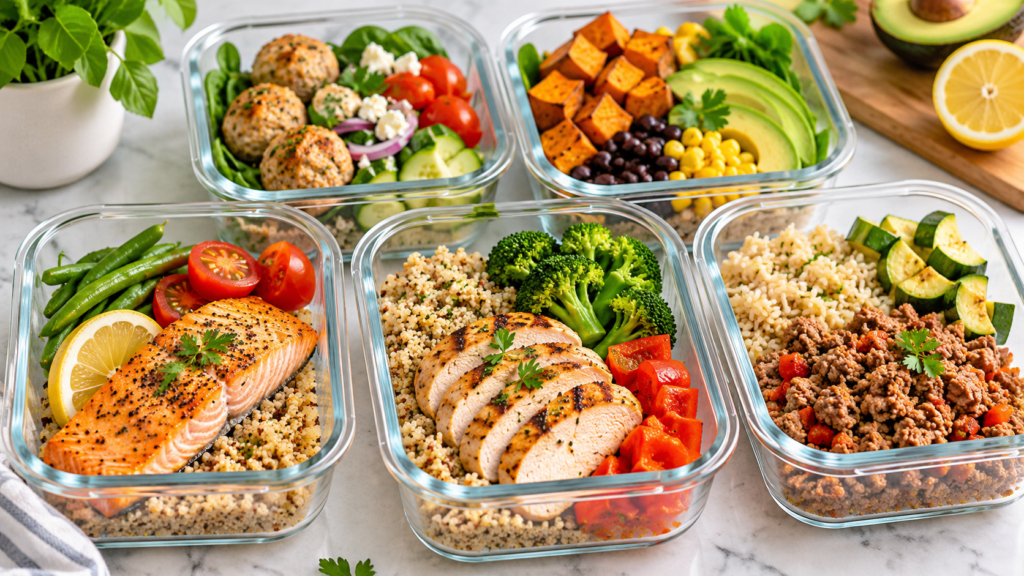
Meal prep for weight loss is the practice of planning and preparing balanced meals ahead of time to make satisfying, appropriately portioned food easier to choose. A practical routine combines protein, vegetables, fiber-rich carbohydrates, and healthy fats; uses refrigerated portions within 3–4 days; and freezes meals needed later. Meal prep supports consistency but does not guarantee weight loss.
Quick start: Choose two proteins, two high-fiber carbohydrates, and three vegetables; prepare a few versatile components; refrigerate the next 3–4 days of meals and freeze later portions promptly. Your calorie needs depend on your body, activity, health, and goals.
How does meal prep support weight loss?
Preparing meals ahead can make portion planning, grocery budgeting, and regular eating easier. Weight loss generally requires an energy deficit over time, but no particular recipe or meal-prep schedule guarantees weight loss. Include enough food to feel satisfied and maintain energy. If you have diabetes, a history of disordered eating, are pregnant, or have other special nutrition needs, seek individualized advice from a qualified clinician or registered dietitian.
What should a balanced meal-prep plate include?
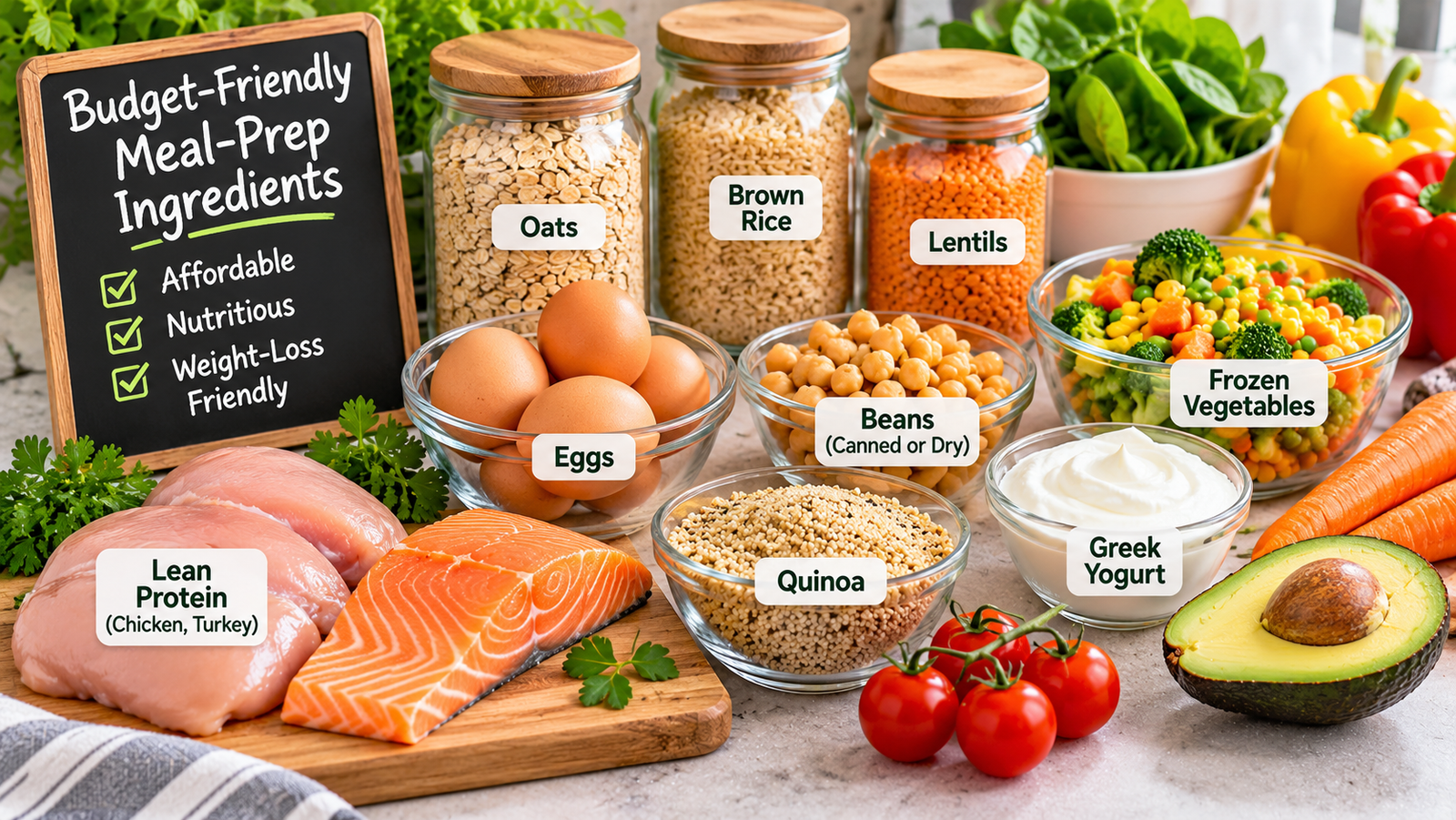
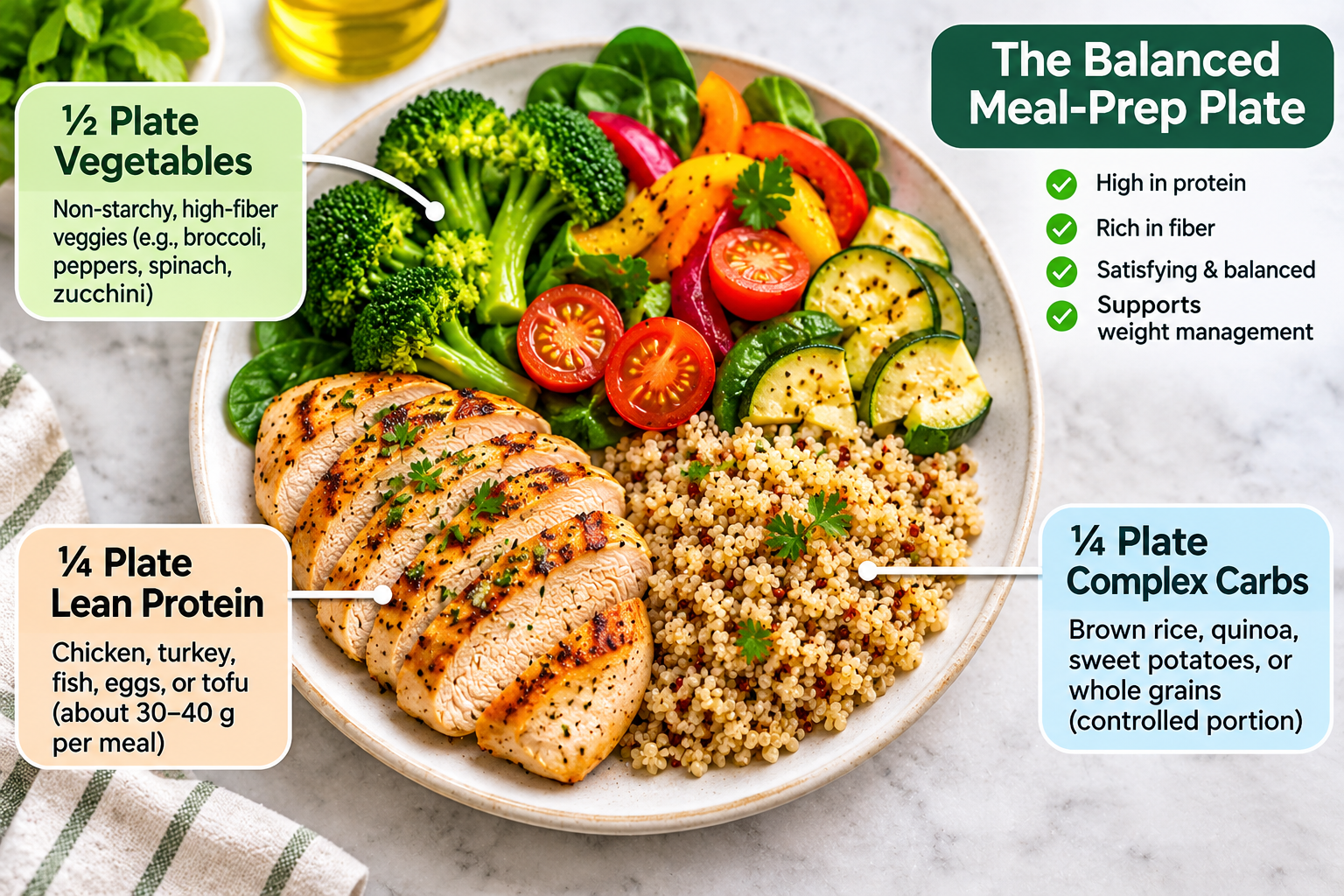
Start with approximately half a plate of non-starchy vegetables, one quarter protein-rich foods, and one quarter whole grains or starchy vegetables, adjusting proportions to your needs. Add a moderate portion of unsaturated fat, such as olive oil or avocado. Protein options include chicken, fish, eggs, tofu, lentils, and beans; fiber-rich choices include oats, brown rice, quinoa, vegetables, and fruit.
Rather than prescribing a universal 1,200- or 1,500-calorie plan, use the example menu below as a flexible framework. Serving sizes, sauces, oils, and brands materially change calories and protein.
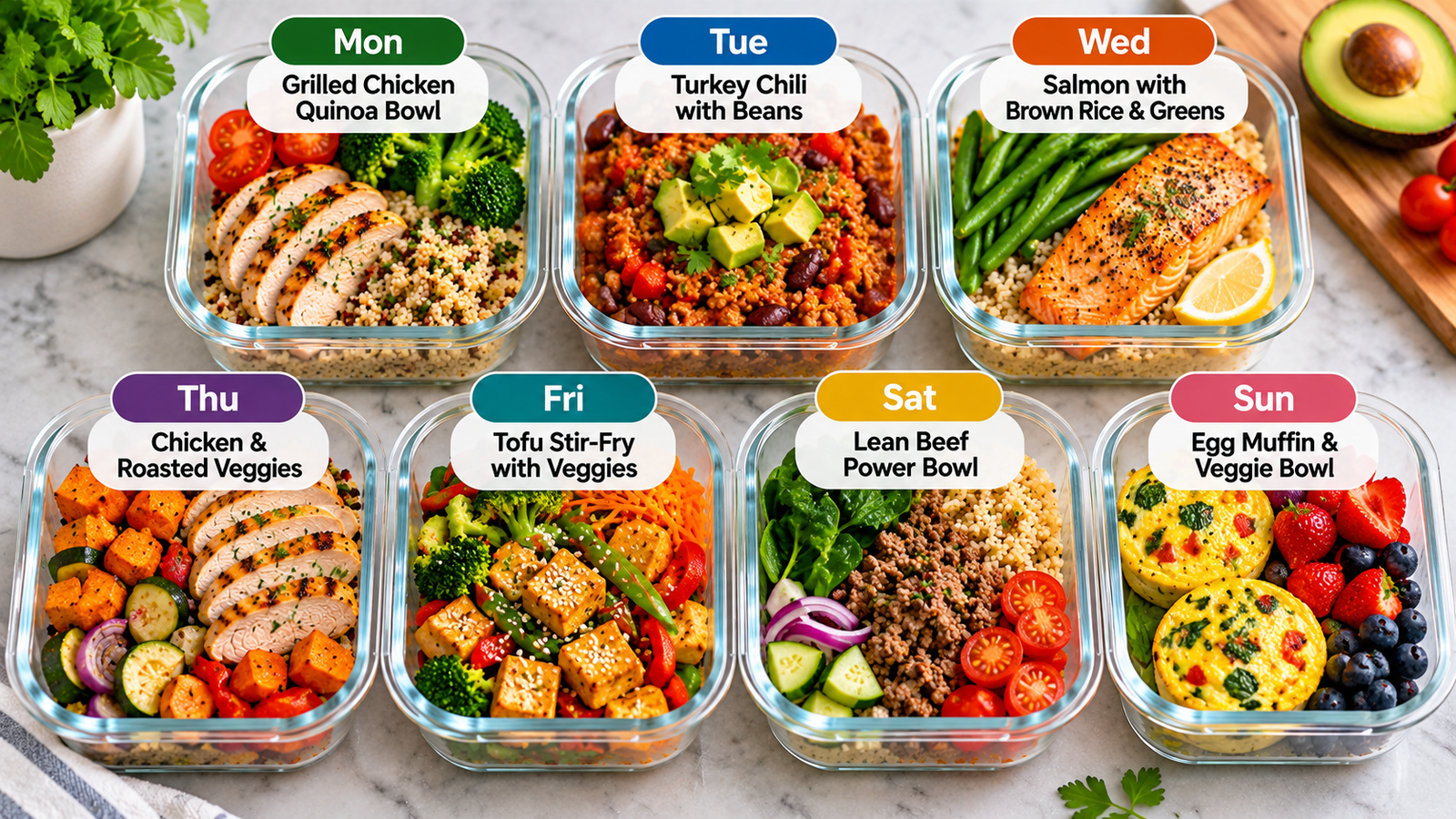
What does a 7-day meal-prep plan look like?
This mix-and-match menu is an example, not a fixed-calorie diet. Add or adjust snacks and portions according to your individual needs. Each meal can be adapted for vegetarian diets by swapping chicken or fish for tofu, tempeh, or legumes.
| Day | Breakfast | Lunch | Dinner |
|---|---|---|---|
| Monday | Greek yogurt, oats and berries | Lemon chicken, quinoa and broccoli | Turkey and bean chili |
| Tuesday | Egg and spinach breakfast wrap | Chicken, quinoa and roasted peppers | Chili with a side salad |
| Wednesday | Overnight oats with chia | Chickpea and cucumber grain bowl | Salmon, sweet potato and green beans |
| Thursday | Greek yogurt and fruit | Turkey chili and brown rice | Tofu and vegetable stir-fry |
| Friday | Egg and spinach wrap | Chicken and roasted vegetable bowl | Black bean and sweet potato tacos |
| Saturday | Overnight oats | Tuna or chickpea salad wrap | Frozen portion of chili and vegetables |
| Sunday | Yogurt, berries and nuts | Leftover grain bowl | Sheet-pan chicken or tofu with vegetables |
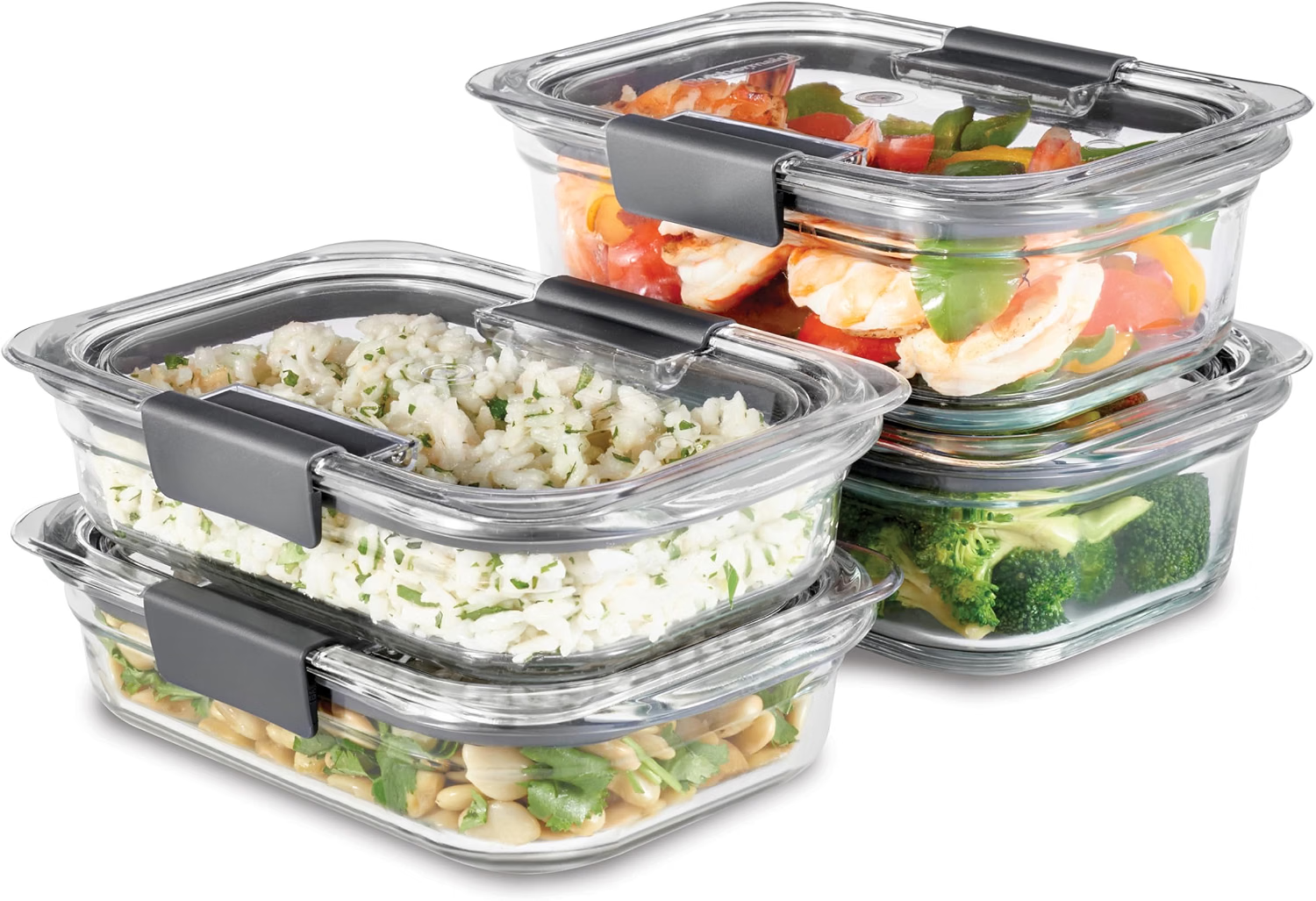
Snack options: fruit with yogurt, carrots and hummus, cottage cheese, or a small serving of nuts. Choose what suits your appetite and overall intake. Freeze meals intended for later in the week rather than keeping cooked Monday meals in the refrigerator until Sunday.
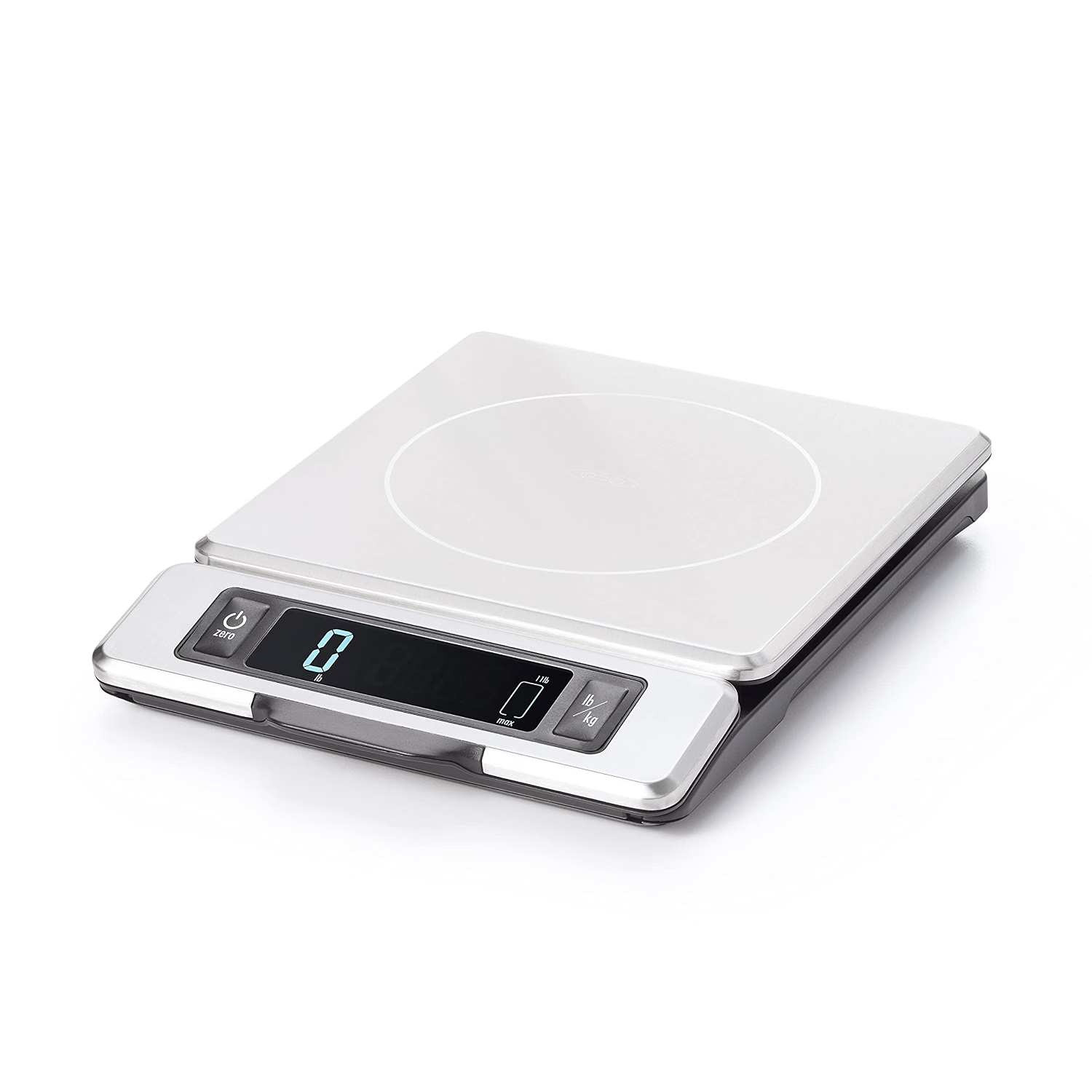
PVL pick — Meal Prep Portioning
OXO Good Grips 11-Pound Food Scale
A digital kitchen scale with a pull-out display and tare function for weighing recipe ingredients and dividing batches into portions.
Five easy meal-prep recipes
1. Lemon chicken, quinoa and broccoli bowls
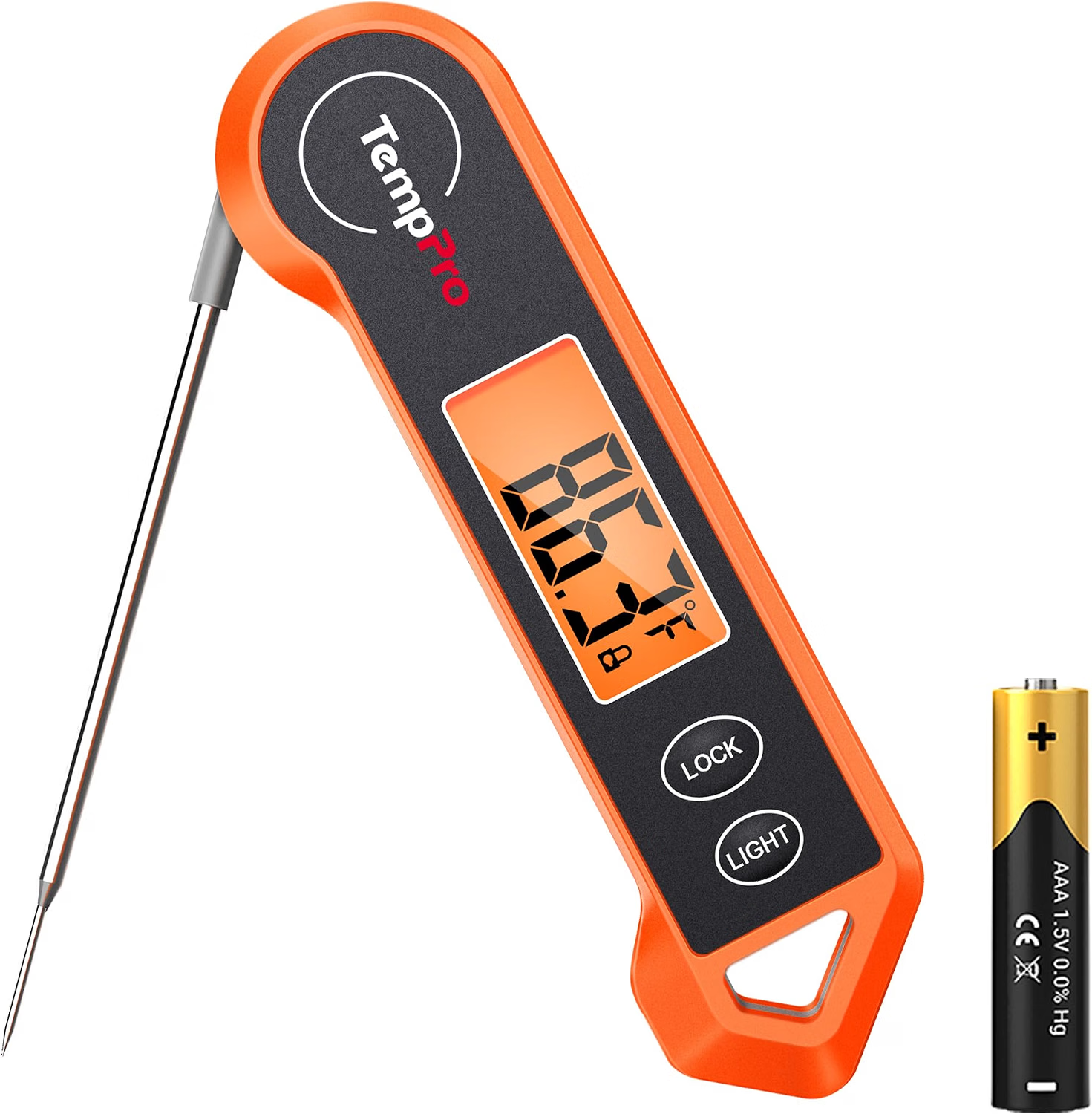
Four servings. Ingredients: 1 lb (450 g) boneless chicken breast, 1 cup dry quinoa, 4 cups broccoli florets, 1 tablespoon olive oil, lemon juice, garlic, pepper, and herbs. Cook quinoa according to its package. Roast chicken and broccoli separately or together on a sheet pan at 425°F (218°C) until chicken reaches 165°F (74°C) internally and vegetables are tender; timing depends on thickness. Divide into four containers and finish with lemon.
2. Turkey and bean chili
Four to six servings. Brown 1 lb (450 g) lean ground turkey; add one drained can of black beans, one can of kidney beans, one large can of crushed tomatoes, chopped onion, bell pepper, chili powder, and cumin. Simmer 20–30 minutes until the turkey is fully cooked to 165°F (74°C). Portion with a vegetable side or brown rice.
3. Berry overnight oats
One serving. Stir together ½ cup rolled oats, ½ cup plain Greek yogurt, ½ cup milk, 1 tablespoon chia seeds, and ½ cup berries. Refrigerate overnight. Use pasteurized dairy and keep chilled; prepare only a few days ahead.
4. Chickpea grain bowls
Two servings. Divide 1 cup cooked quinoa, one drained can of chickpeas, chopped cucumber, cherry tomatoes, spinach, and 2 teaspoons olive oil between bowls. Keep dressing separate and add lemon before serving. For extra protein, add tofu or a hard-boiled egg.
5. Tofu and vegetable stir-fry
Three servings. Pat dry a 14-oz (400 g) package of firm tofu. Sauté with 4 cups mixed vegetables and 1 tablespoon oil. Season with reduced-sodium soy sauce, garlic, and ginger. Serve with cooked brown rice; cool promptly before storing.
Nutrition note: Exact calories and protein are not listed because ingredient brands, yields, and actual portions have not been calculated and verified. Add tested per-serving values before publishing any nutrition claims or Recipe nutrition markup.
Budget-friendly grocery list
For a flexible week, start with oats, brown rice or quinoa, eggs, plain yogurt, chicken or tofu, canned beans, seasonal or frozen vegetables, fruit, olive oil, and a few spices. Buy store brands, compare unit prices, use frozen produce, and plan two or three recipes that share ingredients. Adjust quantities for household size and how many meals you will eat at home.