
Quick Answer
Rapid weight gain can come from temporary fluid shifts, food and drink moving through your digestive tract, medication effects, or a medical condition. One higher reading cannot show how much of the change is fluid or body fat. A rise that is rapid, keeps going, or has no clear explanation is worth discussing with a healthcare professional.
Contact a healthcare professional promptly if unexplained weight gain comes with new swelling in your feet, legs, or abdomen, or if you are more short of breath than usual. Call your local emergency number if you have severe trouble breathing, chest tightness or heaviness, or sudden confusion.
If you feel well and the increase is isolated, note when you weighed yourself and whether anything changed around that time. Bring readings, symptoms, and medication changes to your appointment. If you suspect a prescribed medicine, contact your prescriber before stopping it or changing the dose.
Table of Contents
- When should I see a doctor about unexplained weight gain?
- Why am I gaining weight so quickly even though I haven’t changed my diet?
- How can I tell if sudden weight gain is from water retention or body fat?
- Can medications like antidepressants or birth control cause rapid weight gain?
- What medical conditions can cause rapid unexplained weight gain?
- Frequently Asked Questions
- Key Takeaway
- Related Reads
- References
When should I see a doctor about unexplained weight gain?
Contact a healthcare professional if your weight is rising rapidly without an explanation, if the increase continues, or if you develop new swelling. Get prompt medical advice if you are more short of breath than usual. Call your local emergency number if you have severe trouble breathing, chest tightness or heaviness, or sudden confusion. NHS guidance on shortness of breath.
Tell the clinician how quickly your weight changed and whether you’ve noticed swelling in your feet, ankles, legs, or abdomen. If you already have a care plan for a heart or kidney condition, follow the instructions your care team gave you about when to call. MedlinePlus guidance on unintentional weight gain.
What to bring to an appointment
- Timing: Your usual weight, the recent readings you have, and when you first noticed the change.
- Symptoms: Where swelling started, whether it is on one side or both, and whether your breathing, activity tolerance, or usual urination has changed.
- Medication list: Prescriptions, over-the-counter medicines, and supplements, including anything you started or changed recently.
- Recent changes: Travel, changes in activity or eating patterns, and menstrual-cycle timing or possible pregnancy where relevant.

The clinician can use your history and a physical examination to decide whether any tests are appropriate. An estimate from memory is still useful if you have no log. Seek care based on your symptoms even if you have only one reading.
What a clinician might check
Your clinician may ask about your usual weight, the first day you noticed a change, and what else was happening at the time. If you mention swelling, they may examine where it occurs. They may also ask whether your usual activities feel harder or whether you get more short of breath while lying down. Two people with the same weight change may need different evaluations.
Depending on your history and examination, the clinician may order blood tests or check hormone levels. A useful question to ask is what change should prompt a follow-up call. Ask whether home weight readings would help and, if so, how often to take them. MedlinePlus explains what to expect at the visit.
Why am I gaining weight so quickly even though I haven’t changed my diet?
If your weight seems to go up all of a sudden and your meals haven’t changed, consider when and how you weighed yourself. A reading after dinner includes the food and fluid you’ve taken in. A salty meal or a change in carbohydrate intake can also affect how much water you retain temporarily. Constipation and menstrual-cycle changes may contribute to fluctuations. Cleveland Clinic’s guide to daily weight fluctuations.
Check for differences in the conditions around the reading. For example, if you usually weigh before breakfast but checked again after an evening meal, the two readings reflect different points in the day. If you feel well and want to compare readings, use the same scale at a similar time, with similar clothing. One reading gives limited information about a longer-term change.
Temporary fluctuations can happen even when your usual meals are similar. A change that keeps increasing, returns repeatedly without explanation, or comes with swelling or other symptoms deserves a closer look.
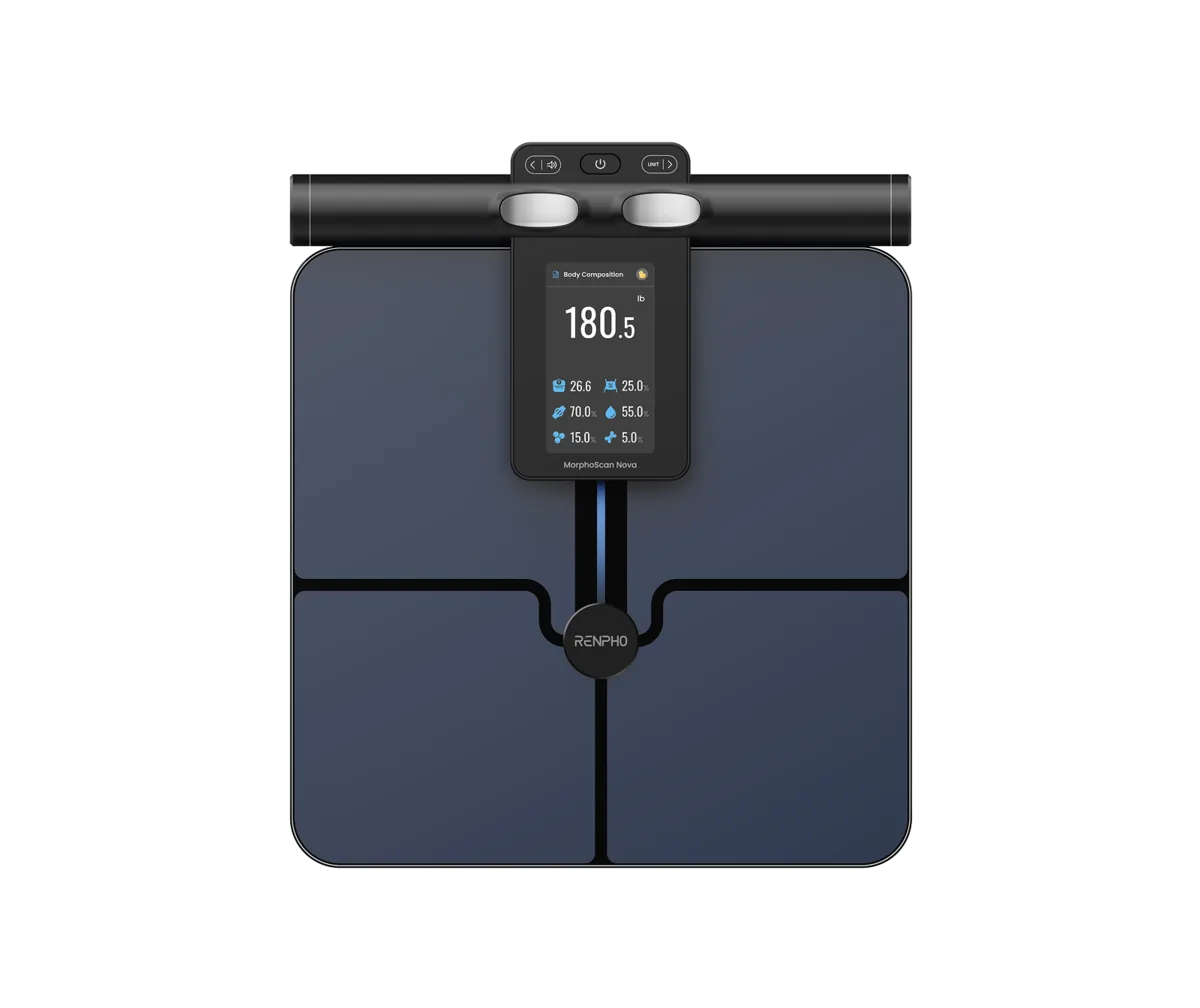
PVL pick — Smart body-weight scale
RENPHO MorphoScan Nova
PVL rating: 4.1/5
If you prefer an app to a paper log, this scale can save your weigh-ins in RENPHO Health. For a short record to share with a clinician, use the body-weight reading and add your own notes about timing and symptoms. The app’s body-composition estimates cannot determine the cause of sudden weight gain.
How can I tell if sudden weight gain is from water retention or body fat?
The scale measures total weight. It cannot distinguish water, digestive contents, muscle, and body fat. New puffiness or swelling can be a clue that fluid is building up, especially if shoes or socks suddenly feel tighter. It takes a medical assessment to establish the cause. NHS guidance on swelling and fluid buildup.
| What you notice | What it can tell you | What to do next |
|---|---|---|
| One higher reading and you feel well | Meal timing, clothing, or temporary fluid changes may affect the reading. | Note the circumstances. If you weigh again, use the same scale and similar conditions. |
| Rapid gain with new swelling | Fluid buildup may be involved. The reading alone gives no cause. | Contact a healthcare professional promptly. Use emergency services for the symptoms listed above. |
| Weight keeps rising over several weeks | A trend can reflect several factors, including changes in body composition, medicines, or health. | Arrange a medical appointment if the trend has no clear explanation. Bring readings and relevant symptoms. |
For example, if you see a higher number after a restaurant meal and it returns toward your usual readings, that pattern is consistent with a temporary fluctuation. If the number keeps rising and your ankles are newly swollen, tell a healthcare professional about both changes. Two people can see the same difference on the scale and need very different next steps.
A trend over weeks gives more context than two readings taken on different days. Changes over weeks can still have medical causes. There’s no universal number of pounds or kilograms that tells you whether a change is harmless or identifies what caused it.
What to write down after a higher weigh-in
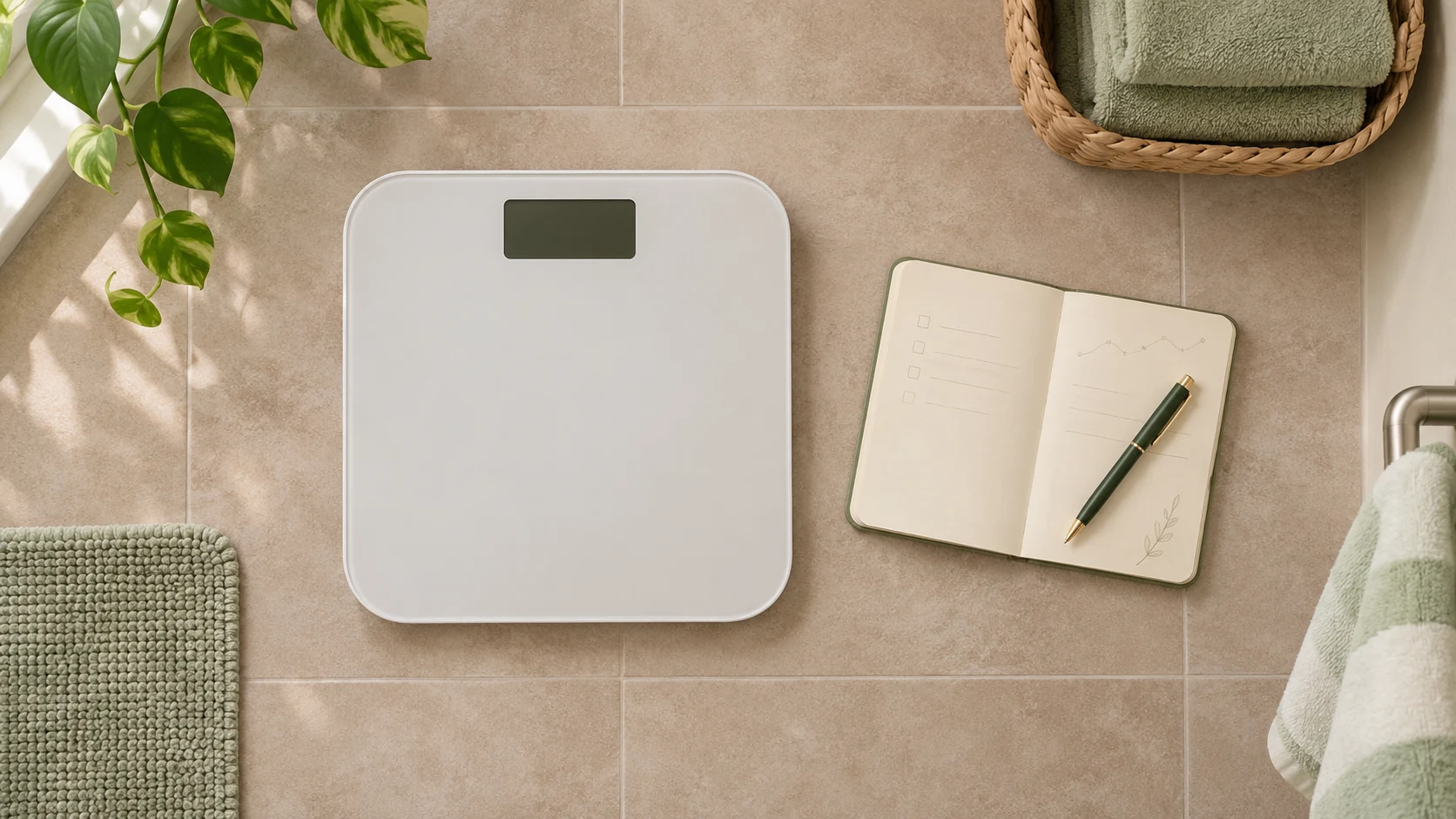
If you feel well and choose to keep a short record, include the date and time, the reading and unit, and any detail that affects the comparison. For example, “Monday, 7 a.m., before breakfast” is more useful than “up two pounds,” especially if the previous reading was taken at night. Leave a space for symptoms or recent medication changes. A few notes on paper are enough.
If you contact a clinician, lead with the change that concerns you. For example, you might say, “My weight has gone up over three days, and my shoes now feel tighter than usual.” That gives them the timeframe and the symptom in one sentence. If you notice new swelling or breathing changes, seek advice based on those symptoms even if you have no recent weights.
If you also track waist or hip measurements
Waist and hip measurements can help you track changes in size over time. A tape measurement alone cannot explain a sudden change in weight.
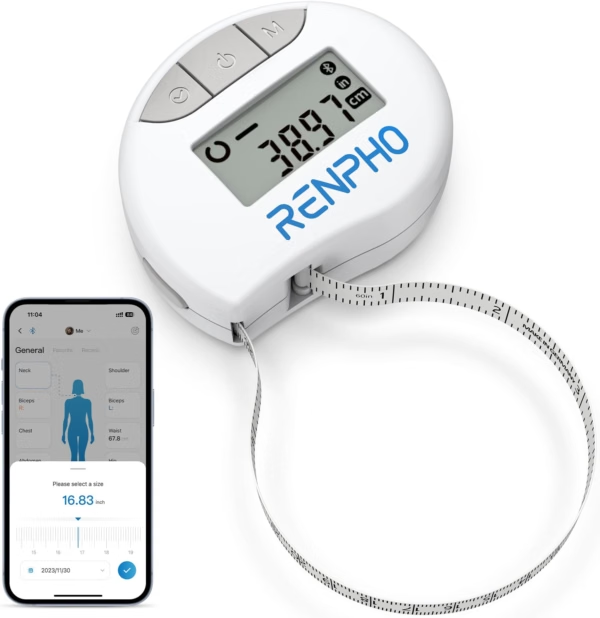
PVL pick — Smart body measuring tape
RENPHO Smart Body Measuring Tape
PVL rating: 4.0/5
If you also want to record waist or hip measurements, this retractable tape has a locking loop for measuring on your own. You can read the number on the display or save it in RENPHO Health. Keep measurements comparable by using the same spot and similar tape tension each time.
Can medications like antidepressants or birth control cause rapid weight gain?
Some medicines can contribute to weight gain or fluid retention, but the effect depends on the specific medicine and the person taking it. Timing matters. When a change starts after a new prescription or dose change, tell your prescriber when it started and whether you noticed swelling or other symptoms. MedlinePlus summary of medication-related weight gain.
Antidepressants
A 2024 observational study of more than 183,000 patients compared weight changes across eight common antidepressants. Its main comparison measured weight change six months after people started treatment. The findings can help clinicians discuss average differences between medicines. They cannot explain a personal overnight jump on the scale. Petimar and colleagues’ antidepressant study.
Hormonal contraception
The effects may vary by method. A Cochrane review of combined hormonal pills and patches found no large effect on weight in the available studies. That finding applies to the pills and patches studied. If the timing makes you concerned about a particular method, bring its name and your weight history to your clinician. Cochrane review of combined contraceptives and weight.
Corticosteroids and some medicines used for diabetes or mental health conditions are other examples a clinician may review. Speak with your prescriber before changing a dose or stopping a prescribed medicine.
When you call about a medicine, have its name, dose, and approximate start date ready. Mention whether more than one treatment changed around the same time. Your prescriber can help you review the timing and decide whether you need an appointment or monitoring.

What medical conditions can cause rapid unexplained weight gain?
Heart, kidney, or liver conditions can sometimes cause fluid buildup. A clinician may ask about swelling, shortness of breath, and how quickly symptoms developed. A rapid change with these symptoms warrants more attention than the same number on the scale by itself. Cleveland Clinic’s overview of unexplained weight gain.
Thyroid problems and other hormonal conditions can also contribute to weight changes. The number on the scale cannot identify a thyroid or hormone problem. Other symptoms, your history, and an examination help guide which possibilities a clinician considers.
Where stress and sleep fit
Stress or poor sleep may change how you eat, how active you are, and how easy it is to keep your usual routine. These details can be useful context. If a sharp rise is unexplained, especially with swelling or a change in breathing, bring it to a clinician’s attention.
Frequently Asked Questions
Why did I gain 2 kg in two days or 5 pounds so quickly?
A jump of that size can reflect fluid shifts, food and drink in your digestive tract, or another cause. The amount alone cannot tell you what happened. If the change is unexplained, keeps rising, or comes with new swelling or breathlessness, seek medical advice.
Can a salty meal make the scale go up overnight?
Yes. A salty meal can lead to temporary water retention, which may raise your next scale reading. Look at what happens over time under similar weighing conditions. If your weight keeps rising or you develop new swelling, contact a healthcare professional.
Can starting strength training temporarily increase scale weight?
A new exercise routine can temporarily change how much water your body holds. The scale can also change as your body composition changes over time. If the gain is rapid, persistent, or accompanied by new symptoms, consider other explanations with a healthcare professional.
What should I tell my doctor about unexplained weight gain?
Start with how much your weight changed and over how many days or weeks. Mention swelling, changes in breathing, and any new medicines or dose changes. Bring your medication list and any readings you’ve written down. These details help your clinician decide what to check next.
Key Takeaway
A higher reading gives you limited information on its own. Timing, repeat readings, and symptoms give you more context. Contact a healthcare professional if the gain is rapid, persistent, or unexplained. If severe breathing trouble, chest tightness or heaviness, or sudden confusion occurs, call your local emergency number.
Get practical wellness tips from PVL
Join the free Purely Vital Living newsletter for practical guides on sleep, nutrition, movement, and everyday wellness habits.
Related Reads
- How to Lose Body Fat Naturally — Background on the difference between body weight and body fat.
References
- Cleveland Clinic. Unexplained Weight Gain.
- MedlinePlus. Weight Gain — Unintentional.
- NHS. Shortness of Breath.
- NHS. Swollen Ankles, Feet and Legs (Oedema).
- Cleveland Clinic. Why Does My Weight Fluctuate So Much?
- Petimar et al. Medication-Induced Weight Change Across Common Antidepressant Treatments. Annals of Internal Medicine, 2024.
- Cochrane. Effect of Birth Control Pills and Patches on Weight.