Quick Answer
The best supplements for digestive health depend on a defined need. Psyllium may help constipation and lactase may help lactose intolerance; neither treats every digestive symptom. Probiotics are strain- and condition-specific and are not recommended by AGA for treating abdominal bloating and distention. L-glutamine, collagen and omega-3s are not established general treatments to repair the gut or cure unexplained symptoms.
Start with one targeted product, increase fiber gradually, and review medications or medical conditions with a healthcare professional. Persistent bloating, pain, diarrhea, constipation, bleeding, or unexplained weight loss needs proper evaluation rather than self-treatment.
What Has Better Evidence—and What Does Not?
Match the option to a defined need: psyllium has evidence for chronic idiopathic constipation, and lactase may help lactose intolerance. These findings do not establish that a broad gut-health blend improves digestion in everyone. Probiotic effects depend on the exact strain, preparation, population and outcome; higher CFUs or more strains do not guarantee more benefit.
For abdominal bloating and distention, AGA best-practice advice advises against probiotics as treatment. Constipation, food intolerance and other causes may need different approaches. AGA–ACG constipation guidance supports a trial of fiber in appropriate adults, with the clearest evidence among evaluated fibers for psyllium; gas can occur. Follow fluid and medicine-spacing instructions, and ask first if you have trouble swallowing or suspected bowel obstruction.
Safety Before Supplements
Persistent or worsening digestive symptoms need assessment. Seek urgent care for severe abdominal pain, repeated vomiting, black or bloody stools, fainting or marked dehydration. Unexplained weight loss, greasy stools or persistent bowel changes also deserve medical attention. Symptoms alone cannot diagnose low enzymes or an unhealthy microbiome.
Ask a clinician or pharmacist before using supplements if you are pregnant, breastfeeding, considering a product for a child, taking medicines or managing a medical condition. Live-microbe supplements require particular caution in people who are seriously ill or immunocompromised; see NCCIH’s probiotic safety guidance.
Key Takeaways
- Match the supplement to the symptom. Fiber, probiotics, and digestive enzymes serve different purposes.
- Probiotics are strain-specific. A high CFU count alone does not guarantee the right product for your needs.
- Increase fiber and prebiotics slowly. Adding too much too quickly can worsen gas or bloating.
- Introduce one product at a time. This makes benefits and side effects easier to identify.
- Supplements do not replace diagnosis. Persistent or severe digestive symptoms require professional evaluation.
- What Has Better Evidence—and What Does Not?
- Safety Before Supplements
- Key Takeaways
- Introduction
- What Are Digestive Health Supplements?
- Why Digestive Health Matters More Than Most People Realize
- Symptoms Are Not a Supplement Diagnosis
- Best Supplements for Digestive Health
- L-Glutamine
- Omega-3 Fatty Acids
- Collagen Peptides
- Common Mistakes People Make With Digestive Health Supplements
- How to Improve Digestive Health Without Overwhelm
- 7-Day Digestive Habit Review
- Evaluate Benefits Without a Fixed Deadline
- How to Read These Product Examples
- Best Products to Consider
- FAQ
- When to Seek Professional Help
- Final Summary
- Related Reads
Introduction
If you’ve ever experienced bloating after meals, irregular digestion, food sensitivities, low energy, or unexplained discomfort, your gut may be asking for more support.
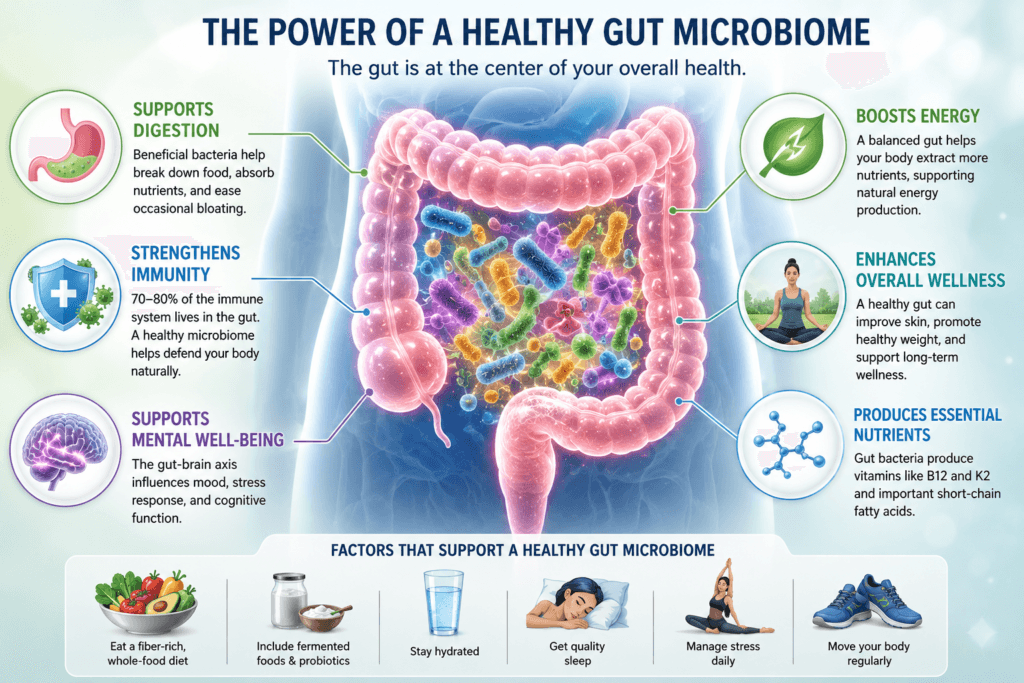
Over the past decade, researchers have discovered that digestive health affects far more than digestion alone. The digestive tract contains trillions of microorganisms that make up the gut microbiome, a complex ecosystem that influences nutrient absorption, immune function, metabolism, mood, sleep quality, and overall well-being.
Modern lifestyles can place significant stress on the digestive system. Highly processed foods, chronic stress, lack of sleep, sedentary habits, excessive alcohol consumption, and frequent antibiotic use may all negatively impact gut balance over time.
This growing awareness has led many people to explore digestive health supplements as part of their wellness routine. However, with hundreds of products available, it can be difficult to know which supplements are worth considering and which ones may not provide meaningful benefits.
This guide explores the best supplements for digestive health, how they work, who may benefit from them, and how to build a realistic strategy that supports long-term digestive wellness.
What Are Digestive Health Supplements?
Digestive health supplements are products designed to support digestive function and help maintain a healthy balance of beneficial microorganisms in the gastrointestinal tract. For a broader food-and-lifestyle approach, see our guide on how to heal your gut microbiome naturally.
These supplements typically work in one or more of the following ways:
- Supporting healthy digestion
- Feeding beneficial gut bacteria
- Introducing beneficial bacteria
- Supporting the gut lining
- Improving nutrient absorption
- Promoting digestive comfort
Different supplements target different aspects of digestive health.
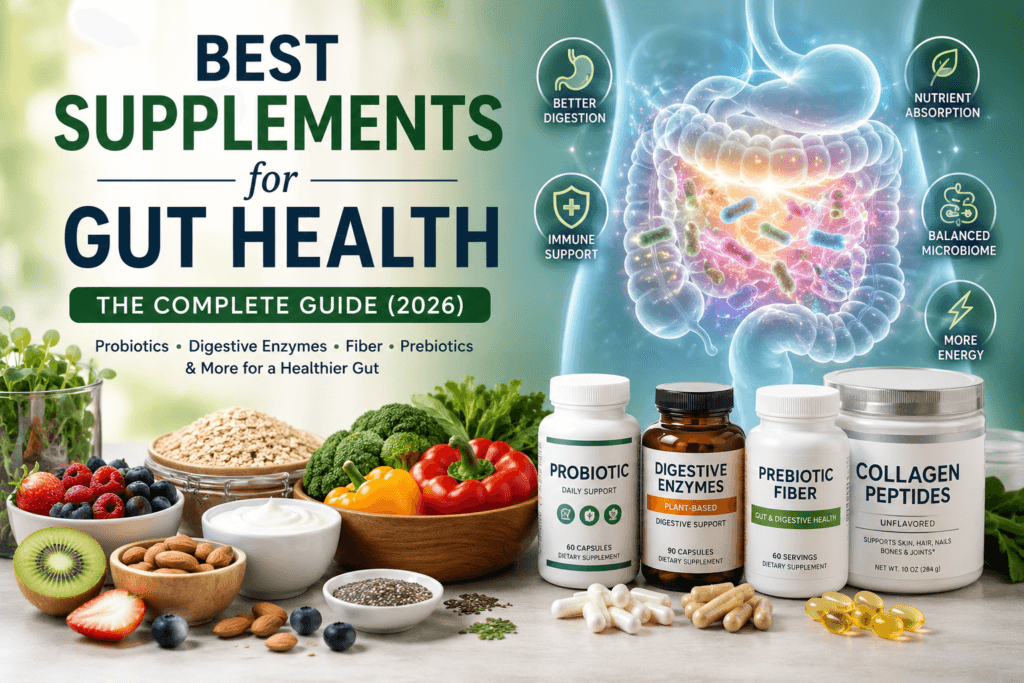
For example, probiotics introduce beneficial microorganisms, while prebiotics provide fuel that helps those microorganisms thrive. Digestive enzymes help break down food, while fiber supplements can support regular bowel movements and microbiome diversity.
Because digestive health involves many interconnected systems, there is rarely a single supplement that solves every digestive concern. Instead, the best approach often involves selecting supplements that match your specific needs and goals.
Why Digestive Health Matters More Than Most People Realize
Many people associate digestive health solely with digestion, but research continues to reveal connections between the gut and numerous areas of health.
The digestive system is responsible for breaking down food into nutrients that the body can absorb and use. When digestion functions efficiently, the body is better able to access vitamins, minerals, amino acids, and other nutrients necessary for daily health.
A healthy gut may also support:
Immune Function
A significant portion of the immune system resides within the digestive tract. The gut helps the body distinguish between helpful and harmful substances while supporting normal immune responses.
Energy Production
The body relies on proper digestion and nutrient absorption to produce energy. Poor digestive health may contribute to feelings of fatigue, sluggishness, or reduced vitality.
Mental Well-Being
The gut and brain communicate continuously through what researchers often call the gut-brain axis. This connection helps explain why digestive discomfort and stress frequently occur together; learn more in our guide to the mind-gut connection.
Healthy Aging
Long-term digestive wellness may contribute to overall health and resilience as we age. A balanced gut microbiome is increasingly recognized as an important part of healthy aging strategies.
When gut health is compromised, the effects may extend well beyond occasional stomach discomfort.
Symptoms Are Not a Supplement Diagnosis
Bloating, gas, bowel changes, fatigue and food reactions have many possible causes. They do not establish dysbiosis, poor nutrient absorption or a need for supplements. Persistent symptoms call for assessment; a short symptom-and-food record can help the discussion.
Best Supplements for Digestive Health
Probiotics
Probiotics are among the most widely recognized digestive health supplements.
They contain beneficial microorganisms that may help support a balanced gut microbiome. Different probiotic strains provide different benefits, which is why products often contain multiple strains.
Potential benefits may include:
- Supporting digestive balance
- Promoting regular bowel habits
- Supporting immune health
- Helping maintain microbiome diversity
One common mistake is assuming that all probiotics are identical. Different strains have different functions, and what works well for one person may not be ideal for another.
For example, someone seeking support after antibiotic use may have different needs than someone focused on maintaining general digestive wellness.
When selecting a probiotic, quality, strain diversity, and storage requirements are important considerations.
Prebiotics
Prebiotics serve as food for beneficial gut bacteria.
While probiotics introduce beneficial organisms, prebiotics help nourish the bacteria already present in the digestive tract.
Common prebiotic sources include:
- Inulin
- Chicory root fiber
- Resistant starches
- Certain plant fibers
Prebiotics help create an environment that encourages beneficial bacteria to grow and thrive.
Many people focus exclusively on probiotics while overlooking prebiotics. However, introducing beneficial bacteria without providing adequate nourishment may limit long-term results.
Individuals who experience bloating when starting prebiotics may benefit from increasing intake gradually while ensuring adequate hydration.
Combining probiotics and prebiotics is not automatically better than using either alone; benefits depend on the exact formulation and outcome.
Digestive Enzymes
Digestive enzymes help break down food into smaller components that the body can absorb.
The body naturally produces digestive enzymes, but certain individuals may benefit from additional support.
Different enzymes assist with digesting different nutrients:
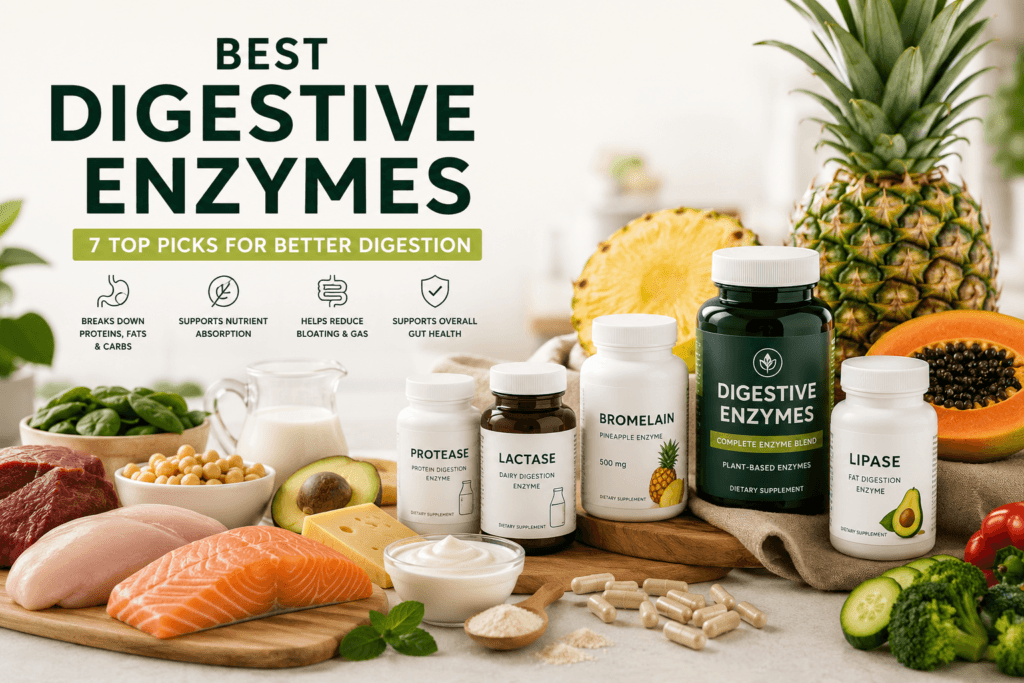
- Protease helps digest proteins
- Lipase helps digest fats
- Amylase helps digest carbohydrates
- Lactase helps digest lactose
Digestive enzymes are particularly popular among individuals who experience occasional discomfort after meals. Our best digestive enzymes guide explains how different enzymes target protein, fat, carbohydrates, dairy, and certain complex foods.
For a closer look at one high-potency, broad-spectrum option, read our Enzymedica Digestive Enzymes review, including its formula, pros, cons, limitations, and alternatives.
A common mistake is using digestive enzymes while continuing habits that contribute to digestive stress, such as overeating, eating too quickly, or consuming excessive processed foods.
Digestive enzymes work best when combined with mindful eating habits and a balanced diet.
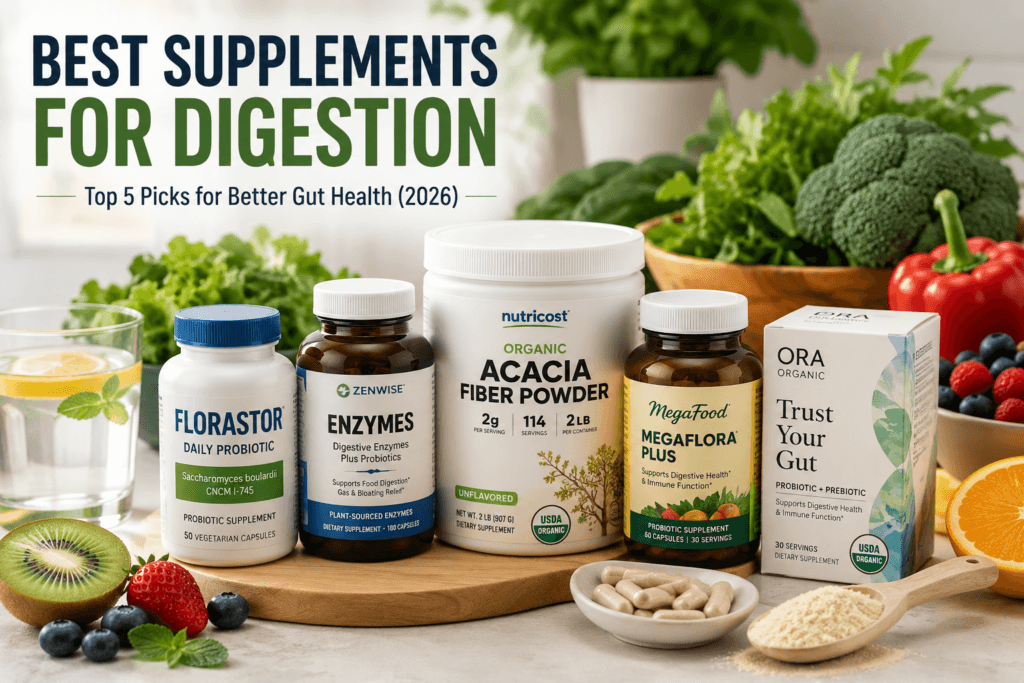
Fiber Supplements
Fiber plays an important role in digestive health and microbiome diversity.
Unfortunately, many adults consume significantly less fiber than recommended.
Fiber supplements can help bridge the gap when dietary intake is insufficient.
Potential benefits may include:
- Supporting regular bowel movements
- Promoting digestive comfort
- Supporting beneficial bacteria
- Encouraging healthy digestion
Popular forms include:
- Psyllium husk
- Acacia fiber
- Partially hydrolyzed guar gum
- Methylcellulose
One of the biggest mistakes people make with fiber supplements is increasing intake too rapidly. Gradual increases combined with adequate water intake often produce the best results.
Fiber is most effective when viewed as part of a larger nutrition strategy rather than a quick fix.
L-Glutamine
L-glutamine is used by intestinal cells, but this biological role does not establish that supplementation repairs the gut in otherwise healthy adults. Studies in selected clinical populations do not justify a universal “leaky gut” treatment. Do not use it to self-treat unexplained digestive symptoms.
Omega-3 Fatty Acids
Omega-3 fats have nutritional roles, but fish-oil supplements are not established general treatments for bloating, intestinal permeability or microbiome imbalance. Discuss a specific indication and possible medicine interactions rather than adding them as a default digestive aid.
Collagen Peptides
Collagen provides amino acids. That does not show that collagen supplements repair the intestinal lining or treat digestive disease. Evidence for skin or joint outcomes cannot be transferred to gut-health claims.
Common Mistakes People Make With Digestive Health Supplements
Even high-quality supplements may produce disappointing results when used incorrectly.
One of the most common mistakes is expecting immediate results. The gut microbiome changes gradually, and meaningful improvements often require consistency over weeks rather than days.
Another mistake is taking multiple supplements simultaneously without understanding their purpose. Introducing several products at once can make it difficult to identify what is helping and what may be causing side effects.
Many people also overlook the importance of diet. No supplement can fully compensate for a diet dominated by highly processed foods, excessive sugar, and insufficient fiber.
Stress management is another frequently ignored factor. Chronic stress can affect digestion, appetite, and gut function regardless of the supplements being used.
Continue a supplement only when there is a clear purpose, acceptable tolerance and a reasonable way to assess benefit. Do not continue indefinitely because a promised result has not appeared.
The best results typically come from combining appropriate supplements with sustainable lifestyle habits.
How to Improve Digestive Health Without Overwhelm
Improving gut health does not require an extreme diet or a cabinet full of supplements.
Instead, focus on a few foundational habits that support long-term digestive wellness.
Prioritize Whole Foods
Aim to include more vegetables, fruits, legumes, nuts, seeds, and minimally processed foods in your daily meals.
Increase Fiber Gradually
Fiber supports digestion and beneficial gut bacteria. Increasing intake slowly may help minimize digestive discomfort.
Stay Hydrated
Water supports digestion, nutrient transport, and regular bowel function.
Manage Stress
Simple practices such as walking, deep breathing, meditation, or journaling may help support both digestive and overall wellness.
Get Quality Sleep
Sleep and digestive health are closely connected. Consistent sleep schedules may help support healthy digestion and microbiome balance.
Add Supplements Strategically
Choose supplements based on your individual needs rather than purchasing every trending product available.
Consistency is often more important than complexity.

7-Day Digestive Habit Review
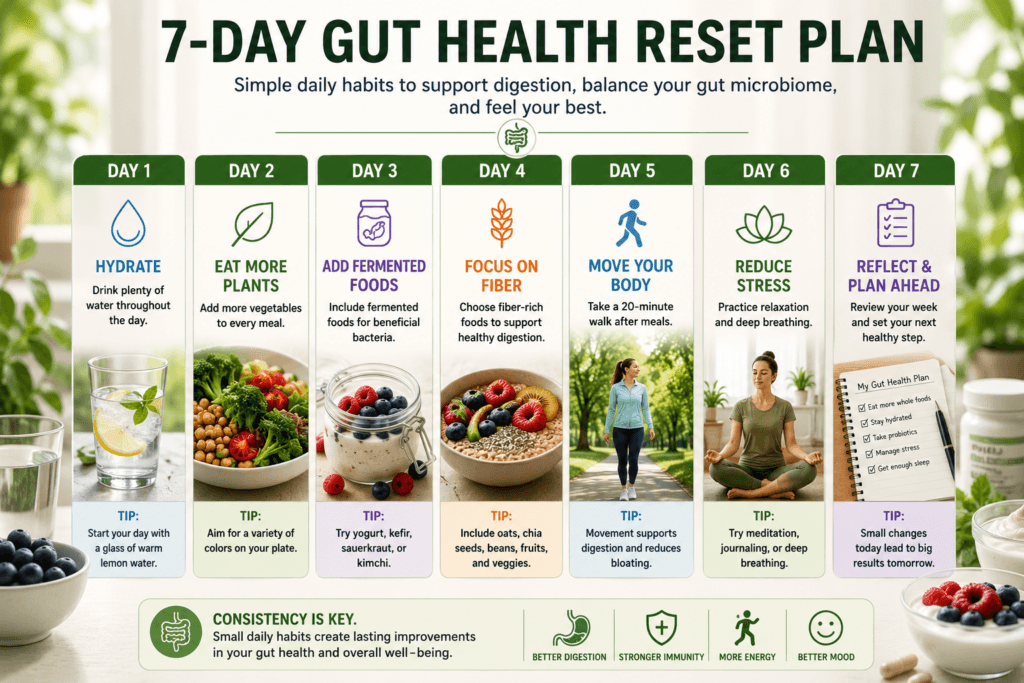
Day 1
Increase water intake and reduce sugary beverages.
Day 2
Add one serving of vegetables to every meal.
Day 3
Include a fermented food such as yogurt, kefir, or sauerkraut.
Day 4
Focus on consuming more fiber-rich foods.
Day 5
Take a 20-minute walk after meals.
Day 6
Prioritize stress reduction through breathing exercises or meditation.
Day 7
Evaluate your habits and identify one improvement you can maintain long-term.
The goal is not perfection. Small, consistent improvements often create more sustainable results than dramatic changes.
Evaluate Benefits Without a Fixed Deadline
There is no universal 7-day reset or 30-day improvement timeline. Food-targeted enzymes act on the relevant meal; fiber and other products have different purposes and evaluation periods. Choose one justified change, track the intended outcome and side effects, and reassess whether continued use is worthwhile. Worsening symptoms are not proof of detoxification or a reason to push through.
How to Read These Product Examples
These are research-based editorial examples, not reports of hands-on product testing. Evidence for an ingredient or strain does not prove that every finished formula works. Retailer ratings, popularity and quality seals do not establish clinical benefit. Check the current formula, allergens, serving size, seller, expiry and storage instructions before buying.
Best Products to Consider
Gut Health & Digestive Support
GutGo is a commercial example, not an established treatment for microbiome imbalance or digestive disease. Check the current complete formula; ingredient research does not establish benefit for this finished product.
PVL pick – Digestive supplement
GutGo
Format: Liquid digestive supplement
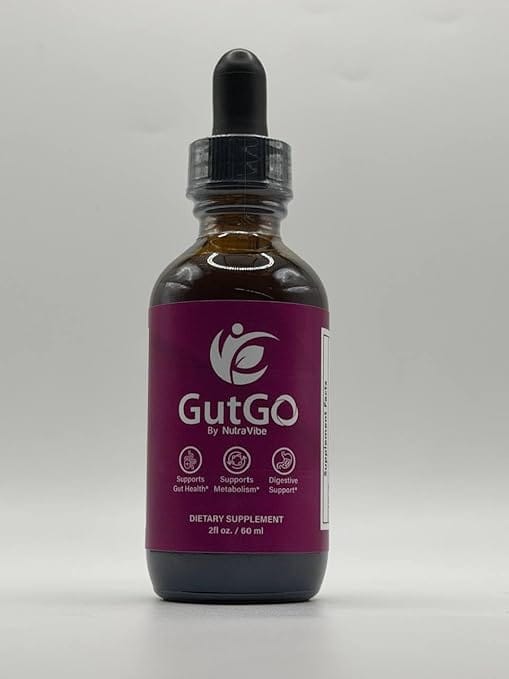
Prefer drops to capsules? GutGo offers a liquid format for readers comparing digestive supplements. Its dropper bottle provides an alternative to powders and tablets.
Compare the current ingredient list, serving directions and bottle size to see how it fits your routine.
👉 Explore GutGo’s product details and current price.
Digestive Enzyme Support
MassZymes is an enzyme-blend example. Enzyme activity on food in laboratory conditions does not establish better nutrient absorption or symptom relief in healthy adults.
PVL pick – Digestive enzyme supplement
BiOptimizers MassZymes
Formula focus: Broad-spectrum digestive enzymes
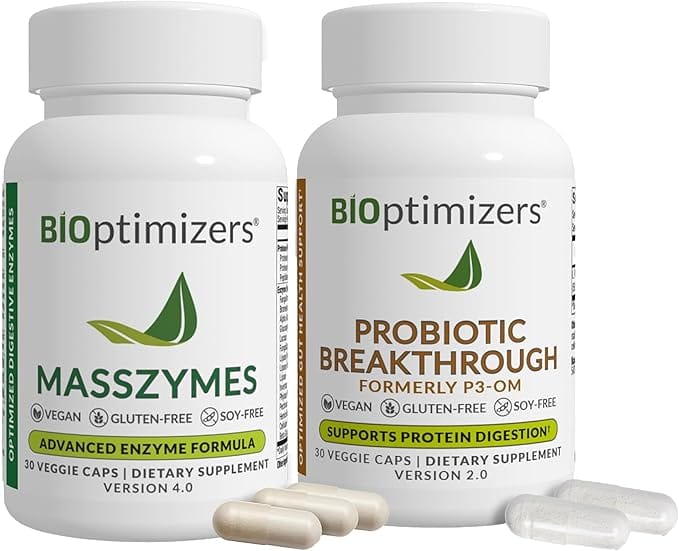
MassZymes combines protein-digesting proteases with other digestive enzymes in a capsule formula. It is an option to compare when you want a closer look at enzyme blends for meals.
Look for the enzyme activity units and serving size on the current label to make a useful comparison with other formulas.
👉 Compare the MassZymes formula and current price.
Gut Lining & Microbiome Support
Ancient Nutrition Gut Restore is a mixed-ingredient product example. No general gut-lining repair benefit is established here.
PVL pick – Gut-health supplement
Ancient Nutrition Gut Restore
Formula focus: Probiotic combination
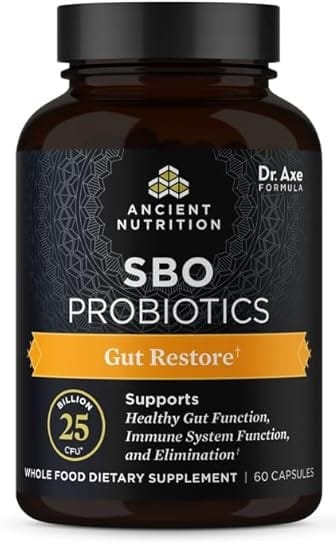
Ancient Nutrition Gut Restore brings prebiotics, probiotics and postbiotics together in a capsule format. It is an option for readers who prefer a combination formula over buying several separate products.
Compare the listed strains, amounts and added ingredients with the other probiotic options in this guide.
👉 Explore Gut Restore’s ingredients and current price.
FAQ
What are the best supplements for digestive health?
There is no universal digestive supplement stack. Psyllium, targeted lactase and condition-specific options have different uses; L-glutamine, omega-3s and collagen should not be presented as necessary digestive treatments.
Are probiotics necessary for everyone?
Not necessarily. While probiotics may benefit many individuals, some people may achieve excellent digestive health through diet, lifestyle improvements, and other supportive supplements.
Can digestive health supplements reduce bloating?
Some digestive health supplements may help support digestion and reduce occasional bloating. However, identifying dietary triggers and improving eating habits is equally important.
How often should I take digestive health supplements?
Most supplements are designed for daily use, but instructions vary by product. Always follow label directions and consult a healthcare professional when necessary.
Can supplements replace a healthy diet?
No. Supplements are intended to complement healthy habits, not replace them. Whole foods remain the foundation of long-term digestive wellness.
When to Seek Professional Help
While occasional digestive discomfort is common, persistent symptoms should not be ignored.
Consider consulting a healthcare professional if you experience:
- Severe abdominal pain
- Unexplained weight loss
- Persistent diarrhea
- Blood in the stool
- Significant changes in bowel habits
- Ongoing digestive symptoms that interfere with daily life
Professional evaluation can help identify underlying causes and determine appropriate treatment options.
Want free practical tips for better sleep, energy, digestive health, and healthy aging?
Join the Purely Vital Living newsletter and get science-backed wellness tips delivered to your inbox.
Final Summary
Digestive supplements have different, limited indications. Psyllium or a targeted enzyme may help a specific problem; there is no universal gut-health stack, and L-glutamine, collagen and omega-3 supplements are not established general gut-repair treatments.
However, supplements work best when combined with healthy lifestyle habits. Nutritious foods, adequate hydration, regular exercise, quality sleep, and stress management remain the foundation of digestive health.
Rather than searching for a single miracle solution, focus on building a sustainable routine that supports your digestive system every day. Over time, those small improvements may contribute to better digestion, more consistent energy, improved wellness, and a healthier relationship with food and nutrition.
Related Reads
- How to Heal Your Gut Microbiome Naturally
- What Causes Bad Gut Health? 5 Everyday Habits to Avoid
- Best Supplements for Gut Health and Digestion
- How to Get More Energy Naturally
- Healthy Lifestyle Habits for Healthy Aging and Longevity