
Quick Verdict
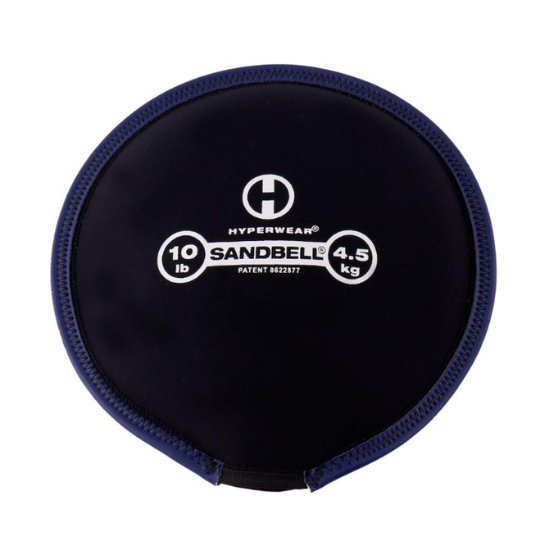
The Hyperwear SandBell is a flexible, sand-filled resistance-training tool that may appeal to people who want an alternative to rigid dumbbells for carries, lifts, and selected conditioning exercises. Its soft construction changes the feel of handling the load, but does not eliminate injury risks. Benefits for strength and fitness come from appropriately designed exercise, not from the SandBell alone.
PVL Rating: 4.0/5 (provisional)
- Exercise versatility: 4.3/5
- Portability and storage: 4.2/5
- Evidence for resistance training generally: 4.4/5
- Exact SandBell independent durability testing: 2.2/5
- Value pending selected weight and current price: 3.8/5
What Is the Hyperwear SandBell?
The SandBell is a soft-sided weight filled with sand. Unlike a rigid dumbbell or kettlebell, its shape can shift slightly during handling. The existing product description refers to multiple weights and a neoprene-style shell, but the precise weight range, material specifications, and construction of the currently linked variant have not been independently verified. Check the manufacturer’s current product information before buying.
How Can You Train With It?
Depending on the selected weight and manufacturer guidance, a SandBell may be used for loaded carries, squats, lunges, controlled lifts, and other functional movements. Some exercise programs incorporate dynamic drills, but throwing, slamming, or swinging should only be attempted if specifically permitted for the product and appropriate for your ability and surroundings.
Does the Shifting Sand Make Training More Effective?
Not automatically. A changing load distribution can alter grip and stabilization demands, but that does not establish superior muscle growth, balance, or athletic performance compared with conventional weights. Training outcomes depend on total resistance, exercise selection, effort, technique, and progression. Product-specific comparisons would be needed to claim an advantage.
Can the SandBell Build Strength and Muscle?
It can contribute to strength training if the selected load and exercises provide sufficient challenge. Progressive overload still matters. A soft weight may be convenient for some movements, while dumbbells, kettlebells, or barbells can offer more precise and potentially heavier loading for long-term strength progression.
Is It Safer Than a Dumbbell?
A soft-sided weight may feel less harsh against the body or floor during some controlled movements, but it is not inherently injury-proof. Dropping any heavy object can hurt feet or damage surroundings. The SandBell should not be presented as a universally safer replacement for rigid weights, especially during fast or overhead exercises.
Can It Improve Balance and Coordination?
Exercises that challenge posture and movement control can help develop physical skills over time. However, improvements depend on the specific training program and individual abilities. The SandBell itself has not been shown here to produce unique balance or coordination benefits beyond other suitable forms of resistance exercise.
Is It Suitable for HIIT?
It may be incorporated into interval-based exercise when the load is manageable and technique remains controlled. Fatigue can make complex weighted movements harder to perform safely. Beginners should master basic movements before adding speed, and avoid using a weight so heavy that form deteriorates during short work intervals.
What Weight Should You Choose?
Choose a weight you can lift and carry with good control for your intended exercises. A suitable load for squats may be too heavy for overhead or rotational movements. Confirm the exact weight option in the seller’s listing and consider whether a single SandBell or multiple weights would meet your training needs.
Can It Replace a Kettlebell?
For some basic loaded movements, a SandBell may provide an alternative resistance source. It does not necessarily reproduce a kettlebell’s handle, balance, or movement mechanics. Kettlebell swings, cleans, and snatches should not be copied directly with a soft weight unless the manufacturer explicitly approves the exercise and you can perform it safely.
What About Durability and Cleaning?
Check the current manufacturer’s instructions for seams, filling, cleaning, storage, and permitted impact. Inspect the shell before each workout for abrasion, tears, or leaking sand. Stop using a damaged weight. PVL has not conducted independent long-term seam-strength or abrasion testing on this exact product.
Who Should Consider It?
It may suit adults interested in portable functional resistance training, controlled carries, and varied home workouts. It may be less suitable for people who need precisely adjustable loads, a fixed handle, very heavy resistance, or specialized equipment for high-impact training.
Pros and Cons
Pros
- Soft, flexible design offers a different handling experience from rigid weights
- Can support a range of controlled resistance exercises
- Potentially easy to store and transport
- Useful as a supplement to conventional home-gym equipment
Cons
- Selected weight is fixed rather than incrementally adjustable
- Shifting load may make some exercises less predictable
- Specific durability and impact limits require verification
- No demonstrated product-specific advantage for balance or athletic performance
Frequently Asked Questions
What is the Hyperwear SandBell used for?
It is a sand-filled soft weight used for selected strength and conditioning exercises. Depending on the chosen load and manufacturer guidance, it can support carries, squats, lunges, and controlled lifts. Confirm whether the exact product permits throws, slams, or swings before attempting dynamic movements, particularly in a small home workout space.
Is the Hyperwear SandBell safer than dumbbells?
Its soft shell may reduce hard contact during some movements, but it does not remove injury risk. Heavy weights can still hurt feet, strain joints, or damage surroundings. Use a manageable load, inspect the seams, and follow permitted-use instructions. Avoid assuming that soft construction makes every dynamic exercise safe.
Can a SandBell help build muscle and strength?
Yes, if the selected weight provides sufficient resistance and training becomes progressively more challenging. Like other resistance tools, it can contribute to muscle and strength adaptations. The SandBell does not automatically outperform dumbbells or kettlebells. Users needing precise weight increments or heavier loading may prefer conventional equipment for some exercises.
What weight Hyperwear SandBell should a beginner choose?
Start with a load you can lift, carry, and control without compensating or losing technique. The appropriate weight depends on the movement and your current strength, not just experience level. Check the seller’s exact available sizes and begin with controlled exercises before adding speed, rotation, or more demanding conditioning drills.
Can I use the Hyperwear SandBell for HIIT workouts?
It may fit some interval workouts if you can maintain safe technique under fatigue. Choose simple movements, a manageable weight, and adequate recovery between efforts. Do not assume that every SandBell is approved for slamming or throwing. Follow the manufacturer’s exercise restrictions and stop when control or form deteriorates.
Does the SandBell improve balance and coordination?
It can be part of exercises that challenge stability and movement control, but special benefits are unproven. Balance and coordination improvements depend on the exercises, practice, and individual abilities. Shifting sand changes how the load feels; it does not establish superior results compared with other resistance tools used in a well-designed program.
Final Verdict
PVL Rating: 4.0/5 (provisional). The Hyperwear SandBell is an interesting option for varied, portable resistance training. Its main appeal is the flexible sand-filled format, not a proven ability to outperform traditional weights. Confirm the exact size, materials, impact permissions, and care instructions before purchasing.
Reviews
There are no reviews yet.