
Quick Verdict
The Veeniix Bluetooth Sleep Headband is a practical wearable-audio option for people who dislike earbuds in bed, but its value is comfort and audio convenience—not proven sleep improvement. Music or masking sounds may help some sleepers, yet PVL did not identify product-specific clinical evidence showing that Veeniix improves insomnia, sleep duration, deep sleep, REM sleep, or recovery.
PVL Rating: 3.8/5
- Wearable-audio concept: 4.3/5
- Side-sleeper potential: 4.0/5
- Convenience: 4.2/5
- Sleep evidence: 3.1/5
- Value: 3.8/5
Best for: Sleepers and travelers who already like bedtime audio but find conventional earbuds or over-ear headphones uncomfortable.
Not ideal for: People who need to hear alarms or caregiving cues clearly, dislike fabric around the head, or expect audio hardware to treat chronic insomnia.
What Is the Veeniix Bluetooth Sleep Headband?
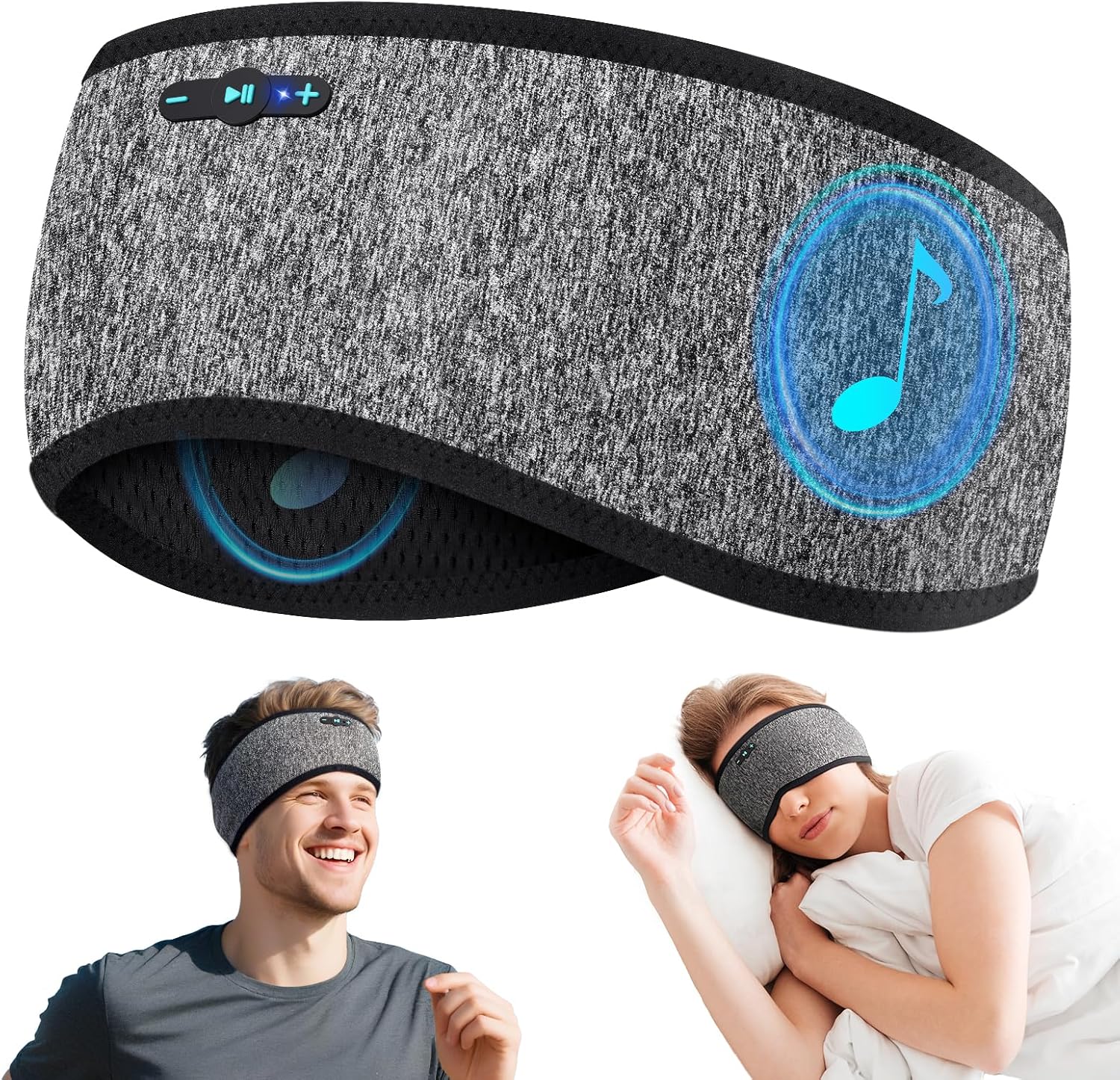
Veeniix combines a stretch-fabric headband with embedded speakers for wireless listening in bed, during travel, or while relaxing. Unlike a Bluetooth sleep mask, the headband provides audio without intentionally covering the eyes, which may suit people who want to retain visual freedom or use their own eye mask separately.
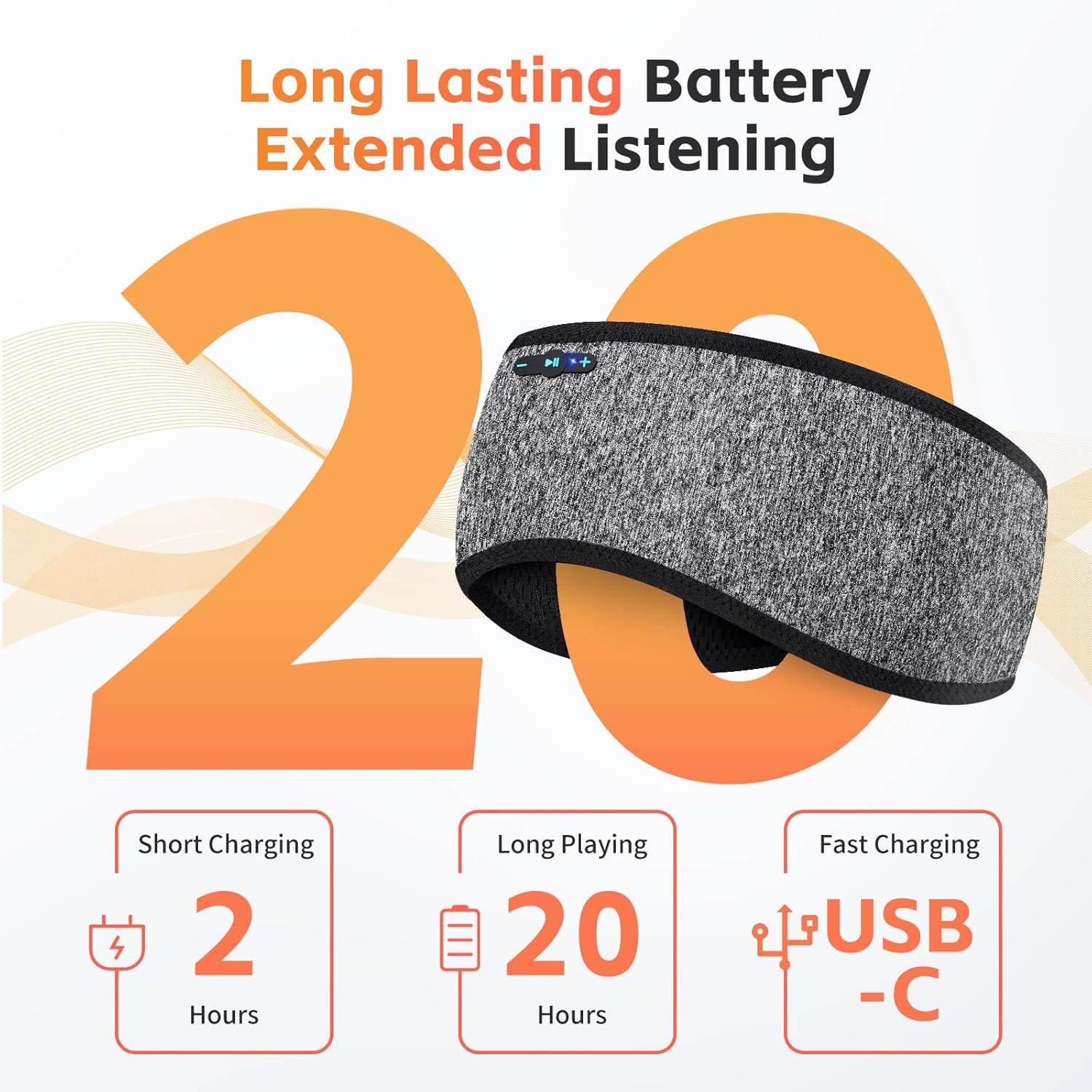
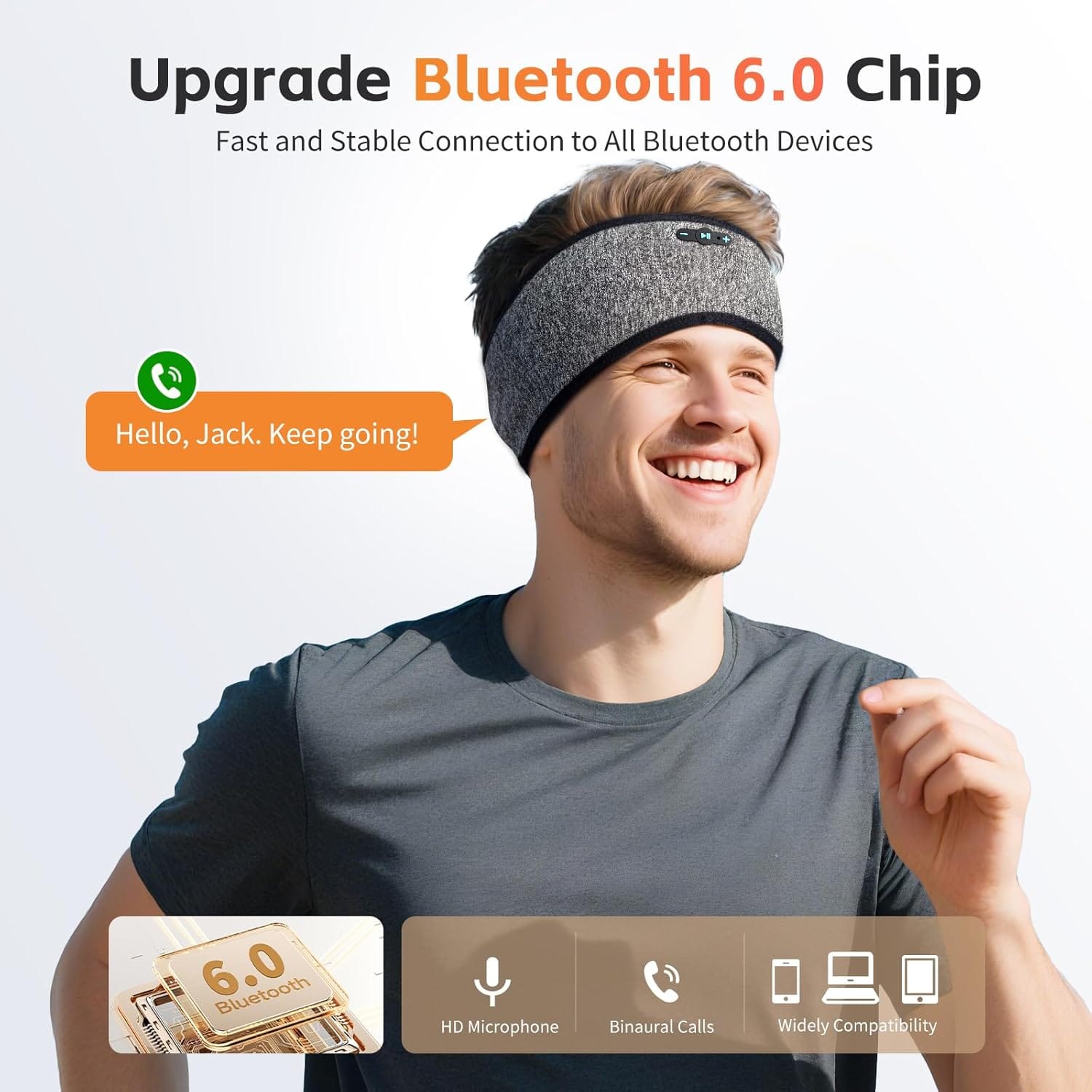
The existing listing describes Bluetooth 6.0, removable speakers, washable fabric, and up to 20 hours of playback. These are product specifications rather than health outcomes, and buyers should verify the current listing because hardware, battery claims, and accessories can change.
Do Veeniix Sleep Headphones Actually Improve Sleep?
PVL did not identify a peer-reviewed trial of the finished Veeniix headband demonstrating better sleep. The product delivers audio; whether that audio helps depends on the listener, content, volume, environment, and reason sleep is difficult.
A comfortable headband may remove the physical annoyance of earbuds for some users. That is a legitimate design benefit, but it does not establish improvements in total sleep time, sleep efficiency, sleep stages, insomnia severity, or next-day functioning.
What Does the Evidence Say About Music for Sleep?
A Cochrane review found that listening to music may improve subjective sleep quality in adults with insomnia symptoms, but evidence for several objective outcomes was limited or uncertain. The studies evaluated music interventions, not Veeniix hardware.
That distinction matters: a clinical study of carefully selected music cannot prove that any Bluetooth headband improves sleep. Veeniix is simply one way to deliver audio.
What About White Noise?
White noise and other continuous sounds can mask intermittent environmental noise, which some sleepers find useful. However, a systematic review found heterogeneous results and rated the evidence supporting continuous noise for sleep as very low quality.
Use masking sound because it solves a specific noise problem, not because “white noise” automatically means better or deeper sleep.
Is the Veeniix Headband Good for Side Sleepers?
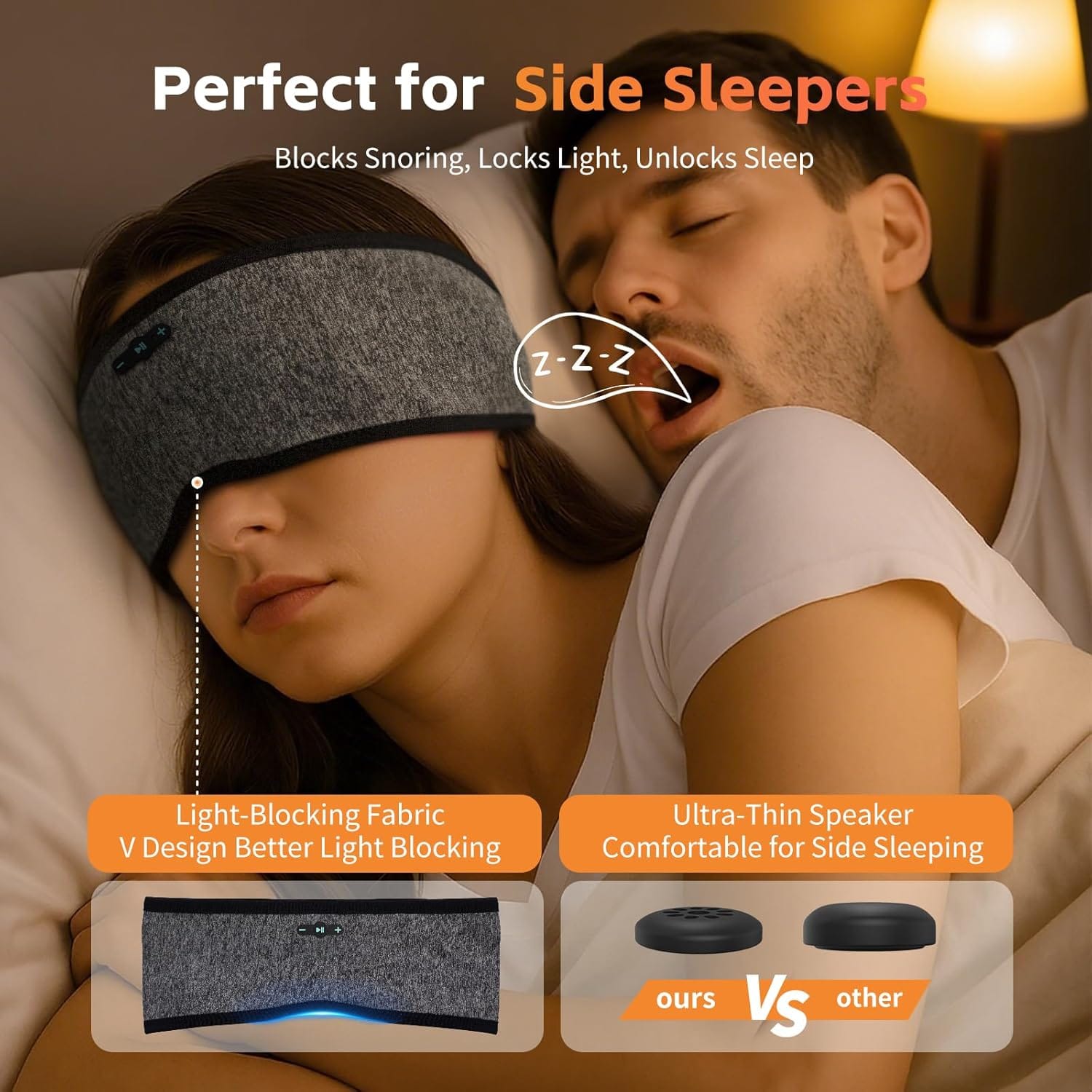
Potentially, but comfort depends on where the speaker sits relative to the ear and pillow. A thin speaker inside fabric can avoid the pressure of an earbud in the ear canal, but a module pressed against a firm pillow may still become uncomfortable.
Head size, strap tension, pillow firmness, movement, heat retention, and the ability to reposition the speakers all influence overnight comfort. “Designed for side sleepers” should therefore not be read as a universal comfort guarantee.
Can You Wear It All Night?
Long battery life can make overnight playback possible, but capability does not mean continuous audio is necessary. If a short wind-down playlist is enough, there is no sleep-related reason to keep sound playing until morning.
For extended listening, keep the volume low and comfortable. Prolonged high-volume sound increases unnecessary hearing exposure.
Can Sleep Headphones Make You Miss an Alarm?
Yes. Any continuous audio close to the ears can reduce awareness of external sounds. Consider smoke alarms, children, caregiving responsibilities, security alerts, doorbells, and emergency cues before deciding to wear audio overnight.
If environmental awareness is important, a bedside speaker at modest volume may be a better fit than speakers held close to both ears.
Is Bluetooth the Main Safety Concern?
No. For normal consumer use, PVL would focus on practical issues such as listening level, exposure duration, pressure, heat, skin comfort, battery condition, and awareness of external alerts rather than presenting Bluetooth itself as a demonstrated sleep-health hazard.
What About Washing and Battery Safety?
If the current model uses removable electronics, remove the speakers/control module exactly as directed before washing the fabric. Follow the manufacturer’s care and charging instructions.
Do not wear or charge a unit with a swollen or damaged battery, exposed wiring, unusual heat, or other visible damage. Rechargeable electronics worn against the head should be kept in good physical condition.
What Veeniix Has Not Been Shown to Do
- Treat chronic insomnia
- Increase deep sleep or REM sleep
- Improve physiological recovery
- Make white noise effective for every sleeper
- Reproduce the outcomes of music interventions simply by delivering audio
- Guarantee pressure-free comfort for every side sleeper
Pros and Cons
Pros
- Avoids inserting conventional earbuds into the ear canal
- Simple format for music, meditation, podcasts, or masking sounds
- Potentially comfortable for some side sleepers
- Useful for travel when private audio is desirable
- Removable electronics can make fabric care easier if the current model supports it
Cons
- No finished-product clinical sleep evidence identified
- Speaker pressure may still bother side sleepers
- Fabric can feel warm or shift overnight
- Audio may reduce awareness of important alarms or cues
- Battery and Bluetooth specifications can change across listings or versions
Who Should Consider It?
The Veeniix makes sense for someone who already knows that bedtime audio is useful but dislikes conventional headphones. It may also be convenient for travel, meditation, or relaxation outside sleep, where a soft headband can be easier to wear than bulky headphones.
Who Should Choose Something Else?
Use a bedside speaker if you need greater environmental awareness. Choose a separate eye mask if darkness—not audio—is the main problem. Persistent insomnia should be addressed with evidence-based assessment and treatment rather than assuming that another sleep accessory will correct the underlying cause.
Frequently Asked Questions
Do Veeniix sleep headphones actually help you sleep?
Veeniix may make bedtime audio more comfortable, but there is no good product-specific evidence that the headband directly improves sleep. Music or masking sounds can help some users relax or reduce distracting noise, yet PVL did not identify a finished-product trial showing improvements in insomnia, sleep duration, sleep efficiency, deep sleep, or REM sleep.
Are Veeniix sleep headphones comfortable for side sleepers?
They may be comfortable for some side sleepers, but the result depends on speaker placement and pillow pressure. Thin speakers can avoid in-ear pressure, yet a module trapped between the ear and a firm pillow may still be noticeable. Head size, strap tension, movement, fabric warmth, and speaker adjustability also affect comfort.
Is it safe to wear Veeniix headphones all night?
Overnight use can be reasonable at low, comfortable volume if the headband itself remains comfortable. Avoid unnecessarily loud or prolonged listening, inspect rechargeable electronics for damage, and remember that audio close to both ears can reduce awareness of smoke alarms, children, caregiving needs, security alerts, and other important environmental sounds.
Does white noise through Veeniix improve sleep?
White noise can mask intermittent environmental sounds, but it is not proven to improve sleep for everyone. Research on continuous noise is heterogeneous and low certainty. Veeniix only delivers the sound; it does not make white noise clinically effective. Use masking audio when it solves a real noise problem and keep the volume conservative.
Does music through a sleep headband treat insomnia?
Music may improve subjective sleep quality for some adults with insomnia symptoms, but a sleep headband is not an insomnia treatment. Research evaluates music interventions rather than Veeniix hardware, and evidence for several objective outcomes remains uncertain. Persistent insomnia may require evidence-based care such as cognitive behavioral therapy for insomnia when clinically appropriate.
Is Bluetooth 6.0 important for better sleep?
No, a newer Bluetooth version does not itself make sleep better. Bluetooth specifications can affect connectivity, efficiency, or device compatibility, but they are technical features rather than sleep outcomes. Comfort, reliable playback, appropriate volume, useful audio content, and whether the headband actually addresses a specific bedtime problem are more relevant to its practical value.
Final Verdict
PVL Rating: 3.8/5. Veeniix is a reasonable low-complexity audio accessory for people who dislike earbuds in bed. Its strengths are wearable convenience and potentially better pressure distribution. Its limitations are equally clear: the device has not been shown to treat insomnia, improve sleep stages, or enhance recovery simply because it can play relaxation audio overnight.
Reviews
There are no reviews yet.