
Quick Verdict
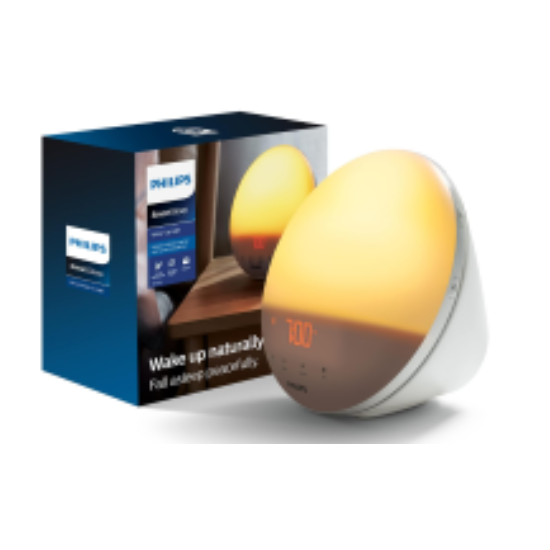
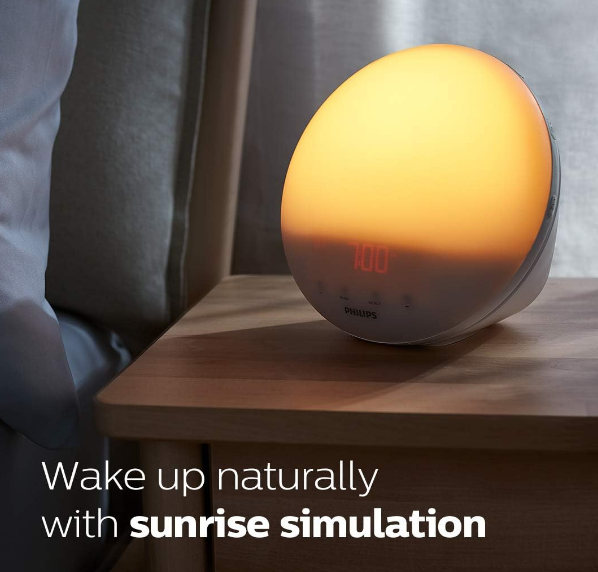
The Philips SmartSleep Colored Wake-Up Light is a bedside light alarm intended to simulate a gradual sunrise before a scheduled wake-up time. This may make mornings feel less abrupt for some users, particularly in dark bedrooms, but it does not guarantee better sleep, increased energy, or correction of a circadian rhythm disorder. Philips sells multiple wake-up light models, and PVL has not verified the exact linked model number or tested its performance.
PVL Rating: 4.0/5 (provisional)
- Sunrise-alarm concept and usability: 4.5/5
- Bedside routine versatility: 4.2/5
- Potential comfort on dark mornings: 4.2/5
- Verified model-specific sleep outcomes: 2.4/5
- Value pending model and price: 3.9/5
What Is a Philips SmartSleep Wake-Up Light?
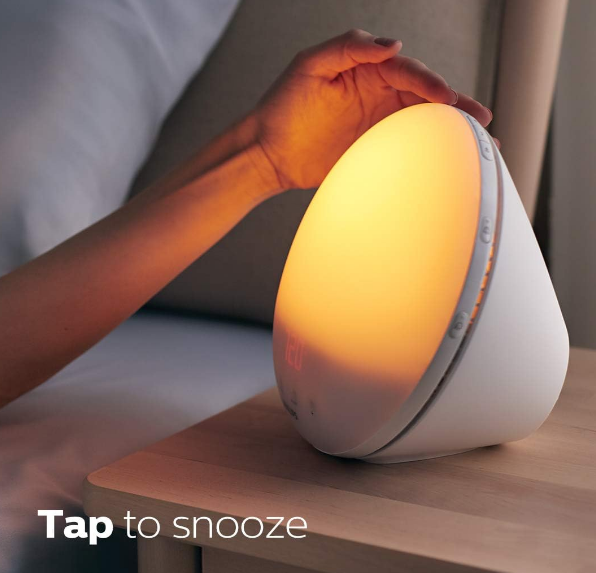
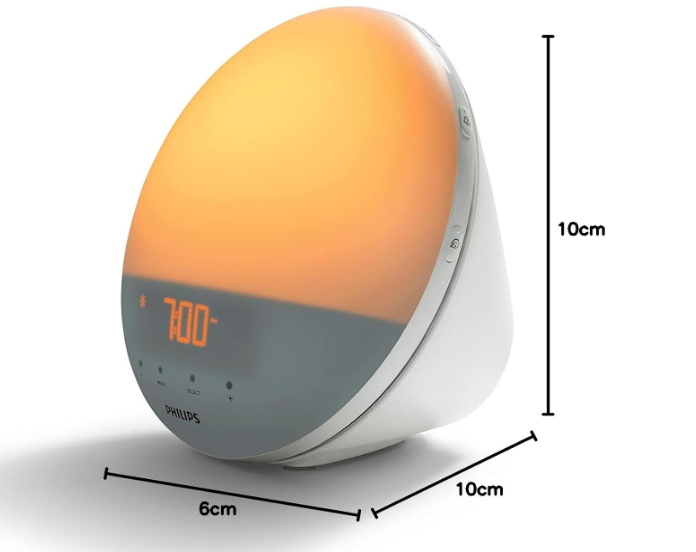
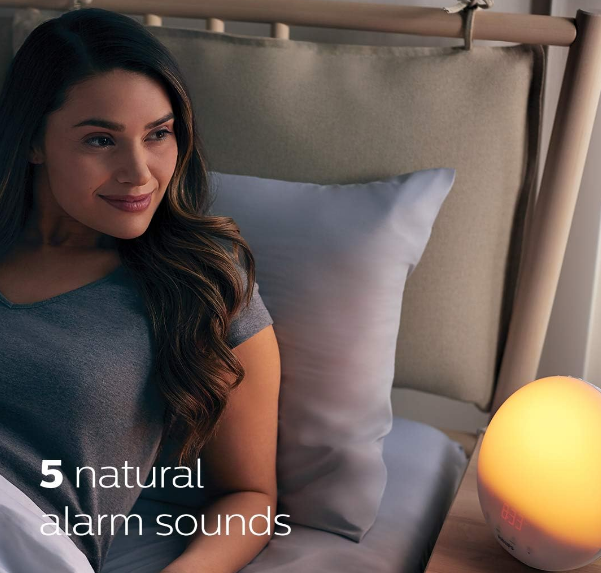
It is a bedside alarm device that gradually brightens to mimic the visual transition from darkness to morning light. Depending on the model, Philips wake-up lights may offer colored sunrise stages, selectable alarm sounds, a bedside lamp, and other functions. The exact model, light output, sound library, and power configuration need confirmation against the linked product.
How Does Sunrise Simulation Work?
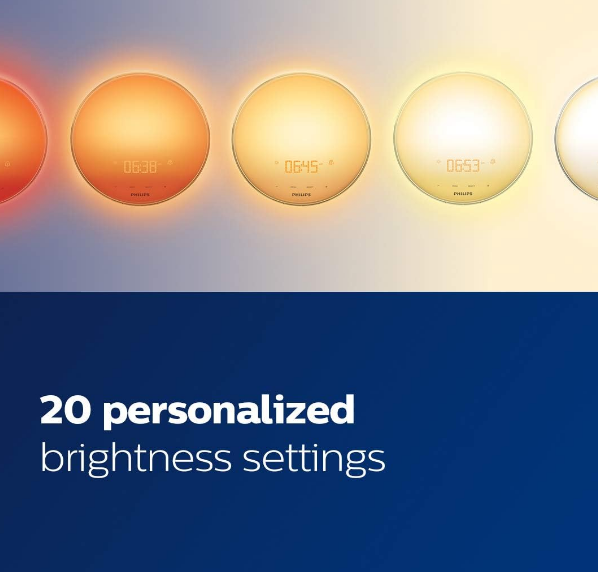
The light begins brightening before the set alarm time, giving the room a gradually increasing light cue. The effect depends on how close the device is, where it points, whether your eyes receive the light, and ambient brightness. Sunrise simulation is not the same as outdoor morning daylight or clinical bright-light therapy.
Does It Make Waking Up Easier?
Some people may find a gradual light alarm gentler than an abrupt audible alarm. Responses vary, and evidence for a particular Philips model should not be assumed from studies of light exposure in general. A consistent wake time and sufficient sleep remain important regardless of the alarm used.
Can It Improve Sleep Quality?
There is no verified evidence that the exact linked SmartSleep model increases deep sleep or overall sleep duration. A predictable wake-up routine may be helpful, but the device cannot compensate for insufficient sleep, irregular schedules, or untreated sleep disorders. Evaluate the experience without treating it as a medical sleep intervention.
Can It Help With Morning Grogginess?
Light may influence alertness and the sleep-wake system, but the effect of a bedside sunrise alarm on morning grogginess varies. PVL has not verified product-specific outcomes. If severe sleepiness persists despite adequate time in bed, consider sleep habits, medication effects, and medical evaluation when appropriate.
Does It Include a Sunset Feature?
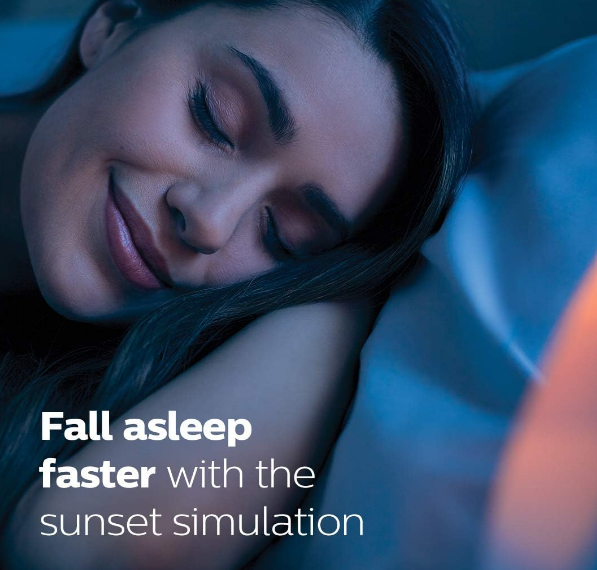
The original PVL listing mentions a sunset or fading-light routine. Philips features vary by SmartSleep model, so verify that the exact linked unit includes sunset simulation and check its available duration settings. Dimmer evening light may feel relaxing, but this does not establish treatment of insomnia.
What Alarm Sounds Are Available?
The original listing describes nature sounds and FM radio. Exact sound options, radio availability, and volume controls differ across models. Check the manufacturer manual before buying if a specific alarm sound or radio function is essential. Do not assume every Philips SmartSleep product has the same feature set.
Does It Work Without an Audible Alarm?
Whether the device supports light-only waking depends on its model and settings. Check the official instructions for disabling or adjusting alarm sounds. People who sleep through light cues may still need an audible backup, especially when a fixed wake-up time is important.
Where Should You Place It?
Position the light according to Philips’ instructions, typically where its illumination can reach you without shining uncomfortably into your eyes. Avoid covering ventilation openings or placing it where it can fall. Placement affects perceived brightness; a device across a large room may feel different from one near the bed.
Can It Replace Morning Sunlight?
No. Outdoor daylight provides a different intensity and environmental context than a bedside alarm. A wake-up light can complement a morning routine, but it should not be assumed to deliver the same circadian effects as appropriately timed daylight exposure. Seek individualized guidance for diagnosed circadian rhythm conditions.
Is It Useful in Winter?
Sunrise alarms may appeal to people who wake before dawn or use blackout curtains. They create a visible morning cue when the bedroom is dark. However, effectiveness depends on room setup, personal light sensitivity, and schedule. The device is not an established treatment for seasonal affective disorder.
Is It the Same as a Light Therapy Lamp?
No. A sunrise alarm is designed for gradual waking, whereas clinical bright-light therapy uses specific timing and light exposure under appropriate guidance. Do not use the SmartSleep as a substitute for a prescribed light-treatment plan. People with bipolar disorder, certain eye conditions, or photosensitizing medications should seek medical advice before intensive light therapy.
Can It Help Shift a Sleep Schedule?
Light timing can influence circadian rhythms, but a consumer wake-up light alone is not a guaranteed method for shifting sleep timing. A consistent schedule, appropriately timed morning light, and limiting disruptive evening light may matter more. Persistent delayed sleep patterns deserve individualized assessment.
Does It Need a Power Outlet?
Power requirements differ by model. Check whether the linked unit uses a mains adapter, includes battery backup, or stores alarm settings during an outage. Do not assume it will operate during a power failure. Consider a backup alarm if waking on time is critical.
Is It Suitable for Children?
Some families may find gradual lighting useful, but the exact unit’s safety instructions and age guidance should be followed. Keep cords and electrical devices away from young children and sleeping spaces where they could pose hazards. Do not treat the device as a remedy for pediatric sleep difficulties.
How Does It Compare With a Phone Alarm?
A phone alarm is inexpensive and portable, while a dedicated wake-up light offers a physical brightening cue and may reduce the need to handle a phone at bedtime. The better choice depends on whether you value gradual illumination, bedroom space, price, and the need for dependable audible backup.
Who Might Prefer Another Option?
People who need a travel alarm, strong vibration, or a very loud alert may prefer another device. Those with chronic insomnia, excessive daytime sleepiness, or suspected sleep apnea should address the underlying issue rather than relying on a sunrise alarm for treatment.
Pros and Cons
Pros
- Gradual light cue may feel gentler than abrupt waking
- Useful in dark bedrooms or before-dawn schedules
- Can support a consistent bedside routine
- Dedicated device avoids using a phone for every alarm
Cons
- Exact model-specific features remain unverified
- May not wake heavy sleepers without audible backup
- Does not replace sufficient sleep or outdoor daylight
- Not a treatment for insomnia or seasonal depression
Frequently Asked Questions
Does the Philips SmartSleep Wake-Up Light improve sleep?
It may make waking feel more gradual, but improved sleep duration or deep sleep is not established for the exact linked model. A sunrise alarm cannot replace sufficient sleep or a consistent schedule. Consider it a bedroom convenience rather than a treatment for insomnia, sleep apnea, or other sleep disorders.
How does the Philips SmartSleep sunrise alarm work?
The device gradually increases light before your chosen wake-up time to imitate a sunrise. Depending on the model, an audible alarm may follow or accompany the light. Results depend on placement, room darkness, and personal sensitivity. Confirm the exact timing, brightness settings, and sound options in the manufacturer manual.
Does Philips SmartSleep include sunset simulation and FM radio?
Some Philips SmartSleep models offer fading evening light, nature sounds, or FM radio, but features vary. The original PVL listing mentions these functions without confirming the linked model number. Check the retailer’s exact variant and Philips’ current specification sheet before purchasing if any particular feature is essential.
Can a Philips wake-up light replace morning sunlight?
No. A bedside sunrise alarm does not provide the same light exposure as outdoor morning daylight. It may be a useful waking cue in a dark bedroom, but it is not a substitute for clinical light therapy. For circadian rhythm problems, seek individualized advice about light timing and intensity.
Is Philips SmartSleep good for winter mornings?
It may appeal to people who wake before sunrise or sleep in a dark room. Gradually brightening light can create a morning cue, although responses vary. The device is not a proven treatment for seasonal affective disorder. A regular schedule and appropriate daytime light exposure remain important.
Will the Philips SmartSleep alarm work during a power outage?
Power-outage behavior depends on the exact Philips SmartSleep model and whether it has backup power. PVL has not verified the linked unit’s power specifications. Check the manual for battery backup and alarm memory details. Use an independent backup alarm when waking at a specific time is essential.
Final Verdict
PVL Rating: 4.0/5 (provisional). Philips SmartSleep Wake-Up Lights offer a useful sunrise-alarm concept for people who prefer gradual illumination on dark mornings. The product is best viewed as a routine and comfort accessory, not a guaranteed sleep-improvement device. Confirm the precise model and its features before ordering.
Reviews
There are no reviews yet.