Quick Answer
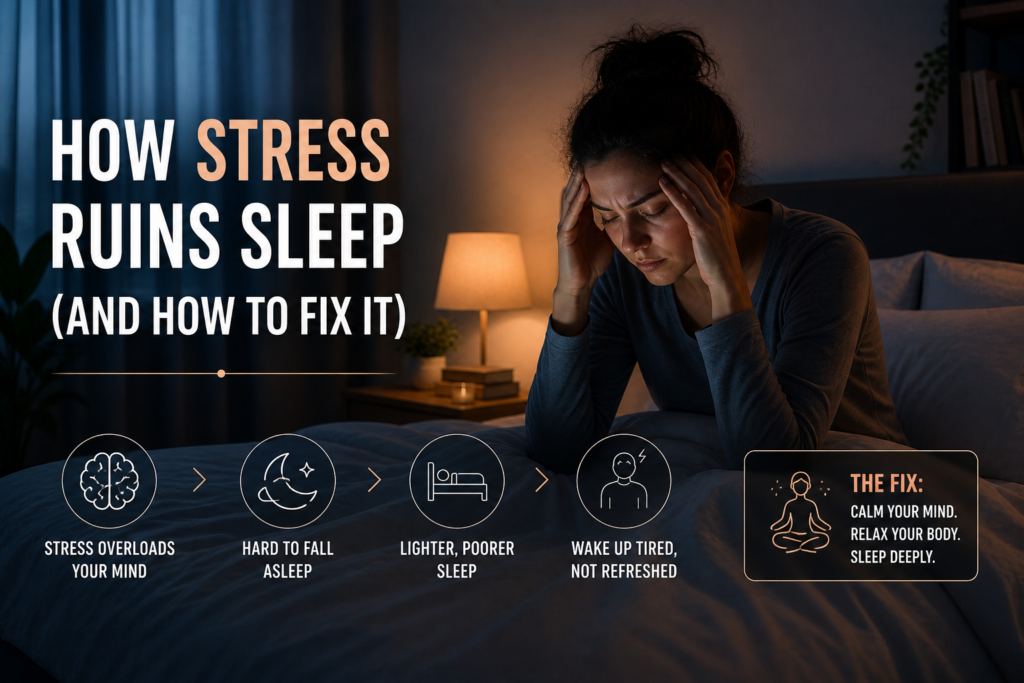
Understanding the connection between stress and sleep starts with recognizing how your body reacts to pressure. Stress increases cortisol levels, keeps your mind active, and prevents your body from entering deep sleep. This can lead to difficulty falling asleep, frequent wake-ups, and feeling tired even after a full night in bed. The solution is not just “sleeping more,” but reducing stress signals before bedtime through simple, consistent habits.
- Introduction
- How Stress and Sleep Are Connected
- How Stress Affects Sleep
- Effects of Stress on Sleep and Recovery
- 7 Ways Stress Affects Sleep Quality
- Signs That Stress Is Affecting Your Sleep
- Stress and Sleep: Why the Cycle Gets Worse Over Time
- What To Do When Stress and Insomnia Keep You Awake
- How to Improve Stress and Sleep Without Overwhelm
- 7-Day Stress and Sleep Reset Plan
- How Long Results Take
- What to Expect After 30 Days
- Best Products to Consider
- FAQ
- When to Seek Help
- Final Summary
Introduction
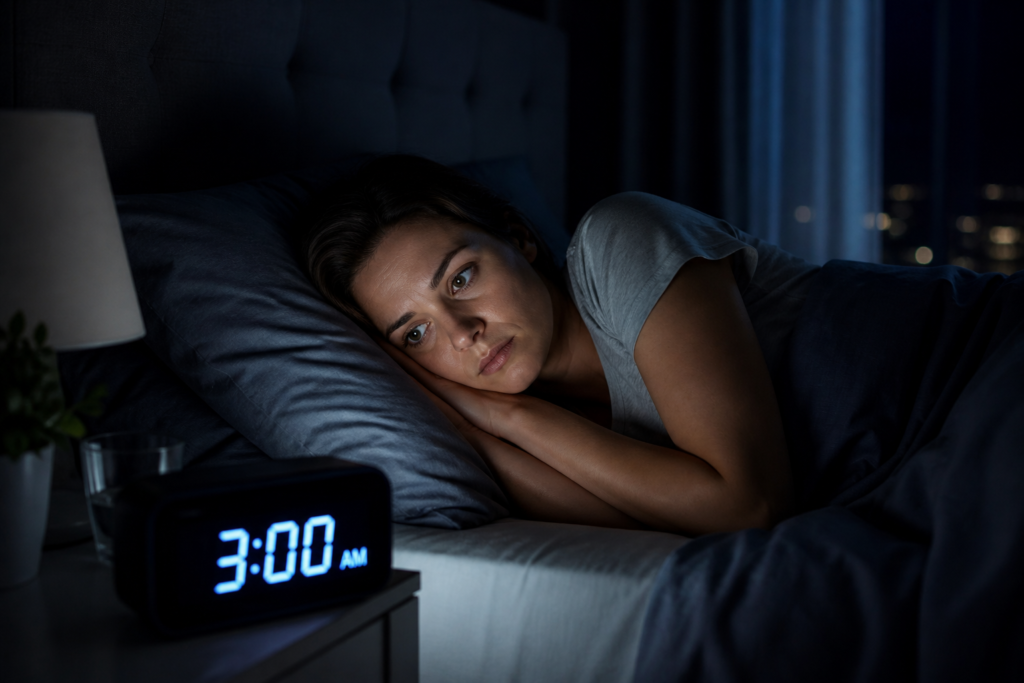
If you’ve ever felt exhausted but unable to sleep, stress is often the reason.
You lie in bed, your body feels tired, but your mind refuses to switch off. Thoughts keep running, worries resurface, and instead of drifting into sleep, you stay awake longer than expected.
This experience is extremely common.
Many people don’t realize that sleep problems are not always caused by poor sleep habits alone. Instead, stress plays a major role in disrupting your ability to fall asleep and stay asleep.
To understand the relationship between stress and sleep, you need to look at how your brain and body respond to pressure.
Once you understand this connection, fixing your sleep becomes much easier.
How Stress and Sleep Are Connected
Stress-related sleep disruption happens when your body remains in an alert state even when it should be resting.
The relationship between stress and sleep is closely connected. Stress can make it harder to fall asleep, stay asleep, and achieve deep restorative sleep, while poor sleep may also increase stress levels the following day.
Normally, your body shifts from:
- active mode → rest mode
But when stress is present, this transition is delayed.
Your brain continues to scan for problems, process thoughts, and stay alert—even when you’re lying in bed.
This makes it harder to fall asleep and reduces the quality of your sleep.
How Stress Affects Sleep
Understanding how stress affects sleep begins with understanding the body’s natural stress response system.
When stress occurs:
- cortisol (stress hormone) increases
- heart rate rises
- brain activity increases
This is helpful during the day—but harmful at night.
Instead of relaxing, your body stays in “alert mode.”
This prevents deep sleep and keeps your nervous system active.
Effects of Stress on Sleep and Recovery
When stress is present, your body does not fully switch into rest mode.
Instead of relaxing, your nervous system stays partially active.
At night, this leads to:
- higher cortisol levels
- increased brain activity
- lighter sleep stages
- more sensitivity to disturbances
This is why you may feel physically tired but mentally alert.
Your body is trying to rest, but your brain is still in problem-solving mode.
Over time, this imbalance makes it harder to enter deep sleep and stay asleep.
7 Ways Stress Affects Sleep Quality
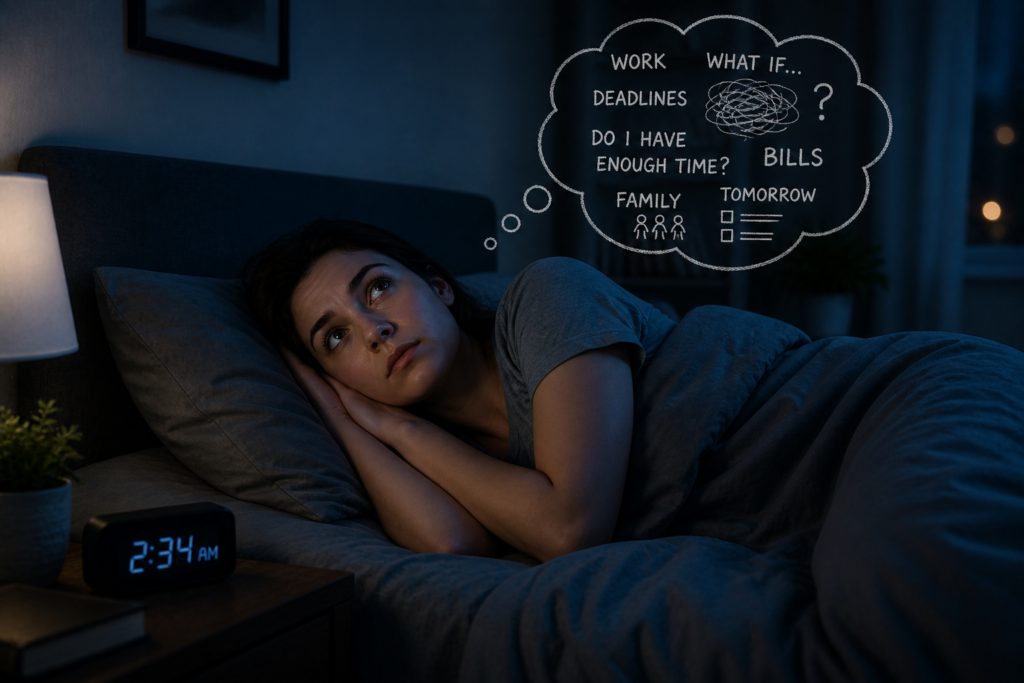
1. Keeps Your Mind Overactive
Many people assume that stress only affects them during the day, but its effects often become stronger at night.
When you lie down, your brain has fewer distractions, which allows unresolved thoughts to surface more clearly.
This can lead to racing thoughts, replaying conversations, or worrying about future tasks.
The problem is not just thinking—it’s the inability to “turn off” those thoughts.
This keeps your brain active when it should be slowing down.
A helpful approach is to create a mental offload before bed, such as writing down tasks or concerns. This gives your brain permission to rest instead of continuing to process information during sleep.
Many people experience racing thoughts at night.
Your brain replays conversations, worries about the future, or analyzes problems.
This mental activity prevents your mind from slowing down.
Fix:
Write down thoughts before bed to clear your mind.
2. Raises Cortisol Levels and Disrupts Sleep
Stress doesn’t just affect your thoughts—it directly changes your body chemistry.
When you experience stress, your body releases cortisol to keep you alert and ready to respond. This is helpful during the day, but at night, cortisol should naturally decrease.
However, ongoing stress can cause cortisol levels to stay elevated longer than they should.
This can make your body feel awake even when you’re physically tired.
Many people notice they feel “wired but exhausted,” which is a common sign of this imbalance.
A helpful approach is to reduce stimulation in the evening and introduce calming habits like dim lighting or relaxation techniques to help your body shift into a lower-stress state.
Cortisol should be low at night. Elevated cortisol is one reason stress and insomnia are often closely linked.
Stress keeps it elevated, making your body feel awake.
This interferes with your natural sleep cycle.
Fix:
Reduce stimulation before bed.
3. Delays Falling Asleep
One of the most common effects of stress and sleep disruption is delayed sleep onset.
Even if you go to bed at the right time, stress can make it difficult for your body to relax enough to fall asleep.
This often happens because your brain remains in a problem-solving mode instead of transitioning into rest.
You may find yourself lying in bed for long periods, unable to “switch off.”
Over time, this can create frustration, which adds even more stress to the situation.
A simple improvement is to build a consistent wind-down routine before bed. Activities like reading, stretching, or breathing exercises can help signal to your brain that it’s time to relax.
Even if you feel tired, stress can delay sleep.
Your brain remains alert, making it harder to relax.
Fix:
Create a wind-down routine.
4. Causes Night Wake-Ups
Stress and insomnia often involve both difficulty falling asleep and difficulty staying asleep.
Many people fall asleep without trouble but wake up during the night, often around the same time.
This happens because stress keeps your nervous system more sensitive, making it easier to wake up during lighter sleep stages.
When you wake up, your mind may quickly become active again, making it difficult to fall back asleep.
This can lead to broken sleep and feeling unrefreshed in the morning.
A helpful approach is to improve your overall relaxation before bed and avoid stimulating activities late at night to reduce these interruptions.
Stress can trigger waking during the night.
You may wake up and struggle to fall back asleep.
Fix:
Avoid stimulating activities before bed.
5. Reduces Deep Sleep
One of the most important effects of stress on sleep is reduced deep sleep and overnight recovery.
Even if you sleep for several hours, the quality of that sleep may be lower.
This is why many people feel tired despite getting enough sleep.
Stress keeps your body in a lighter sleep state, where it is easier to wake up and less able to recover fully.
Over time, this can affect your energy, mood, and overall health.
A simple improvement is to focus on calming your body before bed so it can transition more easily into deeper sleep stages
Deep sleep is essential for recovery.
Stress reduces the amount of time spent in deep sleep.
Fix:
Focus on relaxation before bedtime.
6. Increases Physical Tension
Stress often shows up physically in the body.
You may not notice it right away, but tension can build in areas like your shoulders, neck, or jaw.
This tension makes it harder for your body to fully relax, even when you’re lying in bed.
Instead of entering a comfortable resting state, your body remains slightly tense.
This can lead to discomfort, restlessness, or difficulty staying asleep.
A helpful approach is to include light stretching, deep breathing, or relaxation exercises before bed to release built-up tension and prepare your body for sleep.
Stress often causes muscle tension.
This makes it harder for your body to relax.
Fix:
Try stretching or breathing exercises.
7. Creates a Sleep Anxiety Loop
One of the most overlooked aspects of stress and sleep problems is the cycle they create together.
After a few nights of poor sleep, many people begin to worry about sleep itself.
You might start thinking, “What if I can’t sleep again tonight?”
This thought alone can increase stress and make sleep even harder.
Over time, your brain begins to associate bedtime with pressure instead of relaxation.
This creates a loop where stress causes poor sleep, and poor sleep increases stress.
A helpful approach is to shift your focus away from “trying to sleep” and instead focus on relaxing your body and mind. This reduces pressure and allows sleep to happen more naturally.
Once sleep becomes difficult, you may start worrying about sleep itself.
This creates a cycle:
stress → poor sleep → more stress
Fix:
Shift focus away from “trying to sleep.”
Signs That Stress Is Affecting Your Sleep
- waking up tired
- frequent wake-ups
- racing thoughts
- feeling alert at night
- relying on caffeine

Stress and Sleep: Why the Cycle Gets Worse Over Time
Stress and sleep are closely connected in a cycle.
Many people experience stress insomnia because poor sleep increases stress levels, while higher stress levels make quality sleep more difficult.
It usually looks like this:
- stress increases
- sleep becomes lighter
- you wake up tired
- you rely on caffeine or push through fatigue
- stress increases again
Over time, this cycle becomes stronger.
Your body begins to associate nighttime with alertness instead of rest.
This is why sleep problems often feel harder to fix the longer they continue.
Breaking this cycle requires consistent changes, not quick fixes.
What To Do When Stress and Insomnia Keep You Awake
If stress is preventing you from sleeping, your immediate response matters.
Many people:
- check their phone
- start worrying about sleep
- become frustrated
This increases alertness.
Instead:
- keep lights dim
- avoid screens
- focus on breathing
- stay calm
- get out of bed briefly if needed
The goal is to avoid activating your brain further.
The calmer your response, the easier it is to fall back asleep
How to Improve Stress and Sleep Without Overwhelm
Trying to eliminate stress completely is unrealistic, but improving stress management can have a significant impact on sleep quality.
Instead, focus on reducing how your body responds to stress at night.
Start with:
- reducing evening stimulation
- creating a wind-down routine
- managing thoughts before bed
- improving sleep consistency
Pick one or two habits first.
Once they feel natural, add more.
This gradual approach is more sustainable and leads to better long-term results.
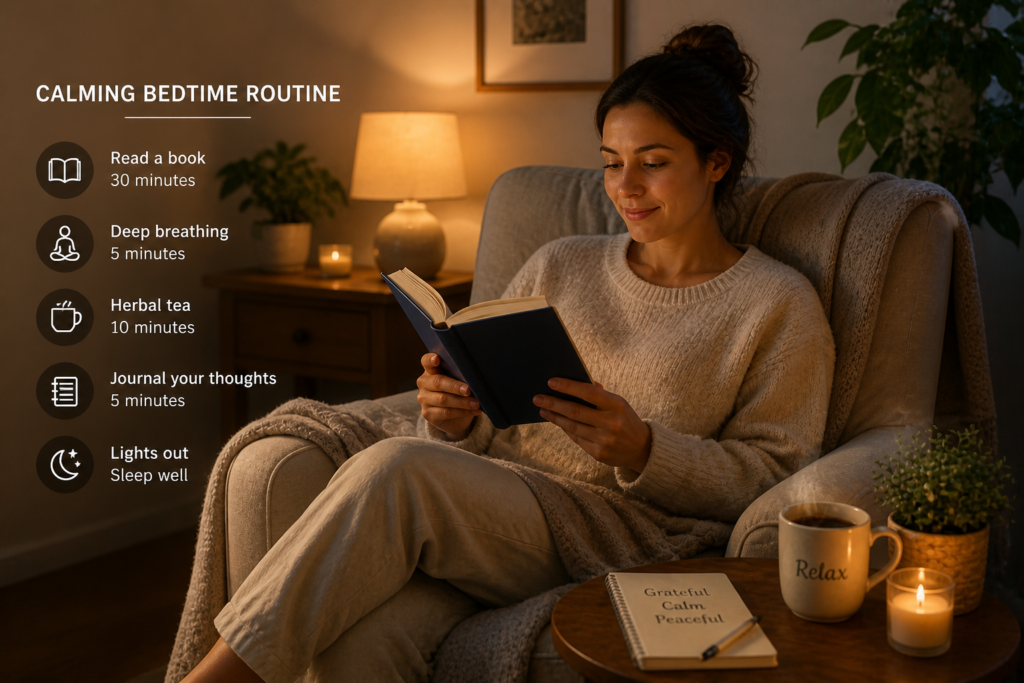
7-Day Stress and Sleep Reset Plan
Day 1: reduce screens
Day 2: improve routine
Day 3: relaxation habit
Day 4: reduce caffeine
Day 5: improve sleep timing
Day 6: calm environment
Day 7: combine all
How Long Results Take
Some stress-management changes—like reducing screen time or adding relaxation—can improve sleep within a few days.
However, deeper improvements often take 2–3 weeks.
Your body needs time to reset its stress response and sleep rhythm.
Staying consistent is key, even if results are not immediate.
What to Expect After 30 Days
- better sleep quality
- reduced stress
- improved mood
- more energy
Best Products to Consider
Smart Sleep & Relaxation Devices
Smart sleep devices are designed to support healthier bedtime habits using calming sounds, gentle alarms, meditation audio, and reduced nighttime screen exposure.
⭐ Editor’s Pick
Amazon Echo Spot (2024 Release)
Best For: Relaxing Bedtime Routines & Smart Sleep Support
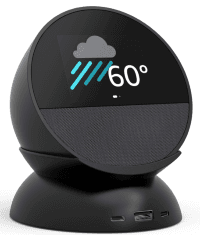
The Amazon Echo Spot (2024 release) is a compact smart alarm clock with Alexa, customizable clock faces, relaxing audio playback, and gradual wake-up routines designed for bedside use. It was redesigned specifically as a nightstand-friendly smart clock without a camera
✔ Gentle music and alarm wake-ups
✔ Compact bedside-friendly design
✔ Voice-controlled sleep sounds and reminders
✔ Helps support calmer nighttime routines
👉 Upgrade your nighttime routine with smart sleep support.
Sleep Comfort & Anxiety Support
Weighted blankets are commonly used to create a calming sleep environment through gentle pressure that may help reduce stress and nighttime restlessness.
⭐ Editor’s Pick
Baloo Living Weighted Blanket
Best For: Hot Sleepers, Stress Relief & Relaxation

Made with 100% breathable cotton and lead-free glass microbeads, the Baloo weighted blanket delivers calming deep-pressure comfort without trapping excess heat. Its minimalist luxury design and evenly distributed weight make it ideal for people struggling with stress, anxiety, or restless sleep
✔ Promotes relaxation and calmer sleep
✔ Cooling cotton construction helps reduce overheating
✔ Even weight distribution for comfortable pressure
✔ OEKO-TEX certified materials
👉 Upgrade your nighttime comfort naturally.
.
Sleep Sound Machines & Bedroom Wellness
Sound machines help create consistent background audio that may reduce nighttime disruptions from traffic, neighbors, snoring, or sudden environmental noises.
⭐ Editor’s Pick
Homedics SoundSleep White Noise Machine
Best For: Reducing Nighttime Noise Stress

Homedics SoundSleep White Noise Machine features multiple relaxing sound options including rain, ocean, white noise, and nature sounds for a calmer sleep environment.
✔ Multiple probiotic strains
✔ Includes prebiotic support
✔ Helps support digestive balance
✔ Daily microbiome wellness support
👉 Looking for high-potency probiotic support?
FAQ
How does stress affect sleep?
Stress and sleep are closely connected, and stress can significantly disrupt sleep in multiple ways. When you’re stressed, your body releases cortisol, a hormone that keeps you alert and prepared to respond. At night, this can prevent your body from fully relaxing. As a result, you may struggle to fall asleep, wake up during the night, or experience lighter, less restorative sleep. Over time, this can lead to ongoing fatigue, reduced focus, and a cycle where poor sleep increases stress even further.
Why does my mind race at night?
Your mind tends to race at night because there are fewer distractions, allowing unresolved thoughts to surface more clearly. During the day, your attention is occupied with tasks and activities, but at night, your brain shifts into processing mode. If stress is present, it can trigger overthinking, worrying, or replaying events. This mental activity keeps your brain alert when it should be winding down, making it harder to fall asleep and relax.
How do I calm my mind before sleep?
Calming your mind before sleep involves reducing stimulation and creating a relaxing routine. Start by limiting screen time and dimming lights at least 30–60 minutes before bed. Activities like reading, journaling, gentle stretching, or deep breathing can help slow your thoughts. Writing down worries or tasks can also reduce mental clutter. The goal is to signal to your brain that the day is ending, allowing it to transition more naturally into a relaxed, sleep-ready state.
Can stress cause insomnia?
Yes, stress is one of the most common causes of insomnia. It can make it difficult to fall asleep, stay asleep, or achieve deep sleep. When your body remains in a heightened state of alertness, your brain struggles to switch into rest mode. Over time, repeated sleep disruptions can develop into chronic insomnia. Addressing stress through consistent habits and relaxation techniques is often key to improving sleep naturally. This is why stress and insomnia are commonly linked.
How long does it take to fix stress-related sleep issues?
The time it takes to improve stress-related sleep varies depending on consistency and lifestyle habits. Some people notice small improvements within a few days after reducing stimulation and improving their routine. However, more noticeable and lasting results typically take 2–3 weeks. Your body needs time to reset its stress response and sleep patterns. Staying consistent with simple habits—like relaxation routines and regular sleep times—is essential for long-term improvement.
Stress and sleep influence each other more than many people realize. Chronic stress may contribute to difficulty sleeping, stress sleeplessness, elevated cortisol levels, and even insomnia caused by stress. Learning how stress affects sleep can help you build healthier habits that support both relaxation and recovery.
When to Seek Help
If sleep problems persist, consult a professional.
Want better sleep and less stress?
Join Purely Vital Living for expert-backed wellness tips.

Final Summary
Understanding the relationship between stress and sleep is the first step toward improving both sleep quality and overall wellness. When your mind stays active and your body remains in a heightened state of alertness, it becomes difficult to fall asleep, stay asleep, and reach the deep, restorative stages your body needs.
The good news is that improving sleep doesn’t require complicated solutions. By making small, consistent changes—such as reducing evening stimulation, managing stress before bed, and creating a calming nighttime routine—you can gradually reset your body’s natural rhythm.
Over time, these simple habits help your brain feel safe enough to relax, allowing you to fall asleep more easily, stay asleep longer, and wake up feeling more refreshed and energized.
Better sleep isn’t about perfection—it’s about consistency.