
Quick Verdict
SleepPhones Wireless are best viewed as a comfortable way to listen to audio in bed—not as a device proven to improve sleep. Their main advantage is ergonomic: flat speakers inside a soft headband can be easier to tolerate while lying down than conventional headphones or many earbuds. Whether the audio itself helps depends on what you play, volume, personal preference, and the reason you are having trouble sleeping.
PVL Rating: 4.0/5
- Sleep-oriented design: 4.5/5
- Comfort potential: 4.4/5
- Sleep evidence: 3.1/5
- Safety and usability: 4.0/5
- Value: 3.8/5
Best for: People who already know that quiet music, guided relaxation, audiobooks, or masking sounds help them settle and want a less bulky way to listen in bed.
Not ideal for: Anyone expecting headphones to treat insomnia, prevent awakenings, improve sleep architecture, or safely mask important alarms and warning sounds.
What Are SleepPhones Wireless?
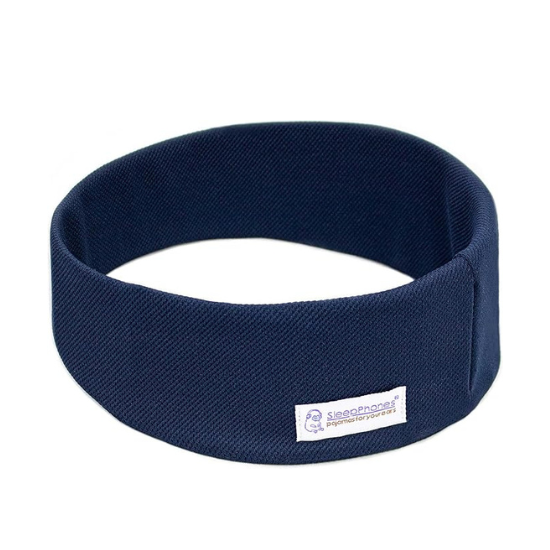
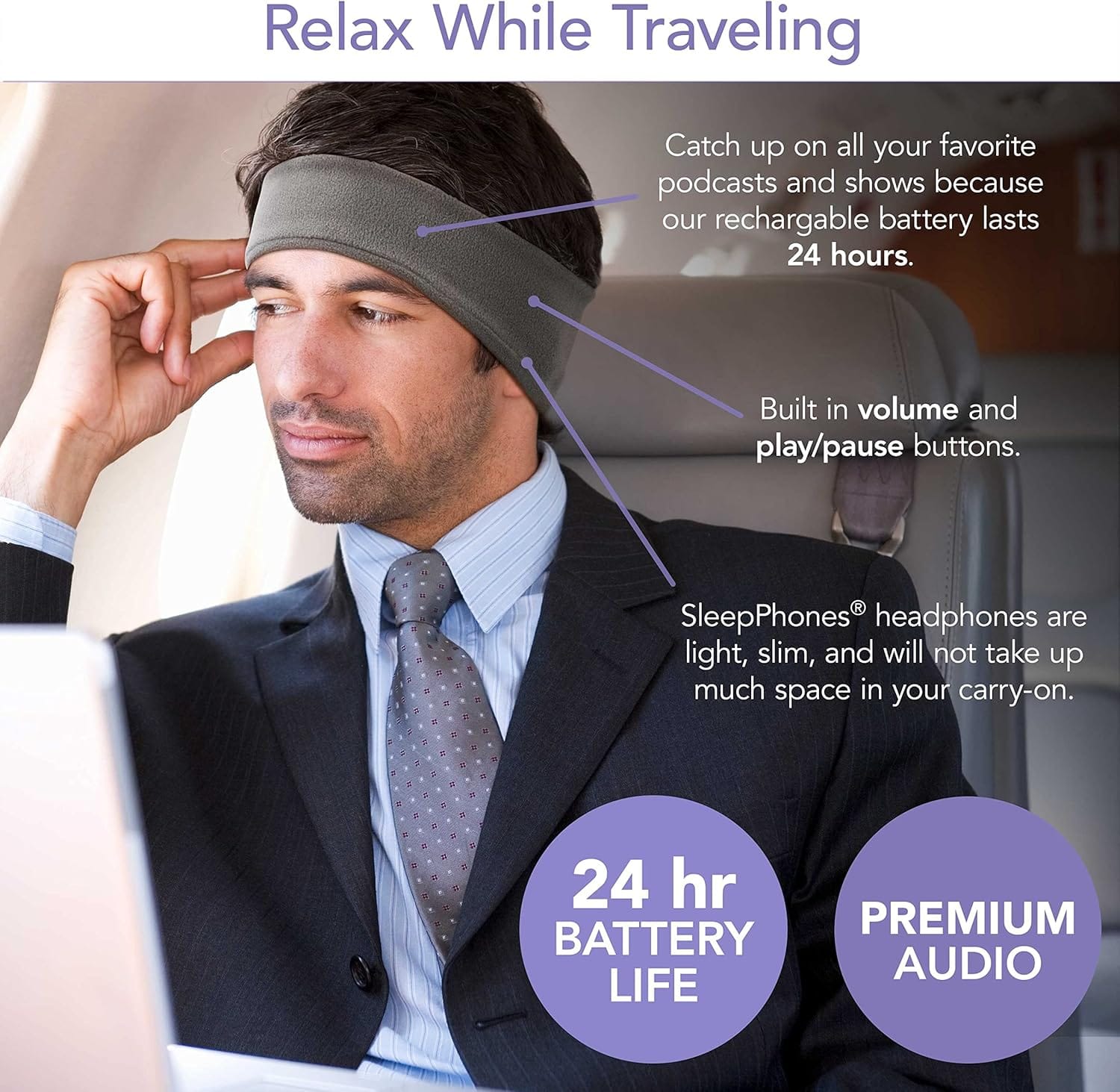
SleepPhones by AcousticSheep combine a fabric headband with thin removable speakers positioned near the ears. Wireless versions use Bluetooth so there is no audio cable running to a phone or other playback device.
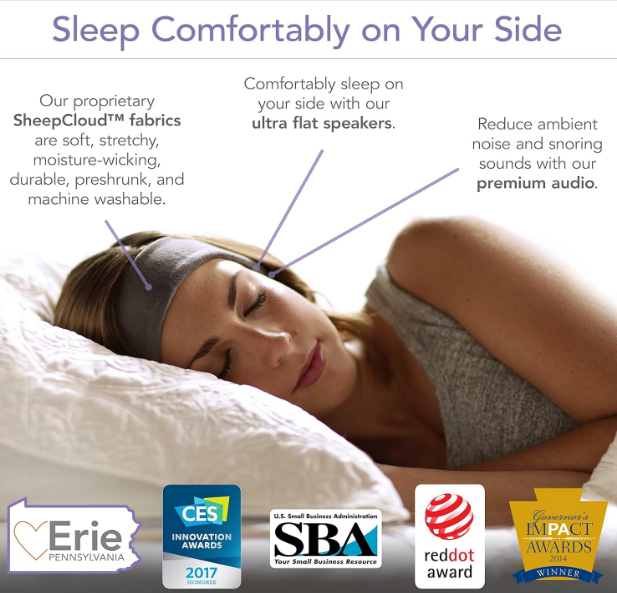
The product’s most credible distinction is physical design. Traditional over-ear headphones are bulky against a pillow, while in-ear devices can create pressure or discomfort for some side sleepers. Thin speakers distributed through a headband may be easier to wear while lying down.
Models, fabrics, battery specifications, Bluetooth hardware, and included accessories can change. Buyers should verify the specifications of the exact current version rather than assuming details from an older SleepPhones generation apply to every listing.
Do SleepPhones Improve Sleep?
PVL did not identify a peer-reviewed randomized controlled trial of the finished SleepPhones Wireless product demonstrating improvements in chronic insomnia, total sleep time, sleep efficiency, deep sleep, REM sleep, or nighttime awakenings.
Research on music and other auditory interventions is broader than research on this headset. Systematic reviews suggest music may improve subjective sleep quality in some adults, particularly people reporting sleep difficulties, but study protocols vary substantially and objective sleep outcomes are less certain.
That means evidence for listening to selected music cannot be converted into evidence that SleepPhones themselves improve sleep. The headband is the delivery hardware; the audio intervention, listener preference, timing, and sleep problem are separate variables.
What Is the Most Defensible Benefit?
The strongest reason to choose SleepPhones is bedtime listening comfort. If you already use calming audio, a meditation track, an audiobook, or masking sound, a soft headband may reduce the pressure and bulk associated with ordinary headphones.
That convenience can make an established wind-down routine easier to follow. It should not be confused with a direct physiological effect on sleep stages or recovery.
Can Music Help You Fall Asleep?
Music can be relaxing for some people, and clinical research has reported improvements in subjective sleep quality in selected populations. Effects depend on the music, individual preference, listening routine, and population studied.
Audio can also be stimulating. Engaging podcasts, dramatic audiobooks, changing playlists, advertisements, notifications, or content that encourages continued attention may delay rather than support sleep. There is no single “sleep audio” that works for everyone.
What About White Noise and Sound Masking?
Continuous sound may make intermittent environmental noise less noticeable, but evidence for white noise as a general sleep aid is mixed and low certainty. A 2021 systematic review found heterogeneous results and rated the overall evidence for sleep outcomes as very low quality.
SleepPhones can deliver masking audio, but they do not make that audio clinically more effective than the same signal played through another suitable device. If external noise is the problem, also consider reducing the source, improving room sound isolation, or using a bedside masking device at a comfortable level.
Overnight Volume and Hearing Safety
Comfortable headphones are not automatically safe at any volume. Hearing risk depends on sound level and exposure duration. Because sleep listening can last for hours, use the lowest volume that serves the intended purpose rather than trying to overpower the environment.
If you need very loud playback to mask traffic, snoring, or another source, addressing the environmental noise directly may be preferable. Persistent ringing in the ears, muffled hearing, ear pain, or hearing changes deserve appropriate evaluation.
Can Sleep Audio Mask Important Sounds?
Yes. Audio near the ears can make alarms, smoke detectors, a child calling, another person’s voice, or other environmental warnings less noticeable. This matters even though SleepPhones are not active noise-cancelling hearing protection.
Use particular caution if you need to remain aware of caregiving responsibilities, emergency alerts, medical-device alarms, or safety-critical sounds overnight.
Side-Sleeper Comfort
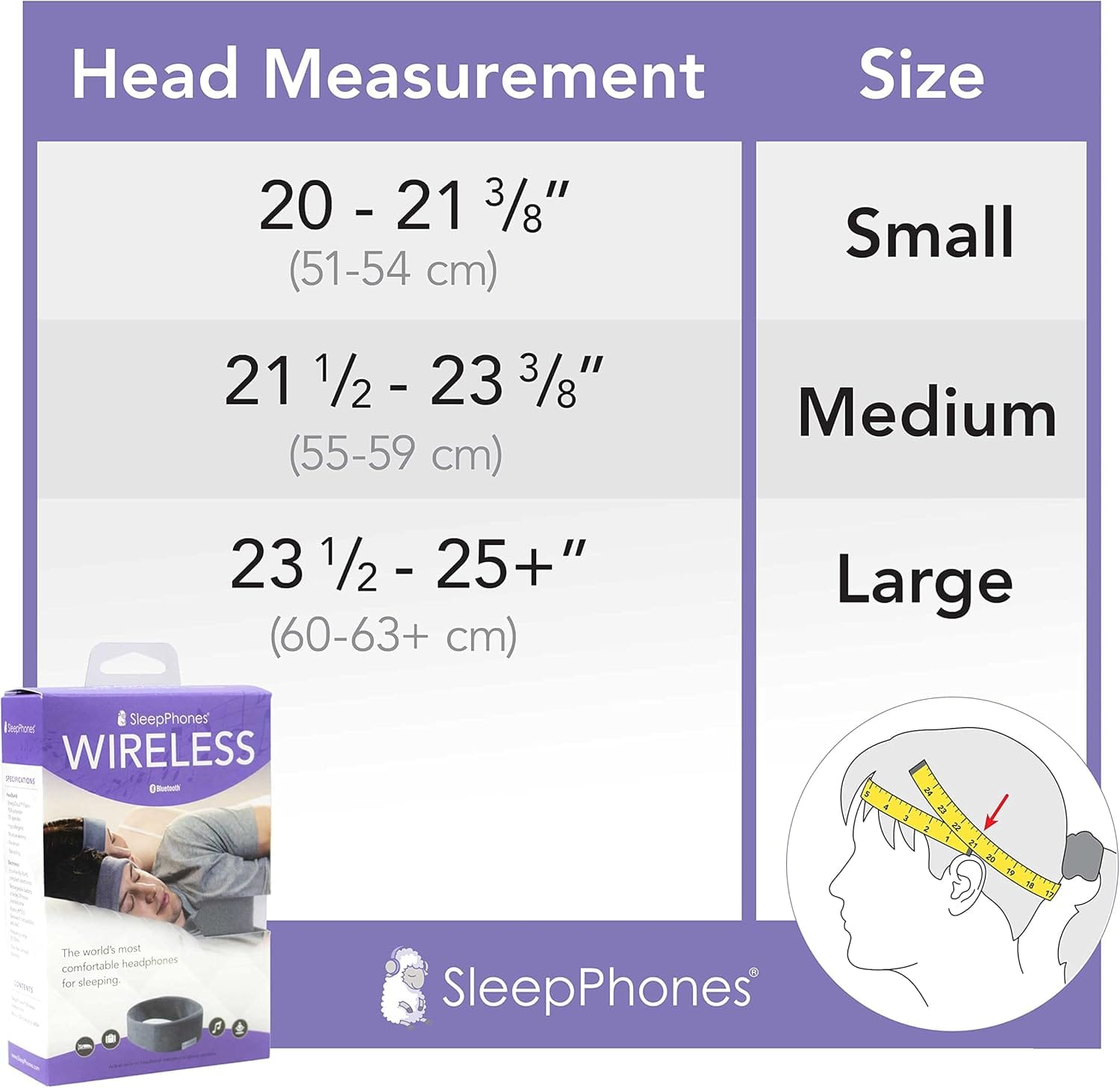
The thin-speaker headband design is more sleep-oriented than conventional rigid headphones, but comfort is individual. Speaker position, headband size, fabric, pillow firmness, ear anatomy, and sleeping position can all affect pressure.
“Designed for side sleepers” therefore describes the intended ergonomics rather than guaranteeing pressure-free comfort for every person.
What SleepPhones Have Not Been Shown to Do
- Treat chronic insomnia
- Increase deep sleep or REM sleep
- Prevent nighttime awakenings reliably
- Accelerate physical recovery
- Treat anxiety or chronic stress
- Make white noise or music inherently more effective than other delivery methods
Pros and Cons
Pros
- Thin speakers are designed for lying down
- Soft headband avoids rigid over-ear headphone cups
- Wireless playback avoids an audio cable in bed
- Useful for people who already benefit from quiet bedtime audio
- Removable electronics can make compatible fabric components easier to care for
Cons
- No finished-product RCT identified for meaningful sleep outcomes
- Long listening sessions require sensible volume control
- Audio can mask alarms and other important sounds
- Comfort still varies by fit and sleeping position
- More expensive than simply playing audio through an existing bedside device
Who Should Consider SleepPhones?
They make the most sense for someone who already enjoys bedtime audio but finds earbuds or conventional headphones uncomfortable against a pillow. The product solves an ergonomic problem more convincingly than it solves a medical sleep problem.
Who Should Choose Another Approach?
If you need silence rather than audio, a headband speaker system adds little. If chronic insomnia persists, or if you have loud snoring, witnessed breathing pauses, gasping, severe daytime sleepiness, restless legs, or another suspected sleep disorder, headphones should not substitute for appropriate evaluation.
Are SleepPhones Wireless Worth It?
For regular bedtime listeners who value comfort, SleepPhones can justify their premium by packaging flat speakers into a sleep-oriented headband. Their value is weaker if you rarely use audio at bedtime or expect the hardware itself to improve sleep quality.
PVL therefore rates SleepPhones primarily on comfort-oriented design and usability—not on unproven claims of sleep optimization, uninterrupted sleep, or recovery.
Frequently Asked Questions
Do SleepPhones help you sleep?
They can make bedtime audio more comfortable to listen to, but PVL did not identify a finished-product randomized trial showing that SleepPhones reliably improve insomnia or objective sleep outcomes.
Are SleepPhones good for side sleepers?
The thin speakers and soft headband are specifically designed to reduce the bulk of ordinary headphones while lying down. Actual comfort still depends on fit, speaker position, pillow, and individual anatomy.
Is it safe to listen to audio all night?
Long listening duration increases the importance of keeping volume low. Avoid using loud audio to overpower the environment, and pay attention to any hearing symptoms.
Can SleepPhones block snoring?
They can play masking audio that may make snoring less noticeable, but they do not eliminate the sound source and are not active noise-cancelling hearing protection.
Can they increase deep sleep?
There is no good product-specific evidence that SleepPhones directly increase physiologic deep sleep.
Final Verdict
PVL Rating: 4.0/5. SleepPhones Wireless offer a sensible ergonomic solution for people who want audio in bed without bulky headphones or in-ear pressure. Their strongest benefit is comfortable audio delivery. Evidence for music or sound interventions should not be mistaken for evidence that the headphones themselves improve sleep.
Reviews
There are no reviews yet.