
Quick Verdict
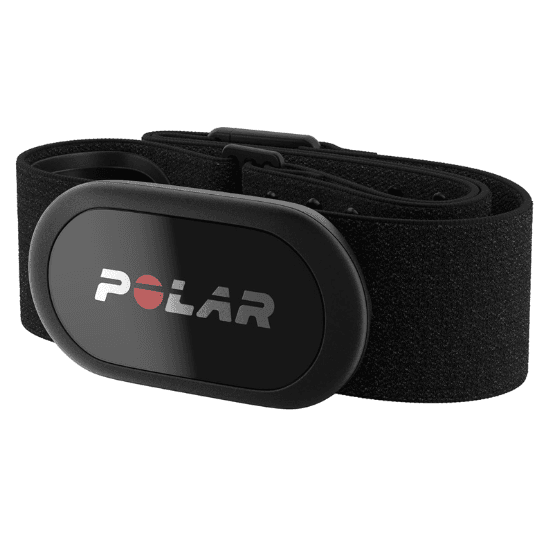
The Polar H10 is a chest-strap heart-rate sensor that detects cardiac electrical signals and is well suited to tracking exercise heart rate and beat-to-beat intervals. It can be particularly useful when wrist optical readings are unreliable during rapid intensity changes. It is not a diagnostic ECG monitor, and heart-rate or HRV data do not directly establish muscle recovery or readiness.
PVL Rating: 4.5/5 (provisional)
- Exercise heart-rate measurement design: 4.8/5
- Connectivity and training flexibility: 4.5/5
- General chest-strap heart-rate evidence: 4.6/5
- H10-specific independent validation and outcomes: 3.8/5
- Value for serious training: 4.3/5
What Is the Polar H10?
The H10 is a chest-worn heart-rate sensor used with a compatible strap and receiving device or app. It detects electrical activity associated with heartbeats and transmits heart-rate data. The listing describes Bluetooth, ANT+, and internal recording features; confirm current firmware, supported apps, recording workflow, and package contents with Polar before purchase.
How Does It Measure Heart Rate?
The H10 detects cardiac electrical signals through electrodes in its chest strap. This differs from wrist optical sensors, which estimate pulse from changes in reflected light. The chest position and signal method can make the H10 useful during intervals and activities with substantial wrist movement. Proper strap contact and fit remain essential.
How Accurate Is the Polar H10?
Chest-strap heart-rate sensors generally perform well in exercise studies, and the H10 has been used in research settings. Accuracy still depends on electrode contact, moisture, motion, interference, and comparison method. A favorable validation study does not guarantee perfect measurements in every sport or user, nor does it establish clinical diagnostic accuracy.
Can the H10 Track Heart-Rate Variability?
Compatible software can derive HRV metrics from the H10’s beat-to-beat intervals. HRV is influenced by breathing, posture, illness, sleep, medication, training, and recording conditions. Reliable interval data do not make any particular readiness algorithm clinically validated. Compare standardized personal measurements rather than interpreting a single number as a diagnosis.
Does Polar H10 Measure Muscle Recovery?
No. The H10 does not directly measure muscle repair, tendon healing, glycogen restoration, or fatigue. Heart rate and HRV may contribute to a broader picture of training response, but they cannot prove that tissues are recovered or that another intense session is safe.
Can It Improve Training Performance?
More dependable heart-rate feedback can help some athletes manage aerobic intensity and interval targets. However, owning a sensor does not automatically improve fitness, efficiency, endurance, or race results. Training quality, progression, rest, and individual response remain decisive.
Is the H10 a Medical ECG Device?
No. It is a fitness heart-rate sensor, not a replacement for a diagnostic multi-lead ECG or clinical rhythm monitor. Although it senses electrical activity, consumer app displays and derived intervals should not be used to diagnose arrhythmias or evaluate chest pain, fainting, or unexplained palpitations. Seek medical evaluation for concerning symptoms.
Does It Work for Swimming?
The H10 is designed for water exposure within the manufacturer’s specified limits, but radio signals such as Bluetooth and ANT+ do not reliably transmit through water. Recording or compatible-device arrangements may be needed for swimming sessions. Confirm the current Polar instructions for pool use, water resistance, and data retrieval.
What About Bluetooth and ANT+?
These wireless standards enable pairing with compatible watches, cycling computers, gym equipment, and apps. Compatibility is device- and software-specific; some features require Polar applications or particular settings. Check the intended device before purchase rather than assuming all equipment supports every H10 function.
How Should You Wear and Maintain the Strap?
Follow Polar’s instructions for moistening the electrodes, positioning the strap securely below the chest, and cleaning it after use. Poor contact can cause dropouts or erratic readings. Inspect the strap for wear and replace components as instructed. Comfort and skin tolerance may vary between users.
What Are the Safety Limitations?
Stop use if the strap causes significant irritation or discomfort. People with implanted cardiac devices or medical conditions should consult their clinician and the manufacturer’s safety guidance when appropriate. Do not use exercise heart-rate readings to dismiss chest pain, severe breathlessness, fainting, or other urgent symptoms.
What the Polar H10 Has Not Been Shown to Do
- Directly measure muscle recovery or tissue healing
- Diagnose arrhythmias or replace medical ECG testing
- Guarantee improved athletic performance or efficiency
- Turn HRV into a definitive overtraining or illness diagnosis
- Transmit Bluetooth or ANT+ reliably through water
- Provide perfect heart-rate accuracy regardless of strap fit or conditions
Pros and Cons
Pros
- Chest-electrode sensing suited to exercise heart-rate monitoring
- Beat-interval data for compatible HRV applications
- Bluetooth and ANT+ compatibility with supported devices
- Useful for intervals and training-zone feedback
Cons
- Chest strap may be less convenient than wrist tracking
- Proper electrode contact and maintenance matter
- Swimming data workflows have wireless limitations
- HRV and recovery interpretation depend on external algorithms and context
Who Should Consider It?
Runners, cyclists, and other active adults who want dependable heart-rate feedback and compatible beat-interval data may benefit from the H10. It is less appropriate for anyone seeking a diagnostic heart monitor or a device that directly verifies recovery.
Frequently Asked Questions
Is the Polar H10 more accurate than a wrist heart-rate tracker?
The Polar H10’s chest-electrode design can provide more dependable exercise heart-rate data than many wrist optical sensors. It is particularly useful when intensity changes rapidly or wrist motion interferes with optical readings. Accuracy still depends on strap contact, conditions, and the comparison device, so perfect readings are not guaranteed.
Can the Polar H10 measure heart-rate variability?
Yes. Compatible applications can calculate HRV from beat-to-beat interval data supplied by the H10. HRV varies with breathing, posture, sleep, illness, and training. A single reading cannot diagnose overtraining or prove recovery. Measure under consistent conditions and interpret trends alongside symptoms, performance, and other relevant information.
Does the Polar H10 tell you when your muscles have recovered?
No. The H10 measures cardiac signals, not muscle repair or readiness directly. Heart rate and HRV can provide context about training response, but they do not establish whether muscle fibers or tendons have healed. Base training decisions on performance, symptoms, workload, sleep, and appropriate professional guidance when needed.
Can the Polar H10 diagnose an irregular heartbeat?
No. The H10 is a fitness sensor, not a diagnostic medical ECG system. Detecting electrical signals for heart-rate tracking does not make consumer software suitable for diagnosing arrhythmias. If you experience unexplained palpitations, fainting, chest pain, or severe breathlessness, seek appropriate medical evaluation rather than relying on the strap’s readings.
Does the Polar H10 work while swimming?
The H10 can be used in water within Polar’s specified limits, but wireless transmission is restricted underwater. Bluetooth and ANT+ signals do not reliably travel through water, so live readings may not reach your watch or phone. Check the current instructions for supported recording, storage, and post-swim synchronization methods.
Can the Polar H10 improve endurance and workout performance?
Accurate heart-rate feedback can help guide training intensity, but the sensor itself does not improve fitness. Performance gains depend on suitable exercise programming, consistency, recovery, and nutrition. Heart-rate zones are estimates that may require individual calibration. Treat the H10 as a measurement tool rather than a guarantee of better endurance.
Final Verdict
PVL Rating: 4.5/5 (provisional). The Polar H10 is a strong option for exercise heart-rate monitoring and compatible HRV tracking. Its strength lies in measurement quality and connectivity, not claims that it diagnoses heart disease, directly measures recovery, or guarantees performance improvements.
Reviews
There are no reviews yet.