
Quick Verdict
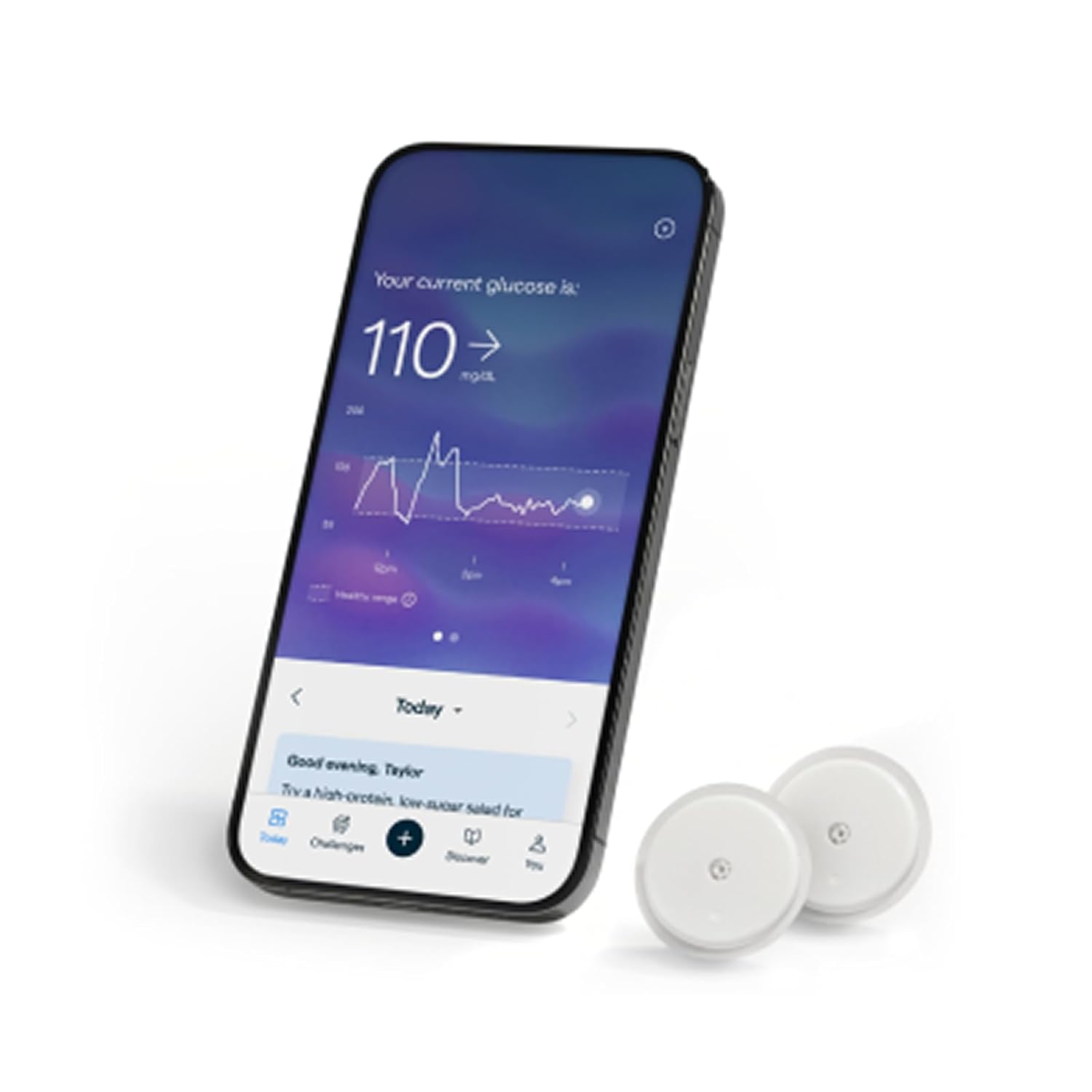
Abbott Lingo is a consumer continuous glucose monitoring (CGM) system intended to help eligible adults explore glucose patterns associated with meals and daily habits. It measures glucose in interstitial fluid, not directly in blood. Seeing glucose fluctuations does not establish that reducing every rise improves health, prevents diabetes, or extends life.
PVL Rating: 3.8/5
- Wearable glucose trend visibility: 4.5/5
- App-based feedback and usability: 4.2/5
- General CGM measurement technology: 4.1/5
- Evidence of added health benefit in adults without diabetes: 2.5/5
- Value for typical wellness users: 3.5/5
Best for: Eligible adults without diabetes who are curious about glucose patterns and can interpret the data without treating normal fluctuations as disease.
Not for: Diagnosing diabetes, managing insulin or other glucose-lowering medication, detecting emergencies, or replacing clinician-directed diabetes care.
What Is Abbott Lingo?
Lingo is an over-the-counter consumer biosensor system developed by Abbott for wellness-focused glucose trend tracking. A wearable sensor sends glucose estimates to a compatible app, which presents patterns and educational feedback. Confirm current regional availability, device eligibility, sensor duration, and smartphone compatibility with Abbott before purchase; app support can vary by market and change over time.
What Does Lingo Actually Measure?
Lingo estimates glucose concentration in interstitial fluid beneath the skin. Interstitial glucose generally follows blood glucose but may lag, particularly when glucose changes quickly after eating or exercising. Readings also have measurement error. A graph is a useful pattern display, not a direct continuous laboratory blood-glucose measurement.
Does Lingo Diagnose Diabetes or Prediabetes?
No. Diabetes and prediabetes are diagnosed using established clinical tests, such as laboratory A1C, fasting plasma glucose, or oral glucose tolerance testing when appropriate. A consumer wellness CGM graph should not be used to label a person diabetic, prediabetic, insulin resistant, or metabolically unhealthy.
Does Reducing Glucose Spikes Improve Health?
Not every post-meal glucose rise is harmful. Glucose normally changes after eating. Evidence has not established that minimizing routine glucose excursions in otherwise healthy people independently improves longevity, prevents chronic disease, or produces better health outcomes. Nutrition quality, activity, sleep, and established cardiometabolic risk factors remain more meaningful than chasing a flat CGM line.
Can Lingo Personalize Nutrition?
It may help users notice how glucose patterns vary after different meals or activities, but patterns are influenced by timing, portion size, sleep, movement, and sensor variability. One high or low-looking trace should not dictate restrictive eating. Evaluate foods by overall nutritional quality and individual medical needs, not glucose response alone.
Does Lingo Measure Energy, Stress, or Recovery?
No. The sensor measures estimated interstitial glucose, not fatigue, cortisol, hydration, muscle repair, sleep quality, or exercise readiness. These factors can sometimes influence glucose patterns, but a change on the graph cannot identify its cause or validate a recovery or stress score.
How Accurate Is Lingo?
CGM accuracy depends on the specific sensor, glucose range, rate of change, wear conditions, and validation population. Abbott’s broader CGM experience does not mean every published FreeStyle Libre result applies to Lingo. PVL has not independently established finished-product performance across every use condition or demographic group. Unexpected readings should be interpreted cautiously.
Who Should Not Use It for Medical Decisions?
Lingo is not a replacement for a medically indicated CGM or finger-stick testing plan in people with diabetes. Do not use it to adjust insulin, other glucose-lowering drugs, or treatment of suspected hypoglycemia. Follow the current Abbott labeling for eligibility, contraindications, and age restrictions; seek professional guidance for symptoms or known glucose disorders.
What Are the Risks and Downsides?
Potential issues include adhesive irritation, insertion-site discomfort, inaccurate or delayed readings, cost, app dependence, and anxiety or unnecessary food restriction from overinterpreting normal variation. Persistent rash, infection signs, or unexpected symptoms require appropriate assessment. Do not ignore how you feel because the sensor displays a reassuring number.
What Does FDA Clearance Mean Here?
FDA authorization for a consumer CGM supports the device’s specified intended use under its labeling; it does not prove that wearing a sensor improves metabolic health or longevity. The US FDA authorized certain over-the-counter CGM systems for defined populations. Verify the current Lingo label and authorization details rather than assuming authorization covers diagnosis or treatment.
How Should You Use Glucose Trends Responsibly?
Look for repeated, context-rich patterns rather than single spikes. Keep a balanced diet, avoid unnecessary restrictions, and prioritize habits supported by stronger outcome evidence. If results raise concerns about diabetes or recurrent low glucose, consult a clinician for appropriate testing rather than self-diagnosing from a consumer CGM trace.
What Lingo Has Not Been Shown to Do
- Diagnose diabetes, prediabetes, or insulin resistance
- Prove that normal glucose spikes cause harm
- Demonstrate longer life or disease prevention from wearing the sensor
- Directly measure energy, cortisol, hydration, or muscle recovery
- Replace diabetes-treatment monitoring or laboratory testing
- Guarantee accurate readings during rapid glucose changes
Pros and Cons
Pros
- Continuous trend visibility without routine manual finger-stick logging
- May encourage curiosity about meal and activity patterns
- App-based feedback and wearable convenience
- Established manufacturer of glucose-sensing technology
Cons
- Uncertain added clinical benefit for many adults without diabetes
- Normal fluctuations may trigger anxiety or unnecessary dietary restriction
- Sensor lag and measurement error
- Recurring sensor cost and compatibility requirements
Who Should Consider It?
For an eligible adult without diabetes who understands the limits of glucose-trend interpretation, Lingo may be an optional educational tool. It is not essential for healthy eating or metabolic health, and routine preventive care should not be displaced by consumer sensor data.
Frequently Asked Questions
Does Abbott Lingo diagnose diabetes or prediabetes?
No. Lingo is a consumer glucose-trend tool, not a diagnostic test. Diabetes and prediabetes require appropriate clinical evaluation and established laboratory tests. A post-meal glucose rise or unusual-looking sensor graph cannot establish insulin resistance or disease. Discuss concerning symptoms or repeated unusual patterns with a qualified clinician rather than self-diagnosing.
Does Lingo measure blood glucose directly?
No. Lingo estimates glucose in interstitial fluid beneath the skin. Interstitial readings can lag behind blood glucose, especially when levels change quickly after food or exercise, and sensors have measurement error. The app’s graph is useful for observing trends but should not be treated as a continuous laboratory blood-glucose measurement.
Are glucose spikes unhealthy for people without diabetes?
Not necessarily. Glucose normally rises and falls after meals. Evidence has not established that flattening every routine post-meal increase in otherwise healthy adults improves long-term outcomes. Avoid judging foods by one sensor trace. Overall dietary quality, physical activity, sleep, and established risk factors are more important than achieving a perfectly flat graph.
Can Lingo help improve energy and workout recovery?
Lingo does not directly measure energy, fatigue, muscle recovery, or training readiness. Glucose trends may change around meals and exercise, but they cannot reliably explain how energetic someone feels or whether tissues have recovered. PVL would not interpret a favorable graph as proof of better performance, improved sleep, or faster healing.
Is Lingo suitable for people taking insulin?
Do not use consumer Lingo readings to make insulin or other glucose-lowering medication decisions. The product is designed for a defined wellness-use population, not as a substitute for prescribed diabetes monitoring. Follow current manufacturer eligibility instructions and your clinician’s testing and treatment plan. Seek medical advice for suspected low or high glucose symptoms.
Does FDA authorization prove Lingo improves metabolic health?
No. Regulatory authorization concerns a device’s specified intended use, not proof of long-term wellness benefits. It does not establish that wearing Lingo prevents diabetes, improves longevity, or makes routine glucose fluctuations harmful. Evaluate claims about outcomes separately from claims about sensor measurement performance, and follow the current product labeling.
Final Verdict
PVL Rating: 3.8/5. Abbott Lingo makes glucose patterns visible and may support thoughtful self-observation for eligible adults without diabetes. Its practical appeal should not be confused with proven metabolic optimization, disease prevention, or a need to suppress every glucose rise. Confirm eligibility and compatibility before buying.
Reviews
There are no reviews yet.