
Quick Verdict
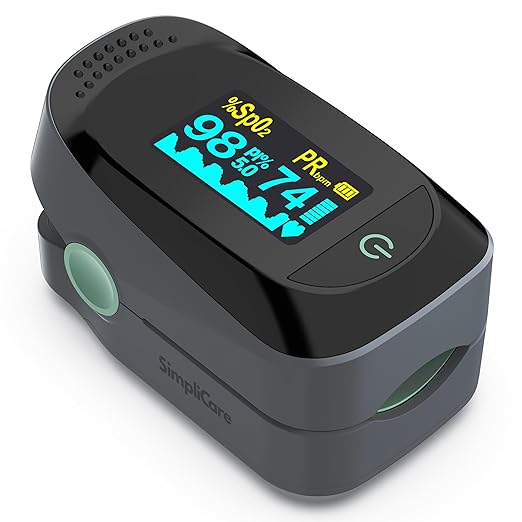
This generic Fingertip Pulse Oximeter may offer convenient spot checks of estimated blood oxygen saturation (SpO2) and pulse rate, but it is not a substitute for clinical assessment. PVL cannot independently verify the manufacturer, exact model, accuracy specifications, or FDA clearance from the existing listing. Readings may be inaccurate, and a normal-looking number does not rule out serious illness.
PVL Rating: 3.3/5 (provisional)
- Display and portability: 4.2/5
- Ease of basic spot checking: 4.1/5
- General pulse-oximetry evidence: 4.0/5
- Finished-product accuracy evidence: 1.8/5
- Value: 3.2/5
Best for: Users seeking a convenient supplementary spot-check tool who understand its limitations and verify the device’s intended use and regulatory status.
Not ideal for: Diagnosing lung disease, deciding whether urgent symptoms are safe to ignore, monitoring a serious condition without clinical guidance, or replacing prescribed medical equipment.
What Does a Fingertip Pulse Oximeter Measure?
A fingertip pulse oximeter uses light passing through tissue to estimate peripheral oxygen saturation (SpO2) and pulse rate. It does not directly measure arterial oxygen tension (PaO2), carbon dioxide, blood pressure, lung function, or the cause of breathlessness. Some displays may also show a pulse waveform or perfusion index; those features are not diagnoses.
How Accurate Is This Pulse Oximeter?
PVL could not verify independent accuracy testing for this exact model. Accuracy depends on device validation, measurement conditions, and the individual user. A numerical display does not establish clinical-grade performance. Users should check the exact manufacturer’s documentation and any applicable FDA authorization rather than assuming every fingertip device meets the same standard.
Can Skin Pigmentation Affect Readings?
Yes. Research and FDA communications identify potential differences in pulse-oximeter performance associated with skin pigmentation, including a risk of overestimating oxygen saturation in some circumstances. That means a reading can appear more reassuring than the person’s true oxygenation. This concern cannot be dismissed by assuming a device is accurate across all users.
What Else Can Cause an Incorrect Reading?
Cold hands, poor peripheral circulation, movement, incorrect positioning, nail polish or artificial nails, ambient light, and other factors may interfere with readings. Sit still, warm the hand if needed, follow device instructions, and allow the display to settle. Repeated unexpected results should be discussed with a clinician rather than averaged into reassurance.
What Is a Normal SpO2 Reading?
For many healthy people at sea level, SpO2 readings are often around 95–100%, but an individual’s expected range can differ with altitude and medical conditions. The number alone is not a diagnosis. Follow a clinician’s individualized thresholds if you have a condition requiring monitoring. Do not use generic ranges to dismiss concerning symptoms.
Can a Normal Reading Rule Out Breathing Problems?
No. A normal or near-normal SpO2 display does not exclude a serious respiratory or cardiovascular problem, and the device does not assess ventilation or carbon dioxide retention. Seek urgent help for severe or worsening breathlessness, chest pain, confusion, blue/gray lips, fainting, or other alarming symptoms regardless of the displayed number.
Can It Diagnose Sleep Apnea?
No. A consumer fingertip oximeter cannot diagnose obstructive sleep apnea or reliably determine its severity. Sleep apnea evaluation may require an appropriate clinical sleep study. Isolated spot checks also miss patterns that occur during sleep and should not replace a clinician-directed assessment.
Can It Track Workout Recovery?
SpO2 and pulse readings can be interesting measurements, but this product has not been shown to quantify muscle recovery, readiness to train, cardiovascular fitness, or workout effectiveness. Changes may reflect measurement conditions rather than a meaningful physiological trend. PVL would not market it as a validated athletic-recovery tool.
What About Pulse Rate and Perfusion Index?
Pulse rate is an estimate derived from the optical signal and may differ from an ECG or other clinical measurement, particularly with motion or poor perfusion. Perfusion index and waveforms can describe aspects of signal strength but do not independently diagnose circulation problems, vascular disease, or heart rhythm disorders.
Is This Device FDA Approved?
PVL has not confirmed FDA clearance or authorization for the exact device sold under this generic listing. FDA clearance, approval, registration, and listing are different concepts; none should be assumed from marketing language. Some products are sold for general wellness or recreational use and may not have the same validation as medical-purpose devices.
How Should You Respond to a Low Reading?
Check the fit, hand warmth, motion, and manufacturer’s instructions, but do not delay medical care if symptoms are serious. Follow any individualized action plan from your clinician. Unexpectedly low, persistently abnormal, or falling readings warrant timely medical advice, especially when accompanied by breathlessness, chest discomfort, confusion, or other concerning symptoms.
What This Fingertip Pulse Oximeter Has Not Been Shown to Do
- Diagnose lung disease, sleep apnea, or heart conditions
- Guarantee accurate readings for every skin pigmentation or condition
- Rule out hypoxemia or serious illness with a normal-looking number
- Measure arterial oxygen tension or carbon dioxide
- Establish exercise recovery or training readiness
- Provide verified clinical accuracy without model-specific validation
Pros and Cons
Pros
- Compact, portable fingertip format
- Convenient spot-check display
- May show pulse rate alongside estimated SpO2
- Simple operation described in listing
Cons
- Manufacturer and model-specific validation not established
- Readings can be affected by pigmentation, perfusion, motion, and nail products
- Potential for falsely reassuring results
- Not a diagnostic replacement or proven recovery tracker
Frequently Asked Questions
How accurate is this fingertip pulse oximeter?
PVL could not verify independent accuracy data for this exact model. Fingertip devices estimate oxygen saturation using light, and performance depends on device validation and measurement conditions. Movement, cold fingers, poor circulation, nail products, and skin pigmentation may affect readings. Do not assume a displayed number has medical-grade accuracy without appropriate evidence.
Can a normal oxygen reading rule out serious illness?
No. A normal-looking SpO2 reading does not rule out serious illness. Pulse oximeters can give inaccurate or falsely reassuring results and do not measure ventilation or carbon dioxide. Severe breathlessness, chest pain, confusion, fainting, or blue or gray lips require urgent medical assessment regardless of the number displayed.
Does skin pigmentation affect pulse oximeter readings?
Yes. Skin pigmentation can influence pulse-oximeter accuracy, and some devices may overestimate oxygen saturation. FDA communications and clinical studies highlight this concern, particularly when readings are used to guide important decisions. Device performance varies, so consumers should not assume that every model has been adequately validated across different skin tones.
Can a fingertip pulse oximeter diagnose sleep apnea?
No. A consumer fingertip pulse oximeter cannot diagnose obstructive sleep apnea. A spot measurement does not capture the breathing patterns, sleep stages, and other information needed for diagnosis. If you have loud snoring, witnessed breathing pauses, or excessive daytime sleepiness, discuss appropriate sleep testing with a qualified clinician.
Is this pulse oximeter FDA approved?
PVL has not verified FDA clearance or approval for this exact generic listing. Regulatory terms such as registration, listing, clearance, and approval have different meanings. Before relying on a device for medical monitoring, check the precise model, manufacturer’s intended use, documentation, and applicable regulatory authorization rather than trusting broad marketplace claims.
Can I use this device to track workout recovery?
This product is not validated as a workout-recovery tracker. Estimated oxygen saturation and pulse rate may be interesting spot measurements, but they do not establish muscle repair, readiness to train, or improved performance. Motion, hand temperature, and sensor placement can also alter readings, making unsupported recovery scores or conclusions unreliable.
Final Verdict
PVL Rating: 3.3/5 (provisional). A fingertip pulse oximeter can be a convenient supplementary measurement tool, but model-specific accuracy and regulatory status matter much more than display features. Because this listing lacks independently verified device identification and validation, PVL would not recommend it as a replacement for clinically appropriate monitoring or as a diagnostic or recovery device.
Reviews
There are no reviews yet.