
Quick verdict: The Soundcore Sleep A20 is one of the more practical sleep-earbud options for side sleepers who want Bluetooth audio, built-in masking sounds, and enough battery for a full night. Its tiny profile, secure fit, and flexible app are the main strengths. The tradeoffs are equally important: there is no active noise cancellation, no microphone for calls, and its sleep data is a wellness estimate rather than a medical measurement.
PVL Rating: 4.2/5
Best for: Side sleepers, travelers, and people who prefer music, podcasts, or looping ambient sounds instead of a bedside speaker.
Skip it if: You need true active noise cancellation, premium music fidelity, phone-call support, or clinical-grade sleep tracking.
Soundcore Sleep A20 Review: At a Glance
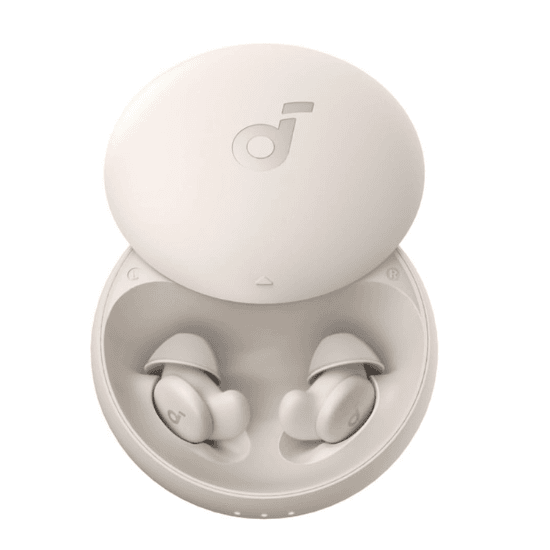
The Soundcore Sleep A20 is purpose-built for overnight use. Unlike ordinary wireless earbuds, it uses a very small, low-profile shell intended to reduce pressure against a pillow. You can stream Bluetooth audio or switch to Sleep Mode and play sounds stored on the earbuds through the Soundcore app.
On paper, the A20 solves several common sleep-audio problems at once: bulky earbuds, short battery life, interrupted playback, and the inconvenience of leaving a phone beside the bed. In practice, independent reviewers generally praise its comfort and endurance while noting that passive sealing cannot match active noise cancellation and that music reproduction is only average.
Soundcore Sleep A20 Specifications
| Feature | Soundcore Sleep A20 |
|---|---|
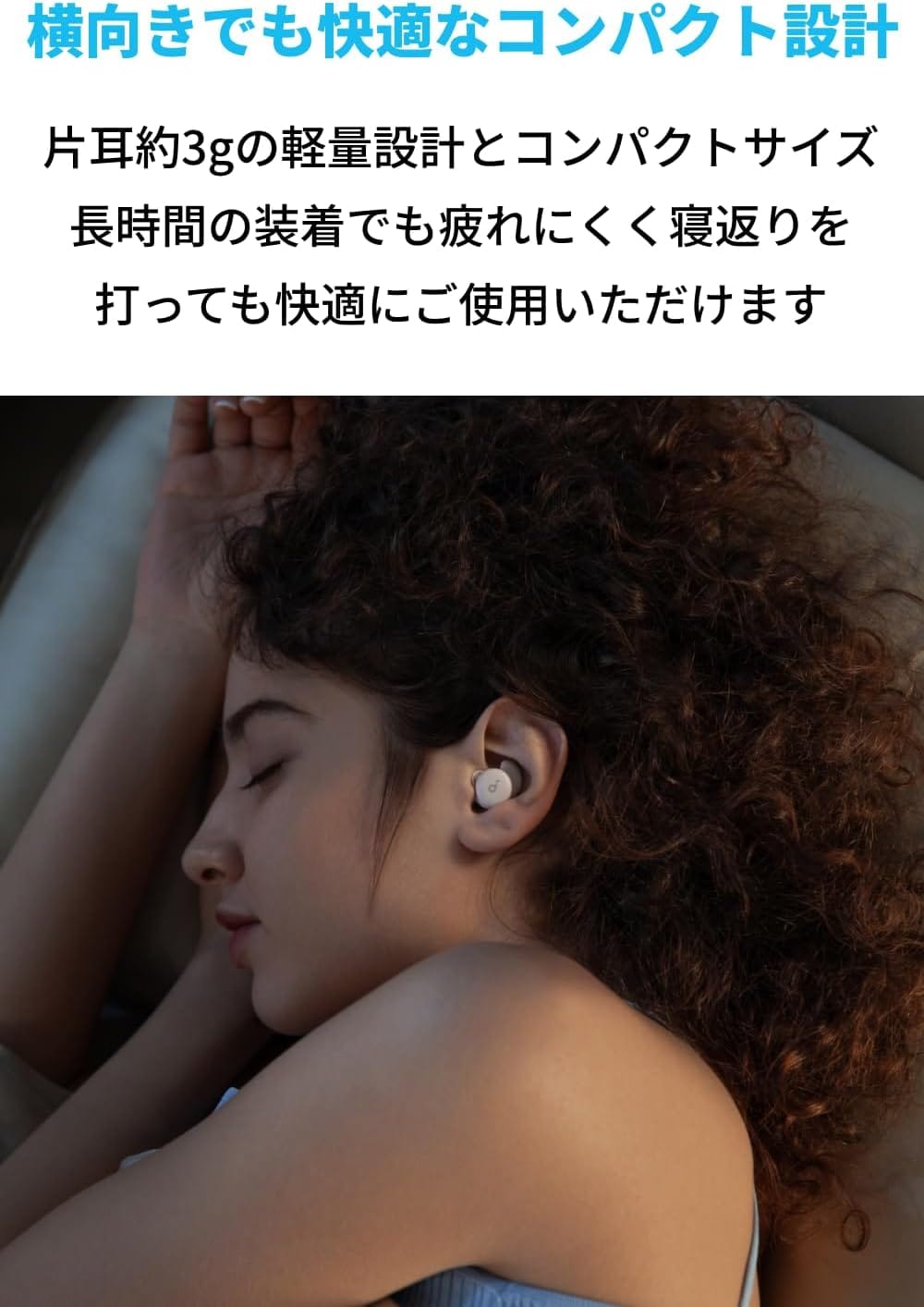
| Earbud weight | Approximately 3.1 g each |
| Driver | 4.7 mm dynamic driver |
| Connectivity | Bluetooth 5.3 |
| Sleep Mode battery | Up to 14 hours; up to 80 hours with case |
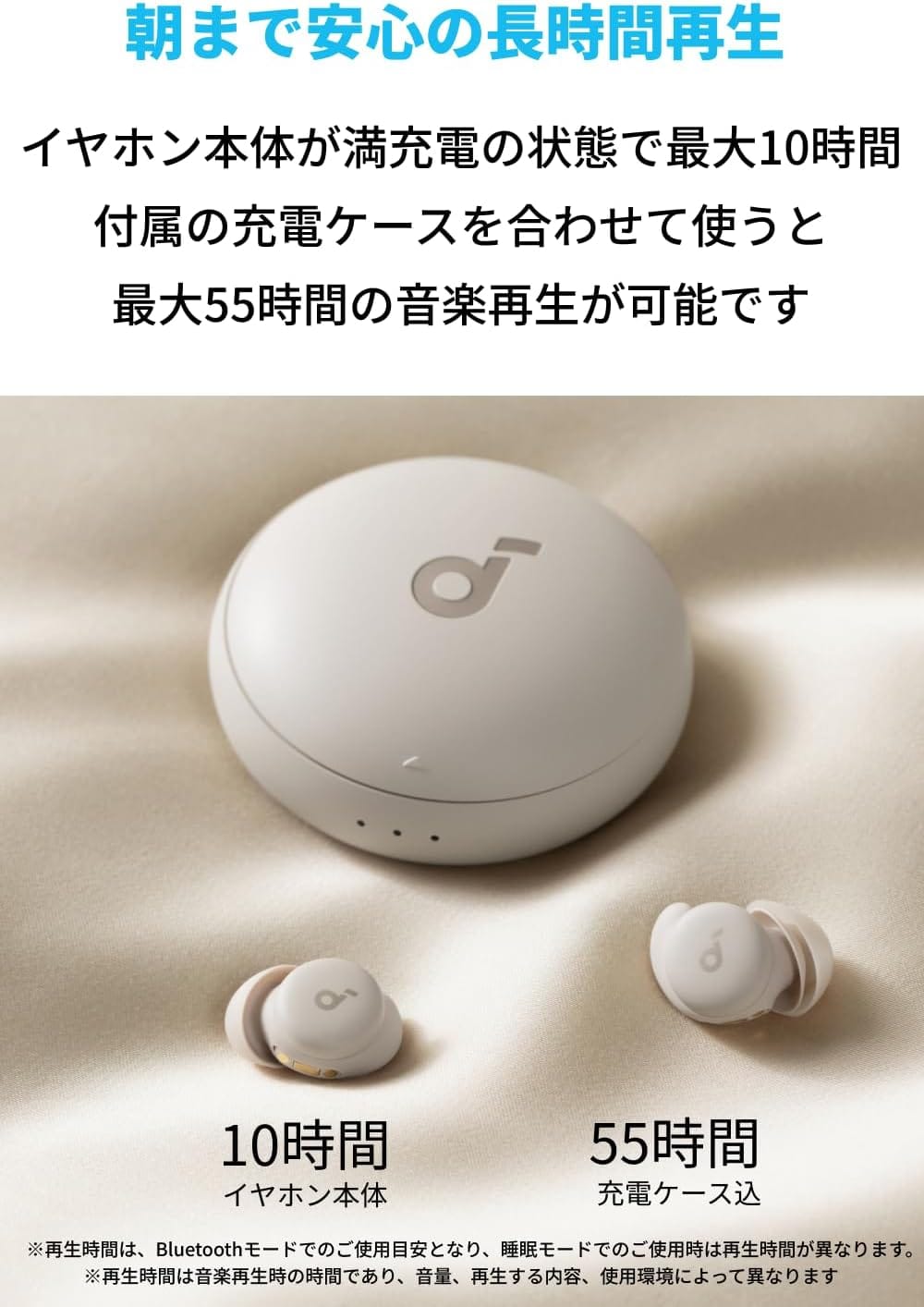
| Bluetooth Mode battery | Up to 10 hours; up to 55 hours with case |
| Water resistance | IPX4 |
| Noise control | Passive seal and sound masking; no ANC |
| Calls | No microphone or call support |
| Tracking | Estimated sleep duration, position, movement, and score |
Battery figures are manufacturer maximums and will vary with volume, connection mode, features, and battery age. IPX4 means protection from splashes and sweat; it does not make the earbuds suitable for swimming or submersion.
Comfort for Side Sleepers
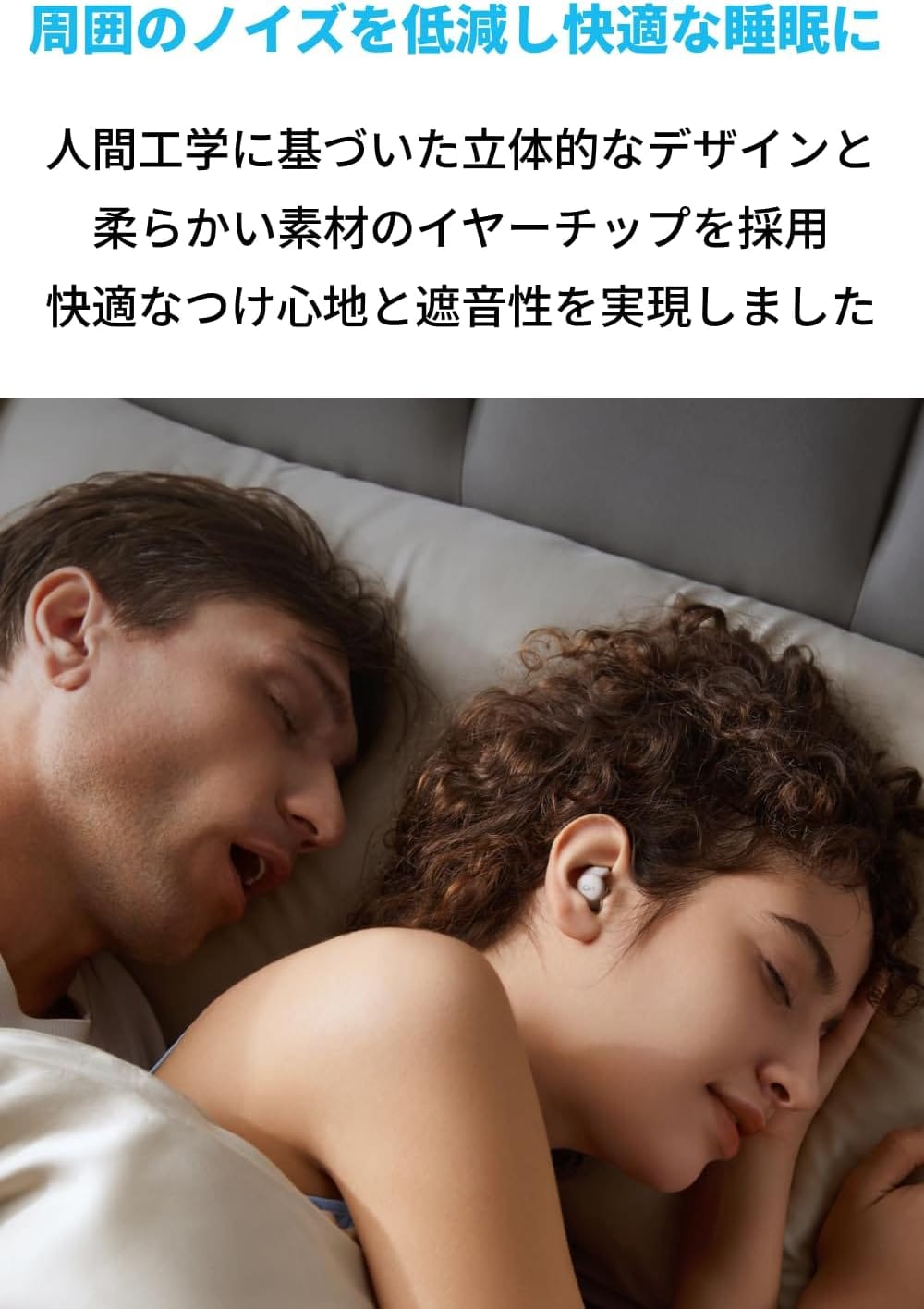
Comfort is the A20’s strongest reason to exist. The housings sit much closer to the ear than standard true-wireless earbuds, and Soundcore includes multiple ear-tip and wing sizes to help create a secure fit. That low profile reduces the hard pressure point many side sleepers feel when a normal earbud is pushed inward by a pillow.
Fit remains personal. Ear anatomy, pillow firmness, and sleeping position can change the experience substantially. Some independent reviewers were comfortable through the night, while others noticed pressure after several hours. Trying different tip and wing combinations is worth the effort. If either ear becomes sore, numb, itchy, or irritated, remove the earbuds rather than forcing overnight use.
Noise Blocking and Sound Masking
The A20 does not include active noise cancellation. It reduces outside sound through its physical seal and by masking distractions with audio. This can work well for steady, moderate disturbances such as a fan, distant traffic, or low conversation. It is less effective against sudden or very loud sounds.
The app provides looping ambient options, and you can create mixes or load selected sounds for phone-free playback in Sleep Mode. A good seal is essential: if the tips are too small, both bass response and passive isolation suffer. If maximum environmental blocking is your priority, a newer ANC sleep-earbud model or conventional ANC headphones may perform better, although over-ear headphones are usually impractical for side sleeping.
Does Soundcore Sleep A20 Actually Improve Sleep?
There is not strong product-specific clinical evidence showing that the A20 itself improves sleep. Its clearest function is practical: it can reduce the salience of environmental noise through passive sealing and masking audio while remaining relatively comfortable for side sleepers. Whether that translates into better sleep depends on the sleeper, the noise environment, fit, volume, and the sound chosen.
Research on continuous sound and white-noise interventions is mixed. A 2021 systematic review found very low-quality evidence overall: some studies reported better sleep while others found no benefit or even worsened sleep outcomes. More recent meta-analytic work has reported improvements in some subjective sleep measures, but studies differ substantially in populations, sound types, duration, and methods. Those findings support sound masking as something worth testing—not as a guaranteed sleep treatment.
PVL therefore separates “the A20 plays masking audio effectively” from “the A20 has been proven to improve sleep.” We did not identify a randomized clinical trial demonstrating that the finished Soundcore Sleep A20 improves insomnia, sleep efficiency, awakenings, or sleep architecture versus an appropriate control.
Bluetooth Audio and Sound Quality
Bluetooth Mode lets you listen to podcasts, audiobooks, music, meditation sessions, or another audio app. This flexibility is a meaningful advantage over sleep buds limited to a fixed sound library. The tradeoff is audio quality. The tiny 4.7 mm drivers are optimized for size and comfort, not expansive bass or detailed music playback.
Spoken audio and gentle nighttime tracks are a natural fit. For critical music listening, conventional earbuds at the same price can sound fuller and more dynamic. There is also no microphone, so the A20 cannot handle calls, and it does not support multipoint connections.
Battery Life and Charging
Soundcore rates the earbuds for up to 14 hours in Sleep Mode and 10 hours in Bluetooth Mode. With the charging case, those totals rise to as much as 80 and 55 hours respectively. That is ample capacity for a typical night and reduces the chance that low-battery alerts will interrupt sleep.
Real-world runtime will be shorter at high volume or when multiple features are active. A simple routine—returning the earbuds to the case each morning and charging the case periodically—should keep them ready. Make sure the earbuds and charging contacts are dry before placing them in the case.
Sleep Tracking and the Soundcore App
The earbuds use motion sensing and an internal clock to estimate movement, sleeping position, duration, and a sleep score. The app also supports alarms, automatic shutoff, touch-control settings, masking-sound selection, and other playback adjustments.
Treat the tracking as a personal trend tool, not a diagnosis. Earbud movement data cannot replace polysomnography or evaluation by a qualified clinician. If you regularly experience loud snoring, gasping, insomnia, excessive daytime sleepiness, or another persistent sleep problem, consumer sleep scores should not delay professional advice.
For another general trend estimate, try the free PVL Sleep Score Calculator. You can also review our guides on improving sleep quality naturally and falling asleep faster.
Safety and Nightly Use
Sound can damage hearing when it is too loud or lasts too long. Use the lowest volume that provides useful masking, avoid raising it to overpower loud surroundings, and take breaks if you notice ringing, muffled hearing, discomfort, or sensitivity. Clean the tips according to Soundcore’s instructions and allow moisture to dry.
Noise-masking earbuds may also make alarms, smoke detectors, children, traffic, or other important sounds harder to hear. Consider your environment and any caregiving responsibilities before using both earbuds overnight.
Pros and Cons
Pros
- Low-profile shape designed specifically for side sleeping
- Long overnight battery life with substantial case capacity
- Supports both Bluetooth streaming and stored sleep sounds
- Multiple ear-tip and wing sizes for a more secure fit
- Useful app controls, alarms, and automatic playback options
- Basic sleep-position and duration trends without a wrist device
Cons
- No active noise cancellation
- No microphone, calls, or multipoint support
- Music quality is modest for the price
- Comfort still depends on ear shape and pillow firmness
- Sleep tracking is basic and non-medical
- Some app features and sound customization may feel complicated
Soundcore Sleep A20 Alternatives
| Option | Best for | Main tradeoff |
|---|---|---|
| Soundcore Sleep A20 | Side-sleep comfort plus Bluetooth and long battery life | No ANC or calls |
| Soundcore Sleep A30 | Sleep earbuds with active noise-control features | Typically costs more |
| Ozlo Sleepbuds | Premium sleep-focused fit and masking ecosystem | Higher price and platform dependence |
| Foam or silicone earplugs | Simple, inexpensive passive reduction | No audio, alarms, app, or tracking |
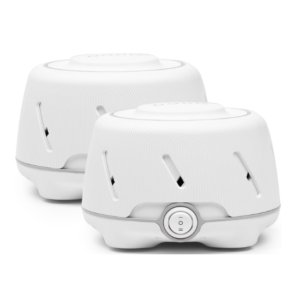
| HoMedics Sound Machine | Room-wide sound without anything in the ears | Less private and less travel-friendly |
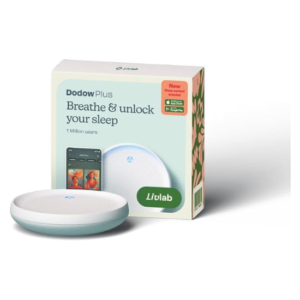
People who dislike in-ear products may prefer a bedside machine or a paced-breathing device such as the Dodow sleep aid. The right choice depends more on comfort and the type of disturbance than on the longest feature list.
Is the Soundcore Sleep A20 Worth It?
It is worth considering if standard earbuds hurt against your pillow and you want the freedom to stream your own audio. The combination of small shells, strong battery life, stored sounds, and app controls makes it a capable all-round sleep earbud.
It is less compelling if you expect silence from active noise cancellation or premium daytime-earbud sound. Its sleep score is a bonus, not a reason to buy it by itself. At typical premium pricing, comfort and overnight reliability—not audiophile performance—are what justify the cost.
Frequently Asked Questions
Does the Soundcore Sleep A20 have active noise cancellation?
No. It relies on passive isolation from the ear tips and sound masking from music or ambient tracks. It may soften steady background noise but will not cancel sound like an ANC system.
Can side sleepers use the Soundcore Sleep A20?
Yes. Its low-profile shape is designed for side sleepers, although comfort varies by ear shape, tip size, wing size, pillow firmness, and sleeping position.
Can I play Spotify, podcasts, or audiobooks?
Yes. Bluetooth Mode supports audio from compatible apps on your connected device. Sleep Mode can play selected sounds stored on the earbuds without continuous phone streaming.
How long does the Soundcore Sleep A20 battery last?
Soundcore advertises up to 14 hours in Sleep Mode or 10 hours in Bluetooth Mode, with up to 80 or 55 total hours respectively when the charging case is included. Actual runtime varies.
Can the A20 make phone calls?
No. The earbuds do not include a microphone and are not intended for calls.
Is the Soundcore Sleep A20 waterproof?
No. Its IPX4 rating means resistance to splashes and sweat, not immersion. Keep the earbuds and case out of showers, pools, and other submerged conditions.
Is its sleep tracking medically accurate?
No consumer sleep score should be considered a medical diagnosis. The A20 estimates trends from movement and position; it does not replace a sleep study or clinical assessment.
Can sleeping with earbuds damage hearing?
Risk depends largely on volume and duration. Keep playback low, stop if you develop ringing or muffled hearing, and remember that masking audio can reduce awareness of important alarms and surroundings.
Final Verdict
The Soundcore Sleep A20 earns our recommendation for buyers who prioritize overnight comfort and flexible audio. It combines better side-sleep ergonomics and battery life than ordinary earbuds with the flexibility of Bluetooth and built-in masking sounds. Its limits—no ANC, no calls, ordinary music quality, and non-clinical tracking—should be clear before purchase. For buyers who prioritize overnight comfort and flexible audio, it remains a strong value in the dedicated sleep-earbud category.
Reviews
There are no reviews yet.