
Quick Verdict
The Buffy Breeze Comforter is best understood as a lightweight, plant-derived lyocell bedding option for sleepers who dislike heavy, heat-trapping comforters—not as a proven sleep or recovery device. Its material and construction may improve subjective thermal comfort for some hot sleepers, but PVL did not identify a finished-product clinical trial showing better sleep quality, deep sleep, REM sleep, or recovery.
PVL Rating: 4.2/5
- Lightweight comfort: 4.6/5
- Hot-sleeper suitability: 4.4/5
- Material/design rationale: 4.3/5
- Sleep evidence: 3.1/5
- Value: 4.0/5
Best for: Hot sleepers who want a lighter comforter and prefer lyocell over thick synthetic or down-style bedding.
Not ideal for: People who want a heavily insulated comforter, require active cooling, or expect bedding alone to treat night sweats, insomnia, or a medical cause of overheating.
What Is the Buffy Breeze Comforter?
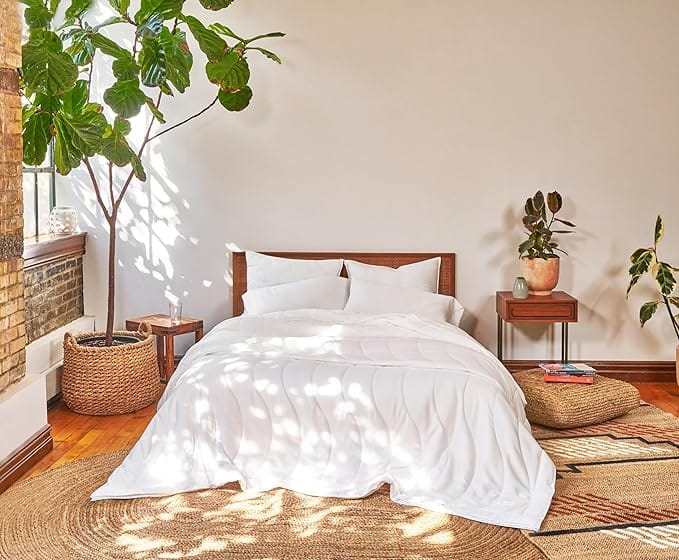
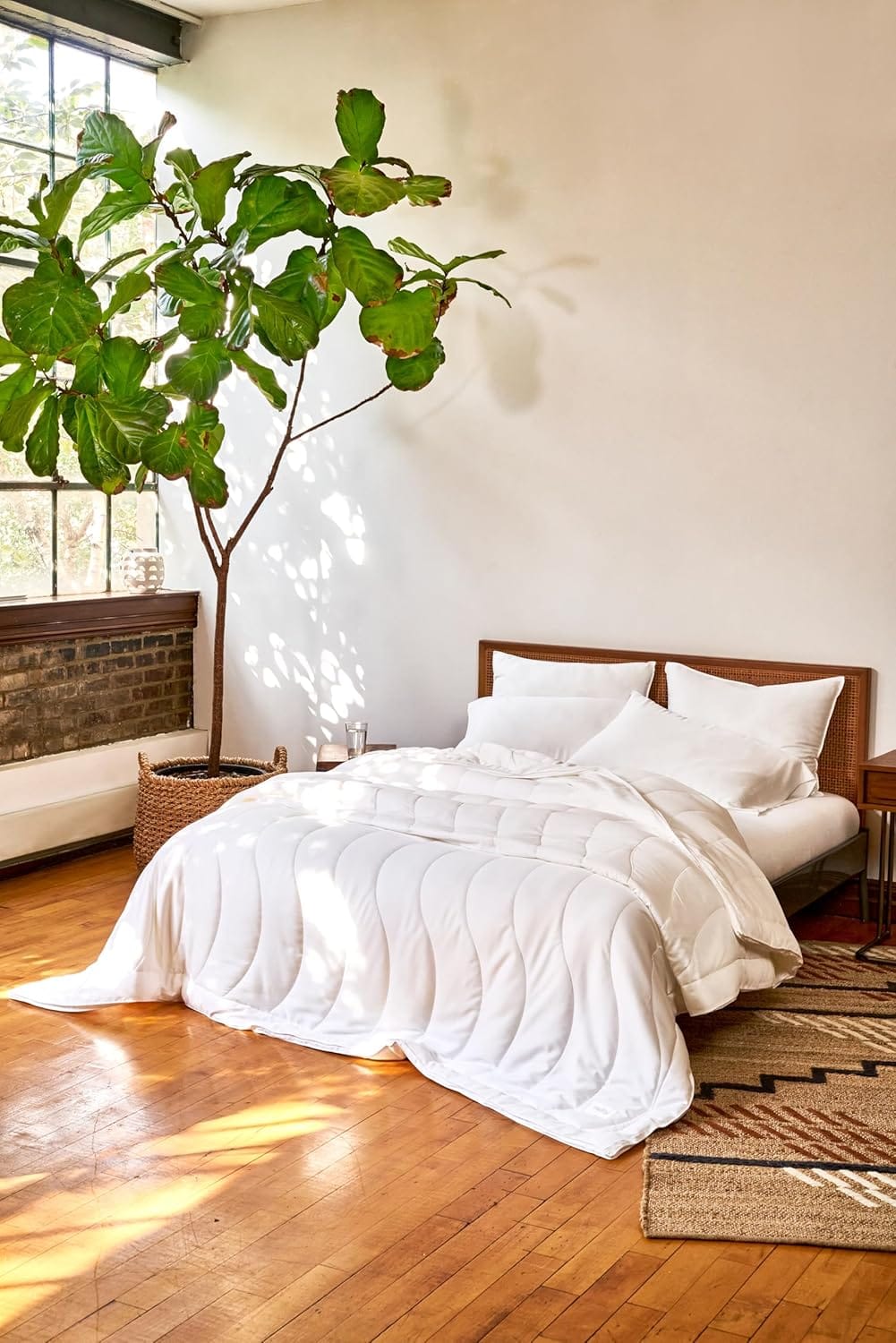
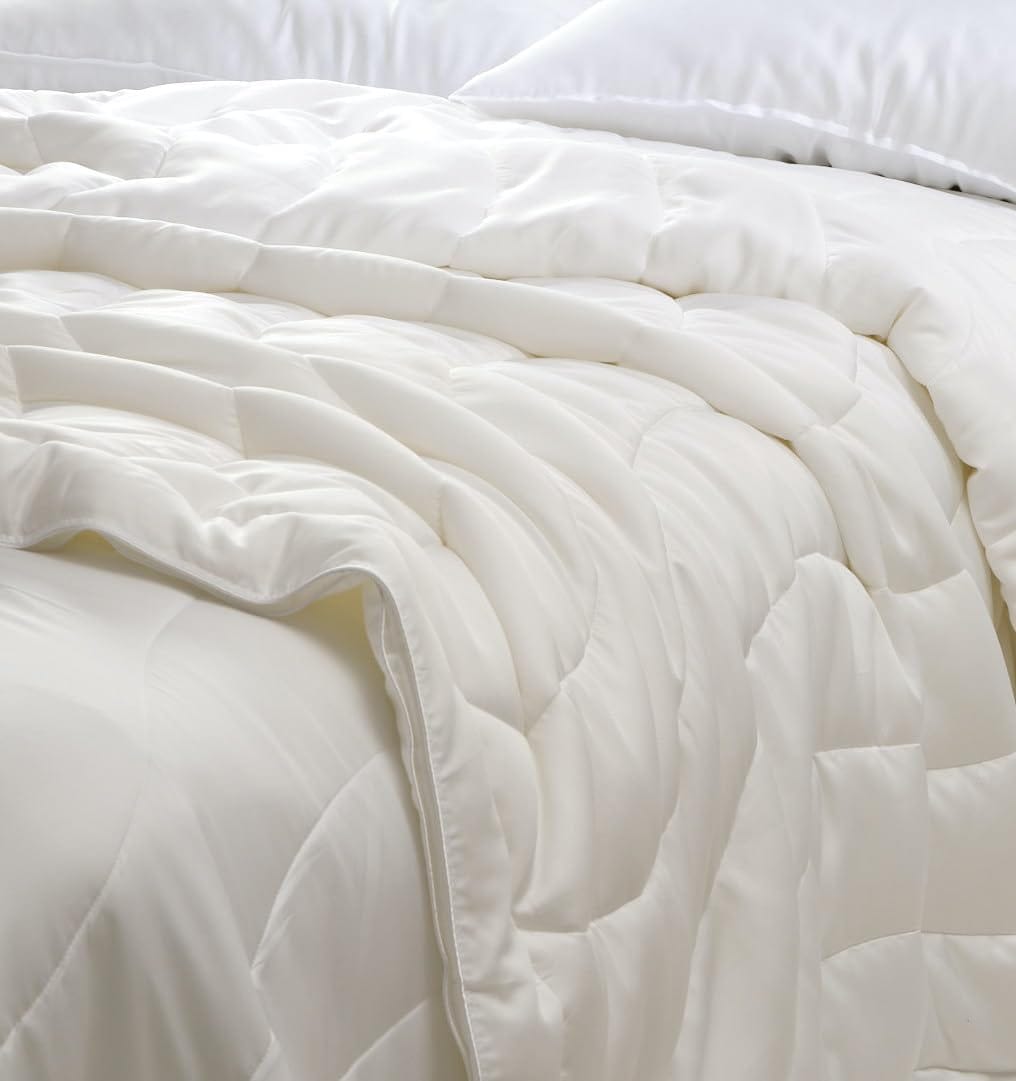
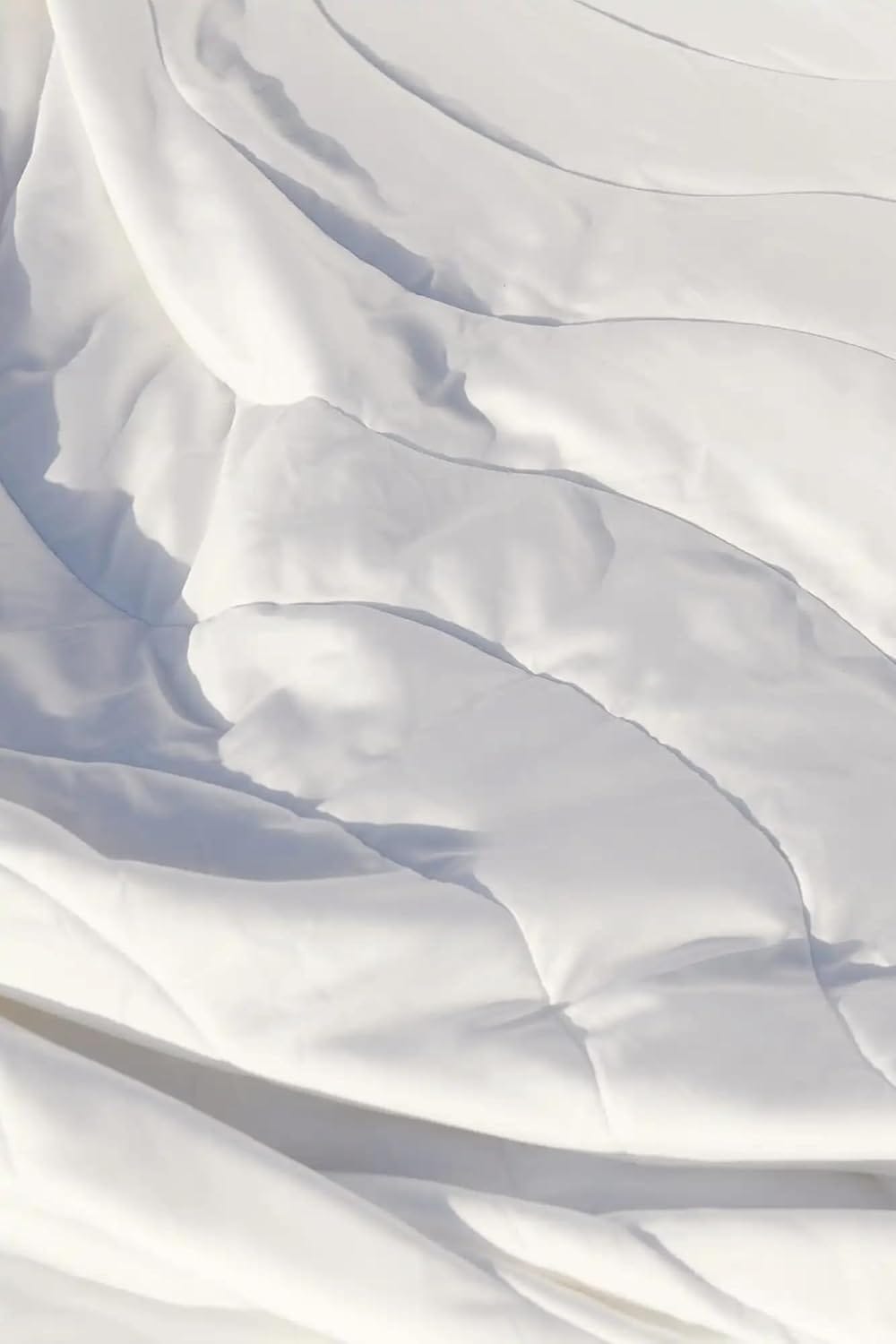
The Breeze is a lightweight comforter built around eucalyptus-derived lyocell. Lyocell is a regenerated cellulose fiber: plant-derived cellulose is processed into textile fiber rather than simply being raw eucalyptus fabric.
That terminology matters because “eucalyptus” can sound as though the finished textile retains special therapeutic properties of the plant. The relevant bedding characteristics are the fabric structure, fiber properties, fill amount, construction, moisture handling, insulation, and how the comforter interacts with the rest of the sleep environment.
Materials, dimensions, care instructions, certifications, prices, and product construction can change. Buyers should verify the current manufacturer specifications before ordering.
Does the Buffy Breeze Comforter Actually Keep You Cool?
It may feel cooler than heavier, more insulating bedding, but “cooling” is relative rather than a guarantee. A comforter does not actively lower body or room temperature unless it contains an active cooling system. Instead, lighter construction and moisture-handling properties can make the microclimate around the sleeper feel less warm or clammy.
Your experience will also depend on room temperature, humidity, mattress, sheets, sleepwear, duvet cover, body size, metabolism, and whether another person shares the bed.
What Does Lyocell Contribute?
Lyocell is often chosen for a smooth hand feel and moisture-management characteristics. Those properties can be useful in warm bedding, but broad claims such as “breathable,” “moisture-wicking,” or “temperature regulating” do not tell you exactly how many degrees cooler a particular comforter will feel.
PVL would not describe lyocell as inherently therapeutic, recovery-enhancing, antibacterial in real-world use, or capable of improving sleep simply because the cellulose originated from eucalyptus.
Does Sleeping Cooler Improve Sleep?
Thermal conditions are genuinely relevant to sleep physiology. Human sleep is linked with changes in core and peripheral body temperature, and an excessively warm sleep environment can disrupt comfort and sleep in some circumstances.
However, research on thermoregulation and bedroom temperature does not establish that one specific commercial comforter improves sleep. The defensible inference is narrower: if your existing bedding makes you uncomfortably hot, switching to less insulating bedding may remove one source of discomfort.
Does Buffy Breeze Improve Deep Sleep or REM Sleep?
PVL did not identify product-specific evidence showing that the Buffy Breeze increases deep sleep or REM sleep. Claims about “better recovery” or improved sleep architecture would require appropriate controlled testing of the finished product rather than extrapolation from general temperature research.
If a cooler-feeling comforter reduces awakenings caused by feeling too hot, a user may subjectively sleep better. That plausible experience is different from demonstrating a measurable increase in a particular sleep stage.
Is It Good for Night Sweats?
A lighter, moisture-managing comforter may feel more comfortable when someone tends to become warm at night, but bedding does not treat the underlying cause of true night sweats.
Persistent or drenching night sweats—particularly when new, unexplained, or accompanied by fever, weight loss, pain, medication changes, or other symptoms—deserve appropriate medical evaluation rather than simply being managed with “cooling” bedding.
Is It an Active Cooling Product?
No. The Breeze is passive bedding. It does not circulate temperature-controlled water or conditioned air and does not actively remove heat from the bed using powered hardware.
That makes it simpler and quieter than an active bed-cooling system, but also means its cooling potential is limited by the surrounding environment and the thermal characteristics of the full bedding setup.
How Should Hot Sleepers Use It?
A comforter is only one layer in the bed system. Pairing a lightweight comforter with highly insulating sheets, a thick mattress topper, warm sleepwear, or a hot bedroom can undermine the intended effect.
For persistent heat discomfort, consider the whole system: bedroom temperature and ventilation, humidity, mattress and protector, sheets, sleepwear, and the amount of bedding actually needed.
What Buffy Breeze Has Not Been Shown to Do
- Treat insomnia
- Increase deep sleep or REM sleep
- Improve physiological recovery as a validated outcome
- Treat the medical causes of night sweats
- Actively lower bedroom temperature
- Guarantee cooler sleep for every person or climate
Pros and Cons
Pros
- Lightweight construction is well suited to people who dislike heavy insulation
- Lyocell offers a smooth feel and useful moisture-management characteristics
- Passive design requires no pumps, hoses, electricity, or app
- Potentially better match for warm climates and hot sleepers than thick comforters
- Can be integrated into a layered bedding system
Cons
- “Cooling” is subjective and depends on the entire sleep environment
- No active temperature control
- No finished-product evidence identified for improving sleep stages or recovery
- May be too light for people who prefer substantial warmth or weight
- Premium bedding price may not be justified if heat retention is not your actual sleep problem
Who Should Consider the Buffy Breeze?
The strongest candidate is someone who repeatedly feels too warm under conventional comforters and wants a lighter passive option. It may also suit warm climates or people who value the feel of lyocell and prefer a simple bedding solution without active cooling hardware.
Who Should Choose Something Else?
People who need substantial winter insulation may prefer a warmer fill. Those seeking precise temperature control should consider an active bed-cooling system. Anyone experiencing unexplained persistent night sweats should address the possible cause rather than assuming a different comforter is the solution.
Is the Buffy Breeze Comforter Worth It?
It can be worthwhile when excess bedding warmth is a real, recurring comfort problem. In that situation, lightweight construction and lyocell may be more useful than buying another heavily insulated comforter marketed for all seasons.
PVL rates the Breeze for material choice and hot-sleeper practicality—not for unsupported claims about sleep optimization, recovery, or sleep architecture.
Frequently Asked Questions
Does the Buffy Breeze Comforter actually keep you cool?
The Buffy Breeze may feel cooler than heavier, more insulating comforters, but it does not actively lower temperature. Its lightweight lyocell construction can reduce heat trapping and manage moisture for some sleepers. Actual comfort depends on room temperature, humidity, mattress, sheets, sleepwear, body heat, and the other layers used on the bed.
Is the Buffy Breeze good for hot sleepers?
Yes, the Buffy Breeze is most logically suited to sleepers who regularly feel overheated under heavier bedding. Its lightweight construction and lyocell material may create a less insulating sleep environment. It cannot guarantee cool sleep, however, because mattress materials, sheets, room conditions, sleepwear, and individual heat production also influence nighttime comfort.
Does the Buffy Breeze improve sleep quality?
There is no good product-specific evidence that the Buffy Breeze directly improves sleep quality. Thermal comfort matters for sleep, so replacing bedding that repeatedly makes you too hot may remove a source of disruption. That practical rationale is different from proving that this comforter improves insomnia, total sleep time, sleep efficiency, or sleep architecture.
Does the Buffy Breeze increase deep sleep or REM sleep?
No product-specific evidence shows that the Buffy Breeze increases deep sleep or REM sleep. General research links thermal conditions with sleep physiology, but those findings cannot be transferred directly to one commercial comforter. A sleeper may feel more comfortable with lighter bedding without experiencing a measurable or clinically meaningful change in individual sleep stages.
Is the Buffy Breeze good for night sweats?
The Buffy Breeze may feel more comfortable during occasional overheating, but it does not treat the causes of night sweats. Lightweight, moisture-managing bedding can reduce clamminess for some people. Persistent, drenching, new, or unexplained night sweats—especially with other symptoms—should be medically evaluated rather than managed only by changing bedding.
Is eucalyptus lyocell naturally cooling?
Lyocell can provide a smooth feel and useful moisture-management properties, but “naturally cooling” can overstate what the fiber does. The finished comforter’s warmth depends on fabric structure, fill, weight, airflow, humidity, and the full bedding system. Eucalyptus origin does not give the textile a proven therapeutic or sleep-enhancing effect.
Final Verdict
PVL Rating: 4.2/5. Buffy Breeze is a credible passive bedding option for people whose current comforter feels too heavy or warm. Its value comes from lightweight construction and material comfort. It should not be presented as an active cooling system or as a proven way to increase deep sleep, improve recovery, or treat sleep problems.
Reviews
There are no reviews yet.