

Quick Answer
Some of the most common causes of morning fatigue include hitting snooze repeatedly, checking your phone immediately, skipping hydration, staying indoors without sunlight, rushing through the morning stressed, eating sugary breakfasts, and ignoring movement.
Key Takeaways
- Morning fatigue is not always caused by too little sleep. Your first-hour habits can strongly affect alertness, mood, and energy.
- Light and hydration matter early. Morning daylight and water help your body transition from sleep to wakefulness.
- Snoozing and immediate phone use can worsen grogginess. A calmer, more intentional start may reduce stress and mental fog.
- Protein, fiber, and movement support steadier energy. They may reduce cravings and the risk of a later energy crash.
- Start with one or two changes. Consistent habits usually work better than an extreme routine you cannot maintain.
- Key Takeaways
- Introduction
- What Happens in the Morning That Affects Energy?
- 7 Morning Habits That Drain Your Energy Daily
- Why These Habits Matter
- Hidden Signs Your Morning Routine Is Hurting You
- How to Fix It Without Overwhelm
- 7-Day Better Morning Reset Plan
- How Long Results Take
- What to Expect After 30 Days
- Best Products to Consider
- FAQ
- When to Seek Help
- Final Summary
Introduction
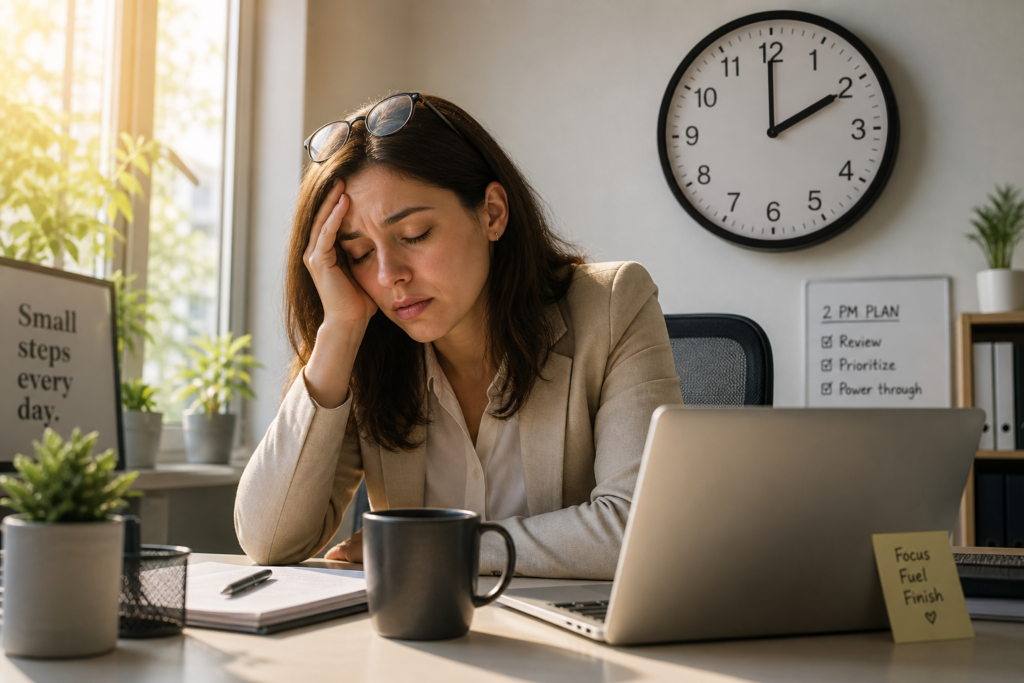
Do you wake up feeling like you are already behind?
For many years, I regularly woke up tired and unrefreshed, even when I believed I had spent enough time in bed. My experience with chronic fatigue and poor sleep taught me that morning fatigue is not always caused by one problem. Improving sleep consistency, getting morning sunlight, hydrating earlier, and moving soon after waking gradually helped me feel more alert.
Many people assume morning fatigue is caused only by poor sleep, aging, or stress. Those factors matter—but the first hour after waking can be just as important. When you consistently wake up tired, small habits repeated every day can quietly push your body toward sluggishness, brain fog, cravings, and a poor mood.
Morning routines influence hydration, hormone rhythm, mental clarity, and blood sugar stability. If your routine works against these systems, you may experience morning fatigue, low energy in the morning, and a greater risk of feeling tired in the afternoon.
The encouraging news is that you do not need a perfect 5 AM productivity routine. You do not need ice baths, extreme discipline, or expensive gadgets. Often, the biggest gains come from removing a few energy-draining habits and replacing them with a simple morning routine for energy and focus.
In this guide, you’ll learn seven habits that contribute to morning fatigue, why they matter, and practical ways to create steadier mornings naturally. For a broader plan, see how to get more energy naturally.
What Happens in the Morning That Affects Energy?
Your body is designed to transition from sleep to wakefulness through a coordinated set of signals.
Healthy mornings often involve:
- A natural rise in cortisol at the right time
- Increased alertness from light exposure
- Rehydration after overnight fluid loss
- Improved circulation with movement
- Stable blood sugar after balanced nutrition
- Mental momentum and focus
When these signals are disrupted, you may experience morning tiredness, brain fog, low energy in the morning, or difficulty focusing.
For example, staying in darkness, hitting snooze repeatedly, scrolling stressful content, or drinking only coffee can interfere with wakefulness. This does not mean one imperfect morning ruins your day—but repeated patterns can add up quickly.
That is why changing your morning routine often improves far more than just mornings. It can improve focus, appetite control, mood, and afternoon energy too.
7 Morning Habits That Drain Your Energy Daily
1. Hitting Snooze Repeatedly
Snoozing feels harmless, but it often creates fragmented sleep that leaves you groggier. When you fall back asleep for short periods, your brain may begin a new sleep cycle only to be interrupted again minutes later.
Common signs include:
- Feeling worse after the second alarm
- Needing multiple alarms daily
- Starting the day rushed
Better Fix
Use one alarm and place it away from the bed. Stand up quickly, open the curtains, and move your body. Many people feel more awake after 2 minutes of movement than after 20 extra minutes of snoozing.
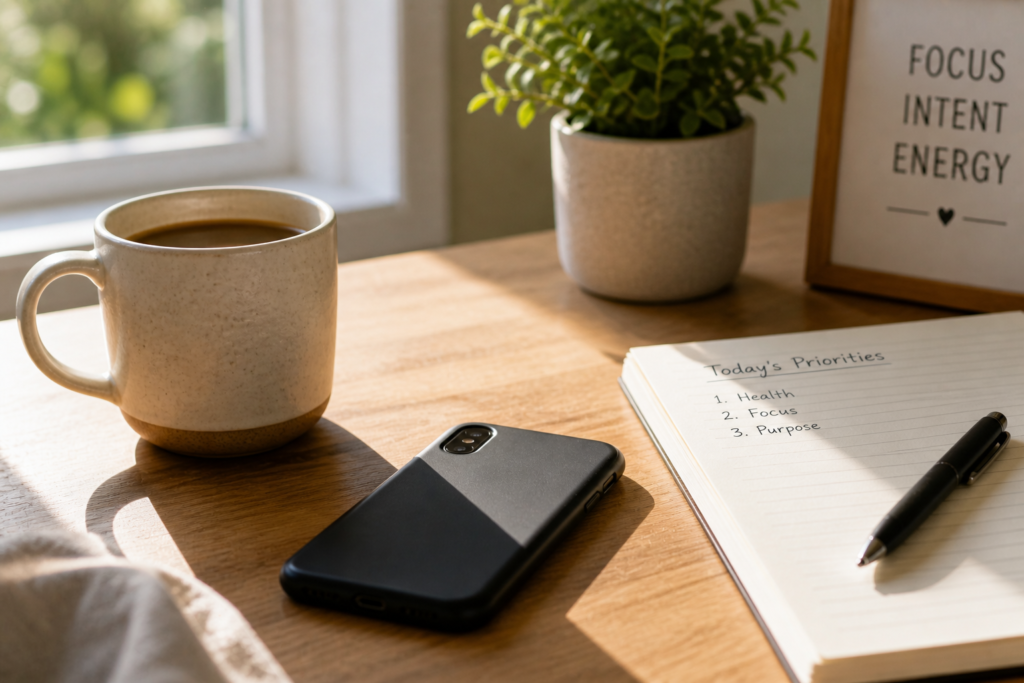
2. Checking Your Phone Immediately
If your first action each day is checking messages, news, or social media, you may be inviting stress into the brain before it is fully awake.
This can trigger:
- Comparison stress
- Reactive thinking
- Mental clutter
- Lower focus
Many people feel drained not because the phone is evil, but because it shifts attention outward immediately.
Better Fix
Delay phone use for 15–30 minutes. Use that time for water, light exposure, stretching, or setting one clear priority for the day.
3. Staying Indoors Without Sunlight
Morning sunlight is one of the strongest natural signals for alertness and circadian rhythm alignment. Without it, your body may stay in “sleep mode” longer, contributing to morning fatigue and reduced alertness.
Common signs:
- Slow wake-ups
- Brain fog until coffee
- Trouble sleeping later
Better Fix
Open curtains immediately and step outside for 5–10 minutes when possible. Even a short walk or standing near bright daylight can help the body wake up more effectively.
This habit often produces results faster than people expect.

4. Starting the Day Dehydrated
You lose fluids overnight through breathing and sweat. If you wake up and only drink coffee, dehydration may worsen morning fatigue, headaches, or poor concentration.
Common signs:
- Dry mouth
- Morning headache
- Sluggishness
- Low appetite but poor focus
Better Fix
Drink water soon after waking. Keep a bottle near the bed or in the kitchen. Many people notice better alertness simply from correcting morning dehydration.

5. Eating a Sugary Breakfast
Pastries, sweet cereal, flavored coffee drinks, or low-protein breakfasts can create a quick spike in energy followed by hunger and a mid-morning dip.
This is one of the most common reasons people experience low energy in the morning despite getting enough sleep.
This often feels like:
- Energy fading by 10 AM
- Cravings
- Irritability
- More caffeine dependence
Better Fix
Choose protein + fiber.
Examples:
- Eggs + fruit
- Greek yogurt + berries
- Oats + nuts
- Protein smoothie with seeds
Balanced breakfasts often create steadier mornings than sugary convenience foods. The best diet for energy emphasizes protein, fiber, hydration, and minimally processed foods that support more stable fuel.

6. Rushing Through the Morning in Stress Mode
Chaotic mornings can elevate stress hormones and create a sense of overwhelm before the workday even begins.
Signs include:
- Forgetting items
- Feeling tense while getting ready
- Snapping at others
- Needing recovery by mid-morning
Better Fix
Prepare key items the night before:
- Clothes
- Bag
- Breakfast basics
- To-do priorities
Even waking 10 minutes earlier can reduce unnecessary stress.
7. Ignoring Movement Completely
If you go from bed to chair to car to desk with no movement, circulation and alertness may lag.
Movement helps:
- Increase wakefulness
- Improve mood
- Support blood sugar balance
- Reduce stiffness
Better Fix
Try 5–10 minutes of movement:
- Walk outside
- Light stretching
- Mobility routine
- Bodyweight exercises
You do not need a full workout to feel the benefit.
Why These Habits Matter
Morning habits play a major role in determining whether you experience morning fatigue or steady energy throughout the day.
They influence:
- How alert you feel
- How hungry you become
- How reactive you feel to stress
- How much caffeine you need
- Whether you crash later in the day
That is why many people think they have an energy problem when they actually have a routine problem.
Fixing small habits often feels easier and works faster than searching for dramatic solutions.
Hidden Signs Your Morning Routine Is Hurting You
You may need changes if you regularly notice:
- Three coffees before noon
- Brain fog and morning tiredness during simple tasks
- Strong cravings mid-morning
- Irritable mornings
- Always running late
- Daily afternoon fatigue or energy crashes
- Dependence on snooze button
These are signals worth listening to, not personal failures.
The body often gives feedback through energy patterns long before bigger health issues appear.
How to Fix It Without Overwhelm
Do not attempt seven new habits tomorrow.
Start with the highest-return changes:
This Week Focus On:
- One alarm only
- Water after waking
- Morning sunlight
- Delay phone 15 minutes
- Protein at breakfast to help reduce morning fatigue
Once those feel normal, add movement and better planning.
The goal is consistency, not perfection. A simple routine repeated daily usually beats an ambitious routine abandoned after three days.
7-Day Better Morning Reset Plan
Day 1
Drink water immediately after waking.
Day 2
Get outside for 10 minutes of light.
Day 3
No phone for first 15 minutes.
Day 4
Eat a protein-rich breakfast.
Day 5
Wake at the same time.
Day 6
Prepare tomorrow tonight.
Day 7
Review your energy, mood, and focus.
Small wins build motivation.
How Long Results Take
Within Days
Many people notice:
- Better wakefulness from sunlight
- Less fog from hydration
- More calm from reduced phone stress
Within 2–4 Weeks
You may notice:
- Better sleep rhythm
- Steadier appetite
- Improved productivity
- Less need for caffeine
- Stronger overall energy
Consistency matters more than intensity.
What to Expect After 30 Days
After one month of smarter morning habits, many people report less morning fatigue, waking up more easily, and feeling less rushed. Energy often becomes steadier through the day, which can reduce cravings and dependence on caffeine.
You may also notice improved mood, clearer thinking, and a stronger sense of control over your schedule. These benefits often come from simple habits done consistently—not dramatic lifestyle overhauls.
Best Products to Consider
1. Smart Morning Wake-Up Devices
Smart wake-up devices are designed to support healthier morning routines by simulating natural sunlight and helping users wake up more gradually and comfortably instead of using harsh alarm sounds.
⭐ Editor’s Pick
Philips SmartSleep Wake-Up Light
Best For: Waking Up More Naturally & Reducing Morning Fatigue

Philips SmartSleep Wake-Up Light uses gradual sunrise simulation and relaxing sounds to help create a gentler wake-up experience. Many people use sunrise alarm clocks to support better morning energy and more consistent sleep-wake habits
✔ Simulates a natural sunrise
✔ Helps support healthier wake-up routines
✔ Gentle sound and light wake-up experience
✔ May help reduce groggy mornings
👉 Want to wake up feeling more refreshed?
2. Morning Nutrition Support
Morning nutrition products help provide protein and nutrients during busy mornings to support more stable energy levels and reduce skipped-breakfast fatigue.
⭐ Editor’s Pick
Garden of Life Sport Organic Plant-Based Protein
Best For: Quick Morning Nutrition & Steady Energy Support

Garden of Life Sport Organic Plant-Based Protein is a convenient protein powder commonly used in smoothies or quick breakfasts. Many people use protein-rich breakfasts to help maintain steadier morning energy and reduce cravings later in the day.
✔ Supports balanced morning nutrition
✔ Helps maintain steadier energy
✔ Convenient for busy mornings
✔ Plant-based protein support
👉 Need a faster healthy breakfast option?
3. Light Therapy & Energy Support
Light therapy products are designed to help support mood, alertness, and daytime energy by mimicking natural daylight exposure, especially during darker mornings or indoor-heavy routines.
⭐ Editor’s Pick
Verilux HappyLight Light Therapy Lamp
Best For: Morning Energy & Mood Support
Verilux HappyLight is a popular light therapy lamp designed to provide bright light exposure that may help support alertness, mood, and daytime energy. Many people use light therapy lamps during darker seasons or low-energy mornings.
✔ Supports alertness and focus
✔ Helps brighten dark mornings
✔ Compact desktop-friendly design
✔ May support mood and energy
👉 Looking for more natural daytime energy support?
FAQ
What morning habit drains energy the most?
For many people, the combination of snoozing, no sunlight, and dehydration creates the biggest impact. One habit alone may be manageable, but stacking several can noticeably reduce morning alertness.
Is checking my phone first thing really a problem?
It can be if it creates stress, distraction, or reactive thinking. Many people feel calmer and more focused when they delay phone use briefly.
Should everyone eat breakfast?
No. Some people feel fine without it. But if skipping breakfast causes cravings, irritability, or poor focus, a balanced breakfast may help.
Can dehydration cause morning fatigue?
Yes. Even mild dehydration may worsen headaches, sluggishness, and concentration.
How fast can better habits improve energy?
Some changes help within days, while stronger routine-based improvements often appear over 2–4 weeks.
What causes morning fatigue?
Morning fatigue is often caused by poor sleep quality, dehydration, excessive screen time, lack of sunlight exposure, high stress levels, poor nutrition, or inconsistent sleep schedules.
Why am I always tired in the morning?
Feeling tired in the morning may be linked to sleep debt, poor sleep quality, dehydration, stress, or habits that disrupt your body’s natural wake-up signals.
When to Seek Help
Speak with a healthcare professional if fatigue remains strong despite better routines, or if you experience:
- Loud snoring
- Severe daytime sleepiness
- Depression symptoms
- Dizziness
- Unexplained weight changes
- Persistent exhaustion
Want free practical tips for better sleep, energy, gut health, and healthy aging?
Join the Purely Vital Living newsletter and get science-backed wellness tips delivered to your inbox.

Final Summary
If you regularly experience morning fatigue, your routine may be draining your energy more than you realize.
The most common morning habits that drain your energy include:
- Snoozing repeatedly
- Phone first thing
- No sunlight
- Dehydration
- Sugary breakfast
- Stressful rushing
- Zero movement
You do not need a perfect morning routine to overcome morning fatigue. Fix a few basics consistently, and better mornings often arrive faster than expected.

Really enjoyed reading this.