Quick Answer
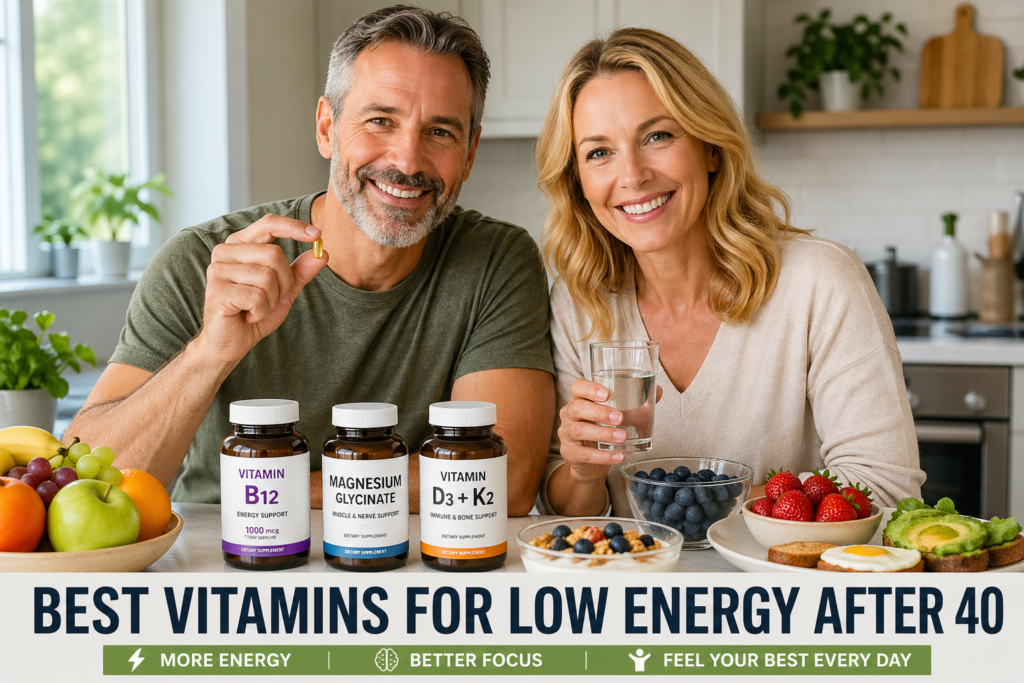
The best vitamins for energy depend on whether low nutrient status is contributing to fatigue. Vitamin B12, vitamin B6, folate, vitamin D, and vitamin C all support processes involved in normal energy metabolism. Iron and magnesium also matter, although they are minerals rather than vitamins.
These nutrients are not stimulants. If your levels are already adequate, taking more is unlikely to create an instant energy boost. Persistent tiredness deserves a broader look at sleep, diet, medications, stress, anemia, thyroid health, and other possible causes.
Key Takeaways
- Vitamins help most when they correct a deficiency. They do not work like caffeine or other stimulants.
- B12 is especially relevant to fatigue when levels are low. B6 and folate also support normal energy metabolism and blood-cell function.
- Vitamin D, iron, and magnesium deserve consideration when deficiency or low status is suspected.
- Do not supplement iron or use high-dose vitamins blindly. Testing and professional guidance can prevent unnecessary or excessive supplementation.
- Persistent fatigue is not always nutritional. Sleep problems, thyroid disorders, anemia, medications, stress, and other conditions can cause similar symptoms.
- Key Takeaways
- Introduction
- What Are the Best Vitamins for Energy?
- What Vitamin Gives You the Most Energy?
- What Vitamins Help With Tiredness and Fatigue?
- What Vitamins Might You Be Lacking If You’re Tired?
- B Vitamins for Energy: Which Ones Matter Most?
- Is B6 or B12 Better for Energy?
- Vitamin D and Energy
- Vitamin C and Energy
- Other Nutrients and Supplements That May Affect Energy
- Vitamins vs Energy Drinks: What’s the Difference?
- Which Vitamin Combinations May Help With Fatigue?
- Do You Need a B-Complex or a Single Vitamin?
- Are Gummy Vitamins Effective for Energy?
- How Long Do Vitamins Take to Improve Energy?
- How to Know Whether You Need Testing
- Signs Low Energy May Not Be a Vitamin Problem
- Food Sources of Energy-Supporting Vitamins and Minerals
- Buyer’s Guide: How to Choose an Energy Vitamin
- 3 Energy-Support Supplements to Consider
- Who Should Be Careful With Energy Vitamins?
- Can Taking Too Many Vitamins Make You More Tired?
- Lifestyle Habits That Support Energy
- When to See a Healthcare Professional
- Frequently Asked Questions
- Final Summary
Introduction
Feeling tired can make it tempting to search for a vitamin that will immediately restore your energy. The reality is more useful—and more nuanced. Vitamins and minerals help your body release energy from food, make red blood cells, support nerves and muscles, and maintain normal cellular function, but supplements tend to matter most when intake or blood levels are inadequate.
Energy changes can become more noticeable after 40, but this guide is designed for adults of any age who want to understand which nutrients are actually relevant to tiredness and fatigue. If low energy is persistent, also review our guide to why you may feel tired all the time.
What Are the Best Vitamins for Energy?
There is no single “energy vitamin” that works for everyone. The best choice depends on your diet, symptoms, medications, health history, and whether testing identifies a deficiency.
| Nutrient | Main Role | Most Relevant When | Key Caution |
|---|---|---|---|
| Vitamin B12 | Red blood cells, nerves, energy metabolism | B12 is low or absorption is impaired | Persistent symptoms still need evaluation |
| Vitamin B6 | Protein and glycogen metabolism | Intake or status is low | Chronic high doses can cause nerve damage |
| Folate (B9) | DNA and red blood cell formation | Folate is deficient | High folic acid intake can mask B12 deficiency |
| Vitamin D | Muscle, bone and immune function | Vitamin D is low | More is not always better |
| Vitamin C | Antioxidant functions and iron absorption | Dietary intake is low | Usually easy to obtain from food |
| Iron | Oxygen transport | Iron deficiency is confirmed | Do not supplement blindly |
| Magnesium | ATP production, muscle and nerve function | Intake/status is inadequate | It is a mineral, not a vitamin |
What Vitamin Gives You the Most Energy?
If a deficiency is present, vitamin B12 is one of the clearest nutrients to investigate because low B12 can contribute to fatigue, weakness, neurologic symptoms, and anemia. But B12 does not act like caffeine, and taking extra B12 is not expected to produce a meaningful energy boost when your B12 status is already adequate.
What Vitamins Help With Tiredness and Fatigue?
B12, B6, folate, vitamin D, and vitamin C all have roles relevant to normal metabolism or functions that can influence fatigue. Iron is especially important for oxygen transport, while magnesium participates in cellular energy production. The key question is not simply “Which supplement is strongest?” but “Which nutrient, if any, is actually low?”
What Vitamins Might You Be Lacking If You’re Tired?
Symptoms can offer clues, but they cannot diagnose a deficiency. Several nutrient problems—and many non-nutritional conditions—can look similar.
| Possible Pattern | Nutrients Worth Discussing |
|---|---|
| Fatigue with tingling or numbness | Vitamin B12 |
| Fatigue with pale skin, weakness or breathlessness | Iron, B12, folate |
| Fatigue with muscle weakness and little sun exposure | Vitamin D |
| Low intake plus muscle cramps or weakness | Magnesium |
| Restricted or poor-quality diet | B vitamins, vitamin C, iron and other nutrients depending on intake |
Because these symptoms overlap, persistent fatigue is a reason to investigate rather than self-diagnose.
B Vitamins for Energy: Which Ones Matter Most?
Vitamin B12
Vitamin B12 supports red blood cell formation, neurologic function, and normal energy metabolism. Low B12 is more likely in some older adults, people following vegan diets without adequate fortified foods or supplements, and people with certain gastrointestinal or absorption problems.
Food sources include meat, fish, eggs, dairy, and fortified foods. Supplements commonly use cyanocobalamin or methylcobalamin. If deficiency is suspected, testing is more useful than choosing a product based only on marketing claims.
Vitamin B6
Vitamin B6 participates in amino-acid metabolism, glycogen metabolism, neurotransmitter synthesis, and hemoglobin formation. It is important for normal metabolism, but that does not mean high-dose B6 provides extra energy. Long-term excessive supplemental B6 can damage nerves, so avoid assuming that higher doses are better.
Folate (Vitamin B9)
Folate supports DNA synthesis and red blood cell formation. Deficiency can contribute to megaloblastic anemia and fatigue. Leafy greens, legumes, fortified grains, and other foods provide folate. High folic acid intake can complicate recognition of vitamin B12 deficiency, another reason to avoid treating fatigue with large doses at random.
Other B Vitamins
Thiamin (B1), riboflavin (B2), niacin (B3), and pantothenic acid (B5) also participate in pathways that help the body use nutrients for energy. Deficiency can impair normal function, but taking extra amounts beyond your needs does not turn them into stimulants.
Is B6 or B12 Better for Energy?
B12 has the clearer connection to clinically important fatigue when B12 deficiency is present. B6 is essential for metabolism, but it is not generally a stronger standalone “energy supplement.” The better choice depends on nutritional status rather than choosing one vitamin because it sounds more energizing.
Vitamin D and Energy
Vitamin D is important for bone, muscle, and immune function. Low vitamin D can coexist with fatigue, but supplementation should be aimed at correcting inadequate status rather than used as an instant energy enhancer. People with limited sun exposure or other risk factors may want to discuss testing with a healthcare professional.
For a deeper look at product selection, see our Vitamin D3 supplement guide.
Vitamin C and Energy
Vitamin C does not directly stimulate energy, but it supports normal metabolism and improves absorption of non-heme iron from plant foods. Most people can obtain it from foods such as citrus fruits, berries, peppers, tomatoes, and other fruits and vegetables.
Other Nutrients and Supplements That May Affect Energy
Iron — Only If Deficient
Iron is required for hemoglobin, which transports oxygen. Iron deficiency can cause pronounced fatigue, weakness, dizziness, and shortness of breath. Because excess iron can be harmful, iron supplements should not be used simply because you feel tired.
Magnesium
Magnesium is a mineral involved in hundreds of enzymatic reactions, including processes related to ATP production, muscle function, and nerve function. Adequate intake matters, but magnesium should not be marketed as a guaranteed energy booster.
CoQ10
Coenzyme Q10 participates in mitochondrial energy production. It is a supplement rather than a vitamin. Research on fatigue varies by population, so it belongs in a broader “may help” category rather than alongside nutrients with established deficiency syndromes.
Omega-3s
Omega-3 fats support cardiovascular and brain health but are not direct energy boosters. Include them for overall nutrition rather than expecting a stimulant-like effect.
Creatine
Creatine helps replenish phosphocreatine used for rapid cellular energy, especially in muscle. It has a different role from vitamins and may be relevant to strength, exercise performance, and recovery. Explore our Creatine & Recovery collection.
Vitamins vs Energy Drinks: What’s the Difference?
Vitamins support normal metabolic processes; they do not usually create an immediate sensation of stimulation. Energy drinks commonly rely on caffeine or other stimulating ingredients, which can temporarily increase alertness. If your goal is steadier energy without stimulants, see how to get energy without caffeine.
Which Vitamin Combinations May Help With Fatigue?
Combinations should address a real nutritional need rather than create an arbitrary “energy stack.” Examples include B12 and folate when either is inadequate, vitamin C alongside iron-rich plant foods to improve non-heme iron absorption, or a B-complex when several B-vitamin gaps are plausible. Iron treatment should be based on confirmed need, and overlapping products should be checked to avoid excessive total doses.
Do You Need a B-Complex or a Single Vitamin?
A single nutrient is often the more targeted choice when testing or diet history identifies a specific gap. A B-complex may be convenient when intake of several B vitamins is inadequate, but it is not automatically more effective for fatigue. Compare doses carefully, particularly vitamin B6 and niacin.
Are Gummy Vitamins Effective for Energy?
Gummies can deliver vitamins, but the format itself does not make a supplement more energizing. Compare the actual nutrient form and dose, added sugar, serving size, quality controls, and whether the product addresses a genuine need.
How Long Do Vitamins Take to Improve Energy?
There is no universal timeline. If fatigue is caused by a deficiency, improvement depends on the nutrient involved, severity of deficiency, dose, absorption, underlying cause, and whether anemia or other complications are present. Some people notice changes within weeks, while restoring body stores may take longer. If nothing improves, reconsider whether the fatigue has another cause rather than continually adding supplements.
How to Know Whether You Need Testing
If fatigue persists, a clinician may decide that laboratory testing is appropriate based on your symptoms and history. Tests commonly considered in a fatigue workup can include a complete blood count, ferritin or other iron studies, vitamin B12, folate, vitamin D, and thyroid testing. The right panel varies from person to person.
Signs Low Energy May Not Be a Vitamin Problem
- Poor sleep or sleep apnea
- Thyroid problems
- Anemia from causes other than simple nutrient intake
- Depression or other mood disorders
- Medication side effects
- Infection or inflammatory illness
- Blood sugar problems
- Inadequate calories or protein
- Chronic stress and burnout
This is why supplements should complement—not replace—an evaluation of persistent or unexplained fatigue.
Food Sources of Energy-Supporting Vitamins and Minerals
| Nutrient | Food Sources |
|---|---|
| B12 | Fish, meat, eggs, dairy, fortified foods |
| B6 | Poultry, fish, potatoes, chickpeas, bananas |
| Folate | Leafy greens, legumes, fortified grains |
| Vitamin D | Fatty fish, egg yolks, fortified foods |
| Vitamin C | Citrus, berries, peppers, tomatoes |
| Iron | Meat, seafood, legumes, fortified foods |
| Magnesium | Nuts, seeds, legumes, whole grains, leafy greens |

Buyer’s Guide: How to Choose an Energy Vitamin
- Start with the reason you are taking it. A product should address a plausible nutritional need.
- Choose transparent labels. You should be able to see the amount of each active ingredient.
- Avoid unnecessary megadoses. More is not automatically better.
- Prefer reputable manufacturers and independent quality verification when available.
- Check for overlapping ingredients. Multivitamins, B-complexes and standalone products can add up quickly.
- Review medications and health conditions. Supplements can interact with medicines or be inappropriate in certain conditions.
- Be skeptical of “instant energy” claims. Vitamins are nutrients, not stimulants.
What Third-Party Testing Should You Look For?
Independent quality testing can help verify identity, purity, or label accuracy, depending on the program. It does not prove that a supplement will increase your energy or treat fatigue. Treat quality certification as one purchasing criterion—not as evidence of clinical effectiveness.
3 Energy-Support Supplements to Consider
These products represent three different nutrient categories. They are not substitutes for testing or medical evaluation when fatigue is persistent.
Jarrow Formulas Methyl B12
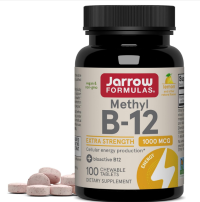
Best for: People looking for a standalone B12 product when B12 supplementation is appropriate.
Uses methylcobalamin, a commonly used supplemental form of vitamin B12. A standalone B12 product is more targeted than a broad blend when B12 is the nutrient you intend to supplement.
Magnesium Support
Magnesium is a mineral involved in normal cellular energy production, muscle function, and nerve function. This category is most relevant when magnesium intake or status is inadequate—not as a stimulant-style energy boost.
KAL Magnesium Glycinate
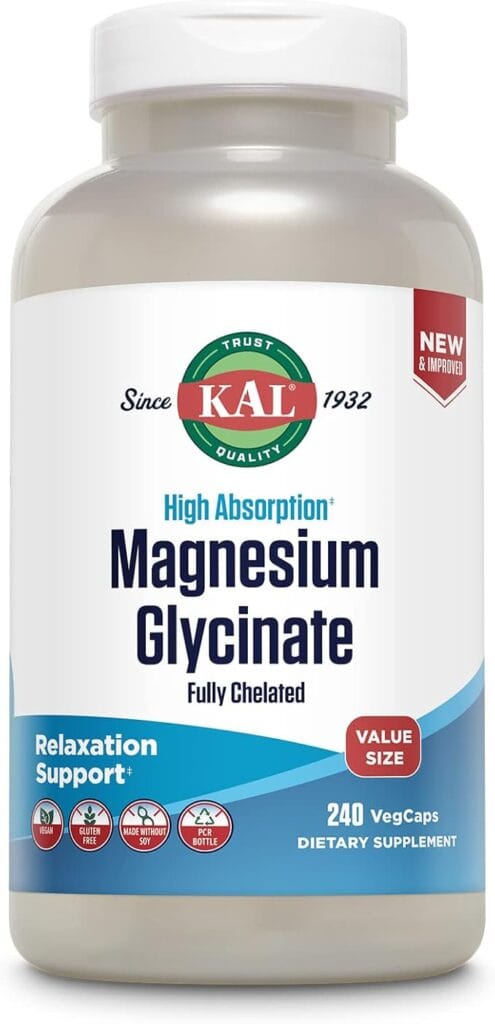
Best for: Adults looking for magnesium supplementation rather than a stimulant-style energy product.
Magnesium glycinate is a commonly used magnesium form. Remember that magnesium is a mineral, and any benefit depends on your overall intake and individual need.
Vitamin D Support
Vitamin D supports normal muscle, bone, and immune function. A D3 product is most relevant when vitamin D intake or blood levels are low; the K2 pairing is mainly included for broader bone and calcium support.
Sports Research Vitamin D3 + K2
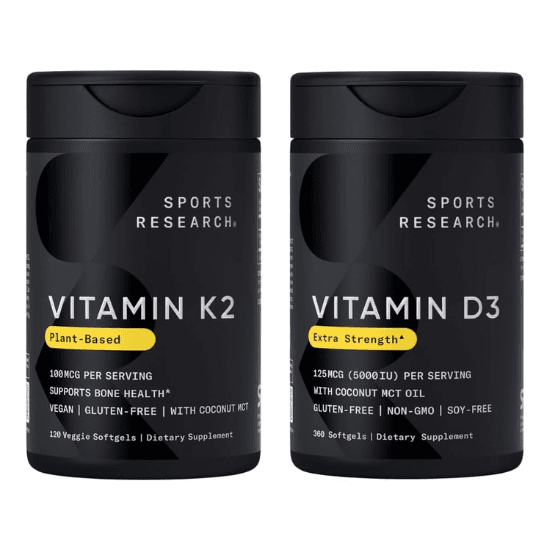
Best for: Adults specifically looking for a D3 + K2 combination.
This combines vitamin D3 with vitamin K2. Vitamin D supplementation is most relevant when intake or status is inadequate; K2 should not be presented as an energy ingredient.
As an Amazon Associate, Purely Vital Living may earn from qualifying purchases at no extra cost to you.
Who Should Be Careful With Energy Vitamins?
Use extra caution with iron, high-dose vitamin D, high-dose B6, niacin, and products that duplicate ingredients already present in a multivitamin. Pregnancy, kidney or liver disease, certain medications, and other medical conditions can change what is appropriate. When in doubt, review the full supplement list with a pharmacist or healthcare professional.
Can Taking Too Many Vitamins Make You More Tired?
Yes, excessive supplementation can cause side effects and, in some cases, toxicity or medication interactions. Symptoms vary by nutrient and dose. Taking several “energy” products at once also makes it easy to unknowingly duplicate B vitamins, vitamin D, iron, or other ingredients. Use the lowest-complexity approach that addresses a real need.
Lifestyle Habits That Support Energy
- Prioritize consistent, adequate sleep.
- Eat enough protein and total calories.
- Build meals around minimally processed foods and fiber-rich carbohydrates.
- Stay hydrated.
- Walk and move throughout the day.
- Include resistance training when appropriate.
- Manage chronic stress and protect recovery time.
For a broader plan, see How to Get More Energy Naturally and our Best Diet for Energy.

When to See a Healthcare Professional
Seek medical advice when fatigue is persistent, worsening, unexplained, or interfering with normal life. Prompt evaluation is especially important when tiredness occurs with chest pain, significant shortness of breath, fainting, unexplained weight loss, bleeding, severe weakness, new neurologic symptoms, or other concerning changes.
Frequently Asked Questions
What is the best vitamin for energy?
There is no single best vitamin for everyone. Vitamin B12 is especially relevant when B12 deficiency contributes to fatigue, while vitamin D, folate, B6, iron, and magnesium may matter when those nutrients are inadequate.
What vitamins help with tiredness and fatigue?
B12, B6, folate, vitamin D, and vitamin C all support functions relevant to normal metabolism. Iron and magnesium are minerals that can also be important. Supplements are most useful when they correct a real gap.
Is B6 or B12 better for energy?
B12 has a clearer link to clinically significant fatigue when deficiency is present. B6 is essential for metabolism but should not be taken in high doses simply to chase more energy.
What vitamins am I lacking if I’m tired?
Fatigue can occur with low B12, folate, vitamin D, or iron, among other causes. Symptoms alone cannot identify the problem, so persistent fatigue may warrant medical evaluation and targeted testing.
Do B-complex vitamins actually give you energy?
B vitamins help the body carry out normal energy metabolism, but they do not contain calories or work like stimulants. Extra B vitamins are unlikely to create a meaningful boost if your intake and status are already adequate.
Is vitamin D good for low energy?
Correcting low vitamin D may help when deficiency is contributing to symptoms, but vitamin D is not an instant energy supplement.
Are gummy vitamins effective for energy?
Gummies can supply vitamins, but effectiveness depends on the nutrient, dose, quality, and whether you actually need it—not the gummy format.
Can taking too many vitamins cause fatigue?
Excessive doses can cause side effects or toxicity and may interact with medications. Avoid stacking multiple products without checking their combined doses.
What is the difference between energy vitamins and energy drinks?
Vitamins support normal metabolic functions. Energy drinks usually create short-term alertness through caffeine or other stimulants. They are not equivalent.
Should I take a multivitamin for energy?
A multivitamin can help fill some dietary gaps, but it is not a treatment for unexplained fatigue. A targeted supplement may make more sense when a specific deficiency is identified.
Want smarter strategies for better energy, sleep, gut health, and healthy aging?
Join the Purely Vital Living free newsletter and receive practical wellness tips straight to your inbox.
Final Summary
The best vitamins for energy are the ones that correct a genuine nutritional gap. B12, B6, folate, vitamin D, and vitamin C all contribute to normal body functions related to metabolism, while iron and magnesium are important minerals. But persistent fatigue deserves investigation rather than random supplementation.
Start with food, sleep, movement, hydration, and recovery. If low energy continues, use symptoms and appropriate testing to guide a more targeted approach.
Related Reads
- How to Get More Energy Naturally
- How to Get Energy Without Caffeine
- Best Diet for Energy: Foods That Help Prevent Energy Crashes
- Why Am I Tired All the Time?
- Best Vitamin D3 Supplement
References
- Harvard Health — Best vitamins and minerals for energy
- Tardy A-L, et al. Vitamins and Minerals for Energy, Fatigue and Cognition. Nutrients. 2020.
- NIH Office of Dietary Supplements — Vitamin B12 Fact Sheet for Health Professionals
- NIH Office of Dietary Supplements — Vitamin B6 Fact Sheet for Health Professionals
- NIH Office of Dietary Supplements — Folate Fact Sheet for Health Professionals
- NIH Office of Dietary Supplements — Vitamin D Fact Sheet for Health Professionals
- NIH Office of Dietary Supplements — Iron Fact Sheet for Health Professionals
- NIH Office of Dietary Supplements — Magnesium Fact Sheet for Health Professionals
This article is for educational purposes and is not a substitute for individualized medical advice, diagnosis, or treatment.