
Quick Answer
The best melatonin supplements depend on whether melatonin is appropriate for your sleep problem, the formulation, and product quality. Evidence is more supportive for circadian-timing problems such as jet lag and delayed sleep timing than for chronic insomnia. More melatonin is not necessarily better, and dose and timing need to fit the purpose. Persistent insomnia calls for evaluation and evidence-based care such as CBT-I, rather than simply a stronger supplement.
Key Takeaways
- Melatonin helps signal sleep timing and can cause drowsiness. Its usefulness depends on the cause of the sleep problem; it is not a universal insomnia treatment.
- Release type does not establish effectiveness. Extended-release melatonin is not an automatic solution for nighttime waking; persistent awakenings deserve assessment.
- Start with the lowest effective dose. Higher amounts may increase morning grogginess, vivid dreams, headache, or dizziness without improving sleep.
- Melatonin works best with consistent sleep habits. Dim evening light, reduce screens, keep regular sleep times, and limit late caffeine.
- Check for medication interactions and special circumstances. Seek professional guidance for long-term use, pregnancy, medical conditions, or prescription medicines.
- Key Takeaways
- Does Melatonin Actually Help You Sleep?
- Dose, Timing and Release Type: No Universal Best Choice
- Melatonin Safety: Short-Term Use Is Not Long-Term Proof
- How to Compare Product Quality and Label Accuracy
- Introduction
- What Is Melatonin?
- How Melatonin Supports the Sleep Cycle
- Why Sleep Problems Happen
- Common Nighttime Habits That Disrupt Melatonin
- How to Compare Melatonin Products
- Best Melatonin Supplements For Sleep
- Hidden Mistakes That Can Reduce Melatonin Effectiveness
- How to Fix Sleep Without Overwhelm
- How to Build a Better Bedtime Routine Naturally
- 7-Day Sleep Reset Plan
- Common Mistakes People Make With Sleep
- How Long Results Take
- What to Expect After 30 Days
- Best Products to Consider
- FAQ
- Final Summary
- References and Review Method
Does Melatonin Actually Help You Sleep?
Melatonin is a signal involved in the body’s sleep-wake timing. Its usefulness depends on the condition: NCCIH describes support for jet lag, while AASM guidance gives a conditional recommendation for strategically timed melatonin in adults with delayed sleep-wake phase disorder. This does not mean every person who struggles to fall asleep has a circadian disorder.
For chronic insomnia, the evidence is less convincing. Persistent problems falling asleep or staying asleep are better addressed through evaluation and treatments such as cognitive behavioral therapy for insomnia (CBT-I). Sleep habits help, but do not replace CBT-I when chronic insomnia needs treatment.
Dose, Timing and Release Type: No Universal Best Choice
There is no single dose or clock time that fits every adult. Timing for a body-clock shift can differ from timing intended to help sleep onset. Ask a clinician or pharmacist to match the plan to your symptoms, medicines and product. More is not necessarily better. Do not keep increasing the dose when sleep remains poor.
Immediate-release and prolonged-release products have different release profiles. A prolonged-release label does not establish that a product treats repeated waking, early waking or an underlying sleep disorder. Do not crush or split modified-release tablets unless the product instructions permit it.
Melatonin Safety: Short-Term Use Is Not Long-Term Proof
Short-term use appears reasonably safe for many adults, but long-term safety remains uncertain. Possible effects include headache, dizziness, nausea and next-day sleepiness. Avoid driving or operating machinery if drowsy, and avoid combining melatonin with alcohol. Check with a clinician before use during pregnancy or breastfeeding, in children, or with epilepsy, blood thinners or other medicines. See NHS side-effect guidance. Keep all products, especially gummies, out of children’s reach.
Seek evaluation rather than another sleep aid for persistent insomnia, loud snoring, witnessed breathing pauses or severe daytime sleepiness. Do not drive when dangerously sleepy. These symptoms can indicate a problem that melatonin does not address.
How to Compare Product Quality and Label Accuracy
Check the amount per serving and per tablet or gummy, serving size, release type, added sedating ingredients, allergens, expiry and manufacturer contact details. Look for independent identity, potency and contaminant testing, and verify any certification for the exact product. A quality seal does not prove that melatonin will work for your sleep problem.
Label accuracy matters: research summarized by NCCIH found substantial differences between labeled and measured melatonin in some supplements. In the United States, the FDA does not approve dietary supplements before sale. Do not interpret “natural,” popularity or a large dose as proof of safety or superiority.
Review approach: The product examples below are editorial comparisons of formulation and labeling considerations, not evidence of hands-on testing or clinical superiority. Confirm the current label before purchase.
Introduction
Sleep is one of the most important foundations of overall health, yet many people struggle to fall asleep consistently.
Stress, screen exposure, irregular schedules, travel, and poor nighttime habits can all interfere with your body’s natural sleep rhythm.
This is why many people look for the best melatonin supplements for sleep rather than relying only on temporary sleep fixes.
Melatonin is a hormone naturally produced by the body that helps regulate the sleep-wake cycle. Melatonin sleep supplements are commonly used to support falling asleep faster and improve nighttime sleep routines.
However, not all melatonin sleep supplements are the same.
Different formulas, dosages, and delivery methods can affect how they work for different people.
In this guide, we’ll explore:
- how melatonin works
- what to look for in a supplement
- common mistakes
- sleep-supportive habits
- the best melatonin supplements for sleep in 2026
What Is Melatonin?
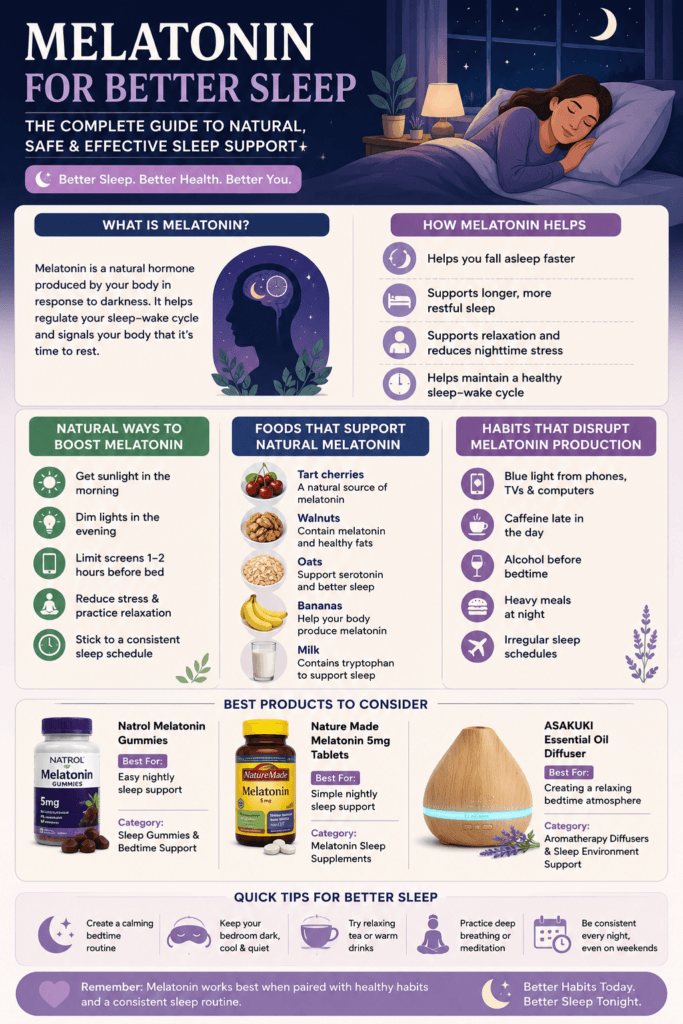
Melatonin is a hormone naturally produced by the brain in response to darkness.
Its primary role is helping regulate your circadian rhythm, also known as the sleep-wake cycle.
Normally, melatonin levels rise in the evening to help your body prepare for sleep and decrease in the morning as you wake up.
However, modern habits can interfere with this process.
Late-night screen exposure, stress, irregular schedules, travel, and bright indoor lighting may reduce or delay natural melatonin production.
This can make it harder to fall asleep naturally.
Melatonin sleep supplements are commonly used to support the body’s natural nighttime rhythm and create a calmer transition into sleep.
How Melatonin Supports the Sleep Cycle
Melatonin is often called the “sleep hormone” because of its role in regulating the body’s natural circadian rhythm.
Your circadian rhythm acts like an internal clock that controls when you feel awake and when you feel sleepy.
Normally, melatonin production begins increasing in the evening as light exposure decreases. This signals to your brain and body that it is time to prepare for sleep.
However, modern lifestyles can interfere with this natural process.
Bright screens, irregular sleep schedules, stress, travel, and artificial lighting can delay melatonin release and make it harder to feel sleepy at night.
This is one reason many people feel tired physically but mentally alert at bedtime.
Melatonin sleep supplements are commonly used to help support this natural nighttime transition. Instead of forcing sleep directly, melatonin works by signaling to the body that it is time to wind down.
This is why melatonin often works best when combined with healthy bedtime habits and reduced nighttime stimulation. Our guide to improving sleep quality naturally explains the broader habits that support deeper, more consistent rest.
Many people notice the best results when they pair melatonin with:
- consistent bedtime schedules
- reduced evening screen use
- calming nighttime routines
- darker sleep environments
The goal is not only to fall asleep faster, but also to support a healthier and more consistent sleep rhythm over time.
Why Sleep Problems Happen
Many people assume sleep problems happen suddenly, but they often develop gradually over time.
Common causes include:
- stress and overthinking
- excessive screen time
- caffeine late in the day
- inconsistent sleep schedules
- travel or shift work
- poor sleep environment
Once the body begins staying awake later regularly, the sleep cycle may gradually become disrupted.
This is why improving sleep often requires both better nighttime habits and supportive sleep routines.
Common Nighttime Habits That Disrupt Melatonin
Many modern habits unintentionally interfere with the body’s natural melatonin production.
One of the biggest causes is excessive nighttime screen exposure.
Phones, tablets, televisions, and bright indoor lighting expose the eyes to blue light, which signals to the brain that it is still daytime.
This can delay the natural release of melatonin and make it harder to feel sleepy at night.
Other common habits include:
- inconsistent sleep schedules
- late-night caffeine
- heavy meals before bed
- working late at night
- overstimulation from social media or news
These behaviors keep the nervous system active when it should be winding down.
Over time, the body may begin staying awake later naturally, creating a cycle of delayed sleep and poor nighttime recovery.
This is why improving sleep often requires reducing disruptive nighttime habits in addition to using supportive supplements. These sleep hygiene tips and bedtime habits can help strengthen the same natural signals melatonin is meant to support.
Small habit changes practiced consistently usually produce stronger long-term results than relying entirely on sleep aids alone.
How to Compare Melatonin Products
Choose by suitability, exact label and quality checks—not brand popularity or the largest dose. This is a research-based format comparison, not a PVL hands-on trial or proof that one brand is clinically best. Formulas and certification status can change.
| Option | Practical reason to compare | Key check |
|---|---|---|
| Natrol gummies | Chewable format | Amount per gummy, serving size and secure storage |
| Nature Made tablets | Tablet format | Exact strength and product-specific quality verification |
| Zarbee’s formulas | Brand offers differing products | Exact formula and age labeling; no pediatric recommendation here |
| REMfresh prolonged release | Different release design | Suitability and evidence for the intended use |
Best Melatonin Supplements For Sleep
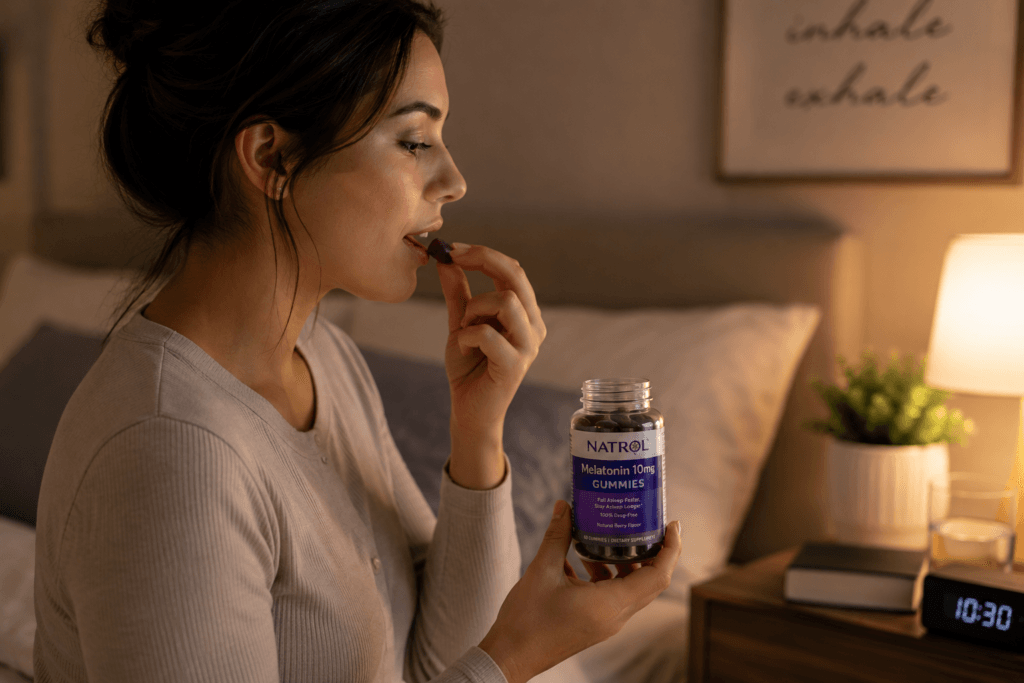
1. Natrol Melatonin Gummies
Natrol gummies are an option for adults comparing chewable melatonin. Check the exact formula, amount per gummy and per serving, added ingredients, allergens and quality verification. Different products under one brand may have different strengths.
A gummy is a delivery format, not evidence that a product works better or is appropriate for regular use. Treat it as a supplement, store it securely and do not use extra gummies because sleep remains poor.
2. Nature Made Melatonin Tablets
Nature Made tablets may suit someone who prefers tablets to gummies. Compare the exact serving size, strength and other ingredients on the current package. Verify any third-party certification for that specific product rather than assuming it applies to every item from the brand.
A 5 mg tablet is not automatically the right starting amount for an individual. Choose only within a clinician- or pharmacist-advised plan; persistent symptoms call for assessment rather than escalating strength.
3. Zarbee’s Melatonin Gummies
Check the exact Zarbee’s product and age labeling before comparing it with adult supplements. A brand may sell several formulas, and gummy presentation does not establish gentler effects or suitability for children.
This adult comparison does not recommend pediatric melatonin. A child’s sleep difficulty should be discussed with their healthcare professional, and supplements must be stored out of children’s reach and sight.
4. REMfresh Time-Release Melatonin
REMfresh is presented as a prolonged-release melatonin option. Release design changes delivery over time; it does not prove superior outcomes for nighttime waking or establish that this formulation is suitable for your symptoms.
Repeated awakenings can have several causes. Compare the current label and discuss persistent problems with a clinician instead of assuming time-release melatonin will solve them. PVL has not established head-to-head superiority over the other products listed.
Hidden Mistakes That Can Reduce Melatonin Effectiveness
Many people take melatonin sleep supplements incorrectly and assume it “doesn’t work.”
Common mistakes include:
- taking too much
- using it immediately before bed
- continuing heavy screen exposure
- inconsistent sleep schedules
- relying only on supplements
Melatonin works best when combined with healthy nighttime habits and consistent routines.
How to Fix Sleep Without Overwhelm
Trying to completely “perfect” your sleep overnight often becomes frustrating.
A better approach is to improve one or two habits at a time.
For example:
- reduce screens before bed
- improve bedroom lighting
- keep a consistent bedtime
- reduce caffeine late in the day
Even small changes can help your body rebuild healthier sleep rhythms over time.
How to Build a Better Bedtime Routine Naturally
A healthy bedtime routine helps prepare both the mind and body for sleep.
Many people expect themselves to fall asleep immediately after high stimulation, but the body usually needs time to transition into a relaxed state.
Without this transition period, the brain may remain mentally active even when the body feels physically tired.
A helpful bedtime routine does not need to be complicated.
Simple habits often work best, including:
- dimming lights
- reducing screens
- taking a warm shower
- reading
- stretching
- deep breathing exercises
Consistency is one of the most important factors.
When bedtime routines happen regularly, the brain begins associating those activities with sleep preparation.
Over time, this can help support healthier and more predictable nighttime rhythms.
Many people also notice that calming routines help reduce nighttime stress and racing thoughts, which are common barriers to deep sleep.
The goal is not perfection, but creating a calmer environment that supports natural sleep signals more consistently.

7-Day Sleep Reset Plan
Day 1–2
Reduce nighttime screen exposure.
Day 3–4
Set a consistent bedtime and wake time.
Day 5
Improve bedroom comfort and darkness.
Day 6
Reduce caffeine after midday.
Day 7
Add a calming bedtime routine.
Small consistent improvements often work better than extreme changes.
Common Mistakes People Make With Sleep
Many people expect sleep supplements to instantly solve long-term sleep problems.
However, supplements work best when combined with healthy sleep habits and realistic expectations.
One common mistake is taking very high doses immediately.
More melatonin does not always mean better sleep, and excessive intake may increase grogginess for some people.
Another mistake is using supplements while continuing highly stimulating nighttime behaviors like:
- excessive screen use
- inconsistent sleep schedules
- late caffeine intake
- stressful nighttime work
These habits continue sending alertness signals to the brain, which can reduce the effectiveness of sleep-supportive routines.
Some people also switch products too quickly without giving routines enough time to stabilize.
Improving sleep often requires patience and consistency rather than chasing instant overnight results.
Long-term sleep improvement usually happens through a combination of:
- supportive habits
- reduced stress
- better sleep environments
- healthier nighttime routines
Small consistent improvements are often more effective than extreme changes.
How Long Results Take
Some people notice improvements in sleep onset within a few nights, while others require more time to stabilize their sleep schedule.
Sleep quality often improves gradually when healthy habits are maintained consistently.
Melatonin supplements are usually most effective when combined with:
- regular bedtime routines
- reduced evening stimulation
- healthy stress management

What to Expect After 30 Days
After several weeks of consistent sleep habits, many people notice:
- easier sleep onset
- more consistent sleep schedules
- fewer nighttime wake-ups
- improved morning energy
- calmer bedtime routines
Long-term sleep improvement usually comes from consistency rather than quick fixes.
Best Products to Consider
Sleep Gummies & Bedtime Support
Gummies offer a chewable delivery format. Clinical suitability depends on the intended use, ingredients and amount, not the format.
PVL pick – Melatonin supplement
Natrol Melatonin Gummies
Best For: Gummy format comparison
Natrol Melatonin Gummies are designed to support healthy sleep routines with an easy-to-take gummy format that fits naturally into calming bedtime habits and nighttime wellness routines.
✔ Convenient gummy format
✔ Supports nighttime relaxation
✔ Follow an individualized use plan
✔ Compare exact strength and suitability
👉 Support calmer bedtime routines naturally.
Melatonin Sleep Supplements
Melatonin sleep supplements are commonly used to support the body’s natural sleep cycle and help create more consistent bedtime routines.
PVL pick – Melatonin supplement
Nature Made Melatonin 5mg Tablets
Best For: Tablet format comparison
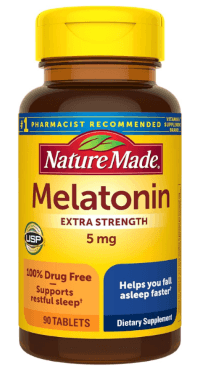
Nature Made Melatonin 5mg Tablets provide a straightforward melatonin formula designed to support falling asleep naturally and maintaining healthier nighttime routines.
✔ Check the full ingredient label
✔ Check serving size and intended timing
✔ Supports natural sleep timing
✔ Check whether 5 mg fits your clinician-advised plan
👉 Support healthier sleep routines naturally.
Aromatherapy Diffusers & Sleep Environment Support
Aromatherapy diffusers are commonly used to create calmer nighttime environments through relaxing scents and soothing mist designed to support bedtime relaxation routines. Aromatherapy and calming sleep environments are frequently associated with better sleep habits.
PVL pick – Aromatherapy diffuser
ASAKUKI Essential Oil Diffuser
Best For: Creating a Relaxing Bedtime Atmosphere
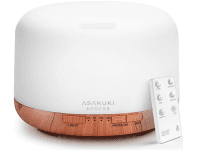
ASAKUKI Essential Oil Diffuser combines ultrasonic mist technology, soft ambient lighting, and essential oil diffusion designed to help create a peaceful nighttime atmosphere before bed.
✔ Helps create a calmer sleep environment
✔ Supports relaxing nighttime routines
✔ Soft ambient lighting options
✔ Works with calming essential oils like lavender
👉 Turn your bedroom into a more relaxing nighttime space naturally.
FAQ
Is melatonin safe for nightly use?
Short-term melatonin use appears reasonably safe for many adults, but long-term safety is uncertain. Nightly use should be reviewed with a clinician, especially if insomnia persists or you take other medicines.
What dosage of melatonin works best?
There is no universal best dose. The intended use, formulation, age, other medicines and response matter. More melatonin is not necessarily better; do not keep increasing the dose for persistent insomnia.
How long before bed should I take melatonin?
Timing depends on the purpose and formulation. A plan for jet lag or delayed sleep timing may differ from bedtime use; ask a clinician or pharmacist rather than following one universal interval.
Can melatonin help with jet lag?
Yes. Melatonin is commonly used to help support sleep schedule adjustment after travel.
Does melatonin cause grogginess?
Some people may feel groggy the next morning, especially with higher dosages.
Healthy sleep starts with consistency.
Support your nighttime routine naturally with smarter sleep habits and wellness-focused routines from Purely Vital Living.

Final Summary
The best melatonin supplements are those with transparent labeling and appropriate quality checks, when melatonin is suitable for the intended use. No brand is a substitute for assessment of chronic insomnia or sleep-apnea symptoms.
Melatonin works best as part of a broader approach that includes stress management, reduced evening stimulation, and consistent bedtime routines.
Small improvements practiced consistently often create the strongest long-term sleep results.
Related Reads
- Sleep Hygiene Tips: 7 Bedtime Habits for Better Sleep
- Stress and Sleep: How Stress Affects Sleep Quality
- Why Do I Wake Up at 3AM Every Night?
- Best Magnesium Supplements for Sleep and Stress
- How to Improve Sleep Quality Naturally: Complete Sleep Guide
References and Review Method
The comparison uses published guidance and product-format descriptions. PVL has not independently measured label accuracy or performed a clinical comparison of these products. Ingredient evidence does not establish the effectiveness of an exact finished formula.