
Quick Answer
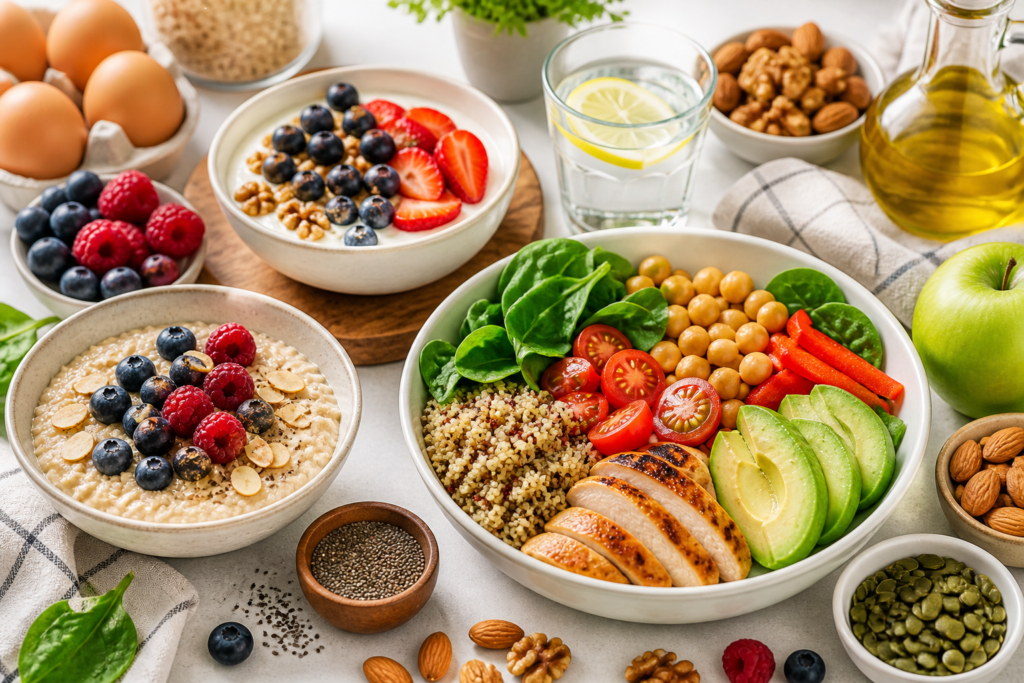
The best diet for energy includes meals and snacks that combine protein, fiber, healthy fats, and slower-digesting carbohydrates to support stable blood sugar and reduce energy crashes. Great examples include eggs, Greek yogurt, oats, berries, nuts, beans, salmon, quinoa, apples with nut butter, and balanced lunch bowls. These foods help support steadier blood sugar, better focus, and longer-lasting energy compared with sugary snacks, pastries, or refined carbs that often lead to a quick spike followed by fatigue.
Key Takeaways
- Build meals around protein, fiber, and healthy fats. This combination generally supports steadier energy than refined carbohydrates eaten alone.
- Carbohydrates are useful fuel. Choose higher-fiber options such as oats, beans, lentils, quinoa, fruit, and whole grains.
- Large sugary meals can contribute to crashes. Pair sweet or starchy foods with protein or fat to improve staying power.
- Hydration, sleep, stress, and movement also affect energy. Food works best as part of a broader healthy routine.
- Consistency matters more than perfection. Small upgrades to breakfast, lunch, and snacks can make daily energy more reliable.
- Key Takeaways
- Introduction
- What Causes Sugar Crashes?
- Best Diet for Energy: Top Foods to Consider
- How the Best Diet for Energy Changes Throughout the Day
- Foods Most Likely to Cause Energy Crashes
- Why It Happens: The Real Energy Equation
- Hidden Signs Your Meals Are Causing Crashes
- 3 Simple Balanced Meal Examples
- How to Fix It Without Overwhelm
- 7-Day Steady Energy Reset Plan
- How Long Results Take
- What to Expect After 30 Days
- Best Products to Consider
- FAQ
- When to Seek Help
- Final Summary
Introduction
Do you ever eat something that feels energizing at first, only to feel tired an hour later?
That common pattern is often caused by foods that digest quickly and create sharp rises and falls in blood sugar. Sweet coffee drinks, pastries, sugary cereal, candy bars, and refined snack foods may give fast energy, but many people feel hungry, foggy, or drained soon afterward.
During my own years of dealing with chronic fatigue, I noticed that highly processed foods and large, heavy meals often made my energy worse. Meals built around protein, fiber, whole foods, and sensible portions generally helped me feel more stable than relying on sugar or extra caffeine.
The good news is that you do not need to eat perfectly or eliminate all carbs to feel better. Often, the key is choosing smarter combinations of foods that release energy more steadily.
Foods rich in protein, fiber, and healthy fats tend to digest more slowly. That slower release can help support focus, mood, and stamina through work, workouts, parenting, or busy afternoons. For a broader plan, see our guide on how to get more energy naturally.
In this guide, you’ll discover the best diet for energy, the foods that help support stable energy levels, and how to build meals that may help prevent energy crashes naturally.
What Causes Sugar Crashes?
Sugar crashes often happen when meals digest quickly and provide fast energy without enough staying power. Foods heavy in refined carbohydrates or added sugars can create a quick rise in blood sugar followed by a drop that leaves many people feeling tired or hungry again.
This effect can feel stronger when combined with poor sleep, stress, dehydration, or skipping earlier meals. That means the issue is not always sugar alone—it is often the full daily pattern. If your crash happens mainly after lunch, our guide to afternoon fatigue explains other common contributors.
Many people assume they need more caffeine when what they really need is a steadier meal structure.
In many cases, improving your overall diet for energy and fatigue can have a bigger impact than relying on caffeine or energy drinks.
A sugar crash often happens when a meal or snack is heavy in refined carbohydrates or added sugars but low in protein and fiber.
Examples include:
- Pastries
- Sugary cereal
- Soda
- Candy
- White bread snacks
- Sweetened coffee drinks
These foods may digest quickly, causing a rise in blood sugar followed by a drop that can feel like:
- Fatigue
- Hunger
- Brain fog
- Irritability
- Cravings
- Need for more caffeine
Balanced meals usually help reduce this cycle.
Best Diet for Energy: Top Foods to Consider
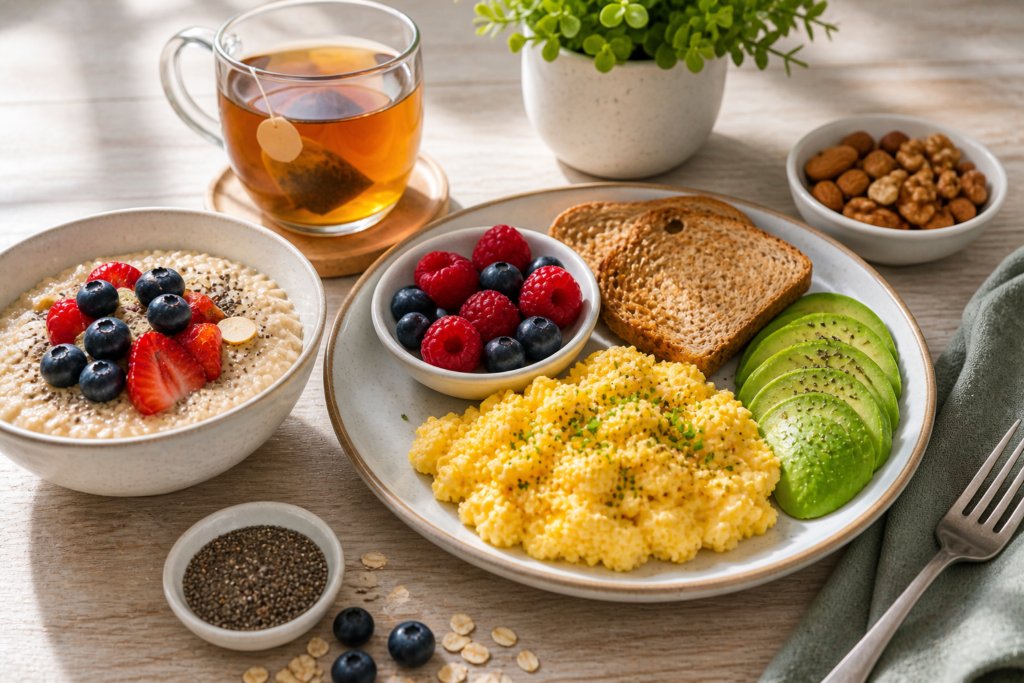
1. Eggs
Eggs are especially helpful when breakfast is usually sweet or carb-heavy. Starting the day with protein may reduce mid-morning hunger and make it easier to stay focused.
If mornings are busy, hard-boiled eggs can be a simple grab-and-go option.
Eggs are one of the most popular healthy foods for energy because they provide protein and nutrients that can support satiety and steadier mornings.
They are especially useful at breakfast because many people start the day with overly sugary foods.
Great Uses
- Eggs + avocado toast
- Veggie omelet
- Hard-boiled eggs with fruit
Why They Help
Protein slows digestion and may help reduce mid-morning hunger.
2. Greek Yogurt
Choose lower-sugar versions when possible and add your own fruit for sweetness.
This often gives better nutrition control than flavored yogurts with added sugars.
Greek yogurt offers protein and can pair well with fruit, seeds, or nuts.
Great Uses
- Greek yogurt + berries
- Yogurt parfait with chia
- Post-workout snack
Why They Help
Higher protein options often create steadier energy than sweet pastries or cereal bars.
3. Oats
Oats are highly flexible and can be used hot or cold. Adding protein or seeds often improves staying power even more.
A common mistake is adding too much syrup or sweetener.
Oats are often considered one of the best carbs for energy because they provide slower-digesting carbohydrates plus fiber.
Great Uses
- Oatmeal with nuts
- Overnight oats
- Oat bowl with berries
Why They Help
Many people find oats more sustaining than sugary breakfast cereals.
4. Berries
Berries are an easy way to add fiber and color to meals. Frozen berries can be a budget-friendly option year-round.
Berries are a nutrient-rich energy fruit that provides fiber and natural sweetness with a lower sugar load than many desserts or juices.
Great Uses
- Add to yogurt
- Blend into smoothie
- Snack with nuts
Why They Help
They can satisfy sweet cravings while fitting a steadier-energy meal.
5. Nuts and Seeds
Portion awareness matters because nuts are calorie-dense. A moderate serving often works best as part of a snack or meal.
Almonds, walnuts, pumpkin seeds, and chia seeds provide fats, minerals, and some protein.
Great Uses
- Handful snack
- Add to oats
- Mix into yogurt
Why They Help
Healthy fats and protein can help increase staying power between meals.
6. Beans and Lentils
They are also budget-friendly and ideal for meal prep. Many people underestimate how powerful these foods are for stable energy.
Beans and lentils are highly nutritious energizing foods that provide fiber, plant protein, and long-lasting fuel.
Great Uses
- Lentil soup
- Bean bowls
- Chickpea salads
Why They Help
They often digest slowly and can support fullness for hours.
7. Salmon
If salmon is not practical often, other protein-rich fish or lean proteins can still help create balanced meals.
Salmon provides protein and healthy fats, including omega-3s.
Great Uses
- Lunch bowl
- Salad topper
- Dinner with vegetables
Why They Help
Balanced protein meals often create better afternoon energy than carb-heavy lunches alone.
8. Quinoa and Brown Rice
Whole grains often work best when paired with protein rather than eaten alone.
Whole grains can provide useful carbohydrates with more fiber than refined grains.
Great Uses
- Grain bowls
- Meal prep lunches
- Side dish with protein
Why They Help
They may offer more sustained energy than white bread or sugary snacks.
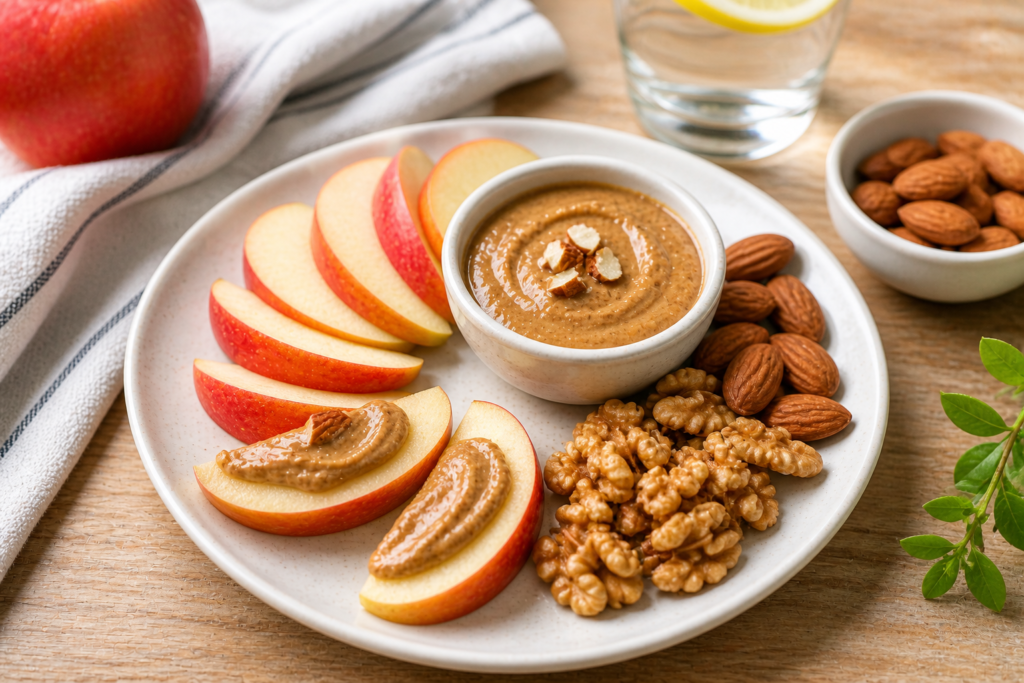
9. Apples with Nut Butter
This combo is useful before the afternoon slump when cravings usually hit.
This classic combo blends fiber with fat and some protein.
Great Uses
- Afternoon snack
- Pre-workout snack
- On-the-go option
Why They Help
It often feels more stable than crackers or candy.
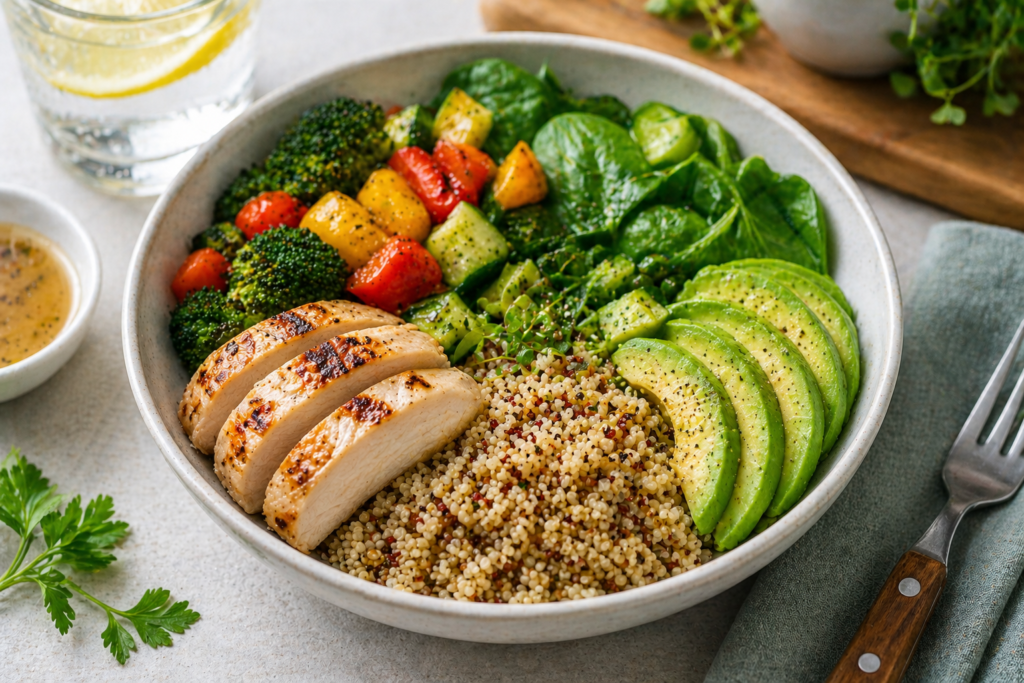
10. Balanced Lunch Bowls
Lunch bowls are powerful because they are customizable and practical for workdays.
Sometimes the best “food” is a combination.
Ideal Formula
- Protein
- Vegetables
- Fiber-rich carb
- Healthy fat
Example:
Chicken + quinoa + greens + olive oil.
Why They Help
Balanced meals reduce the all-carb lunch crash many people feel at 2 PM.
How the Best Diet for Energy Changes Throughout the Day
Choosing the right foods becomes easier when you match them to your daily energy needs.
Best Breakfast Choices
- Eggs
- Oats
- Greek yogurt with berries
- Protein smoothie with chia seeds
These options may help reduce the classic mid-morning slump. A consistent morning routine for energy and focus can reinforce those benefits.
Best Lunch Choices
- Chicken quinoa bowl
- Salmon with rice and vegetables
- Lentil salad with olive oil
Balanced lunches often help prevent 2 PM crashes.
Best Snack Choices
- Apple with nut butter
- Nuts and berries
- Greek yogurt
These can be smarter than candy bars or pastries.
Best Evening Choices
- Balanced dinner with protein, vegetables, and whole grains
Stable evenings often support better next-day energy too.
Foods Most Likely to Cause Energy Crashes
Some foods are more likely to create short bursts of energy followed by fatigue.
Common examples:
- Pastries for breakfast
- Sugary cereal
- Sweet coffee drinks
- Candy bars
- White bread snacks
- Soda with no real meal
- Large fast-food meals without vegetables
This does not mean never eat these foods. It means relying on them daily often creates unstable energy patterns.
Why It Happens: The Real Energy Equation
The best diet for energy is about more than calories alone.
Important factors include:
- Protein intake
- Fiber intake
- Hydration
- Sleep quality
- Stress levels
- Meal timing
- Movement
Even the best foods cannot fully overcome poor sleep and chronic stress, but they can help.
Hidden Signs Your Meals Are Causing Crashes
You may need meal upgrades if you often experience:
- Hungry one hour after eating
- Need sweets after lunch
- Brain fog mid-afternoon
- Constant snacking
- Strong caffeine dependence
- Irritability when hungry
These are common signals of unstable meal patterns.
3 Simple Balanced Meal Examples
You do not need complex meal plans to feel better.
One of the easiest ways to build the best diet for energy is to focus on simple meals that combine protein, fiber, and healthy fats.
Breakfast Example
Greek yogurt + berries + chia seeds + oats
Lunch Example
Chicken + quinoa + mixed vegetables + olive oil
Snack Example
Apple slices + almond butter + handful of walnuts
Simple combinations often outperform expensive “energy” products.
How to Fix It Without Overwhelm
Do not rebuild your entire diet overnight.
Instead, gradually shift toward a steady-energy eating pattern that emphasizes whole foods, balanced meals, and fewer highly processed snacks.
Start with these upgrades:
Breakfast
Swap sugary cereal for eggs or oats.
Lunch
Add protein + vegetables + whole grains.
Snacks
Choose fruit + nuts or yogurt.
Drinks
Reduce sugary beverages.
Small swaps repeated daily can transform energy faster than extreme diets.
Remember that meal consistency often matters more than chasing the perfect superfood.
Many people improve energy simply by reducing skipped meals, adding more protein, and replacing one sugary snack per day.
Small sustainable changes usually win long term.
7-Day Steady Energy Reset Plan
Day 1
Eat protein at breakfast.
Day 2
Replace one sugary snack with fruit + nuts.
Day 3
Hydrate earlier in the day.
Day 4
Build a balanced lunch bowl.
Day 5
Choose oats instead of sweet cereal.
Day 6
Add beans or lentils to one meal.
Day 7
Track your afternoon energy.
How Long Results Take
Within Days
Many people notice fewer cravings and steadier mornings.
Within 2–4 Weeks
You may notice:
- Better afternoon focus
- Less snacking
- More consistent mood
- Less energy crashing
What to Expect After 30 Days
After one month following a best diet for energy approach, many people report more reliable energy throughout the day and fewer dramatic ups and downs.
You may also notice improved appetite control, fewer cravings, and better productivity.
Consistency matters more than perfection.
Best Products to Consider
1. High-Fiber Superfoods
High-fiber superfoods help support steadier digestion, fullness, and more balanced energy throughout the day. These foods are commonly added to smoothies, oats, yogurt, and healthy breakfasts to reduce sugar spikes and crashes.
⭐ Editor’s Pick
Viva Naturals Organic Chia Seeds
Best For: Fiber-Rich Breakfasts & Steady Morning Energy
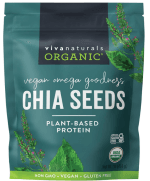
Viva Naturals Organic Chia Seeds are rich in fiber, omega-3s, and plant-based nutrients that may help support more stable energy levels and improved fullness after meals. Many people add chia seeds to oatmeal, yogurt, and smoothies for longer-lasting energy support.
✔ Rich in fiber and omega-3s
✔ Helps support fullness and satiety
✔ Easy to add to smoothies or oats
✔ Supports steadier daily energy
👉 Want a simple way to improve breakfast nutrition?
2. Protein & Energy Support
Protein-focused products help support steadier blood sugar levels, reduce cravings, and provide longer-lasting energy compared to highly processed sugary snacks.
⭐ Editor’s Pick
Optimum Nutrition Gold Standard Whey Protein
Best For: High-Protein Meals & Reducing Sugar Cravings
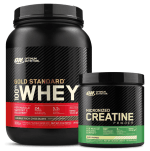
Optimum Nutrition Gold Standard Whey is a widely used protein powder commonly added to smoothies, oats, or breakfast recipes. Higher-protein meals may help reduce rapid sugar crashes and support more stable energy throughout the day.
✔ Supports balanced energy levels
✔ Helps reduce snack cravings
✔ Convenient for busy mornings
✔ Mixes easily into smoothies and oats
👉 Looking for a faster high-protein breakfast option?
3. Healthy Meal Prep Essentials
Meal prep products help make healthy eating easier during workdays and busy schedules, reducing reliance on sugary snacks or fast food that may contribute to energy crashes.
⭐ Editor’s Pick
Thermos Stainless King Food Jar
Best For: Meal Prep & Healthy Lunches On-the-Go
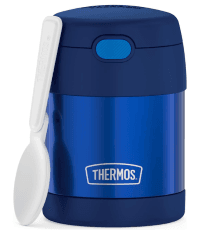
Thermos Stainless King Food Jar is a durable insulated container designed to help keep balanced meals warm or cold for hours. Many people use meal-prep containers to bring healthier lunches and avoid energy crashes caused by processed convenience foods.
✔ Supports healthier lunch habits
✔ Keeps meals warm or cold for hours
✔ Great for work or travel
✔ Helps reduce processed snack reliance
👉 Want healthier meals ready throughout the day?
FAQ
What is the best diet for energy?
The best diet for energy typically includes protein-rich foods, fruits, vegetables, healthy fats, legumes, and whole grains. Combining these foods may help support stable blood sugar and reduce energy crashes.
What snack avoids sugar crashes?
Popular options include apples with nut butter, Greek yogurt, nuts with berries, or hummus with vegetables. These usually offer more staying power than candy or pastries.
Are carbs bad for energy?
No. Carbohydrates are useful fuel. The key is choosing higher-fiber options and pairing them with protein or healthy fats.
Why do I crash after lunch?
Common causes include carb-heavy lunches, dehydration, poor sleep, overeating, or not including enough protein.
How fast can diet changes improve energy?
Some people notice steadier energy within a few days, while stronger improvements often build over several weeks.
Which foods provide the most energy naturally?
Many healthy foods for energy, including eggs, oats, berries, beans, lentils, nuts, seeds, salmon, and whole grains, can help support steady energy throughout the day.
When to Seek Help
Talk with a healthcare professional if fatigue is persistent despite better habits, or if you have unexplained weight change, severe exhaustion, dizziness, or other concerning symptoms.
Want free practical tips for better energy, sleep, gut health, and healthy aging?
Join the Purely Vital Living newsletter and get science-backed wellness tips delivered to your inbox.
Final Summary
The best diet for energy is usually built around simple whole foods combined intelligently.
Top choices include:
- Eggs
- Greek yogurt
- Oats
- Berries
- Nuts and seeds
- Beans and lentils
- Salmon
- Whole grains
- Apples with nut butter
- Balanced lunch bowls
Instead of chasing quick sugar boosts, focus on a dietary pattern that includes healthy foods for energy, balanced meals, and consistent nutrition throughout the day.
That approach often leads to steadier focus, fewer cravings, and more reliable energy throughout the day. Nutrient deficiencies can also contribute to fatigue, so see our guide to the best vitamins for energy after 40 when appropriate.