

Building muscle after 50 is absolutely possible, but the most effective approach is usually less about chasing extreme workouts and more about training consistently, eating well, recovering properly, and progressing at a pace your body can handle. Maintaining muscle as you age can support strength, mobility, balance, physical function, and independence.
Table of Contents
- Can You Really Build Muscle After 50?
- Why Building Muscle Matters More After 50
- How to Build Muscle After 50
- Best Strength-Training Exercises After 50
- How Often Should You Lift Weights After 50?
- Sample Weekly Workout Plan
- How Much Protein Do You Need?
- Supplements for Building Muscle After 50
- Building Muscle After 60
- Sleep and Recovery
- Common Muscle-Building Mistakes
- Frequently Asked Questions
Quick Answer: Can You Really Build Muscle After 50?
Yes. Adults can continue to build muscle after 50 through progressive resistance training, adequate protein and overall nutrition, sufficient recovery, and consistency. Age can affect how quickly you recover and adapt, but it does not create a fixed cutoff where gaining strength or muscle becomes impossible.
Why Building Muscle Matters More After 50
Muscle matters for much more than appearance. As we get older, maintaining muscle and strength can make everyday activities easier and help support mobility, balance, bone health, metabolic health, and long-term independence.

Age-Related Muscle Loss
Muscle mass and strength tend to decline with age, particularly when activity levels fall. Severe age-related loss of muscle mass and function is associated with sarcopenia. Regular resistance exercise is one of the most important tools available for preserving physical capacity as we age.
Muscle Is About More Than Appearance
- Everyday strength and physical function
- Mobility and balance
- Bone and joint support
- Metabolic health
- Maintaining independence
- Healthy aging
Why Is Building Muscle Harder After 50?
Building muscle can become more challenging with age because of changes in muscle physiology, recovery, activity levels, hormones, nutrition, and accumulated injuries or joint limitations. Older muscle may also respond differently to dietary protein and training stimuli, making consistency and good programming increasingly important.
At What Age Is It Most Difficult to Build Muscle?
There is no single age when muscle building suddenly becomes impossible. The challenge generally increases gradually as people age, and individual health, training history, nutrition, sleep, and activity level can matter as much as chronological age.
Can You Still Build Muscle at 60 or 70?
Yes. People in their 60s, 70s, and beyond can still improve strength and muscle function with appropriately designed resistance training. The program may require more attention to recovery, exercise selection, mobility, and gradual progression.
How to Build Muscle After 50
The basic formula is straightforward: resistance training + progressive overload + adequate nutrition + recovery + consistency. The details should be adapted to your experience, health, mobility, and goals.
1. Make Strength Training the Foundation
Resistance training gives your muscles a reason to adapt. You can train effectively with free weights, resistance machines, bands, bodyweight exercises, or a combination of these methods. The best approach is one you can perform safely, progressively, and consistently.
Is It Better to Lift Heavy or Light Weights After 50?
You do not need to lift maximal weights to build muscle. Both lighter and heavier resistance can be useful when the exercises provide an adequate challenge. Technique, training effort, joint tolerance, experience, and gradual progression should guide your choice of load.
2. Use Progressive Overload—Without Rushing It
Progressive overload means gradually increasing the challenge placed on your muscles. That does not always mean adding more weight. You can progress by performing additional repetitions or sets, improving range of motion and control, or moving to a more challenging exercise variation.
Best Strength-Training Exercises After 50
A practical program should train major movement patterns rather than relying on a long list of isolated exercises.
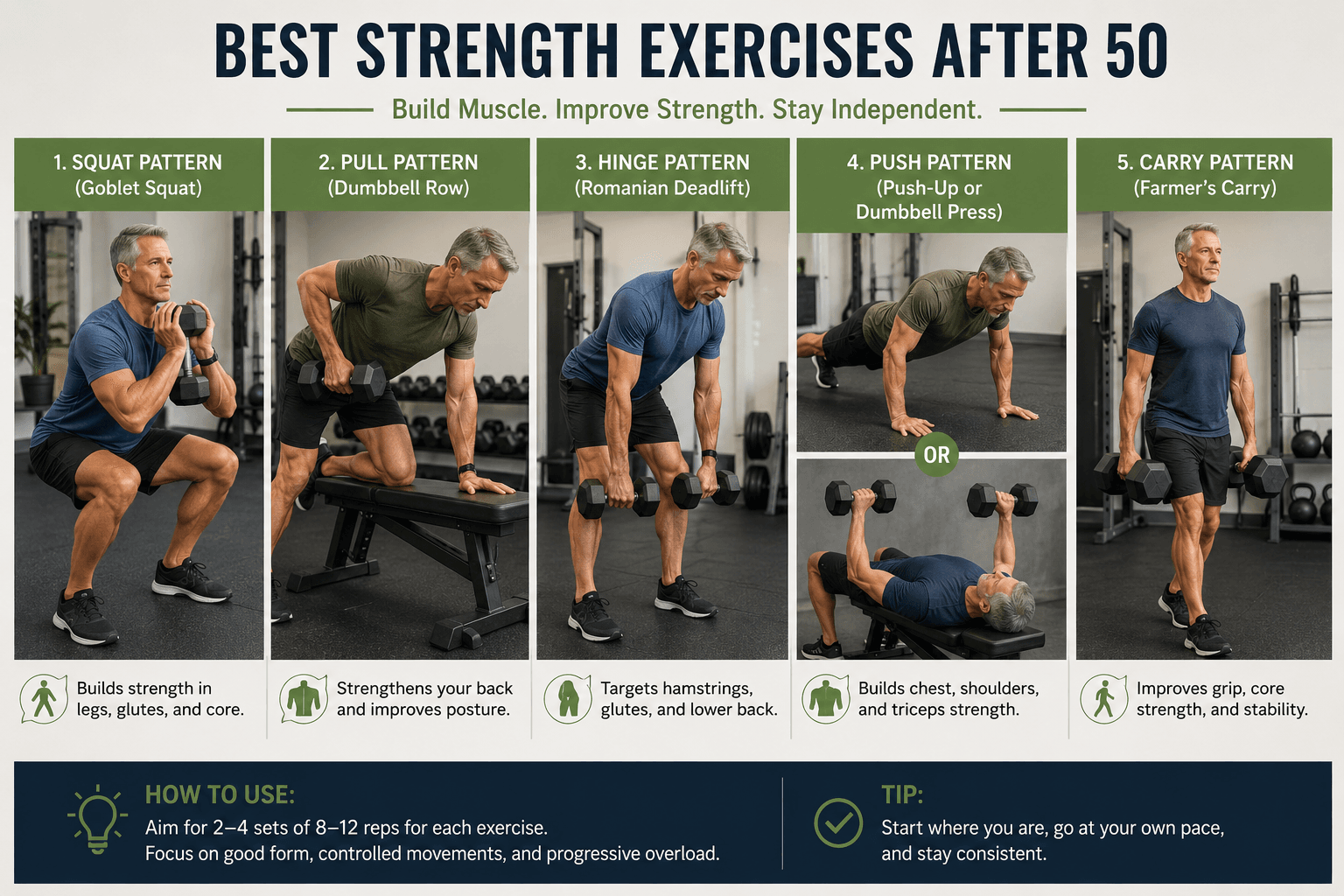
Squat and Knee-Dominant Movements
- Chair squat
- Goblet squat
- Leg press
Hip-Hinge Movements
- Hip hinge
- Romanian deadlift
- Glute bridge
Upper-Body Push
- Push-up or modified push-up
- Dumbbell press
- Machine chest press
Upper-Body Pull
- Rows
- Lat pulldowns
- Resistance-band rows
Carries, Core, and Stability
- Farmer’s carries
- Plank variations
- Bird dogs
- Dead bugs
Which Exercise Is Most “Anti-Aging”?
No single exercise can be considered an anti-aging exercise. A well-rounded routine combining resistance training with aerobic activity, mobility, and balance work is more useful than relying on one movement.
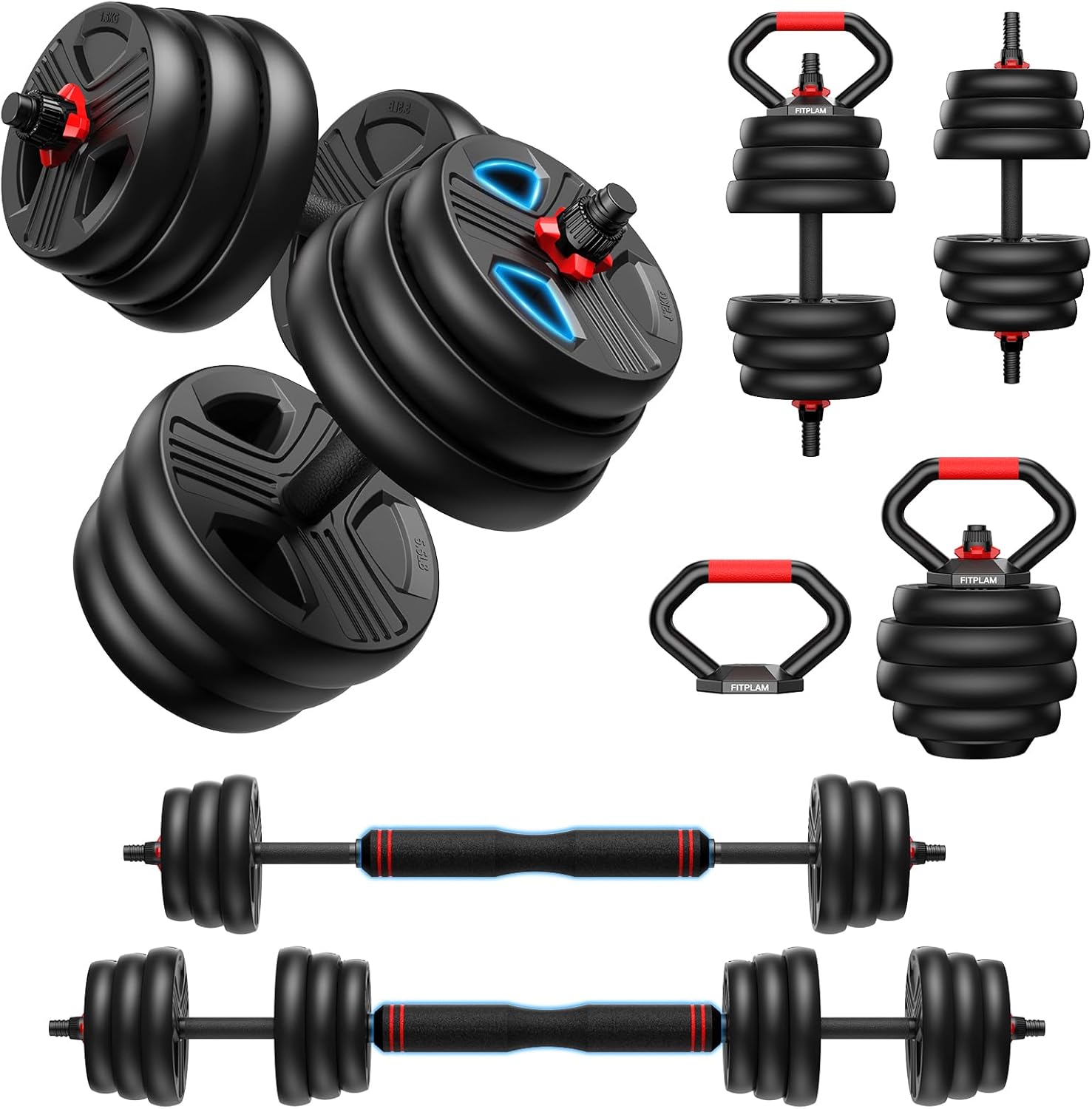
*Price shown at the time of review and may change. As an Amazon Associate, Purely Vital Living may earn from qualifying purchases.
How Often Should You Lift Weights After 50?
Many adults can make progress with strength training several times per week, provided the major muscle groups receive an appropriate training stimulus and enough recovery between challenging sessions. Beginners often benefit from starting conservatively and increasing training volume gradually.
How Heavy Should You Lift in Your 50s?
Choose resistance that makes the exercise challenging while allowing you to maintain good technique and control. There is no universal weight that is appropriate for everyone over 50.
Sample Weekly Workout Plan for Building Muscle After 50
| Day | Training |
|---|---|
| Monday | Full-body strength |
| Tuesday | Walking, light activity, or mobility |
| Wednesday | Full-body strength |
| Thursday | Recovery or light activity |
| Friday | Full-body strength |
| Saturday | Walking, mobility, or recreational activity |
| Sunday | Recovery |
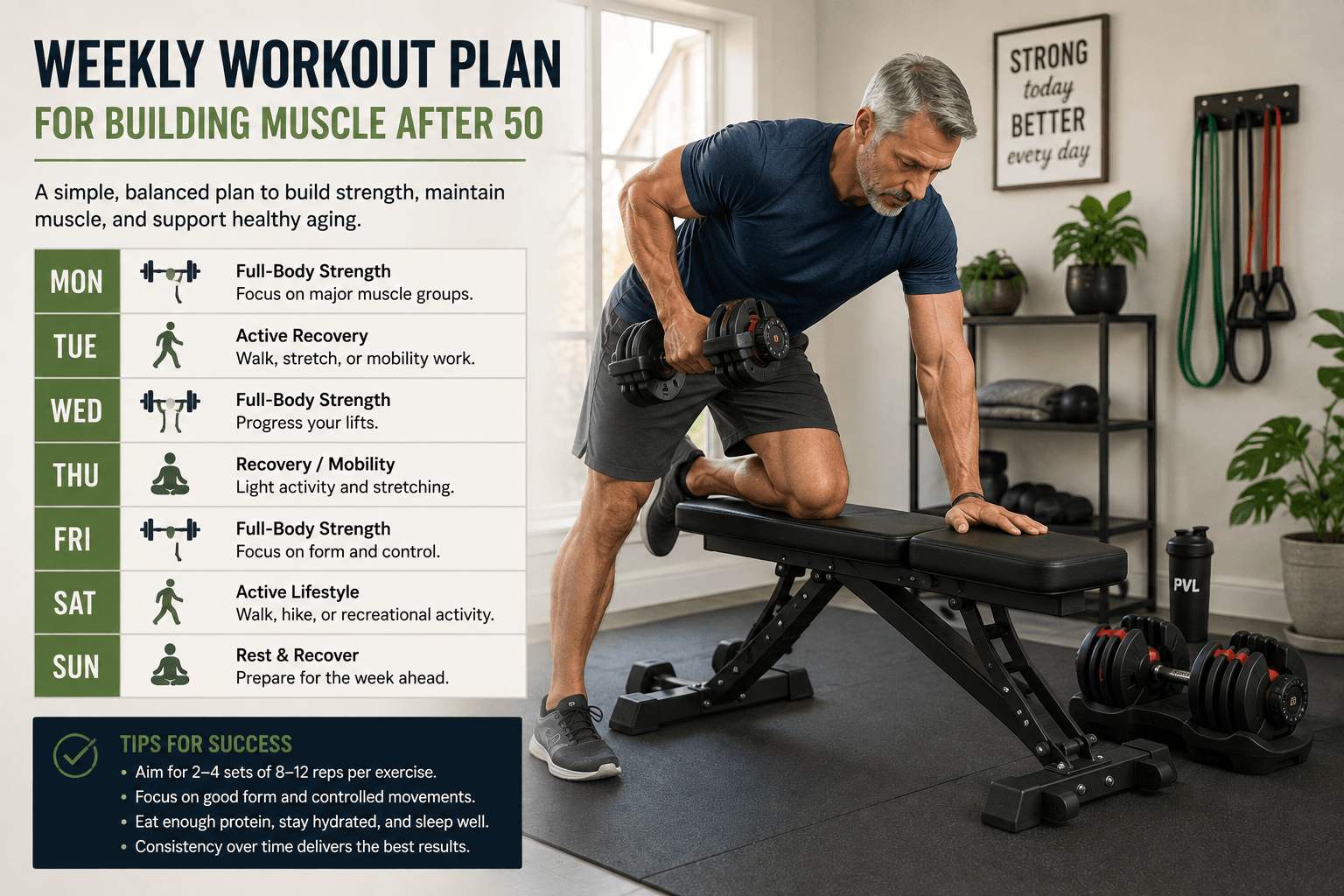
A simple full-body session might include one squat variation, one hip-hinge movement, one upper-body push, one upper-body pull, and one carry or core exercise. This is an example rather than an individualized prescription.
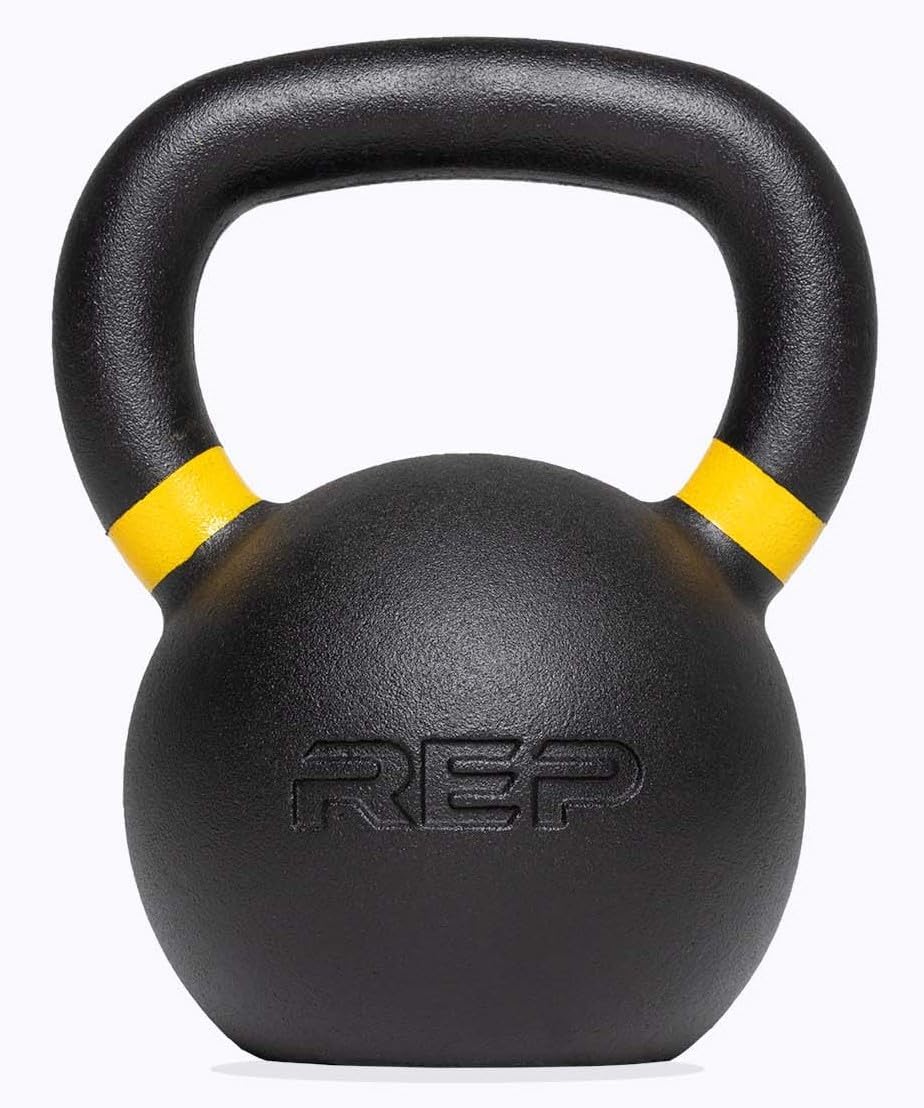
4.8/5 from 1,063 Amazon ratings · .99
A cast-iron kettlebell option spanning 4–24 kg (9–53 lb), suitable for goblet squats, hinges, carries, rows, and other full-body strength exercises.
As an Amazon Associate, Purely Vital Living may earn from qualifying purchases. Price shown was supplied at the time of writing and may change.
How Much Protein Do You Need to Build Muscle After 50?
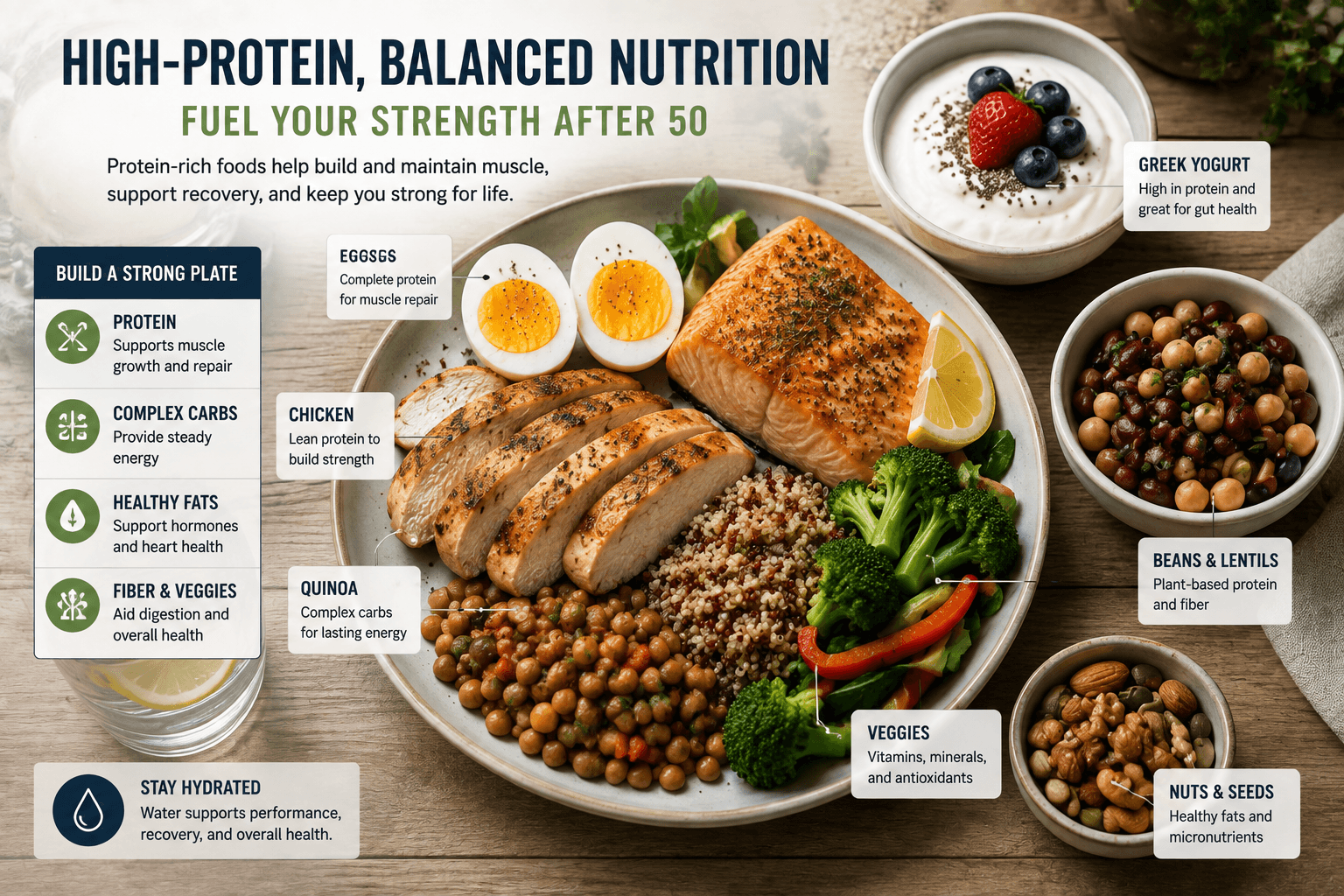
Protein supplies the amino acids needed to repair and build muscle tissue. Adults who strength train should pay attention to both total daily protein and how protein-rich foods are distributed across meals. Individual requirements vary with body size, activity, overall diet, health status, and goals.
How Much Protein Does a 60-Year-Old Need to Build Muscle?
There is no single protein target appropriate for every 60-year-old. Needs depend on body weight, training level, total calorie intake, health status, and other factors. People with kidney disease or other medical conditions should discuss major dietary changes with an appropriate healthcare professional.
Best Foods for Building Muscle After 50
Building muscle does not require a special “muscle diet.” A balanced eating pattern that supplies sufficient energy and protein is the foundation.
- Eggs
- Fish
- Poultry and lean meats
- Greek yogurt and cottage cheese
- Beans and lentils
- Soy foods such as tofu and tempeh
Don’t Forget Carbohydrates and Healthy Fats
Carbohydrates can help fuel training, while dietary fats contribute to overall nutrition. Muscle-building diets work best as complete eating patterns rather than simply adding more protein.
What Do Eggs Do for Your Muscles After 50?
Eggs provide high-quality protein and essential amino acids that contribute to muscle maintenance and repair. They can be one useful protein source within a varied diet, but they are not uniquely required for muscle growth.
Supplements for Building Muscle After 50
Supplements are secondary to resistance training, adequate food intake, and recovery. They can sometimes make a good diet more convenient, but they cannot compensate for inconsistent training or poor nutrition.
Protein Powder
Protein powder can be a convenient way to increase protein intake when whole foods do not meet your needs. Whey is widely used, while soy and other plant-based blends can also provide useful protein.
Creatine
Creatine is one of the most extensively studied sports supplements and may support strength and training adaptations when combined with resistance exercise. It is not a replacement for training. Anyone with medical concerns or who takes medications should discuss supplementation with a healthcare professional.
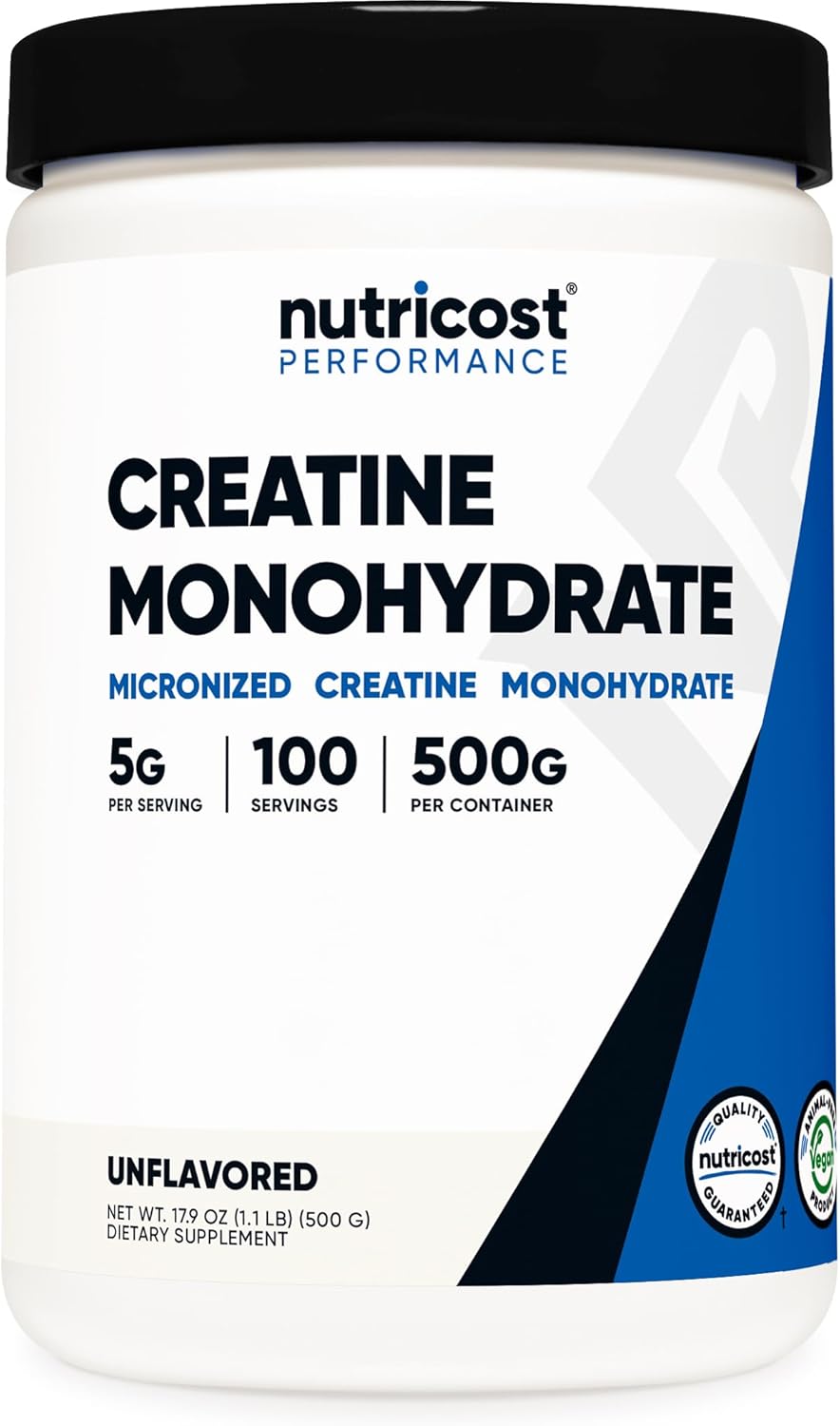
4.7/5 from 59,473 Amazon ratings · $21.50
500 g container with 100 servings, providing 5 g of creatine monohydrate per serving. A straightforward option for readers who choose to add creatine alongside resistance training.
Check Price on AmazonAs an Amazon Associate, Purely Vital Living may earn from qualifying purchases. Price shown was supplied at the time of writing and may change.
Vitamins and Minerals
Correcting a nutrient deficiency can be important for health, but taking extra vitamins or minerals does not automatically produce more muscle. Supplement decisions should be based on dietary needs and, when appropriate, professional guidance.
Building Muscle After 60: Is It Too Late?
No. Building muscle after 60 is still possible. Resistance training can improve strength and physical function well beyond midlife. The fundamentals remain the same, but exercise selection, recovery, mobility, balance, nutrition, and gradual progression may deserve even greater attention.
There is also no fixed age at which the body loses all ability to respond to resistance training. A person starting at 70 may need a different program from an experienced 50-year-old lifter, but older age alone is not a reason to avoid strength training.
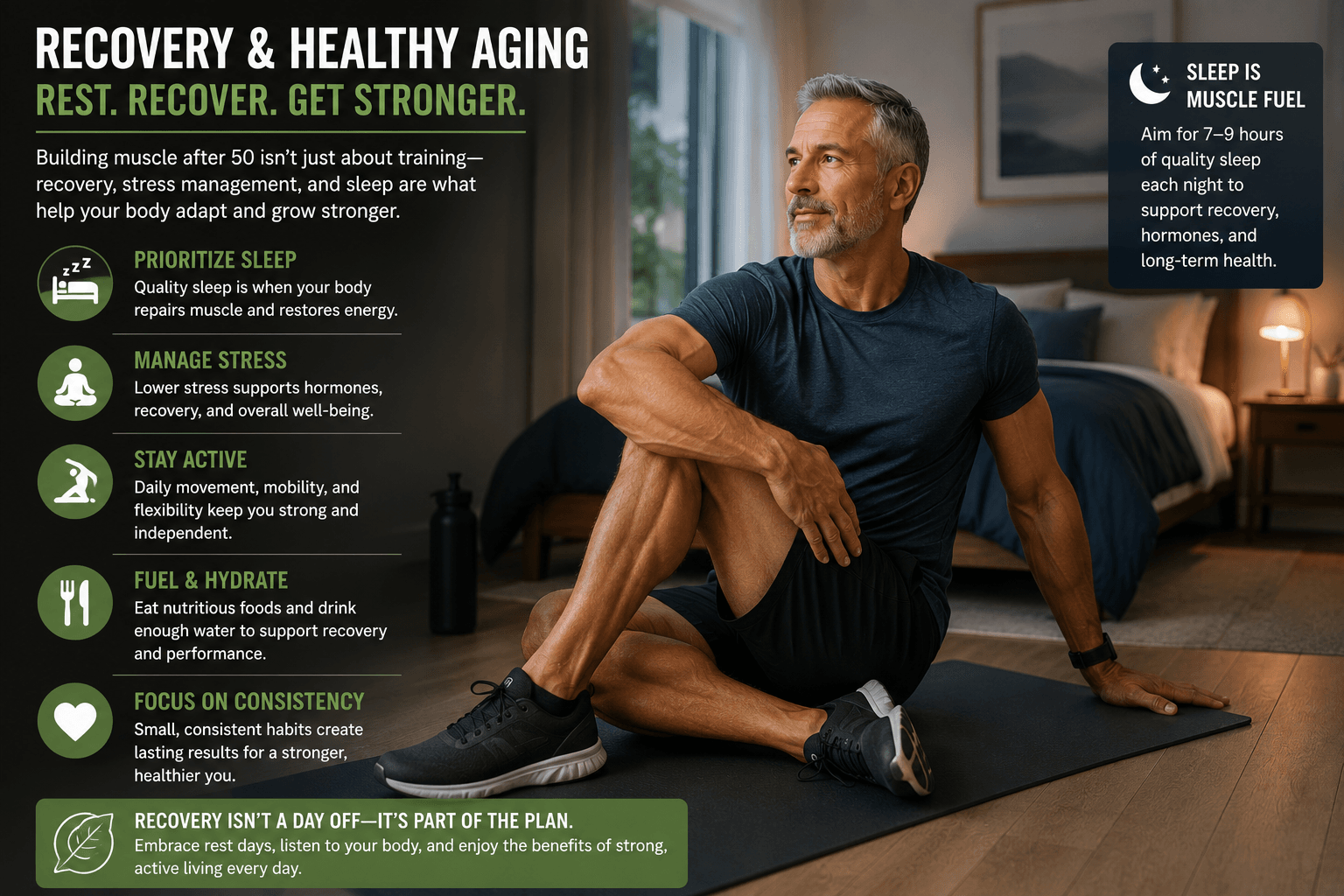
Sleep and Recovery: The Overlooked Part of Muscle Growth
Training provides the stimulus; adaptation takes place during recovery. Adequate sleep, rest days, nutrition, and sensible training volume help you return to your next workout ready to perform. Constantly increasing workload without allowing enough recovery can undermine consistency.
Common Muscle-Building Mistakes After 50
- Doing too much too soon
- Ignoring exercise technique
- Never increasing the training challenge
- Not eating enough protein or overall food
- Neglecting recovery and sleep
- Training through persistent pain
- Focusing only on isolation exercises
- Changing routines so frequently that progress becomes difficult to measure
How to Reduce Your Risk of Injury When Strength Training After 50
Start with exercises you can control, progress gradually, use an appropriate warm-up, and give yourself enough recovery. Exercise should be challenging, but persistent or sharp pain should not be treated as a normal requirement for progress. Exercise modifications can often preserve the training goal while reducing unnecessary discomfort.
What Happens to Your Body When You Start Lifting Weights After 50?
With consistent training, you may notice improvements in strength, exercise capacity, muscle function, and confidence with everyday tasks. Visible muscle growth usually takes longer than the first improvements in coordination and strength, so tracking performance can be more useful than judging progress only by appearance.
What About the 3-3-3 Rule at the Gym?
The phrase “3-3-3 rule” is used in different ways in fitness content and is not one universally accepted muscle-building standard. A progressive program built around your ability, recovery, and goals matters more than following a catchy numerical rule. The same caution applies to other viral formulas such as a “2-2-2 rule.”
When Should You Get Professional Guidance?
Professional guidance can be especially useful if you have significant health conditions, previous injuries, persistent joint or muscle pain, major mobility limitations, or you are returning to exercise after a long period of inactivity. Depending on your needs, that guidance might come from a physician, physical therapist, qualified fitness professional, or registered dietitian.
Building Muscle After 50: Your Simple Starting Plan
- Start resistance training consistently.
- Train the major movement patterns.
- Progress gradually.
- Eat enough protein and an overall balanced diet.
- Prioritize sleep and recovery.
- Track strength and performance—not just body weight.
- Stay consistent for months, not days.
Frequently Asked Questions
Can you really build muscle after 50?
Yes. Resistance training, sufficient nutrition and protein, progressive overload, and recovery can support muscle and strength gains after 50.
How long does it take to build muscle after 50?
The timeline varies. Strength improvements may appear before obvious changes in muscle size, while meaningful muscle growth generally requires consistent training over months rather than days or weeks.
How many times a week should a 50-year-old lift weights?
There is no single schedule for everyone. A few well-planned weekly sessions can be enough for many people, provided major muscle groups are trained and adequate recovery is allowed.
Is it better to lift heavy or light weights after 50?
Both approaches can have a place. Choose loads that challenge the muscles while allowing good technique, appropriate effort, and gradual progression.
Can you reshape your body at 50?
Changes in muscle mass, strength, fitness, and body composition are possible after 50, although results depend on training, nutrition, genetics, starting point, and consistency.
Can you build muscle after 60?
Yes. Adults over 60 can respond to resistance training and improve strength and physical function.
Can a 70-year-old still build muscle?
Older adults can still benefit from resistance training. Programs should reflect individual health, mobility, experience, recovery capacity, and medical considerations.
Do you need protein powder to build muscle after 50?
No. Protein powder is a convenience rather than a requirement. Whole foods can provide sufficient protein when the overall diet meets your needs.
Is creatine useful for people over 50?
Research supports creatine as a useful supplement for strength and resistance-training outcomes in many adults, including older populations. Individual health circumstances should still be considered before supplementation.
Can resistance bands build muscle after 50?
Yes. Resistance bands can provide enough resistance to challenge muscles, particularly when exercises are progressively made harder over time.
What kills muscle gains the most?
There is rarely one culprit. Inconsistent training, inadequate nutrition, insufficient recovery, poor progression, and long periods of inactivity can all interfere with progress.
Want practical tips for building strength, healthy aging, better sleep, and everyday energy?
Join the Purely Vital Living newsletter for science-backed wellness tips, practical fitness ideas, and realistic healthy-aging strategies delivered to your inbox.
Final Takeaway
Building muscle after 50 does not require extreme workouts or complicated routines. The foundation is consistent resistance training, gradual progression, adequate nutrition and protein, sufficient recovery, and patience. The goal is not simply larger muscles—it is staying strong, mobile, capable, and independent as you age.
Related Reads
- Balanced Lifestyle for Healthy Aging: Daily Habits That Support Longevity
- How to Age Gracefully After 50: Your Complete Guide
- How to Improve Sleep Quality Naturally: Complete Sleep Guide
- Best Home Fitness Gadgets for Healthy Living
References
- National Institute on Aging. Three Types of Exercise Can Improve Your Health and Physical Ability.
- National Institute on Aging. Health Benefits of Exercise and Physical Activity.
- Centers for Disease Control and Prevention. Older Adult Activity: An Overview.
- Cordeiro LS, et al. Influence of resistance training on muscle architecture in older adults: a systematic review and meta-analysis of randomized controlled trials. Archives of Gerontology and Geriatrics. 2023;112:105020. PubMed.
- Effects of resistance training volume on physical function, lean body mass and lower-body muscle hypertrophy and strength in older adults: a systematic review and network meta-analysis of 151 randomised trials. PubMed.
- Bauer J, et al. Evidence-based recommendations for optimal dietary protein intake in older people: a position paper from the PROT-AGE Study Group. Journal of the American Medical Directors Association. 2013;14(8):542–559. PubMed.
- Chilibeck PD, et al. Effect of creatine supplementation during resistance training on lean tissue mass and muscular strength in older adults: a meta-analysis. Open Access Journal of Sports Medicine. 2017. PubMed.
- Hayes EJ, et al. Recovery from resistance exercise in older adults: a systematic scoping review. Sports Medicine – Open. 2023;9:51. PubMed.
This article is for educational purposes only and is not a substitute for individualized medical, nutrition, or exercise advice. If you have a health condition, significant pain, or are returning to exercise after a long period of inactivity, consider speaking with an appropriate healthcare or fitness professional before starting a new training program.