Quick Answer
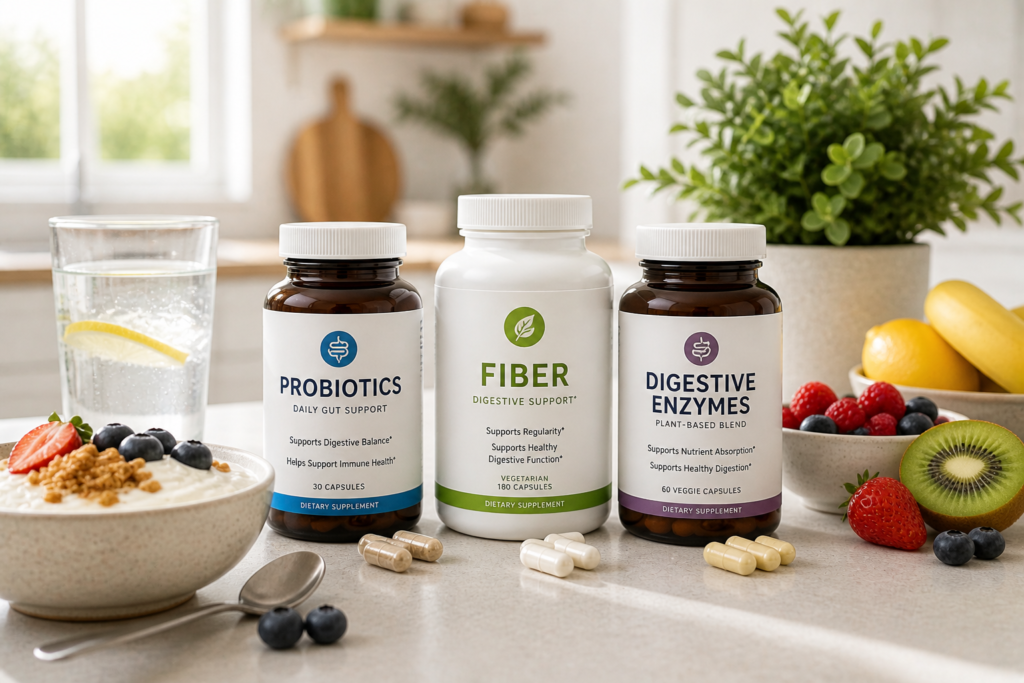
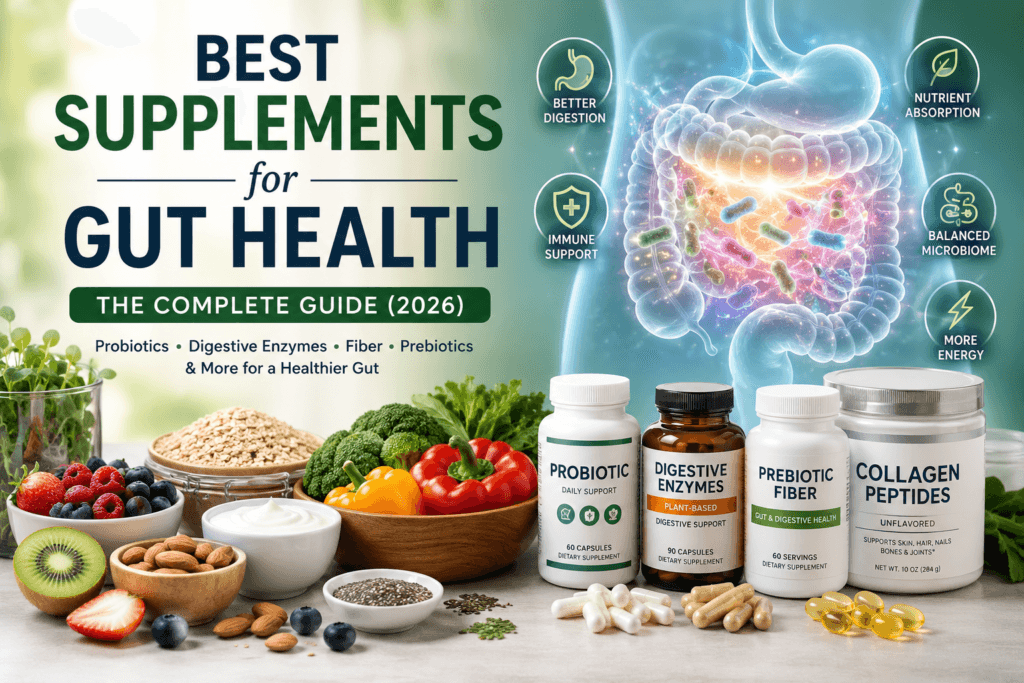
The best supplements for gut health may help support digestion, improve gut microbiome balance, reduce occasional bloating, and promote overall wellness. While no supplement can replace a healthy lifestyle, certain options such as probiotics, prebiotics, digestive enzymes, fiber supplements, L-glutamine, omega-3 fatty acids, and collagen peptides may help support a healthier digestive system.
The most effective approach is usually combining targeted gut health supplements with nutritious foods, adequate hydration, quality sleep, regular physical activity, and stress management. Results often develop gradually over several weeks rather than overnigh
Introduction
If you’ve ever experienced bloating after meals, irregular digestion, food sensitivities, low energy, or unexplained discomfort, your gut may be asking for more support.
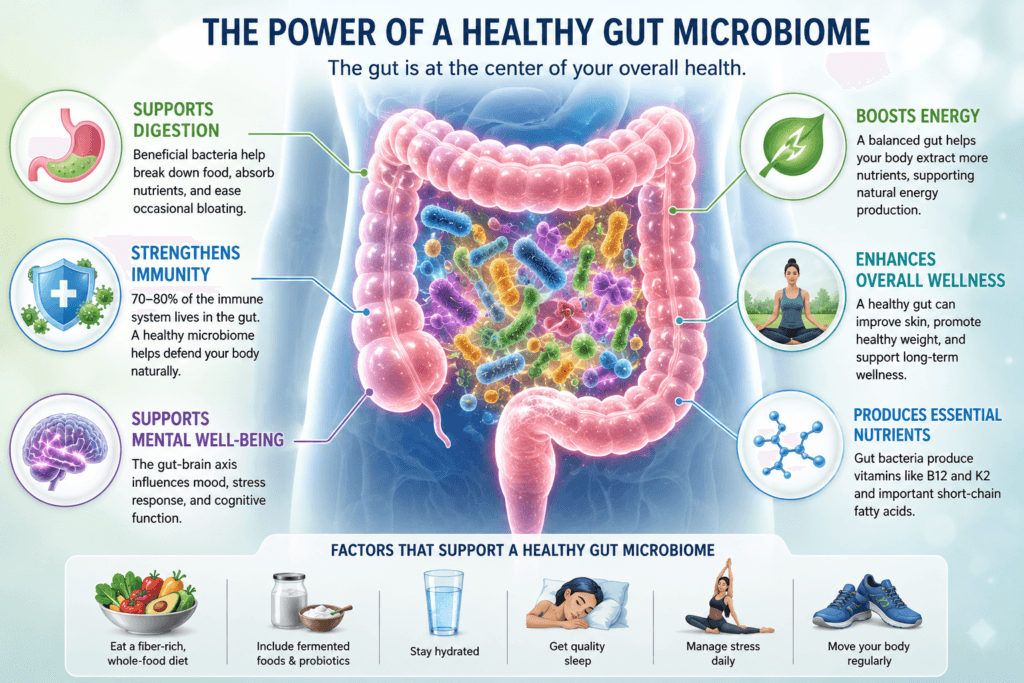
Over the past decade, researchers have discovered that gut health affects far more than digestion alone. The digestive tract contains trillions of microorganisms that make up the gut microbiome, a complex ecosystem that influences nutrient absorption, immune function, metabolism, mood, sleep quality, and overall well-being.
Modern lifestyles can place significant stress on the digestive system. Highly processed foods, chronic stress, lack of sleep, sedentary habits, excessive alcohol consumption, and frequent antibiotic use may all negatively impact gut balance over time.
This growing awareness has led many people to explore gut health supplements as part of their wellness routine. However, with hundreds of products available, it can be difficult to know which supplements are worth considering and which ones may not provide meaningful benefits.
This guide explores the best supplements for gut health, how they work, who may benefit from them, and how to build a realistic strategy that supports long-term digestive wellness.
What Are Gut Health Supplements?
Gut health supplements are products designed to support digestive function and help maintain a healthy balance of beneficial microorganisms in the gastrointestinal tract.
These supplements typically work in one or more of the following ways:
- Supporting healthy digestion
- Feeding beneficial gut bacteria
- Introducing beneficial bacteria
- Supporting the gut lining
- Improving nutrient absorption
- Promoting digestive comfort
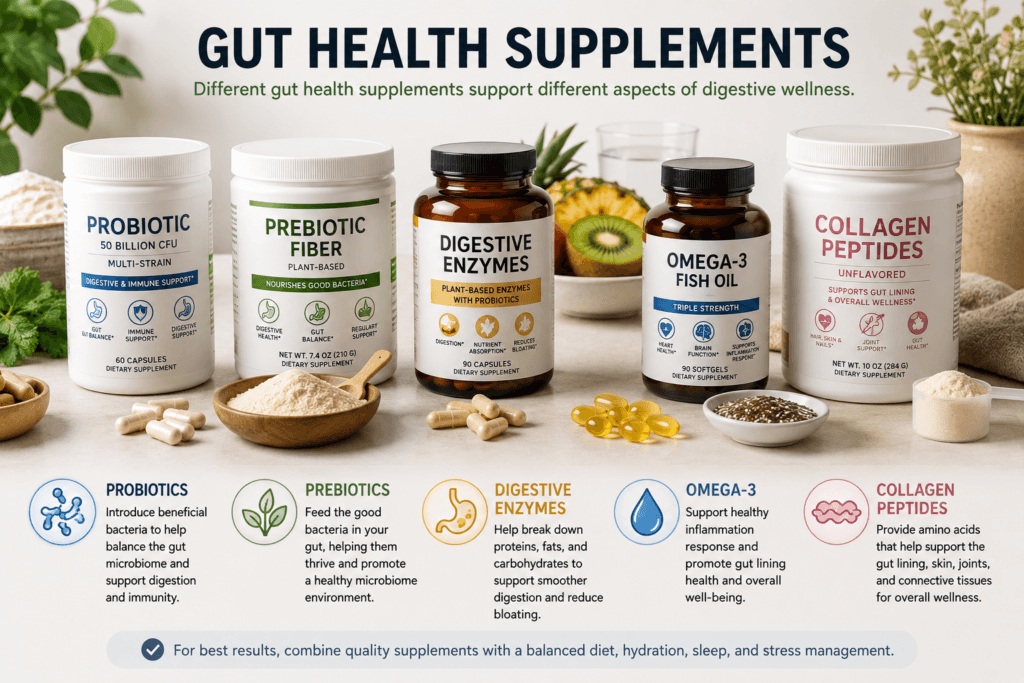
Different supplements target different aspects of digestive health.
For example, probiotics introduce beneficial microorganisms, while prebiotics provide fuel that helps those microorganisms thrive. Digestive enzymes help break down food, while fiber supplements can support regular bowel movements and microbiome diversity.
Because gut health involves many interconnected systems, there is rarely a single supplement that solves every digestive concern. Instead, the best approach often involves selecting supplements that match your specific needs and goals.
Why Gut Health Matters More Than Most People Realize
Many people associate gut health solely with digestion, but research continues to reveal connections between the gut and numerous areas of health.
The digestive system is responsible for breaking down food into nutrients that the body can absorb and use. When digestion functions efficiently, the body is better able to access vitamins, minerals, amino acids, and other nutrients necessary for daily health.
A healthy gut may also support:
Immune Function
A significant portion of the immune system resides within the digestive tract. The gut helps the body distinguish between helpful and harmful substances while supporting normal immune responses.
Energy Production
The body relies on proper digestion and nutrient absorption to produce energy. Poor digestive health may contribute to feelings of fatigue, sluggishness, or reduced vitality.
Mental Well-Being
The gut and brain communicate continuously through what researchers often call the gut-brain axis. This connection helps explain why digestive discomfort and stress frequently occur together.
Healthy Aging
Long-term digestive wellness may contribute to overall health and resilience as we age. A balanced gut microbiome is increasingly recognized as an important part of healthy aging strategies.
When gut health is compromised, the effects may extend well beyond occasional stomach discomfort.
Signs Your Gut May Need Additional Support
Digestive issues can develop gradually, making them easy to overlook.
Some common signs that may indicate your digestive system could benefit from additional support include:
Frequent Bloating
Occasional bloating is common, but frequent bloating may suggest that digestion is not functioning optimally or that the gut microbiome is imbalanced.
Digestive Discomfort
Gas, abdominal discomfort, or feelings of heaviness after meals may indicate that certain foods are not being digested efficiently.
Irregular Bowel Habits
Both constipation and diarrhea can signal digestive imbalance and may warrant closer attention.
Food Sensitivities
Some individuals notice increasing sensitivity to certain foods, particularly highly processed foods or foods rich in sugar.
Low Energy
Digestive health and energy production are closely connected through nutrient absorption and overall metabolic function.
Difficulty Maintaining Wellness
Frequent illness or challenges maintaining overall wellness may sometimes be linked to digestive health factors.
These signs do not automatically indicate a serious condition, but they may suggest that improving digestive habits and considering appropriate gut health supplements could be beneficial.
Best Supplements for Gut Health
Probiotics
Probiotics are among the most widely recognized gut health supplements.
They contain beneficial microorganisms that may help support a balanced gut microbiome. Different probiotic strains provide different benefits, which is why products often contain multiple strains.
Potential benefits may include:
- Supporting digestive balance
- Promoting regular bowel habits
- Supporting immune health
- Helping maintain microbiome diversity
One common mistake is assuming that all probiotics are identical. Different strains have different functions, and what works well for one person may not be ideal for another.
For example, someone seeking support after antibiotic use may have different needs than someone focused on maintaining general digestive wellness.
When selecting a probiotic, quality, strain diversity, and storage requirements are important considerations.
Prebiotics
Prebiotics serve as food for beneficial gut bacteria.
While probiotics introduce beneficial organisms, prebiotics help nourish the bacteria already present in the digestive tract.
Common prebiotic sources include:
- Inulin
- Chicory root fiber
- Resistant starches
- Certain plant fibers
Prebiotics help create an environment that encourages beneficial bacteria to grow and thrive.
Many people focus exclusively on probiotics while overlooking prebiotics. However, introducing beneficial bacteria without providing adequate nourishment may limit long-term results.
Individuals who experience bloating when starting prebiotics may benefit from increasing intake gradually while ensuring adequate hydration.
Combining probiotics and prebiotics often creates a more comprehensive approach to supporting the gut microbiome.
Digestive Enzymes
Digestive enzymes help break down food into smaller components that the body can absorb.
The body naturally produces digestive enzymes, but certain individuals may benefit from additional support.
Different enzymes assist with digesting different nutrients:
- Protease helps digest proteins
- Lipase helps digest fats
- Amylase helps digest carbohydrates
- Lactase helps digest lactose
Digestive enzymes are particularly popular among individuals who experience occasional discomfort after meals.
A common mistake is using digestive enzymes while continuing habits that contribute to digestive stress, such as overeating, eating too quickly, or consuming excessive processed foods.
Digestive enzymes work best when combined with mindful eating habits and a balanced diet.
Fiber Supplements
Fiber plays an important role in digestive health and microbiome diversity.
Unfortunately, many adults consume significantly less fiber than recommended.
Fiber supplements can help bridge the gap when dietary intake is insufficient.
Potential benefits may include:
- Supporting regular bowel movements
- Promoting digestive comfort
- Supporting beneficial bacteria
- Encouraging healthy digestion
Popular forms include:
- Psyllium husk
- Acacia fiber
- Partially hydrolyzed guar gum
- Methylcellulose
One of the biggest mistakes people make with fiber supplements is increasing intake too rapidly. Gradual increases combined with adequate water intake often produce the best results.
Fiber is most effective when viewed as part of a larger nutrition strategy rather than a quick fix.
L-Glutamine
L-glutamine is an amino acid that serves as a fuel source for cells within the digestive tract.
It has gained popularity among individuals interested in supporting gut lining integrity and digestive recovery.
Potential benefits may include:
- Supporting intestinal cells
- Supporting recovery after digestive stress
- Promoting overall digestive wellness
- Supporting nutrient absorption
L-glutamine is commonly used by athletes and individuals seeking comprehensive digestive support.
While it is not a replacement for a healthy diet, it may complement broader gut health strategies that focus on nutrition, sleep, hydration, and stress management.
Omega-3 Fatty Acids
Omega-3 fatty acids are most commonly associated with heart and brain health, but they may also play a valuable role in supporting gut health.
Omega-3s help support normal inflammatory responses throughout the body, including within the digestive system. Since chronic inflammation may negatively affect digestive wellness, maintaining adequate omega-3 intake can be an important part of a comprehensive gut health strategy.
Common sources include:
- Fish oil supplements
- Krill oil
- Algae-based omega-3 supplements
- Fatty fish such as salmon and sardines
Many people focus entirely on probiotics while neglecting overall dietary quality. However, a healthy gut environment depends on many factors, including nutrient intake and inflammation management.
For individuals who rarely consume fatty fish, omega-3 supplementation may help support overall wellness while complementing other gut health supplements.
Collagen Peptides
Collagen peptides have become increasingly popular in the wellness space and are often included in gut health routines.
Collagen contains amino acids that help support connective tissues throughout the body. Some individuals use collagen supplements as part of broader digestive wellness programs aimed at supporting gut lining integrity.
Potential benefits may include:
- Supporting digestive wellness
- Providing amino acids that support tissue repair
- Supporting healthy aging
- Complementing balanced nutrition
Collagen supplements are available in powders, capsules, and ready-to-drink products.
A common mistake is expecting collagen to work as a standalone solution. While it may provide supportive benefits, it works best when combined with healthy eating habits, stress management, adequate sleep, and regular physical activity.
For many people, collagen serves as an additional tool rather than the primary foundation of gut health improvement.
Common Mistakes People Make With Gut Health Supplements
Even high-quality supplements may produce disappointing results when used incorrectly.
One of the most common mistakes is expecting immediate results. The gut microbiome changes gradually, and meaningful improvements often require consistency over weeks rather than days.
Another mistake is taking multiple supplements simultaneously without understanding their purpose. Introducing several products at once can make it difficult to identify what is helping and what may be causing side effects.
Many people also overlook the importance of diet. No supplement can fully compensate for a diet dominated by highly processed foods, excessive sugar, and insufficient fiber.
Stress management is another frequently ignored factor. Chronic stress can affect digestion, appetite, and gut function regardless of the supplements being used.
Finally, people often discontinue supplements too quickly. Some gut health supplements require consistent use before benefits become noticeable.
The best results typically come from combining appropriate supplements with sustainable lifestyle habits.
How to Improve Gut Health Without Overwhelm
Improving gut health does not require an extreme diet or a cabinet full of supplements.
Instead, focus on a few foundational habits that support long-term digestive wellness.
Prioritize Whole Foods
Aim to include more vegetables, fruits, legumes, nuts, seeds, and minimally processed foods in your daily meals.
Increase Fiber Gradually
Fiber supports digestion and beneficial gut bacteria. Increasing intake slowly may help minimize digestive discomfort.
Stay Hydrated
Water supports digestion, nutrient transport, and regular bowel function.
Manage Stress
Simple practices such as walking, deep breathing, meditation, or journaling may help support both digestive and overall wellness.
Get Quality Sleep
Sleep and gut health are closely connected. Consistent sleep schedules may help support healthy digestion and microbiome balance.
Add Supplements Strategically
Choose supplements based on your individual needs rather than purchasing every trending product available.
Consistency is often more important than complexity.

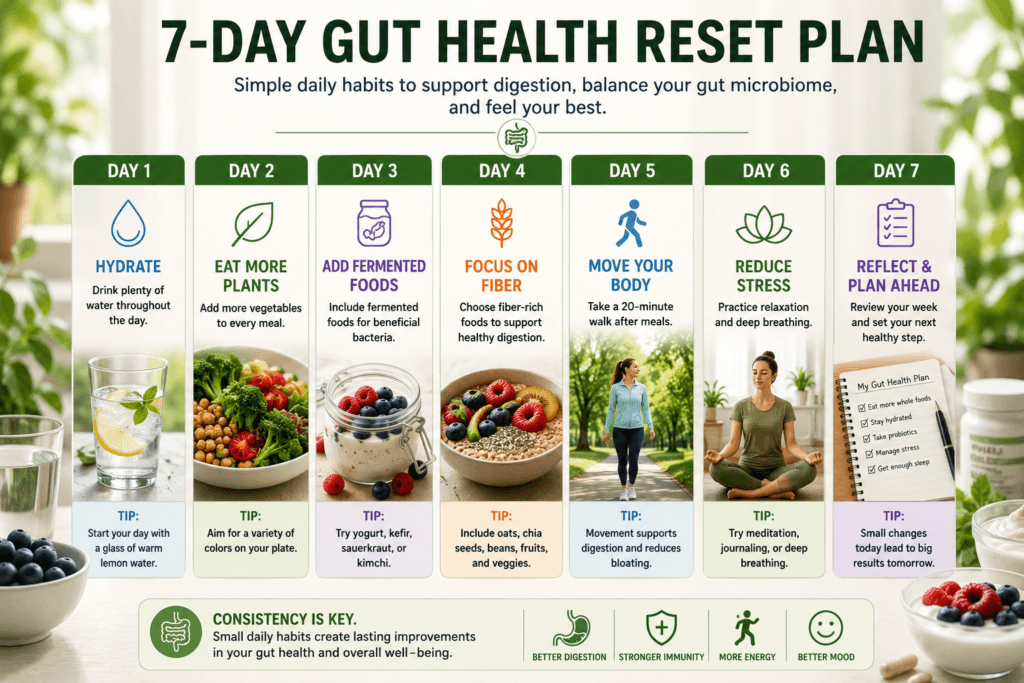
7-Day Gut Health Reset Plan
Day 1
Increase water intake and reduce sugary beverages.
Day 2
Add one serving of vegetables to every meal.
Day 3
Include a fermented food such as yogurt, kefir, or sauerkraut.
Day 4
Focus on consuming more fiber-rich foods.
Day 5
Take a 20-minute walk after meals.
Day 6
Prioritize stress reduction through breathing exercises or meditation.
Day 7
Evaluate your habits and identify one improvement you can maintain long-term.
The goal is not perfection. Small, consistent improvements often create more sustainable results than dramatic changes.
How Long Do Gut Health Supplements Take to Work?
The timeline varies depending on the supplement, individual health status, and consistency of use.
Some people notice improvements in digestion within a few days of using digestive enzymes or increasing fiber intake.
Probiotics and prebiotics often require several weeks before noticeable changes occur. This is because the gut microbiome needs time to adapt and respond.
Lifestyle factors also influence results. Individuals who simultaneously improve nutrition, sleep, hydration, and physical activity often experience better outcomes than those relying solely on supplements.
For many people:
- 1–2 weeks: Initial digestive improvements
- 3–4 weeks: Better consistency and digestive comfort
- 1–3 months: More meaningful long-term benefits
Patience and consistency are essential.
What to Expect After 30 Days
After a month of consistent gut-supportive habits, many people report noticeable improvements in overall wellness.
Potential benefits may include:
- More regular digestion
- Reduced bloating
- Improved digestive comfort
- Better hydration habits
- Increased fiber intake
- More consistent energy levels
- Greater awareness of food choices
Results vary from person to person, but the first 30 days often provide valuable insight into which habits and supplements are most beneficial.
Rather than viewing gut health as a short-term project, consider it an ongoing investment in overall wellness.
Best Products to Consider
Gut Health & Digestive Support
A natural digestive wellness formula designed to support gut balance, digestive comfort, and microbiome health. Gut Go focuses on promoting a healthier digestive environment through plant-based ingredients and gut-supportive nutrients.
⭐ Editor’s Pick
GutGo
Best For: Daily Gut Balance & Digestive Wellness Support
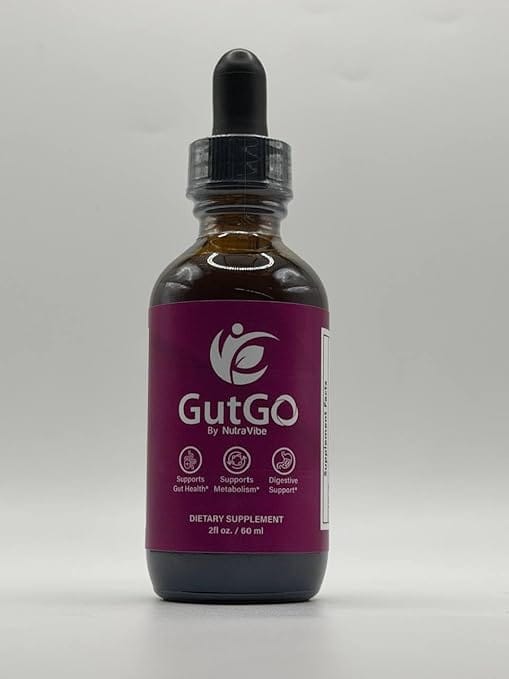
GutGo is a natural gut health formula designed to support digestive balance, microbiome wellness, and overall digestive comfort. Its blend of gut-supportive ingredients may help promote a healthier digestive environment and support long-term digestive health.
✔ Supports digestive balance
✔ Helps maintain microbiome wellness
✔ Promotes digestive comfort
✔ Daily gut health support
👉 Looking for comprehensive digestive wellness support?
Digestive Enzyme Support
A high-potency digestive enzyme formula designed to help break down proteins, fats, carbohydrates, and fiber. MassZymes may help support nutrient absorption and digestive comfort after meals.
⭐ Best Digestive Enzyme Support
BiOptimizers MassZymes
Best For: Digestive Comfort & Nutrient Absorption
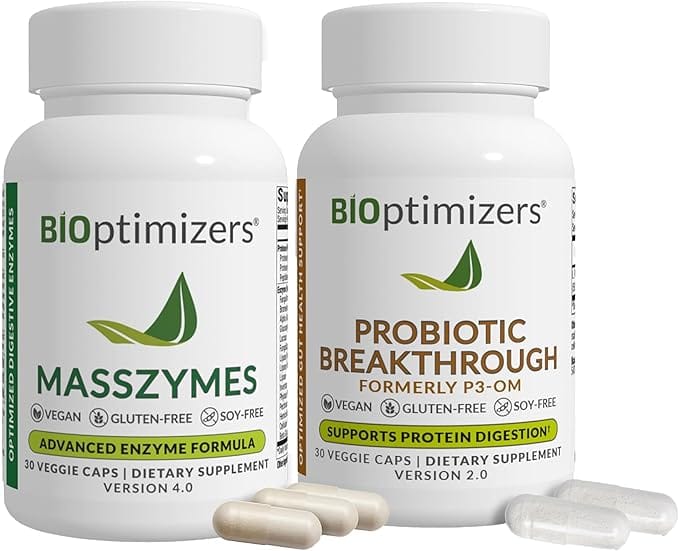
BiOptimizers MassZymes is a high-potency digestive enzyme supplement formulated to help break down proteins, fats, carbohydrates, and fiber. It may help support smoother digestion and better nutrient utilization after meals.
✔ High-potency digestive enzymes
✔ Supports nutrient absorption
✔ Helps break down difficult foods
✔ Supports digestive comfort after meals
👉 Looking for advanced digestive enzyme support?
Gut Lining & Microbiome Support
A comprehensive gut health formula containing probiotics, fermented ingredients, and gut-supportive nutrients designed to help maintain digestive balance and overall wellness..
⭐ Best Comprehensive Gut Formula
Ancient Nutrition Gut Restore
Best For: Gut Lining & Microbiome Support
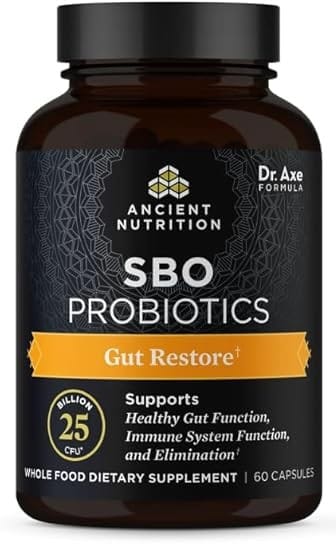
Ancient Nutrition Gut Restore combines probiotics, fermented ingredients, and digestive wellness nutrients to help support microbiome balance, digestive comfort, and overall gut health.
✔ Multi-action gut support formula
✔ Includes probiotic support
✔ Supports digestive wellness
✔ Helps maintain gut balance
👉 Looking for complete gut health support?
FAQ
What are the best supplements for gut health?
The best supplements for gut health often include probiotics, prebiotics, digestive enzymes, fiber supplements, L-glutamine, omega-3 fatty acids, and collagen peptides. The ideal choice depends on individual needs and digestive goals.
Are probiotics necessary for everyone?
Not necessarily. While probiotics may benefit many individuals, some people may achieve excellent digestive health through diet, lifestyle improvements, and other supportive supplements.
Can gut health supplements reduce bloating?
Some gut health supplements may help support digestion and reduce occasional bloating. However, identifying dietary triggers and improving eating habits is equally important.
How often should I take gut health supplements?
Most supplements are designed for daily use, but instructions vary by product. Always follow label directions and consult a healthcare professional when necessary.
Can supplements replace a healthy diet?
No. Supplements are intended to complement healthy habits, not replace them. Whole foods remain the foundation of long-term digestive wellness.
When to Seek Professional Help
While occasional digestive discomfort is common, persistent symptoms should not be ignored.
Consider consulting a healthcare professional if you experience:
- Severe abdominal pain
- Unexplained weight loss
- Persistent diarrhea
- Blood in the stool
- Significant changes in bowel habits
- Ongoing digestive symptoms that interfere with daily life
Professional evaluation can help identify underlying causes and determine appropriate treatment options.
Want free practical tips for better sleep, energy, gut health, and healthy aging?
Join the Purely Vital Living newsletter and get science-backed wellness tips delivered to your inbox.
Final Summary
The best supplements for gut health can be valuable tools for supporting digestion, microbiome balance, and overall wellness. Options such as probiotics, prebiotics, digestive enzymes, fiber supplements, L-glutamine, omega-3 fatty acids, and collagen peptides each serve different purposes and may benefit different individuals.
However, supplements work best when combined with healthy lifestyle habits. Nutritious foods, adequate hydration, regular exercise, quality sleep, and stress management remain the foundation of digestive health.
Rather than searching for a single miracle solution, focus on building a sustainable routine that supports your gut every day. Over time, those small improvements may contribute to better digestion, more consistent energy, improved wellness, and a healthier relationship with food and nutrition.
Related Reads
- How to Heal Your Gut Microbiome Naturally
- 5 Bad Habits for Gut Health You Should Stop Today
- Best Supplements for Gut Health and Digestion
- How to Get More Energy Naturally
- How to Live Longer Naturally