
Quick Verdict
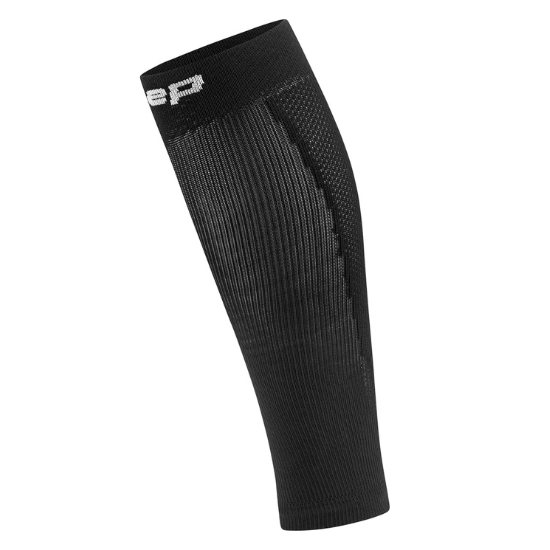
CEP Core Run Calf Sleeves 5.0 may appeal to runners and walkers who prefer a snug, supportive feeling around the lower legs. Athletic compression can affect comfort and perceived soreness, but evidence for meaningful performance or recovery gains is mixed and should not be transferred automatically to this exact product. Confirm the current model’s compression rating, sizing, fabric composition, and care instructions before buying.
PVL Rating: 4.0/5 (provisional)
- Potential fit and activity convenience: 4.3/5
- Running and walking comfort potential: 4.2/5
- Evidence for consistent athletic recovery benefits: 3.0/5
- Exact model compression and fabric verification: 2.2/5
- Value pending fit and current price: 4.0/5
What Are CEP Core Run Calf Sleeves 5.0?
These are lower-leg compression sleeves marketed for running, walking, and active use. Unlike full compression socks, calf sleeves generally cover the calf without enclosing the foot. The original description advertises graduated compression and breathable, moisture-managing fabric, but PVL has not independently confirmed the current variant’s compression gradient, measured pressure, fiber composition, or construction.
What Does Graduated Compression Mean?
Graduated compression refers to a pressure profile designed to vary along the garment. The actual pressure depends on the product’s design, size, and fit. Do not assume the same pressure profile as prescription medical stockings or that a retail athletic sleeve treats a circulation disorder. Verify manufacturer pressure specifications if they matter to your decision.
Can Calf Sleeves Improve Running Performance?
Research on athletic compression garments shows inconsistent effects on speed, endurance, and exercise performance. Some users like the supportive sensation, but a noticeable performance improvement is not guaranteed. Training, footwear, pacing, sleep, and recovery remain more important than a calf sleeve for most runners.
Do They Help Muscle Recovery?
Compression garments may modestly affect perceived soreness or comfort after exercise in some circumstances, but study results vary. There is no product-specific evidence reviewed here showing that CEP Core Run Calf Sleeves 5.0 accelerate tissue repair or consistently reduce recovery time. They should complement, not replace, adequate rest and sensible training loads.
Can They Reduce Shin Splint Pain?
Calf compression should not be promoted as a treatment for medial tibial stress syndrome, stress fractures, or unexplained shin pain. Some people find the sensation comfortable, but persistent or worsening pain warrants assessment. Do not continue running through sharp or focal bone pain simply because a sleeve feels supportive.
How Should Calf Sleeves Fit?
Fit should follow CEP’s current calf-measurement chart for the exact product. Sleeves should feel snug but not cause pain, numbness, tingling, skin discoloration, or marked indentation. A size that is too small may create excessive pressure; a loose sleeve may slip. Recheck fit if swelling or body measurements change.
Are They Comfortable in Warm Weather?
The original listing describes breathable, quick-drying fabric, but material composition and independent heat-comfort testing are unverified. Compression may feel warmer than bare skin, particularly during humid runs. Consider climate, personal sensitivity, and laundering needs, and stop if you develop irritation or heat-related discomfort.
Can You Wear Them for Walking or Standing?
Some adults may find athletic sleeves comfortable during walks or extended standing, but they are not automatically appropriate for swelling, venous disease, or other medical conditions. A calf-only sleeve is not equivalent to a prescribed compression stocking. Seek clinical guidance when compression is being considered for a diagnosed circulation issue.
Are Calf Sleeves Suitable for Travel?
Do not assume athletic calf sleeves prevent travel-related blood clots. Travel thrombosis prevention advice depends on individual risk, movement, and, when indicated, correctly fitted medical-grade compression stockings. If you have clotting risk factors or a history of deep vein thrombosis, ask a clinician about appropriate prevention rather than substituting sports sleeves.
Who Should Ask a Clinician Before Use?
People with peripheral arterial disease, significant circulation problems, neuropathy, unexplained leg swelling, skin breakdown, or suspected blood clots should seek medical advice before compression. Sudden one-sided calf swelling, pain, redness, or warmth can be a warning sign of deep vein thrombosis and needs prompt evaluation.
When Should You Remove Them?
Remove sleeves if they cause numbness, tingling, increasing pain, unusual coldness, discoloration, or skin irritation. Do not fold or roll the top edge into a tight band. Follow the manufacturer’s instructions for wearing duration, and do not assume overnight use is appropriate.
How Do You Care for Compression Sleeves?
Follow CEP’s current washing and drying instructions to preserve elasticity. Inspect for stretched sections, fraying, or damaged seams, and replace sleeves when fit changes noticeably. Avoid unapproved heat exposure that could affect the fibers. Exact care requirements and product lifespan should be confirmed on the package.
How Do They Compare With Compression Socks?
Calf sleeves leave the foot uncovered and may be convenient with preferred socks, while full compression socks cover the foot and lower leg. The designs do not necessarily provide equivalent pressure distribution. Choose based on fit, activity, and intended purpose, and use medically specified products when compression is prescribed.
Pros and Cons
Pros
- Calf-only design may suit runners who prefer separate socks
- Snug support can feel comfortable during selected activities
- Reusable and relatively compact
- Potential option for users who enjoy athletic compression
Cons
- Performance and recovery benefits are not guaranteed
- Incorrect fit can cause discomfort or excessive pressure
- Not a substitute for medical compression or clot prevention
- Exact pressure ratings, materials, and durability remain unverified
Frequently Asked Questions
Do CEP Core Run Calf Sleeves improve running performance?
They may feel supportive, but faster running or better endurance is not guaranteed. Research on athletic compression garments reports mixed performance findings, and results cannot be assumed for this exact model. Choose sleeves primarily for fit and comfort. Consistent training, pacing, and recovery remain more reliable foundations for running progress.
Can CEP calf sleeves reduce post-run soreness?
Some people report improved comfort or less perceived soreness with compression, but results vary. Evidence does not establish that these specific sleeves speed muscle repair or consistently shorten recovery. Use them as an optional comfort accessory rather than a replacement for sleep, nutrition, rest, and gradual training progression.
How tight should CEP Core Run Calf Sleeves fit?
They should feel snug without causing pain, numbness, tingling, or skin discoloration. Measure your calves and follow the sizing chart for the exact model rather than choosing by usual sock size. Remove the sleeves if pressure feels excessive, and avoid folding the edge into a constricting band.
Can I wear athletic calf sleeves on long flights?
Do not rely on sports calf sleeves to prevent travel-related blood clots. They are not necessarily equivalent to medical graduated compression stockings. People at increased clotting risk should seek individualized travel advice. Movement and other prevention measures may be appropriate depending on personal risk and the journey.
Are CEP calf sleeves suitable for shin splints?
They may provide a supportive sensation, but they are not a proven treatment for shin splints or stress injuries. Persistent, worsening, or focal shin pain deserves evaluation and an appropriate activity plan. Do not use compression to mask pain while continuing the same training load that provokes symptoms.
Who should avoid compression calf sleeves?
People with certain circulation disorders, neuropathy, skin problems, or unexplained leg swelling should seek clinical advice first. Compression may be inappropriate without assessment. Remove sleeves if they cause numbness, increasing pain, or discoloration. Sudden one-sided calf swelling, warmth, or pain requires prompt medical evaluation.
Final Verdict
PVL Rating: 4.0/5 (provisional). CEP Core Run Calf Sleeves 5.0 may be worth considering for runners who enjoy snug lower-leg support. Buy based on fit, comfort, and verified product details rather than promises of better circulation, injury treatment, or faster recovery. They are athletic apparel, not a replacement for prescribed medical compression.
Reviews
There are no reviews yet.