
Quick Verdict
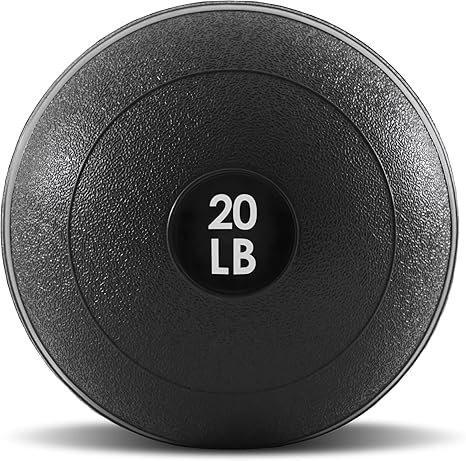
ProsourceFit Slam Medicine Balls are weighted training balls intended for controlled throws, floor slams, and selected strength-conditioning exercises. Their low-bounce design may suit home or gym users who want an alternative to dumbbells for dynamic workouts. However, exact weights, shell durability, and floor compatibility must be confirmed for the linked variant. PVL has not independently tested this product.
PVL Rating: 4.0/5 (provisional)
- Exercise versatility: 4.3/5
- Conditioning potential: 4.3/5
- Grip and handling potential: 4.0/5
- Verified durability and surface compatibility: 2.8/5
- Value pending current weight and price: 4.0/5
What Are ProsourceFit Slam Balls?
ProsourceFit Slam Balls are weighted balls designed for functional resistance and conditioning. The original PVL listing describes a textured outer shell and a dead-weight, low-bounce construction. It also lists weights from 5 to 50 pounds, but PVL has not independently confirmed the current linked selection, full range, materials, or warranty.
What Does No-Bounce Mean?
A slam ball is intended to absorb more impact and rebound less than many traditional bouncing medicine balls. That can make repeated floor slams easier to control, but it does not mean the ball is entirely motionless or safe to throw on every surface. Always allow space for unexpected movement and follow manufacturer guidance.
Are Slam Balls Good for Strength Training?
They can provide useful resistance for squats, carries, and controlled lifting movements when the weight is appropriate. Strength gains depend on effort, technique, and progression. A slam ball is not automatically superior to dumbbells or kettlebells, and its rounded shape may be less convenient for some exercises.
Are They Good for Cardio and HIIT?
Repeated slams can raise heart rate and contribute to conditioning when performed safely within a suitable workout. The intensity depends on ball weight, repetitions, rest, and fitness level. Explosive training is not necessary for everyone; beginners may benefit from learning controlled movements before adding speed.
Which Weight Should You Choose?
Choose a ball that allows you to maintain posture and control through every repetition. The original listing states a 5–50-pound range, but confirm available weights in the current offer. Lighter options may suit technique practice; heavier options require more strength and can increase the consequences of a dropped or misdirected ball.
How Do You Perform a Safe Floor Slam?
Stand on stable footing with ample clearance. Lift the ball using controlled mechanics, brace comfortably, and drive it toward a manufacturer-approved impact surface without overextending the back. Keep your face away from the rebound path. Beginners should learn technique before attempting rapid repetitions or heavy loads.
Can You Do Rotational Exercises?
Rotational drills can challenge coordination and trunk control, but fast twisting under load may not suit everyone. Start with slow, controlled movements and avoid forcing rotation through the lower back. Use only exercises approved for the product and your current ability. Stop if pain develops.
Can You Throw Them Against a Wall?
Do not assume a low-bounce slam ball is designed for wall throws. Some medicine balls and wall balls are made for repeated wall impact, while dead-weight slam balls may have different construction and handling. Confirm manufacturer approval before throwing against walls, and never use a fragile or occupied surface.
How Does the Textured Grip Help?
A textured exterior may provide tactile feedback, but secure handling depends on hand size, sweat, ball diameter, and surface condition. PVL has not independently tested slip resistance. Inspect the ball before each session, keep hands dry where practical, and avoid exercises that exceed your grip control.
Can They Damage Floors?
Yes, repeated impacts can damage flooring, especially with heavier balls or unsuitable surfaces. Use a manufacturer-approved impact area with appropriate protective flooring. Avoid delicate wood, tile, or elevated surfaces without confirmation. Consider noise and vibration for shared living spaces.
How Durable Are They?
Durability depends on shell construction, seams, impact frequency, surface, and storage. The original listing calls the ball durable, but PVL has not verified long-term wear or burst resistance. Inspect for cracks, leaks, loose seams, or changes in shape, and retire damaged equipment promptly.
Are Slam Balls Safe for Beginners?
They can be appropriate for some beginners at a manageable weight, but slams are technically demanding and involve overhead movement and impact. Start with basic holds, carries, and squats if suitable. Those with shoulder, back, balance, or joint concerns should adapt exercises and seek qualified guidance as needed.
Can They Help Build Core Strength?
Holding and moving a weighted ball can challenge trunk muscles, particularly during carries and controlled rotational patterns. However, no product-specific evidence shows ProsourceFit balls produce greater core strength than comparable resistance tools. Progressive exercise, technique, and sufficient recovery matter more than equipment branding.
What Is the Difference Between a Slam Ball and a Medicine Ball?
“Medicine ball” describes a broad category. Some balls bounce and are intended for partner passes or wall throws; slam balls are typically designed to absorb impact during floor slams. Construction and approved uses vary, so check the exact manufacturer’s instructions rather than assuming all weighted balls are interchangeable.
How Do They Compare With Kettlebells?
Kettlebells offer a handle and are often easier to grip for swings and carries. Slam balls allow different holding positions and floor-impact drills. Neither is universally better for strength or conditioning. Choose based on exercise goals, available space, grip comfort, and your ability to progress resistance safely.
How Should You Maintain a Slam Ball?
Wipe the shell according to ProsourceFit’s care guidance, avoid harsh chemicals or extreme heat unless approved, and store the ball where it cannot roll onto feet. Check the exterior before each session. Do not continue using a leaking, split, or deformed ball.
Pros and Cons
Pros
- Versatile for selected conditioning and resistance drills
- Low-bounce design may help manage floor-slam repetitions
- Textured shell may improve handling comfort
- Multiple weight choices may support different ability levels if available
Cons
- Repeated slams may damage unsuitable flooring
- Not interchangeable with wall balls or bouncing medicine balls
- Exact weight options and durability remain unverified
- Heavy or explosive movements require good technique and clearance
Frequently Asked Questions
Are ProsourceFit slam balls good for beginners?
They can suit beginners when the weight is manageable and movements are taught safely. Start with controlled carries, holds, or squats before attempting repeated overhead slams. Choose a stable surface, clear nearby objects, and learn proper technique. A low-bounce ball still requires attention to impact and grip.
What weight ProsourceFit slam ball should I buy?
Choose a weight you can lift, hold, and lower with consistent control. The existing listing mentions options from 5 to 50 pounds, but current availability needs confirmation. Beginners should prioritize technique rather than maximum load. If your form breaks down, use a lighter ball or a simpler exercise.
Can I throw a ProsourceFit slam ball against a wall?
Do not assume the slam ball is approved for repeated wall throws. Dead-weight balls are commonly intended for floor slams, while dedicated wall balls may use different construction. Check ProsourceFit’s instructions for the exact model. Throwing against an unsuitable wall can damage equipment or create an injury risk.
Do slam balls help build core strength?
They can challenge trunk muscles during appropriately selected resistance exercises. Carries, squats, and controlled movements require stabilization, but results depend on load, technique, and progression. There is no verified evidence that this specific ball builds core strength better than comparable weights. Avoid painful or uncontrolled twisting.
Will a ProsourceFit slam ball bounce back after a slam?
Its low-bounce design is intended to limit rebound, not guarantee zero movement. Rebound depends on ball construction, weight, surface, and impact angle. Keep your face and feet clear of the impact path and follow the manufacturer’s approved uses. Never rely on marketing language as a safety guarantee.
Can ProsourceFit slam balls damage home floors?
Yes, repeated weighted impacts can damage floors or create significant noise and vibration. Use a manufacturer-approved impact surface and appropriate protective flooring. Avoid delicate wood, tile, or elevated areas unless compatibility is confirmed. Inspect the ball and exercise space before every session, particularly with heavier weights.
Final Verdict
PVL Rating: 4.0/5 (provisional). ProsourceFit Slam Balls may be a practical option for home or gym conditioning, carries, and controlled floor slams. Their strongest value is exercise versatility, provided the weight and impact surface are suitable. Verify exact specifications and follow approved-use instructions before purchasing.
Reviews
There are no reviews yet.