
Quick Verdict
The Serious Steel Pull-Up Assistance Resistance Band is a potentially useful tool for reducing the difficulty of pull-ups and adding variable resistance to selected exercises. The existing PVL listing describes a 41-inch continuous-loop latex band with multiple resistance levels, but PVL has not independently verified the exact model, resistance ranges, composition, or tested durability. Bands stretch under load and can recoil forcefully if they slip or break, so careful setup is essential.
PVL Rating: 4.0/5 (provisional)
- Pull-up progression usefulness: 4.5/5
- Exercise versatility: 4.3/5
- Portability and storage: 4.6/5
- Ease of safe setup: 3.4/5
- Verified model-specific resistance and durability: 2.8/5
What Is the Serious Steel Pull-Up Assistance Band?
It is a large continuous-loop resistance band designed to stretch under tension. For assisted pull-ups, the band is secured to a suitable bar and supports part of the user’s weight. The amount of assistance varies through the movement and depends on the selected band, stretch distance, and setup.
How Do Assisted Pull-Up Bands Work?
A resistance band helps support some bodyweight when stretched, making parts of a pull-up easier. Assistance is not constant: the band generally provides more upward force when stretched farther and less as it shortens. This differs from a counterweight-assisted pull-up machine, which can provide a more consistent level of assistance.
Does the Band Make Pull-Ups Easier?
It can reduce the load you must lift, allowing controlled repetitions when an unassisted pull-up is not yet possible. The amount of help depends on band tension and how it is attached. Avoid using so much assistance that you cannot control the movement or progress toward harder variations.
How Do You Choose the Right Resistance Level?
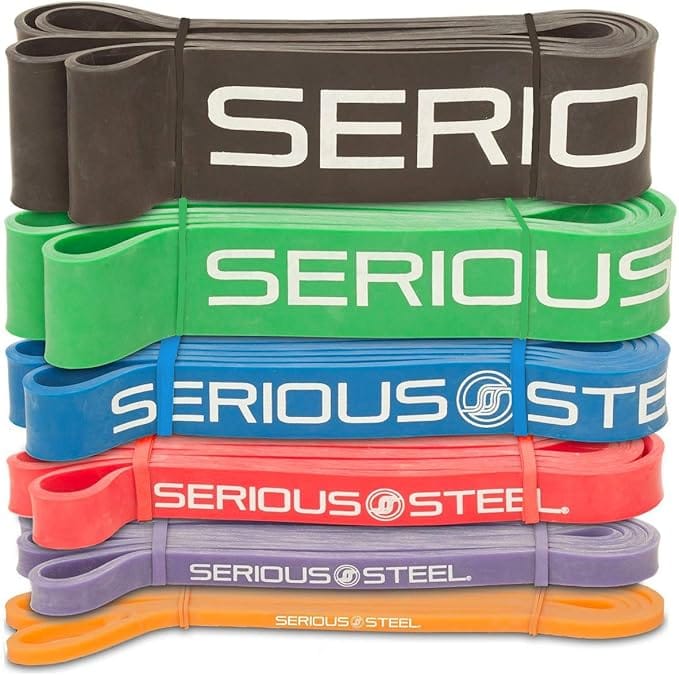
Choose enough assistance to complete smooth repetitions without swinging or struggling to reach the bar. Start with the manufacturer’s current resistance chart for the selected color and model, then adjust based on technique. Band colors and resistance labels are not standardized across all brands or product generations.
Are the Resistance Ratings Exact?
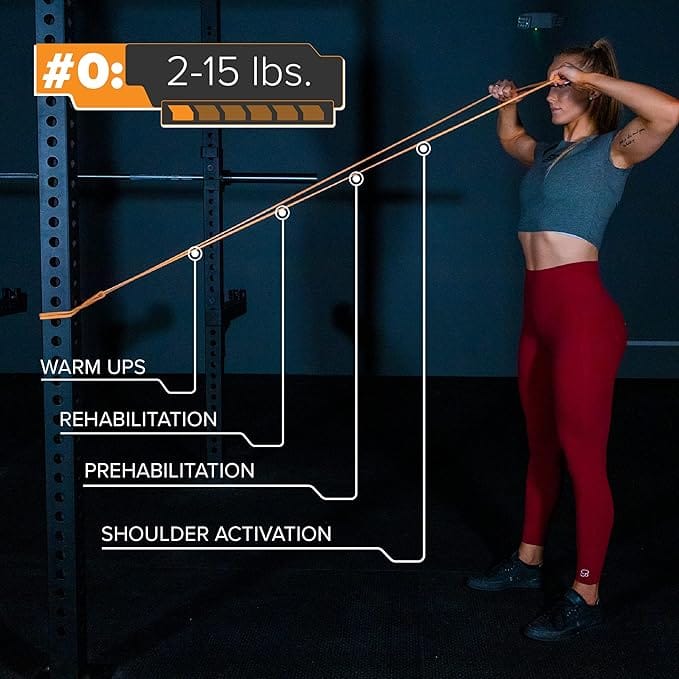
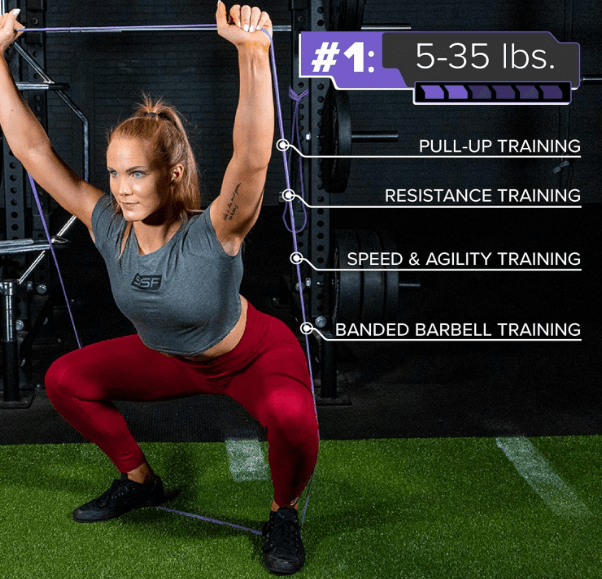
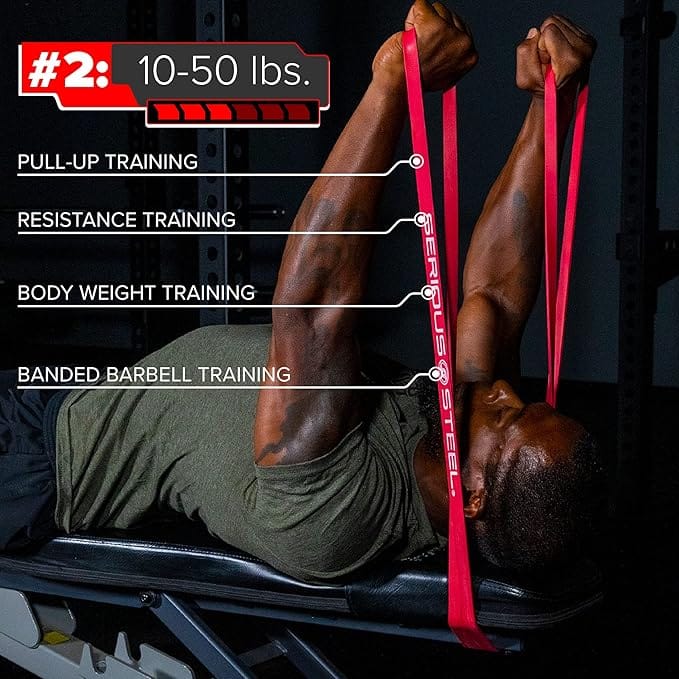
Band resistance varies with stretch length and can change as the material ages. A published resistance range is not a fixed amount of assistance at every point in a pull-up. The current listing does not verify the exact pound ranges for this product’s available variants.
How Do You Attach a Pull-Up Assistance Band?
Follow the band and pull-up bar manufacturers’ instructions. Use only a stable, suitably rated bar that permits band attachment, and keep the loop away from sharp edges. Confirm that the band cannot slip from the anchor. Never improvise attachment to furniture or an unsecured doorway bar.
Where Should Your Foot or Knee Go?
Some assisted pull-up setups place a foot or knee in the hanging loop, but the approved method depends on the equipment and user. Position yourself carefully and maintain control during entry and exit. The band can snap upward if the foot slips, so avoid releasing it while stretched.
Can the Band Snap Back?
Yes. A stretched resistance band stores energy and can recoil rapidly if it slips, breaks, or is released. Keep your face away from the band’s potential travel path, inspect it before each use, and avoid overstretching. Do not use a damaged band or one attached to an unstable support.
Can You Use It With a Doorway Pull-Up Bar?
Only if the doorway bar manufacturer explicitly approves band-assisted exercises and the full setup is secure. Bands may introduce additional movement or loading patterns that removable doorway bars are not designed to tolerate. A properly installed, suitably rated fixed bar may be preferable.
What Muscles Do Assisted Pull-Ups Train?
Assisted pull-ups involve the latissimus dorsi, other upper-back muscles, arms, shoulders, and trunk. The band reduces some of the bodyweight challenge, allowing practice of the movement pattern. Assistance does not replace the need for balanced strength training across major muscle groups.
Can Bands Help You Achieve Your First Pull-Up?
They can be one part of a progression that includes rows, controlled lowering exercises, and gradually less assistance. As strength improves, use a lighter band or perform more of the movement unassisted. Progress depends on consistent training, recovery, and technique rather than the band alone.
How Many Assisted Pull-Ups Should You Do?
Choose a repetition range that allows controlled movement without swinging, breath-holding, or grip failure. Begin with manageable sets and rest between them. Increase difficulty gradually. There is no single number that fits every beginner; quality matters more than completing the most repetitions possible.
Can You Use It for Chin-Ups?
Yes, when the band and bar manufacturers permit the setup. Chin-ups typically use an underhand grip and involve the back and arms. Select enough assistance to maintain smooth motion, and avoid awkward wrist positions. Keep the band secure during mounting and dismounting.
Can You Use It for Strength Training Beyond Pull-Ups?
Continuous-loop bands can provide resistance for selected rows, presses, squats, and other movements, depending on manufacturer guidance. Resistance changes with stretch length, making precise loading more difficult than with calibrated weights. Avoid exercises that put the band near the face or create uncontrolled recoil risk.
Is It Useful for Stretching and Mobility?
Some bands can assist gentle stretching or warm-up movements, but the tension should be appropriate and controlled. Avoid forcing a joint beyond a comfortable range. The existing listing mentions rehabilitation, but this product should not be presented as a medical treatment or substitute for a clinician-directed rehabilitation plan.
What Does the 41-Inch Length Mean?
The existing listing identifies a 41-inch loop, a common nominal size for pull-up assistance bands. Exact measurement conventions and tolerances can vary. Verify the selected model’s stated dimensions and check that its length works with your bar height and intended setup.
Is the Band Made From Latex?
The original product description identifies latex, but PVL has not independently verified the current variant’s full material composition. People with known or suspected latex allergies should avoid latex products and choose a confirmed latex-free alternative. Material labels should be checked directly with the manufacturer.
How Durable Is the Band?
Durability depends on material quality, storage, frequency of use, and contact with rough surfaces. PVL has not performed long-term tensile or fatigue testing on this product. Inspect for cracks, nicks, discoloration, thinning, or tackiness before each workout and replace damaged bands promptly.
How Should You Store It?
Follow the manufacturer’s care instructions. In general, avoid sharp edges, prolonged direct sunlight, excessive heat, and contact with oils or chemicals that may damage elastic materials. Store the band without unnecessary tension and keep it away from children and pets.
Can You Combine Two Bands?
Do not combine bands unless the manufacturer explicitly approves the setup. Multiple bands can shift unpredictably, complicate entry and exit, and increase recoil hazards. A single correctly selected band or a stable assisted pull-up machine may be a safer, more predictable option.
What Are the Limitations of Band-Assisted Pull-Ups?
Assistance changes through the range of motion, making the exercise feel different from an unassisted pull-up. Band placement can also affect body position and rhythm. Bands are useful for practice, but they are not a perfect substitute for progressive strength work or controlled unassisted attempts.
Who Should Use Extra Caution?
People with latex sensitivity, shoulder or elbow pain, poor grip control, or balance difficulties may need alternatives. Stop for sharp pain, dizziness, or unstable equipment. Users unfamiliar with band setup may benefit from instruction before attempting assisted pull-ups on a high bar.
Is the Serious Steel Band Worth Buying?
It may be worthwhile for someone with a secure pull-up station who wants portable, adjustable assistance without a large machine. Its usefulness depends on choosing the right tension and using it safely. Verify the selected band’s resistance range, material, dimensions, and warranty before purchase.
Pros and Cons
Pros
- Can make pull-ups and chin-ups more approachable
- Supports progressive reductions in assistance
- Portable and easy to store
- Potentially useful for other resistance exercises
Cons
- Assistance changes throughout the movement
- Band recoil can cause injury if mishandled
- Exact resistance ranges and composition unverified
- May be unsuitable for latex-sensitive users
Frequently Asked Questions
What is the Serious Steel Pull-Up Assistance Band used for?
It is designed to reduce the difficulty of pull-ups and chin-ups by supporting part of your bodyweight. It may also be used for selected resistance and mobility exercises when approved by the manufacturer. Choose an appropriate tension level and use a secure anchor. A stretched band can recoil if released.
How do I choose the right Serious Steel resistance band?
Select a band that provides enough assistance for smooth, controlled repetitions without excessive swinging. Consult the current manufacturer resistance chart for the exact variant. Resistance changes with stretch length, and colors are not standardized across brands. As strength improves, gradually reduce assistance rather than rushing to a lighter band.
Can resistance bands help me achieve my first pull-up?
Yes, they can support a gradual progression toward unassisted pull-ups. Combine band-assisted repetitions with rows, controlled lowering exercises, and appropriate recovery. Reduce assistance as strength develops. The band does not guarantee a first pull-up, and its support varies through the movement, so technique remains important.
Is the Serious Steel Pull-Up Assistance Band made of latex?
The original listing describes a latex continuous-loop band, but the selected variant’s material composition has not been independently verified. Check the manufacturer’s current specifications. Anyone with a known or suspected latex allergy should avoid latex bands and choose a clearly labeled latex-free alternative suitable for the intended exercise.
Can I attach this band to a doorway pull-up bar?
Only if the doorway bar manufacturer explicitly approves band-assisted exercises and the installation is secure. Band tension can introduce additional movement and recoil hazards. Avoid improvised attachments, inspect both pieces of equipment, and keep the band away from sharp edges. A fixed, suitably rated pull-up station may be preferable.
How do I prevent a pull-up assistance band from snapping?
Inspect the band before every workout for cracks, nicks, thinning, or other signs of damage. Avoid sharp edges, excessive stretching, and unsafe anchors. Never release a stretched band toward your face or body. Replace damaged equipment promptly and follow the manufacturer’s care and usage instructions.
Final Verdict
PVL Rating: 4.0/5 (provisional). The Serious Steel Pull-Up Assistance Band can be a useful and portable tool for pull-up progression and selected resistance exercises. Its benefits depend on correct tension selection and safe setup. Confirm the exact model’s resistance range, material, and manufacturer instructions before purchase.
Reviews
There are no reviews yet.