
Quick Verdict
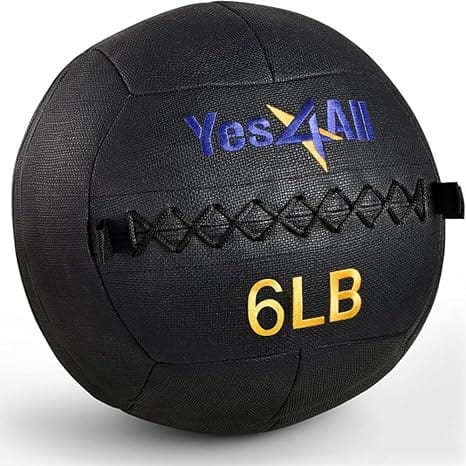
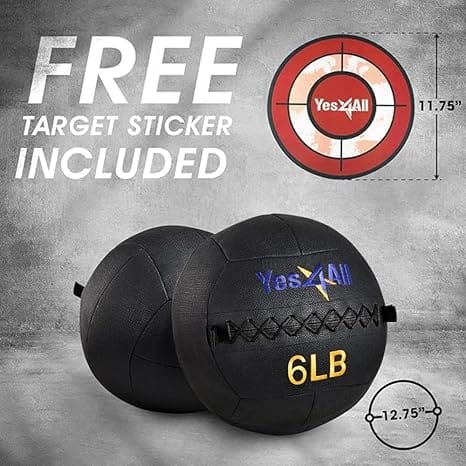
The Yes4All Wall Ball is a weighted exercise ball intended for controlled throws, catches, squats, and conditioning drills. The original listing describes 6–30 lb options, a synthetic-leather cover, reinforced stitching, and iron-sand filling. Those exact specifications have not been independently verified for the selected retailer variant. A wall ball can add variety to functional fitness, but it does not automatically improve athletic performance or replace progressive strength training.
PVL Rating: 4.0/5 (provisional)
- Exercise variety: 4.5/5
- Conditioning usefulness: 4.3/5
- Weight-selection potential: 4.3/5
- Verified product-specific durability: 2.7/5
- Value pending size and price: 4.0/5
What Is the Yes4All Wall Ball?
It is a large weighted training ball designed for selected functional strength and conditioning exercises. Unlike a small, hard medicine ball, a wall ball typically has a padded outer shell for controlled catching. Confirm the exact model’s weight, diameter, construction, and approved uses before ordering.
How Is a Wall Ball Different From a Slam Ball?
A wall ball is generally designed for controlled throws and catches, while a dedicated slam ball is designed for repeated forceful impacts with the floor. Do not assume this Yes4All wall ball can withstand high-force slams. Use it only for the movements explicitly permitted in its instructions.
Which Weight Should You Choose?
The listing describes options from 6 to 30 lb, but the current selection must be verified. Choose a weight you can control through both the throw and catch. A lighter ball is often preferable for learning technique and longer conditioning intervals. Heavier loads increase the demands on grip, shoulders, trunk, and legs.
How Do You Perform a Wall-Ball Exercise?
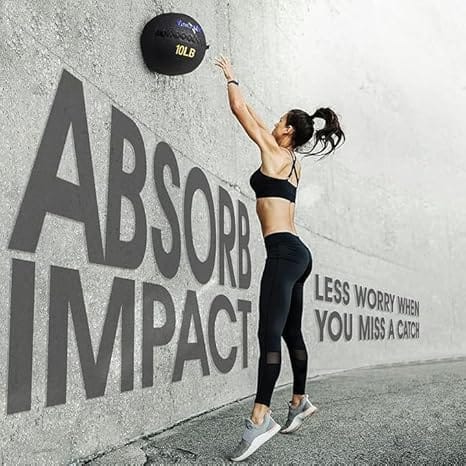
In a typical wall-ball drill, the user holds the ball near the chest, performs a controlled squat, rises, and throws the ball toward a suitable target. The ball is then caught under control. Start with a manageable weight and low target, and follow the manufacturer’s guidance for approved surfaces and throws.
What Muscles Does Wall-Ball Training Use?
Squat-and-throw movements involve the legs, trunk, shoulders, and arms. The degree of muscular challenge depends on load, technique, repetitions, and conditioning. Wall-ball exercises can complement strength training but are not a substitute for heavier, progressively loaded exercises when maximal strength is the goal.
Can Wall Balls Improve Cardio Fitness?
Repeated full-body movements may raise heart rate and contribute to conditioning when performed at an appropriate intensity. Fitness improvements depend on training frequency and progression. A wall ball is not inherently superior to other forms of aerobic or resistance exercise.
Are Wall Balls Good for Beginners?
Beginners can use controlled wall-ball exercises after learning basic squatting, throwing, and catching skills. Begin with a light ball and short sets. If the throw-and-catch sequence is difficult, practice squats and chest-level passes separately before combining them.
Can You Use It for Squats and Lunges?
Holding a weighted ball can add resistance to squats and lunges. The ball’s shape may make it less convenient than dumbbells for some movements, especially as loads become heavy. Keep the weight close enough to maintain balance and avoid allowing it to pull the torso into an uncomfortable position.
Can You Use It for Rotational Core Work?
Controlled rotations may challenge trunk muscles, but forceful twisting under load can be inappropriate for people with back symptoms. Begin with a lighter ball and modest range of motion. Do not use the ball for high-speed rotational throws unless the model and training environment support that use.
Does It Improve Balance?
Holding or catching a ball can create coordination challenges, but balance improvements are task-specific. Adding load to an unstable exercise is not always beneficial. People with balance difficulties should choose supported, low-risk movements and avoid unpredictable catches.
Is the Synthetic-Leather Cover Durable?
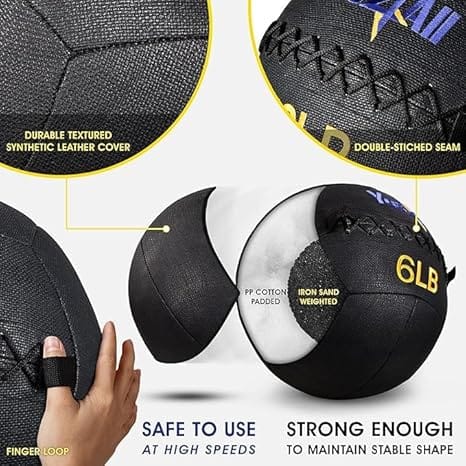
The original listing describes synthetic leather and reinforced stitching, but PVL has not independently tested abrasion resistance, seam strength, or long-term wear. Durability depends on usage, surface conditions, and care. Inspect seams and the outer cover regularly, especially after repeated throws.
What Does Iron-Sand Filling Mean?
The existing description mentions iron-sand filling. PVL has not verified the exact fill composition or how it affects balance and rebound. Do not assume every listed weight has identical internal construction. Follow the manufacturer’s instructions for intended use and storage.
Can You Throw It Against Any Wall?
No. Use only a suitable, stable training wall or target with enough surrounding clearance. Fragile drywall, glass, mirrors, and unsecured fixtures are unsafe choices. Verify that the ball and target surface are compatible with repeated throws. Keep bystanders clear of the catch zone.
Can You Slam It on the Floor?
Do not treat a wall ball as a slam ball unless the exact manufacturer instructions approve floor slams. Repeated impacts can damage seams, deform the ball, or create unpredictable rebound. A purpose-built slam ball is the safer choice for workouts centered on forceful downward throws.
How Should You Catch the Ball?
Keep your eyes on the ball and use both hands to absorb the catch with controlled movement. Avoid catching a weight that is too heavy or falling unpredictably. If fatigue makes catches unreliable, stop the set or reduce load. Never attempt a catch near your face or another person.
Is It Suitable for Home Gyms?
A wall ball can support varied workouts without a large machine, but throwing requires adequate ceiling height, wall clearance, and floor space. Noise and wall damage may make it unsuitable for some apartments. Controlled weighted squats and carries can be alternatives when throws are impractical.
How Should You Clean and Store It?
Follow Yes4All’s instructions for the exact covering material. Wipe away sweat and dirt with approved products, keep the ball away from sharp edges, and store it where it cannot roll into a walkway. Stop using it if seams split or the filling shifts unexpectedly.
Who Should Use Extra Caution?
People with shoulder, wrist, back, or knee injuries should consider exercise modifications or professional guidance. Avoid overhead throwing if you cannot control the ball. Stop for sharp pain, dizziness, or loss of coordination. Children should not use heavy wall balls without appropriate supervision.
Is It Worth Buying?
The Yes4All Wall Ball may suit users who enjoy squat-to-throw conditioning and want a dedicated weighted ball for controlled catches. It is less compelling if you primarily need heavy strength training or floor slams. Compare the selected weight, diameter, approved impact use, and price with alternatives.
Pros and Cons
Pros
- Supports selected throwing, catching, and weighted exercises
- Multiple listed weight options
- Can combine resistance work and conditioning
- Useful for functional training when sufficient space is available
Cons
- Not confirmed suitable for floor slams
- Requires safe wall, clearance, and catching technique
- Exact fill and seam durability unverified
- May be awkward for compact home spaces
Frequently Asked Questions
What is the Yes4All Wall Ball used for?
It is intended for controlled weighted exercises, including wall throws, catches, squats, and selected conditioning drills. The best movements depend on the ball’s exact construction and weight. It should not be assumed suitable for repeated floor slams. Choose manageable loads and maintain enough clear space for safe movement.
Is a wall ball the same as a slam ball?
No. Wall balls generally emphasize controlled throws and catches, while slam balls are designed for forceful floor impacts. Their coverings, filling, and rebound characteristics can differ. Do not slam the Yes4All wall ball unless the exact product instructions explicitly allow it. Use equipment designed for your intended exercise.
Which Yes4All Wall Ball weight should beginners choose?
Beginners should select a weight they can squat, throw, and catch without losing control. The original listing mentions 6–30 lb choices, but current options need verification. Start light, practice the movement in stages, and increase resistance only when technique and coordination remain reliable throughout the set.
Can the Yes4All Wall Ball build strength and endurance?
It can contribute to strength and conditioning when used in an appropriately challenging exercise program. Squat-to-throw drills involve several muscle groups and may elevate heart rate. Results depend on effort, frequency, and progression rather than the brand. Heavy conventional resistance training may still be needed for maximal strength.
Can I use the Yes4All Wall Ball in an apartment?
You may be able to use it for controlled squats or carries, but throwing requires suitable space and surfaces. Repeated wall impacts can create noise or damage. Check ceiling clearance, nearby fixtures, and building restrictions. Avoid throws where other people could enter the catch or rebound area.
How do I know if a wall ball is worn out?
Inspect the cover, seams, and overall shape before use, especially after repeated catches or throws. Stop using the ball if stitching separates, filling leaks, or deformation affects control. Follow the manufacturer’s cleaning and storage instructions. Do not repair a structurally damaged ball for continued impact training.
Final Verdict
PVL Rating: 4.0/5 (provisional). The Yes4All Wall Ball is a practical option for users who want to add controlled throws and weighted conditioning to a home or gym routine. Its value depends on selecting an appropriate weight and using it only for approved movements. Confirm the current construction and weight options before purchase.
Reviews
There are no reviews yet.