

SIBO and IBS can both cause bloating, gas, abdominal pain, diarrhea, and constipation—but they are not the same condition. Small intestinal bacterial overgrowth (SIBO) involves an abnormal increase in bacteria in the small intestine, while irritable bowel syndrome (IBS) is a disorder of gut–brain interaction characterized by recurring abdominal pain associated with changes in bowel habits. Because symptoms overlap, you cannot reliably distinguish them on symptoms alone.
This guide explains the differences, what symptoms can and cannot tell you, how clinicians approach testing, and when further evaluation is important.
Quick Answer: What is the difference between SIBO and IBS?
SIBO is an excessive buildup of bacteria in the small intestine, while IBS is a disorder of gut–brain interaction involving recurring abdominal pain and changes in bowel habits. Both can cause bloating, gas, diarrhea, or constipation, and they can occur together. Symptoms alone cannot reliably tell them apart. Clinicians diagnose IBS from characteristic symptom patterns and may use breath testing to investigate suspected SIBO in selected patients.
Key takeaways
- IBS is generally diagnosed using a characteristic symptom pattern, with additional testing guided by symptoms and warning signs.
- SIBO may be investigated using hydrogen breath testing in selected patients, but available tests have important limitations.
- Bloating and gas are common in both conditions; pain linked to bowel movements or stool changes is central to IBS criteria.
- SIBO and IBS can coexist, and neither diagnosis should be assumed from a symptom checklist.
- Unexplained weight loss, gastrointestinal bleeding, anemia, or persistent severe symptoms warrant medical assessment.
SIBO vs IBS at a glance
| Feature | SIBO | IBS |
|---|---|---|
| What it is | Excessive bacterial growth in the small intestine | Disorder of gut–brain interaction |
| Common symptoms | Bloating, gas, abdominal discomfort, diarrhea; sometimes constipation | Recurring abdominal pain, bloating, diarrhea, constipation, or both |
| Typical diagnostic approach | Clinical assessment; breath testing in selected cases | Positive symptom-based diagnosis, with targeted evaluation as indicated |
| Possible contributing factors | Altered intestinal motility, anatomy, or underlying medical conditions | Altered gut sensitivity, motility, gut–brain signaling, and multiple other factors |
| Treatment focus | Address contributing conditions; clinician-directed therapy when appropriate | Individualized dietary, behavioral, and medication strategies |
What is the main difference between SIBO and IBS?
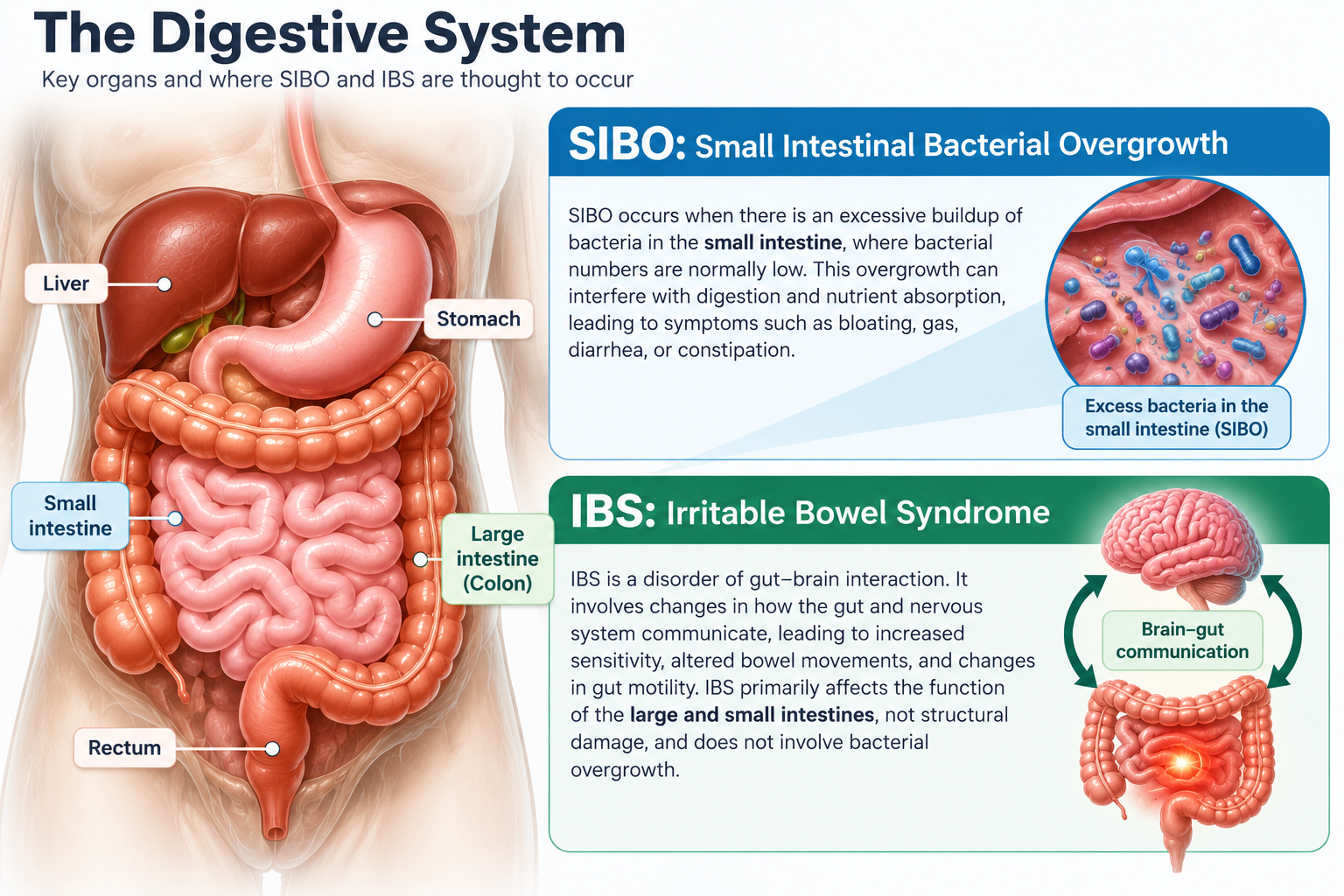
SIBO describes an abnormal bacterial burden in the small intestine. It can occur in association with changes in intestinal movement, prior surgery that alters bowel anatomy, or certain medical conditions. Symptoms arise through several possible mechanisms, including bacterial fermentation and effects on nutrient absorption.
IBS is a chronic disorder of gut–brain interaction. It is not simply a diagnosis of “nothing wrong,” and it does not require visible tissue damage. Changes in visceral sensitivity, bowel movement patterns, and communication between the gut and nervous system can contribute to symptoms. IBS can occur with diarrhea (IBS-D), constipation (IBS-C), mixed bowel habits (IBS-M), or an unclassified pattern.
Affiliate disclosure: Purely Vital Living may earn a commission from qualifying purchases through links in this article, at no additional cost to you. Our editorial assessments are research-based, not hands-on tests.
SIBO vs IBS symptoms: what is different?
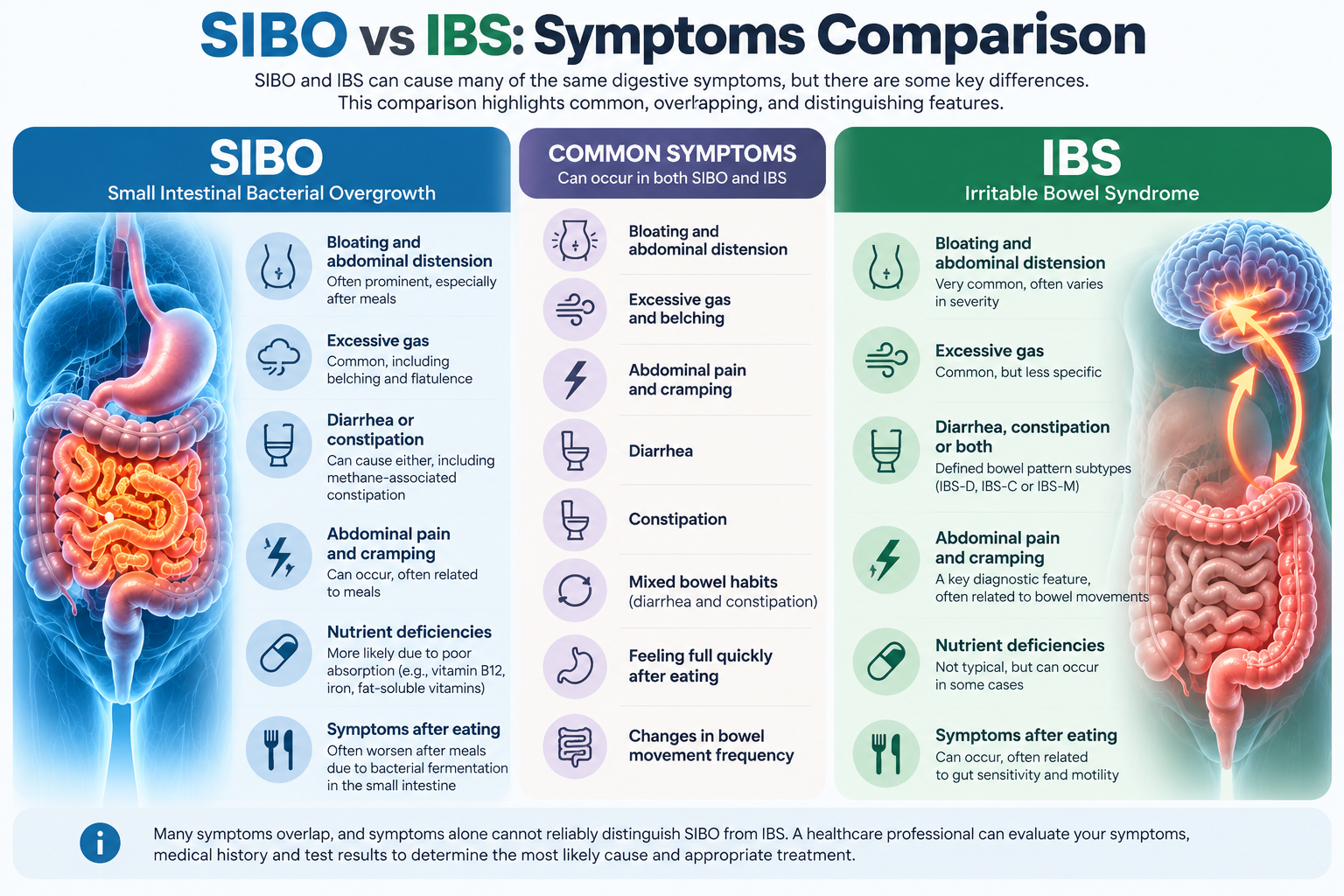
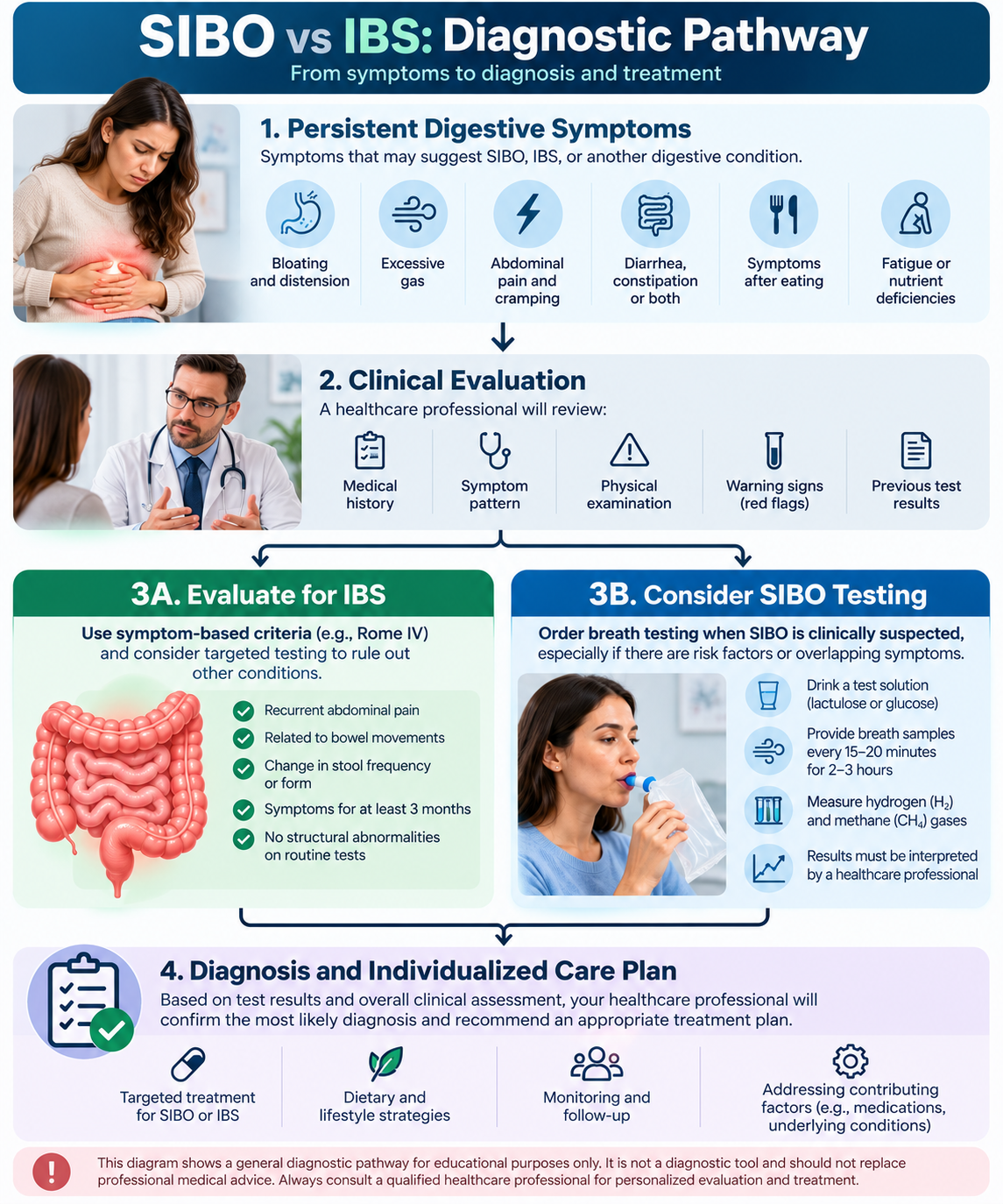
What the infographic cannot tell you: Neither the severity of bloating nor how soon it appears after a meal can reliably distinguish SIBO from IBS. Clinicians look for a broader pattern, including symptom duration, bowel habits, medical history, and possible risk factors.
One clinically useful distinction: Recurrent abdominal pain associated with bowel movements or changes in stool frequency or form is central to IBS diagnostic criteria. Methane-associated constipation may instead prompt consideration of intestinal methanogen overgrowth (IMO), which is distinct from bacterial overgrowth because methanogens are archaea.
Do not dismiss warning signs: Unintentional weight loss, anemia, or signs of malabsorption are not typical of uncomplicated IBS and should prompt medical assessment rather than self-diagnosis.
IBS SYMPTOM SUPPORT PRODUCT REVIEW
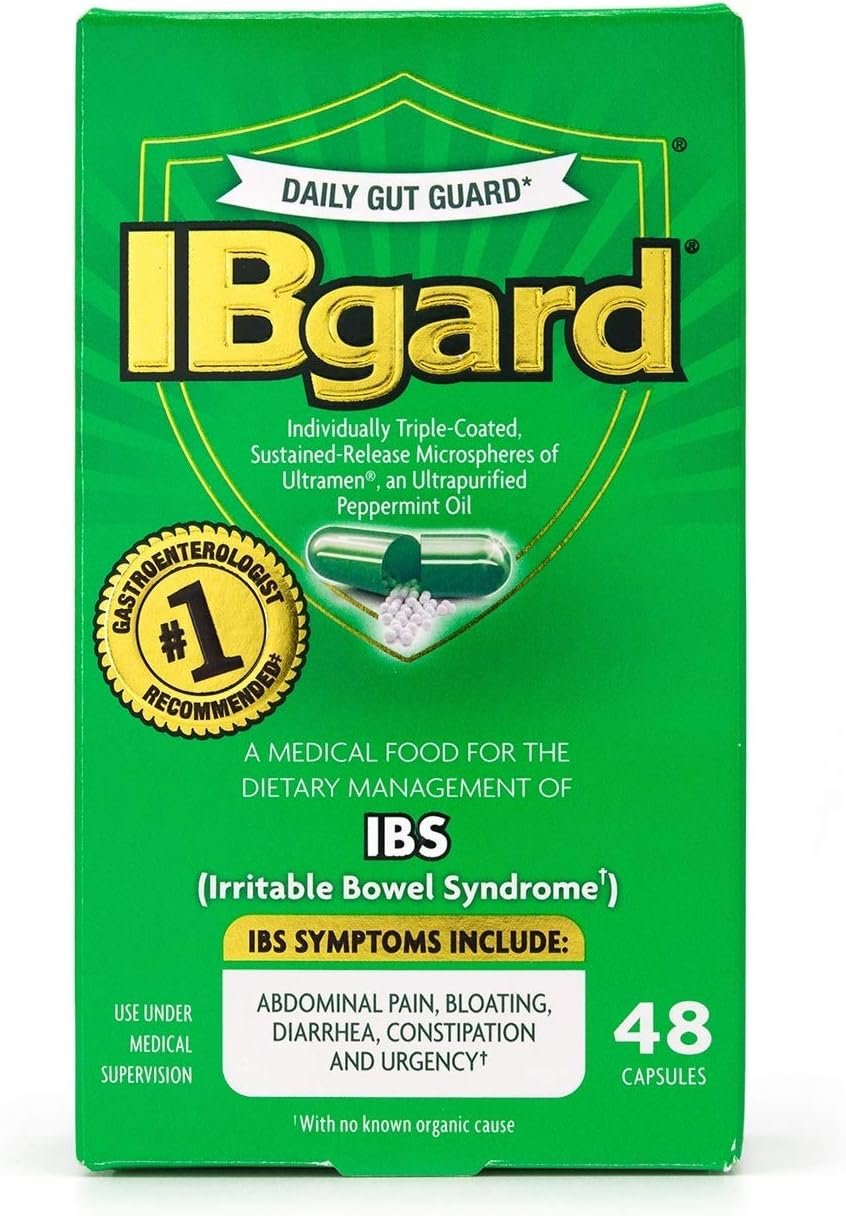
IBgard Peppermint Oil Capsules
PVL Rating: 4.2/5 · Research-based review
IBgard uses coated peppermint-oil capsules intended for IBS-related abdominal discomfort, cramping and bloating. Some evidence supports short-term symptom relief, but results vary and peppermint oil can worsen heartburn or reflux. It is not a treatment for SIBO.
Can you tell SIBO from IBS by symptoms alone?
No. Their symptoms overlap too much for a reliable self-diagnosis. A clinician considers the duration and pattern of symptoms, medication history, previous operations, underlying conditions, family history, and any warning signs. Testing is selected based on the clinical picture—not solely on whether bloating or pain seems more prominent.
What causes SIBO vs IBS?
SIBO risk may rise when normal intestinal movement or anatomy is disrupted, allowing excess microorganisms to accumulate. Examples include some motility disorders and surgical changes that create stagnant bowel segments. IBS has a multifactorial basis involving gut–brain signaling, intestinal sensitivity, motility, and, in some patients, symptoms that begin after a gastrointestinal infection. Stress can affect symptoms but does not mean IBS is imaginary.
LOW-FODMAP DIGESTIVE ENZYME PRODUCT REVIEW
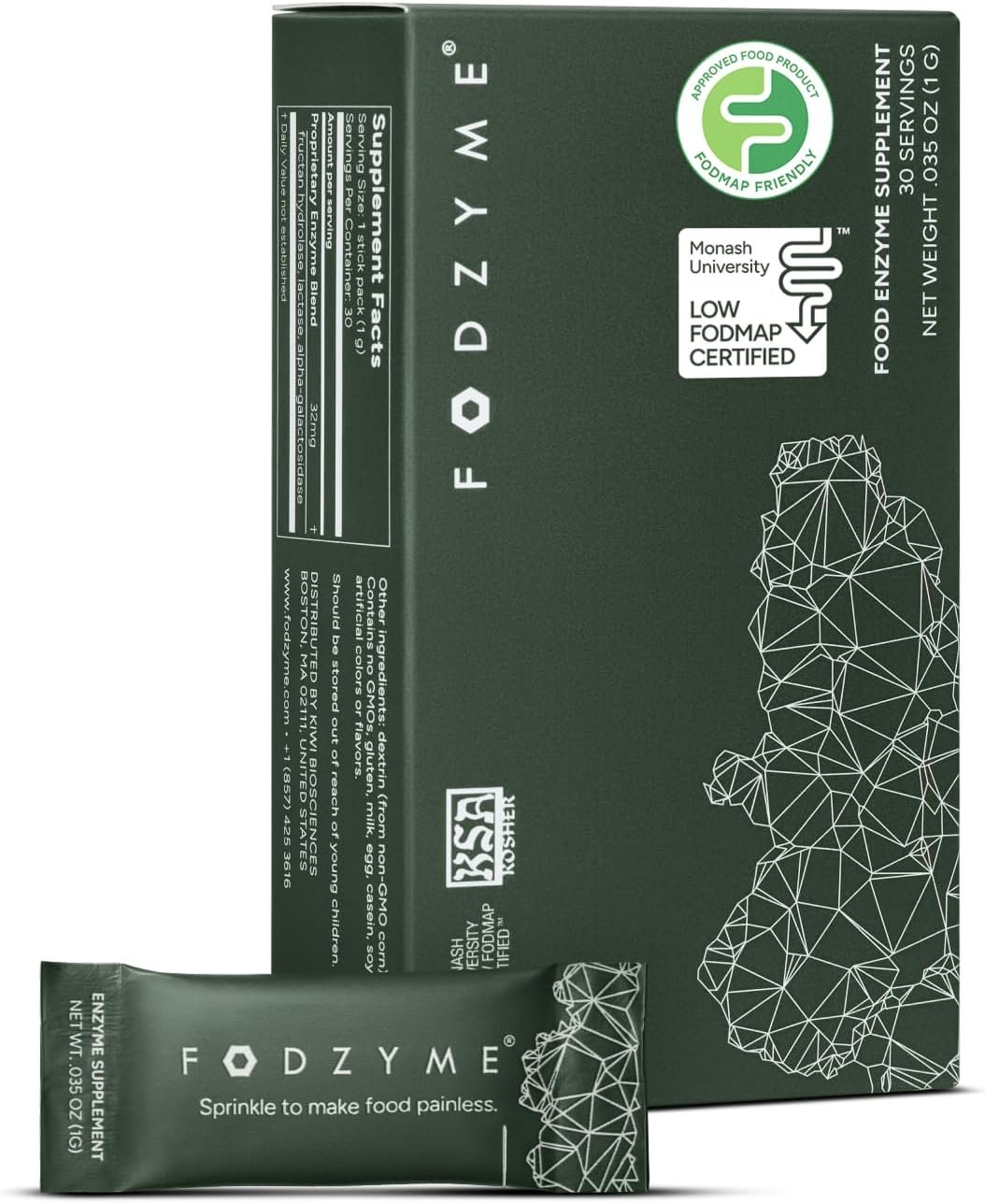
FODZYME On-the-Go Digestive Enzymes
PVL Rating: 4.3/5 · Research-based review
A targeted enzyme powder for meals containing fructans, GOS or lactose. It may help selected food-triggered digestive symptoms, but does not cover all FODMAPs and is not a treatment for IBS or SIBO. Human evidence remains limited.
Can SIBO and IBS occur together?
Yes. Some people who meet IBS criteria also have positive breath tests or other evidence suggestive of overgrowth. However, research estimates vary widely because studies use different populations and testing methods. Claims that a fixed majority of IBS cases are “actually SIBO” overstate what the evidence can establish. A positive breath test must be interpreted alongside symptoms and clinical context.
How do doctors test for SIBO vs IBS?
Hydrogen and methane breath tests for suspected overgrowth
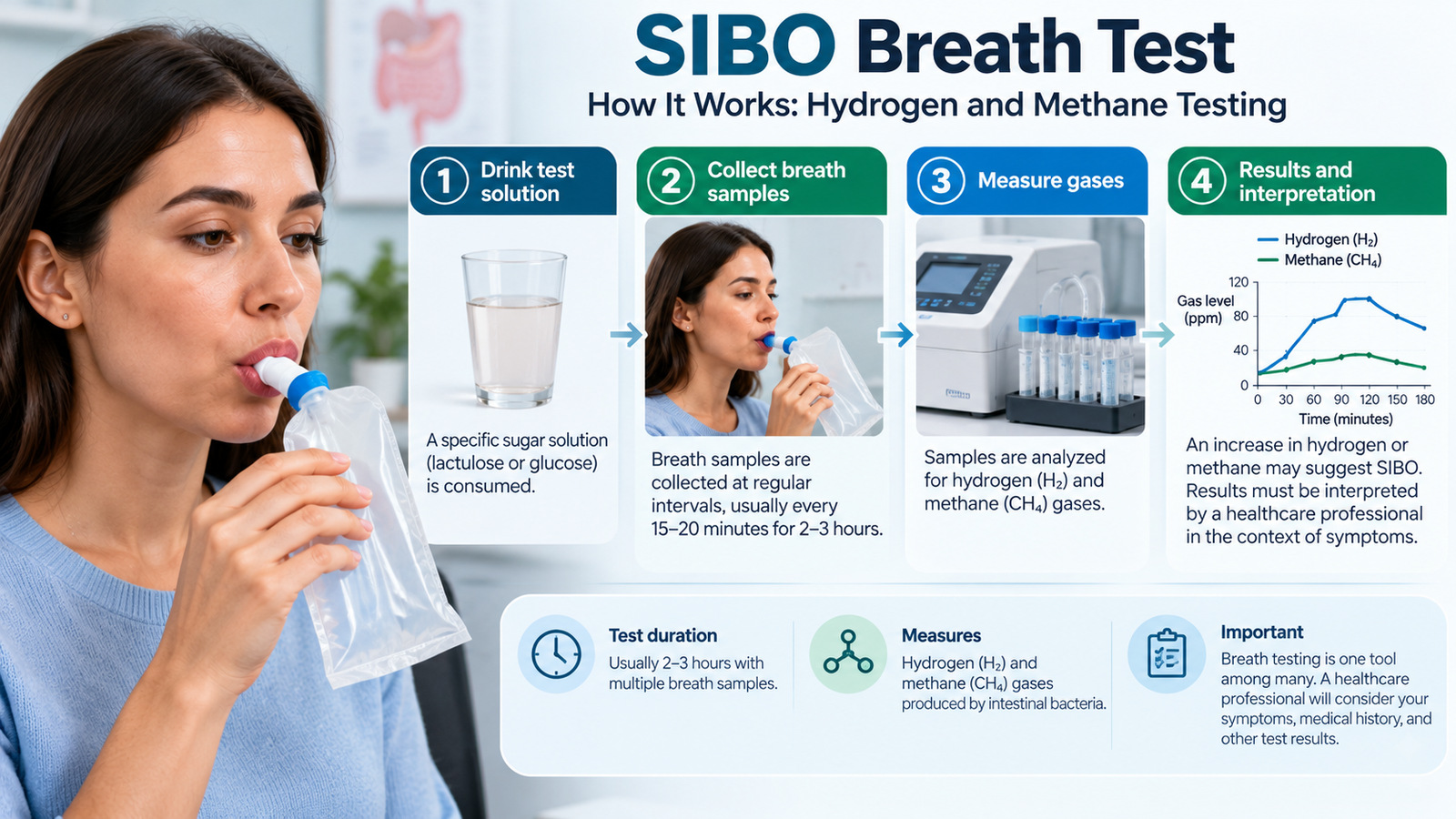
Breath testing typically measures gases after a patient drinks a glucose or lactulose solution. Hydrogen measurements may support an assessment for SIBO, while methane measurements can help identify IMO, especially when constipation is prominent. Preparation requirements may involve dietary restrictions and medication adjustments, but these should come from the testing clinic. Do not stop prescribed medications without medical guidance.
Breath tests have important limitations: results can be affected by intestinal transit, preparation, and the test substrate. A positive result does not independently explain every symptom, and a negative result does not exclude every gastrointestinal condition. Small-bowel aspirate culture is sometimes discussed as an alternative, but it is invasive and has its own limitations.
How IBS is diagnosed
Clinicians can make a positive IBS diagnosis based on a characteristic pattern of recurring abdominal pain associated with bowel movements or changes in stool frequency or form. Rome IV criteria provide a standardized framework. Depending on the presentation, a clinician may order limited tests to evaluate conditions such as celiac disease or inflammatory bowel disease rather than ordering every available gastrointestinal test.
Do you need a SIBO breath test if you have IBS?
Not routinely. Breath testing may be considered in selected situations, particularly where risk factors for overgrowth are present. Whether it is useful depends on clinical circumstances and local guidance; it is not a universal screening test for everyone with IBS.
LOW-FODMAP DIGESTIVE ENZYME PRODUCT REVIEW

Microbiome Labs FODMATE Digestive Enzymes
PVL Rating: 4.1/5 · Research-based review
FODMATE contains targeted digestive enzymes intended to help break down certain FODMAP carbohydrates in food. It may support people with specific food-triggered bloating or gas, but evidence for the complete formula is limited. It does not diagnose or treat IBS or SIBO.
How does treatment differ for SIBO and IBS?
SIBO management may include clinician-prescribed antibiotics in appropriate cases and attention to an underlying motility or anatomical problem. Treatment choices depend on the individual; recurrence can occur. Self-prescribing antibiotics or repeated herbal “cleanses” can carry risks.
IBS management often combines symptom-specific approaches, such as dietary adjustments, soluble fiber for selected patients, medication when appropriate, and gut-directed psychological therapies. A structured low-FODMAP trial may help some patients but should not become a permanent highly restrictive diet; professional dietitian guidance can help.
Over-the-counter products such as certain fiber supplements or symptom-relief medicines may help some IBS symptoms, but they do not establish or eradicate SIBO. Evidence for probiotics is inconsistent and product-specific; there is no single probiotic brand proven to treat both conditions safely and effectively for everyone. For broader context, read PVL’s guide to prebiotics, probiotics, and postbiotics.
What else can look like SIBO or IBS?
Other causes of similar symptoms include celiac disease, lactose intolerance, inflammatory bowel disease, medication effects, and other conditions affecting digestion or bowel function. The appropriate evaluation depends on symptoms and medical history. Avoid using a home symptom checklist to rule these out.
When should you see a doctor?
Arrange medical assessment for persistent or worsening symptoms, especially if you have unexplained weight loss, blood in your stool, iron-deficiency anemia, fever, nighttime diarrhea, or a family history of colorectal cancer, celiac disease, or inflammatory bowel disease. Severe abdominal pain, fainting, or significant bleeding may require urgent care.
Frequently asked questions
How can I tell if I have SIBO or IBS?
You generally cannot tell from symptoms alone. Both may cause bloating, gas, abdominal discomfort, and changes in bowel movements. IBS diagnosis relies on a characteristic pattern of recurring abdominal pain and altered bowel habits. A clinician may consider SIBO testing in selected cases based on risk factors and the full clinical picture.
Can SIBO be mistaken for IBS?
Yes. The symptoms overlap, and a person may meet IBS symptom criteria while also having a condition that deserves further evaluation. However, this does not mean every IBS diagnosis is misdiagnosed SIBO. Clinicians assess the pattern of symptoms, risk factors, warning signs, and whether testing is likely to change treatment.
Can you have both SIBO and IBS?
Yes. They can coexist, but the frequency reported in studies varies with testing methods and study populations. Having IBS does not automatically mean you have bacterial overgrowth, and a positive breath test does not prove that overgrowth explains all symptoms. Interpretation should be individualized.
Does IBS show up on a SIBO breath test?
No. A breath test measures gases related to microbial fermentation; it is not a diagnostic test for IBS. IBS is diagnosed from a characteristic symptom history, supported by targeted investigations when needed. A normal or abnormal breath test therefore cannot, by itself, confirm or rule out IBS.
Which causes more bloating, SIBO or IBS?
Either condition can cause substantial bloating, and symptom severity varies from person to person. Although some clinical descriptions associate SIBO with prominent bloating, the amount or timing of bloating cannot reliably separate the two. Persistent bloating deserves evaluation when accompanied by warning signs or significant changes.
Can SIBO cause constipation as well as diarrhea?
People evaluated for overgrowth can report either bowel pattern. Methane-associated constipation is more specifically linked with intestinal methanogen overgrowth (IMO), which differs from bacterial overgrowth because methanogens are not bacteria. A healthcare professional can help determine whether breath testing is appropriate and how to interpret the results.
Bottom line
SIBO and IBS share symptoms, but their underlying concepts and diagnostic approaches differ. The most useful next step is not to guess from bloating alone: document your symptoms, note any warning signs, and discuss with a qualified clinician whether a positive IBS diagnosis, targeted laboratory tests, or selective breath testing is appropriate.
Sources and further reading
- AGA Clinical Practice Update on Small Intestinal Bacterial Overgrowth
- American College of Gastroenterology: IBS guideline overview
- Yale Medicine: IBS, SIBO, or Both?
- NIDDK: Diagnosis of Irritable Bowel Syndrome
Medical disclaimer: This article is for education only and is not a diagnosis or substitute for individualized medical advice.