

Quick Verdict
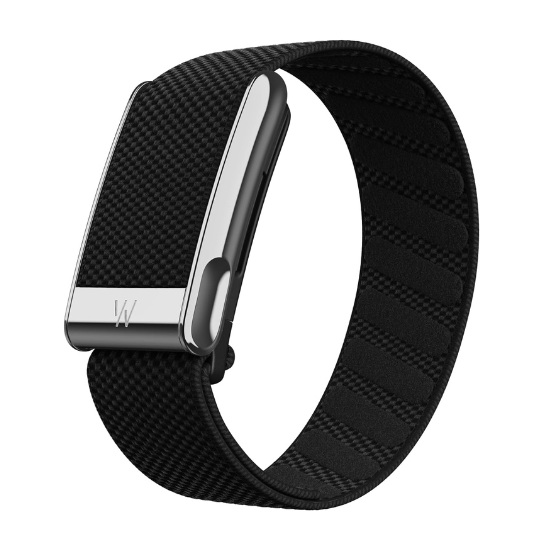
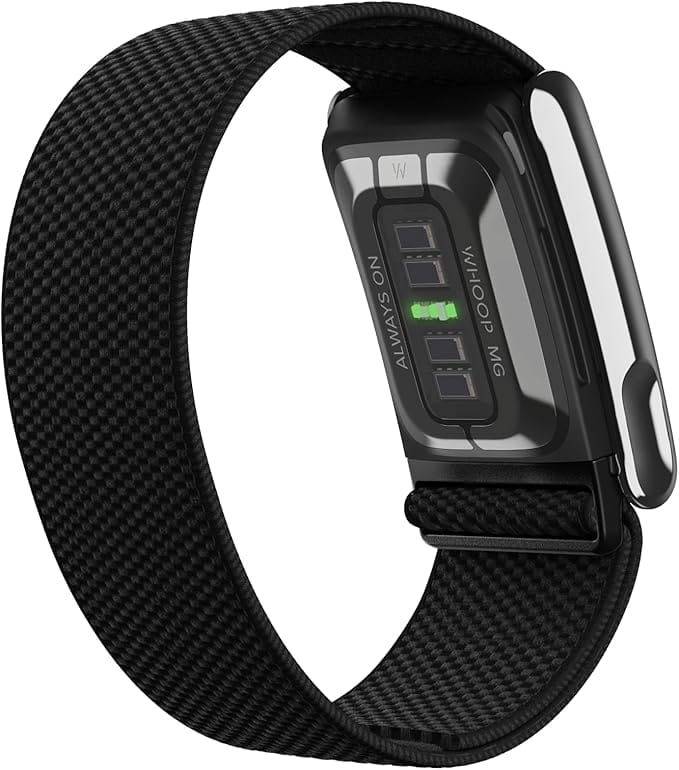
WHOOP 5.0 is a screen-free wearable designed to organize sleep, activity, heart-rate, and recovery-related trends. Its recovery, strain, sleep-stage, and stress outputs are algorithm-generated estimates, not direct clinical measurements of tissue repair, nervous-system health, or readiness to train. A useful trend does not establish that following its recommendations improves long-term health.
PVL Rating: 4.1/5 (provisional)
- Continuous tracking and screen-free design: 4.6/5
- Trend presentation and coaching usability: 4.4/5
- General wearable heart-rate evidence: 4.0/5
- WHOOP 5.0-specific outcome evidence: 2.9/5
- Subscription value: 3.7/5
What Is WHOOP 5.0?
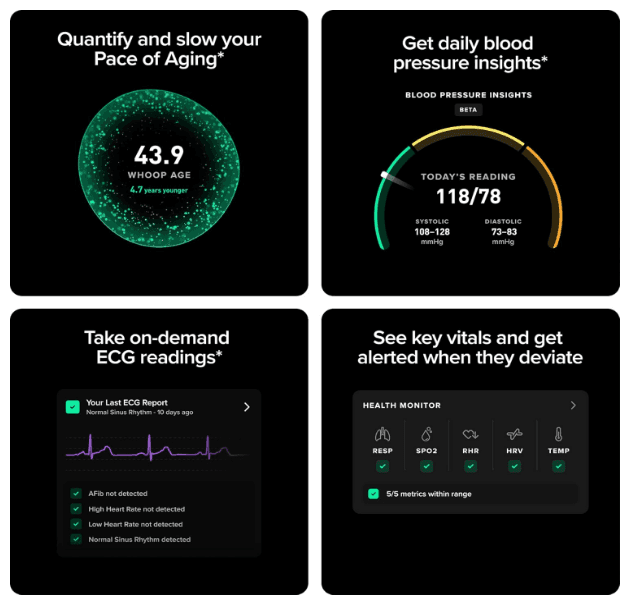
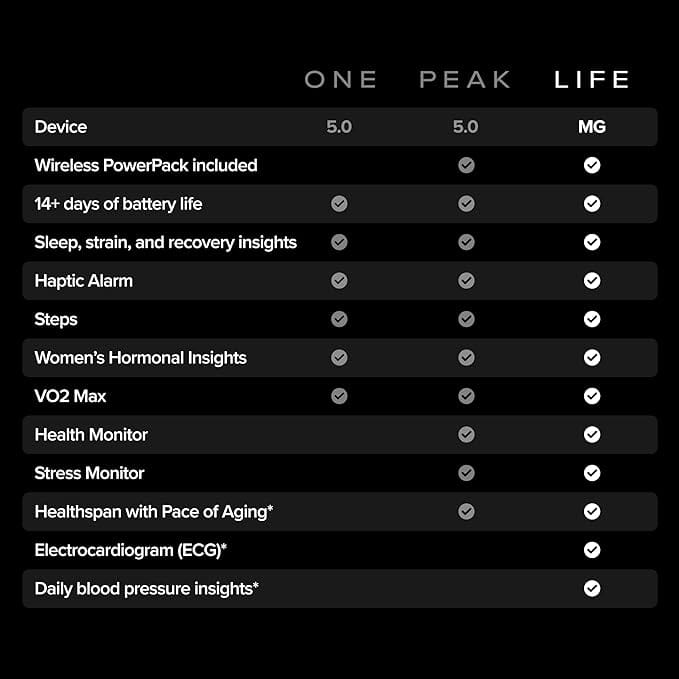
WHOOP 5.0 is a screen-free wearable paired with a subscription-based app. It uses optical and motion sensors to estimate physiological and activity metrics and then generates proprietary insights. Available features, membership tiers, battery claims, and compatibility can vary; confirm the current WHOOP offering rather than assuming every plan includes all advertised features.
What Does WHOOP Measure Versus Estimate?
Optical sensors detect signals used to estimate pulse rate; accelerometers capture motion. HRV is derived from beat-to-beat interval estimates, while sleep duration, stages, recovery, strain, and stress scores require algorithms and assumptions. These scores are interpretations, not direct laboratory measures of sleep architecture, cortisol, muscle repair, or overall health.
How Accurate Is WHOOP 5.0 Heart-Rate Tracking?
Wrist or arm optical heart-rate accuracy varies with motion, fit, skin contact, exercise type, and physiology. Results from earlier WHOOP generations cannot automatically validate WHOOP 5.0. For clinical questions or precise exercise measurements, appropriately validated medical devices or chest-strap systems may be preferable.
Can WHOOP Measure HRV Reliably?
HRV can provide context about autonomic patterns, but interpretation is complex. It varies with sleep, illness, alcohol, training, breathing, and measurement conditions. A lower score does not diagnose overtraining, disease, or poor recovery. Consistent personal trends may be more informative than comparisons with another person’s numbers.
Does the WHOOP Recovery Score Show Muscle Recovery?
No. A recovery score is a proprietary readiness estimate, not a direct test of repaired muscle fibers or restored performance. It can help structure reflection on training and sleep, but it cannot reliably identify an injury, prove tissue healing, or replace how you feel and perform.
How Accurate Is WHOOP Sleep Tracking?
Consumer wearables may estimate sleep timing and duration reasonably in some conditions, but distinguishing sleep stages and brief awakenings is harder than measuring movement. WHOOP is not equivalent to polysomnography. Device-generation-specific validation is needed before applying older research findings to WHOOP 5.0.
Can WHOOP Diagnose Sleep Apnea or Insomnia?
No. Consumer sleep scores cannot diagnose sleep apnea, insomnia, or other sleep disorders. Symptoms such as witnessed breathing pauses, persistent excessive daytime sleepiness, or significant sleep difficulties warrant clinical evaluation. A reassuring wearable score should not delay appropriate assessment.
What Does the WHOOP Strain Score Mean?
Strain is a proprietary estimate of cardiovascular workload based on tracked signals and WHOOP’s algorithm. It is not a direct measure of muscular damage, exercise quality, or a universal safe training dose. Strength training and endurance exercise can impose different stresses that one score may not fully capture.
Can WHOOP Measure Stress?
Wearable stress features infer patterns from physiological signals rather than directly measuring psychological distress or cortisol. An elevated indicator can have many explanations, including exercise, illness, stimulants, or poor sleep. It should not be used to diagnose anxiety or stress-related disorders.
Do WHOOP’s AI Recommendations Improve Health?
Personalized coaching may help users notice habits, but an AI-generated recommendation is not proof of improved outcomes. PVL did not establish independent trials demonstrating that WHOOP 5.0 coaching improves longevity, prevents injury, or produces superior training results. Evaluate suggestions against established exercise and sleep guidance.
Is WHOOP Useful for Healthy Aging?
Tracking sleep schedules and activity can support awareness, but the wearable has not been shown to extend lifespan or reverse biological aging. Regular exercise, adequate sleep, appropriate nutrition, and preventive healthcare have a stronger foundation than proprietary scores.
What About Subscription Costs and Battery Life?
WHOOP’s value depends on its ongoing membership, features available in the chosen tier, and how consistently you use the data. The original listing describes 14-plus-day battery life and a 12-month membership, but confirm the exact package and current terms. Battery endurance varies by usage and settings.
Privacy and Data Considerations
Continuous physiological monitoring generates sensitive personal data. Review WHOOP’s current privacy controls, account requirements, sharing settings, and data-retention policies before subscribing. Consider whether frequent recovery notifications improve your habits or instead create unnecessary anxiety.
What WHOOP 5.0 Has Not Been Shown to Do
- Directly measure muscle repair or tissue healing
- Diagnose sleep disorders, overtraining, anxiety, or illness
- Measure cortisol or psychological stress directly
- Provide laboratory-grade sleep-stage accuracy
- Guarantee injury prevention or superior performance
- Extend lifespan through recovery scores or AI coaching
Pros and Cons
Pros
- Screen-free continuous-wear format
- Convenient sleep and activity trend dashboard
- Personal baseline comparisons may encourage habit awareness
- Coaching features can support reflection and consistency
Cons
- Recovery and stress scores are proprietary estimates
- Device-specific clinical outcome evidence remains limited
- Ongoing membership cost
- Potential anxiety or overinterpretation of daily scores
Who Should Consider It?
Active adults who value screen-free tracking and can interpret algorithmic scores as rough guidance may appreciate WHOOP 5.0. It is less suitable for anyone seeking diagnostic measurements or a device that can verify biological recovery.
Frequently Asked Questions
Does WHOOP 5.0 accurately measure recovery?
WHOOP’s recovery score is an algorithmic estimate, not a direct measurement of muscle repair. It uses physiological inputs and proprietary calculations to suggest readiness trends. The score cannot confirm that tissues have healed or that training is safe. Consider symptoms, performance, sleep, and professional advice alongside any wearable recommendation.
Can WHOOP 5.0 accurately track sleep stages?
Sleep stages are estimated rather than directly measured by WHOOP. Consumer wearables use motion and physiological signals, while clinical polysomnography records additional brain and body signals. Accuracy can vary, and findings from older WHOOP generations do not automatically apply to WHOOP 5.0. Treat stage percentages as approximate trends.
Does a low WHOOP HRV score mean overtraining?
No. Low HRV alone cannot diagnose overtraining or illness. HRV changes with sleep, alcohol, training, breathing, medications, and other factors. Personal trends may provide context, but a single reading is insufficient for clinical conclusions. Persistent symptoms, unusual fatigue, or declining performance deserve broader evaluation rather than reliance on one score.
Can WHOOP detect stress or measure cortisol?
WHOOP does not directly measure cortisol or psychological stress. Its stress-related outputs infer patterns from physiological signals that can also change with exercise, illness, stimulants, and sleep loss. A high indicator does not diagnose anxiety or prove emotional distress. Use it as context, not as a medical assessment.
Can WHOOP 5.0 diagnose sleep apnea?
No. WHOOP is not a substitute for clinical sleep-apnea testing. Sleep scores and wearable-derived trends cannot reliably establish whether breathing repeatedly stops during sleep. Loud snoring, witnessed pauses, morning headaches, or excessive daytime sleepiness warrant professional assessment. A normal-looking wearable score should not delay evaluation when symptoms are concerning.
Do WHOOP’s AI recommendations improve athletic performance?
AI coaching may help organize training and sleep habits, but improved outcomes are not guaranteed. PVL did not establish independent evidence that WHOOP 5.0 recommendations prevent injury or outperform established training methods. Consider the advice alongside progressive programming, adequate nutrition, rest, and how you actually feel and perform.
Final Verdict
PVL Rating: 4.1/5 (provisional). WHOOP 5.0 offers convenient continuous tracking and potentially useful habit feedback. Its recovery, strain, sleep-stage, and stress scores should remain estimates, not medical diagnoses or proof of tissue healing, better performance, or longevity.
Reviews
There are no reviews yet.