
Quick Verdict
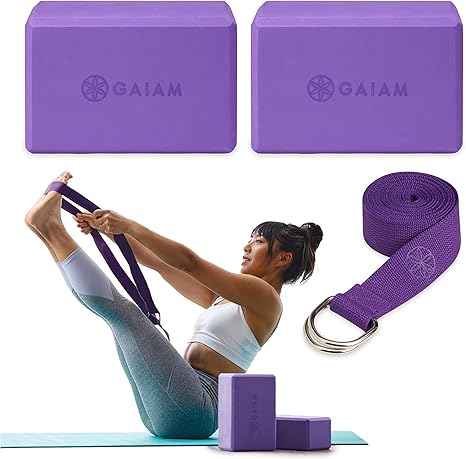
The Gaiam Yoga Block is a simple support accessory for yoga, stretching, and selected Pilates-inspired movements. A block can bring the floor closer to your hands or support a position when your current range of motion is limited. It does not automatically improve flexibility, posture, or balance. PVL has not independently tested the linked block’s firmness, dimensions, or slip resistance.
PVL Rating: 4.0/5 (provisional)
- Versatility for supported poses: 4.5/5
- Convenience and portability: 4.5/5
- Potential beginner accessibility: 4.4/5
- Verified material and grip performance: 2.9/5
- Value pending exact variant and price: 4.0/5
What Is the Gaiam Yoga Block?
It is a rectangular support used to modify poses and provide an elevated surface for hands or other body parts. The original PVL listing describes lightweight EVA foam, beveled edges, and a textured surface, but the exact linked model’s composition, dimensions, weight, and latex-free status have not been independently confirmed.
How Does a Yoga Block Help?
A block can reduce the distance between your hand and the floor in standing poses, or provide support during seated and reclined stretches. This can make certain positions more manageable without forcing extra range of motion. Benefits depend on placement, the user’s needs, and sound movement technique.
Can It Improve Flexibility?
A yoga block can make stretching positions more accessible, but the block itself does not create lasting flexibility gains. Flexibility changes depend on a consistent, appropriately dosed movement practice. Use the block to maintain a comfortable position rather than forcing a deeper stretch or pushing through pain.
Does It Improve Balance?
Using a block may help some users find a stable hand support during poses. It can also create instability if placed on a slippery surface or used in a way it was not designed to support. Do not assume a foam block is safe for standing or bearing full body weight.
Does It Help With Yoga Alignment?
A block can help adapt a pose to your current mobility and proportions. However, there is no single ideal alignment for every person, and a prop does not automatically correct posture. Choose a height and placement that allow controlled movement and comfortable breathing.
How Do the Three Block Heights Work?
Rectangular yoga blocks commonly offer three usable orientations: a low, medium, and tall support height. The tallest orientation may be less stable, depending on the surface and loading. Confirm the exact block’s dimensions and approved uses, and prioritize stability over reaching a particular pose shape.
Is It Useful for Beginners?
Yes, a yoga block can help beginners modify poses that otherwise require reaching the floor. Start with stable, uncomplicated positions and use guidance from a qualified instructor where helpful. The goal is comfort and control, not making every pose look identical to a demonstration.
Can It Be Used for Pilates?
A block may serve as a positioning aid in selected Pilates-inspired movements, but not every yoga block is intended for squeezing, stepping, or weight-bearing drills. Confirm the exercise is compatible with the product’s construction and follow qualified instruction when introducing new props.
Can It Help With Hip Stretches?
Some seated or supported hip stretches can be modified with a block to reduce strain or provide an elevated surface. Place it securely and avoid forcing the hips into painful positions. People with joint replacements, acute injuries, or persistent hip pain should follow individualized movement advice.
Can You Sit on a Yoga Block?
Some yoga practices use blocks to elevate the pelvis during seated positions, but suitability depends on block firmness, dimensions, and manufacturer-approved loading. Avoid unstable placement and inspect for compression or damage. Do not use the block as a substitute for a load-rated step or chair.
Is Foam Better Than Cork?
Foam blocks are often lighter and may feel softer against the body, while cork blocks may feel firmer and heavier. Neither material is universally better. Stability, dimensions, surface grip, and comfort matter more than material alone. PVL has not compared this exact Gaiam block against cork alternatives.
Is the Gaiam Yoga Block Non-Slip?
The original listing describes a textured, non-slip surface, but PVL has not independently measured friction or stability. Grip can change with sweat, flooring, dust, and pressure. Test placement before loading the block, particularly on polished floors or slippery mats.
How Much Weight Can It Support?
PVL has not verified a load rating for the linked Gaiam Yoga Block. Do not assume it can safely support full body weight, serve as a step, or replace a structural exercise platform. Check the manufacturer’s instructions and avoid any use that causes significant bending or deformation.
How Should You Clean It?
Follow Gaiam’s current care instructions for the exact material. A lightly dampened cloth may be appropriate for many foam accessories, but harsh cleaners or prolonged heat exposure can damage some materials. Let the block dry fully and inspect it for cracking or deformation before reuse.
What Are Common Mistakes?
Common errors include choosing the tallest orientation when a lower one is safer, placing the block on an uneven surface, forcing a deeper stretch, or using it as a step. Start with a stable setup and reduce the range of motion if discomfort develops.
Who Might Prefer Another Prop?
People who need firmer support, a larger contact area, or a different height may prefer a cork block, bolster, folded blanket, or other suitable prop. The best choice depends on the pose, available space, comfort, and the specific load the prop must handle.
Pros and Cons
Pros
- Can bring the floor closer during selected yoga poses
- Portable and easy to store
- Several orientations provide different support heights
- Useful for modifying some stretches and seated positions
Cons
- Not a guaranteed flexibility or posture improvement tool
- May slip or compress under unsuitable loading
- Exact material and load capacity need verification
- Cannot replace instruction for challenging poses
Frequently Asked Questions
What is a Gaiam yoga block used for?
A Gaiam yoga block provides an elevated support surface during selected yoga poses and stretches. It can bring the floor closer to your hands or help support a seated position. Choose a stable orientation and avoid forcing extra range of motion. The block is an accessory, not a posture-correction device.
Is a Gaiam yoga block good for beginners?
It can help beginners adapt poses to their current flexibility and comfort. For example, a block may reduce how far you need to reach toward the floor. Start with uncomplicated positions, place it on a stable surface, and seek qualified instruction for movements that challenge balance or involve substantial loading.
Does using a yoga block improve flexibility?
A yoga block can make stretching positions more accessible, but it does not automatically increase flexibility. Lasting changes depend on regular, appropriate movement practice. Use the block to maintain comfortable technique rather than pushing deeper into a stretch. Stop if you feel sharp pain, tingling, or joint discomfort.
Can I stand on a Gaiam yoga block?
Do not stand on the block unless the exact product is specifically rated and approved for that use. Foam blocks may compress, shift, or slip under body weight. They are not substitutes for stable exercise steps. Follow the manufacturer’s guidance and choose purpose-built equipment when elevation must support your full weight.
Is foam or cork better for yoga blocks?
Foam may feel lighter and softer, while cork may provide a firmer support surface. Neither is universally better for every pose. Consider grip, dimensions, comfort, and how much pressure you plan to apply. PVL has not independently compared this exact Gaiam foam block with a particular cork alternative.
How do I clean a Gaiam yoga block?
Follow Gaiam’s care instructions for the exact block material and finish. Avoid soaking or using harsh chemicals unless the manufacturer approves them. Let the block dry fully before storage and inspect it for cracks, permanent compression, or slippery residue. Replace damaged equipment rather than relying on compromised support.
Final Verdict
PVL Rating: 4.0/5 (provisional). The Gaiam Yoga Block is a practical accessory for modifying poses and creating comfortable support in home yoga and stretching routines. Its usefulness lies in adaptable positioning, not guaranteed posture or flexibility improvements. Confirm the exact materials, dimensions, and approved uses before buying.
Reviews
There are no reviews yet.