
Quick Verdict
WHATAFIT Resistance Bands can be a practical, portable option for home strength training, provided the chosen band resistance and attachments suit your exercises. Research supports elastic resistance training as a useful way to improve strength when the program is appropriately challenging and progressively adjusted. However, evidence for resistance bands as a training method does not independently establish the durability, precise resistance levels, or performance of this specific WHATAFIT set.
PVL Rating: 4.0/5 (provisional)
- Portability and storage: 4.6/5
- Exercise versatility: 4.3/5
- Evidence for elastic resistance training: 4.1/5
- Exact WHATAFIT kit independent testing: 2.1/5
- Value pending included components and current price: 3.9/5
What Are WHATAFIT Resistance Bands?
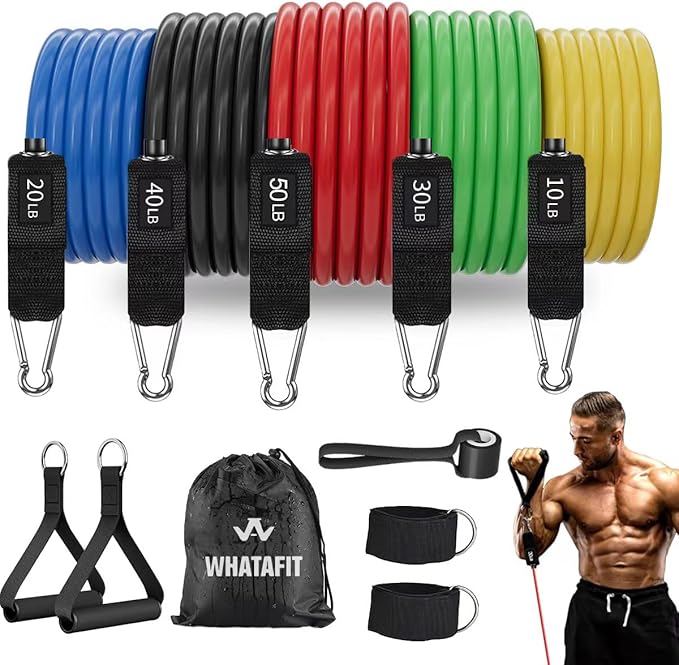
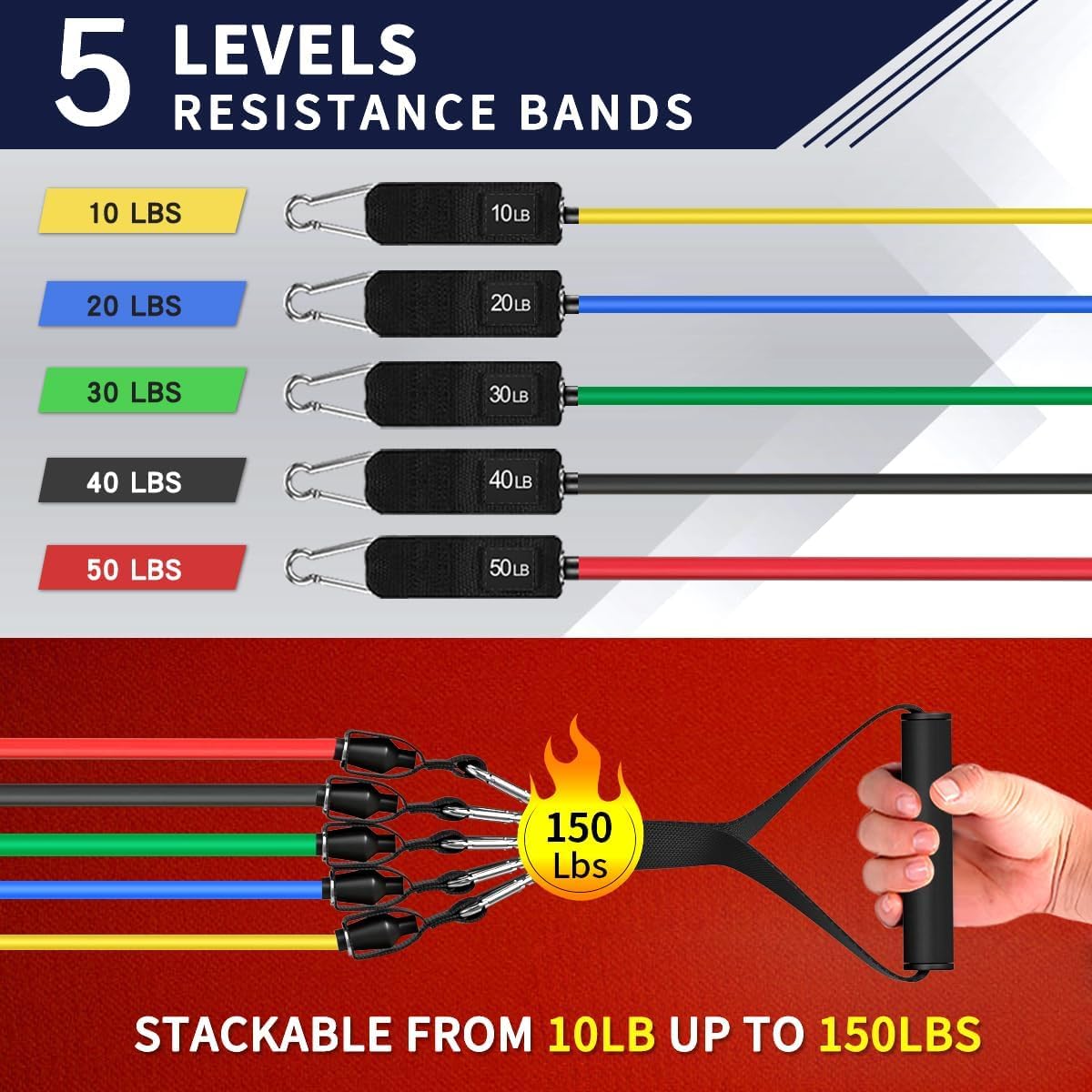
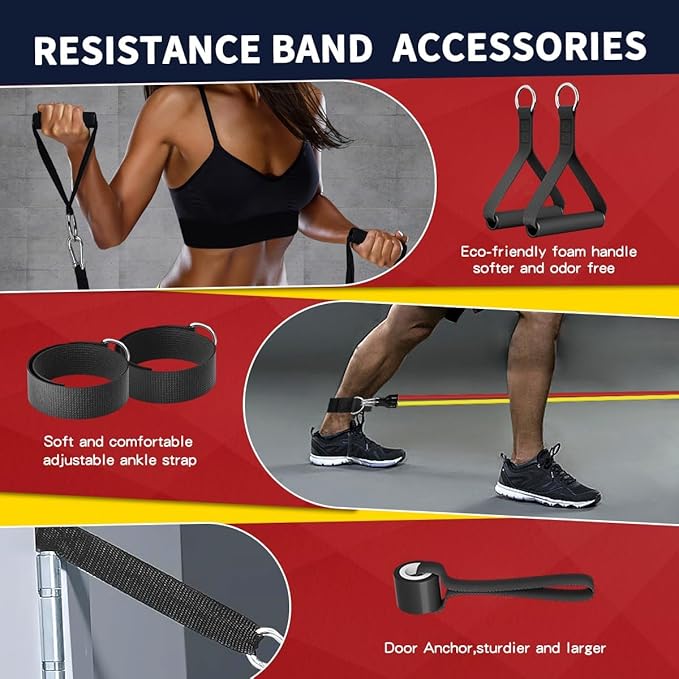
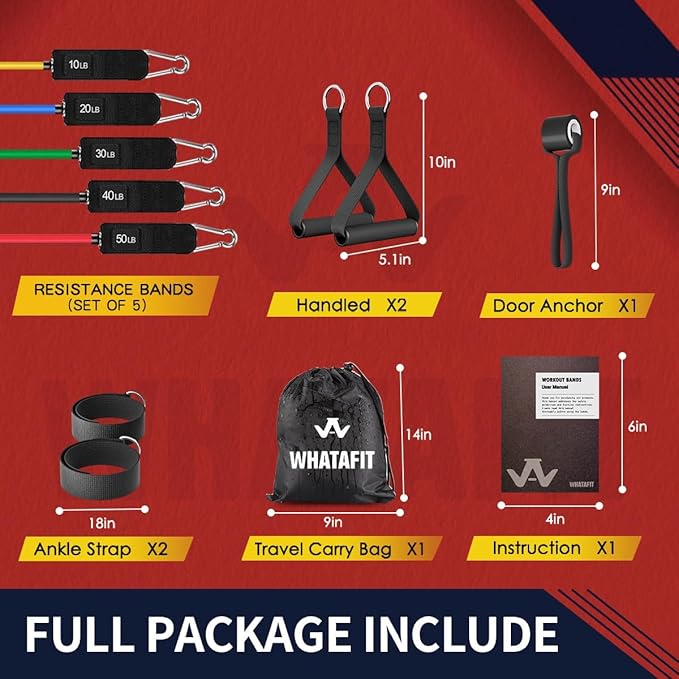
WHATAFIT sells resistance-band exercise equipment for home and travel workouts. This listing describes a resistance bands set, but PVL has not independently verified the precise number of bands, advertised resistance levels, included handles, door anchors, ankle straps, or other accessories for the current Amazon offer. Confirm the exact kit contents and specifications on the product page before purchase.
What Can You Train With Resistance Bands?
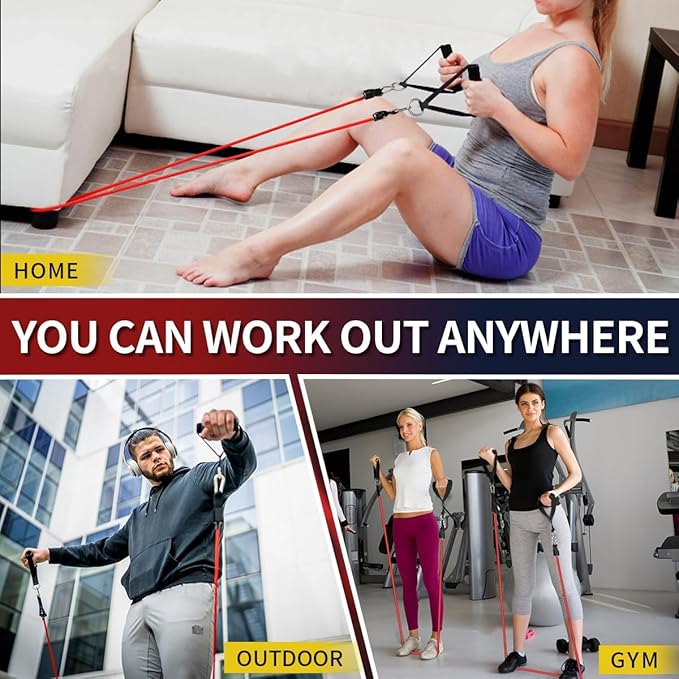
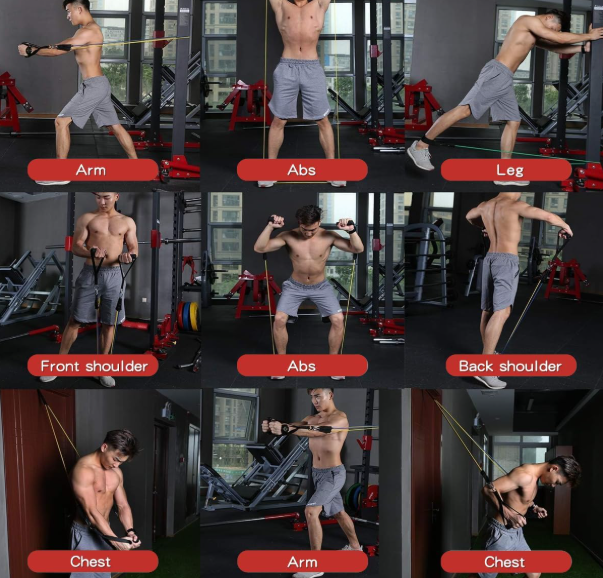
Depending on the type and attachment points, bands can be used for rows, presses, curls, triceps extensions, squats, lateral steps, and other exercises. Resistance changes as a band stretches, so the load is not constant through the movement. Exercise selection should account for your strength, range of motion, and ability to secure the band safely.
Can Resistance Bands Build Muscle and Strength?
Yes. Elastic resistance can support strength and muscle development when sets are sufficiently challenging and training progresses over time. Bands are not automatically equivalent to free weights for every exercise or athlete. Load measurement is less straightforward, and advanced lifters may need heavier resistance or other equipment to continue progressing.
Are Bands Good for Beginners?
Bands can be approachable because they are portable and may offer several resistance options. Beginners should start with a manageable band, controlled movements, and consistent technique. Progress gradually by adjusting band tension, repetitions, sets, or exercise difficulty rather than choosing the highest advertised resistance immediately.
How Do You Progress With Bands?
Progression can involve increasing repetitions or sets, moving to a stronger band, changing stance or band length, or selecting a more demanding exercise. Because band resistance varies with stretch and setup, track your configuration as well as your repetitions. Avoid overstretching beyond manufacturer instructions.
What About Rehabilitation and Mobility?
Elastic bands are sometimes used in clinician-guided rehabilitation and mobility programs, but that does not mean this WHATAFIT kit treats an injury or is suitable for every recovery plan. People with recent surgery, pain, neurological symptoms, or unstable joints should follow individualized professional guidance rather than treating general product claims as medical advice.
What Are the Main Safety Risks?
Elastic bands can snap or recoil if damaged, overstretched, or attached to an insecure object. Inspect bands and accessories before each workout, keep the band away from your face, and use only stable anchor points. If the kit includes a door anchor, follow its instructions and check the door’s closure and opening direction before applying tension.
How Does WHATAFIT Compare With Dumbbells?
Bands are usually easier to transport and store than a collection of dumbbells. Dumbbells provide a more predictable external load and may be simpler to quantify for progression. Bands offer variable tension and exercise flexibility, but attachment safety and resistance consistency deserve attention. Many home exercisers can use both rather than treating them as mutually exclusive.
What Should You Check Before Buying?
Check the actual band type, resistance range and how it is measured, accessories, handles, anchor instructions, replacement availability, warranty, and seller. Advertised resistance figures may refer to stretched conditions or combined bands, not a constant load. Product images and bundle contents can change, so rely on the current listing.
Who Should Consider This Set?
It may suit beginners, travelers, people with limited storage space, and adults seeking a flexible addition to a home strength routine. It may be less ideal for those who require precisely measured loads, very high resistance, or specialized clinical rehabilitation equipment.
Pros and Cons
Pros
- Portable and potentially space-saving
- Supports a range of upper- and lower-body exercises
- Elastic resistance training can be effective with appropriate progression
- May complement dumbbells and bodyweight exercise
Cons
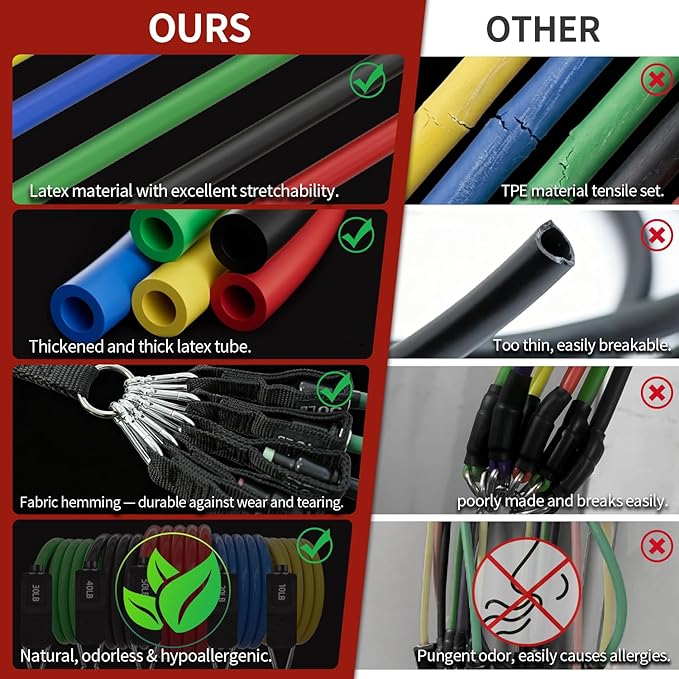
- Exact WHATAFIT kit components and durability are unverified
- Resistance varies with stretch and setup
- Anchoring errors and damaged bands can create recoil hazards
- Not a substitute for individualized rehabilitation guidance
Frequently Asked Questions
Can WHATAFIT resistance bands build muscle?
They can support muscle growth when exercises provide enough resistance and become progressively more challenging. Research supports elastic resistance training as a useful strength-training method, although results depend on program design and consistency. The precise resistance and durability of this WHATAFIT kit have not been independently tested for this review.
Are WHATAFIT resistance bands suitable for beginners?
They may be suitable if the set includes a manageable resistance level and you use controlled technique. Start with simple rows, presses, or lower-body exercises and progress gradually. Confirm the exact contents before buying, because accessories and band strengths can differ between WHATAFIT packages and seller listings.
Can I use resistance bands instead of dumbbells?
Yes, for many exercises, although the training experience is different. Bands provide variable tension as they stretch, while dumbbells supply a more consistent gravitational load. Either can help develop strength with appropriate effort and progression. Advanced trainees may prefer combining both methods to cover different movements and resistance needs.
Are resistance bands safe to attach to a door?
Only if the specific kit includes a compatible door anchor and the manufacturer permits that setup. Inspect the anchor and band, ensure the door is securely closed, and position yourself away from possible recoil. Never improvise an attachment to a weak fixture or use damaged equipment during exercise.
Can these bands help with physical therapy or injury recovery?
Elastic resistance is used in some rehabilitation programs, but this consumer set is not a medical treatment. The right movement and resistance depend on the injury, stage of healing, and individual assessment. Follow your clinician’s program after surgery or injury rather than assuming a general home-workout routine is appropriate.
What resistance level should I choose for home workouts?
Choose a level that lets you complete the movement with control while making the final repetitions challenging. The correct resistance differs across exercises and users. Confirm how WHATAFIT measures the stated resistance and avoid treating printed pound values as constant loads throughout every movement. Increase difficulty gradually as technique improves.
Final Verdict
PVL Rating: 4.0/5 (provisional). WHATAFIT Resistance Bands may be a convenient addition to a home-training setup. The broader evidence for elastic resistance exercise is encouraging, but buyers should verify the exact kit, anchoring accessories, and resistance specifications. Inspect bands regularly and prioritize controlled, progressive exercise.
Reviews
There are no reviews yet.