Quick Answer
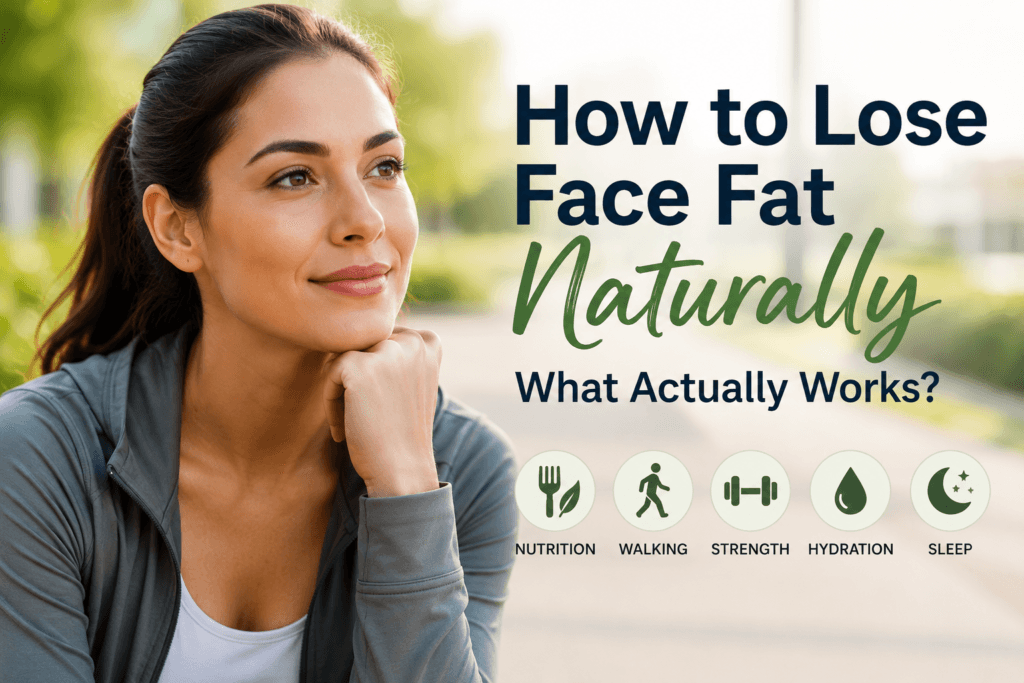
You cannot selectively burn fat only from your face. If facial fullness reflects body fat, gradual overall fat loss through a sustainable calorie deficit, protein-rich meals, cardio or walking, strength training, and consistent sleep may eventually change facial appearance. If fullness fluctuates quickly, temporary puffiness related to sleep, alcohol, sodium, hydration, allergies, medication, or illness may be more relevant. Sudden, painful, one-sided, or persistent swelling needs medical evaluation.
Key Takeaways
- You cannot choose where your body loses fat first or spot-reduce fat from the cheeks or jawline.
- A naturally round face is not proof of poor health or a reason to pursue aggressive weight loss.
- Facial fat changes gradually; puffiness can fluctuate within hours or days.
- Overall fat loss may change facial appearance, but genetics influence when and where changes become visible.
- Facial exercises, chewing gum, gua sha, and rollers do not selectively burn facial fat.
- Sudden, painful, one-sided, severe, or persistent swelling should be medically evaluated.
What My Own Weight-Loss Experience Taught Me About Targeting Fat
Over the years, I have learned that health changes rarely happen exactly where or when we want them to. During periods when I was rebuilding my energy and trying to become more active, walking, swimming, better sleep, and more consistent meals mattered far more than chasing one specific body area.
That lesson applies to face fat too. It is easy to look in the mirror and focus on your cheeks, jawline, or chin, but the body does not work like a menu where we can choose which fat store to use first. What we can control are the habits that support healthier body composition over time.
If you are searching for how to lose face fat, the first question is therefore not which facial exercise to perform. It is whether the fullness you see is actually body fat, temporary puffiness, or simply your natural facial structure. Understanding that difference can save a lot of frustration.
Why Does My Face Look Fat or Fuller?
A fuller-looking face can have several causes. Overall body fat is one possibility, but genetics, facial structure, fluid retention, sleep, alcohol, sodium intake, and recent weight changes can all influence how your face looks.
That distinction matters because the right response depends on the cause. If your face became gradually fuller alongside overall weight gain, reducing body fat may change its appearance. If your face looks noticeably different from one morning to the next, temporary puffiness may be playing a larger role.
Can Genetics Cause a Naturally Round or Full Face?
Yes. Genetics influence facial structure and where your body tends to store fat. Two people can have similar body weights and body-fat levels but very different cheek fullness, jawlines, and face shapes.
This is one reason comparing your face with someone else’s can be misleading. A naturally round face is not evidence that you are unhealthy or that you need aggressive weight loss.
Can Water Retention Make Your Face Look Fatter?
Temporary fluid retention can make the face appear puffier without any meaningful increase in body fat. Sodium, alcohol, hydration patterns, sleep, and other factors may influence fluid balance.
What surprised me most while improving my own routines was how much day-to-day appearance and energy could change even when body weight barely moved. Short-term fluctuations are not the same thing as gaining or losing stored fat.
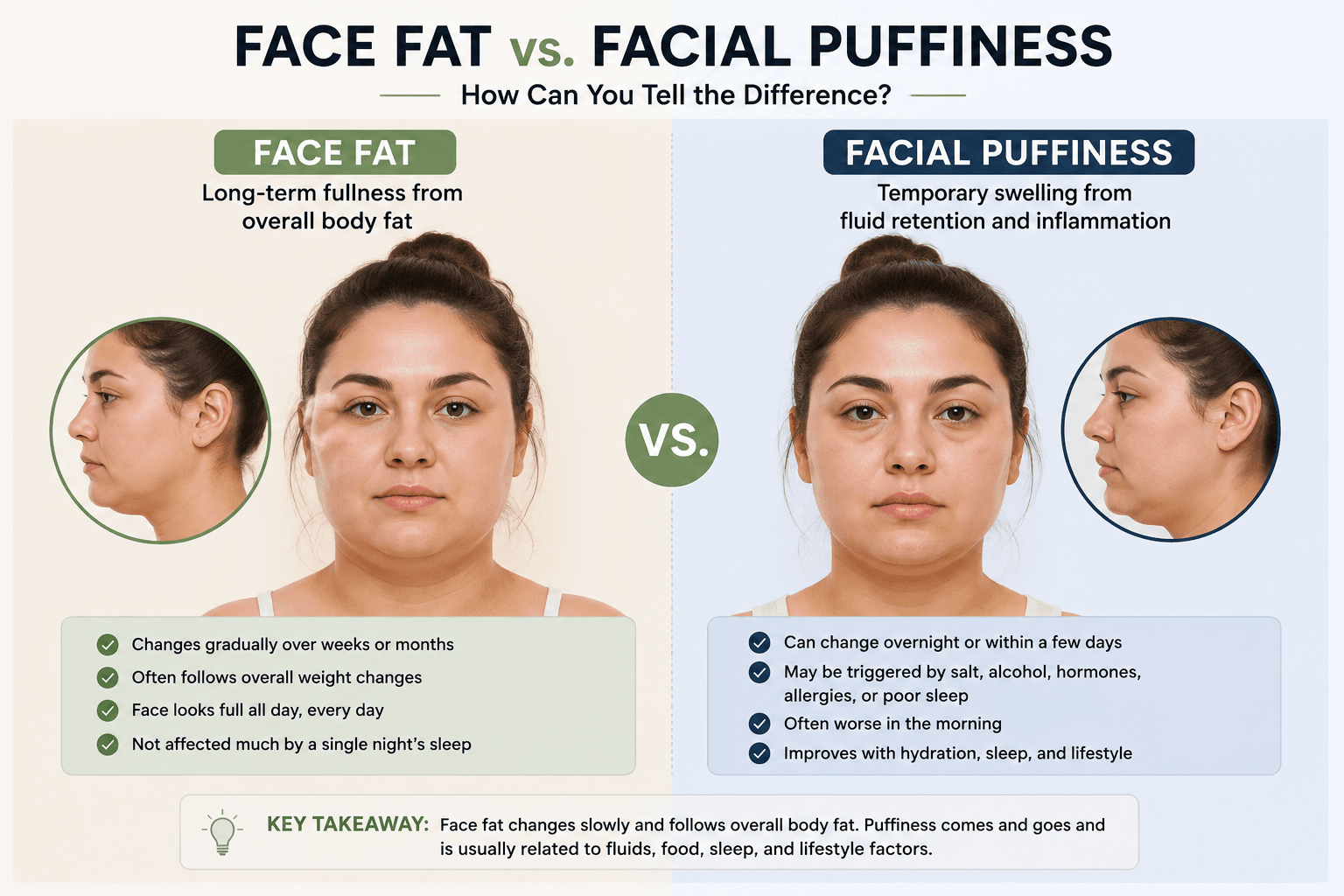
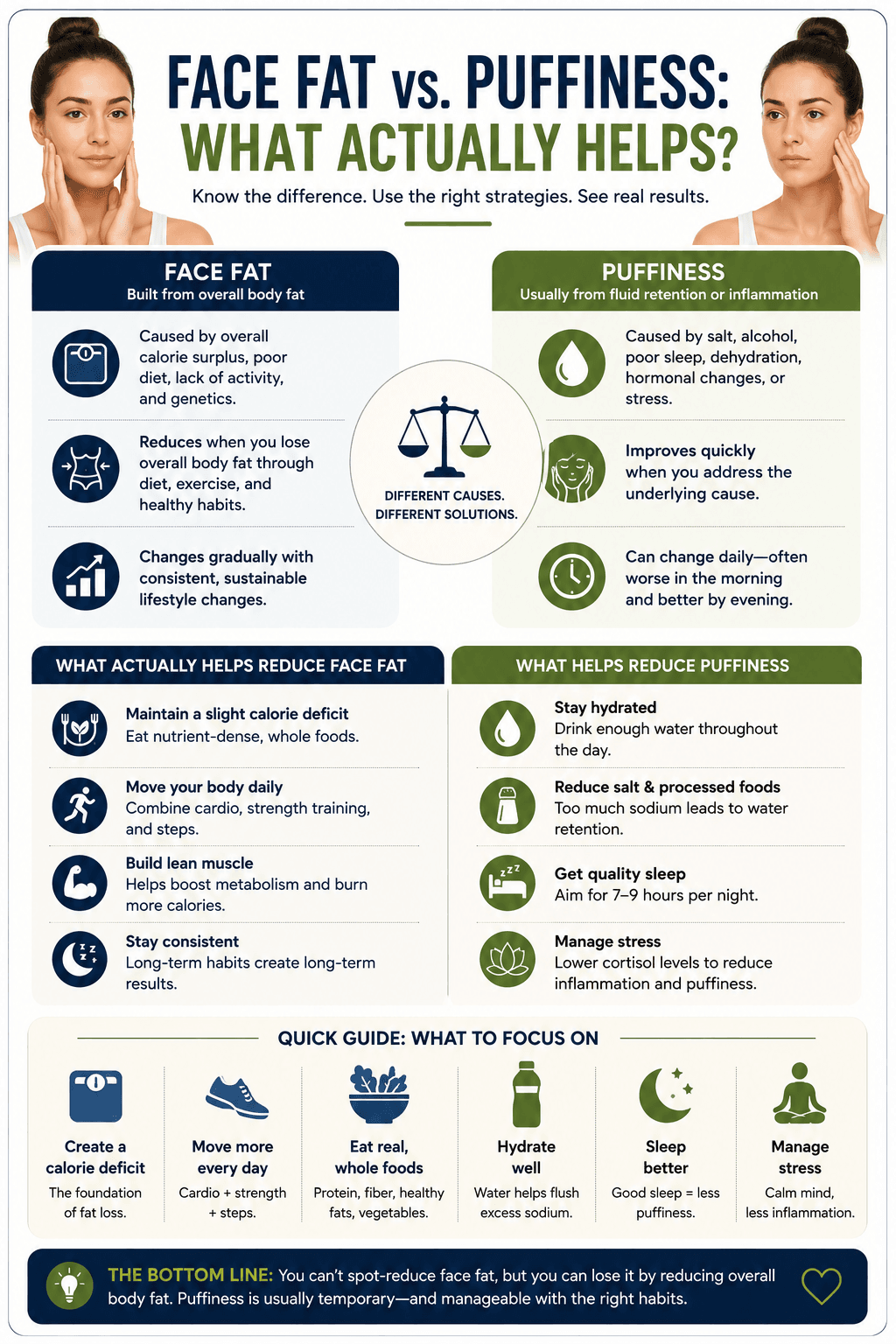
Face Fat vs. Facial Puffiness: How Can You Tell the Difference?
Facial fat usually changes gradually as body composition changes. Puffiness can appear and disappear much more quickly. A face that looks fuller after a salty meal, poor night’s sleep, or alcohol may not reflect increased body fat at all.
| Feature | Facial Fat | Puffiness / Fluid Retention |
|---|---|---|
| How it changes | Usually gradually | Can fluctuate quickly |
| Morning-to-evening difference | Usually smaller | Can be noticeable |
| Related to overall fat gain | Often | Not necessarily |
| Salt or alcohol | Does not directly create facial fat overnight | May temporarily affect appearance |
| Changes overnight | Unlikely | Possible |
Why Does My Face Look Puffier in the Morning?
Morning puffiness can reflect temporary fluid distribution rather than fat gain. Sleep position, a salty evening meal, alcohol, hydration, and sleep quality may contribute. If the puffiness fades during the day, that is another reason not to assume every change is body fat.
Why Does My Face Look Thinner on Some Days?
Small changes in hydration, fluid retention, lighting, sleep, and even the time of day can affect facial appearance. Actual fat loss happens gradually, so dramatic daily changes are unlikely to represent changes in facial fat.
Can You Target Face Fat Specifically?
No reliable method has been shown to make your body selectively burn stored fat only from your face. Fat loss occurs across the body, and genetics strongly influence where changes become visible first.
That is why hundreds of cheek exercises cannot replace the fundamentals of healthy body-fat reduction. If reducing overall body fat is appropriate for you, focus on sustainable habits rather than trying to force fat loss from one location.
Where Does Your Body Lose Fat First?
There is no universal order. Genetics, age, sex, starting body composition, and individual fat distribution all matter. One person may notice changes in the face early, while another notices changes around the waist or elsewhere first.
The practical takeaway is simple: measure progress over time rather than judging your plan by one body area.
How Can You Lose Face Fat Naturally?
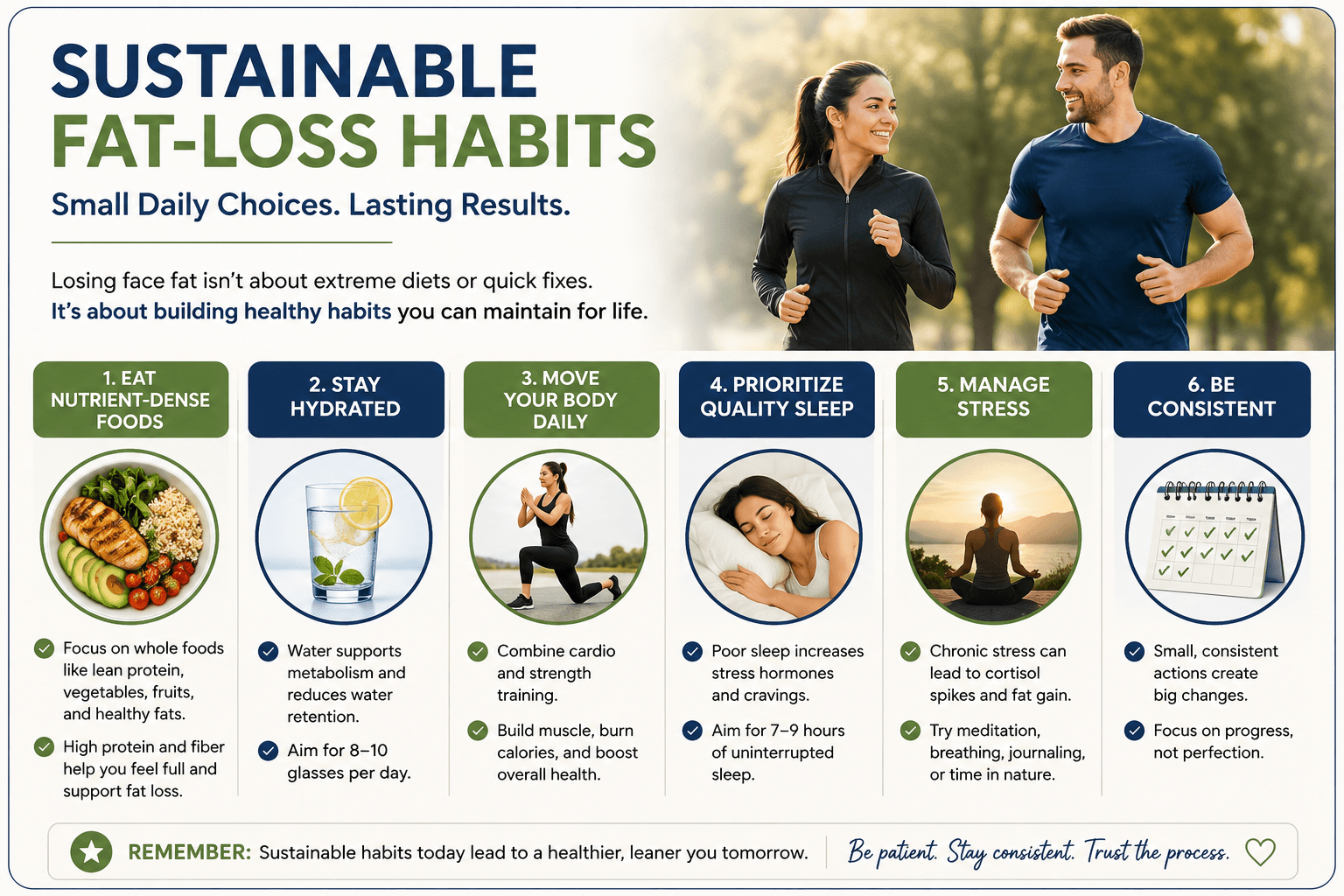
If facial fullness is related to excess body fat, the most practical strategy is gradual overall fat loss. There is no special face-fat diet. The same fundamentals that support healthier body composition apply here.
1. Create a Sustainable Calorie Deficit
A calorie deficit means using slightly more energy than you consume over time. This encourages the body to draw on stored energy, including body fat. Extreme restriction is unnecessary and can be difficult to maintain.
For a deeper explanation of sustainable fat loss, read How to Lose Body Fat Naturally: The Ultimate Guide. If short-term logging would help you understand portions without guessing, compare the options in our free food-tracking app guide.

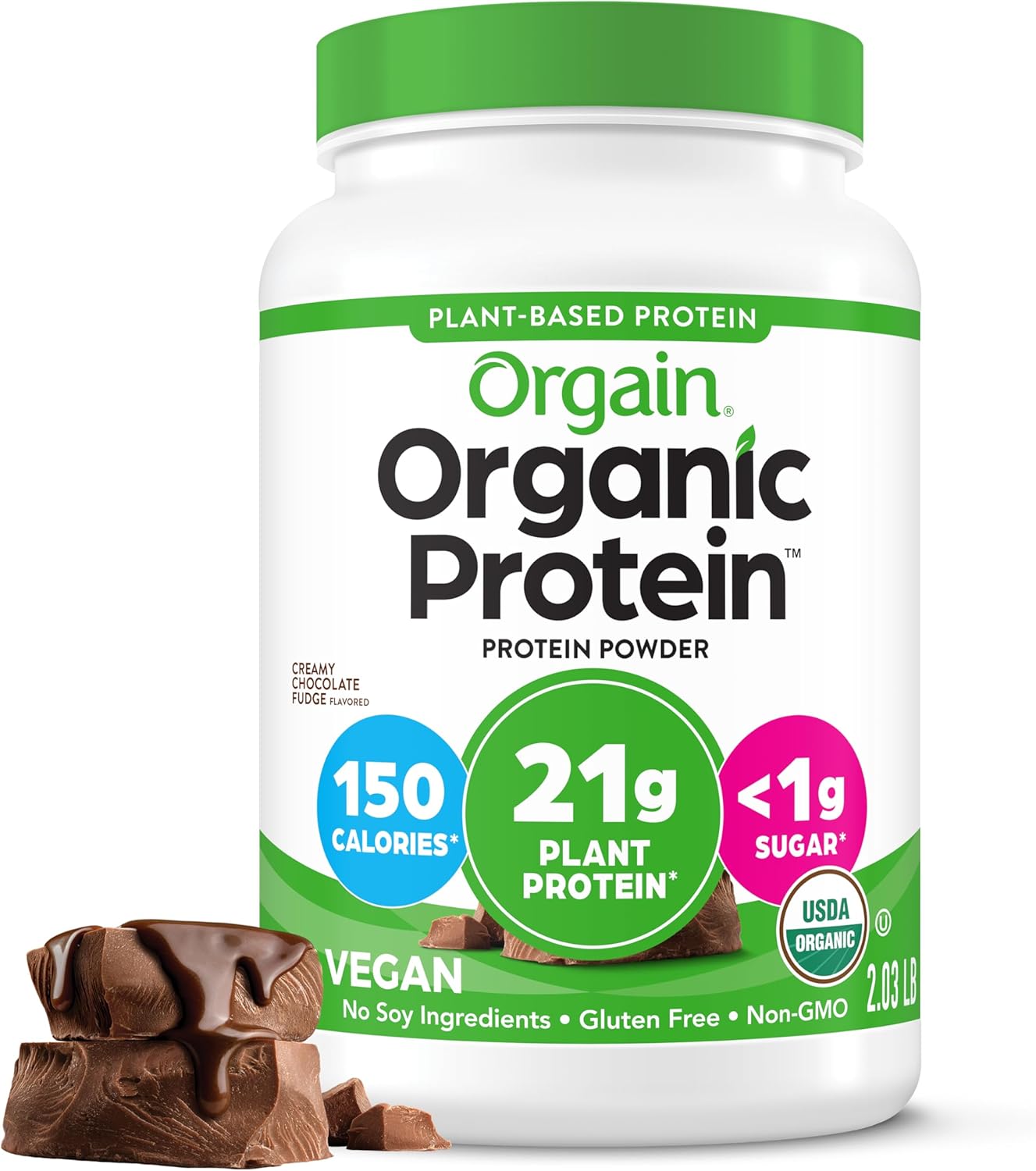
2. Eat Enough Protein While Losing Weight
Protein can support fullness and help preserve lean mass during weight loss. Rather than building meals around restriction, I prefer thinking about what the meal needs: a useful protein source, plants, fiber-rich carbohydrates when appropriate, and enough food to make the routine sustainable.
3. Prioritize Whole Foods and Fiber
Vegetables, fruit, legumes, whole grains, nuts, seeds, and minimally processed foods can make a calorie-controlled diet more satisfying. Fiber-rich foods add volume and may help with fullness.
The goal is not a perfect diet. It is a pattern you can repeat consistently. Our balanced diet for energy guide offers meal-building ideas that support fullness and steadier energy.
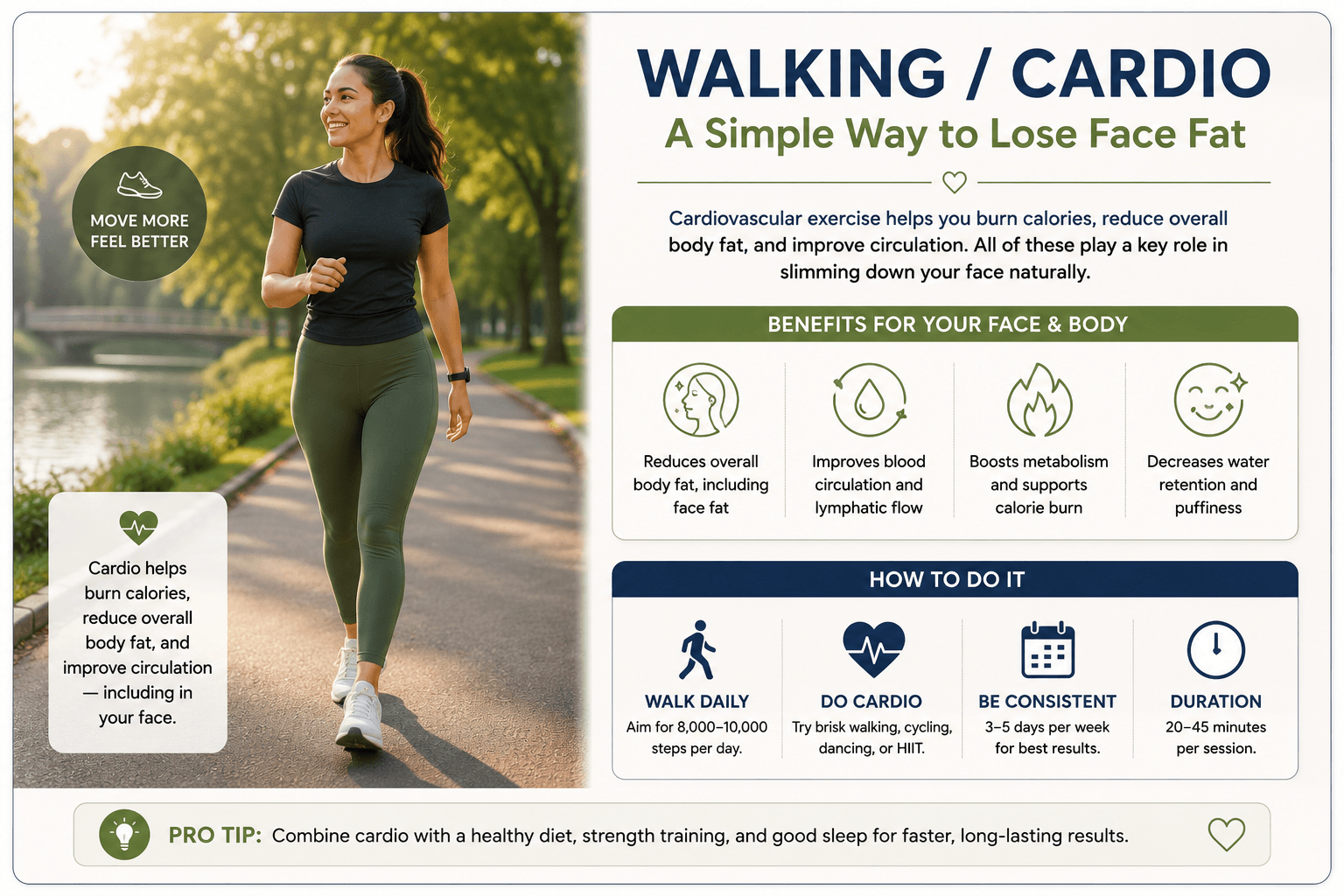
4. Increase Cardio and Daily Movement
Walking, cycling, swimming, and other aerobic activities increase energy expenditure and support cardiovascular health. Daily movement is particularly useful because it can fit around work and family responsibilities without turning every day into an intense workout.
Walking has been one of the most practical habits in my own routine because I can adjust it to my energy level. If you want a step target, see How Many Steps a Day to Lose Weight?
5. Add Strength Training
Resistance training helps maintain or build muscle while you are reducing body fat. That matters because the goal should not simply be to make the scale move downward; preserving muscle supports function, strength, and healthier body composition.
6. Stay Hydrated
Drinking water does not directly burn facial fat. Hydration does, however, support normal body function and exercise, and hydration patterns may influence how puffy you feel or look on some days.
Instead of treating water as a weight-loss trick, make hydration part of your normal daily routine.

7. Watch Excess Sodium and Alcohol
A salty meal does not suddenly add facial fat, but sodium can influence fluid balance. Alcohol can also affect hydration, sleep, food choices, and calorie intake.
If your face looks especially puffy after certain meals or drinks, observe the pattern before assuming you have gained fat.
8. Get Consistent, Quality Sleep
Sleep supports recovery and can influence appetite, energy, and the choices we make the following day. From my own experience, improving sleep made healthy routines easier to maintain because I had more energy to walk, prepare meals, and stay consistent.
Sleep is not a shortcut for losing face fat, but it is part of the larger system that supports sustainable weight management. For practical sleep improvements, see our complete sleep-quality guide.

Do Facial Exercises Actually Reduce Face Fat?
Facial exercises may train facial muscles, but evidence that they selectively reduce the fat covering those muscles is limited. That is an important distinction. A change in muscle tone or temporary appearance is not the same as losing facial fat.


Can Face Yoga Burn Cheek Fat?
Face yoga should not be treated as a proven method for burning cheek fat. If you enjoy facial exercises, you can view them as a muscle or relaxation practice, but they should not replace nutrition, movement, sleep, and other habits that support overall body composition.
Do Gua Sha and Face Rollers Remove Facial Fat?
Gua sha and face rollers do not remove stored facial fat. They may temporarily change how the face looks by affecting surface fluid or creating a massage effect, but a short-term visual change should not be confused with fat loss.
Does Chewing Gum Help You Lose Face Fat?
Chewing gum uses some facial muscles, but that does not mean it selectively burns cheek fat. The body’s fat stores are regulated systemically, not by exercising the nearest muscle.
Can You Lose Face Fat Without Losing Weight?
If facial fullness is primarily stored body fat, meaningful fat reduction generally comes through overall changes in body composition rather than targeting the face alone. But if the fuller appearance is caused by temporary puffiness, your face may look different without significant weight loss.
And if you are already at a healthy body composition and naturally have fuller cheeks, further weight loss may not be appropriate simply to pursue a different face shape.
How Long Does It Take to Lose Face Fat?
There is no reliable timeline for losing face fat. How quickly facial changes become visible depends on your starting body composition, genetics, total fat loss, activity, diet, and where your body tends to store and release fat.
Sustainable fat loss is gradual. Looking for overnight facial changes can make normal fluid fluctuations seem more important than they are.
Does Face Fat Disappear First When You Lose Weight?
It can for some people, but not for everyone. Your body’s fat-loss pattern is individual, so another person’s experience is not a useful deadline for your own progress.
Can You Lose Face Fat in a Week?
A week is too short to promise meaningful, targeted facial fat loss. You may notice less puffiness after improving sleep, hydration, alcohol intake, or dietary patterns, but that is different from selectively losing facial fat.
How Do You Lose Face Fat Without Losing Muscle?
If overall fat loss is appropriate for you, focus on body composition rather than simply losing weight as quickly as possible.
- Use a moderate, sustainable calorie deficit.
- Eat adequate protein.
- Perform resistance training regularly.
- Give the process time instead of chasing rapid weight loss.
This approach supports fat loss while giving your body a reason to retain lean tissue.
What Are the Most Common Face-Fat Mistakes?
- Trying to spot-reduce cheek fat.
- Using crash diets for rapid facial changes.
- Assuming facial exercises burn the fat around the muscles.
- Mistaking temporary puffiness for body fat.
- Expecting your face to change overnight.
- Dehydrating yourself to look thinner.
- Eliminating sodium unnecessarily.
- Comparing your facial structure with someone else’s.
- Ignoring overall body composition and sustainable habits.
Face Fat Myths vs. Reality
| Claim | Reality |
|---|---|
| Facial exercises burn face fat | Not established by strong evidence |
| Drinking water burns facial fat | No; hydration supports health but does not target fat |
| You can spot-reduce cheek fat | No reliable method has demonstrated targeted facial fat loss |
| Overall fat loss may slim the face | Yes, facial appearance may change as overall body fat decreases |
| Puffiness and facial fat are the same | No; temporary fluid changes can alter facial appearance |
When Can a Puffy or Swollen Face Be Something Other Than Body Fat?
Not every change in facial size is related to weight. New, persistent, severe, painful, one-sided, or otherwise unusual facial swelling should not automatically be treated as body fat or a cosmetic weight-loss issue.
If facial swelling concerns you, appears suddenly, persists, or occurs with other symptoms, seek advice from a qualified healthcare professional rather than trying to solve it through dieting.
Frequently Asked Questions About Losing Face Fat
What is the fastest healthy way to lose face fat?
You cannot safely target facial fat for rapid loss. If facial fullness comes from body fat, gradual overall fat loss through sustainable nutrition, regular activity, strength training, and adequate sleep is the more realistic approach.
Can you lose face fat without losing weight?
Not reliably if the fullness is stored fat. However, a face that looks fuller because of temporary puffiness may change without meaningful weight loss. Natural facial structure can also create fuller cheeks regardless of body weight.
Does drinking water help reduce face fat?
Water does not directly burn face fat. Staying adequately hydrated supports normal health and may help you avoid confusing some short-term fluid fluctuations with actual fat changes.
Do facial exercises actually work for face fat?
There is not strong evidence that facial exercises selectively reduce facial fat. They may work facial muscles, but exercising a nearby muscle does not tell the body to burn fat from that specific area.
How long does it take for your face to get slimmer?
There is no fixed timeline. Facial changes depend on genetics, starting body composition, total fat loss, lifestyle, and whether the original fullness was body fat or temporary puffiness.
Final Summary: What Actually Works for Losing Face Fat?
You cannot selectively burn facial fat. If facial fullness is related to body fat, sustainable overall fat loss is the most practical strategy. Focus on balanced nutrition, adequate protein, regular walking or cardio, strength training, sleep, and consistency.
If the issue is temporary puffiness rather than fat, hydration, alcohol, sodium, and sleep may influence how your face looks. And if fuller cheeks are simply part of your natural facial structure, losing more weight is not automatically the right answer.
The realistic next step is to stop chasing one body area and choose one habit you can maintain: a daily walk, a more balanced meal, a consistent bedtime, or regular strength training. Small improvements repeated over time are far more useful than a quick fix.
Related Reads
- How to Lose Body Fat Naturally: The Ultimate Guide
- 5 Effective Ways to Lose Weight Fast Naturally
- How Many Steps a Day to Lose Weight?
- How to Heal Your Gut Microbiome Naturally: Complete Guide
- Best Diet for Energy: Foods That Help Prevent Energy Crashes
- How to Improve Sleep Quality Naturally: Complete Guide
References
- Centers for Disease Control and Prevention (CDC) — Healthy Weight and Growth
- National Health Service (NHS) — Healthy weight and weight-loss guidance
- Harvard Health Publishing — Exercise, weight management, and healthy lifestyle guidance
- Mayo Clinic — Weight-loss and healthy lifestyle guidance
- American Heart Association — Walking and physical activity guidance