
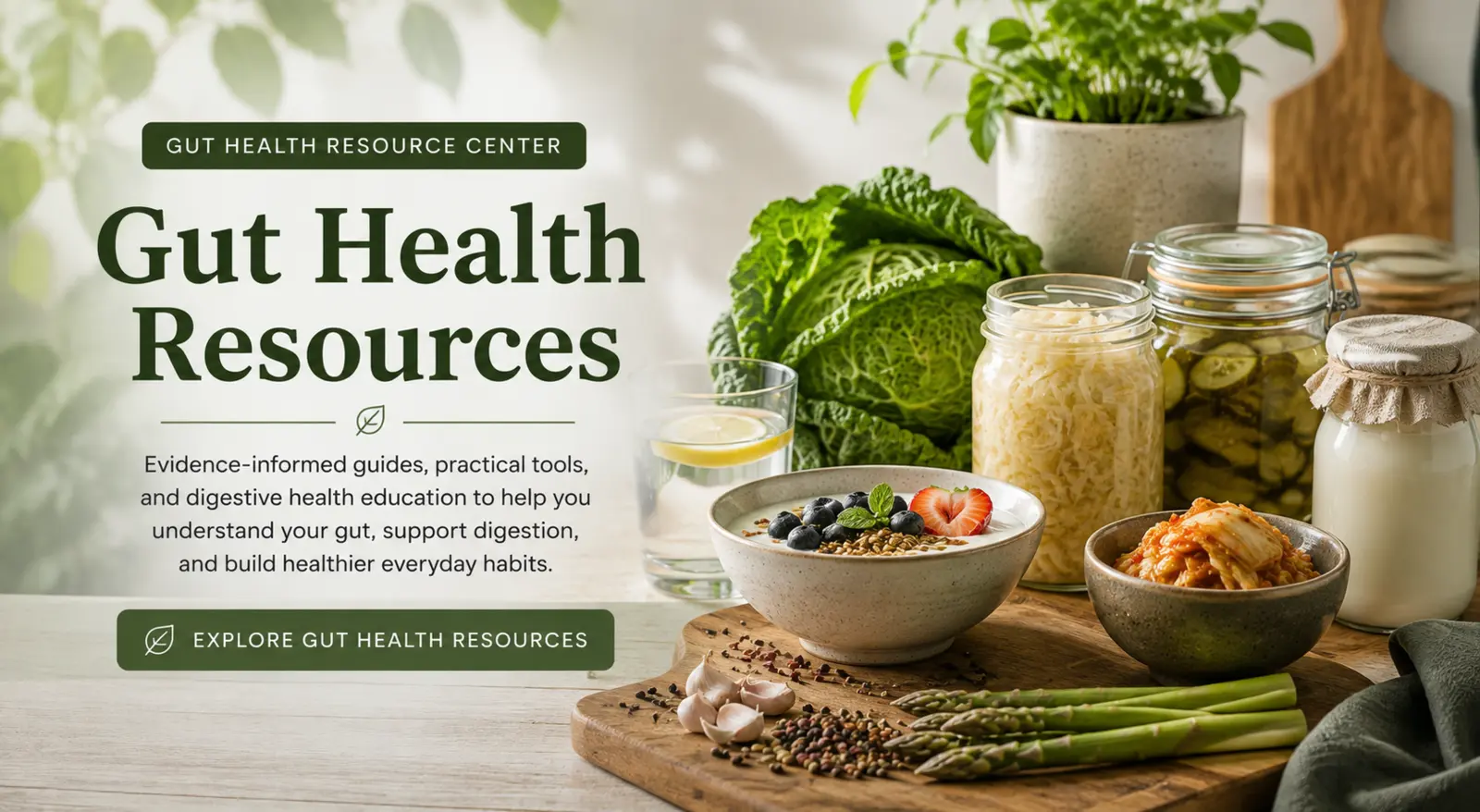
Understand Your Digestive Health
Digestive wellness involves far more than taking a probiotic. Food choices, fiber, hydration, physical activity, sleep, stress, medications, meal timing, and underlying health conditions can all influence how the digestive system functions and how comfortable you feel after eating.
This resource center brings together practical, evidence-informed guidance on digestion, the gut microbiome, regularity, bloating, probiotics, prebiotics, and gut-supportive habits. Use it to explore reliable information, notice patterns worth discussing, and make gradual choices suited to your individual needs. There is no single food, supplement, or routine that creates a “perfect” microbiome for everyone.
Gut Health Is More Than Probiotics
Gut health describes the functioning of your digestive system and the complex environment within it. While probiotics receive considerable attention, digestive wellness is also influenced by dietary patterns, fiber, hydration, movement, sleep, stress, medications, and individual health conditions.
There is no single food, supplement, cleanse, or microbiome routine that creates a “perfect gut.” Our resources focus instead on understanding digestion and building sustainable, evidence-informed habits.
Explore Gut Health Topics
Choose the area that best matches what you want to understand.
Digestion
Learn how digestion works and explore practical habits that can support digestive wellness.
Gut Microbiome
Understand the microorganisms living in the digestive tract and the factors that may influence them.
Fiber & Regularity
Learn about fiber types, food sources, hydration, and their roles in digestive health.
Bloating & Discomfort
Explore common contributors to bloating and practical dietary and lifestyle considerations.
Probiotics & Prebiotics
Understand probiotics, prebiotics, fermented foods, and what current evidence suggests.
Gut Health & Lifestyle
Explore how stress, sleep, movement, nutrition, and everyday habits interact with digestion.
Featured Gut Health Guides
Start with these published PVL guides covering the microbiome, digestion, supplements, recipes, and everyday habits.
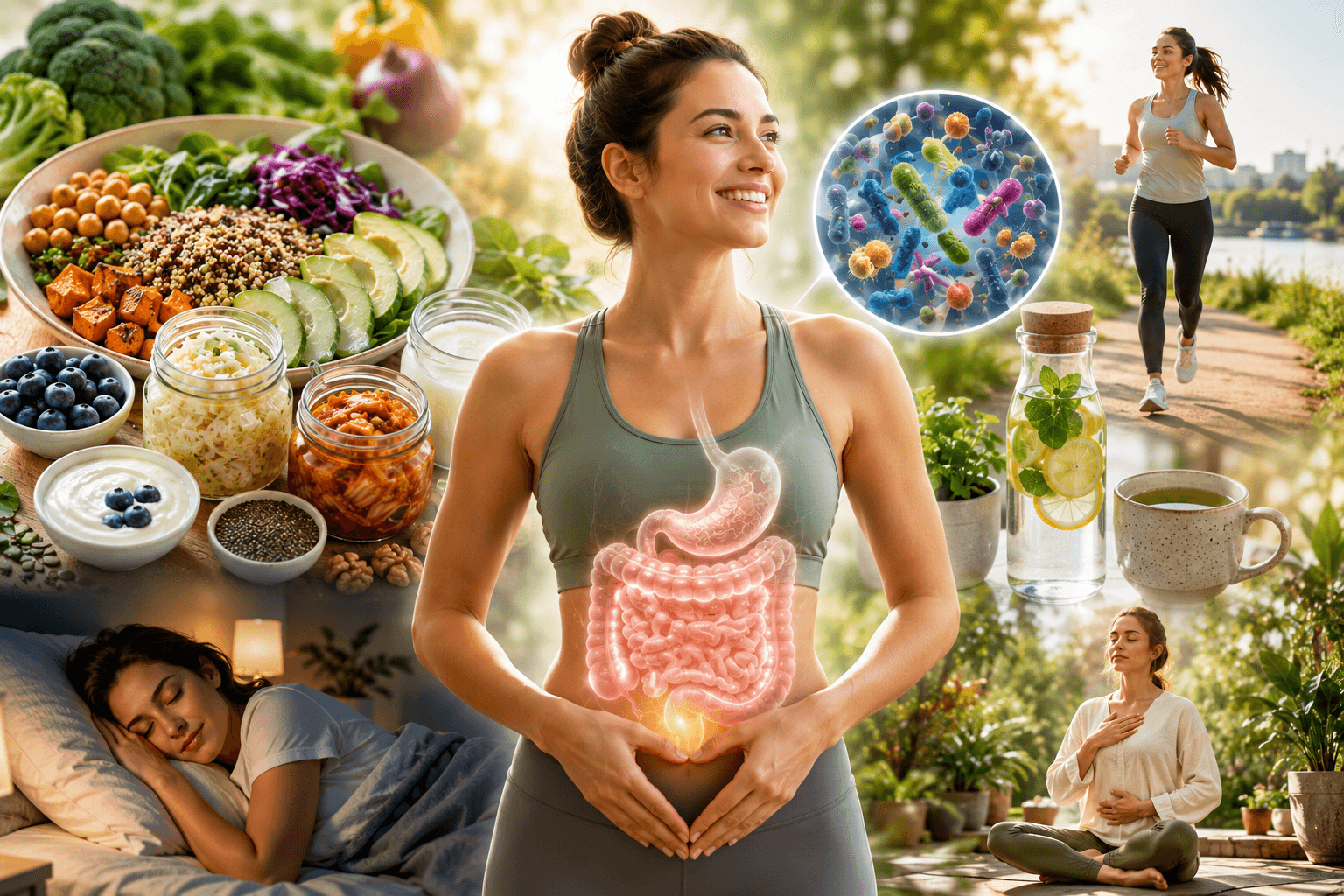
How to Heal Your Gut Microbiome Naturally
Food, fiber, lifestyle, and realistic steps for supporting microbial health.
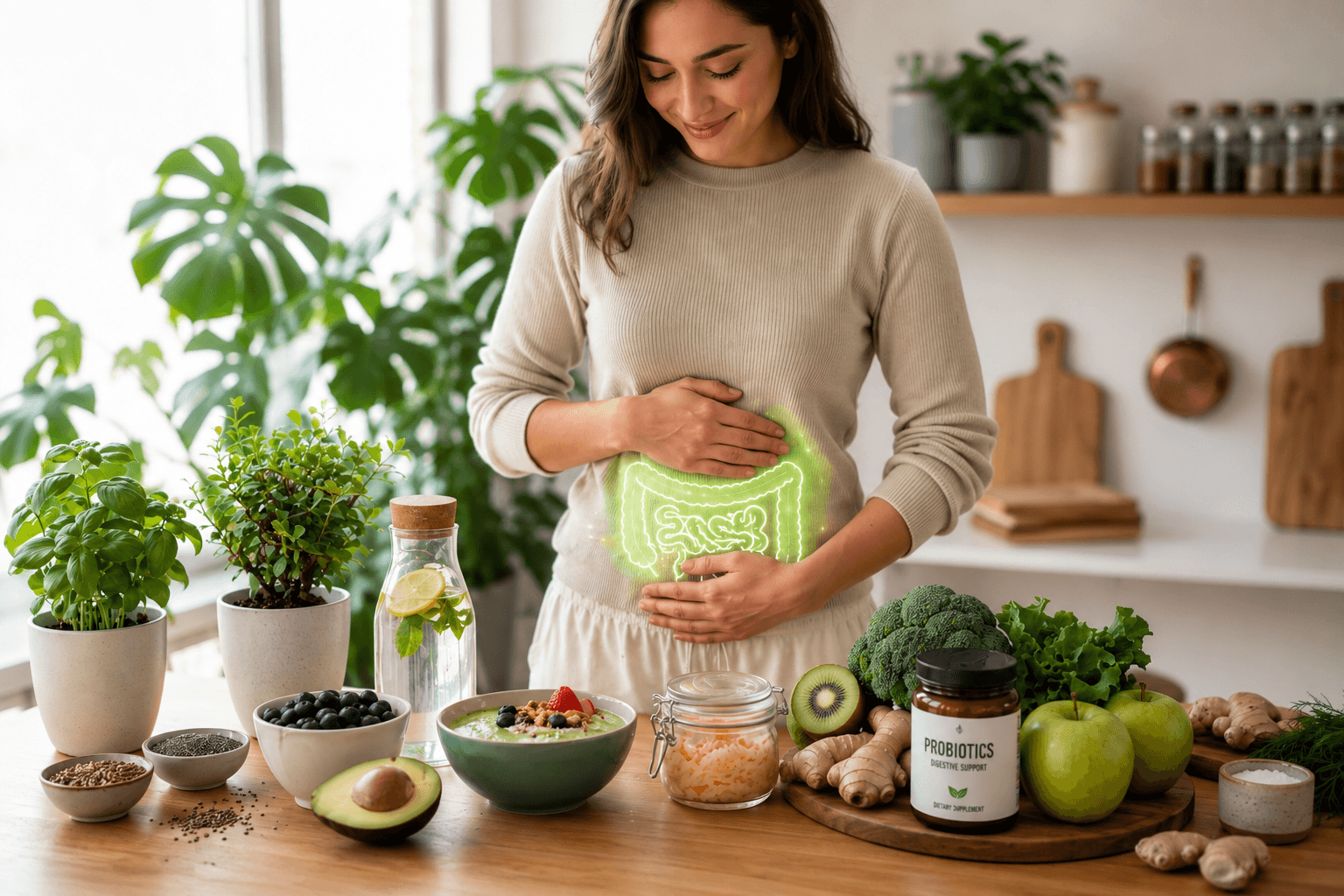
7 Signs of Poor Gut Health and How to Fix It
Common digestive and lifestyle signals worth understanding.
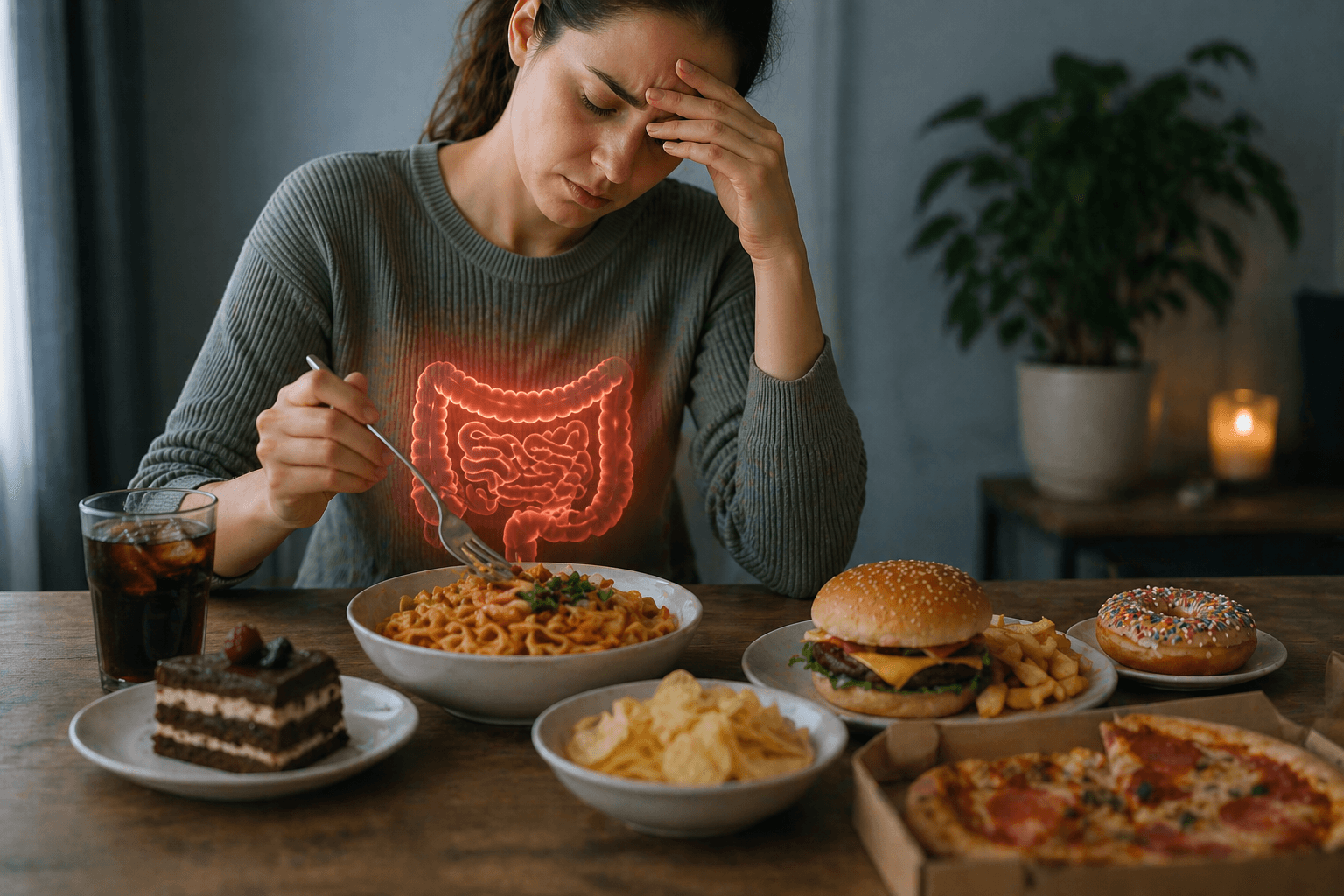
What Causes Bad Gut Health?
Five everyday habits that can work against digestive wellness.
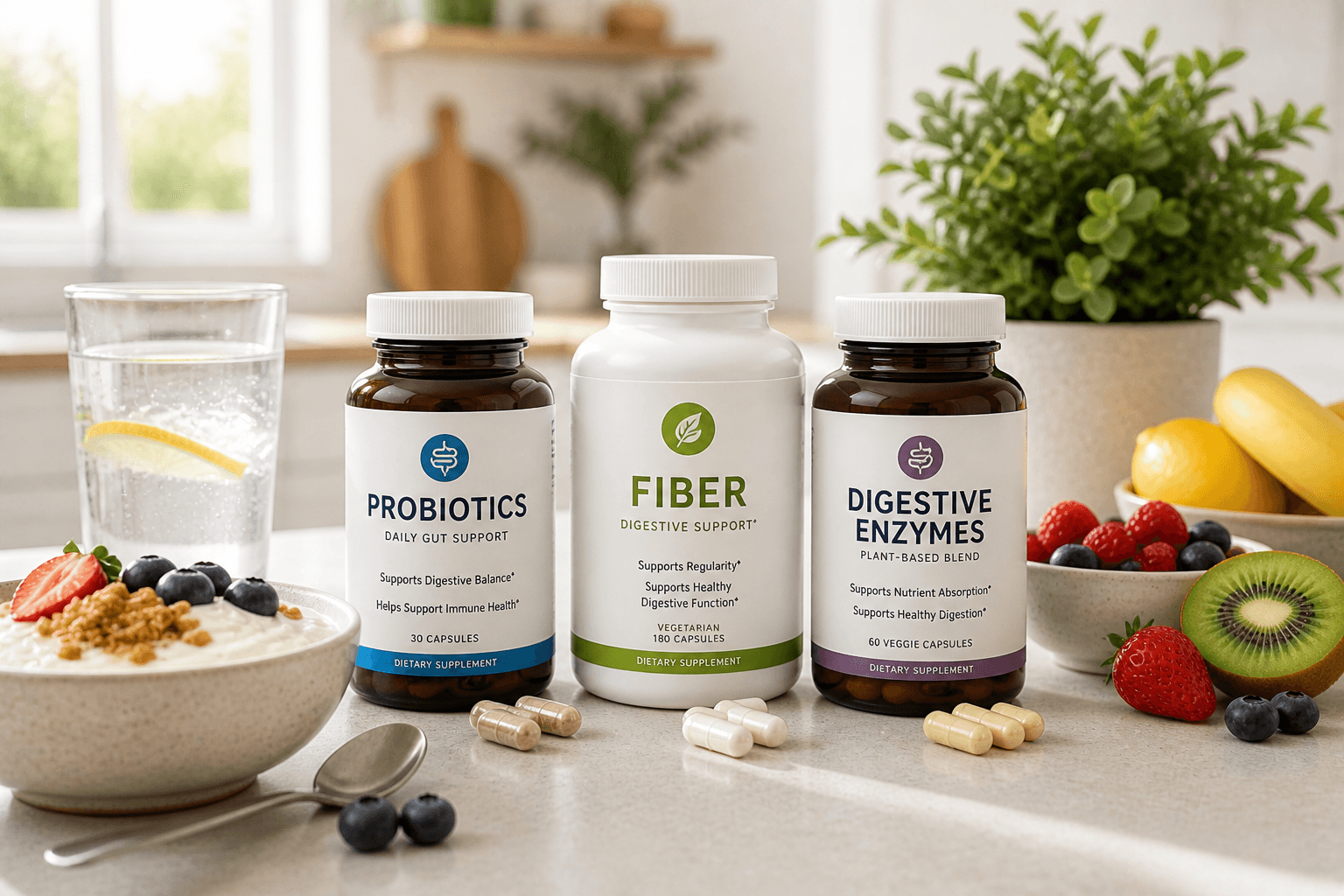
Best Supplements for Gut Health and Digestion
Compare probiotics, fiber, enzymes, prebiotics, and other categories.

15 Gut Healthy Recipes to Support Digestion
Practical meals featuring plants, fiber, and fermented ingredients.

Best Digestive Enzymes for Better Digestion
Learn how enzyme types differ and which foods they help break down.
Digestive Health & IBS Statistics 2026
Explore current statistics and research covering IBS, constipation, gastrointestinal symptoms, gut health, and the impact digestive disorders can have on everyday life.
Free Gut Health Tools and Downloads
Printable resources designed to help you observe digestive patterns, improve daily habits, and have more useful conversations with healthcare professionals.
📓 7-Day Food & Digestion Diary
Track meals, water, digestive symptoms, bowel movements, stress, sleep, and notes.
📅 Daily Gut Health Habit Tracker
Track fiber-rich foods, produce, hydration, fermented foods, movement, sleep, and stress management.
✅ Fiber Food Checklist
Review vegetables, fruits, whole grains, legumes, nuts, and seeds, with space to record your usual foods.
📊 Weekly Gut Health Patterns Worksheet
Review digestion, bowel habits, meals, fiber, hydration, stress, sleep, and movement across the week to identify patterns worth tracking.
For Educators, Publishers & Organizations
These resources are available free for personal and educational use. If you maintain a health, wellness, education, workplace wellness, or community resource page, you’re welcome to link to this resource center or individual downloadable tools.
For questions about using a Purely Vital Living resource, please contact us.
What Is the Gut Microbiome?
The digestive tract contains a complex ecosystem of microorganisms. Researchers continue to study its relationships with digestion, metabolism, immune function, and other aspects of health.
Fiber, Prebiotics & Probiotics: What’s the Difference?
Dietary Fiber
Plant-based carbohydrates that are not completely digested in the small intestine. Different fibers have different properties and physiological effects.
Prebiotics
Specific substrates used by host microorganisms that can provide a health benefit.
Probiotics
Live microorganisms that, when administered in adequate amounts, confer a health benefit on the host.
Fermented Foods
Fermentation uses microorganisms to transform foods. Not every fermented food necessarily qualifies as a probiotic food.
Building a Gut-Supportive Diet
There is no universal “gut health diet.” These fundamentals can provide a practical starting point while respecting individual tolerance.
Plant Variety
Different plant foods provide different fibers and nutrients.
Fiber
Gradual increases in suitable fiber-rich foods can support digestion for many people.
Hydration
Fluid intake is especially relevant when increasing dietary fiber.
Fermented Foods
Yogurt, kefir, and certain other foods may contain live cultures.
Individual Tolerance
A generally nutritious food may not be well tolerated by everyone.
Understanding Bloating and Digestive Discomfort
Occasional bloating can occur for many reasons, including meal size, eating speed, certain carbohydrates, constipation, swallowed air, and individual food tolerance.
Gut Health Doesn’t Exist in Isolation
Digestive wellness connects with the rest of your daily health habits.
Nutrition
What you eat directly interacts with the digestive system.
Sleep
Sleep and digestive health can influence one another.
Energy
Digestive symptoms and dietary patterns can affect how people feel during the day.
Living With Long-Term Digestive Problems
Alongside evidence-informed education, PVL includes first-person accounts of persistent symptoms, testing, dietary changes, treatments, and everyday management.
Personal experience — not medical guidance
How We Create Our Resources
Purely Vital Living creates educational wellness resources using reputable health organizations, peer-reviewed research, established medical guidance, and practical wellness experience.
We aim to translate complex health information into clear, useful resources readers can apply in everyday life. Important content is periodically reviewed and updated as evidence and professional guidance evolve.
Our resources are provided for educational purposes and are not a substitute for personalized medical advice, diagnosis, or treatment.
Evidence-Informed
We prioritize reputable scientific, medical, and public-health sources.
Practical & Accessible
Information is translated into realistic guidance and tools for everyday use.
Regularly Reviewed
Important resources are periodically reviewed for accuracy and relevance.
Next scheduled review: August 2027
Trusted Digestive Health Organizations
Authoritative organizations offering digestive-health education, research, statistics, and professional guidance.
National Institute of Diabetes and Digestive and Kidney Diseases
Federal health information covering digestive diseases, symptoms, diagnosis, and research.
American College of Gastroenterology
Patient education and professional guidance across common gastrointestinal conditions.
National Institutes of Health
Biomedical research and health information from U.S. institutes and centers.
International Foundation for Gastrointestinal Disorders
Education, advocacy, and resources for functional and motility-related gastrointestinal conditions.
NHS Health A to Z
Public-facing information covering digestive symptoms and health conditions.
When to Talk to a Healthcare Professional
Occasional digestive discomfort is common, but persistent, severe, worsening, or unexplained symptoms may require medical evaluation. Seek professional advice rather than attempting to diagnose yourself from online information. Urgent symptoms—such as severe abdominal pain, vomiting blood, black or bloody stools, fainting, or signs of severe dehydration—need prompt medical attention.
Explore More Wellness Resources
Support Your Gut. Support Your Health.
Explore practical resources designed to help you understand digestion, build gut-supportive habits, and make informed choices about digestive wellness.
Better digestive health starts with understanding what works for your body.